OCTH 226 - OT with Children Midterm 1
 Call Kai
 Learn
 Practice Test
 Spaced Repetition
 Match
 Flashcards
 Knowt Play
1/104

There's no tags or description
Looks like no tags are added yet.
105 Terms
theory
explains or describes a natural phenomena and relationships observed
ex: stage and interactional/system theorists
model
explains occupational performance across age span and diagnoses
ex: MOHO, EHP, PEOP
Frame of Reference (FOR)
focused on a specific segment of occupational performance with a specific population
ex: SI, NDT
Multidisplinary
group of professionals working independently
limited methods for sharing views
specialized consultations
less costly but less coordinated care
requires role identification
Interdsiciplinary
professionals and family work together
one profession leads
consensus decision making
regular communication
support and complement
coordination is central !
transdisciplinary
work closely together to collaborate
different members assume leadership
professionals and family share information and coordinate services
role release and role transfer
members share and mutual training/development
coaching
adult learning strategy builds capacity to improve abilities or develop new skills
moves practitioner to a position of coach rather than a lead player
client centered
OT as a guide
IDEA Part B (0-3yr)
family focused
interdisciplinary team
transdisciplinary model
services in natural environment
Part B (preschooler)
3-5 years
require related services (OT, ST, Psych, etc)
interdisciplinary team
inclusion based
Part B (school aged)
6-21 years
require related services (OT, ST, Psych, etc)
interdisciplinary team
inclusion based
transition to adult environment (ITP)
Mainstreaming concepts
old service model
child adapts to existing classroom environment
child’s participation is conditional and temporary
OT focus = skill remediation to “fit” the setting
Inclusion concepts
newer, IDEA-aligned model
classroom adapts to support child
belonging and participation
OT focus = access, participation, and environment adaptation
Mainstreaming
pro: access to gen ed when the student can successfully participate with min support
con: participation is conditional-student is removed if they are struggling
Inclusion concept
pro: affirms belonging and participation by adapting the environment and instruction
con: fails when suppports are insufficient, results in placement without meaningful participation
polydactyly
extra digit on hand or foot
surgically corrected
syndactyly
webbing of tissue between digits on hand or hood
surgically corrected
prematurity
born before 28 weeks of GA
gestational age (GA)
total amount of time from utero to birth
chronological age (CA)
age of child from date of birth
corrected age
CA combined with length of prematurity, can correct up until 2 years old
neurlogical conditions in prematurity
intraventricular hemorrhage
intracranial hemorrhage
retinopathy of prematurity
intracranial hemorrhage
bleed in the brain
intraventricular hemorrhage
bleed in the ventricles; common below 32 weeks
retinopathy of prematurity
maladaptive growth of blood vessels in the retina
respiratory conditions in prematurity
respiratory distress syndrome
bronchopulmonary dysplasia
apnea of prematurity
- because lungs are the last to develop in utero
hyperbillirubinemia
“jaundice”
excess bile
blue light used to treat
gastroesophageal reflux (GER)
burps milk up and can’t keep down
necrotizing enterocolitis
death of cells due to inflammation in digestive system
asthma
common chronic childhood disorder
narrowed airways causing wheezing
Tx: medication, management, reducing triggers
cystic fibrosis
disorder causing disruption of normal movement of salt and water in and out of cells
spina bifida
neural tube defect
can cause physical and intellectual deficits
myelomeningocele
most serious type of spina bifida
sac of fluid is on the back where part of the spinal cord and nerves are inside and damaged
causes: bathroom difficulties, loss of feeling in legs/feet, paraplegia
meningocele
type of spina bifida
sac is in the back but does not house spinal cord or nerves
causes: minor disabilities
spina bifida occulta
“hidden spina bifida”
mildest of spina bifida
small gap in the spine, but no opening or sac
spinal muscular atrophy
genetic disorder characterized by weakness and wasting of skeletal muscles
congenital deformities and abnormalities
Marfan’s Syndrome
Chondrodystrophia/achondroplasia
Osteogenesis Imperfecta
Arthrogyposis multiplex congenita

Marfan syndrome
inherited disorder that affects connective tissue affecting the heart, eyes, blood vessels, and skeleton

achondroplasia
most common form of skeletal dysplasia that impairs the growth of bone in the limbs and causes abnormal growth of the spine and skull

chondrodystrophy
general term for a disorder that interferes with the body’s normal development of cartilage

osteogenesis imperfecta
“brittle bones”
inherited/genetic bone disorder that is present at birth causing soft, easily broken bones
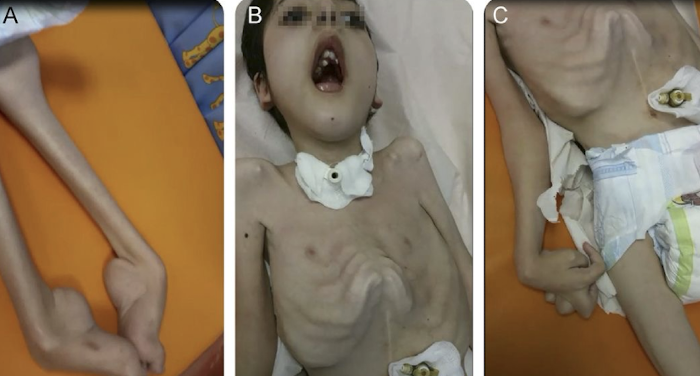
arthrogryposis multiplex congenita
the development of multiple joint contractures affecting two or more areas of the body prior to birth
impacts limb function and ROM
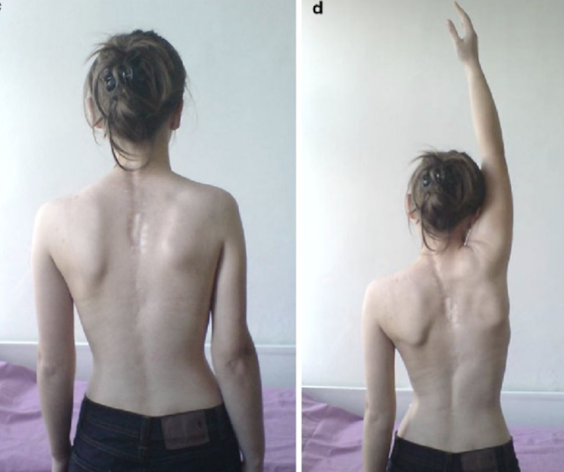
sprengel’s deformity
an abnormally elevated scapula held by a ligamentous band

Erb’s palsy
upper trunk lesion
“waiter’s tip” posture
paralysis of shoulder and lack of elbow flexion and supination
Klumpke’s palsy
lower trunk lesion
“claw hand”
paralysis of intrinsic hand muscles and reduced forearm sensation
juvenile idiopathic arthritis
chronic autoimmune disease that causes joint pain and inflammation
Pediatric Acute-onset Neuropsychiatric Syndrome (PANS)
broader term; triggered by a variety of different infections that disrupt normal neurological functions resulting in OCD, motor tics, anorexia, anxiety, ADHD, mood swings, sleep disturbances
Pediatric Autoimmune Neuropsychiatric Disorders Associated with Streptococcal infections (PANDAS)
autoimmune condition triggered by strep infection disrupting neurological functions resulting in OCD, motor tics, anorexia, anxiety, ADHD, mood swings, sleep disturbances
cerebral palsy (neuromuscular disorder)
occurs from injuries or abnormalities in the brain that occur before, during, or up to 1 yr after birth
have difficulties with motor, sensory, cognitive, and psychosocial functioning
NON progressive
causes of CP
bleeding in the brain
severe jaundice
fetal asphyxia
anoxia during or after birth
brain trauma
prenatal maternal infection
brain infections
idiopathic
types of quality of tone in CP
spastic
athetosis
ataxia
flaccid
mixed
spasticity
high muscle tone (hypertonicity)
increase in resistance to sudden, passive movement and is velocity dependent
3 levels: mild, moderate, severe
athetosis
neurological movement disorder characterized by slow, continuous, involuntary, and writhing (worm-like) movements
ataxia
neurological condition causing poor muscle control, clumsiness, and a lack of voluntary coordination during movements
co-occurring conditions of CP
cognitive impairments
speech and language
sensory deficits
seizures
feeding problems
psychosocial challenges
treatments for CP
orthopedic
anti-spasticity medication
neuro-surgical
OT, PT, ST
psychological and respite services
monosomy
only one chromosome instead of a pair; non-viable (die before birth)
nondisjunction of autosomes
unequal division of chromosomes during cell division
- trisomy (down syndrome)
Turner syndrome
affects females; a complete or partial absence of one of the two X chromosomes
translocation
chromosomes break off and reattaches
down syndrome (trisomy 21)
extra chromosome on 21st pair
creates physical and mental impairments, along with significant health issues
down syndrome characteristics
hypotonia and hypermobility
short stature
poor mouth closure at rest due to tongue protrusion
broad hands and short fingers, simian crease
almond shaped eyes, epicanthal folds
flattened back of head
low set ears
cognitive impairments
simian crease and impairments
only 1 palm crease, instead of 3
causes difficulties with hand coordination and poor muscle development
medical and sensory issues with down syndrome
cardiac abnormalities
atlanto-axial instability (avoid direct pressure movements)
weak immune system
GI issues
vision and hearing difficulties
tendency to obesity
Prader-Willi Syndrome
defect on chromosome 15
short stature
obese and insatiable appetite (hyperphagia)
moderated ID
hypotonia
narrow face with almond eyes
poor thermal regulation
underdeveloped sex organs
William Syndrome
chromosome 7 micro deletion
almond shaped eyes
small pointed ears
wide mouth
upturned nose
ID and easily distracted
severe visual perceptual and visuomotor issues
some motor impairments
strengths: music and socialization
Neurofibromatosis-1/Recklinghausen’s disease
autosomal dominant
growth of multiple tumors on central and peripheral nerves
cafe au lai spots on the skin
pain due to growths on nerves
nerve damage affecting sensory and motor systems
mild ID & LD
more often in boys
seizures
a temporary, involuntary change if consciousness, behavior, motor activity, sensation or automatic functioning
can be generalized (all body) or partial (small form)
epilepsy = recurrent seisures
generalized seisure
tonic clonic = multiple convulsions
absence = lack of attention and consciousness
atypical absence
myoclonic = quick jerks
atonic = sudden loss of muscle tone and strength
partial seizure
simple = electrical disturbance in limited area of the brain
complex = type of epileptic seizure that originates in a specific, localized area of the brain, causes loss of consciousnes
this is the most common found in children
infantile spasms
6-24 mos.
impacts cognitive development
status epilepticus
30 min or longer
requires medical intervention
* Emergency Treatment After Seizures
stay with them until seizure ends and they are fully awake
help person sit in a safe place
ask them what happened in simple terms
comfort person and speak calmly
check if there is a medical bracelet
keep yourself and others calm
* Emergency Treatment During Seizures
ease person to the floor
turn person to the side to help them breathe
clear area around person to keep them safe
put something soft and flat under their head
remove eye glasses
loosen ties or anything around neck
time the seizure and call 911 if longer than 5 min.
* What Not To Do During Seizure
do not hold them down
do not put anything in their mouth (person cannot swallow their tongue)
do not try to give CPR
do not offer water or food until fully alert
Treatments for Seizures
emergency protocol for seizures
anti-convulsion medications
ketogenic diet (high fat diet to increase myelination in NS)
surgical intervention (last resort)
hemispherectomy
corpus collosotomy
electrical stimulation of the vagal nerve or thalamus
types of muscular dystrophies
Duchenne’s
Becker’s
Limb-girdle
Facioscapulohumeral
limb girdle muscular dystrophy
autosomal recessive
affects proximal muscle of the shoulder and hips
onset is childhood up to 30 years
slow progression
facioscapulohumeral muscular dystrophy
autosomal dominant
onset in adolescence
affects the face, scapula, and shoulders
Becker’s Muscular Dystrophy
progressive and often fatal
onset at 8-12 years old
has a genetic marker
they have lots of weakness
Duchenne’s MD
only affects boys
most severe form of MD
onset 2-6 yo
starts at pelvic girdle to shoulder girdle to all muscles
difficulty rising from floor (gower’s sign)
shortened lifespan

Gower’sign
how child with duchenne’s MD gets up from floor
Treatment for Dystrophies
medications
therapy (be compensatory and preserve function)
breathing aids
surgery
Neurodevelopmental Disorders
ASD
ADHD/ADD
IDD
LD
DCD
Trauma & Stressor Related Disorder (2)
Feeding/Eating disorders (3)
Mood Disorder (3)
Disruptive, Impulsive Control & Conduct Disorder (2)
controlled mature bite
grading the force of the bite to meet the resistance of food
ex: carrot v marshmellow
gag reflex
protective mechanism to avoid aspiration
jaw stability
ability to hold the jaw steady like when drinking in a cup
tongue lateralization
the ability to move the tongue from side to side inside the mouth
munching
up and down motion of the jaw, is replaced with rotary chewing at 9-12 mos.
phasic bite-release
rhythmical movement of jaw
jaw thrust
atypical; forceful opening of the jaw
“underbite”
seen in children with CP (hypotonia)
lip pursing
tight puckering of the lips
seen in children with CP
lip retraction
lips pulled back and limited closure
tongue retraction
tongue pulled back and unable to control bolus
tongue thrust
tongue forcefully pushed out of the mouth and comprises moving food/fluid in oral cavity to elicit swallowing
tonic bite
forceful bite that is not graded and makes it difficult to release food after bite
feeding
the process of setting up, arranging and bringing food or fluids from the plate or cup to the mouth
eating
the ability to keep and manipulate food/fluid in the mouth and swallow it
ASD
chronic, non-progressive disorder where social communication skills do no develop typically
language difficulties
symptoms before 3 yo
restricted, repetitive, bx
differential Dx
ASD Criteria A
Social Communication & Interactions (must have ALL 3)
- deficits in socio-emotional reciprocity
- deficits in non-verbal communication
- deficits in developing, maintaining, and understanding relationships
ASD Criteria B
Restricted, Repetitive Patterns of Bx, Interests or Activities (must display at least 2)
- repetitive movements or speech
- insistence on sameness, inflexible to routines
- restricted, fixated interests
- hyper or hypo reactivity to sensory input (recent to DSM5)