id 4741 exam 1
 Call Kai
 Learn
Learn Practice Test
 Spaced Repetition
 Match
Match Flashcards
 Knowt Play
1/117

Earn XP
Description and Tags
lsu id 4741, fall 2026 darius spieth chapters 1-5 (lectures 1-8)
Name | Mastery | Learn | Test | Matching | Spaced | Call with Kai | Chat |
|---|
No analytics yet
Send a link to your students to track their progress
118 Terms
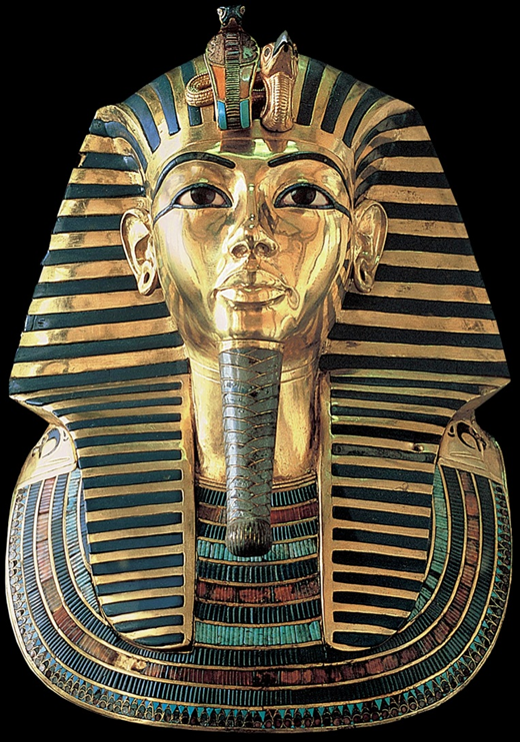
Death Mask of Tutankhamen, innermost coffin, ca. 1350 B.C.E., gold with inlay of semiprecious stones

Stonehenge, ca. 2000 B.C.E., Salisbury Plain, Wiltshire, England

Iktinos and Kallikrates, The Parthenon, Acropolis, Athens, 448-432 B.C.E.

Anthemius of Tralles and Isidorus of Miletus, Hagia Sophia, Constantinople (Istanbul), 532-537

Throne of Frankish king Dagobert I, legs early 7th century, arms and back, 1125-1150, bronze

The Ziggurat at Ur-Nammu, ca. 2100 B.C.E.

Hadrian’s Villa, Tivoli near Rome, ca. 135 C.E.

Roman Brazier, 1st century C.E., bronze

The Pantheon, Rome, 118-125

Temple of Amen-Mut-Khonsu, Luxor, ca. 1370 B.C.E.

Gold Throne, Tomb of Tutankhamen, ca. 1350 B.C.E., gilded wood with inlays of semi-precious stones

T.H. Robsjohn-Gibbings, Klismos Chair, ca. 1961, wood and leathers

Wall Painting of Animals, Chauvet Cave, Pont d’Arc, France, ca. 28,000 B. C. E.
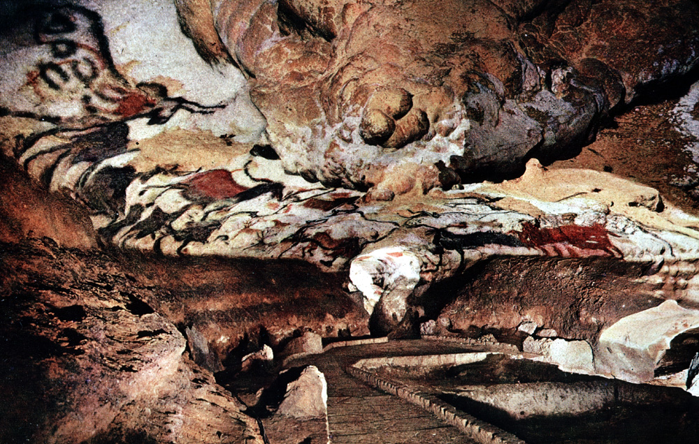
Hall of Bulls, Lascaux, ca. 15,000-18,000 B.C.E., Dordogne, France

Details from the Lascaux caves, ca. 15,000-18,000 B.C.E., Dordogne, France
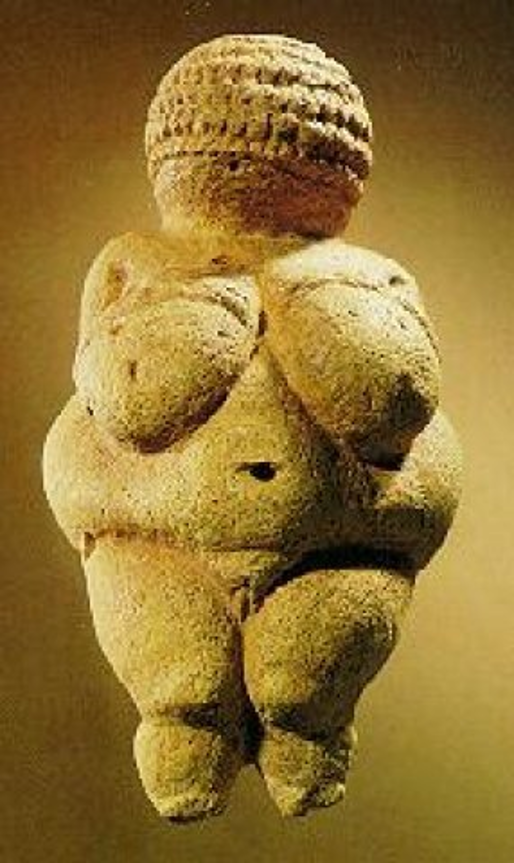
“Venus” of Willendorf, ca. 25,000 - 20,000 B.C.E., carved stone

Bison with Turned Head, La Madeleine, ca. 11,000-9,000 B.C.E., carved reindeer horn

Marching Warriors (Ritual Dance?), Gasulla Gorge (Eastern Coast of Spain), ca. 8,000-3,000 B.C.E.

The White Lady of Brandberg, cave painting, Namibia, 1st century B.C.E. (or earlier)

Skara Brae, Scotland, ca. 3100-2500 B.C.E

Ruins and Three Reconstructions of Çatal Hüyük, Asia Minor (Turkey) 6700-5650 B.C.E.

The Ishtar Gate, Babylon, ca. 575 B.C.E., glazed brick (restored, Pergamon Museum, Berlin)

Reconstructions of Babylon, with “Hanging Gardens” (right), one of the seven wonders of the ancient world, ca. 7th B.C.E.

Reconstruction Drawing of the Citadel of Sargon II, Khorsabad, ca. 720 B.C.E

Rosetta Stone, Granodioritestone, Ptolemaic era (332-30 B.C.E.)

Psychostasis (“soul-raising”) of Hu-Nefer, Thebes, Papyrus scroll, Late Period (716-332 B.C.E.)

Imhotep, Stepped Pyramid of King Zoser, Saqquara (necropolis of Memphis), ca. 2610 B.C.E

Furniture of Queen Hetepheres (reconstruction), ca. 2613-2494 B.C.E., gilded wood (discovered in 1925)
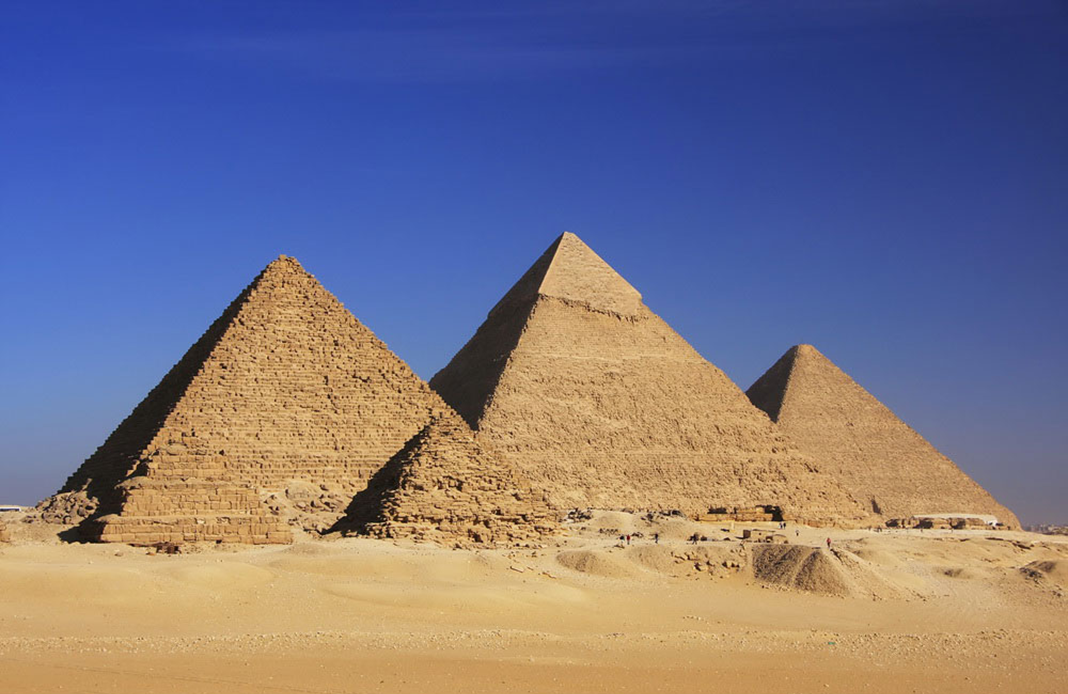
Great Pyramids of Gizeh, front to back: Menkure (Greek: Mykerinus), ca. 2460 B.C.E., Khafre (Greek: Chefren), 2500 B.C.E., Khufu (Greek: Cheops), ca. 2530 B.C.E.

Chephren’s Pyramid, 2500 B.C.E.
•Construction: lime stone quarries along the Eastern Nile, blocks floated on river, dragged over ramps (wheel not yet invented)
•Final casing of white limestone, remnants of which only visible at Chephren’s Pyramid; for centuries, pyramids were stripped of stones used to build nearby Cairo
•Practical purpose: prevent tomb robbery, but size and visibility defeated this objective

Khafre (Chefren), Gizeh, ca. 2500 B.C.E., carved Diorite

The Great Sphinx with Chephren’s Pyramid in the background, Gizeh, ca. 2530 B.C.E., cut sandstone

The Great Sphinx of Gizeh
•Cut directly out of sandstone rock
•Features possibly of a portrait of Chephren?
•Hybrid creature (human-beast) refers back to Mesopotamian cultures

Mortuary Temple of Queen Hatshepsut, Deir el-Bahri, ca. 1350 B.C.E.

Temple of Ramses II, Abu Simbel, ca. 1257

Temple of Amen-Mut-Khonsu, Luxor, with entrance Pylon (left), and court and colonnade of Amenhotep III, ca. 1370 B.C.E.

Pylon Temple of Horus, Edfu, ca. 237-212 B.C.E.

Fowl Hunting Scene, Wall Painting from the Tomb of Nebamun, Thebes, Egypt, 1450 B.C.E., fresco
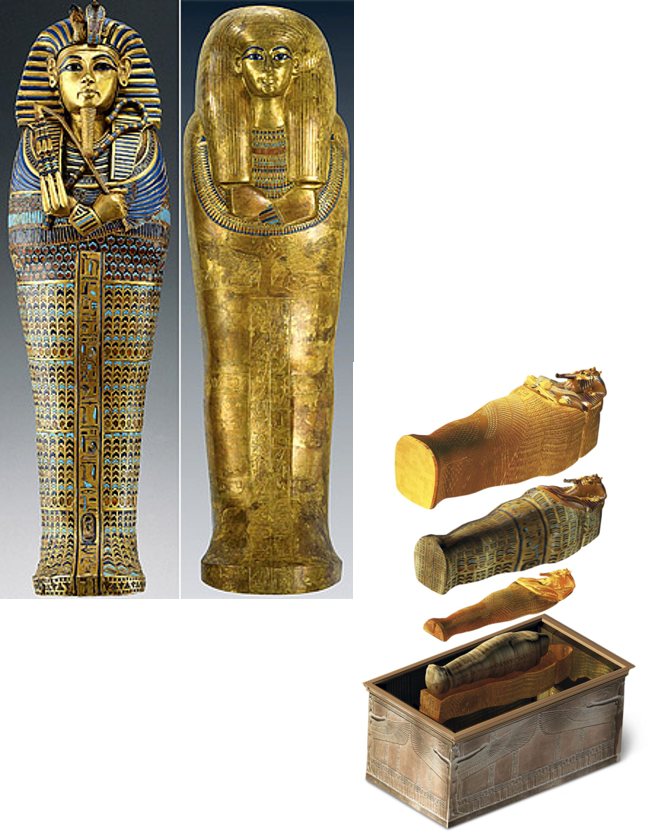
The first and second coffins of Tutankhamen (left), ca. 1340 B.C.E., gilded wood inlaid with glass paste

•Ceremonial Chair, Tomb of Tutankhamen, ca. 1350 B.C.E., gilded wood with inlays of semi-precious stones (incl. lapis lazuli)
•Curved legs and seats are also typical features of Egyptian furniture

Zoomorphic Stool, Tomb of Tutankhamen, ca. 1350 B.C.E., gilded wood
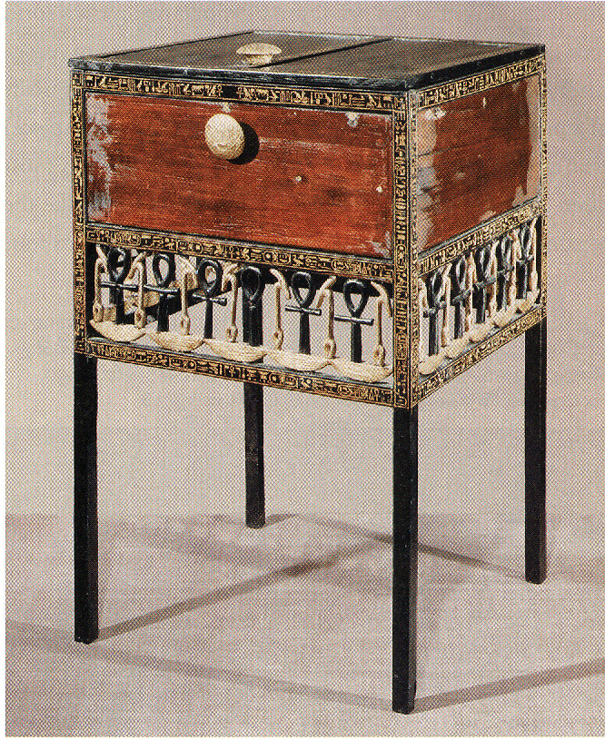
Chest on high legs for storing linens, Tomb of Tutankhamen, ca. 1350 B.C.E., cedar wood with bronze hinges and gilding

Ankh (“key of life”), amulet, glazed ceramics

Board Game, Tomb of Tutankhamen, ca. 1340 B.C.E., carved wood

Two Chests, Tomb of Tutankhamen, ca. 1350 B.C.E., carved wood, inlays, gilding

Chair inspired by Tutankhamen’s Gold Throne, late 1920s, gilded wood, fur (possibly produced in Egypt; photographed at the “Louvre des Antiquaires,” Paris, 1994)

Egyptian Court” in the Crystal Palace at Sydenham, 1854, painted stucco

Entry to the Egyptian Pavilion at the World Fair in Liège (Belgium), 1930

Temple of Amun, Doukki Gel, near Kerma, Sudan, 25th Dynasty, 690-593 B.C.E.

Left: Pit with broken ruler statues during excavation.
Right: The reassembled statues of the Kushite Rulers (“Black Pharaohs”) of the 25th Dynasty, 690-593 B.C.E.

Statue of Taharqa, from the Temple of Amun, Doukki Gel (Pnubs), near Kerma, Sudan, 25th Dynasty (Napatan Period), 690-593 B.C.E., granite

Royal Pyramids, Meroe, Upper Nubia (Sudan), ca. 337 B.C.E. – 339 C.E.

Portrait of Queen Amanishakheto, relief from her pyramid at Meroe, Upper Nubia (Sudan), Kushite Culture, Meroitic Period, 25 B.C.E.

Ornament from the Tomb of Queen Amanishakheto, Upper Nubia, Kushite Culture, Meroitic Period, 50-1 B.C.E., Gold with glass inlay (Munich, Sammlung Ägyptischer Kunst)

Armlet from the Tomb of Queen Amanishakheto, Upper Nubia, Kushite Culture, Meroitic Period, 50-1 B.C.E., Gold with glass inlay (Berlin, Ägyptisches Museum)

Temple Complex of Naqa: Temple of Apedemak with Roman Kiosk, Naqa, Upper Nubia, Kushite Culture, Meroitic Period, 1st century C.E.

Temple of Apedemak, Naqa, Upper Nubia, Kushite Culture, Meroitic Period, 1st century C.E.

Roman Kiosk in front of the Temple of Apedemak, Naqa, Upper Nubia, Kushite Culture, Meroitic Period, 1st century C.E.

Beta Giorghis (House/Church of St. George), Lalibela, Ethiopia, 13th century, rock-cut church

Beta Medhane Alem, Lalibela (House/Church of the Savior of the World), Ethiopia, 13th century, rock-cut church
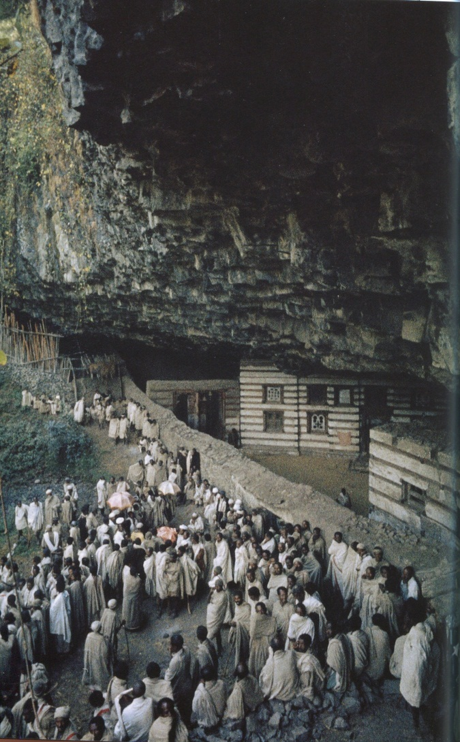
Cave Church of Imraha Kristos, Welo, North Lalibela, Ethiopia, 12th century

Snake Goddess, Knossos, ca. 1600 B.C.E., faience
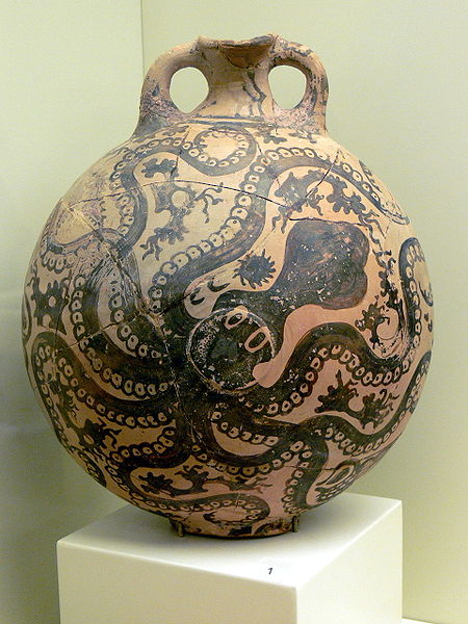
The Octopus Jar, Gournia, ca. 1600 B.C.E., ceramics amphora

“Treasury of Atreus,” Mycenae, ca. 1300 B.C.E.
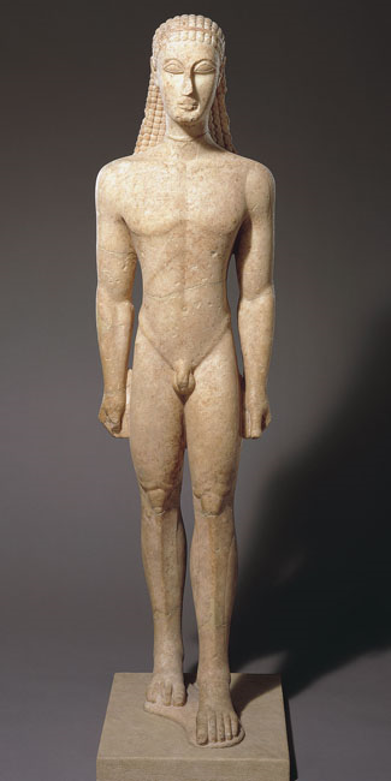
Metropolitan Kouros, Early Archaic, ca. 615-590 B.C.E., marble
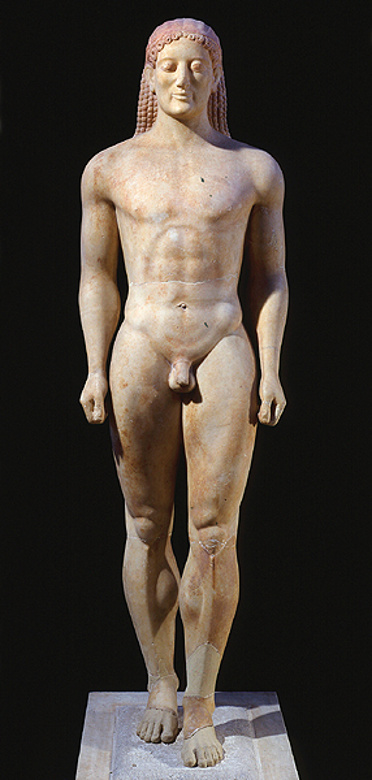
Kroisos, Kuros figure from Anavysos, ca. 540-515 B.C.E., marble

Kritios Boy, Kuros figure from the Acropolis of Athens, ca. 480 B.C.E., marble

Myron, Discobolos, ca. 450 B.C.E., Roman marble copy after a bronze original

The Riace Warriors, 460-450 B.C.E., bronze, silver teeth and eyelashes, copper lips and n*pples
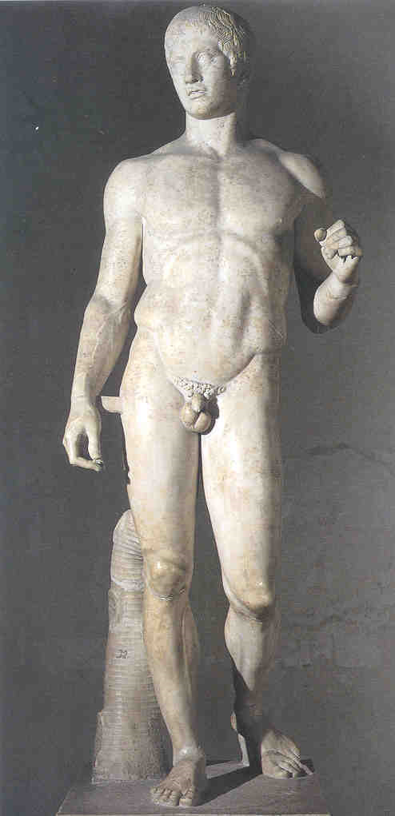
Polykleitos, Doryphoros, Roman marble copy after a bronze original from ca. 450-440 B.C.E.

Temple of Hera at Paestum (near Naples), Italy, ca. 460 B.C.E.

Plan and Perspective Drawing of the Acropolis of Athens, restored as of 400 B.C.E.

Iktinos and Kallikrates, The Parthenon, Acropolis, Athens, 448-432 B.C.E.

Three Goddesses, from the East Pediment of the Parthenon, 443-438 B.C.E., marble
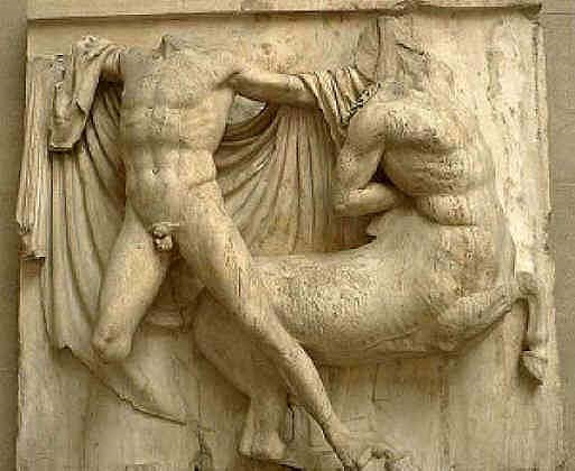
Lapith and Centaur, Metope from the Parthenon, 443-438 B.C.E., marble

Horsemen, from the West Frieze of the Parthenon, 443-438 B.C.E., marble

Mnesikles, The Propylaea, Acropolis, Athens, ca. 437-432 B.C.E.

Kallikrates, Temple of Athena Nike, Acropolis, Athens, 427-424 B.C.E.
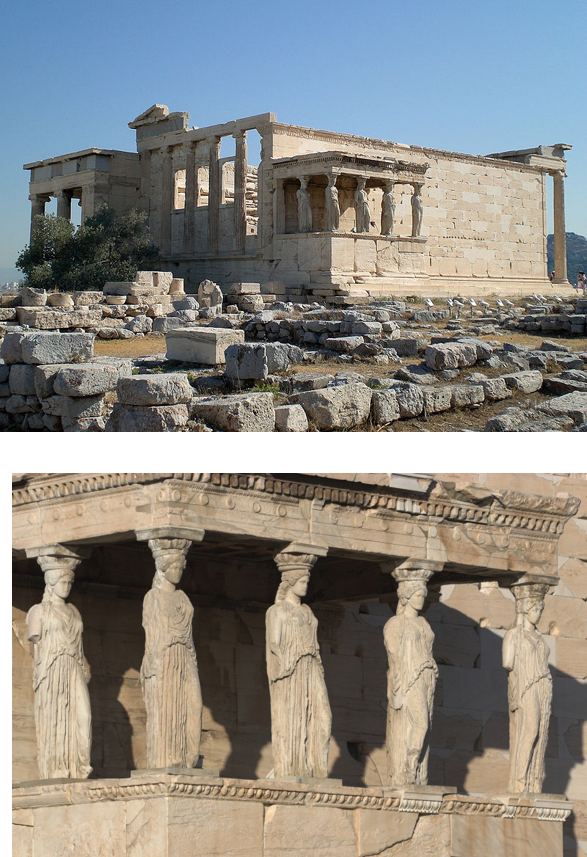
The Erechtheum, Acropolis, Athens, ca. 421-405 B.C.E.

Klismos (Kline) Bed, reconstruction after 5th century models, bronze

T.H. Robsjohn-Gibbings, Klimos Chaise Lounge and Klismos Chair, ca. 1961, wood and leather

Artist’s rendering of the eruption after BBC’s Pompeii: The Last Days

House of the Vetii, Pompeii, frescoes completed between 62 and 79 C.E.
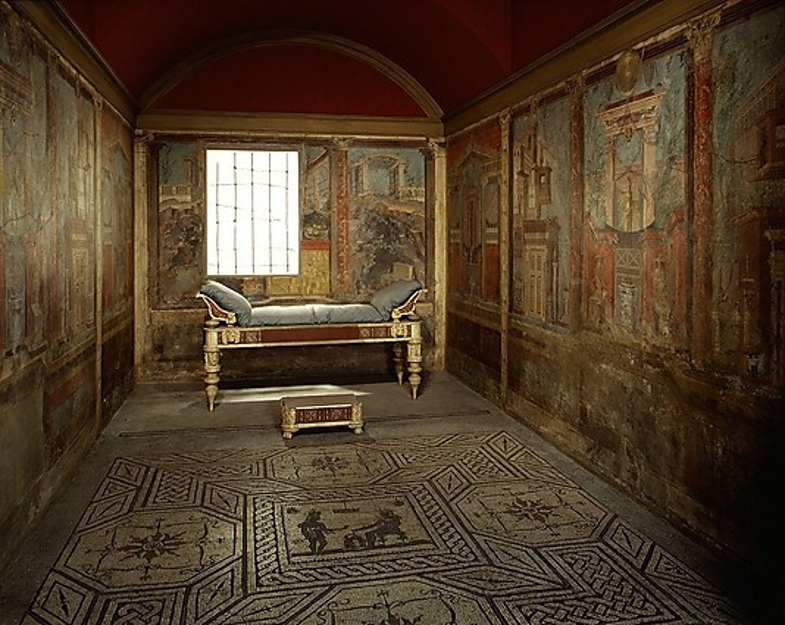
Bedroom of a Villa at Boscoreale, near Pompeii, Mid-1st century C.E., (New York, MET)

The Villa of the Mysteries, near Pompeii, frescoes, ca. 50 B.C.E.

Greek style fret, mosaic floor, Pompeii

Ceiling from the Catacomb of Saints Pietro and Marcellinus, Rome, 4th century, fresco
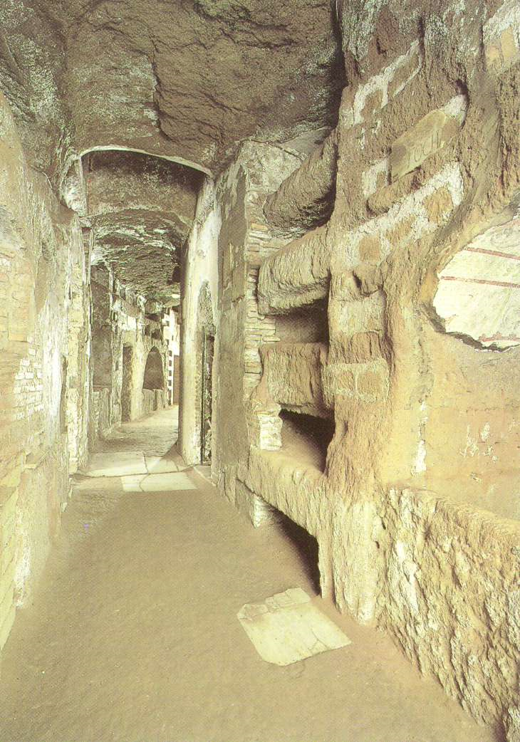
Gallery and luculi (funerary niches) of Early Christian Catacombs, Rome, 3rd century

Reconstructions of Old St. Peter’s, Rome, ca. 333

The Good Shepherd Sarcophagus, from the catacomb of Praetextatus, late 4th century

Mausoleum of Galla Placidia with mosaic decorations, Ravenna (Italy), 425-450

Nave of Sant’ Apollinare Nuovo with mosaic decorations, Ravenna, ca. 504
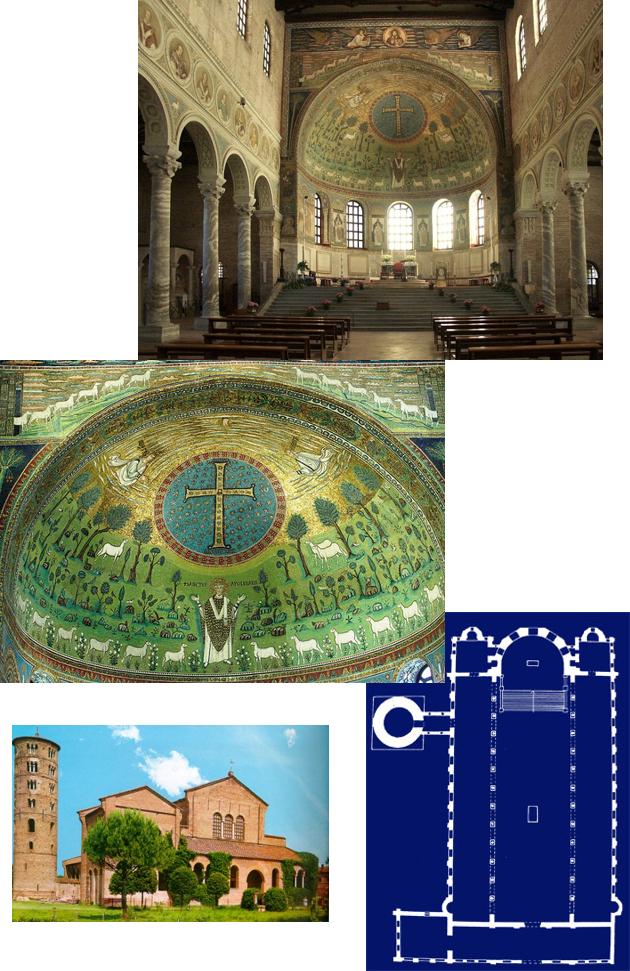
Nave and Apse Mosaic of Sant’ Apollinare in Classe, Ravenna, ca. 533-549
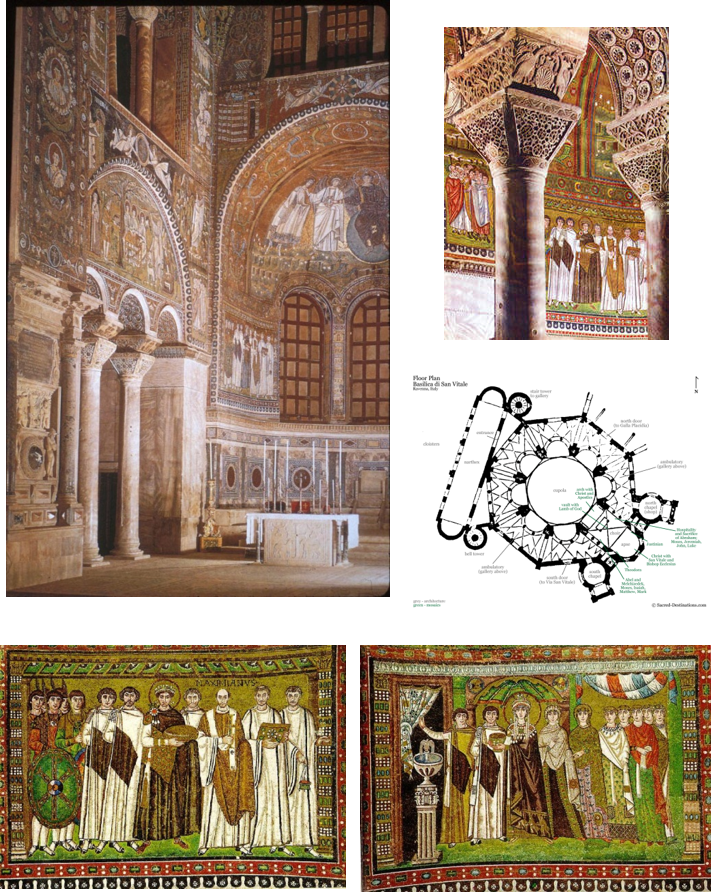
Church of San Vitale with mosaic decoration, Ravenna, 526-547
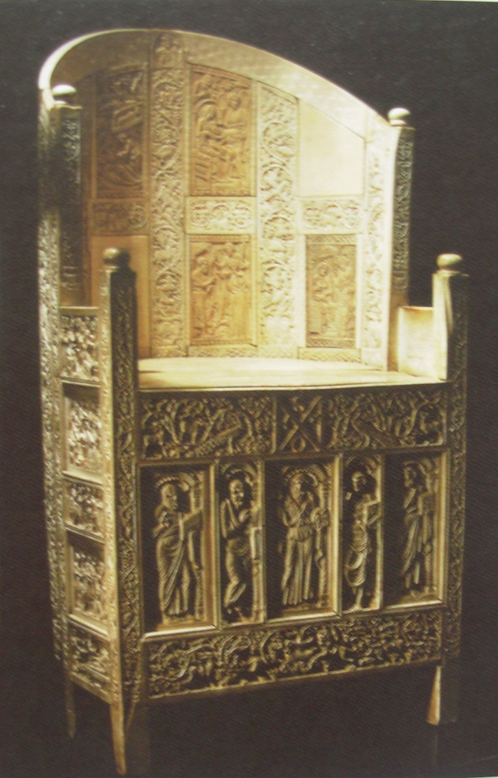
Throne of Maximian, ca. 545, wood and ivory carving

Anthemius of Tralles and Isidorus of Miletus, Hagia Sophia, Constantinople (Istanbul), 532-537

Church of SS Sergius and Baccus, Constantinople, 6th cent. CE
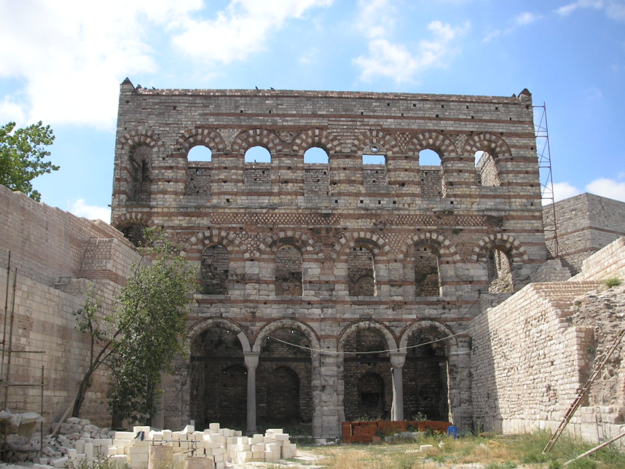
Palace of Constantine (Tekfur Sarayi), Constantinople, 13-14th cents. CE
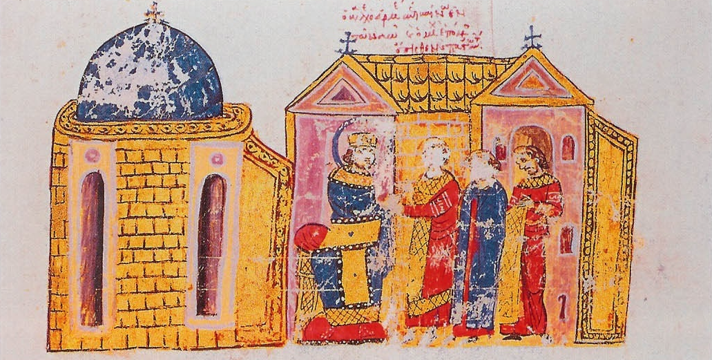
Chronicle of John Skylitzes, illuminated manuscript page, 12th cent., National Library Madrid, Fol. 14v
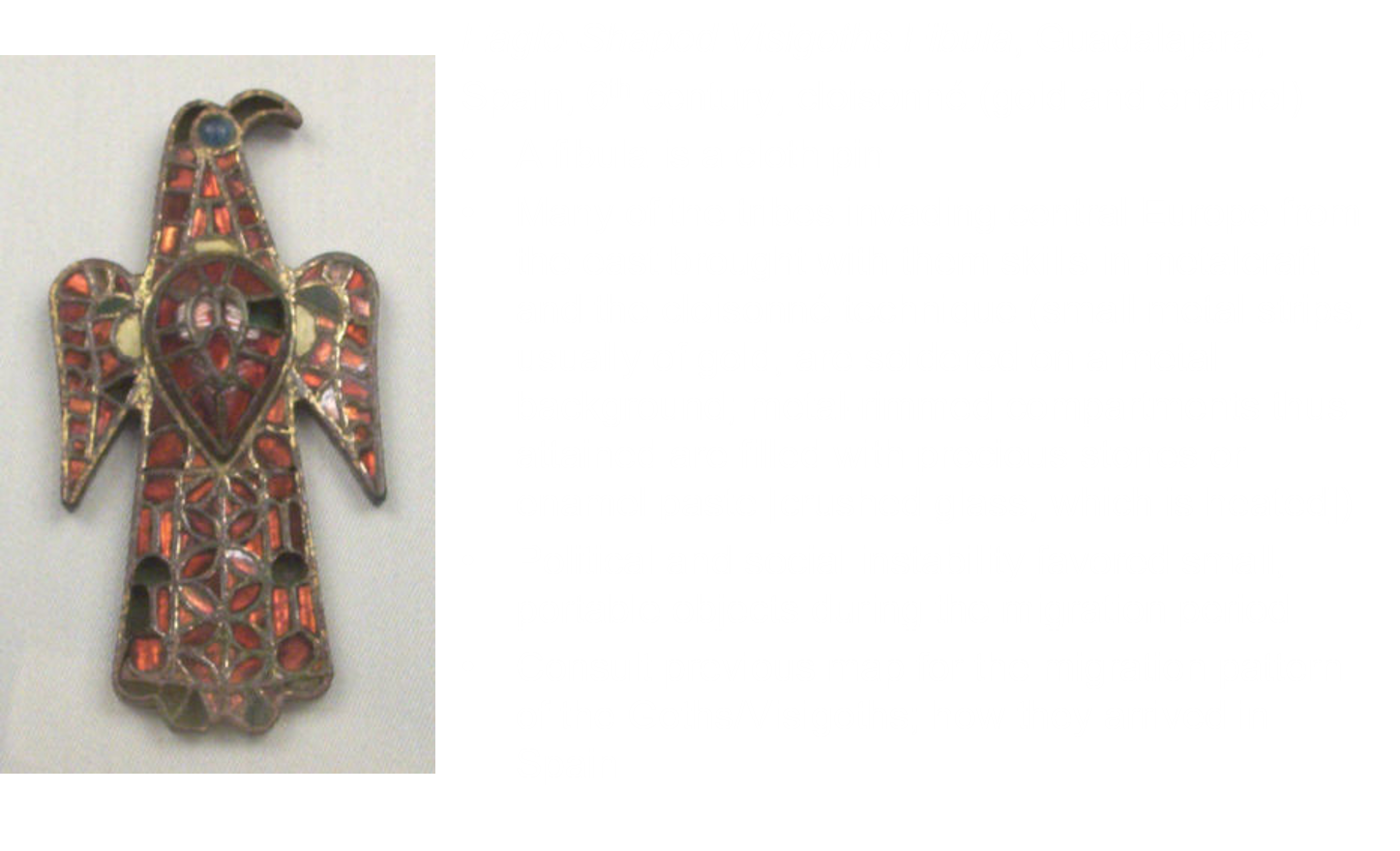
Eagle-Shaped Visigoths Fibula, Guadalajara, Spain, 6th century, cloisonné (gold and enamel)