13 Equine Endocrinology - EMS, lets fat shame some horses 💄
 Call Kai
 Learn
 Practice Test
 Spaced Repetition
 Match
 Flashcards
 Knowt Play
1/76

There's no tags or description
Looks like no tags are added yet.
77 Terms
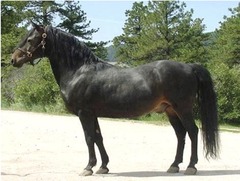
What do you notice about Amos?
regional adiposity
Long toes
Fat deposits
hoof problems
Damn thats a pudgy pony
Big boned
cresty
would probably break the scale
needs to lay off the cheetos
what characterizes EMS?
obesity (Increased regional or generalized adiposity)
insulin dysregulation
increased susceptibility to laminitis (HAL)
hyperlipidemia
hypertriglyceridemia
weight loss resistance (easy keepers)
________ _________: disturbance of the relationship between serum/plasma insulin and glucose
insulin dysregulation
Insulin dysregulation is characterized by ______ or _______ hyperinsulinemia
_______-_________ hyperinsulinemia, and _______ insulin resistance
resting
fasting
post-prandial
tissue
what age of horse does EMS typically affect?
adult to middle aged
Name some EMS breed predispositions
ponies and minis
morgans
paso finos
warmbloods
arabians
saddlebreds
quarter horses
TWH
What environmental factors influence the epidemiology of EMS?
season
overfeeding
lack of exercise
endocrine disrupting chemicals
T/F season influences EMS epidemiology because in the spring horses are just going back out on fresh green pastures with lots of sugars after being couped up over winter And in fall they get couped up and fed more grain and hay because their owners think they need more calories for the cold
tRue
what are some clinical signs of EMS?
increased regional adiposity
obesity
bilateral lameness (laminitis)
divergent growth rings
cresty neck score >3

When you see this horse, what do you think?
It doesn't skinny dip, it chunky dunks... or regional adiposity
Horses with (choose one: regional/generalized) adiposity have a BCS >7 and are recognized as "easy keepers"
generalized
what areas of the body does fat tend to deposit in horses with regional adiposity?
Nuchal ligament
behind shoulders
tail head
sheath
mammary glands
T/F thin horses can also have EMS
true
What goes into making a diagnosis of EMS?
clinical suspicion
evaluation of insulin dysregulation
laminitis
What body condition score is considered ideal in horses?
4-5 (moderate-moderately thin)
How would an equine BCS of 6 be described? 7? 8? 9?
6 - moderately fleshy
7 - fleshy
8 - fat
9 - extremely fat
What is the scale for a cresty neck score? Provide brief descriptions for each
0 - none
1 - slight
2 - moderate
3 - cresty
4 - very cresty
5 - excessively cresty
What tests can be used to evaluate for insulin dysregulation?
resting insulin concentration (resting hyperinsulinemia)
Oral sugar test (post-prandial hyperinsulinemia)
insulin tolerance test (tissue insulin resistance)
T/F resting insulin concentration is a dynamic test for insulin dysregulation
false; the oral sugar test is
what 4 results can occur upon baseline measurements of glucose and insulin with EMS horses? indicate which are most common
1 normal glucose and insulin (common)
2 normal glucose and increased insulin (common)
3 increased glucose and insulin
4 increased glucose and normal insulin
How is an oral sugar test performed?
fast 3-6 hours
owner can administer Karo light orally (0.15 ml/kg or 0.45 ml/kg)
collect samples at 60 and 90 minutes and test insulin and glucose
T/F with an oral sugar test, always remember the dose you administered and the equipment/laboratory used
true
What test assesses tissue insulin resistance?
insulin tolerance test (ITT)
the patient needs to be in a (choose one: fed/fasted) state for an ITT and you need to collect a baseline ________ before giving 0.10 IU/kg regular insulin IV
fed
glucose
After giving insulin for an ITT, when do you collect blood? What do you measure?
30 minutes
glucose
What do you need to make sure you do immediately after the last sample is drawn for an ITT?
feed hay and small amount of grain
what result on an ITT is consistent with insulin resistance?
what is an alternative test to an ITT where sampling needs to be done more frequently (every 5 minutes for about an hour)?
combined glucose-insulin test
An increase in what blood value is associated with increased risk of laminitis in ponies?
triglycerides
T/F leptin increases with fat mass and is associated with an increased laminitis risk in ponies
false; it is associated with increased fat mass but it is not associated with laminitis risk
a decrease in what blood value is associated with an increased risk of laminitis?
adiponectin
what is the most common form of laminitis?
hyperinsulinemia associated laminitis (HAL)
T/F HAL can be clinical or subclinical
true
what is HAL usually associated with?
grazing/diet changes
HAL is associated with high insulin responses after ingestion of feed and forage rich in what?
non structural carbohydrates (NSC)
HAL often presents as (choose one: unilateral/bilateral) lameness with _________ episodes
bilateral
recurrent
a state of chronic __________ predisposes susceptible horses to HAL
inflammation
HAL causes stretching and damage to what structures due to hyperinsulinemia?
digital lamellae
T/F the MOA of HAL is unclear but suspected to involve inappropriate stimulate of insulin-like growth factor-1 receptors on lamellar epidermal cells
true
what are some clinical signs of laminitis?
reluctance to move
rocking back on hindlimbs
shifting of weight
increased digital pulses
increased heat to hoof wall
what are some diagnostic tests used for laminitis?
positive hoof tester response (variable and unreliable)
radiographs (rotation or sinking of P3)
venogram
why can hoof tester response be unreliable in detecting laminitis?
chronic laminitis can cause nerve damage (so they may not be sensitive to it)
why do you need to test for both PPID and EMS at the same time when you suspect one of them?
EMS horse may develop PPID
PPID may exacerbate insulin dysregulation
worsen laminitis?
T/F true hypothyroidism is common in horses and causes EMS
false; true hypothyroidism is rare in horses and does NOT cause EMS
T/F horses with their thyroids removed do not develop obesity or laminitis
true
how should you manage a lean horse that has EMS?
Low glycemic diet -> low NSC/high fat diet
hay analysis
ration balancer
daily exercise
What things should you ensure an EMS horse does NOT get in its diet?
molasses beet pulp or soy hulls
For obese horses, you should feed ___ of their ideal BW for 30 days and decrease to ____ if there is no significant weight loss
1.5%
1.25%
what diet considerations should you have for obese EMS horses?
use dry lot or small paddock (not lush green pasture)
Get a hay analysis
Soak hay for 30 minutes
give multivitamin ration balancer
Why should you soak hay for 30 minutes with EMS horses?
removes sugars
Apart from diet, what else does an obese EMS horse need for management?
daily exercise
how should you manage a horse that has EMS with PPID?
diet, exercise, medical management
What components of the diet are the main drivers of insulin secretion?
NSC's
what are examples of some NSC's?
simple sugars
starches
fructans
what is the NSC calculation?
WSC + starch = NSC
T/F NSC's ideally makeup less than 15% of dry matter
False; 10%
what can you do to monitor/ensure for low NSC levels in feed/hay?
test hay NSC levels
soak hay
commercial low starch grains
what are three ingredients that have a high starch and sugar percentage?
corn/oats
oats
rice bran
What are two indications for pharmacologic intervention with EMS?
short-term treatment (3-6 months) while management changes are taking effect
refractory cases
T/F "veterinarians have a responsibility to recommend management changes and discourage horse owners from administering drugs as a substitute"
true
what are some medical management options for EMS?
levothyroxine
metformin
SGLT2 inhibitors
supplements and nutraceuticals
What is levothyroxine and when should it be used?
thyroid hormone
if patient is weight loss resistant
How does levothyroxine work?
increases insulin sensitivity and caloric burn
T/F while pharmcotherapy options for EMS exist, diet and exercise and still the most important components of management!!!! You cannot outrun or out levothyroxine a bad horsey lifestyle
true
What is the MOA of metformin?
inhibition of gluconeogenesis and glycogenolysis
T/F we do not know how or if metformin actually works in EMS horses because it is poorly absorbed. It may affect the absorption of carbs. Bioavailability and therapeutic levels are poor
true
how should metformin be given? Why?
30 minutes before feeding
so it absorbs better
What are the new drugs in town that may be used for EMS? They are all human drugs, all new, and all expensive
SGLT2 inhibitors
give some examples of SGLT2 inhibitors that might be used
velagliflozin
canagliflozin
ertugliflozin
T/F we don't know the true efficacy of SGLT2 inhibitors for EMS horses yet
true
SGLT2 inhibitors might be useful in _______ and __________ horses
Laminitic (horses who can't exercise)
hyperinsulinemic
What is a major down side of SGLT2 inhibitors in horses?
can develop hypertriglyceridemia
T/F if horses on SGLT2 inhibitors develop hypertriglyceridemia, they need to be taken off the SGLT2i because it will lead to bad problems
true
T/F pergolide is a treatment for EMS!
False; it is not
Do EMS horses get treats?
no
Oh come on, just one bite? A single treat? Just one morsel for an EMS pony?
no

Okay Amos we get it, you're hot now
shut up Gina