L9 - Proximate Analysis
 Call Kai
 Learn
 Practice Test
 Spaced Repetition
 Match
 Flashcards
 Knowt Play
1/27

There's no tags or description
Looks like no tags are added yet.
28 Terms
3 steps of proximate analysis
Digestion (sulfuric acid/copper sulfate)
Distillation (strong base – NaOH)
Titration (distilled ammonia collected in boric acid solution) – titrated with HCl

Proximate analysis
series of methods used to determine nutritive value in food
Components of proximate analysis
Dry matter (or moisture content)
Ether extract (crude fat)
Ash (inorganic/minerals)
Crude protein (Nitrogen content with a correction factor)
Crude fiber (plant cell wall components) or Van Soest detergent fiber analysis
Neutral detergent fiber (NDF)
Acid detergent fiber (ADF)
Nitrogen free extract (NFE; soluble/digestible carbohydrates)

Dry matter, method, and equation
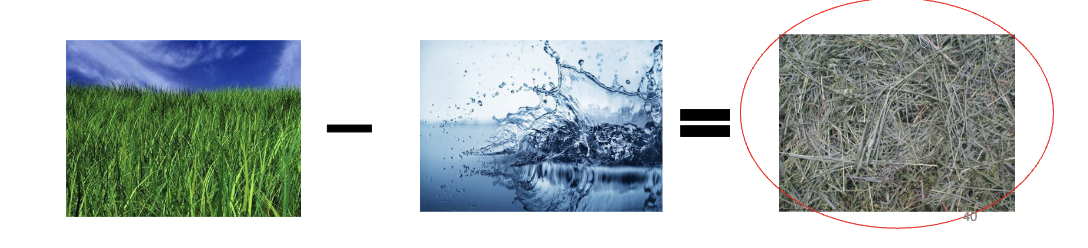
food material remaining after water removal
Pre-desiccation Wt – Post desiccation Wt = Moisture content
Method:
weigh sample
dry sample in oven at 100ºC
reweigh sample
repeat until no change in weight post drying

Potential problems of DM
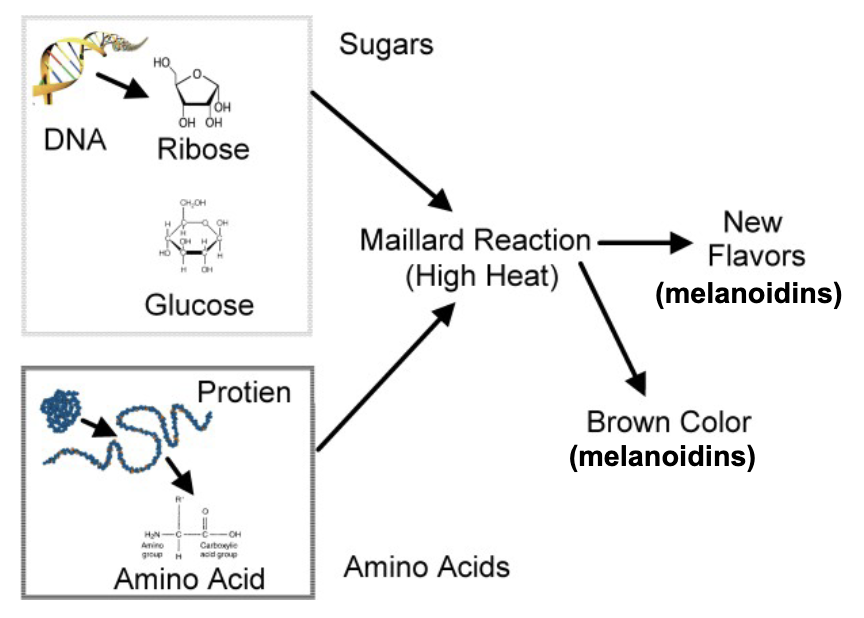
Maillard product formation (AA reacting w/ reducing sugars)
results in loss of AA (Lysine primarily)
can result in overestimation of available protein
Ash and method
Inorganic (mineral) content of a food item
Method:
weigh portion of dried sample
heat sample in oven at 500-600ºC for 8 hours
reweigh sample
Potential problem of Ash
Some trace minerals may be lost to volatilization (error is small)
Does not provide content of specific minerals
Crude protein, method, and equation
Nitrogen content of a food item
Method:
Dried sample analyzed for Nitrogen using Kjeldahl method
Reweigh sample
Calculate CP (%CP = %N x 6.25)
Potential problems of crude protein
Assumes all nitrogen is from protein (...urea, ammonia, uric acid, DNA)
Assumes all proteins are 16% nitrogen (100/16 = 6.25)
Ether extract and method
Crude fat content of a food item
Method:
weigh dried sample
dried sample is extracted with diethyl ether (dissolves all lipids)
ether is then separated (from rest of sample) and evaporated
residue that remains is weighed
Potential problems of EE
Assumes all dissolved lipids are fats (...non-nutritive lipids like waxes)
Error is (generally) small (plant products can generate more error)
Crude fibre and method
Insoluble carbohydrate fraction (cellulose/hemicellulose/lignin)
Method:
fat-free portion of ether extraction is weighed
sample is boiled in dilute acid, filtered, and washed
sample is then boiled in dilute alkali, filtered, and washed
residue that remains is weighed
Crude fibre potential problems
Underestimates true total fiber (some is solubilized...hemicellulose)
No differentiation between fiber sources
Most unsatisfactory analytical procedure of proximate analysis
Nitrogen free extract, method, and equation
Soluble carbohydrate fraction (starch, sugars)
%NFE = 100 – (%EE + %ash + %CP + %CF + %moisture
Method:
calculated (not determined analytically)
NFE potential problem
Accumulates error from all other analyses (CF = largest error)
What are NDF, NDS, ADF, and ADL
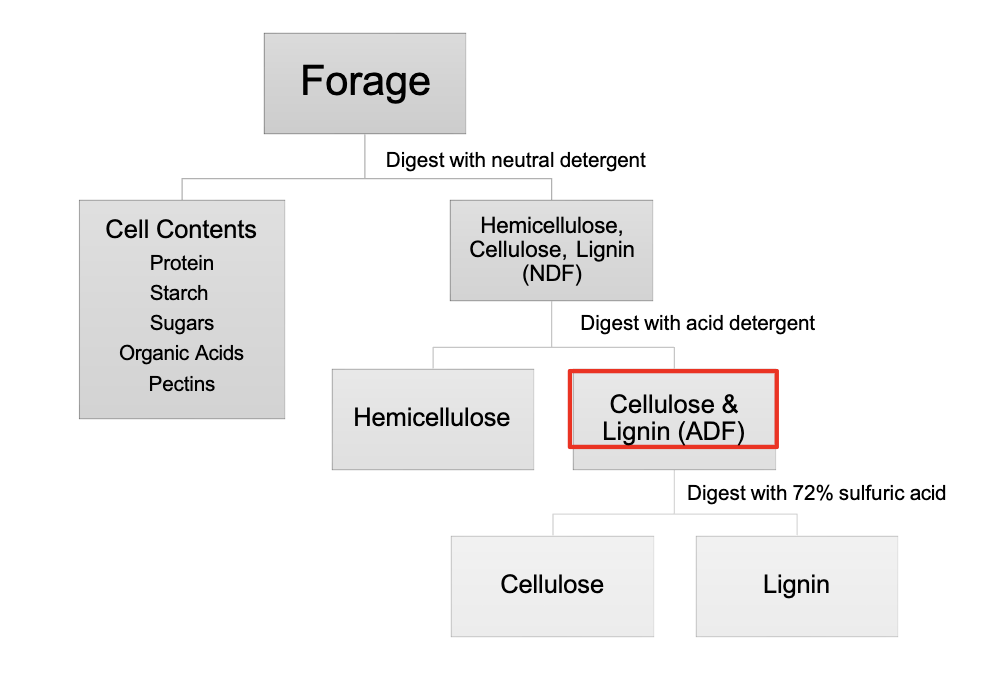
NDF (neutral detergent fiber) = cellulose/hemicellulose/lignin
NDS (neutral detergent solubles) = soluble carbs/protein/fats
ADF (acid detergent fiber) = cellulose/lignin
ADL (acid detergent lignin) = lignin
Van soest fibre analysis purpose
Insoluble carbohydrate fraction (NDF/ADF)
Van Soest fibre analysis: Step 1
weigh dried sample
sample is boiled in neutral detergent (ph 7), filtered, washed, dried
separates NDF contents and NDS

Van Soest fibre analysis: Step 2
weigh dried NDF sample
sample is boiled in acid detergent (ph <7), filtered, washed, dried
separates ADF and NDF contents
Van Soest fibre analysis: Step 3
weigh dried ADF sample
sample is boiled in concentrated sulfuric acid, filtered, washed, dried
separates ADL and ADF contents

CHECK SLIDES ON CALCULATING ME USING PROXIMATE ANALYSIS
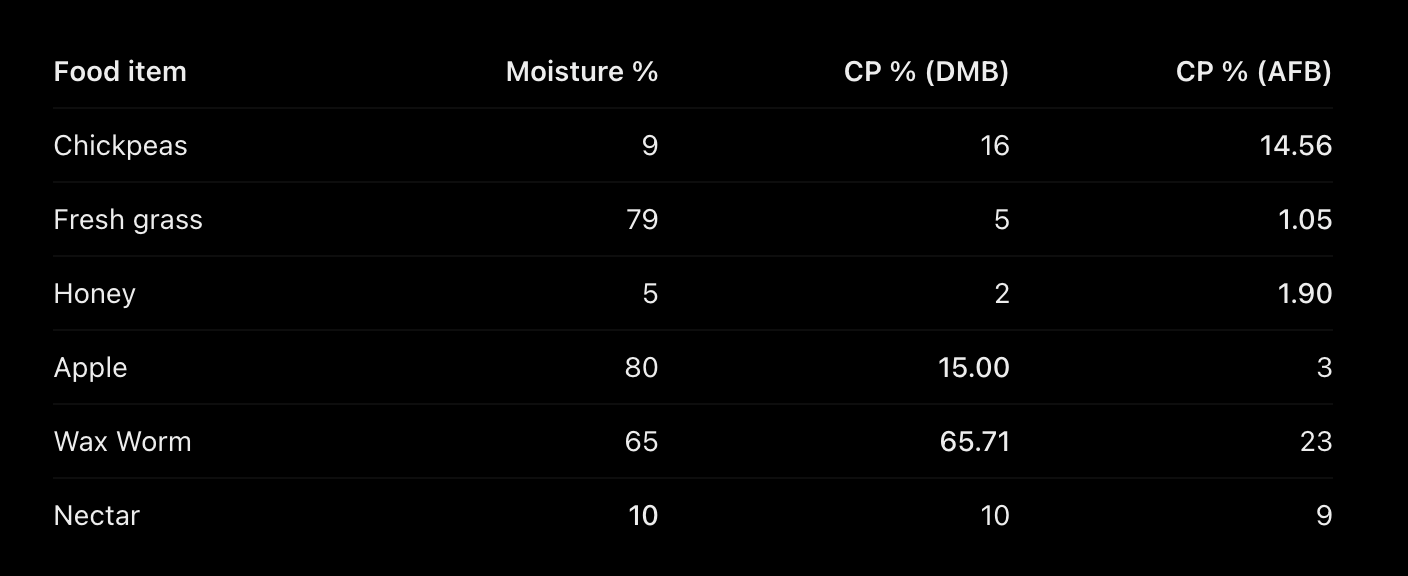
As-fed basis (AFB)
represents the nutrient content of a food including moisture
is the total weight, including DM and moisture (100%)
*all content in this course is present as AFB
Dry matter basis (DMB)
represents the true nutrient amounts available to the animal consuming the food
Dry matter basis (DMB)
represents the nutrient content of a food without moisture
Moisture and how it’s determined
the amount of water contained in an ingredient/feed
2 possible ways of determination: Wet weight or Moisture%

Dry matter and how it’s determined
the dry portion of an ingredient/feed without its natural moisture
DM contains all the nutrients (carbohydrates, proteins, minerals, etc.)
2 possible ways of determination: dry weight or DM%