Italy: Notable Artists and their Art
 Call Kai
 Learn
Learn Practice Test
 Spaced Repetition
 Match
Match Flashcards
 Knowt Play
1/164

There's no tags or description
Looks like no tags are added yet.
Name | Mastery | Learn | Test | Matching | Spaced | Call with Kai | Chat |
|---|
No analytics yet
Send a link to your students to track their progress
165 Terms
Fresco Cycle (All Facts)
Succession of pictures as if they were being unfolded in a continuous procession, cutting off figures on the left and right hands to
a) make it look like a story being told from left to right
b) increase the focus of the viewer at the center by portraying the outside as insignificant because the figures are cutoff, increasing the "dynamics within the field of the picture" to help us focus on the action of the center of a picture
Secco Fresco (All Facts)
Fresco Production Technique in which the
Pigment is applied to dry plaster
Pigment doesn’t bind to the plaster
The paint becomes part of the wall but only partially
Buon Fresco (All Facts)
Fresco Production Technique in which the
pigment is applied to wet plaster that sticks to and fully, not just partially, becomes the wall
1140 - 1400 - Gothic Art (All Facts)
Art Movement characterized by:
Divine Figures
Figures that are "frontal"
Figures that are elongated
Size expresses importance of figure (sense of hierarchy)
Art Movement that included
Duccio
Cimabue
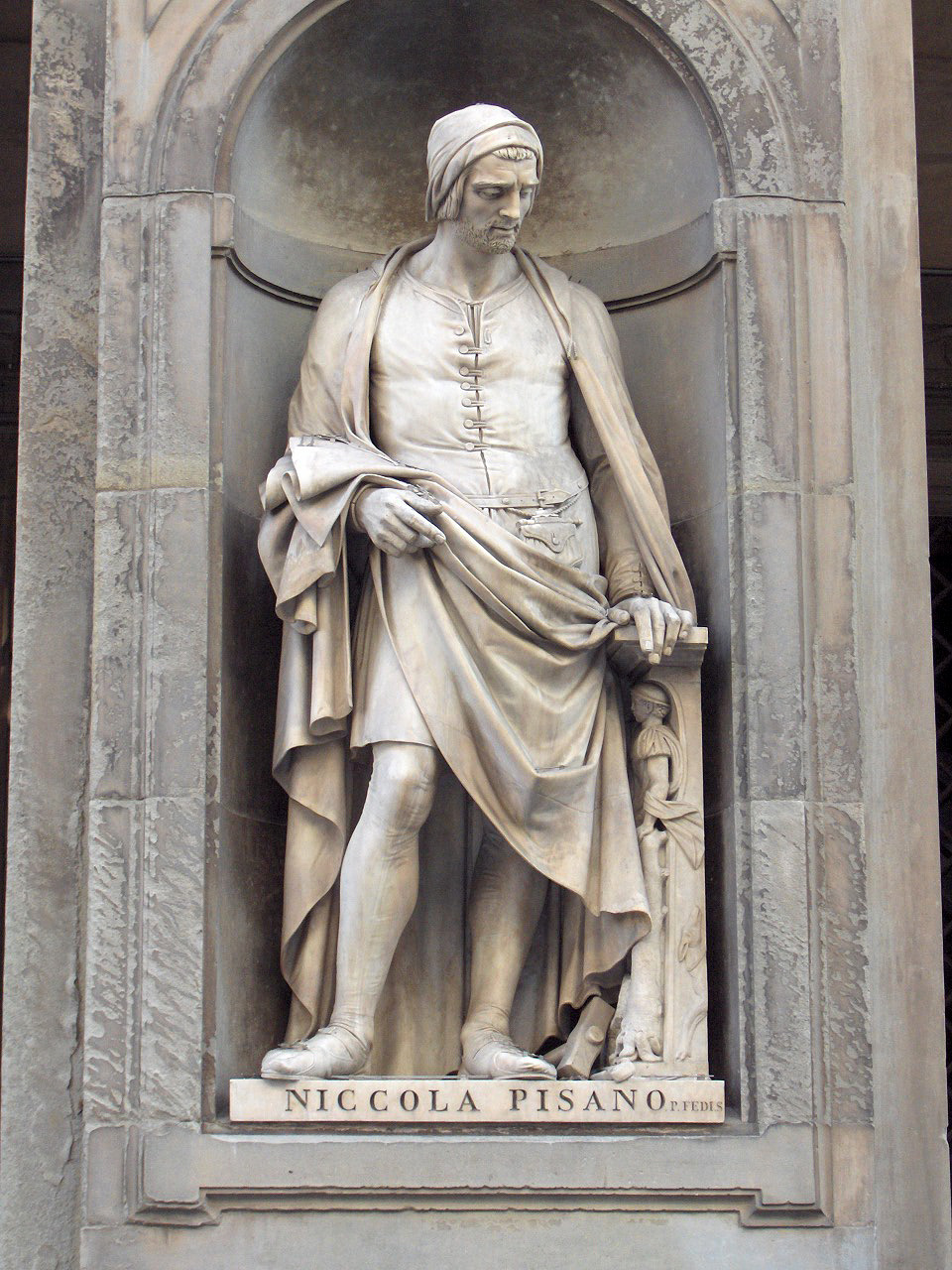
1225 - 1284 - Nicola Pisano (All Facts)
Italian Sculptor from Pisa
He is considered the “Father of Modern Sculpture” and the greatest sculptor of his generation
He completed a pulpit for the Baptistery at Pisa
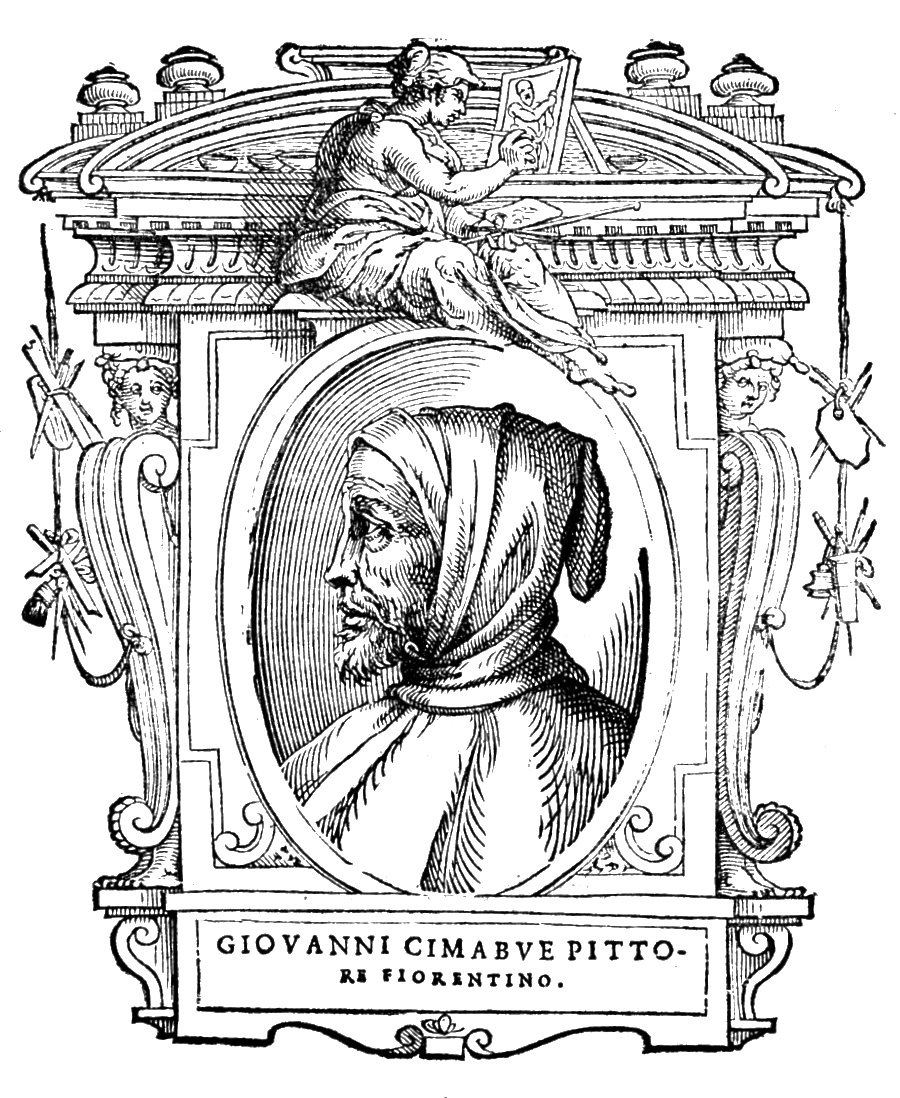
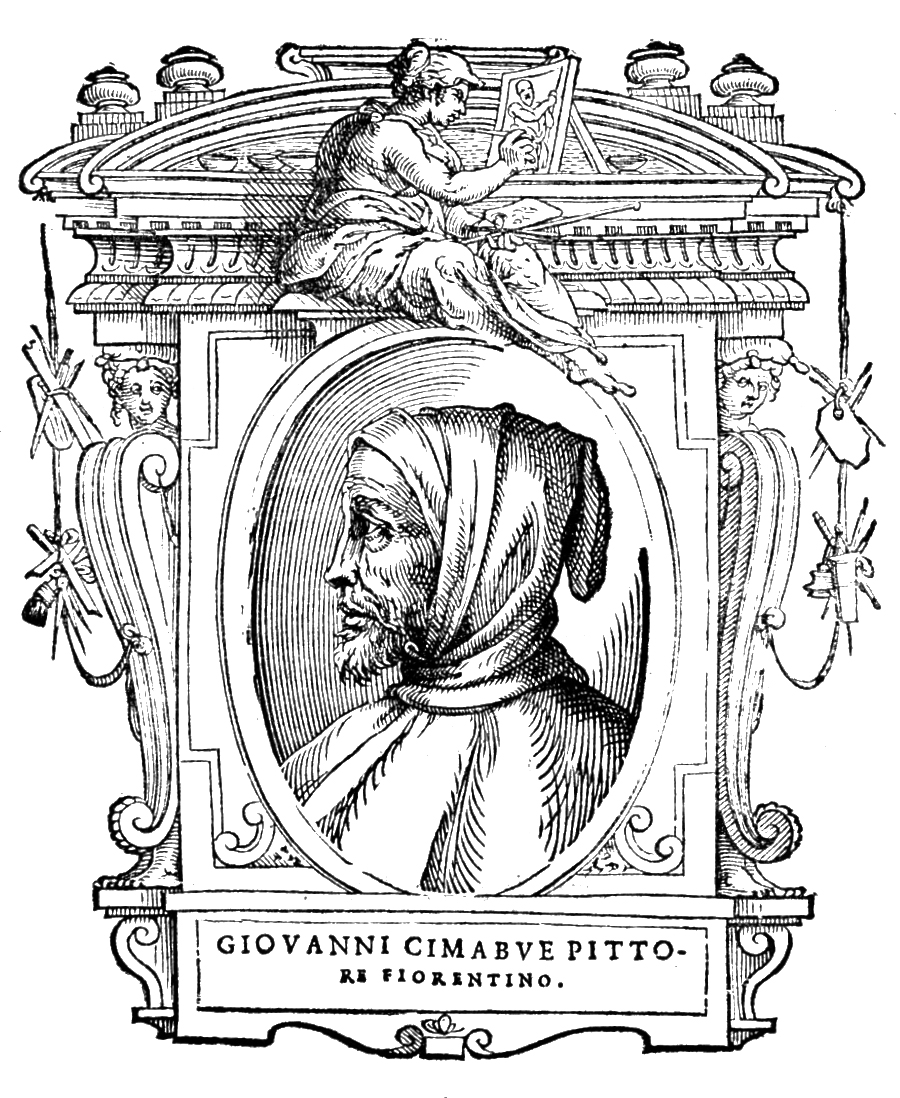
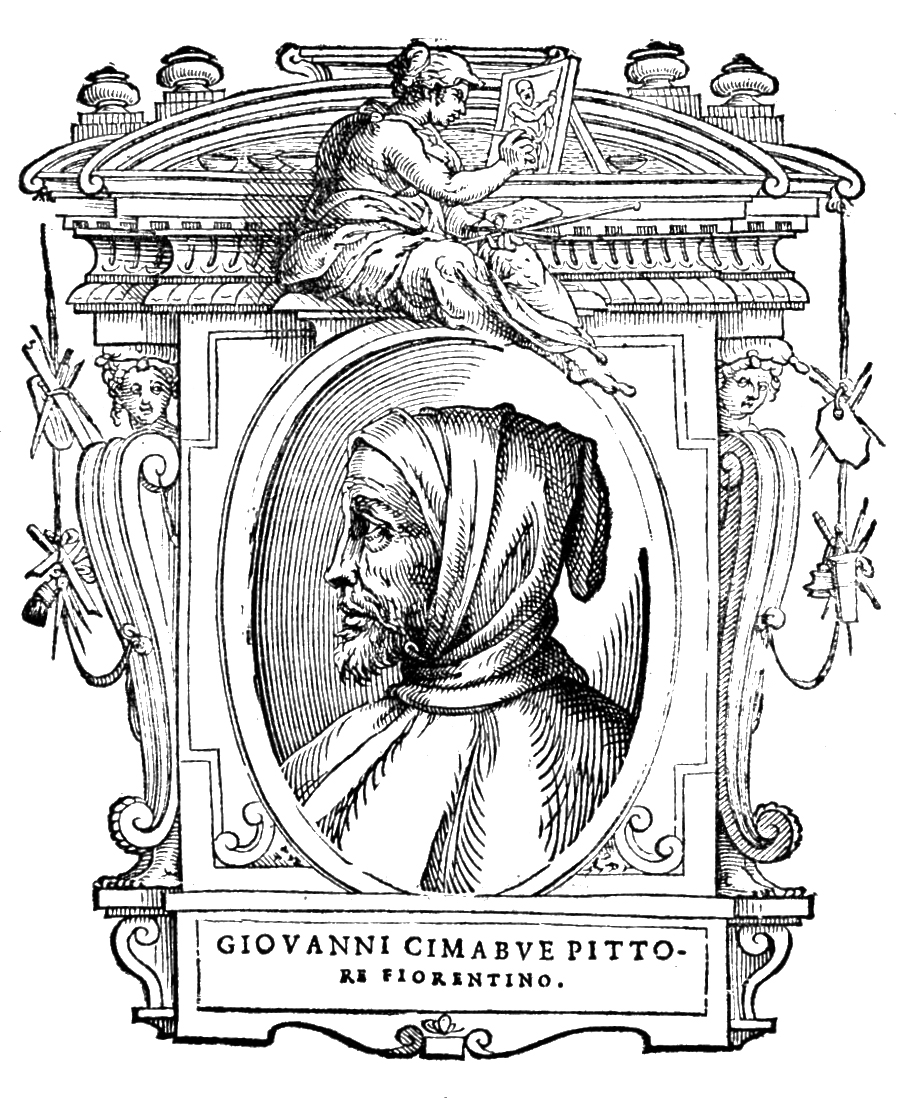
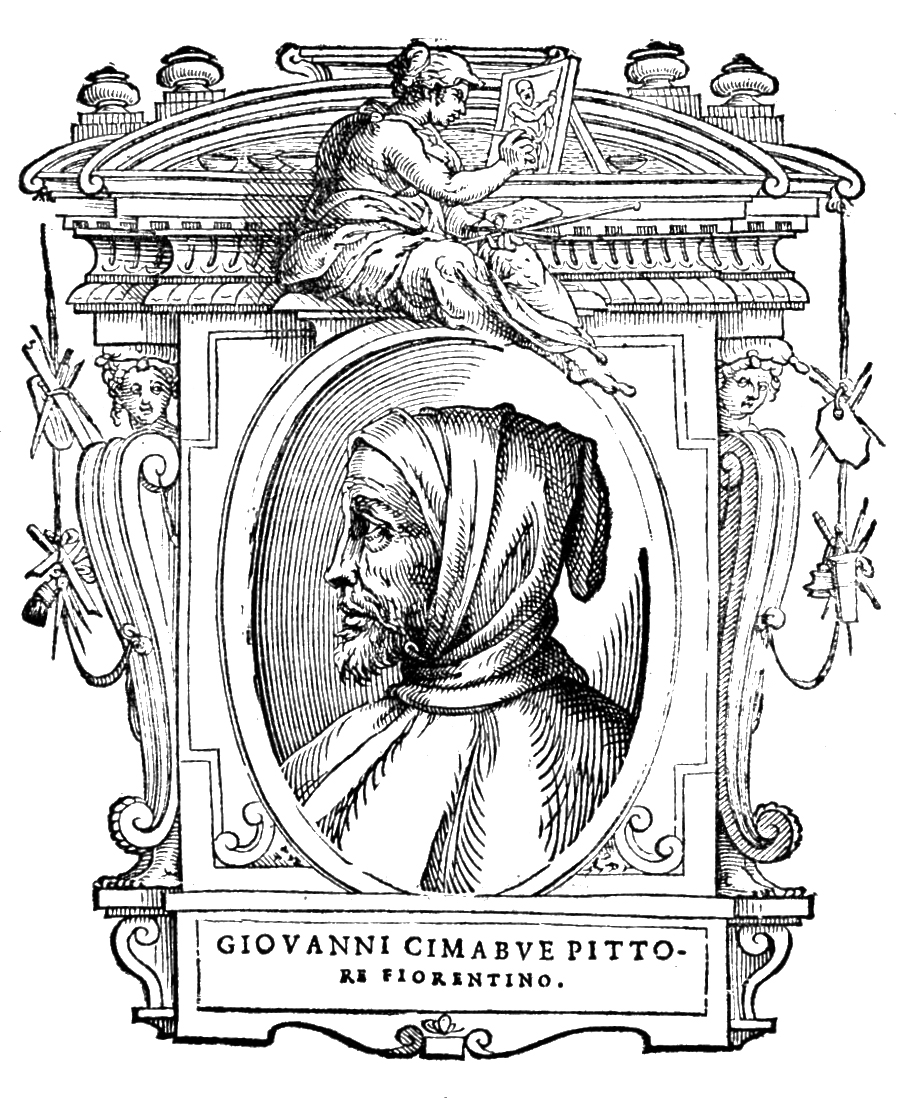
1240 - 1302 - Cimabue (All Facts)
Italian Gothic Painter from Florence
Regarded as one of the first great Italian painters to break from the Italo-Byzantine style
He was one of the first great Italian painters, who worked toward the realistic depiction of physical form and human emotion
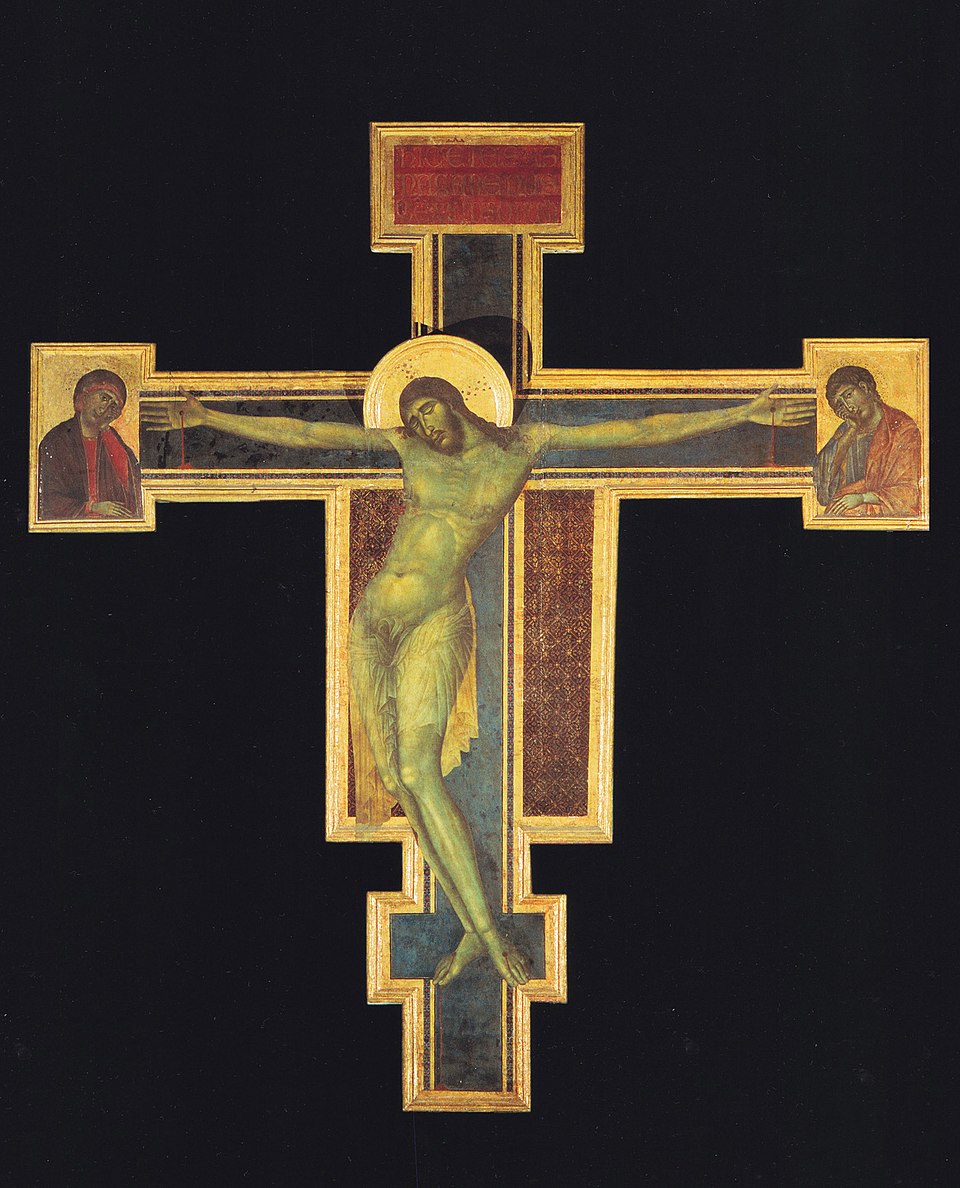
1265 - Cimabue: Crucifix at Santa Croce (All Facts)
One of the first Italian artworks to break from the late medieval Byzantine style and is renowned for its technical innovations and humanistic iconography
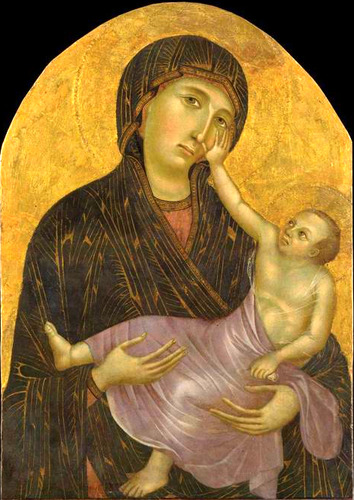
1284 - Cimabue: Castelfiorentino Madonna (All Facts)
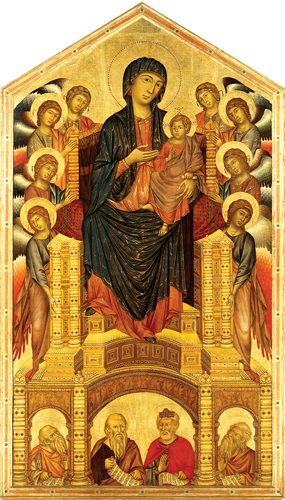
1286 - Cimabue: Santa Trinita Madonna (All Facts)
Located in the Uffizi Chapel
1250 - 1315 - Giovanni Pisano (All Facts)
Italian Sculptor from Pisa
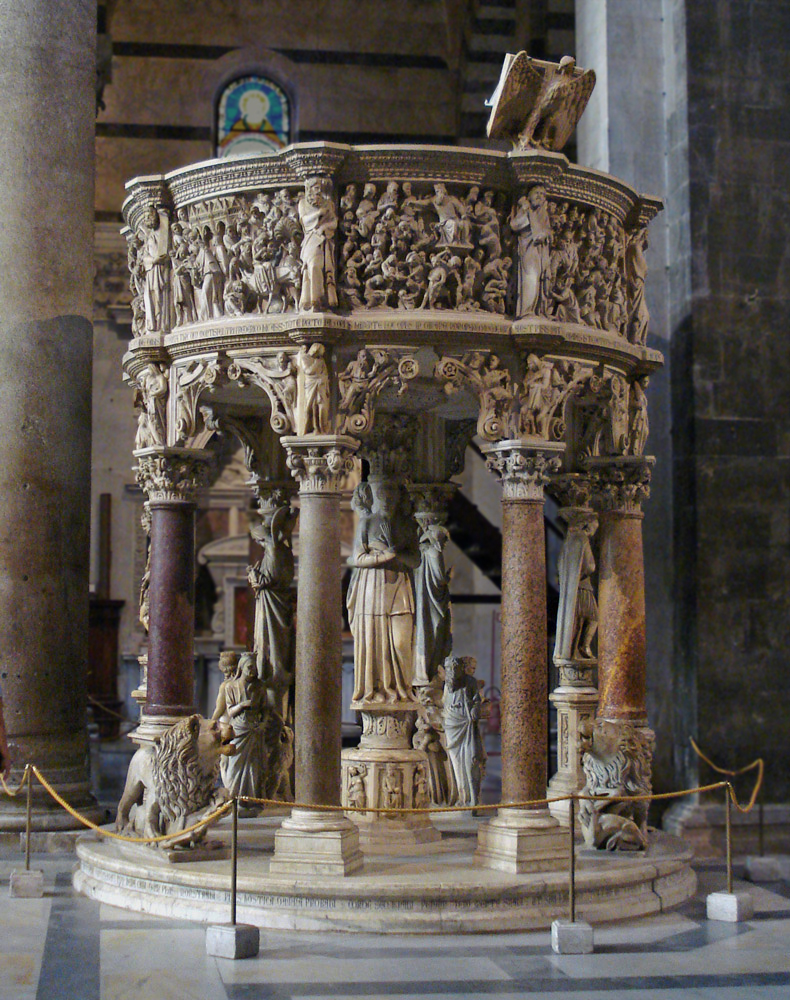
He completed the pulpit in Pisa Cathedral, in which he synthesized Gothic and Classical elements
1260 - 1319 - Duccio (All Facts)
Italian Gothic Painter from Siena
He was the first great painter from Siena
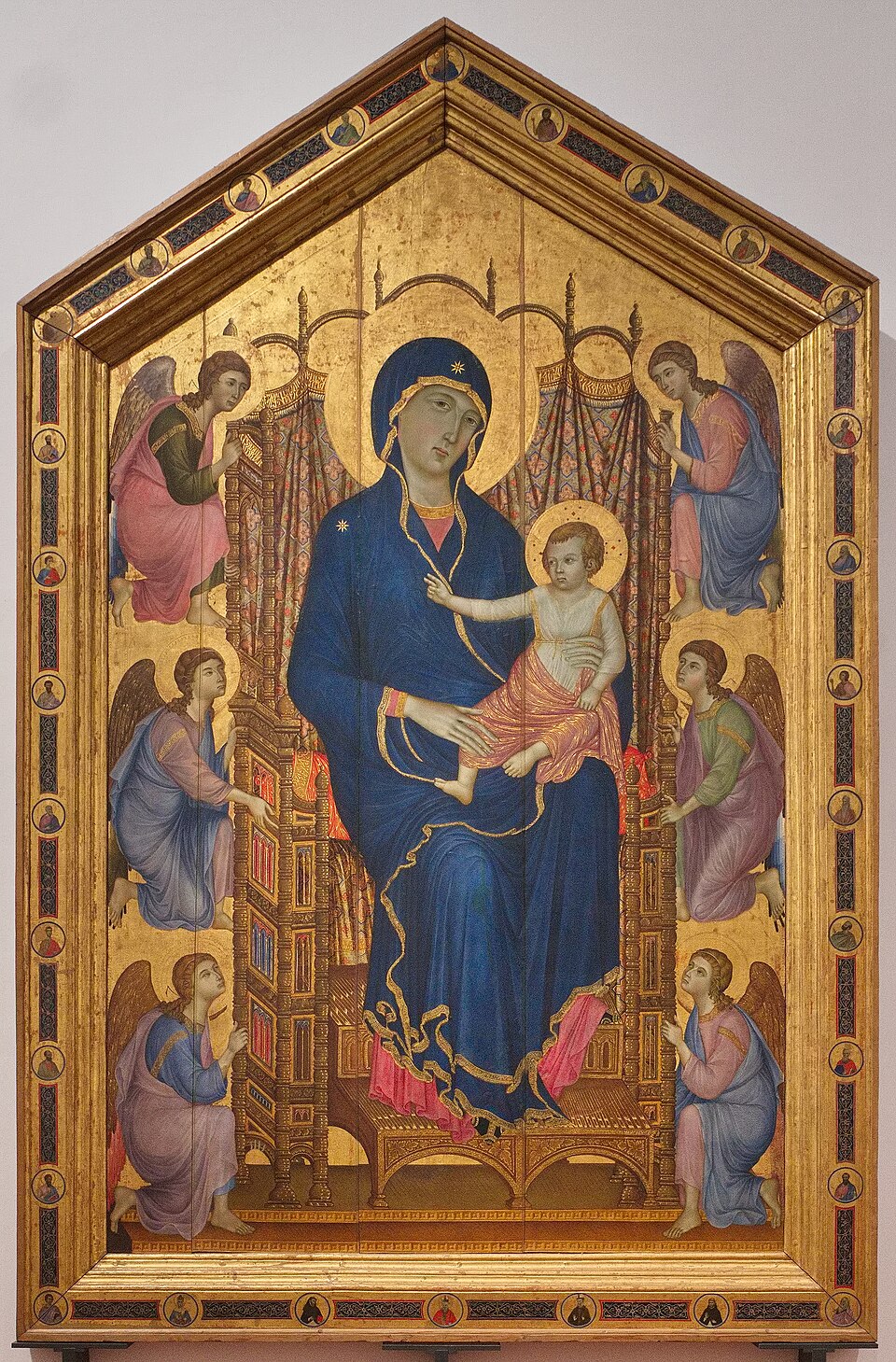
1285 - Duccio: Rucellai Madonna (All Facts)
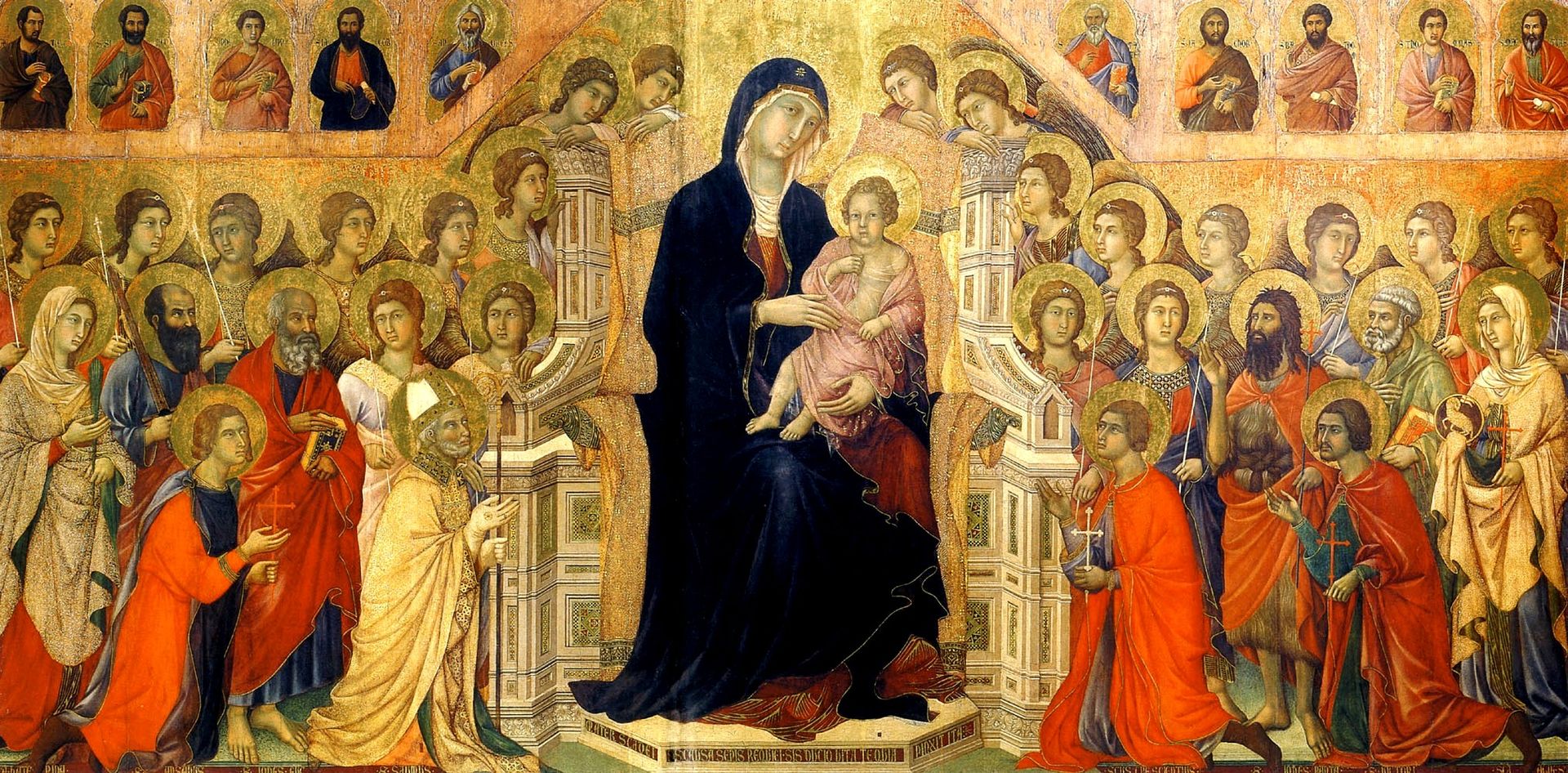
1311 - Duccio: Maesta (All Facts)
Represents the mastery of the Byzantine tradition
Commissioned for the Siena Cathedral
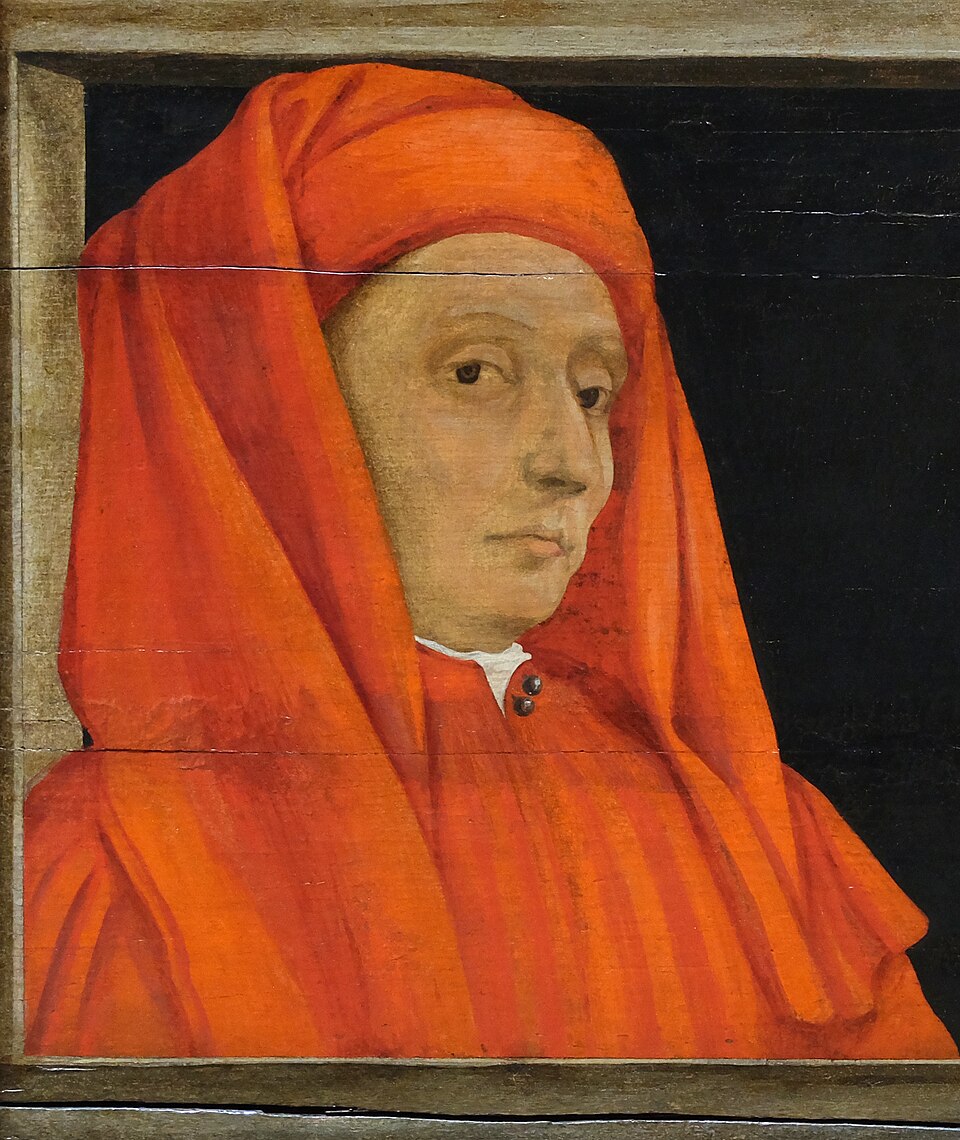
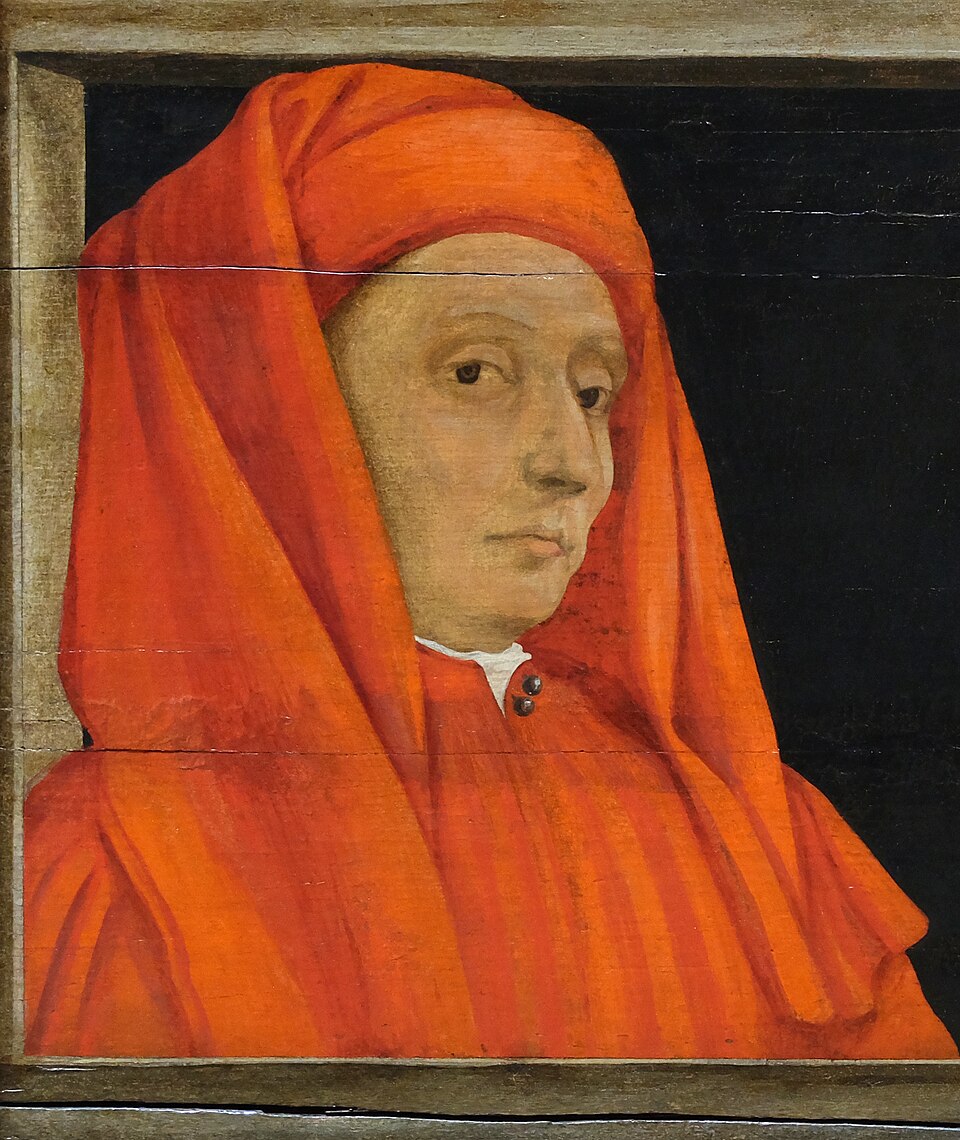
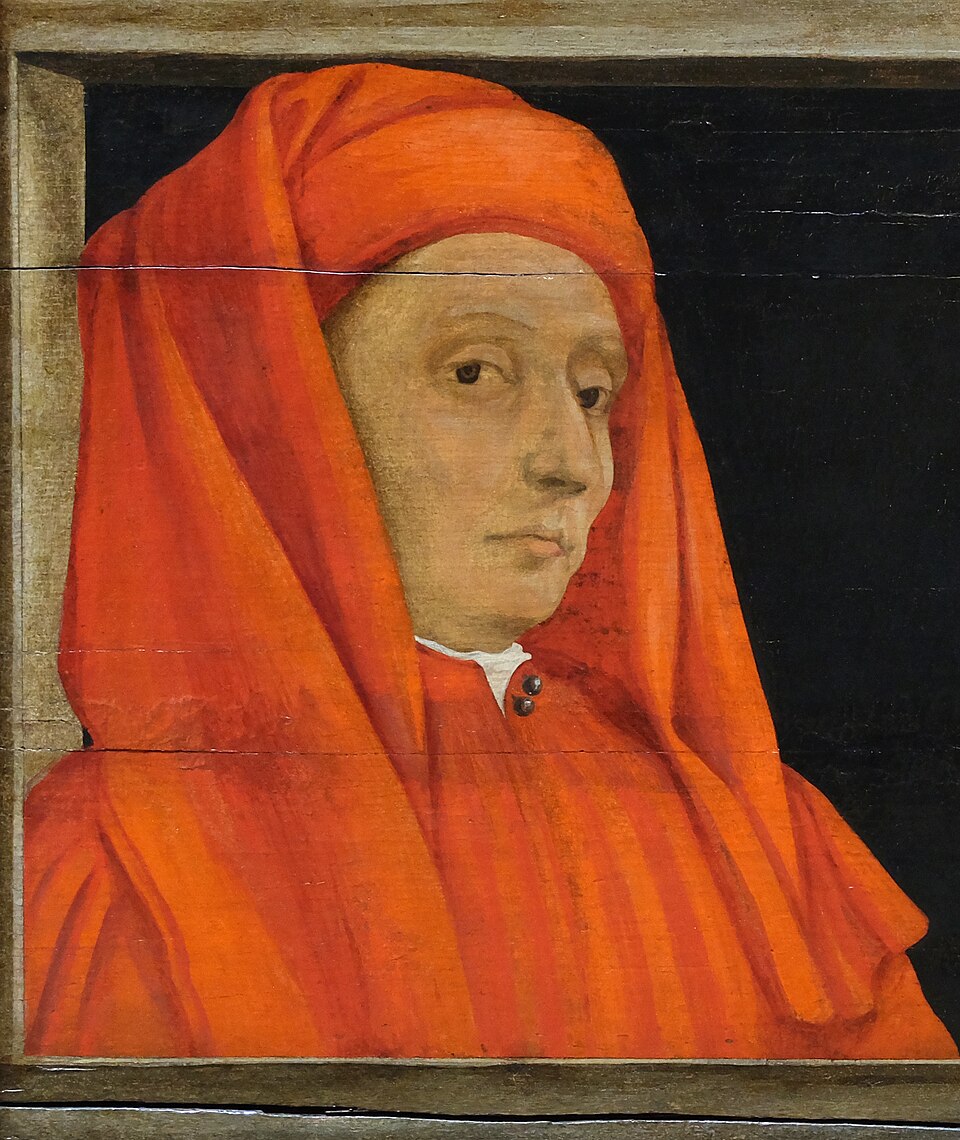
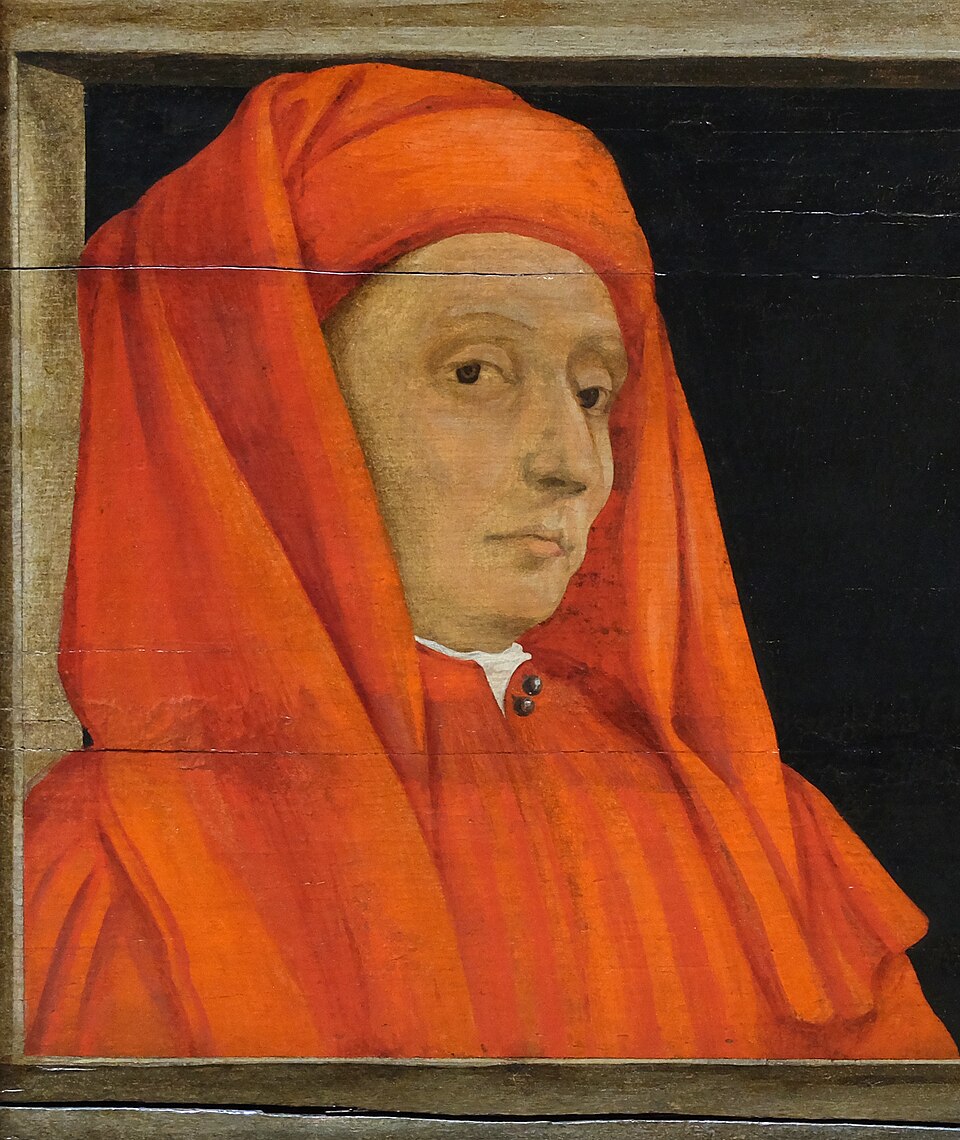
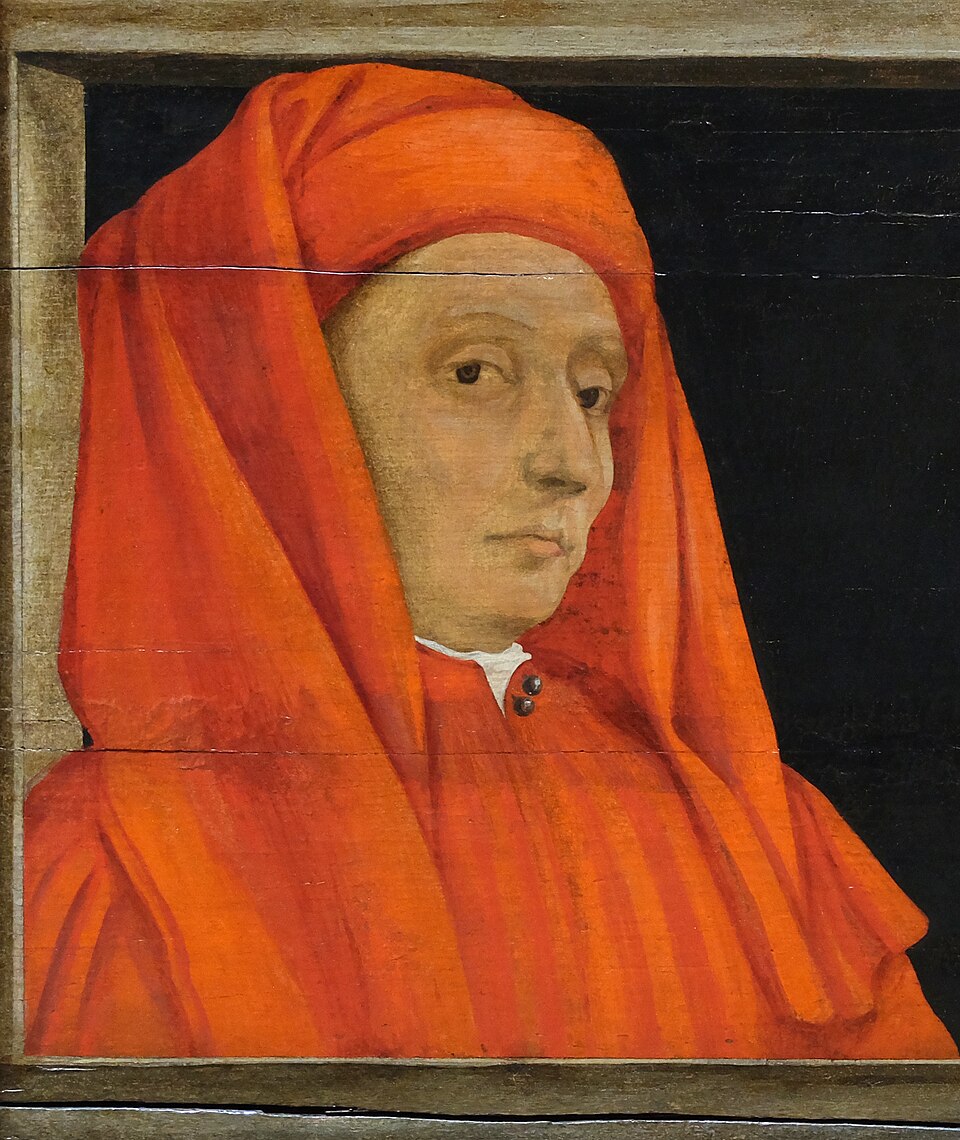
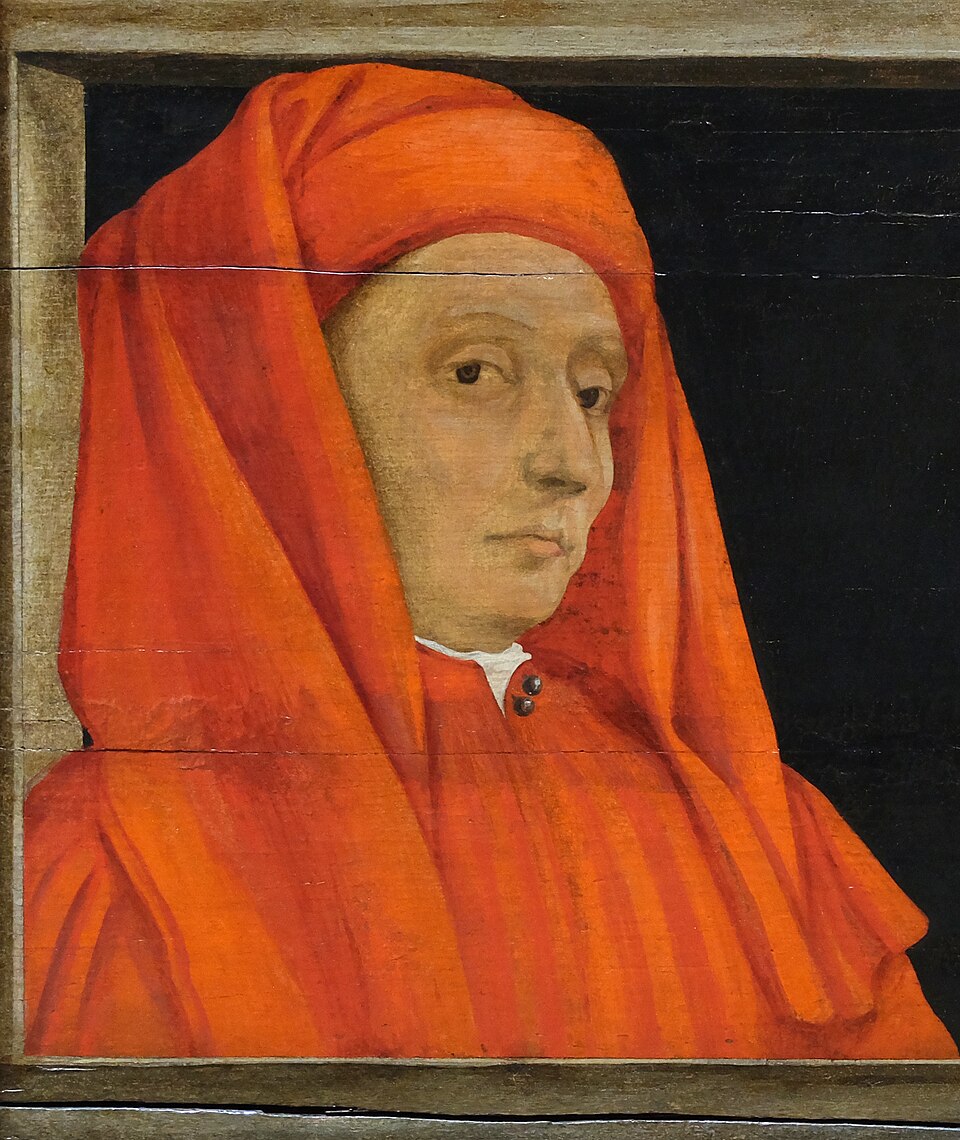
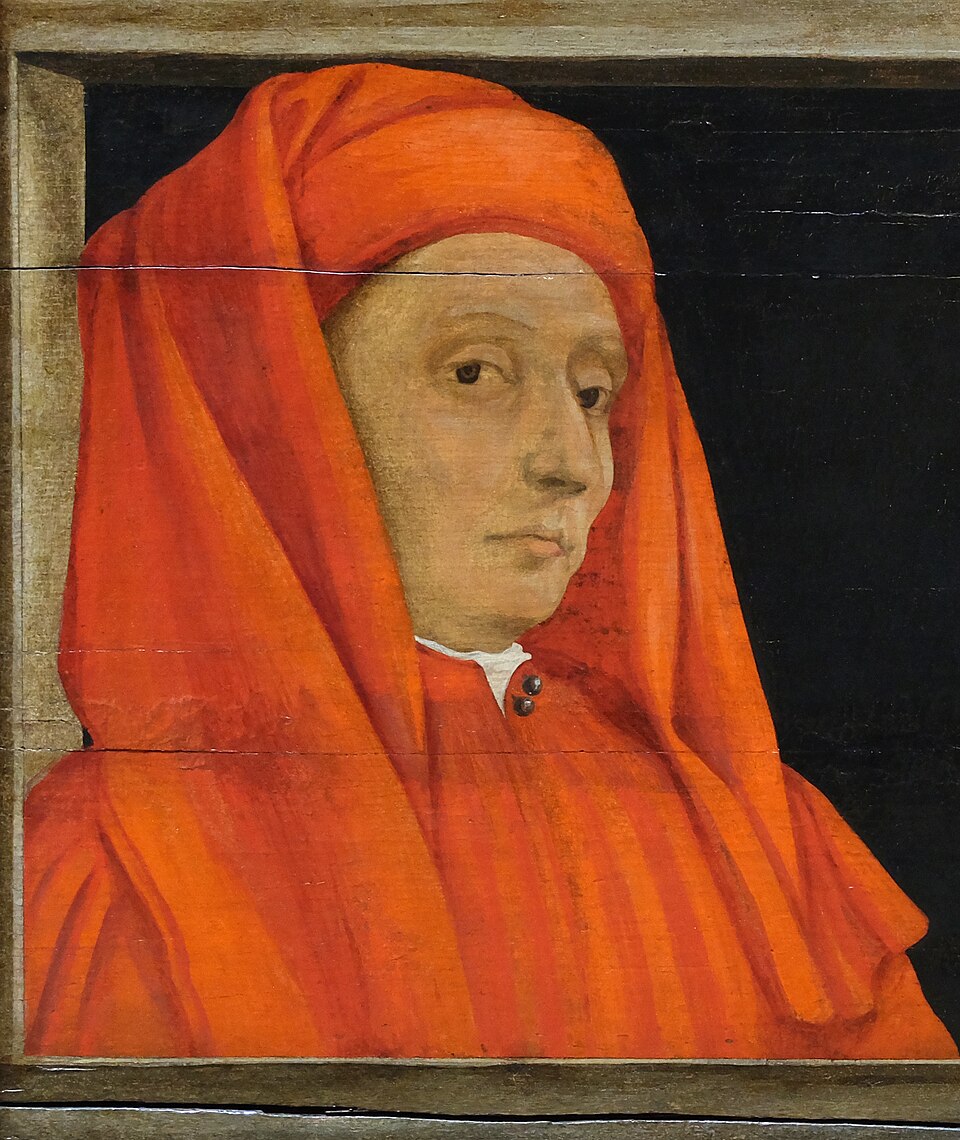
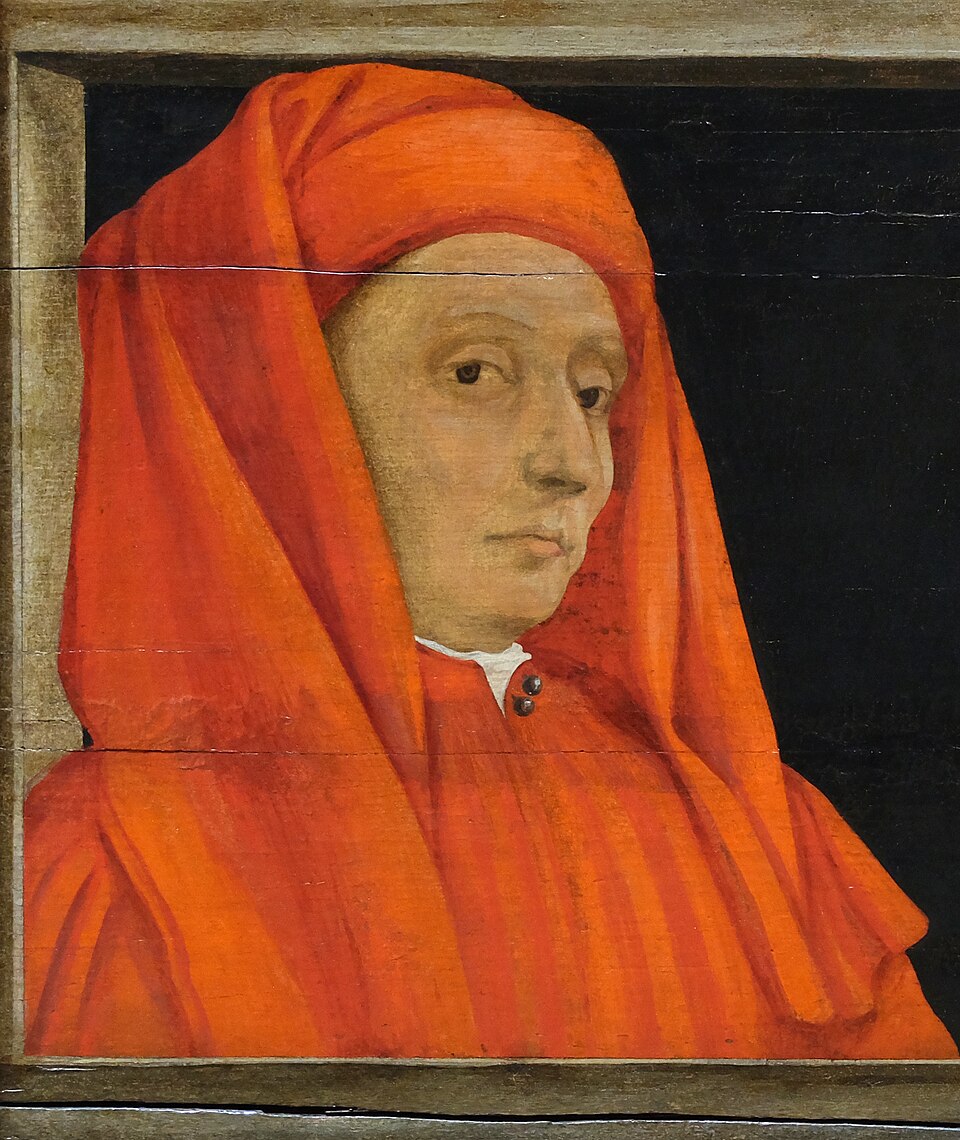
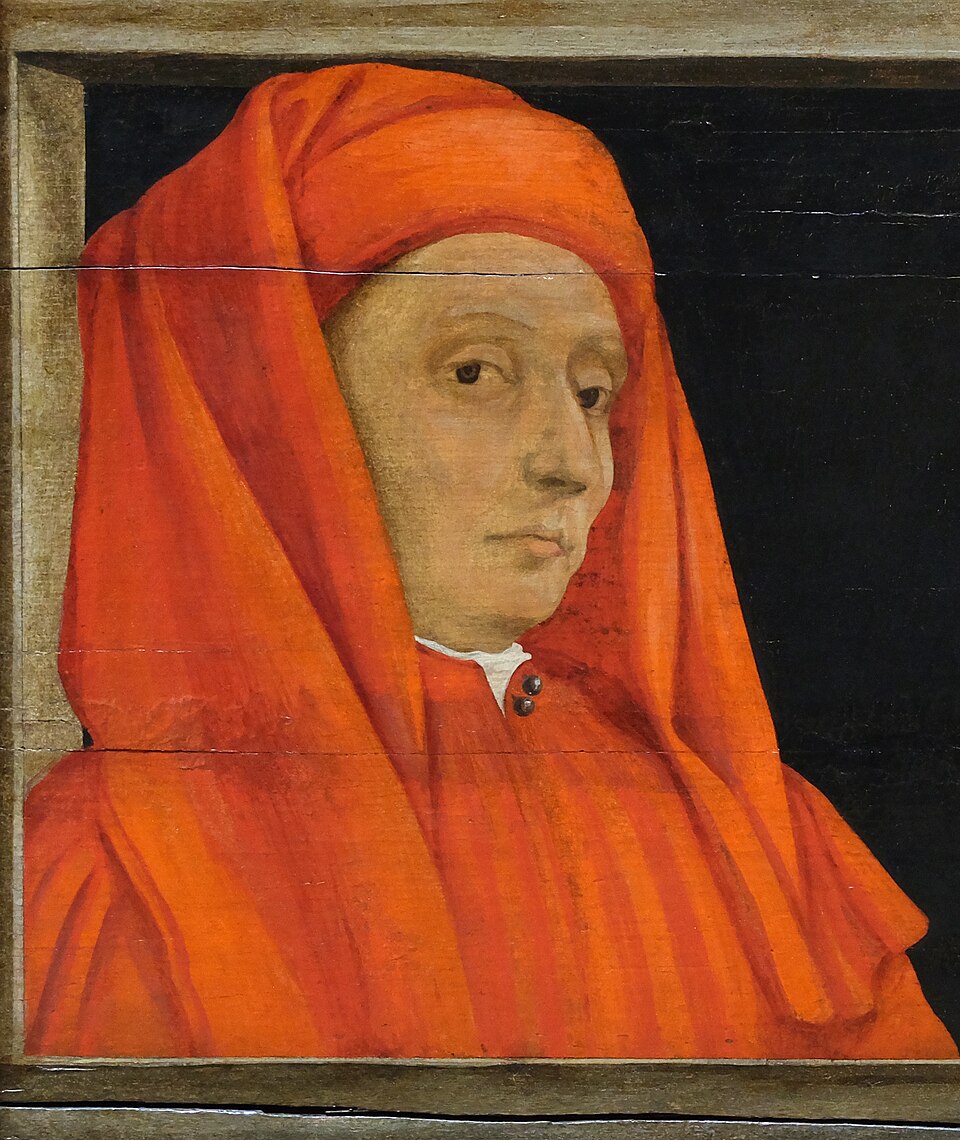
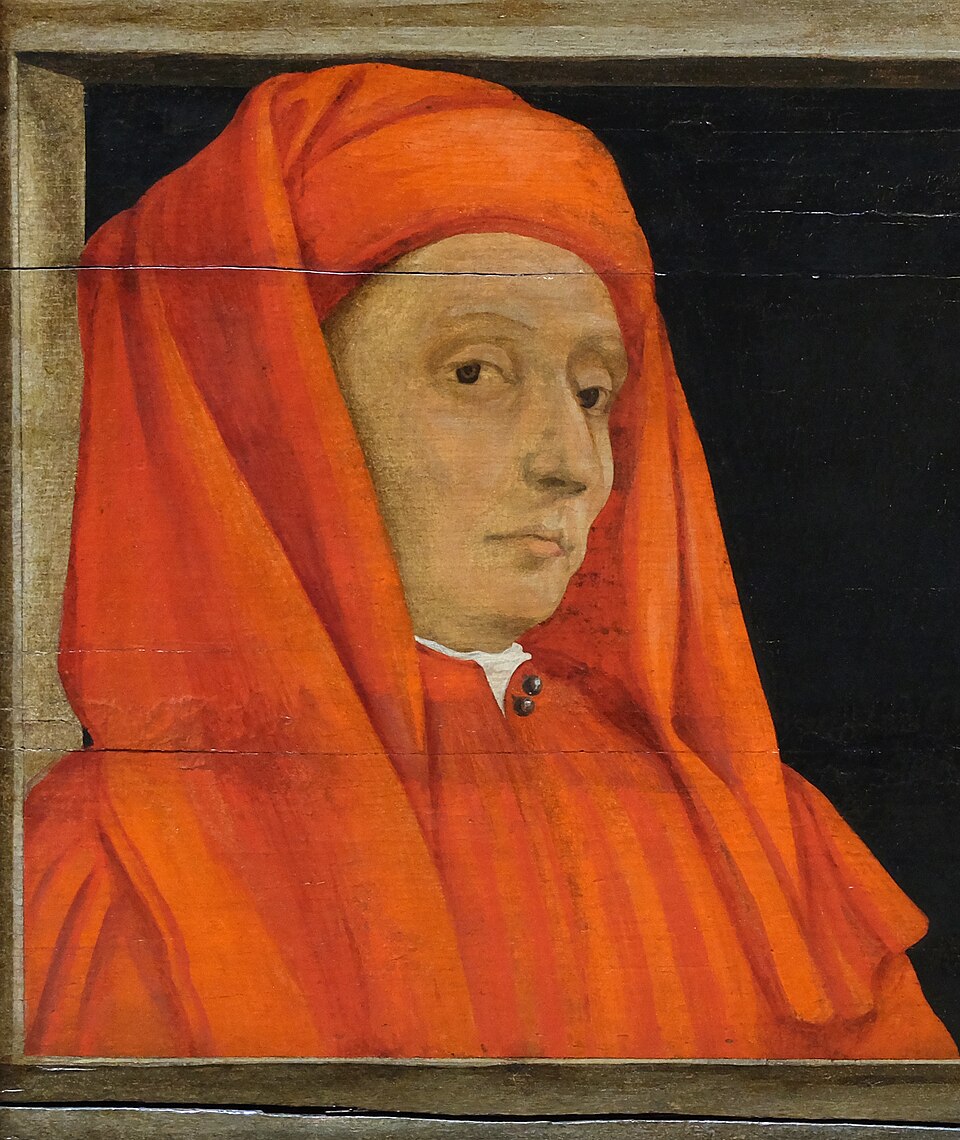
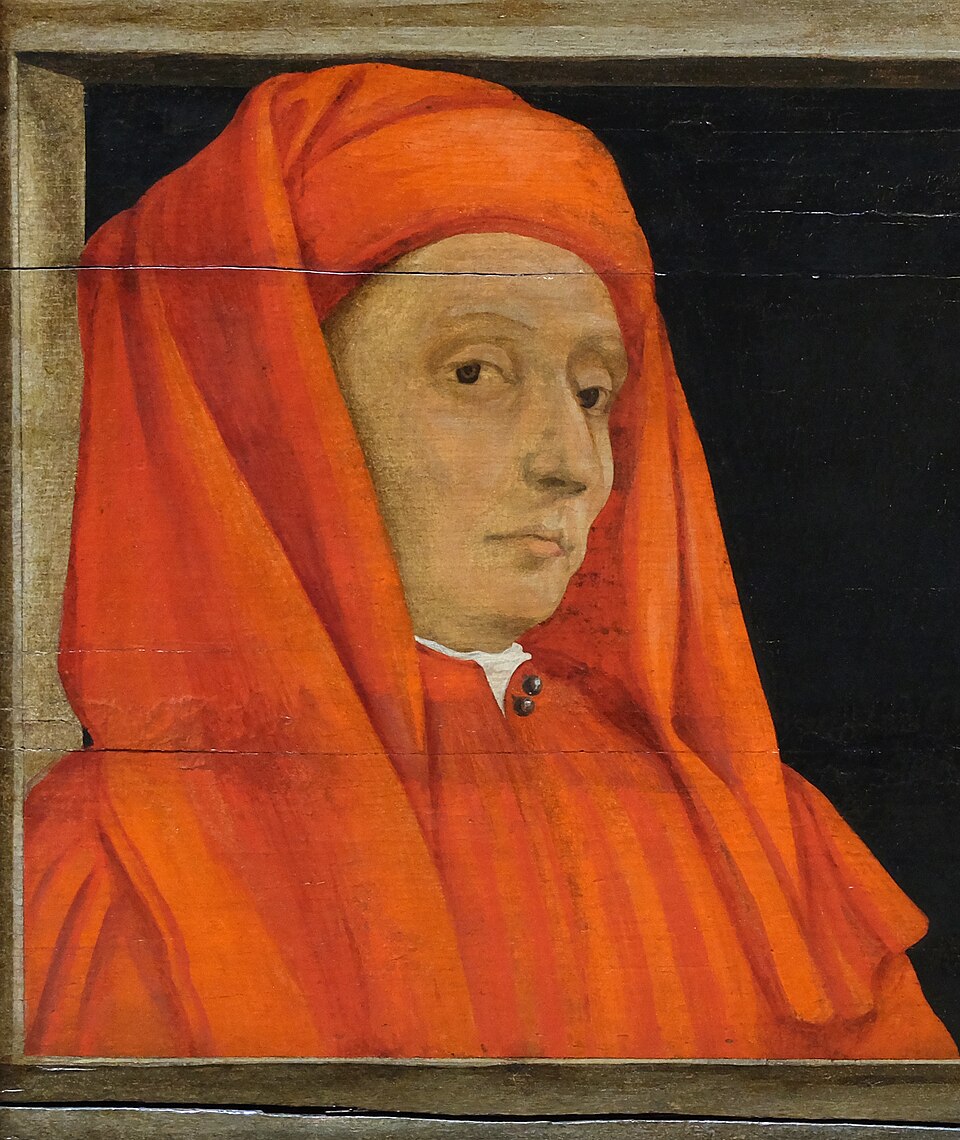
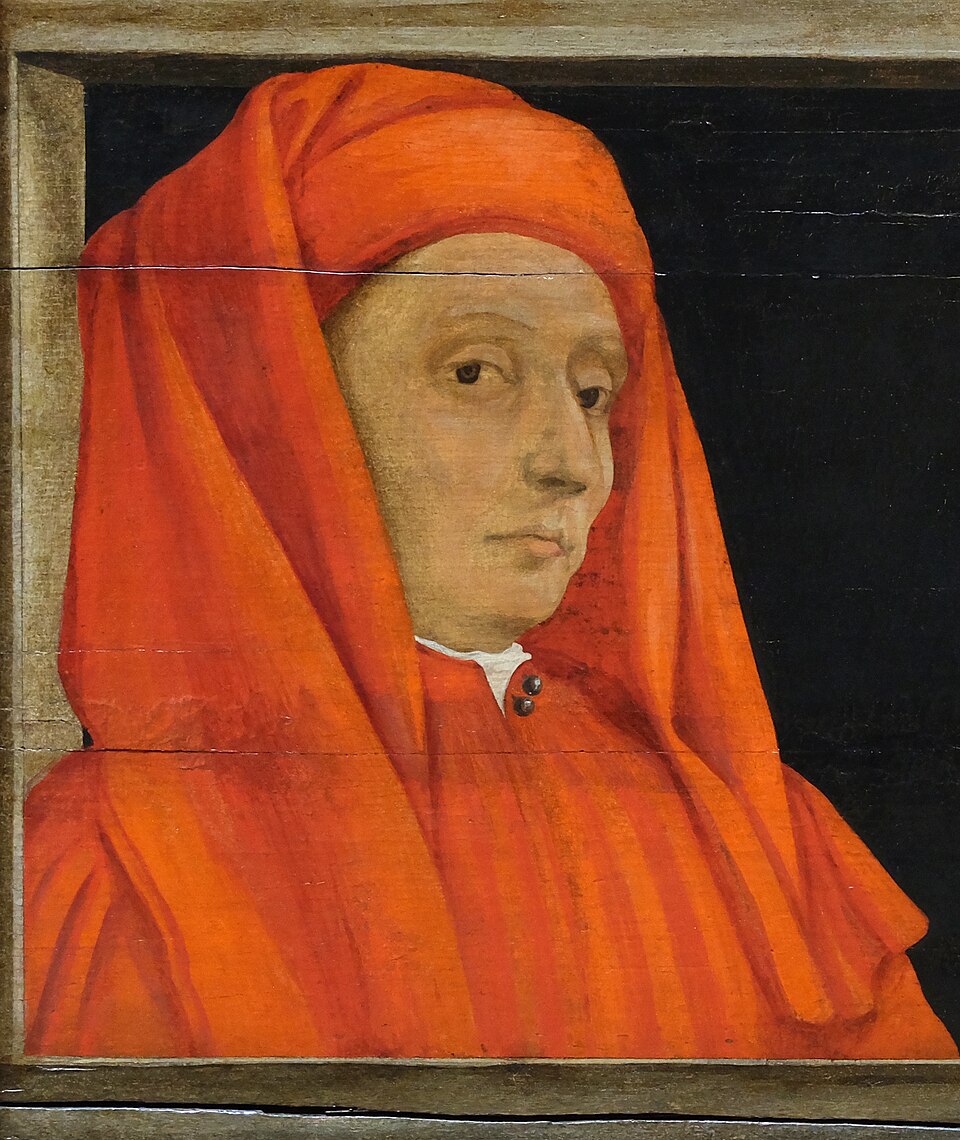
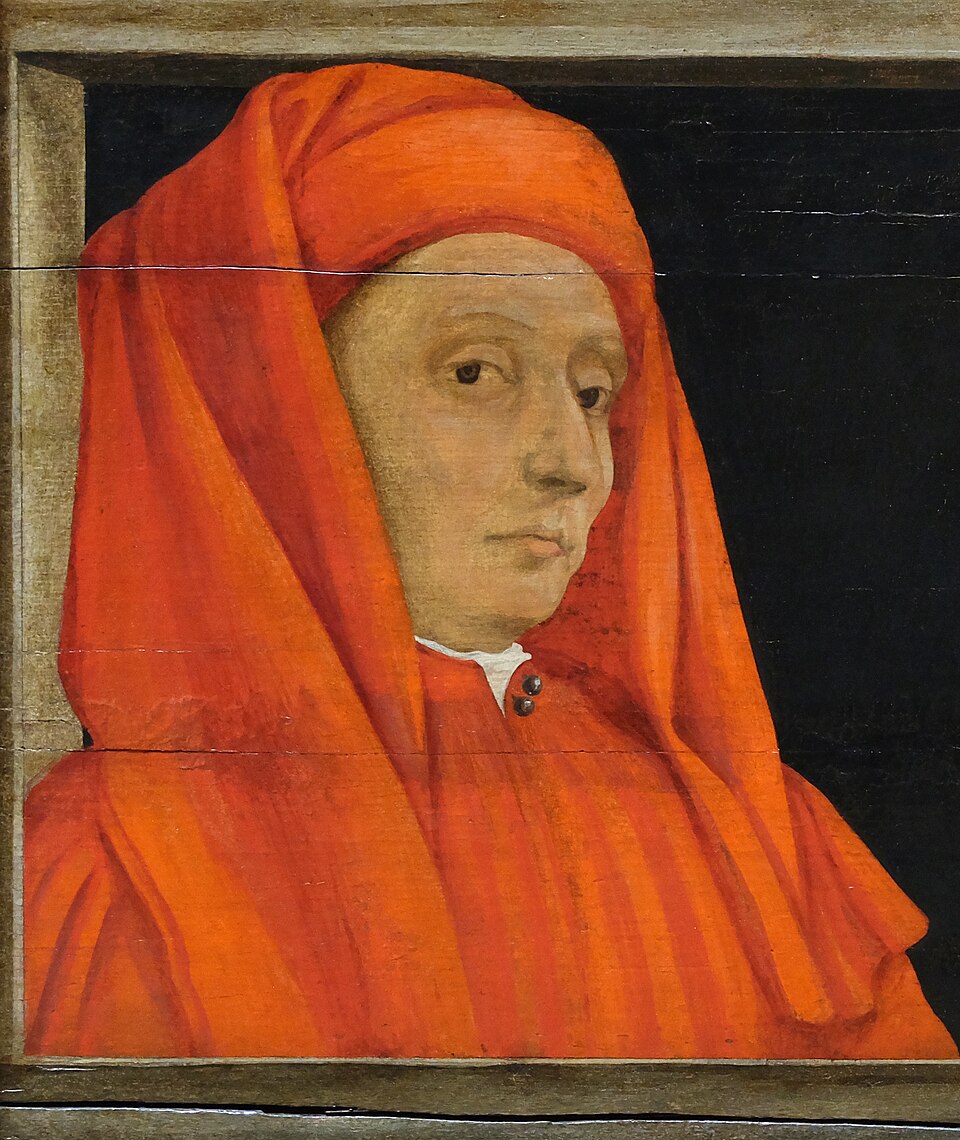
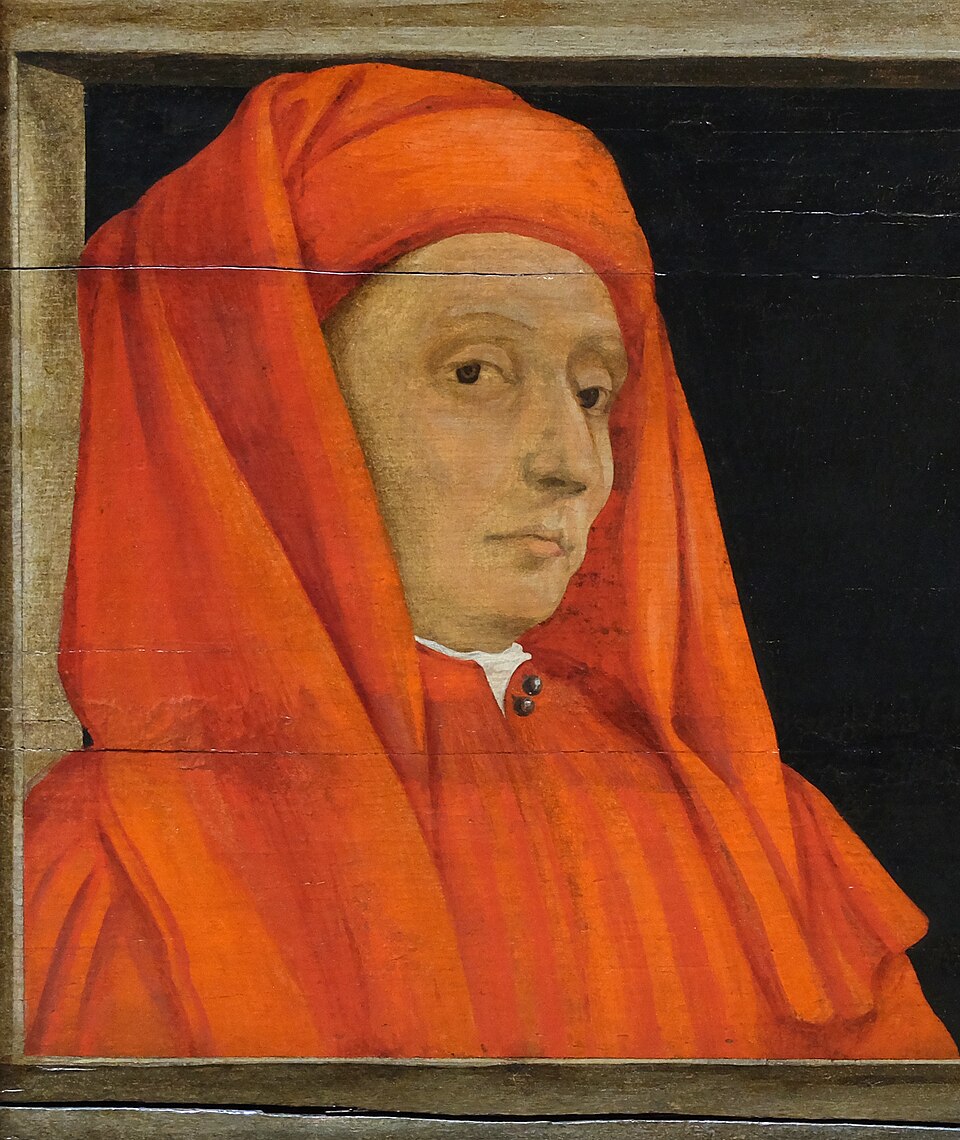
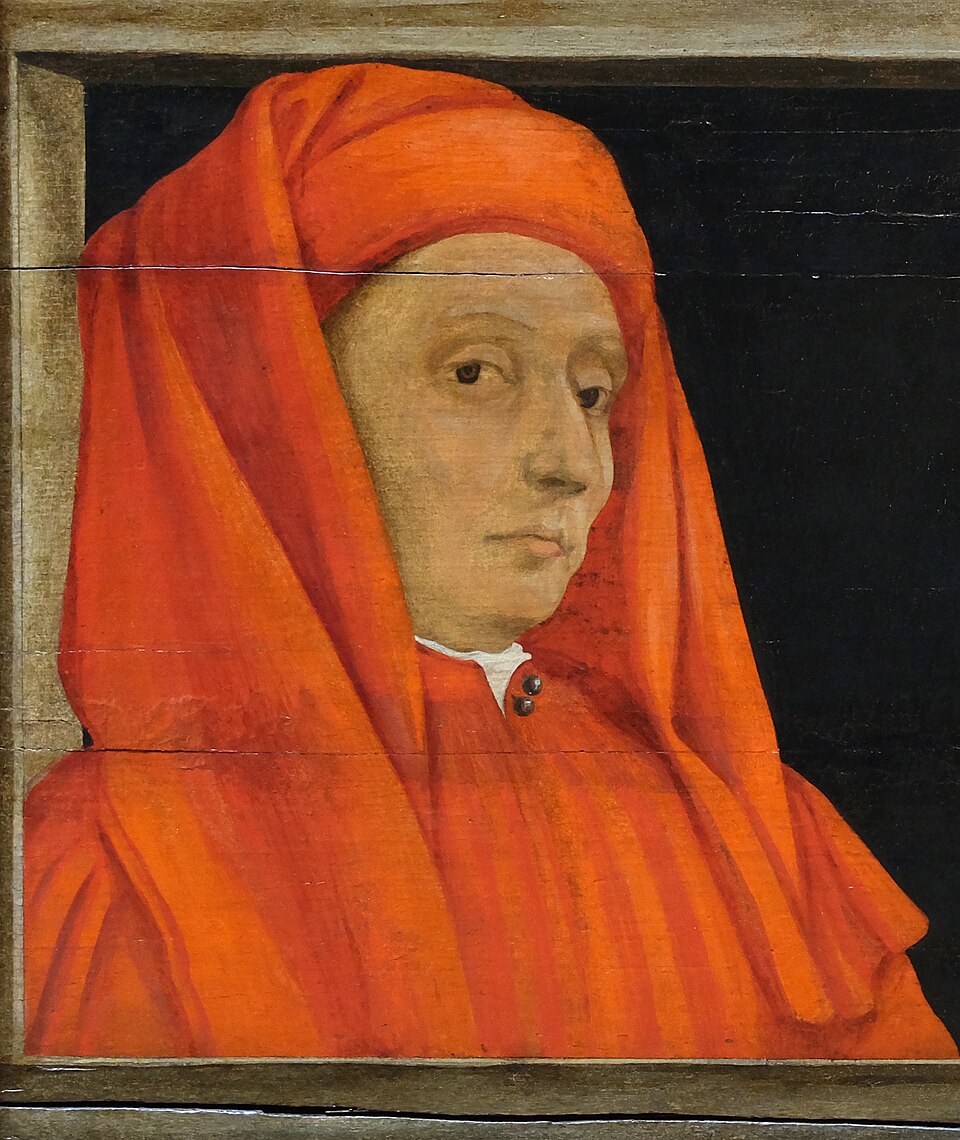
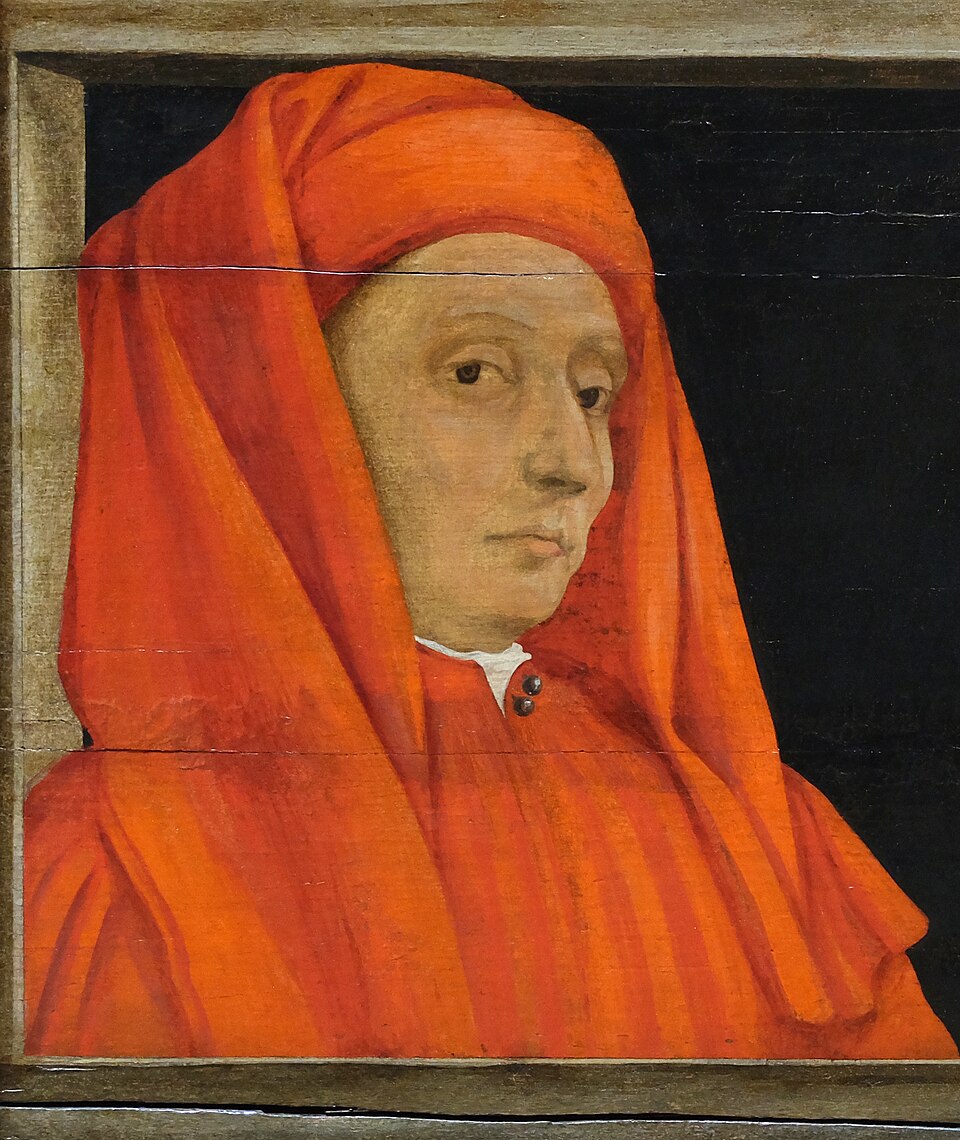
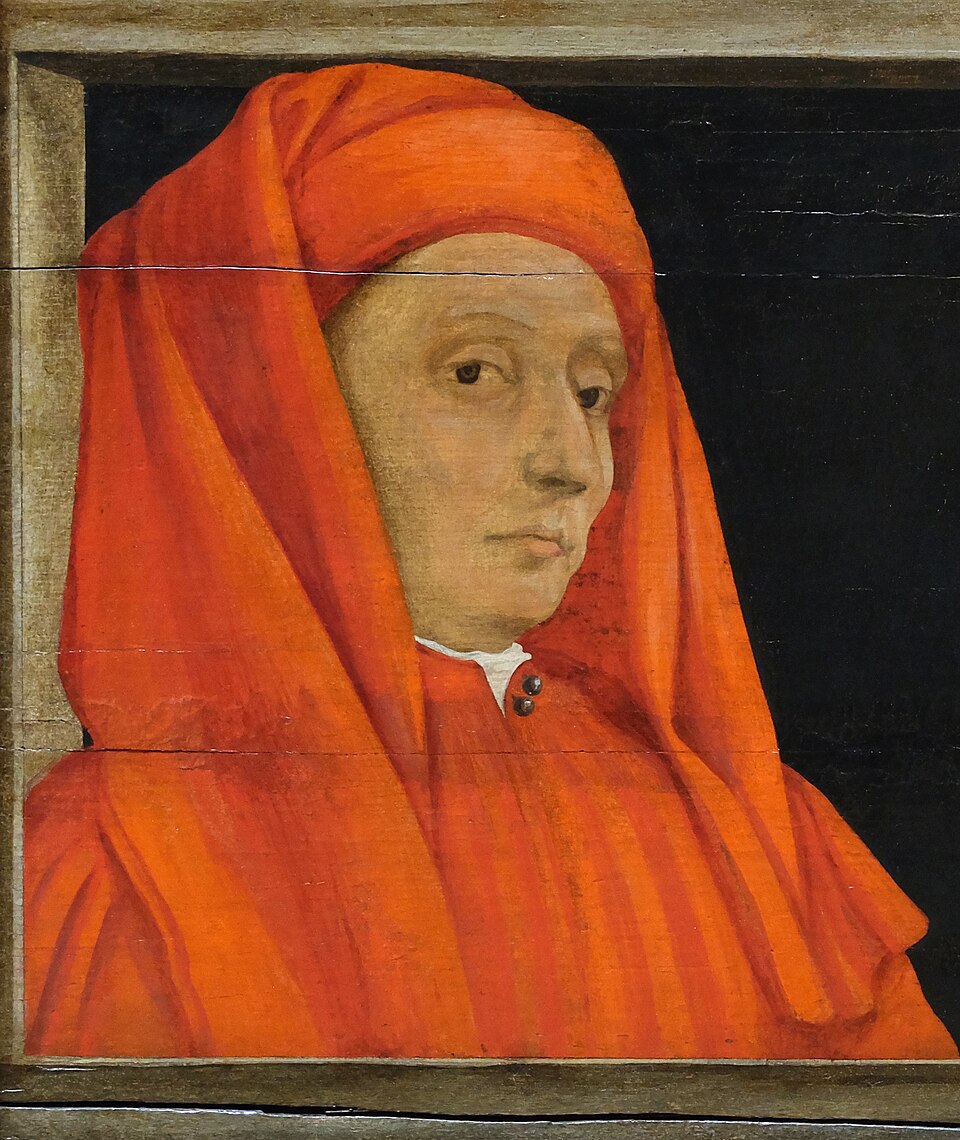
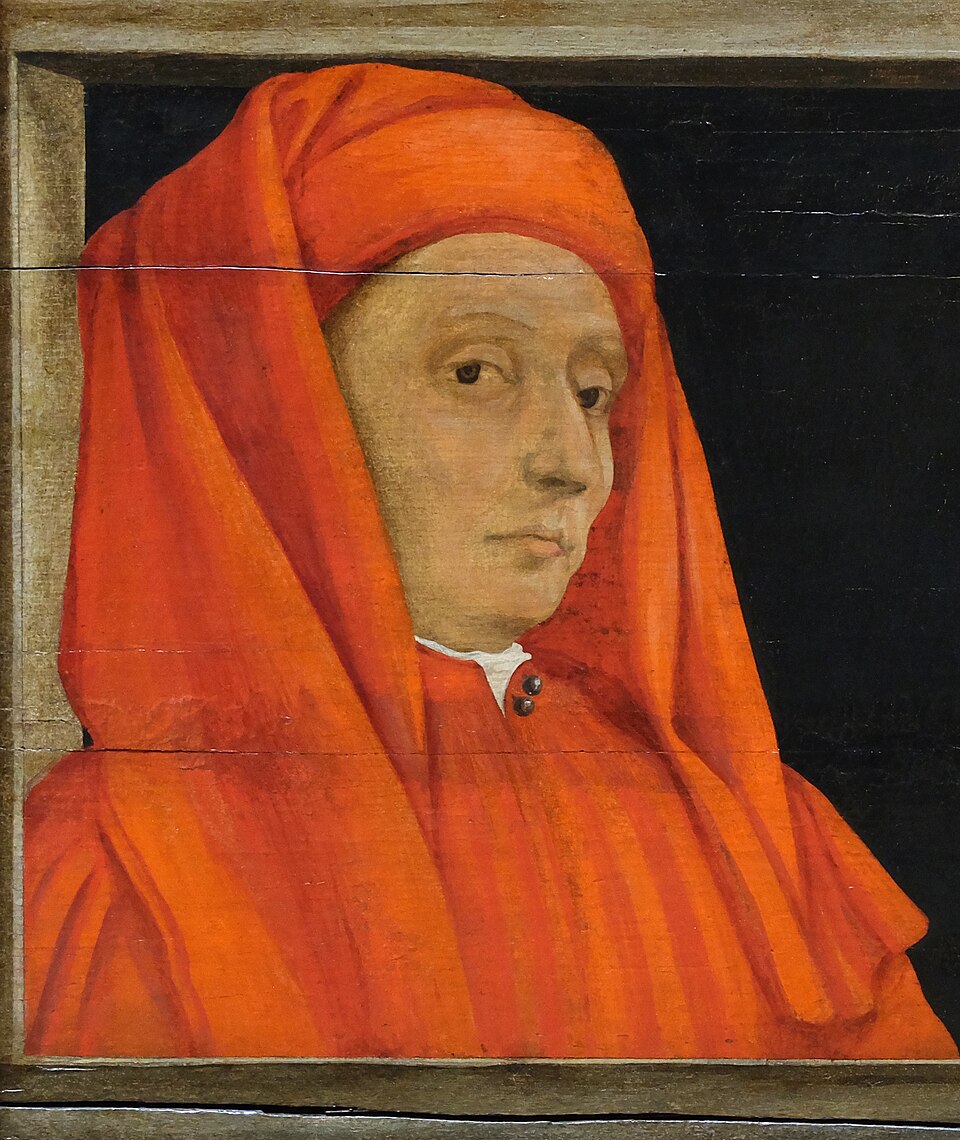
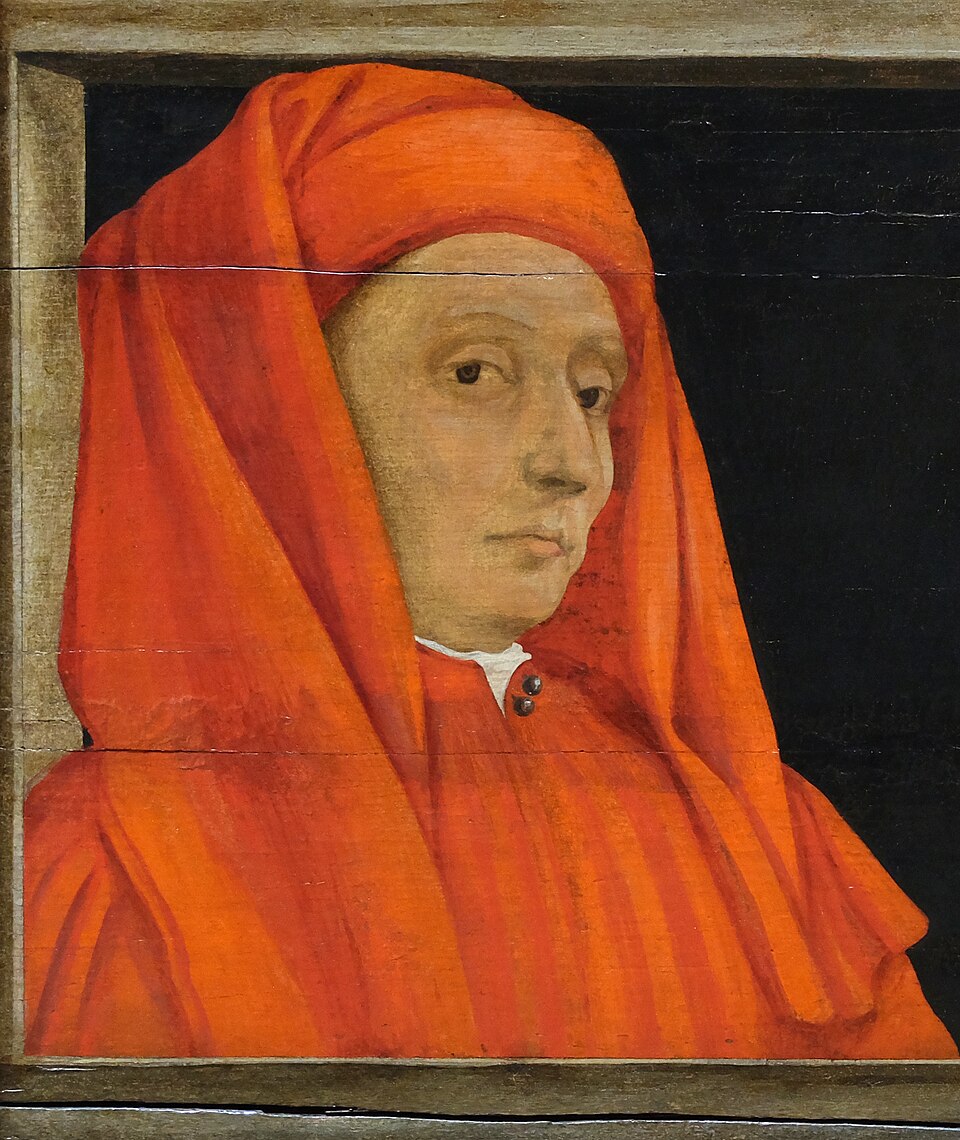
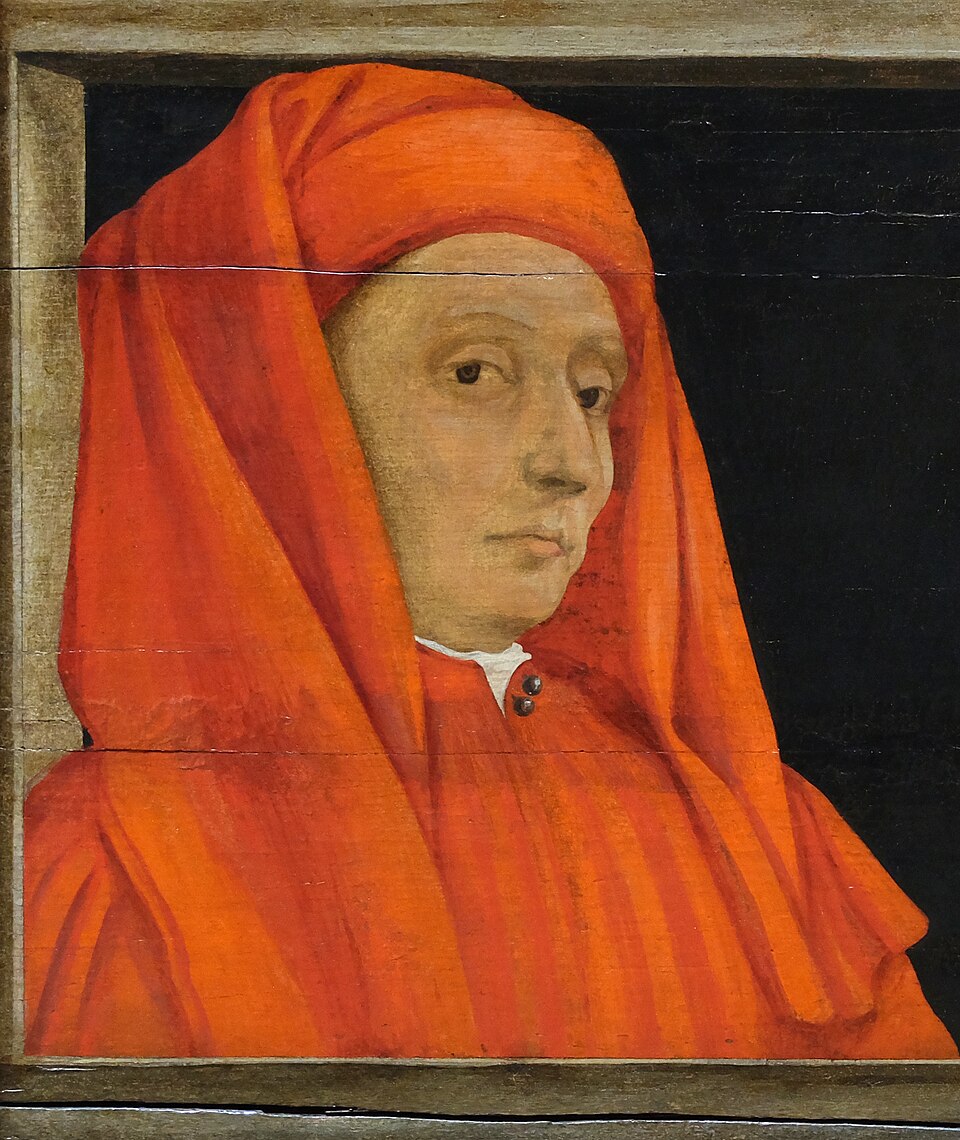
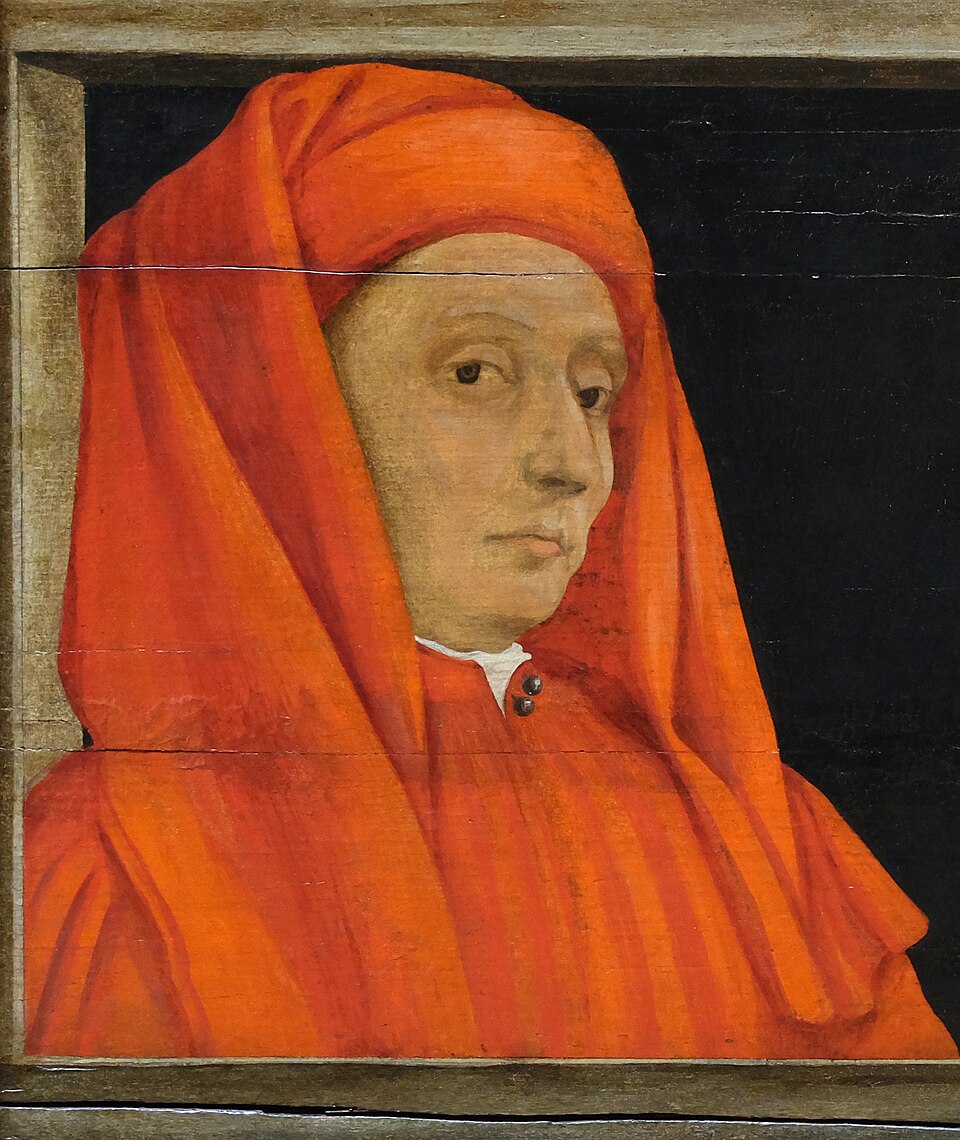
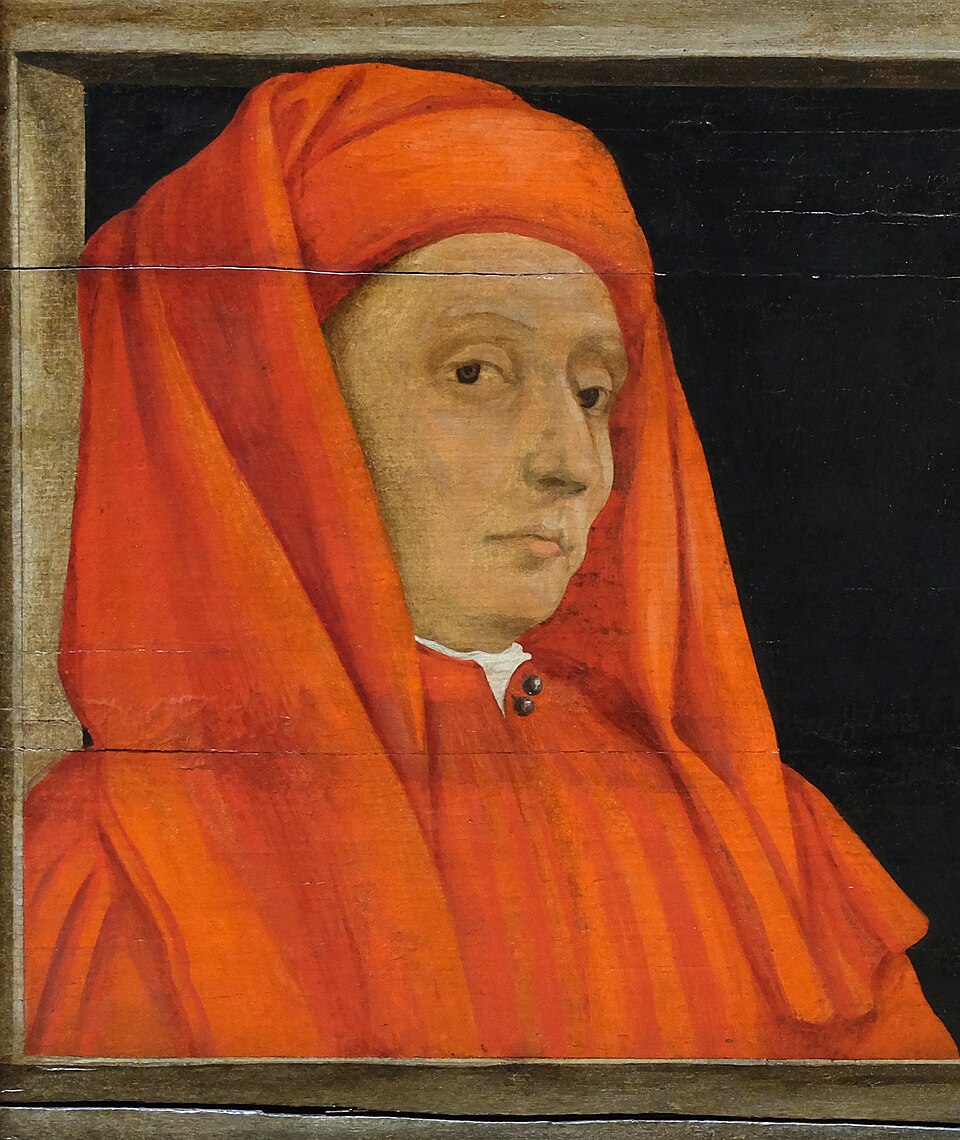
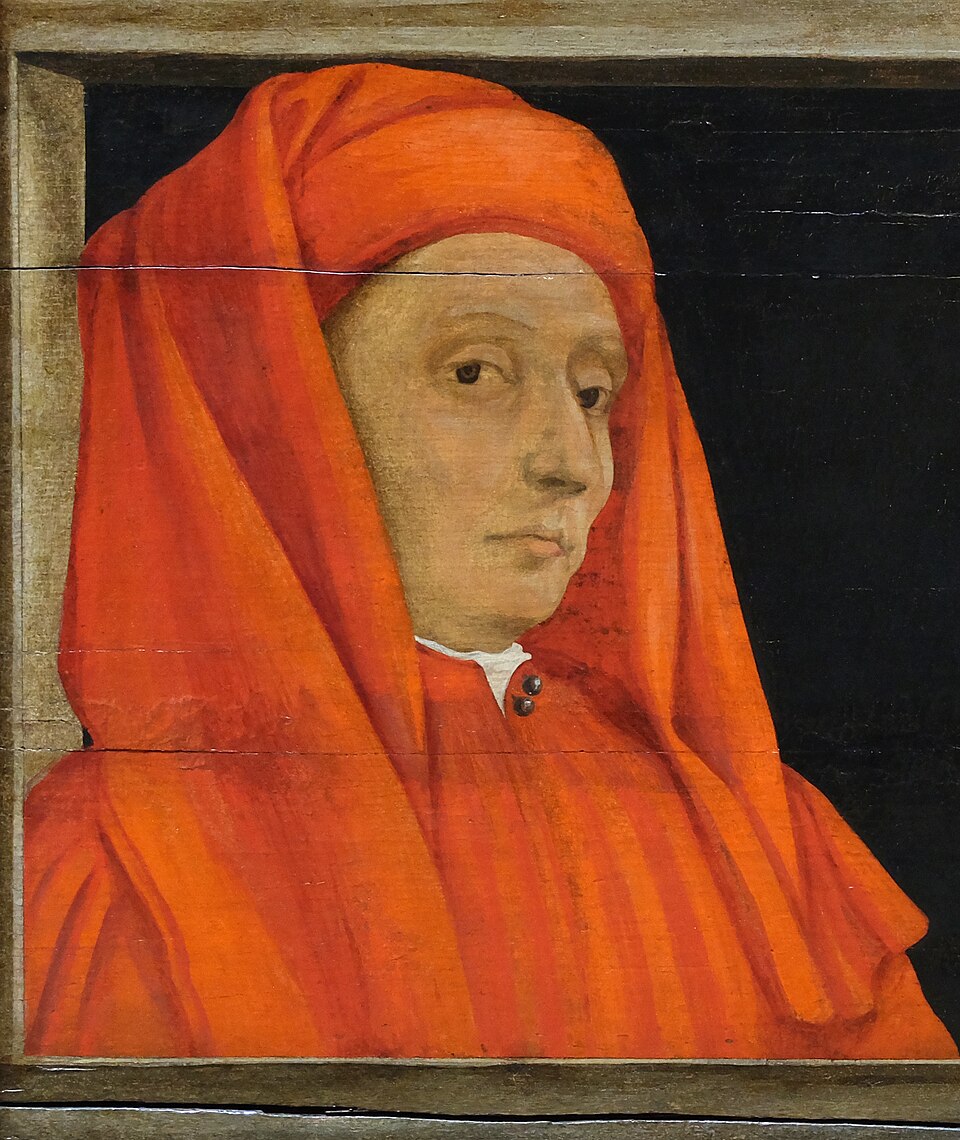
1267 - 1337 - Giotto (All Facts)
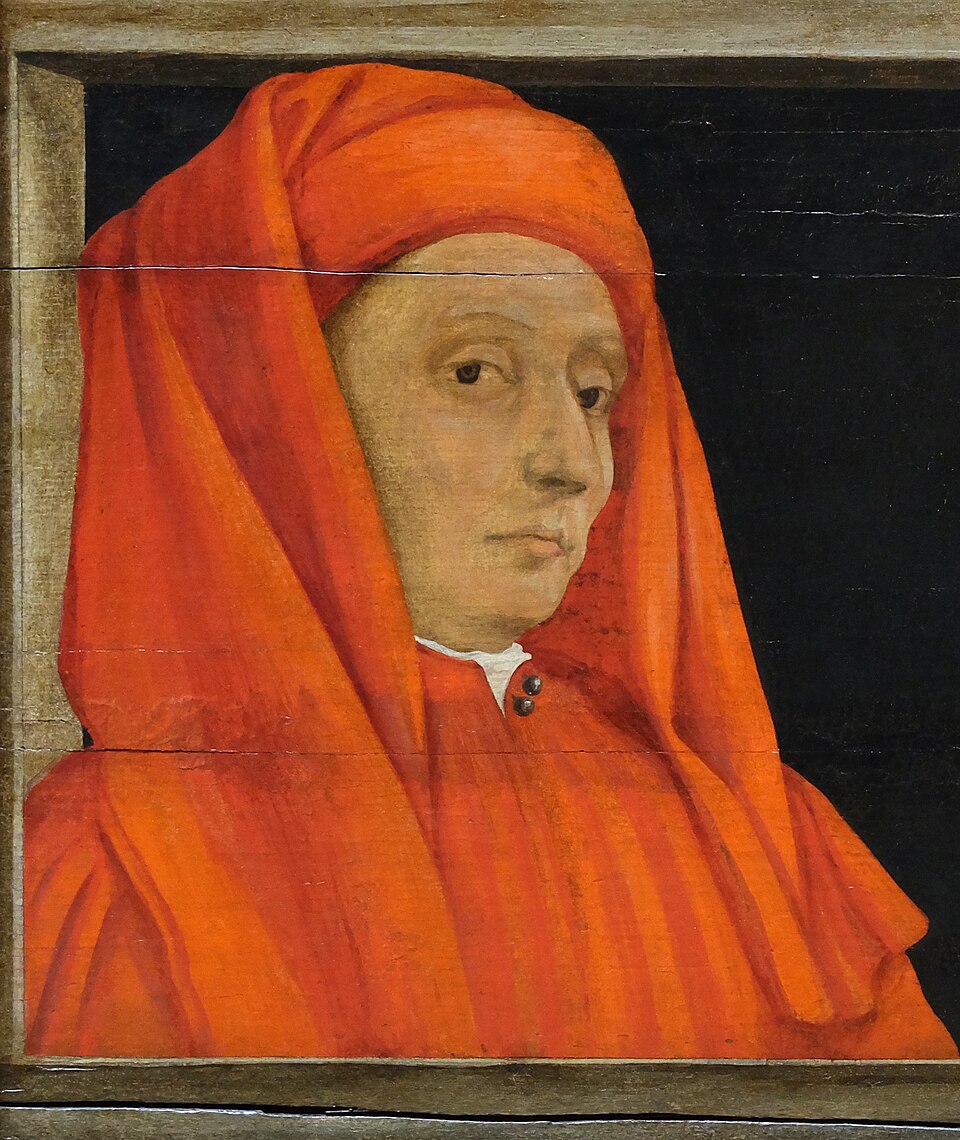
Italian Late-Gothic, Proto-Renaissance Painter from Florence
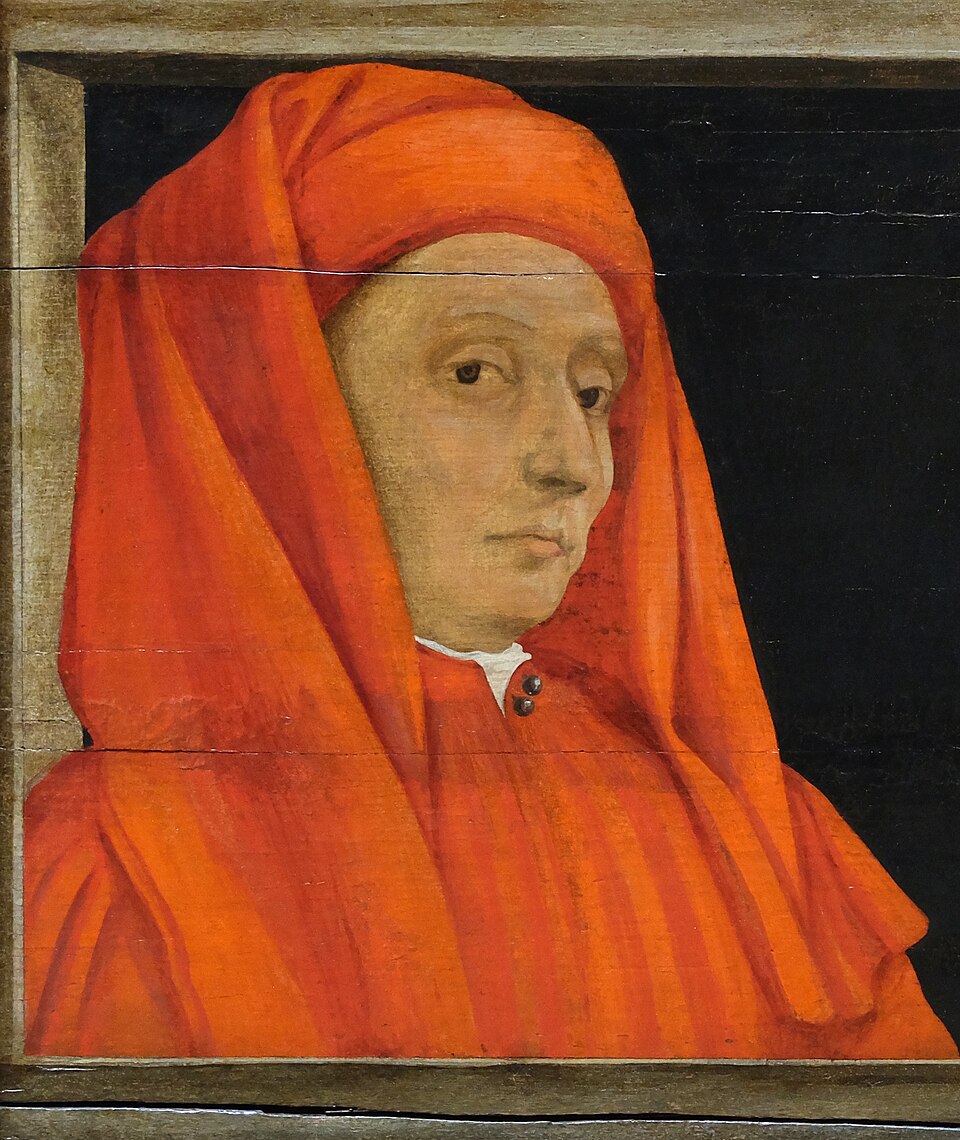
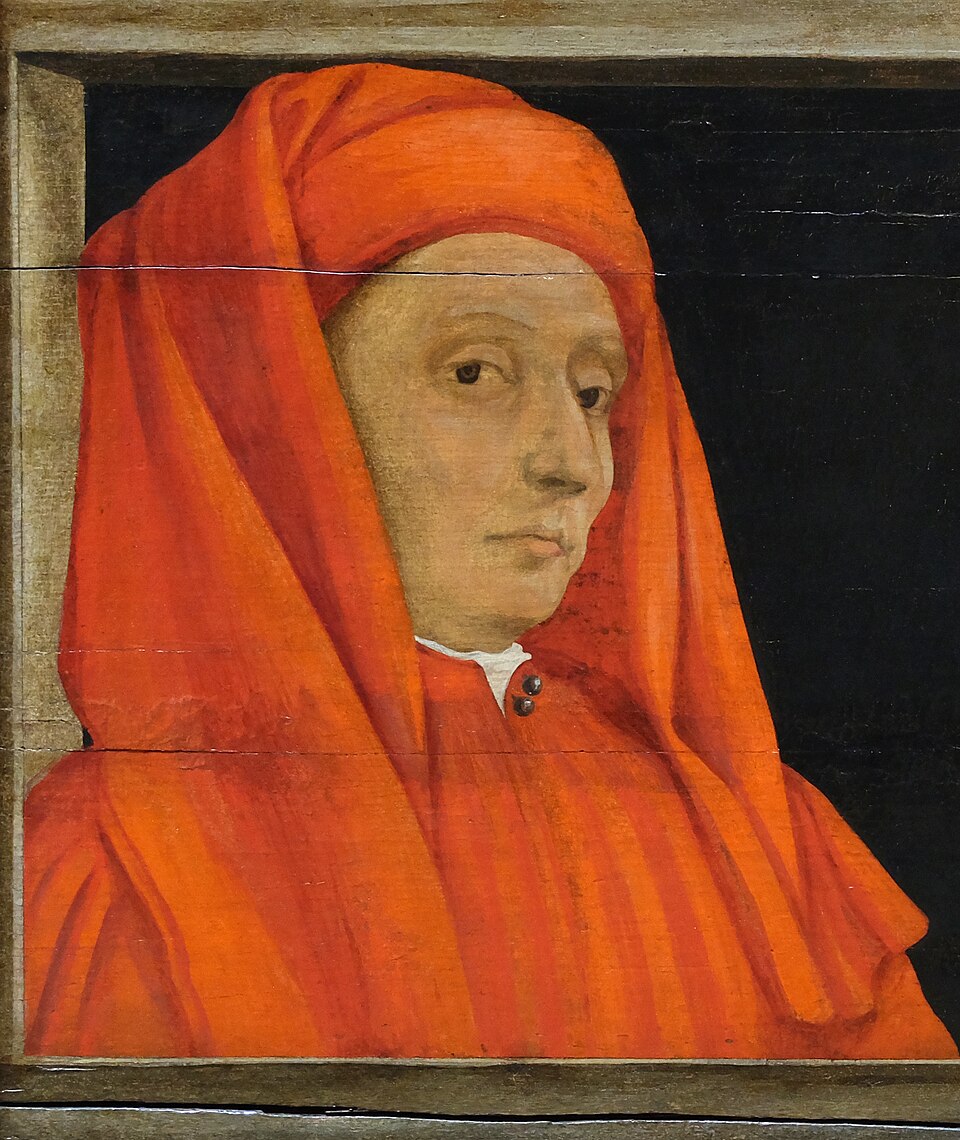
He was considered “the principal painter of our time” in the opinion of such as poets as Dante Alighieri and Petrarch
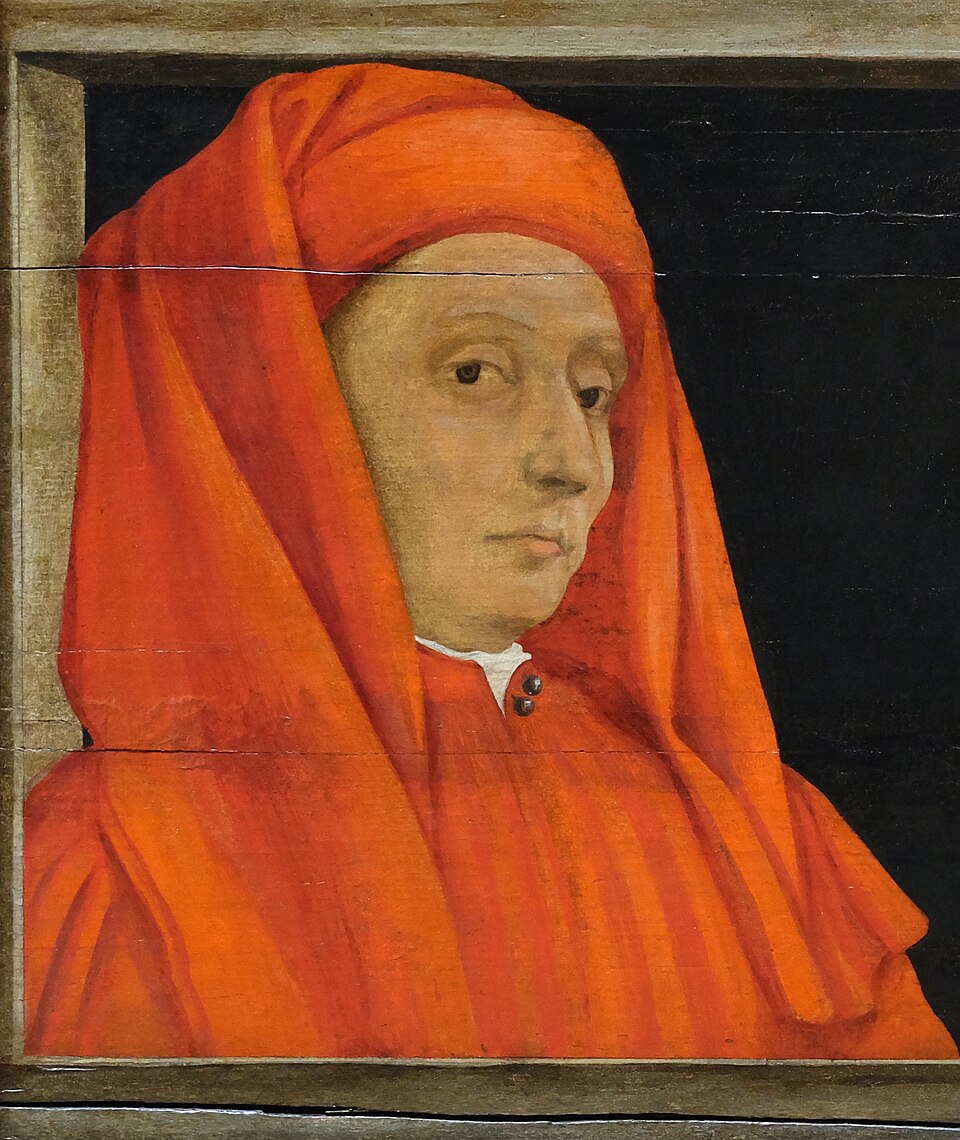
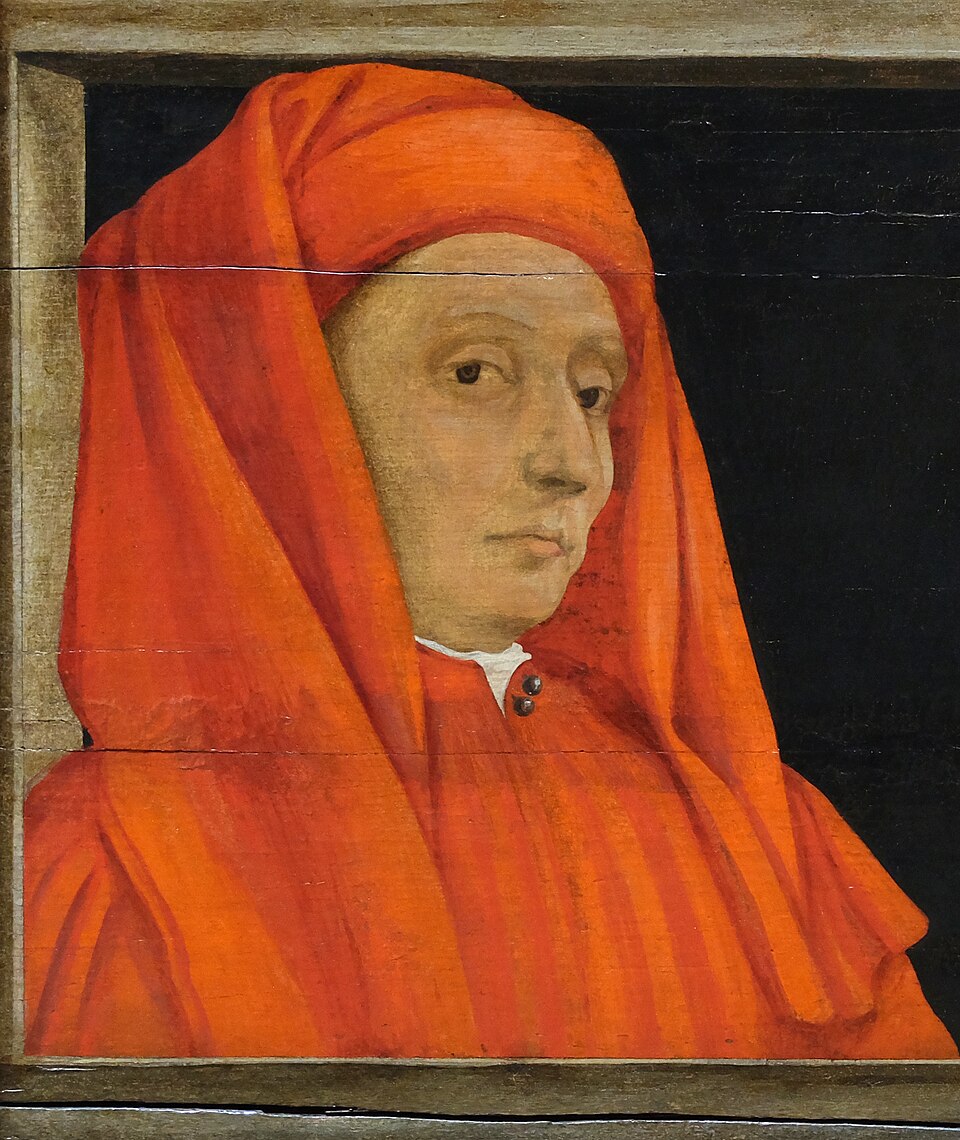
Legend has it that he drew the first portrait of Dante Alighieri
He was discovered and taught by Cimabue
Legend has it that he could draw a circle perfectly
He was appointed master of the cathedral works on his return from the Kingdom of Naples where he worked for King Robert there
He died with another major work of his, the campanile beside the Florence Cathedral, having only just begun it
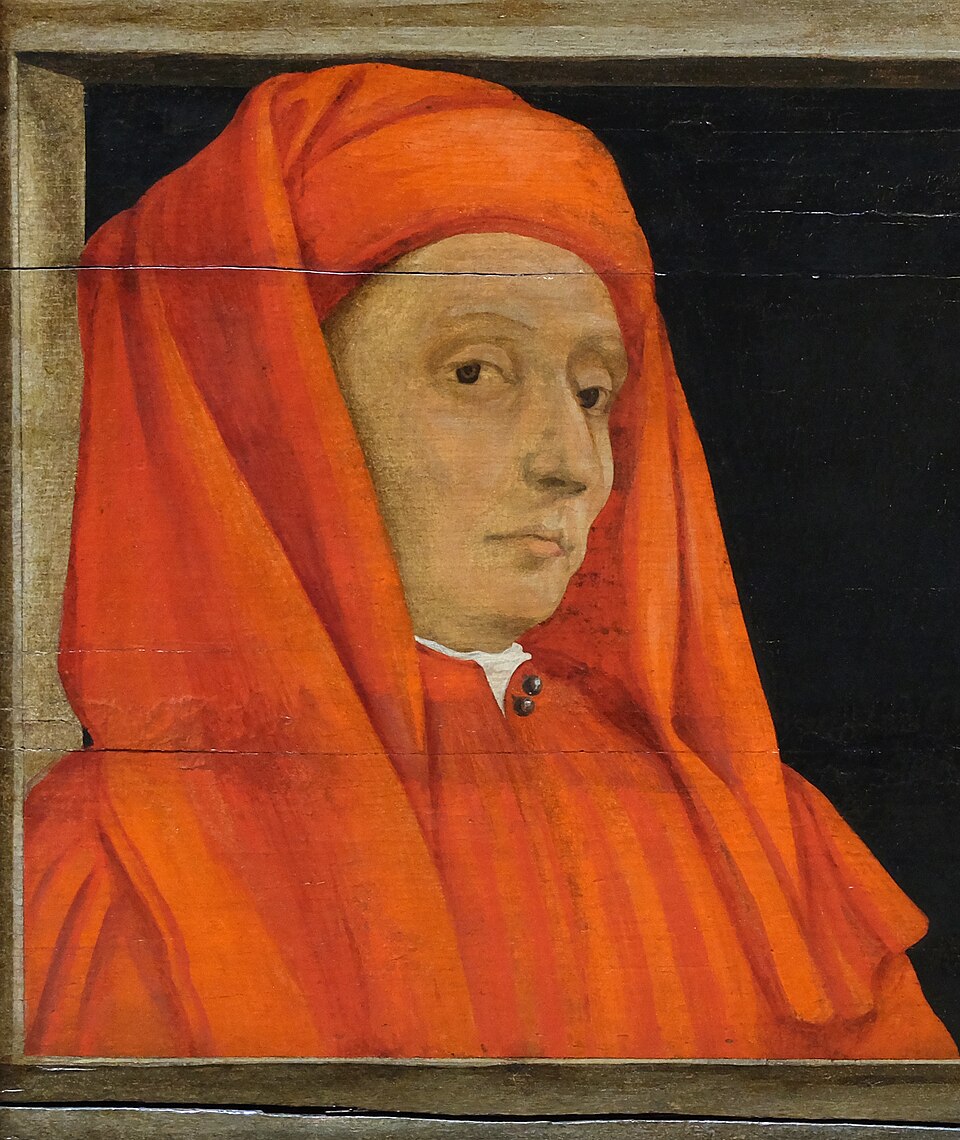
1267 - 1337 - Giotto (All Characteristics)
Italian Late-Gothic, Proto-Renaissance Painter from Florence characterized by
the painting of figures in the sense that they have their own space, like boxes of space for a character, and the character fills that box
the painting of architecture in a way that symbolizes or complements the figure or event in the painting in some way
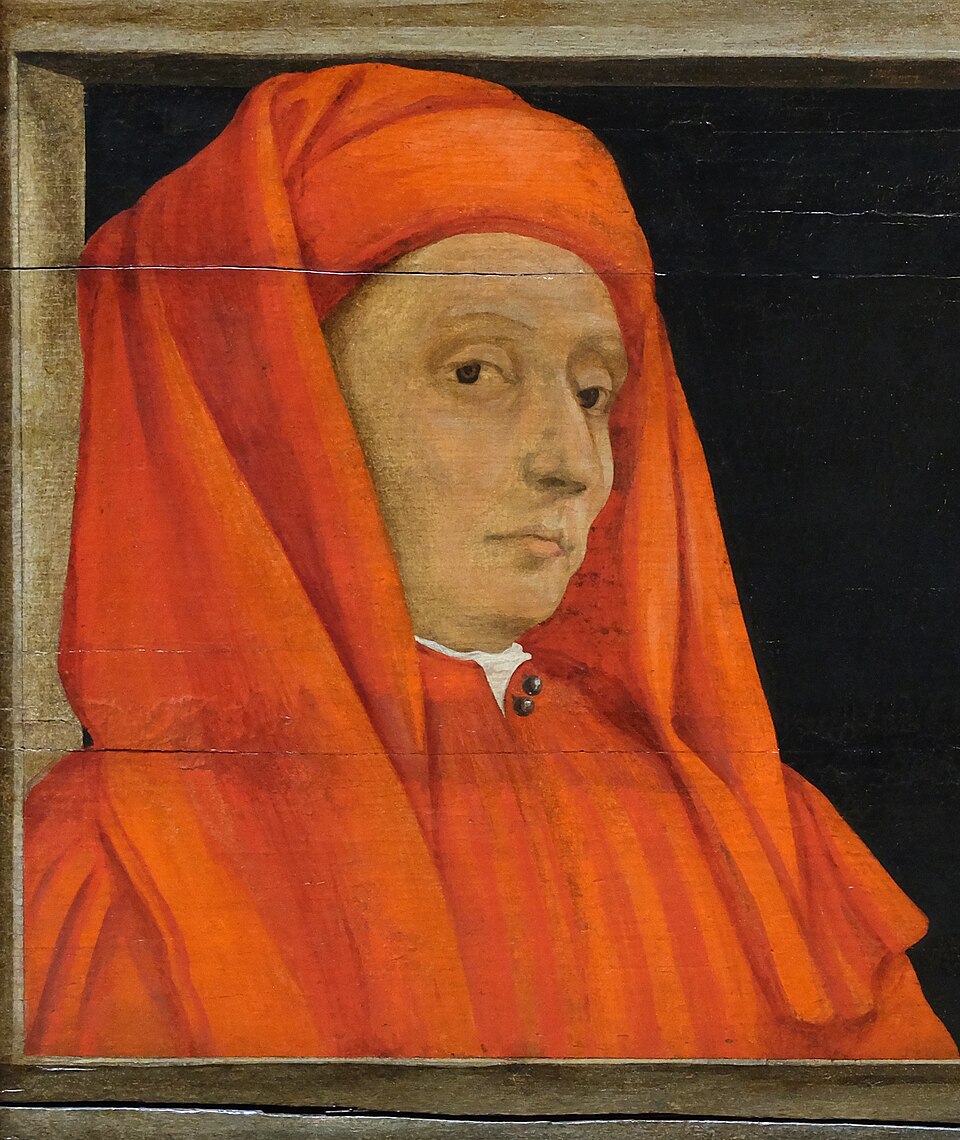
1295 - Giotto: Crucifix of Santa Maria Novella (All Facts)
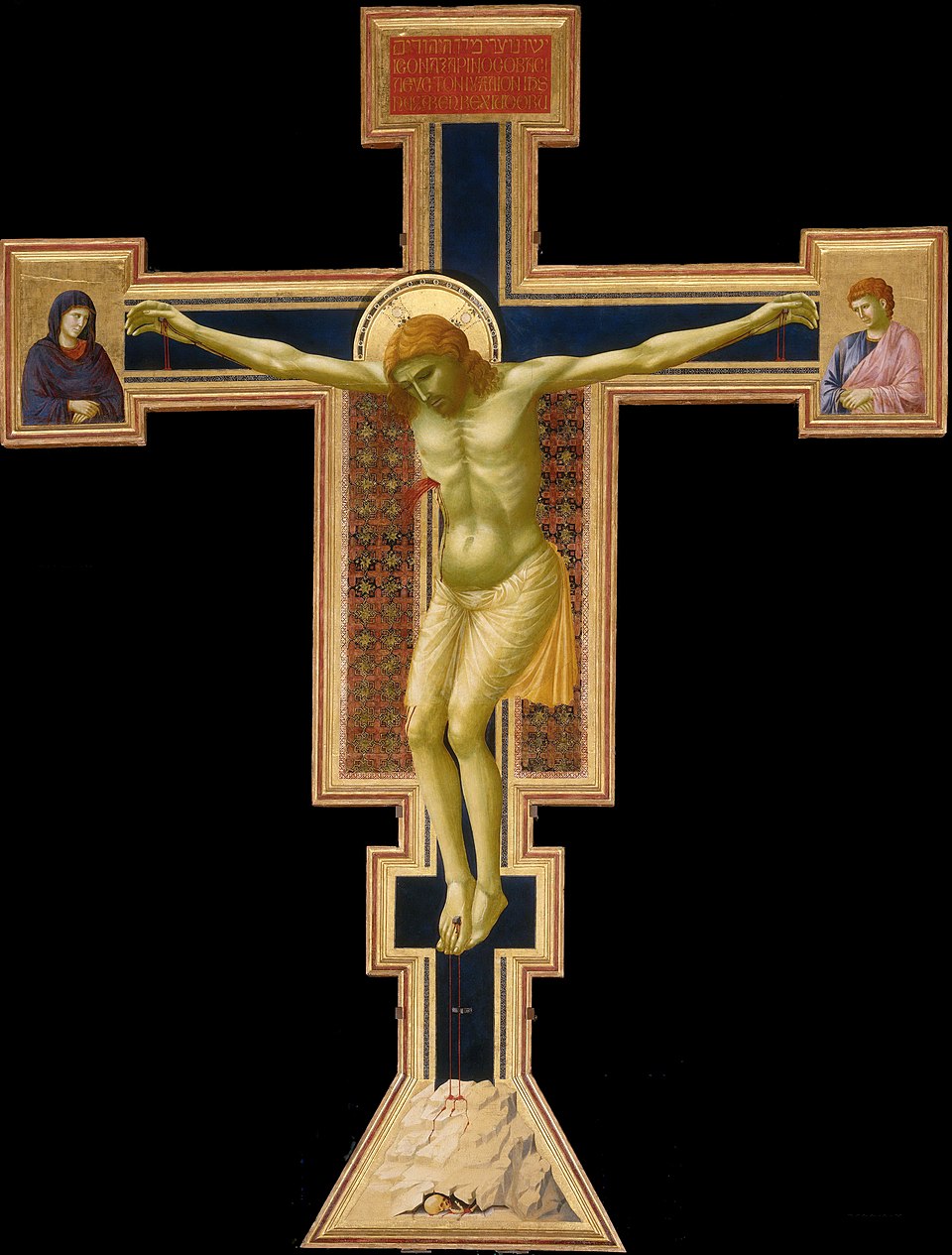
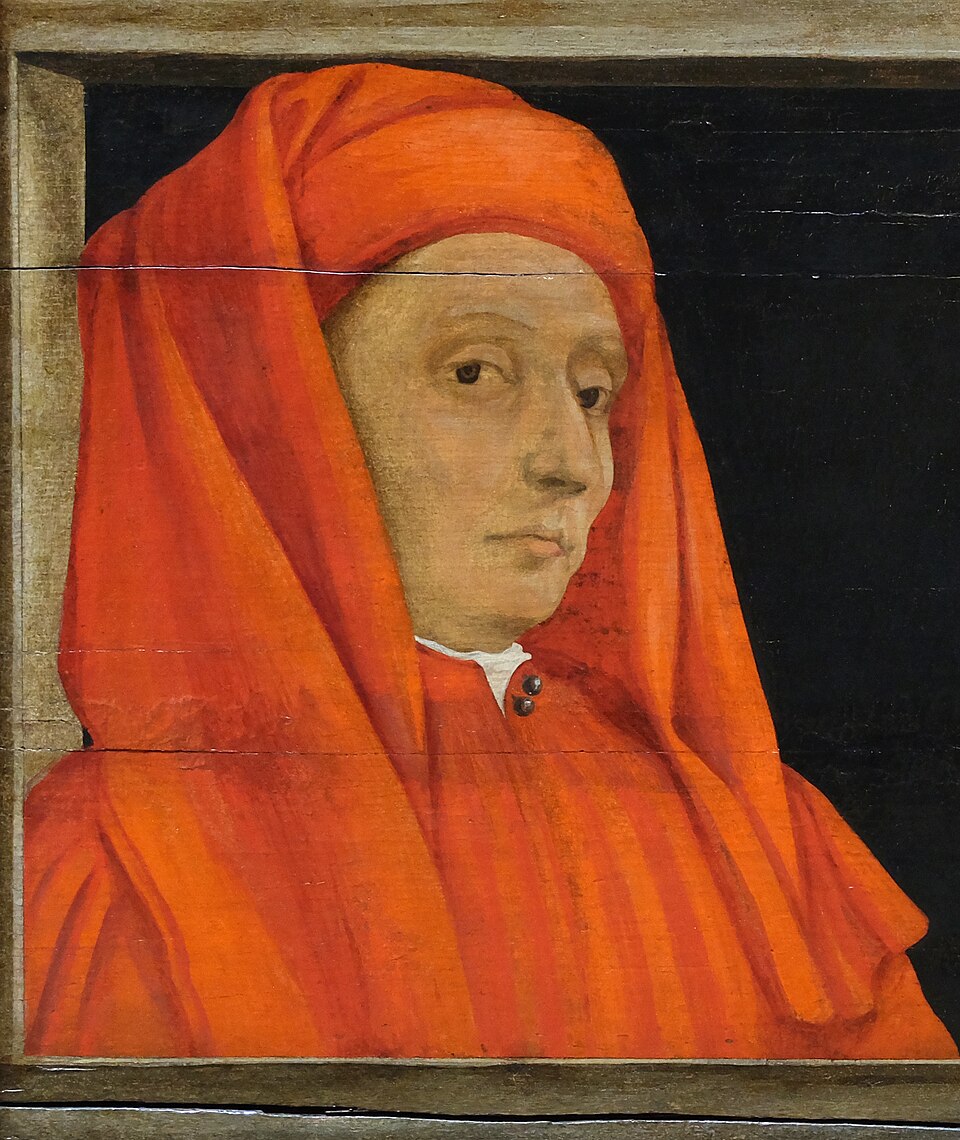
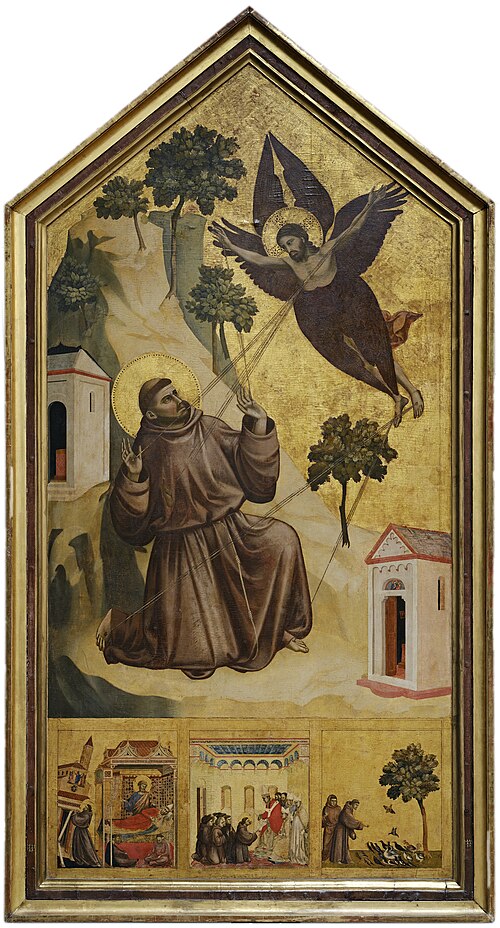
1300 - Giotto: St. Francis of Assisi Receiving the Stigmata (All Facts)
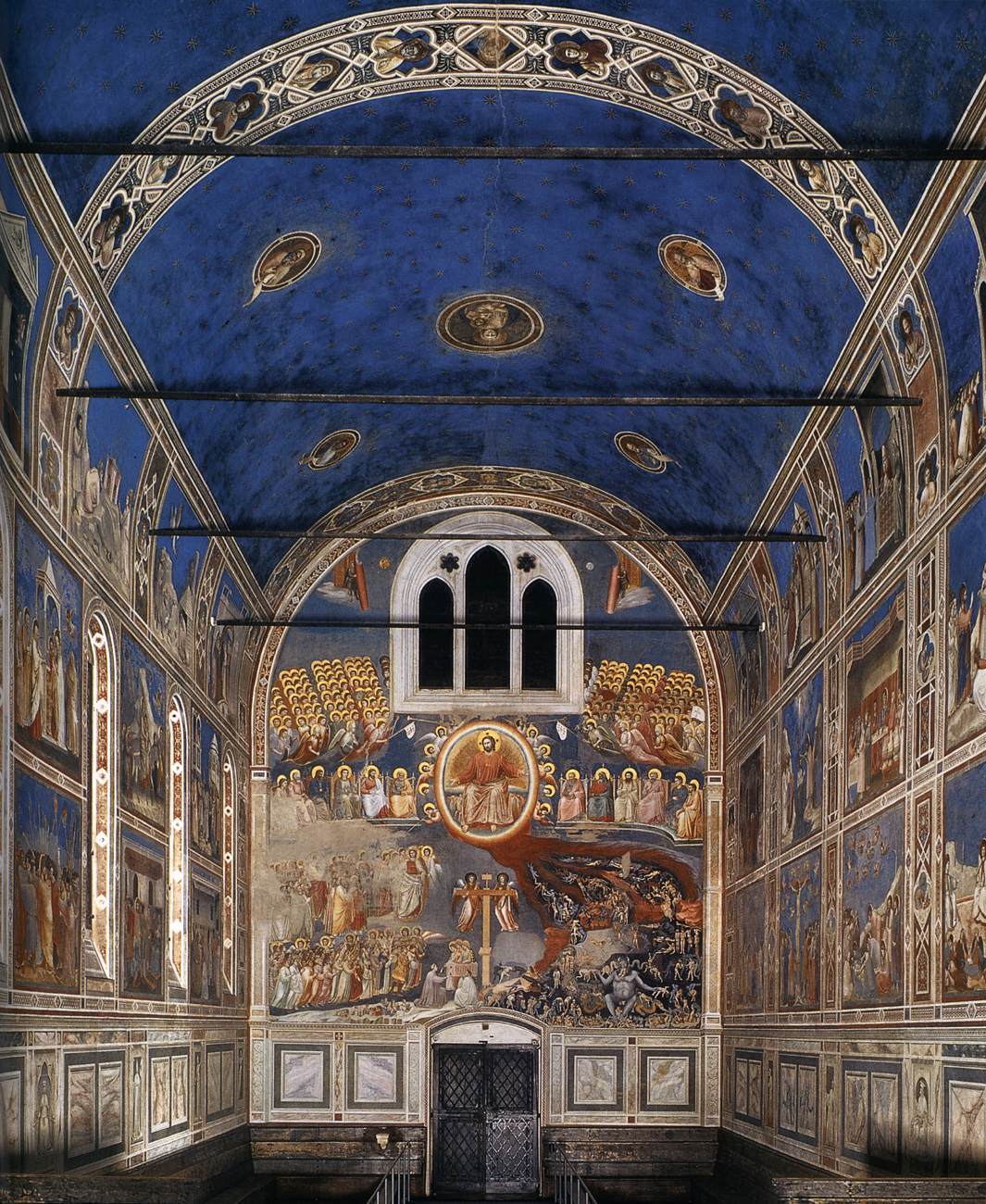
1305 - Giotto: Scrovegni Chapel Fresco Cycle (All Facts)
Fresco cycle that completely covers the interior of the namesake Arena Chapel in Padua
Fresco cycle which depicts the life of Jesus, his parents, his grandparents and the Last Judgement in a contemporary sense
Jesus moves left to right in every scene, thus the namesake helps tell the story within the fresco cycle
It changed the whole style of painting, having freed it from icon-like formality into something far more naturalistic and dramatic
Known for its crowded scenes where it depicts intensely lifelike figures and animals in bright colors against fragments of architecture and a background of intense blue
Fresco cycle which showed solidarity, natural detail, and perspective, representing the turning point in Italian painting
Features many Renaissance characteristics including
Depth / Linear Perspective
Trompe L’oeil (“fools the eye”)
It appears there is a stone frame for the frescoes, but really the stone frame isn’t stone, it’s part of the painting itself
Secco Fresco
Thus, much of the Lapis Lazuli, which was expensive for the commissioner to invest in, could be seen, and thus it was worth it for the commissioner, Enrico Scrovegni, that the namesake painted it this way
The wall of the chapel was made of Lapis Lazuli
Lapis Lazuli is blue so much of the blue of the wall can be seen bleeding through the works throughout the chapel
Commissioned by the namesake family
It is located in the Arena Chapel, it was next to the namesake family’s palace
It is called the Arena Chapel because it is next to an Ancient Roman Arena
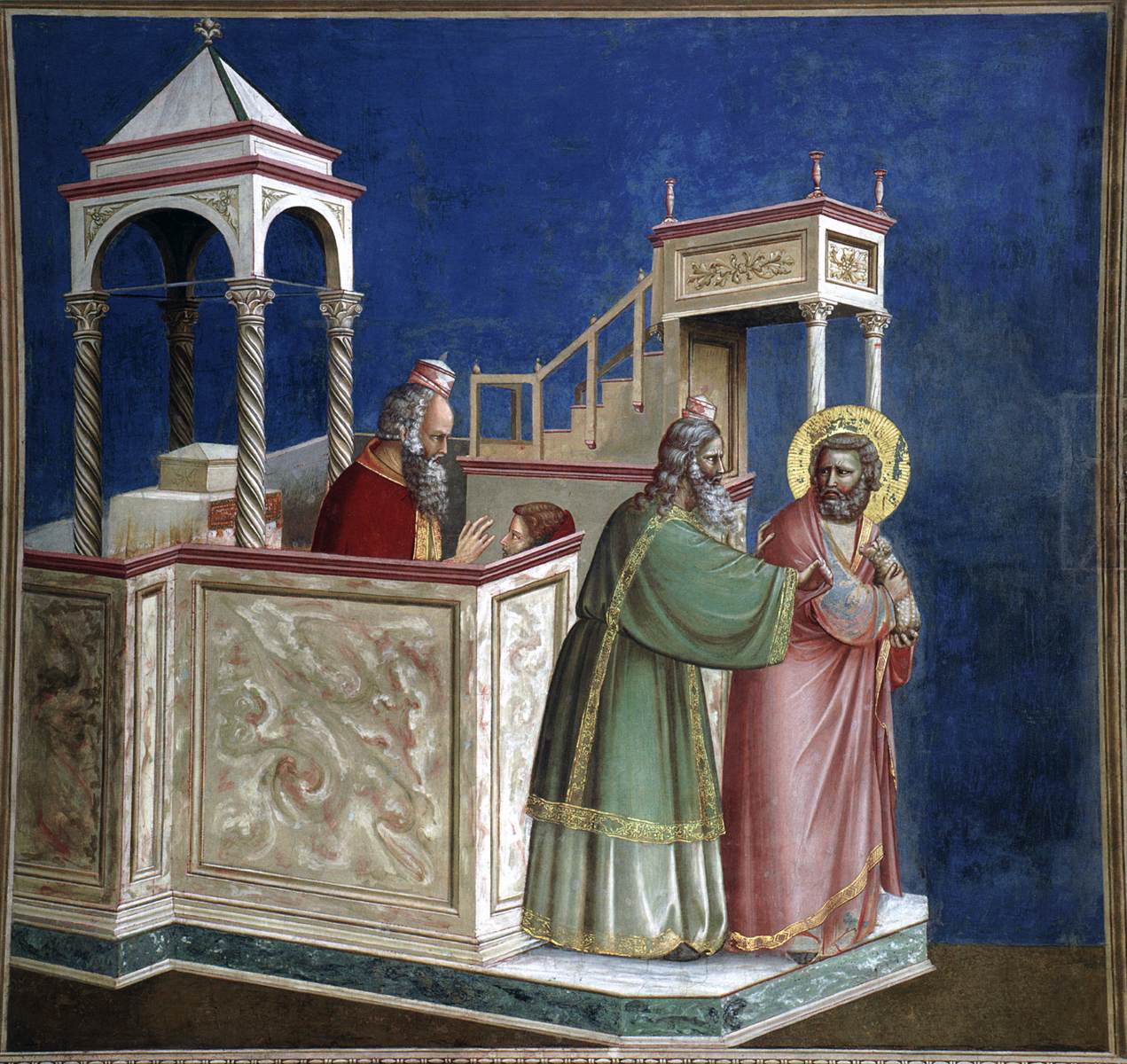
1305 - Giotto: The Expulsion of St. Joachim, Scrovegni Chapel: Life of Joachim & Anne (All Facts)
Depicts the namesake saint, a rich and pious man who regularly gave to the poor but because of he and his wife's childlessness, his sacrifice to God in the temple was rejected, and he wasn't allowed back into the temple either
Based on a story from “The Golden Legend” (the “White Fire” of the New Testament, just like the Marriage of the Virgin Mary
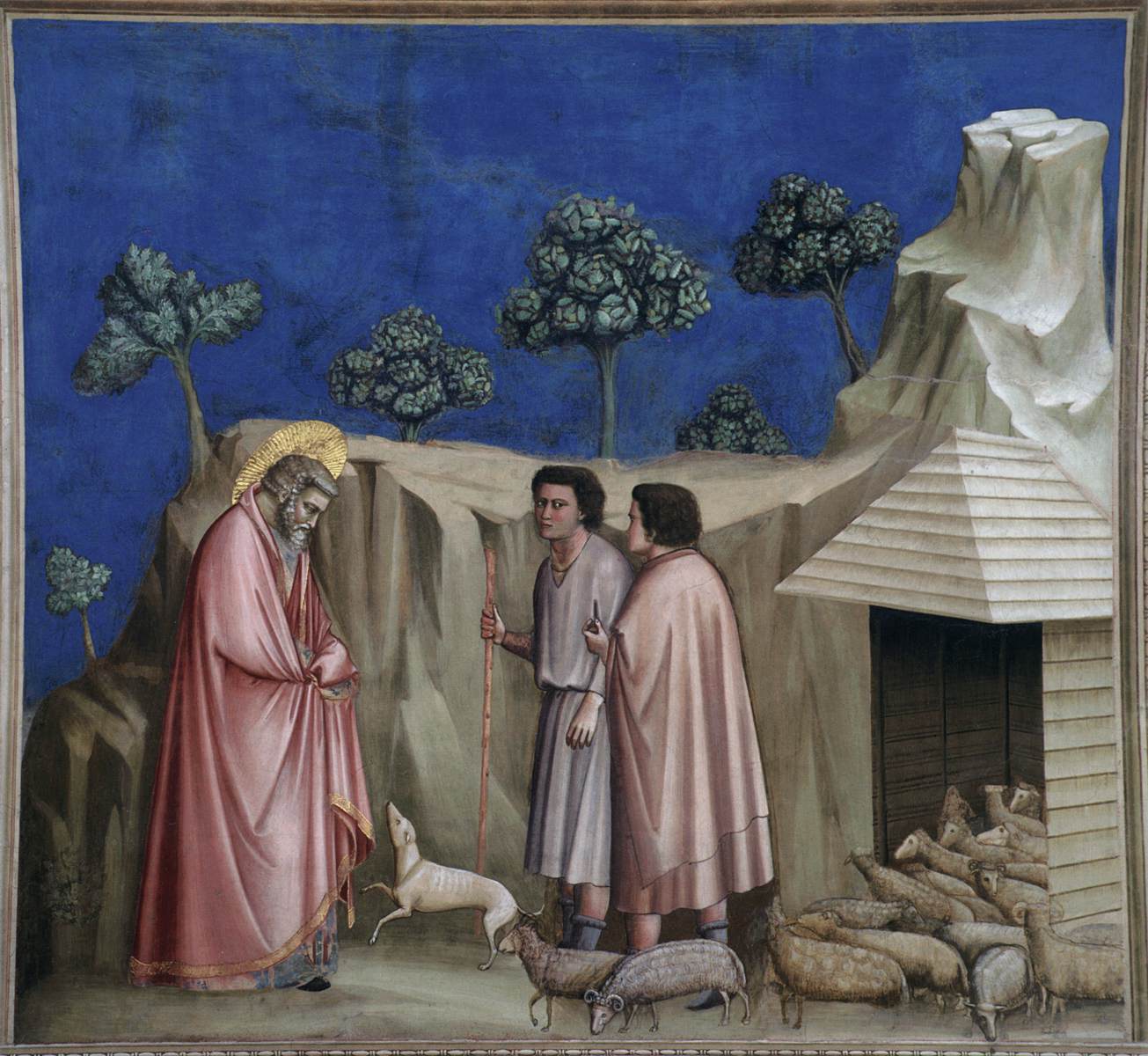
1305 - Giotto: Joachim Among the Shepherds, Scrovegni Chapel: Life of Joachim & Anne (All Facts)
Depicts the namesake saint, after being driven out of the temple in a state of sadness, going to the desert and embracing the lifestyle of the shepherds there, requesting to join them, which they accept
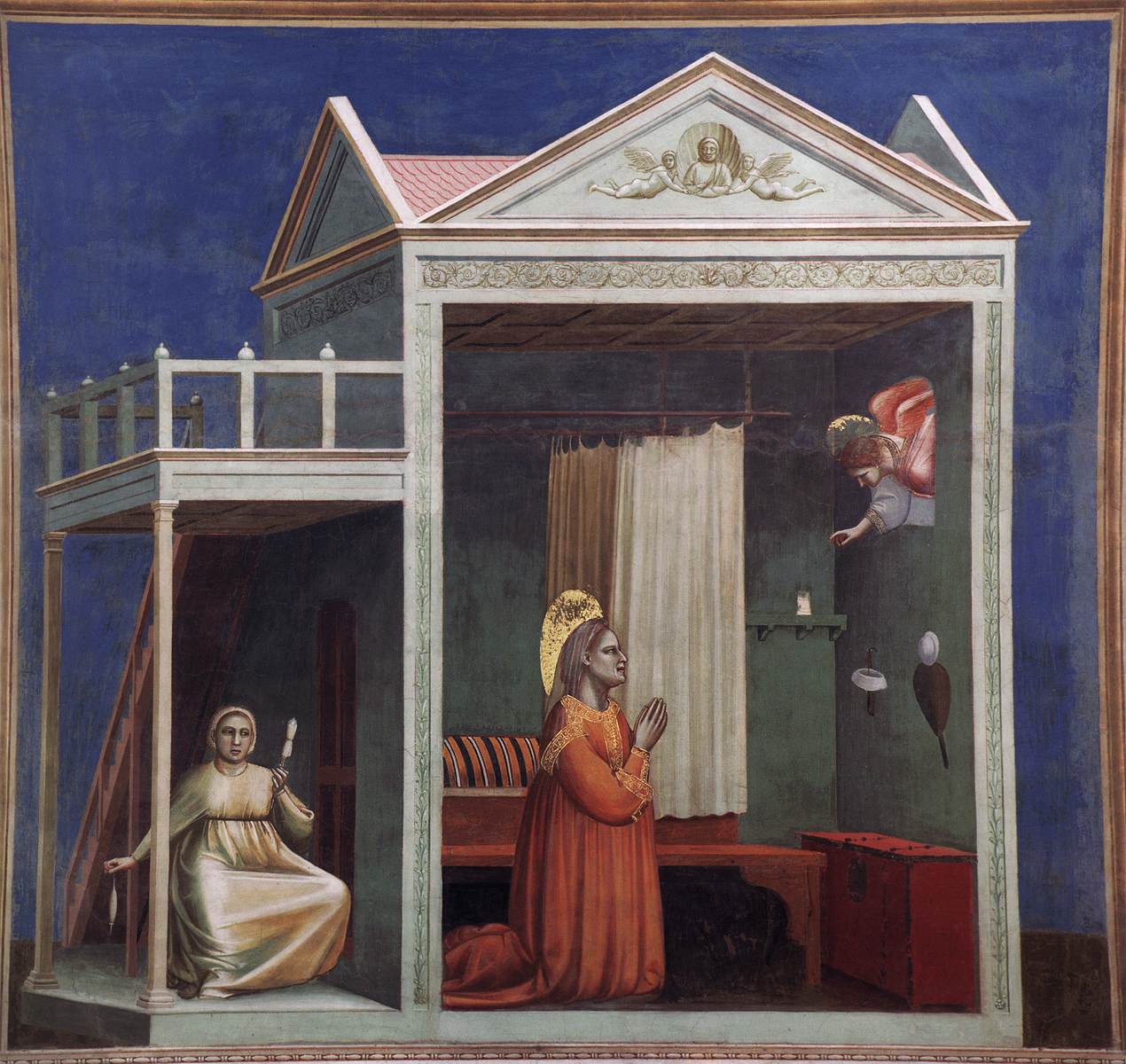
1305 - Giotto: The Annunciation to St. Anne, Scrovegni Chapel: Life of Joachim & Anne (All Facts)
Depicts the namesake saint as an angel comes to her saying that she will have a child, a daughter, despite her old age and her and her husband's childlessness
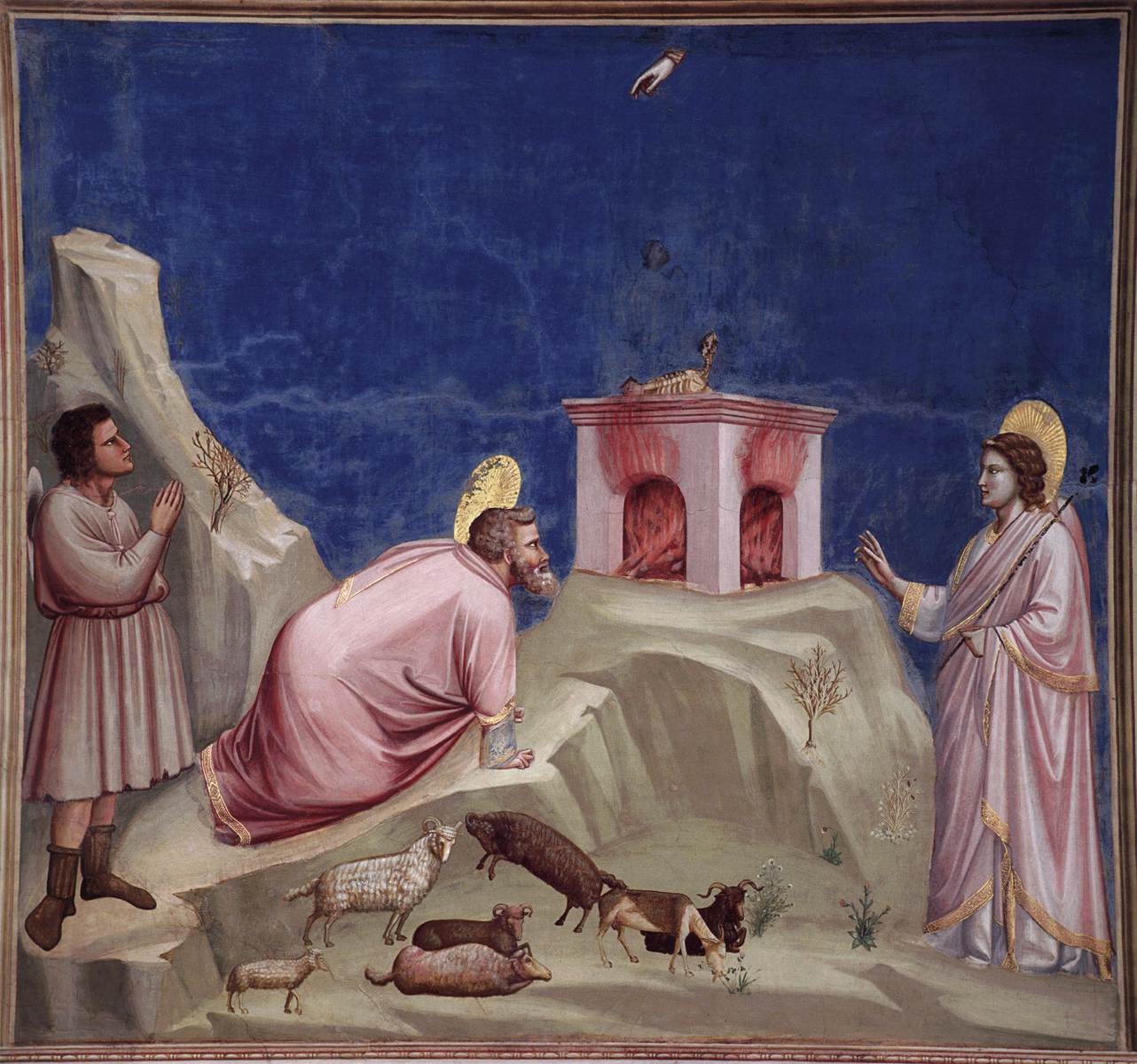
1305 - Giotto: Joachim's Sacrificial Offering, Scrovegni Chapel: Life of Joachim & Anne (All Facts)
Depicts the namesake saint, after embracing the lifestyle of the shepherds with which he was living, he fasted for 40 days and 40 nights, and while doing so caught the sight of an angel, who indicated to him that his sacrifice he presents to the Lord of a kid goat is accepted by the Lord
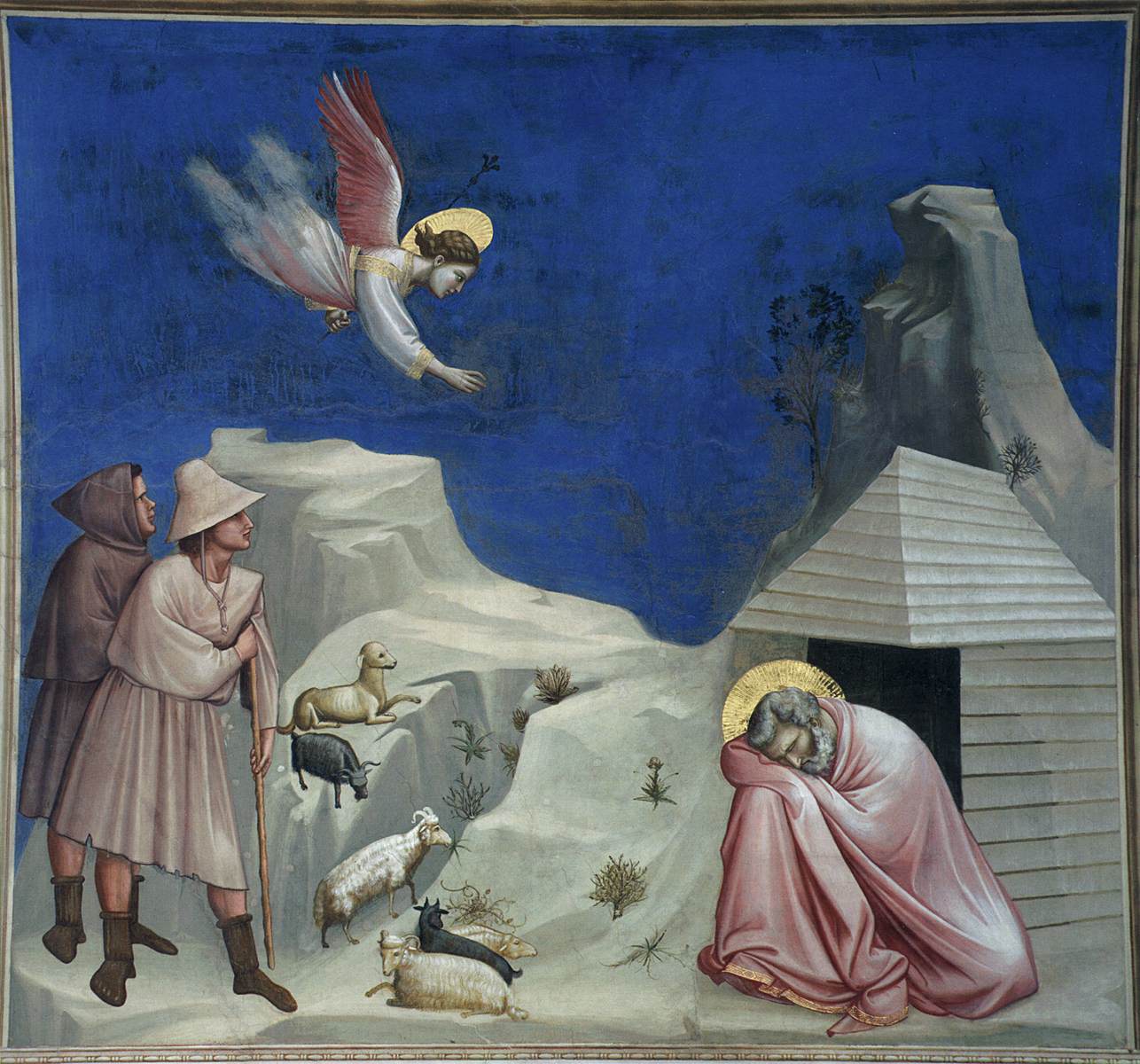
1305 - Giotto: Joachim's Dream, Scrovegni Chapel: Life of Joachim & Anne (All Facts)
Depicts the namesake saint, in which an angel appeared to him while he was having a dream in which the angel was saying that he was going to have a child named Mary, and as he was dreaming the shepherds watched over him, one of which caught a glimpse of the angel
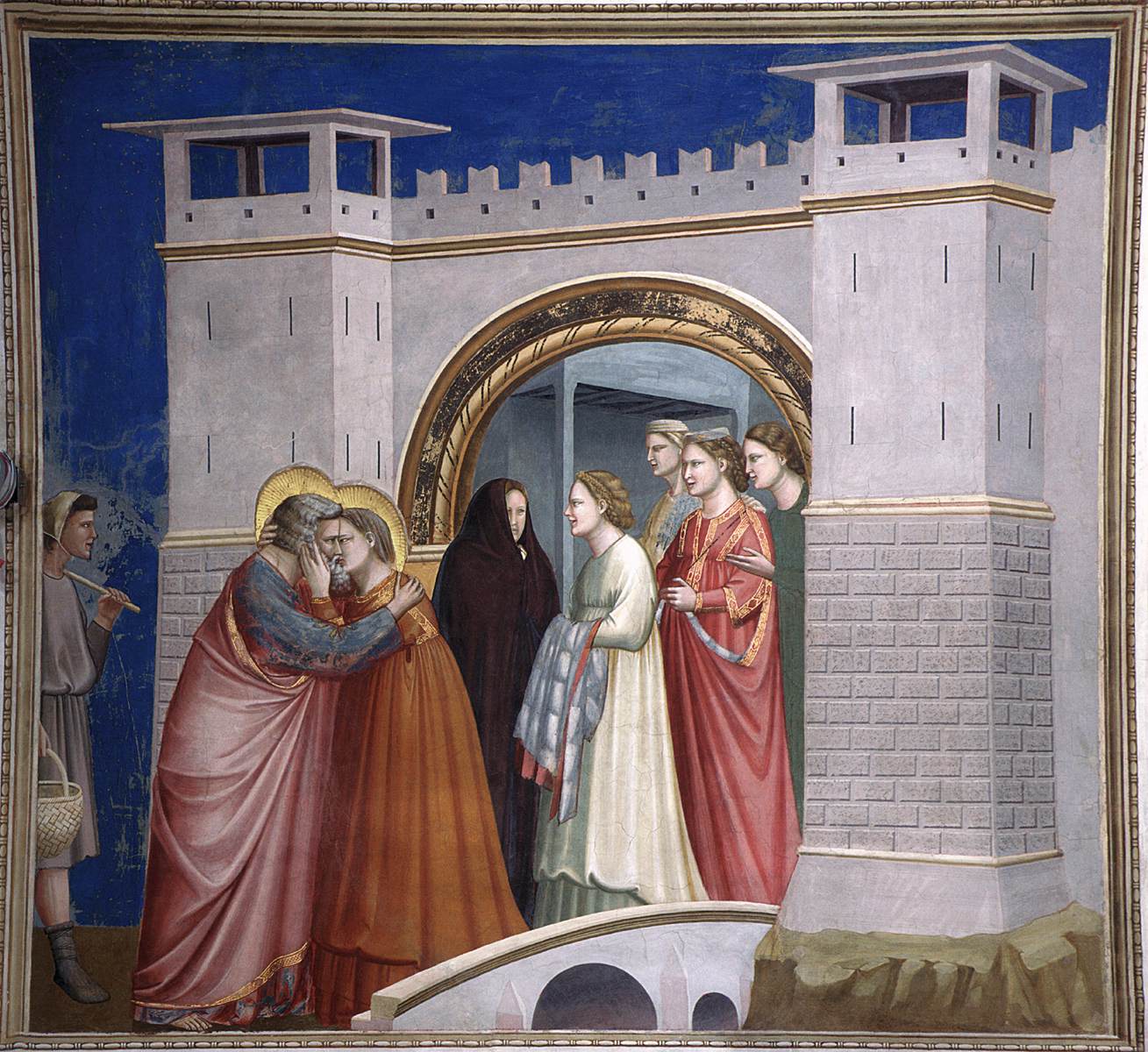
1305 - Giotto: The Meeting at the Golden Gate, Scrovegni Chapel: Life of Joachim & Anne (All Facts)
Depicts the namesake saint and his wife, in which after his time in the desert, he moved to and settled in Jerusalem, bringing with him a shepherd, and promptly embracing his wife and kissing her with great tenderness at the city gate in the Walls of Jerusalem
Features Renaissance Characteristics
Depth/Linear Perspective
Is one of the first and best examples of figures taking up space and not being flat as they are in the Renaissance
Emotion
Can be seen in the faces surrounding the two central figures
It gives the scene a sense of worth and intimacy
Techniques
Chiaroscuro
This technique allows for the figures to take up space in the work
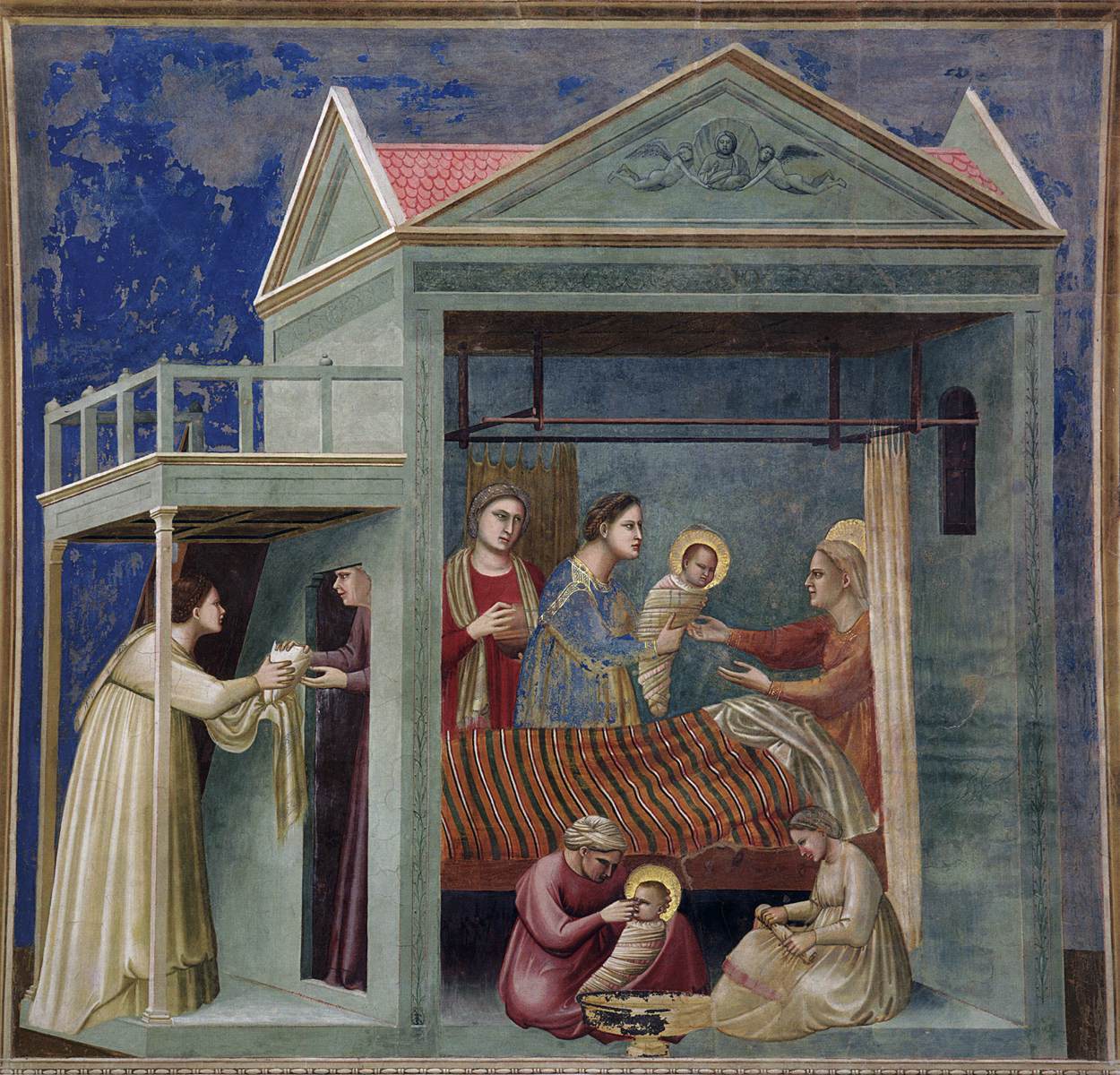
1305 - Giotto: The Nativity of the Virgin, Scrovegni Chapel: Life of the Virgin (All Facts)
Depicts the namesake Galilean-Jewish woman who was born (and lived her whole life) without Original Sin
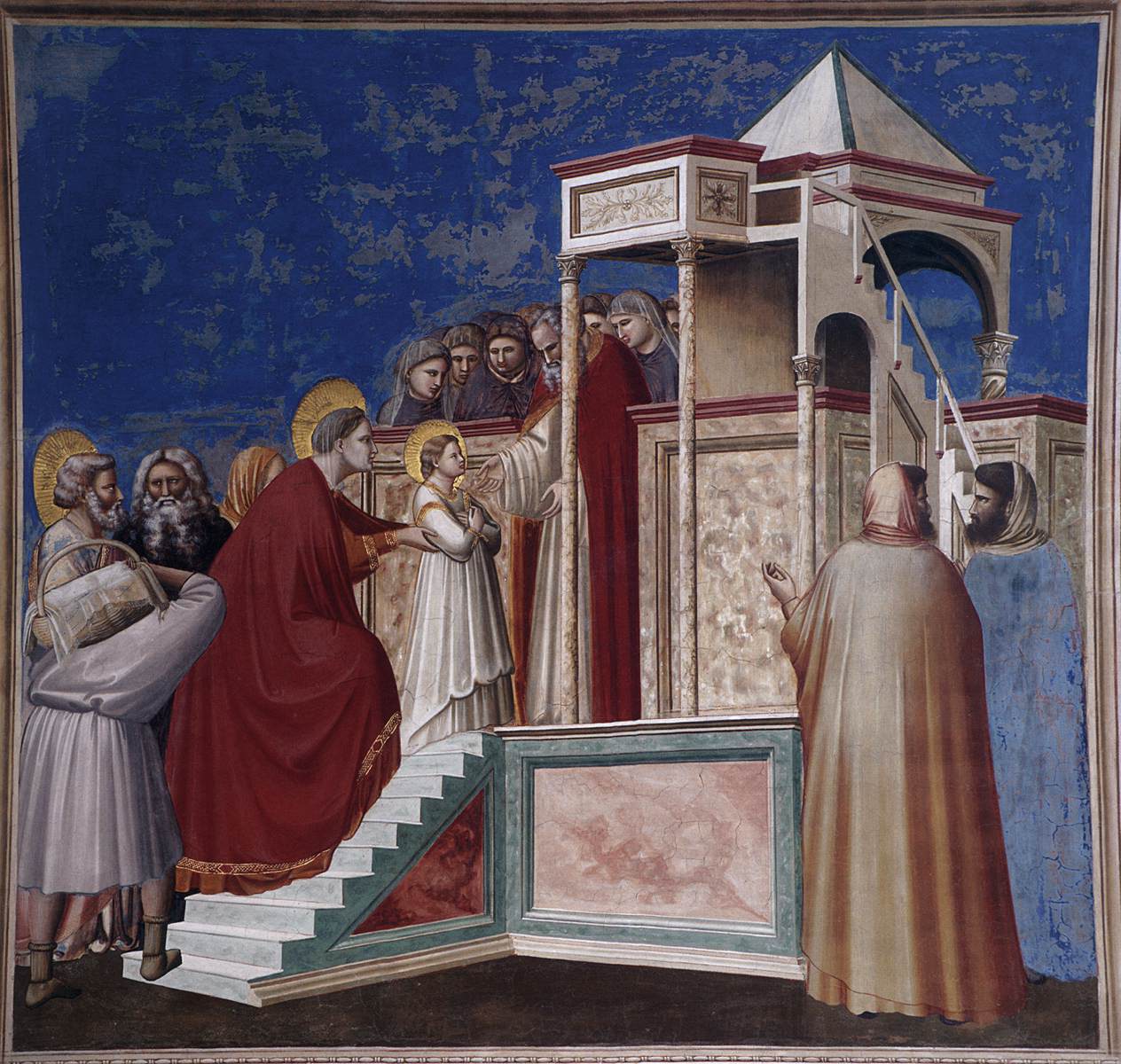
1305 - Giotto: The Presentation of the Virgin, Scrovegni Chapel: Life of the Virgin (All Facts)
Depicts the namesake saint being brought at the age of 3 to the Temple in Jerusalem in order to either
a) fulfill an oath
b) be consecrated to God
c) be educated in preparation for her role as the mother of God, brought by her parents who brought her in because they were grateful to God for giving them a child
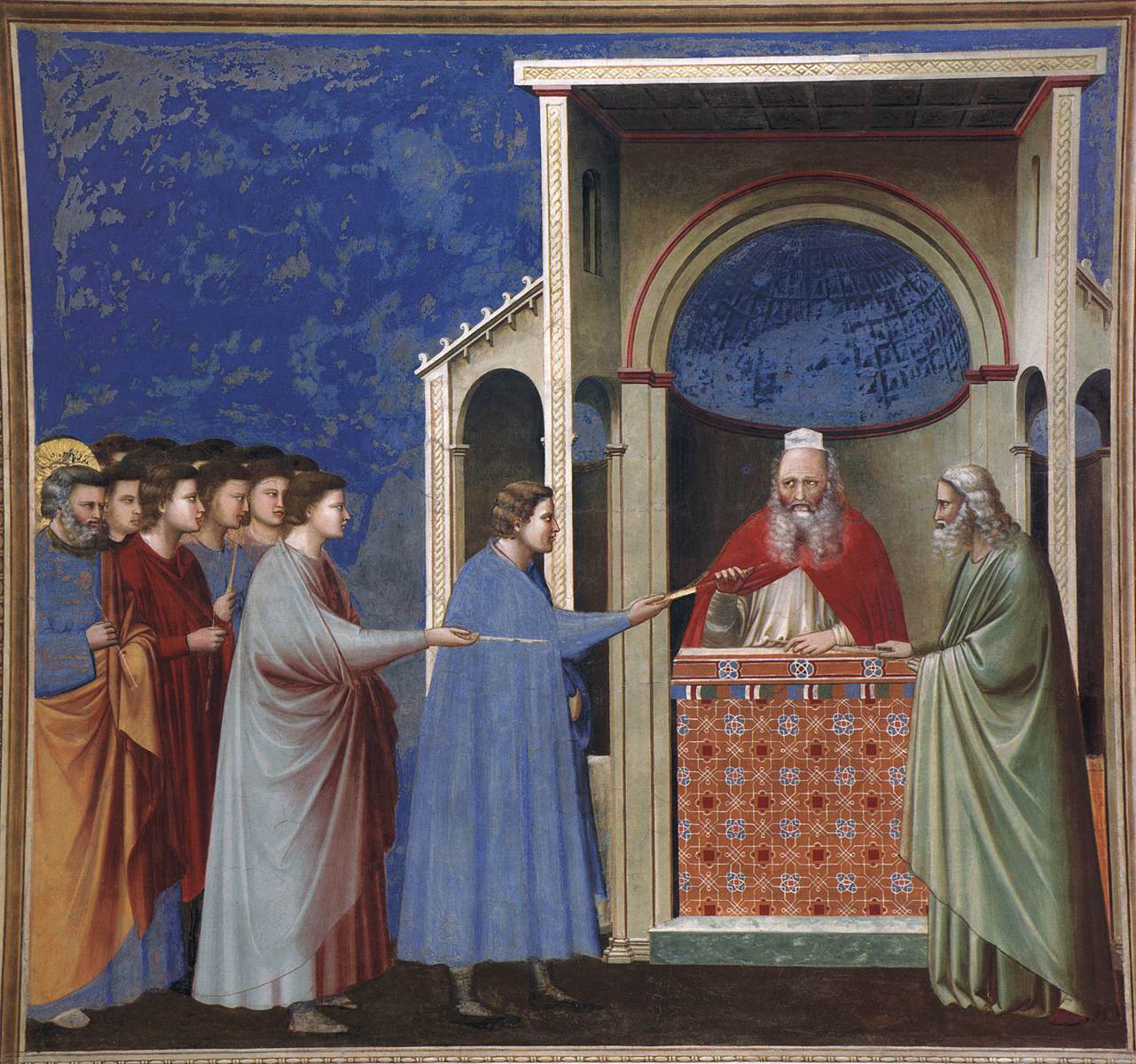
1305 - Giotto: The Bringing of the Rods to the Temple, Scrovegni Chapel: Life of the Virgin (All Facts)
Depicts the men descended from the Tribe of David of marriageable age, excited to potentially be the husband of the Virgin Mary, bringing forth their rods as commanded by the High Priest according to the story that one of their rods will bloom with doves when presented to Mary, and the owner of that rod will be the wife of Mary
Depicts St. Joseph (on the far left) as hesitant to marry her as he is aware he is too old for her
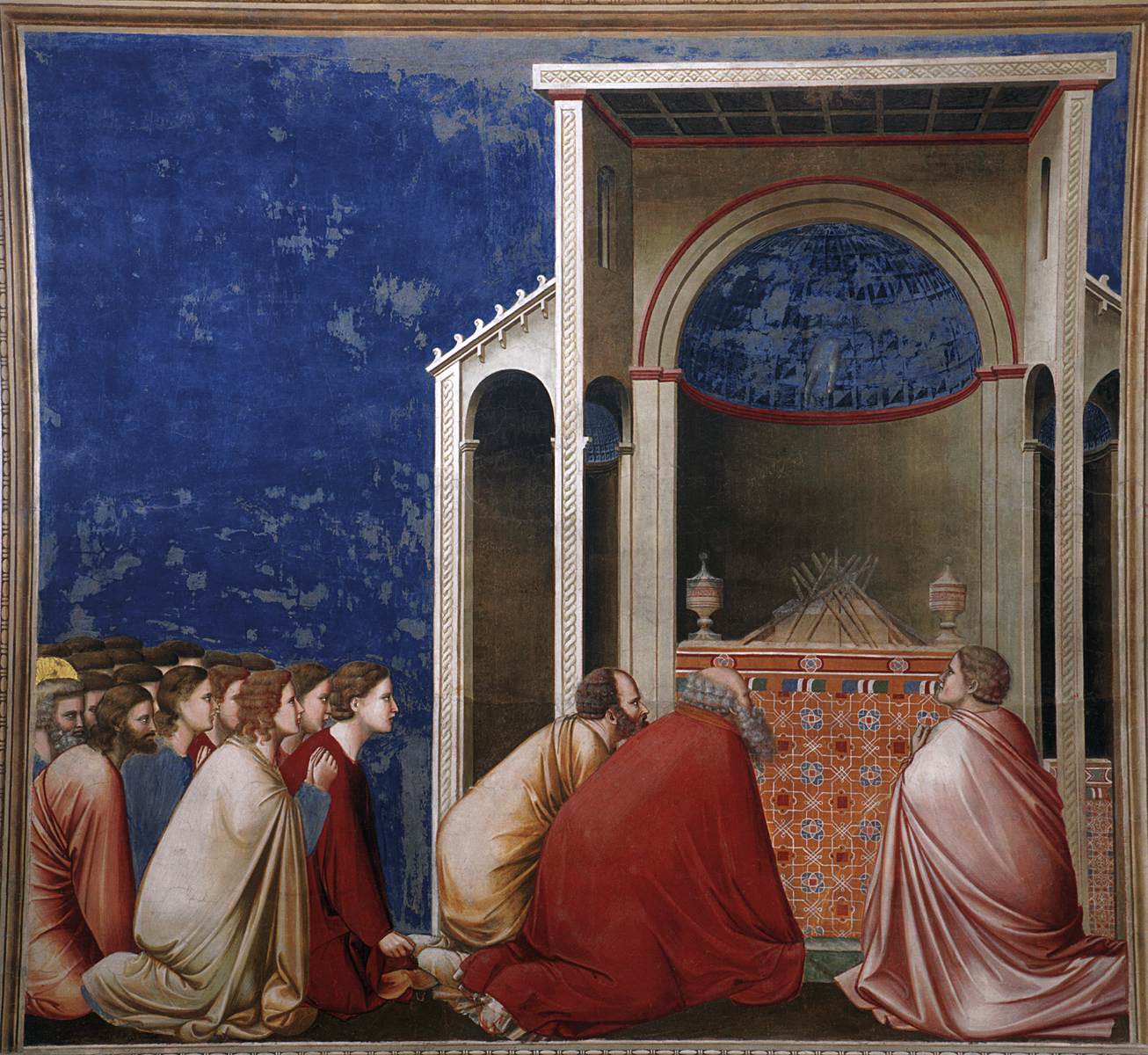
1305 - Giotto: The Suitors Praying, Scrovegni Chapel: Life of the Virgin (All Facts)
Depicts the men descended from the Tribe of David of marriageable age, praying before the altar in the hopes that their respective sticks will bloom at the sight of the Virgin Mary so that they will be the husband of her
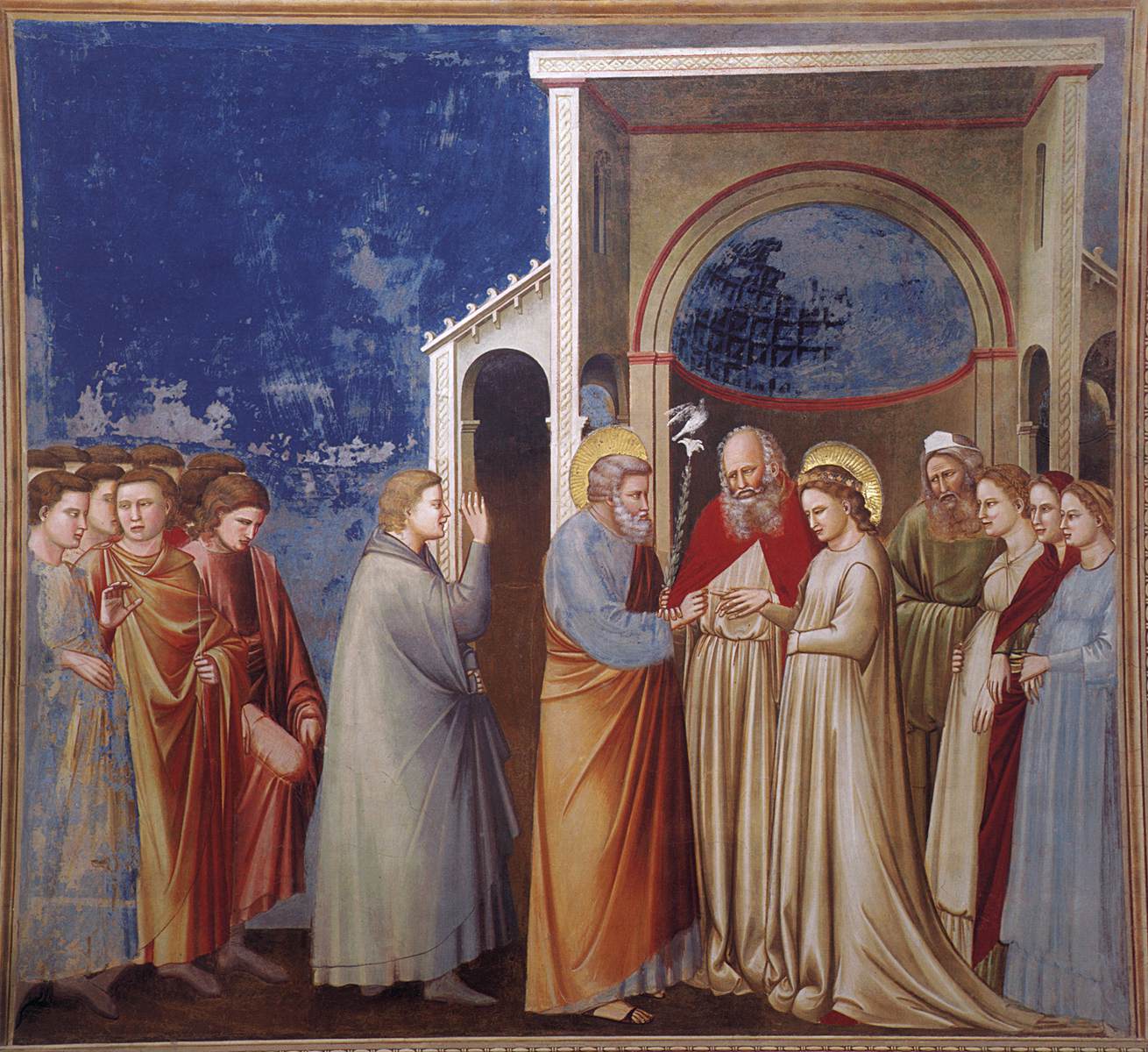
1305 - Giotto: The Marriage of the Virgin, Scrovegni Chapel: Life of the Virgin (All Facts)
Depicts the namesake saint marrying St. Joseph, after the Holy Spirit brought forth a dove and caused St. Joseph's rod to blossom, doing so according to Jewish custom
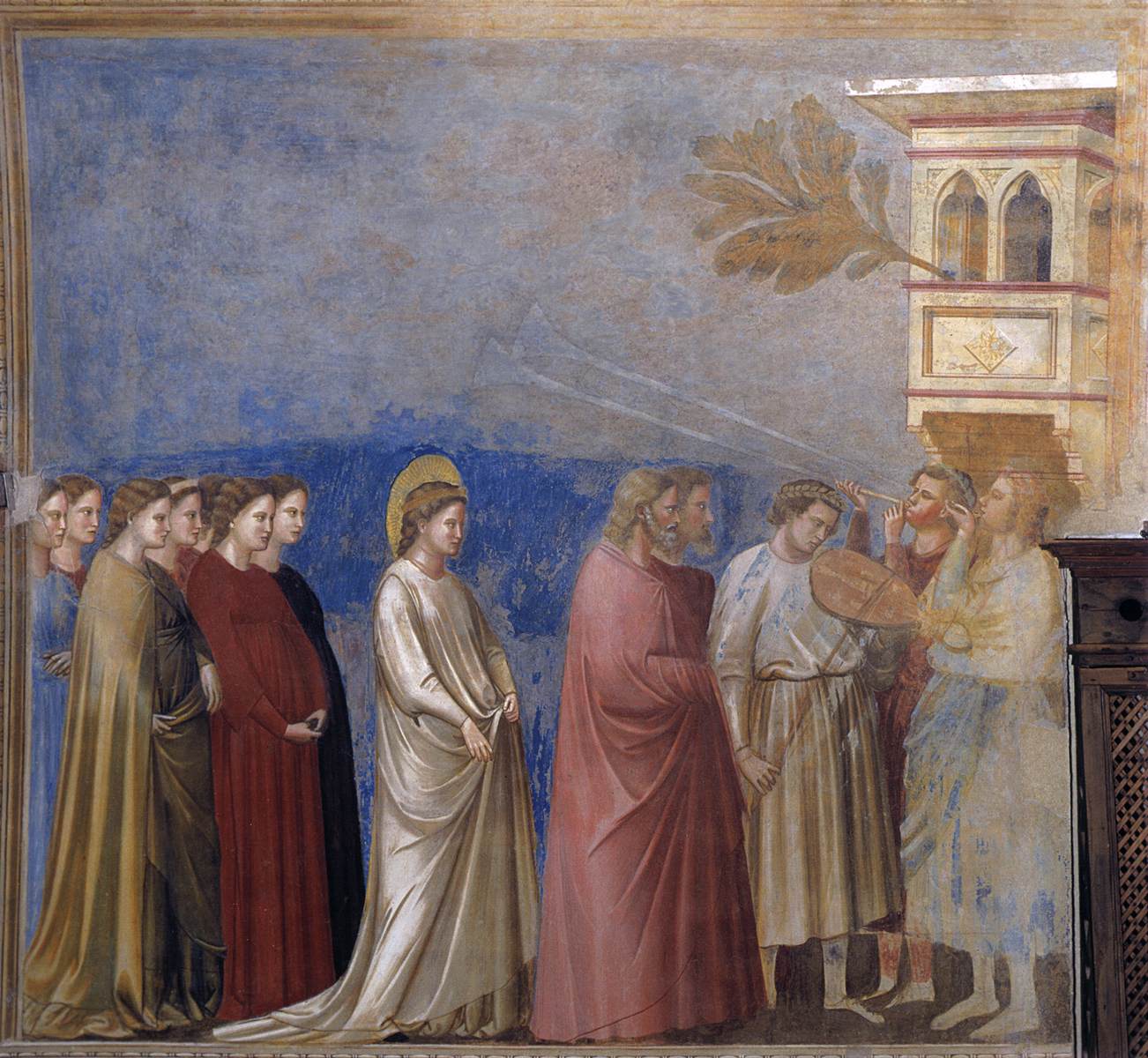
1305 - Giotto: The Wedding Procession, Scrovegni Chapel: Life of the Virgin (All Facts)
Depicts the namesake saint walking in front of her companions and is led to the house of her parents, where she is received by musicians
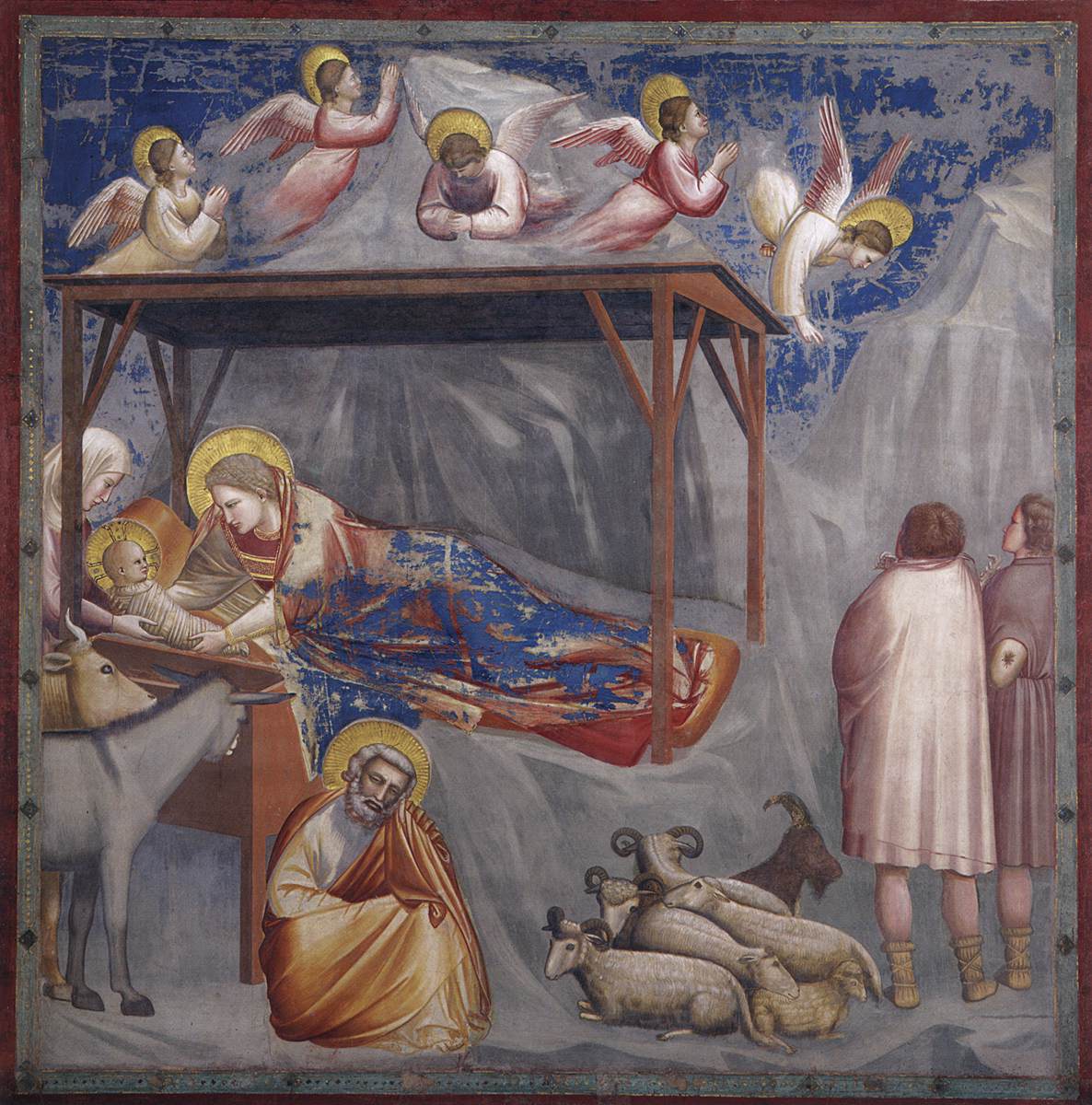
1305 - Giotto: The Nativity of Christ, Scrovegni Chapel: Life of Christ (All Facts)
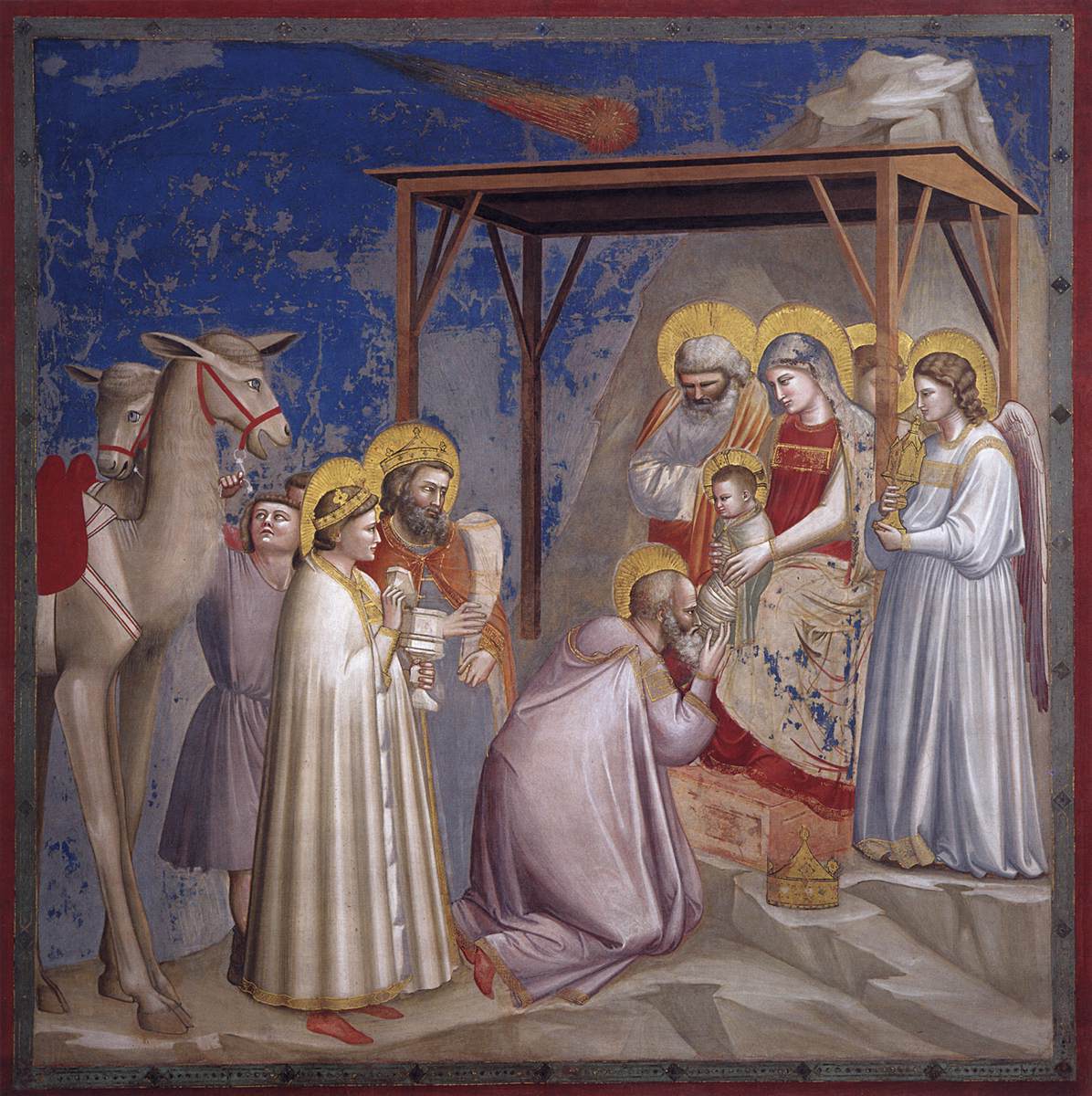
1305 - Giotto: The Adoration of the Magi, Scrovegni Chapel: Life of Christ (All Facts)
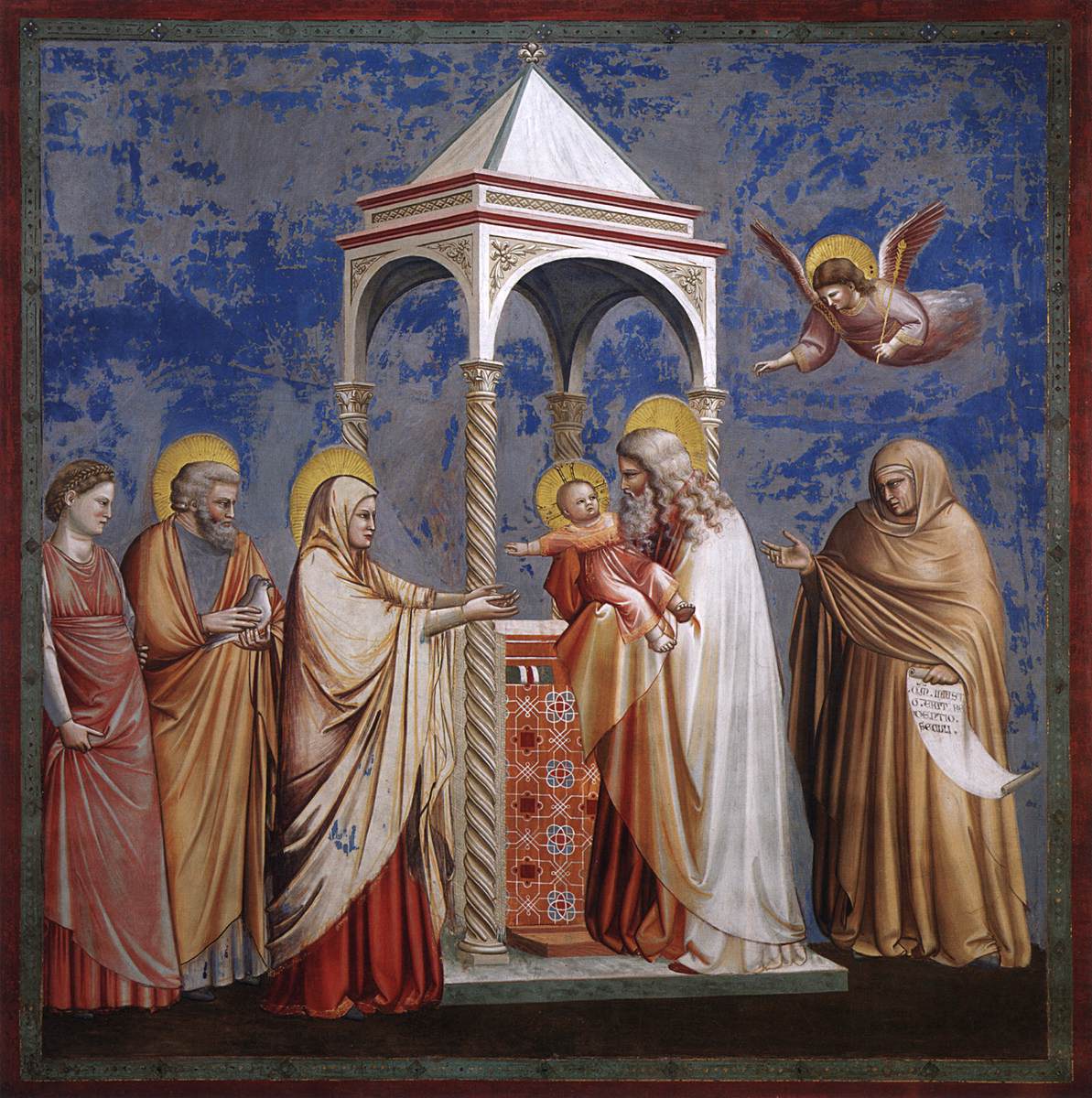
1305 - Giotto: Presentation of Christ at the Temple, Scrovegni Chapel: Life of Christ (All Facts)
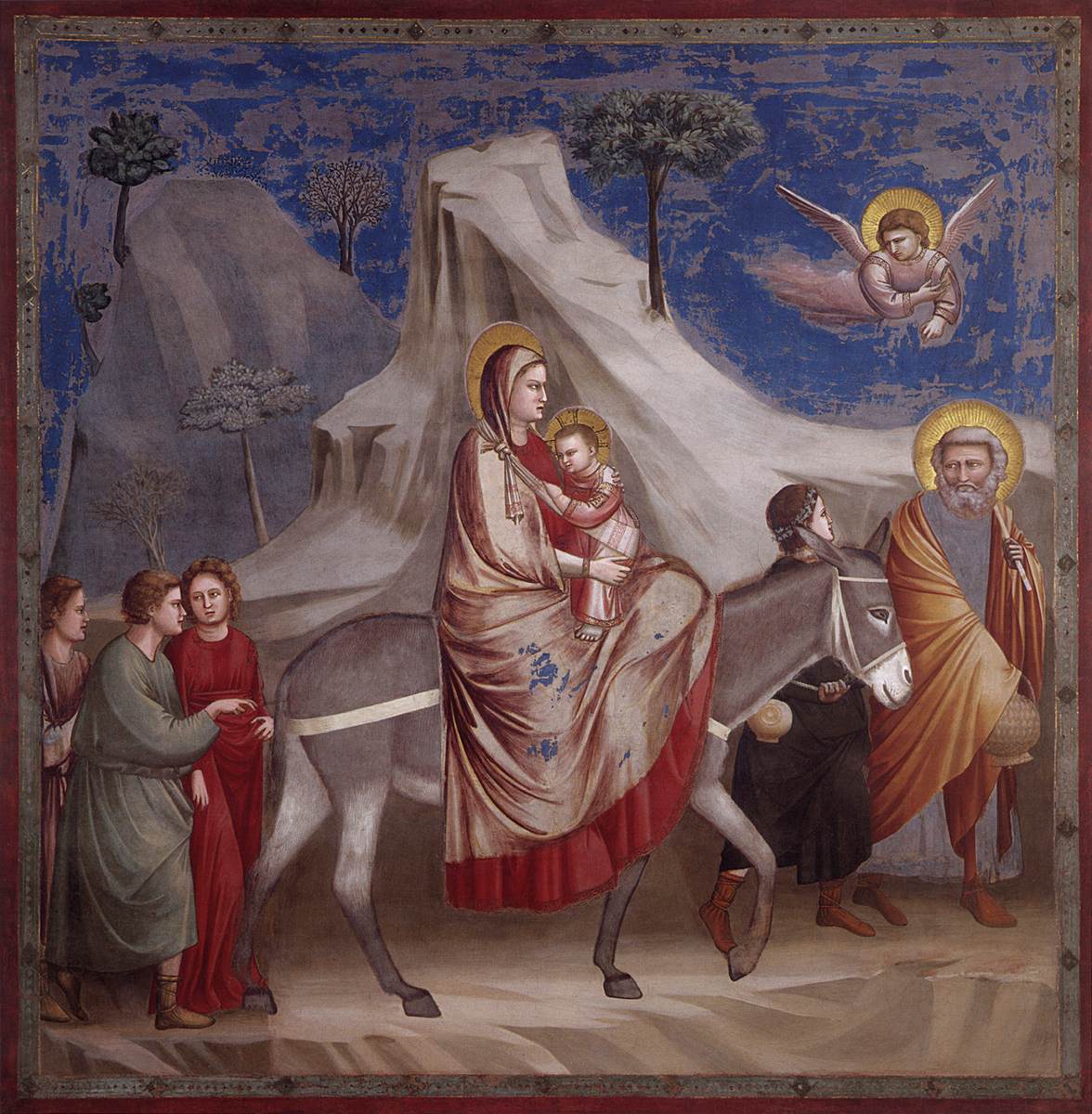
1305 - Giotto: Flight into Egypt, Scrovegni Chapel: Life of Christ (All Facts)
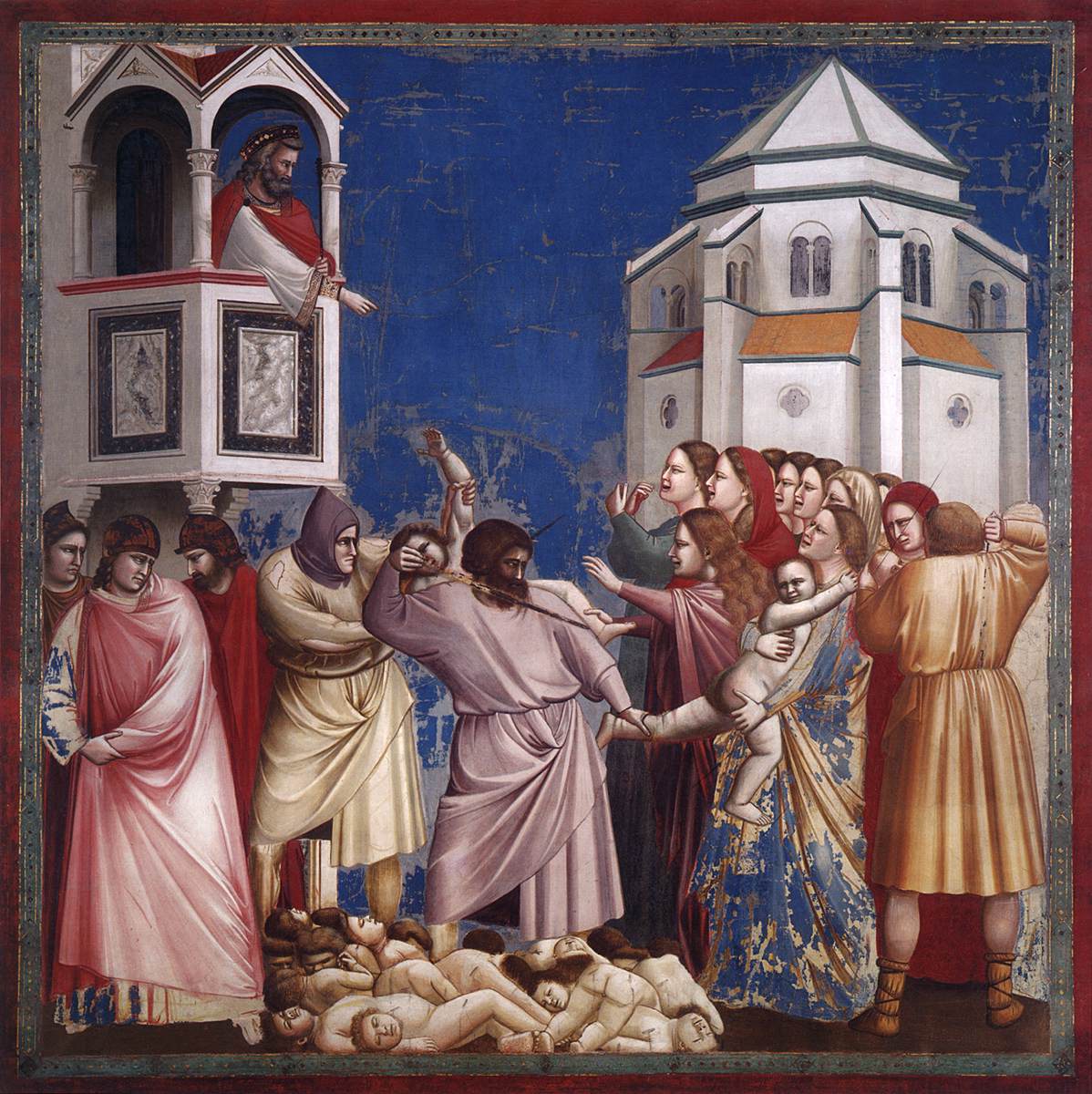
1305 - Giotto: Massacre of the Innocents, Scrovegni Chapel: Life of Christ (All Facts)
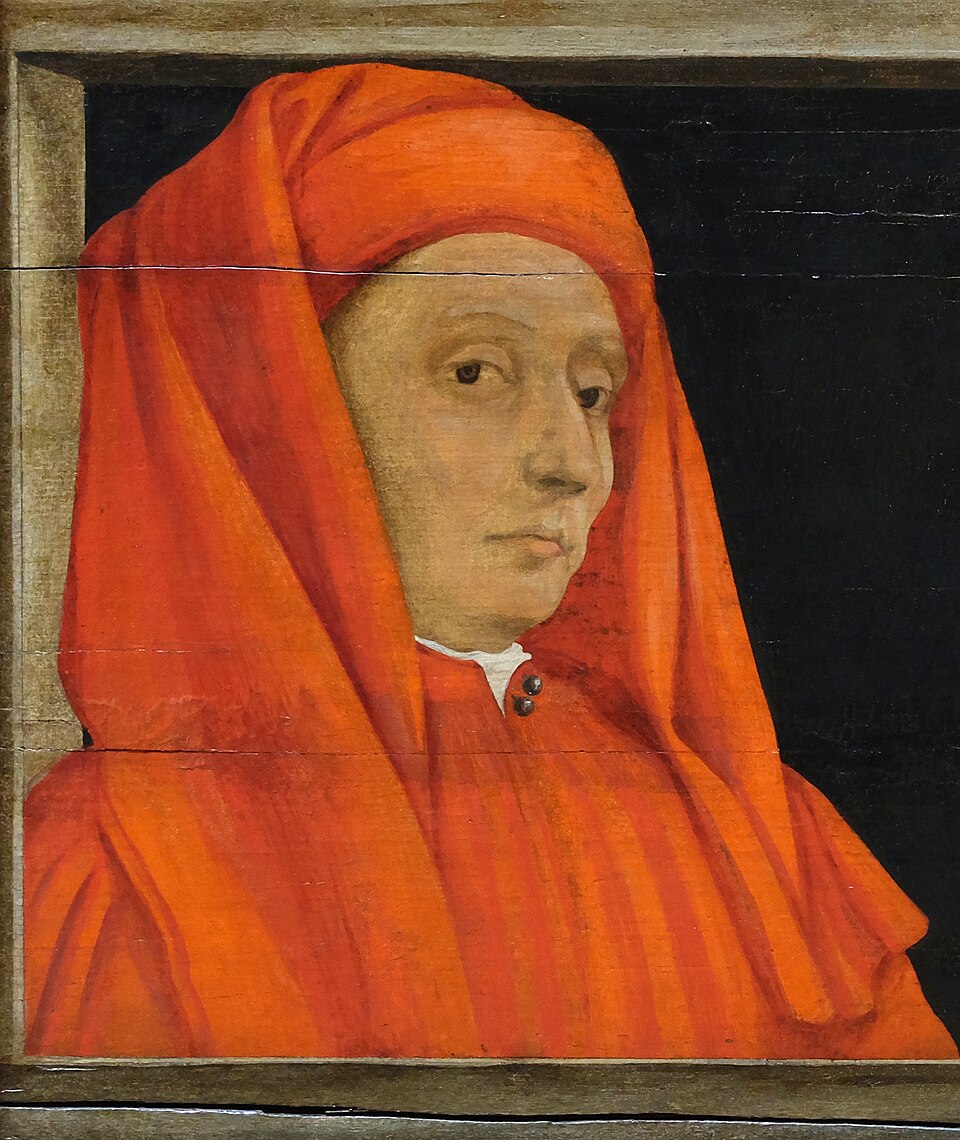
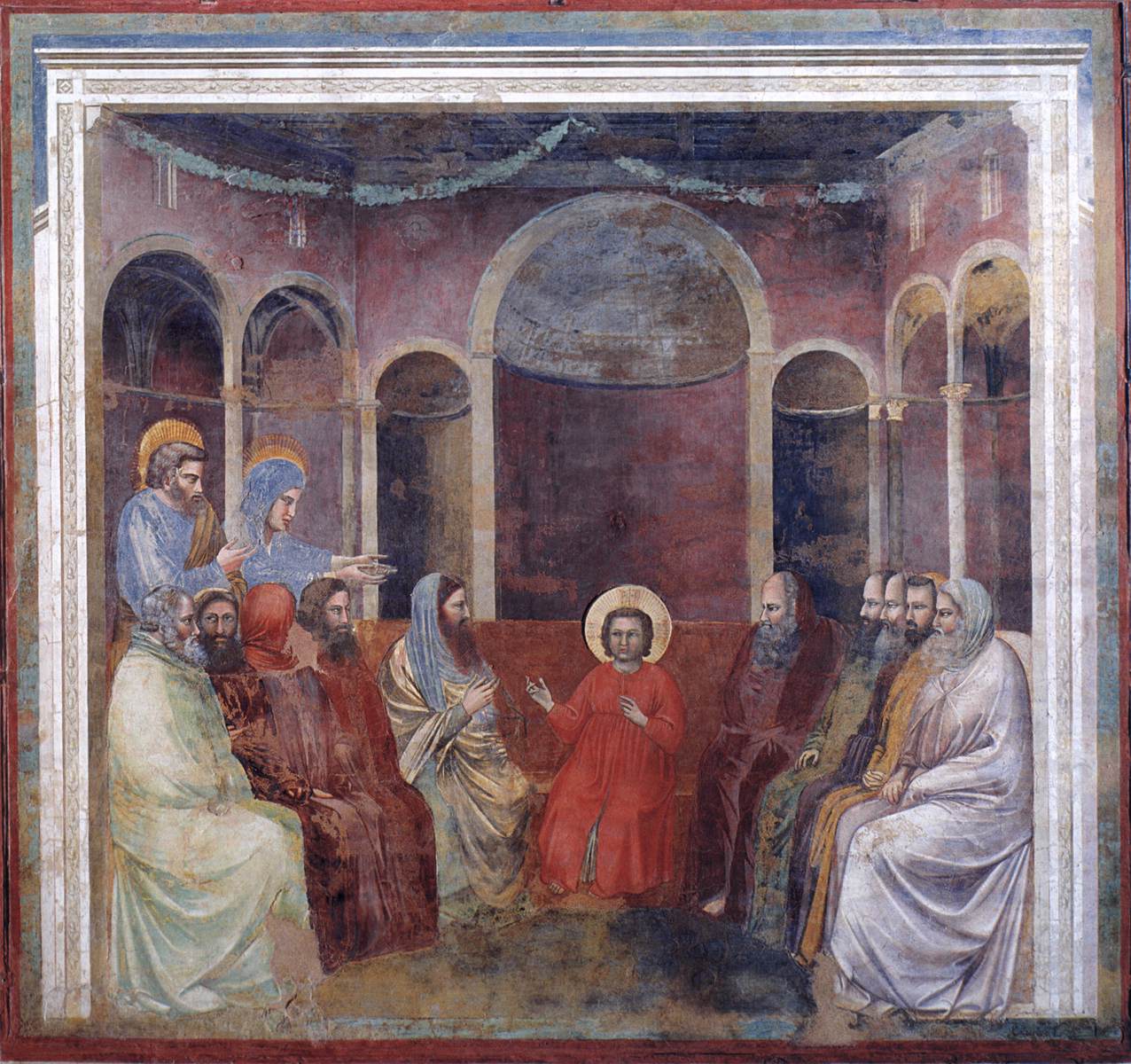
1305 - Giotto: Christ Amongst the Doctors, Scrovegni Chapel: Life of Christ (All Facts)
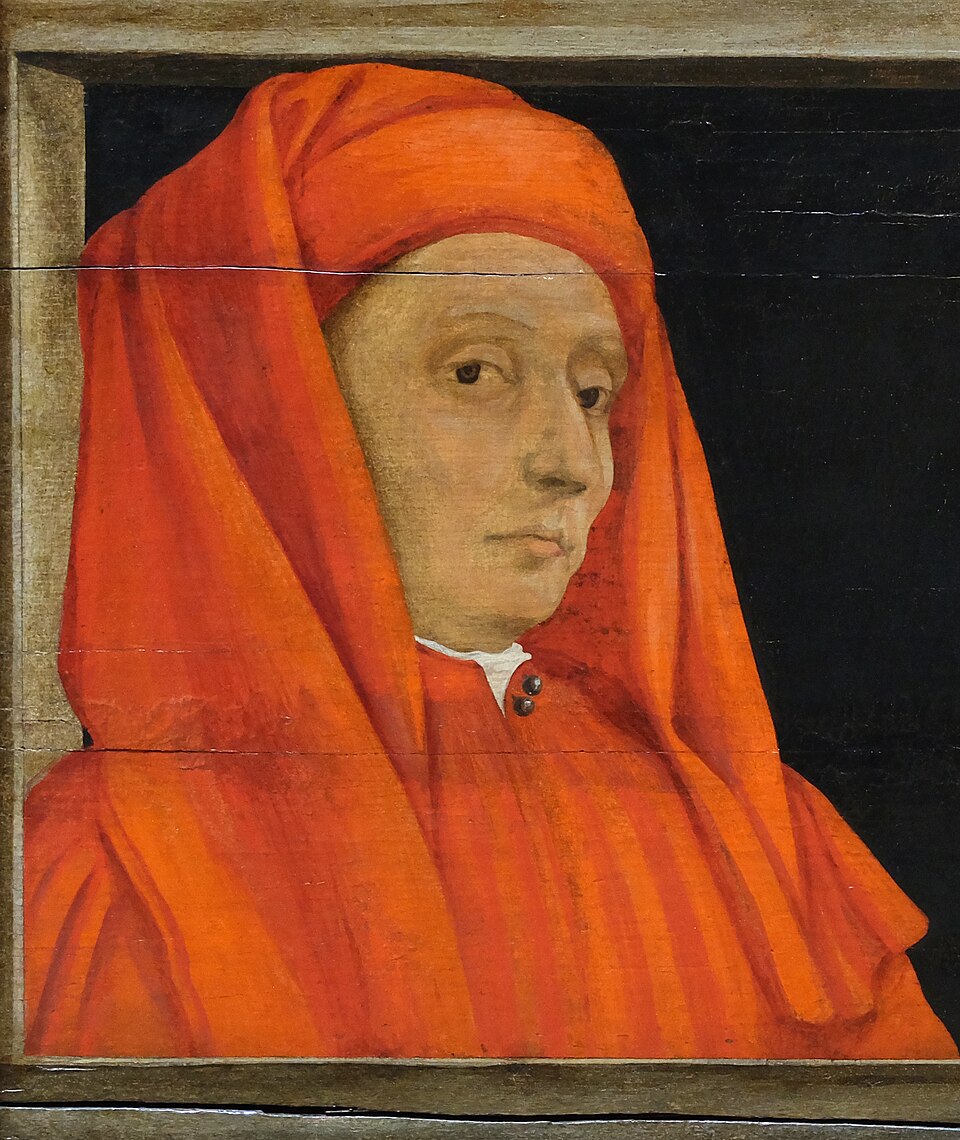
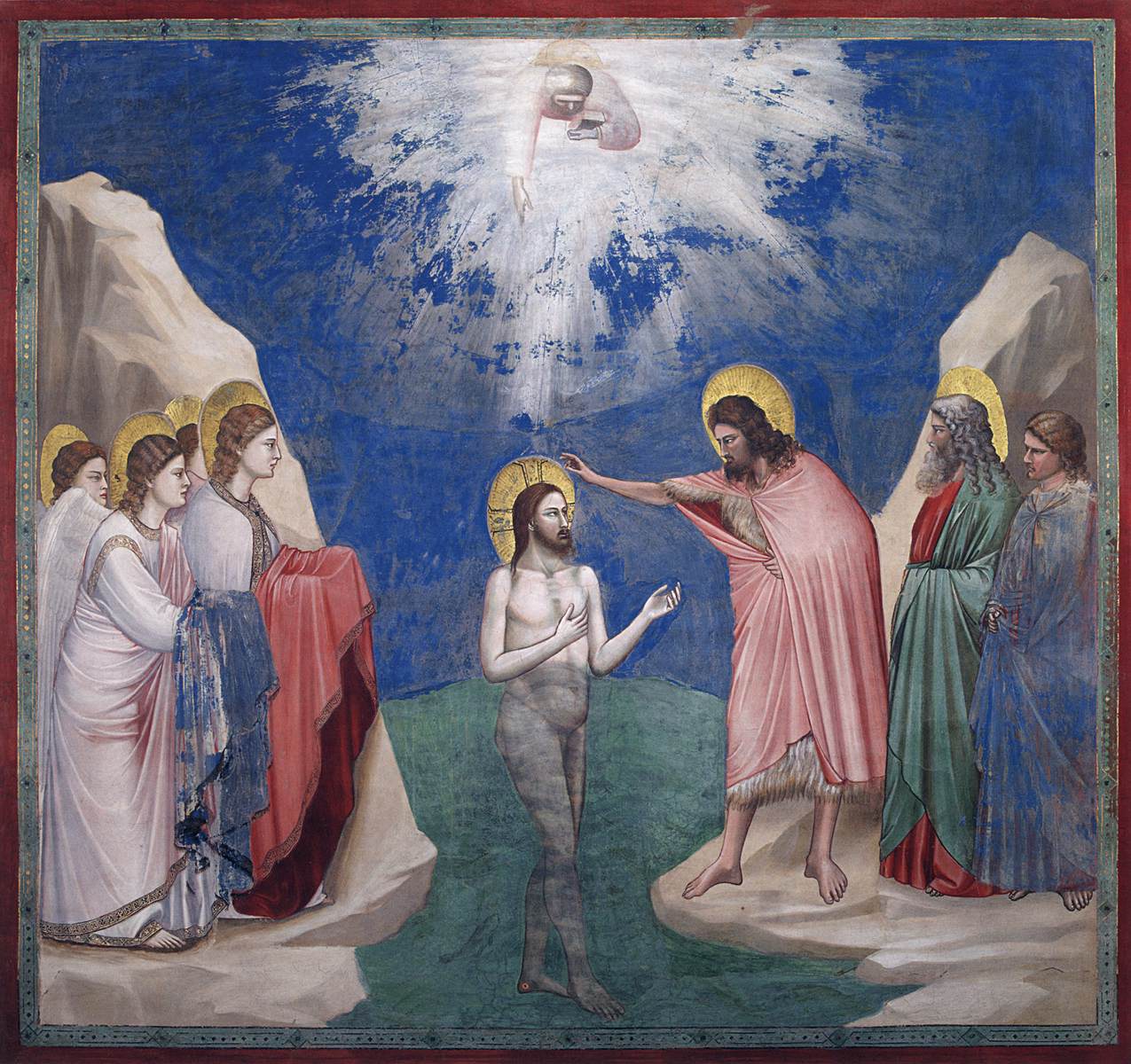
1305 - Giotto: Baptism of Christ, Scrovegni Chapel: Life of Christ (All Facts)
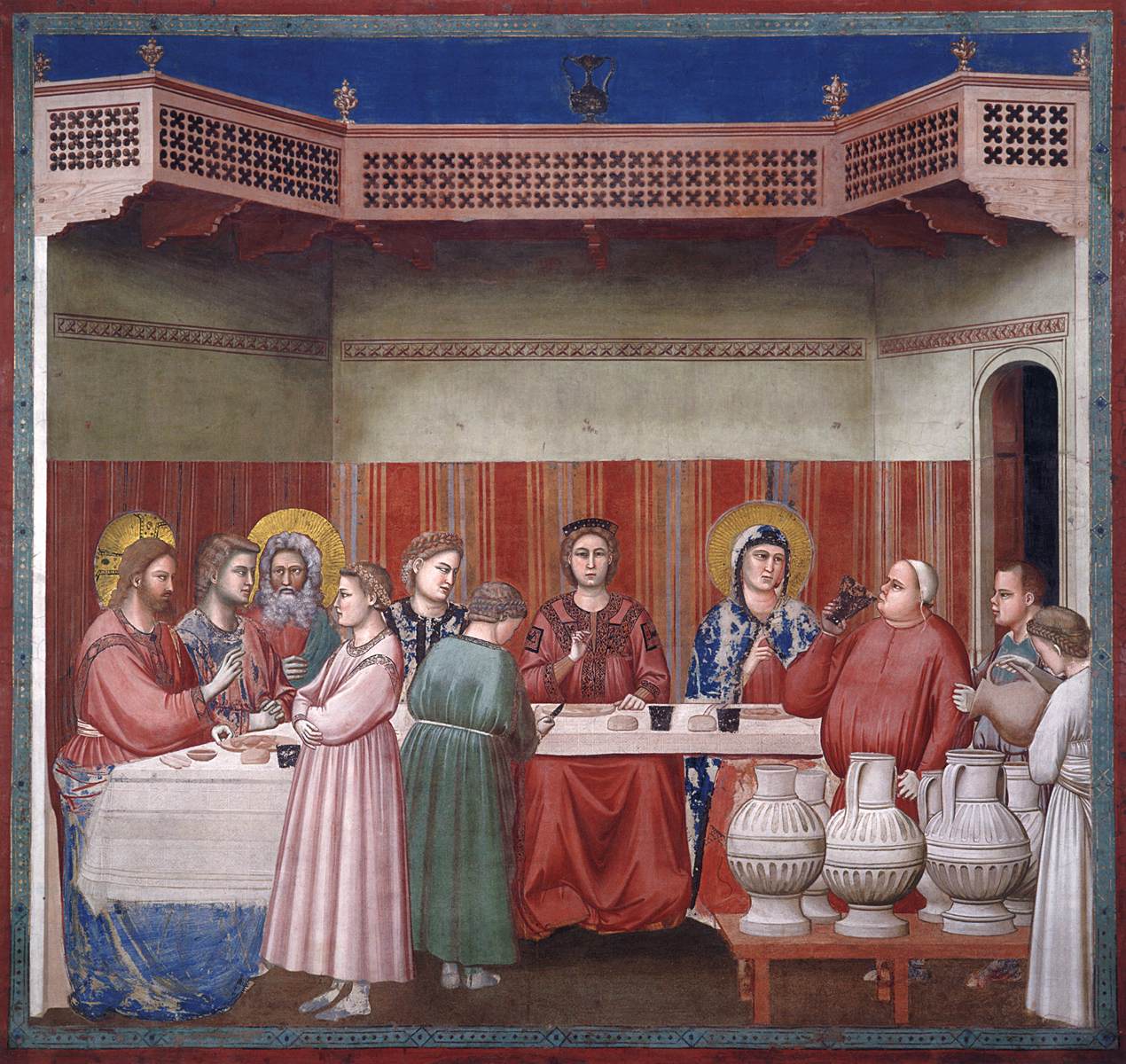
1305 - Giotto: Marriage at Cana, Scrovegni Chapel: Life of Christ (All Facts)
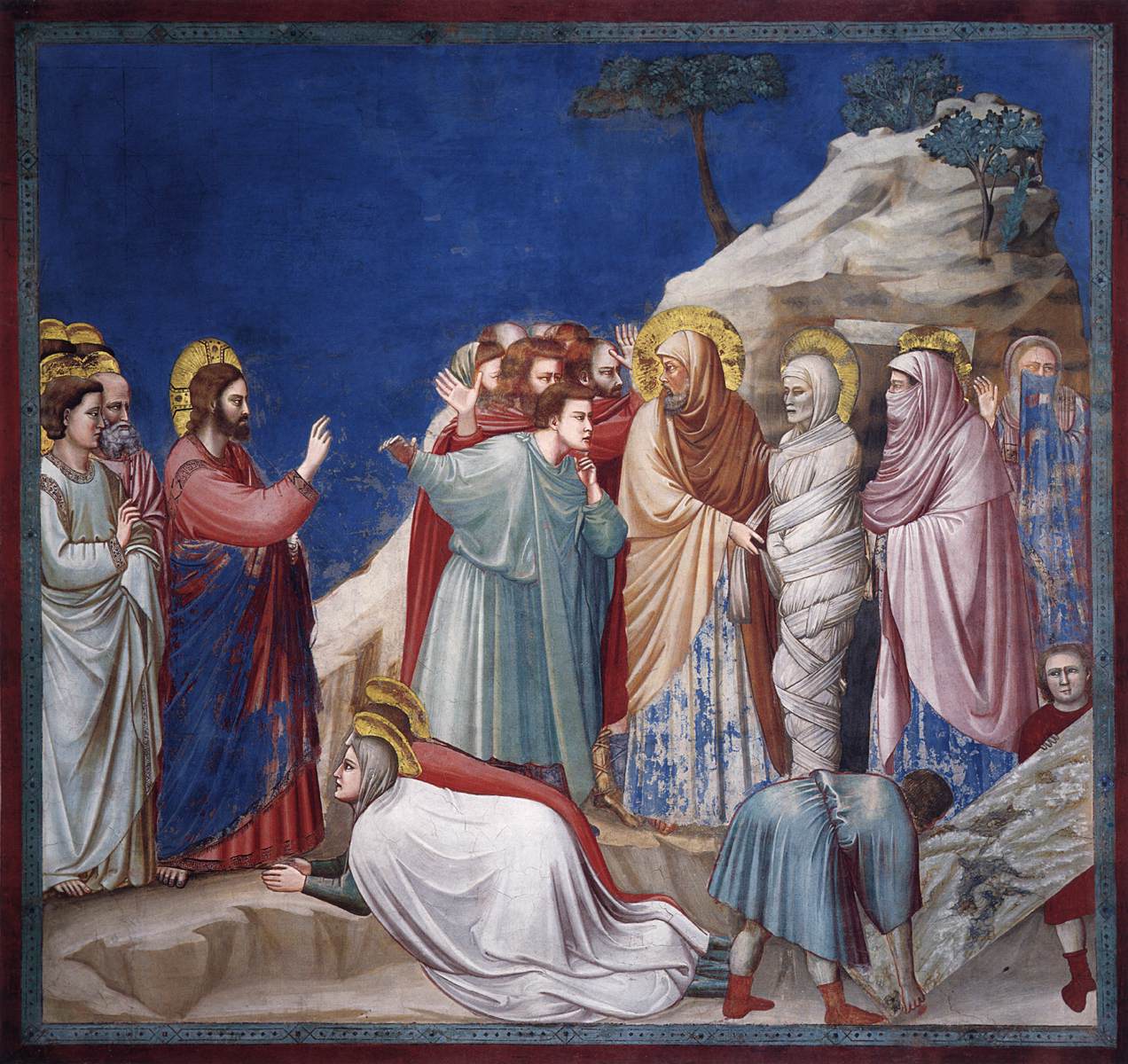
1305 - Giotto: Raising of Lazarus, Scrovegni Chapel: Life of Christ (All Facts)
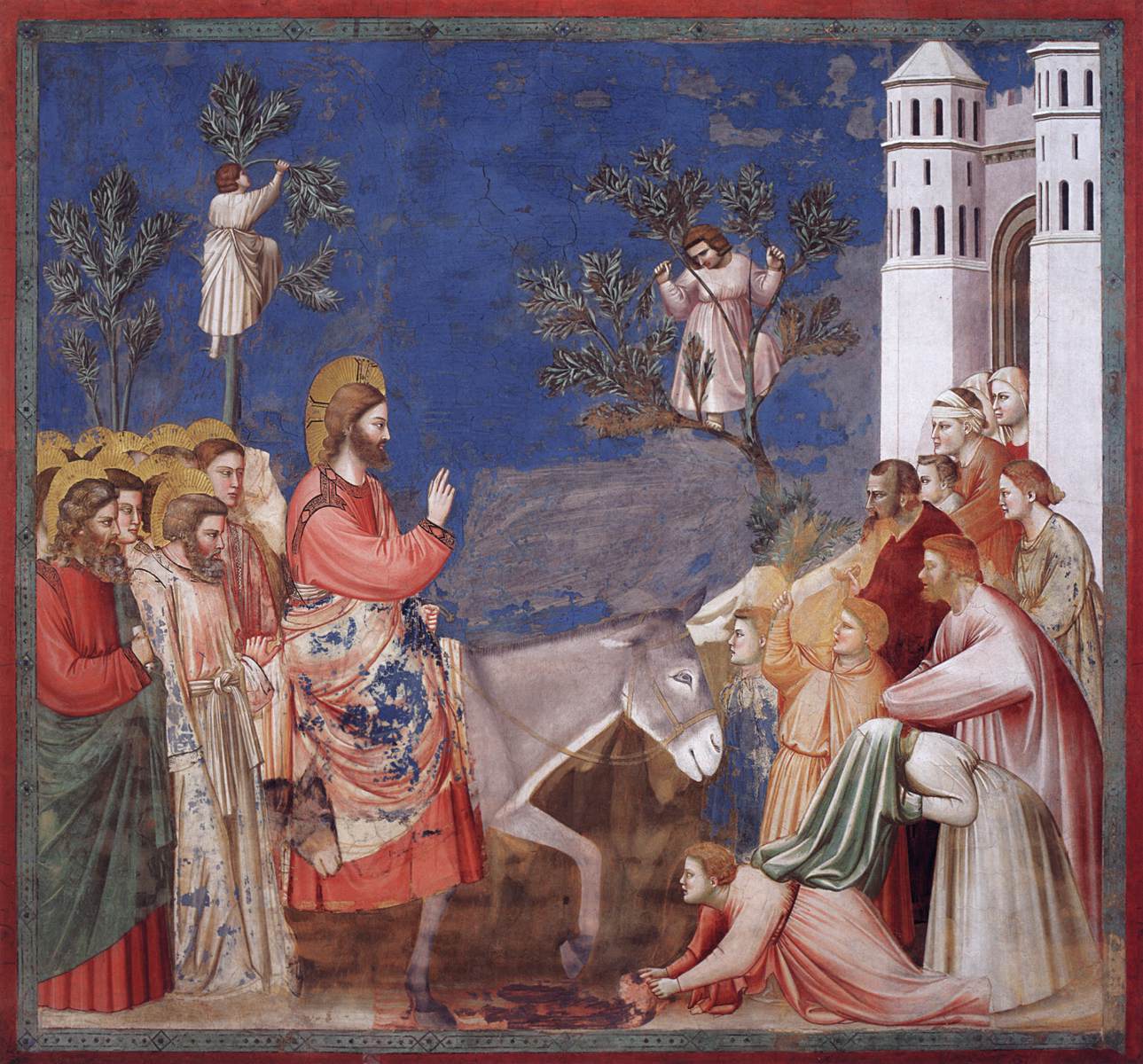
1305 - Giotto: Entry into Jerusalem, Scrovegni Chapel: Life of Christ (All Facts)
The idea of taking multiple figures and depicting them doing the same action but all at different times is an extremely innovative aspect of art in the Scrovegni Chapel, especially in this work
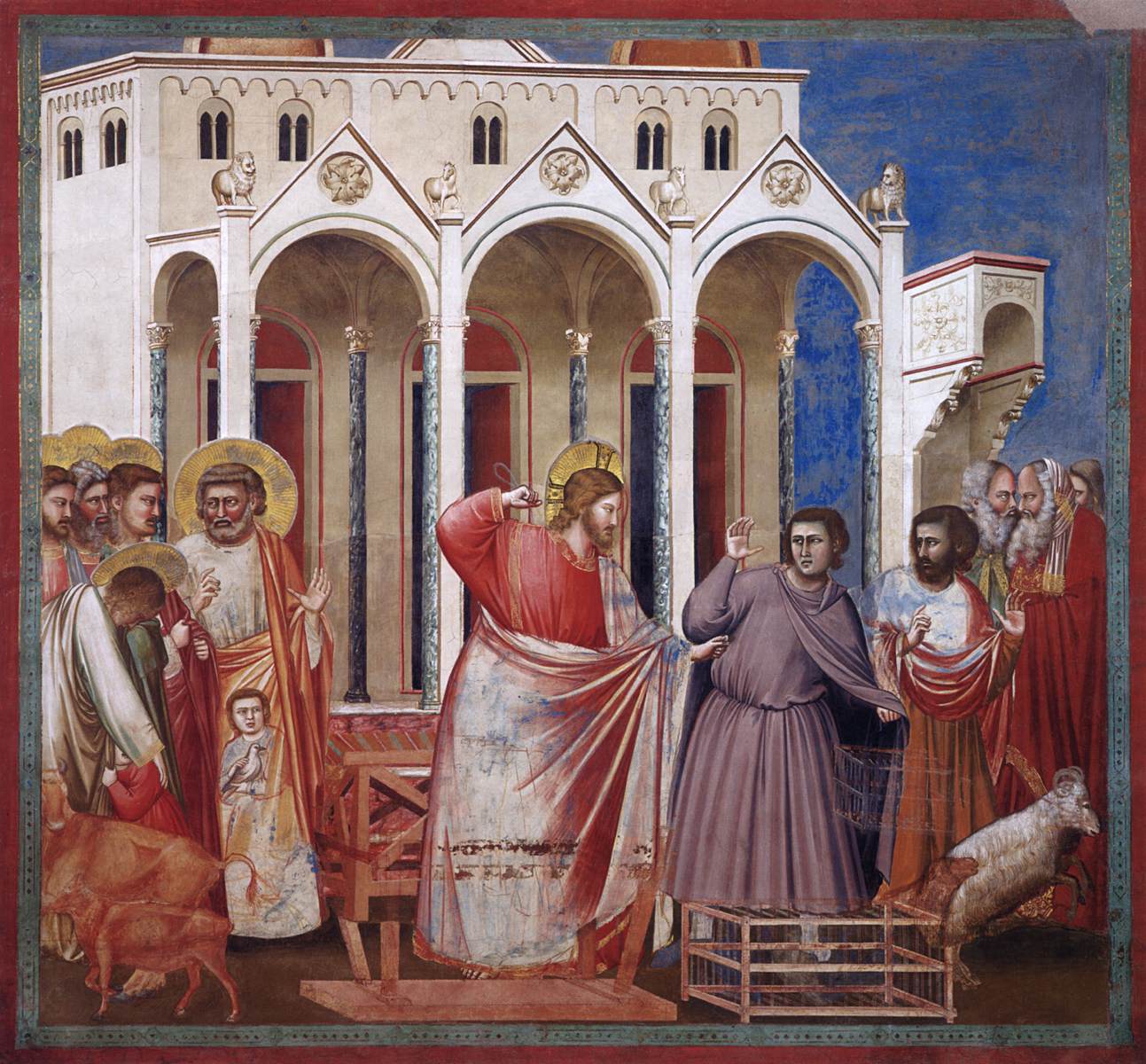
1305 - Giotto: Expulsion of the Money-changers from the Temple, Scrovegni Chapel: Life of Christ (All Facts)
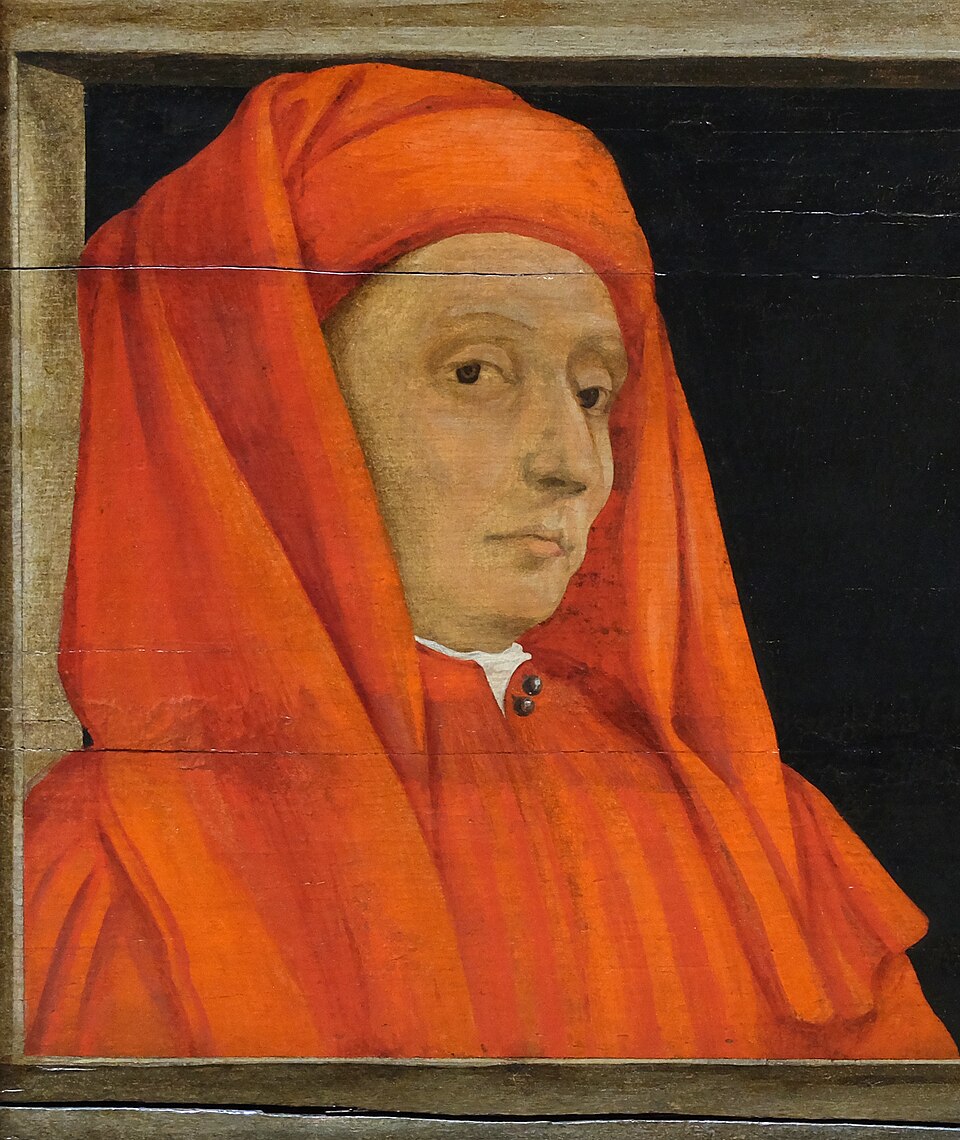
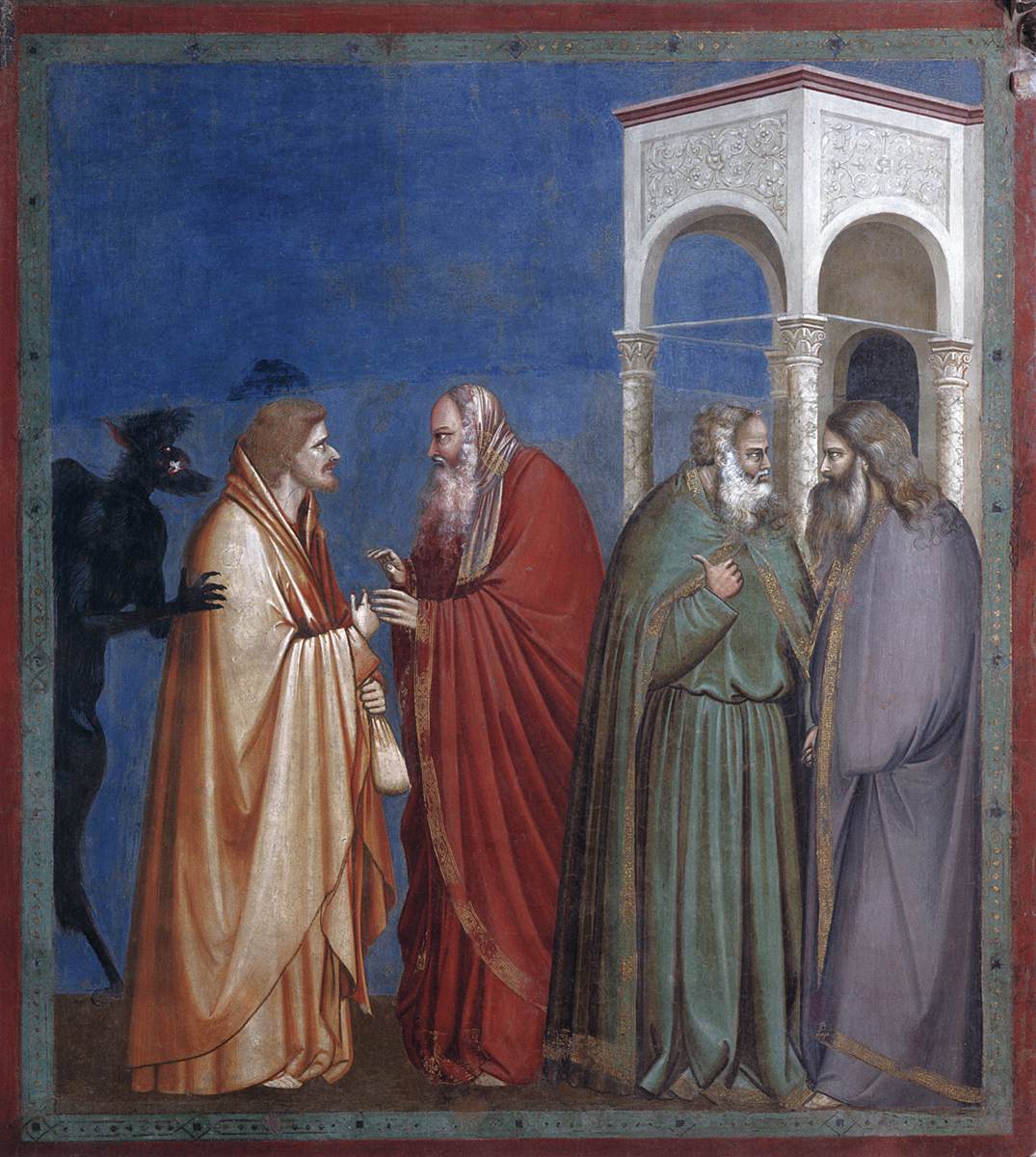
1305 - Giotto: Judas’s Betrayal, Scrovegni Chapel: Life of Christ (All Facts)
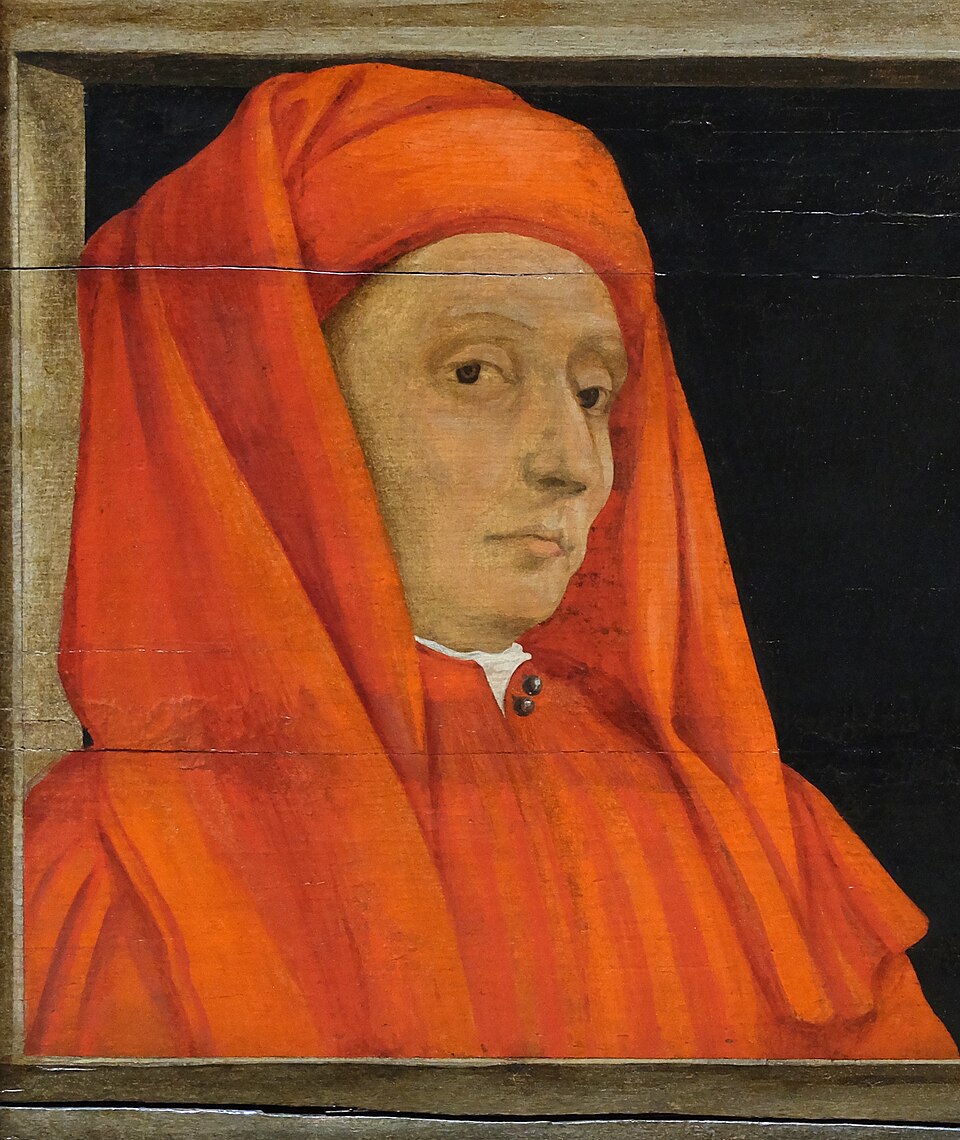
1305 - Giotto: The Last Supper, Scrovegni Chapel: Life of Christ (All Facts)
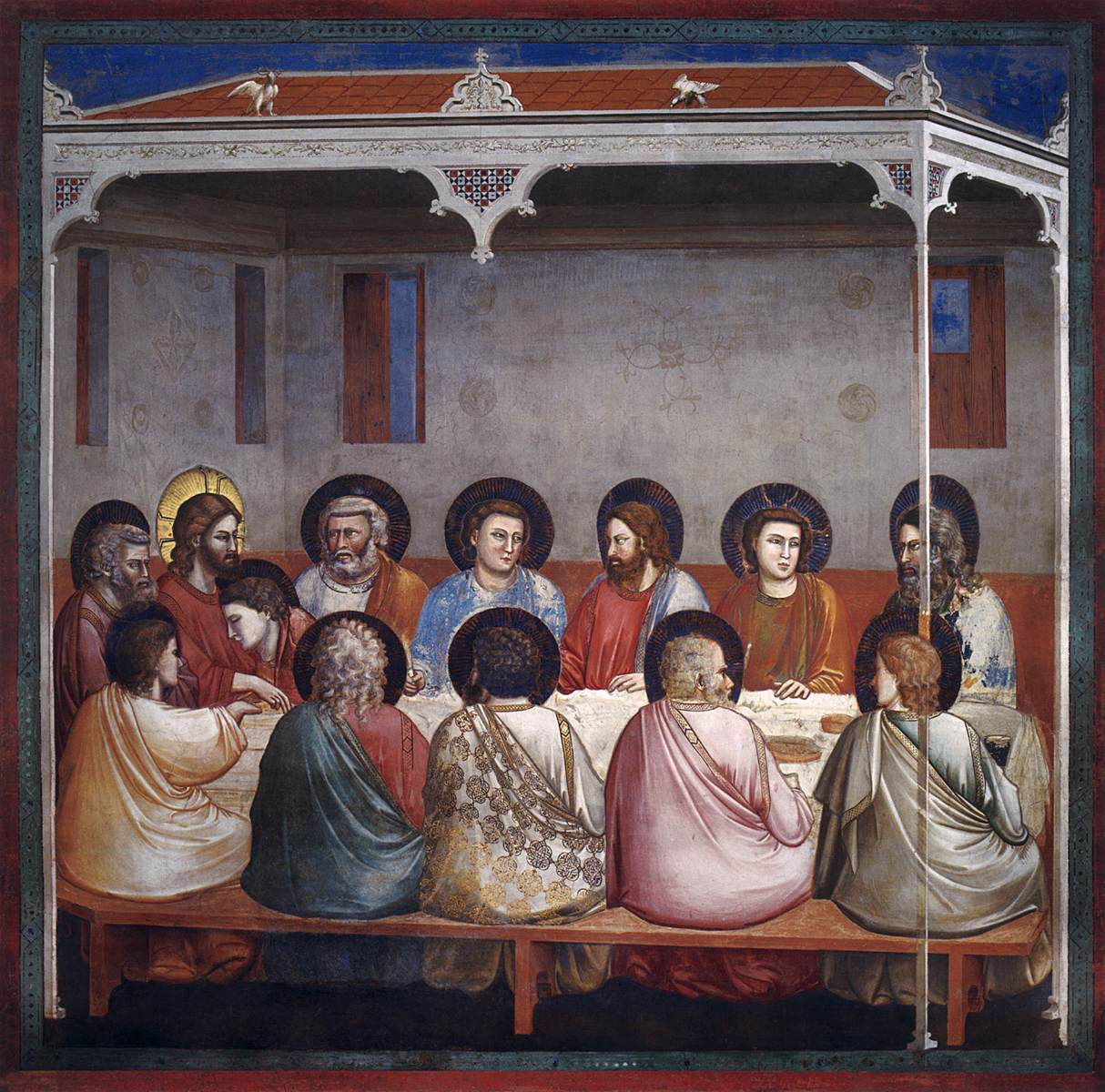
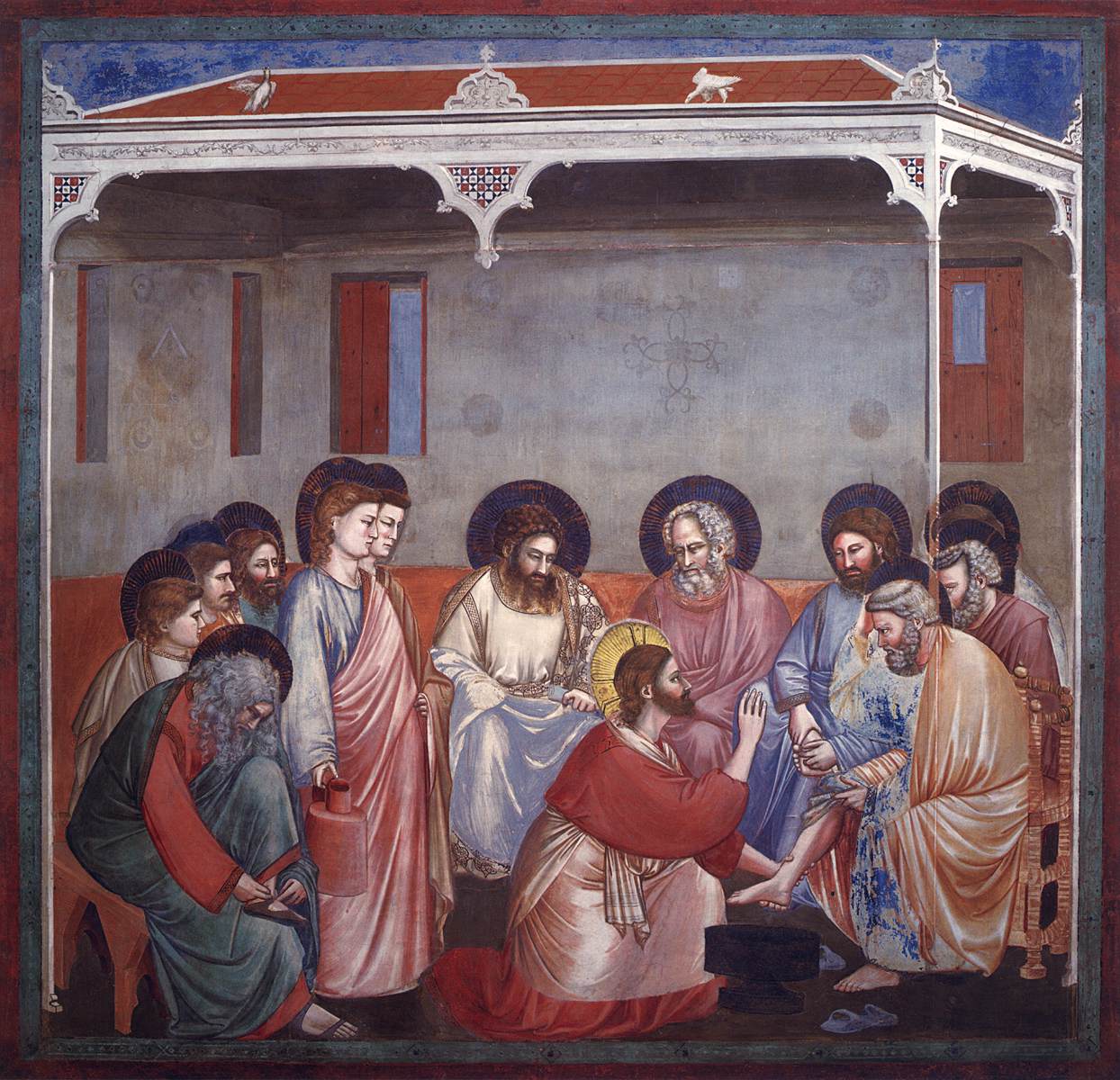
1305 - Giotto: Washing of Feet, Scrovegni Chapel: Life of Christ (All Facts)
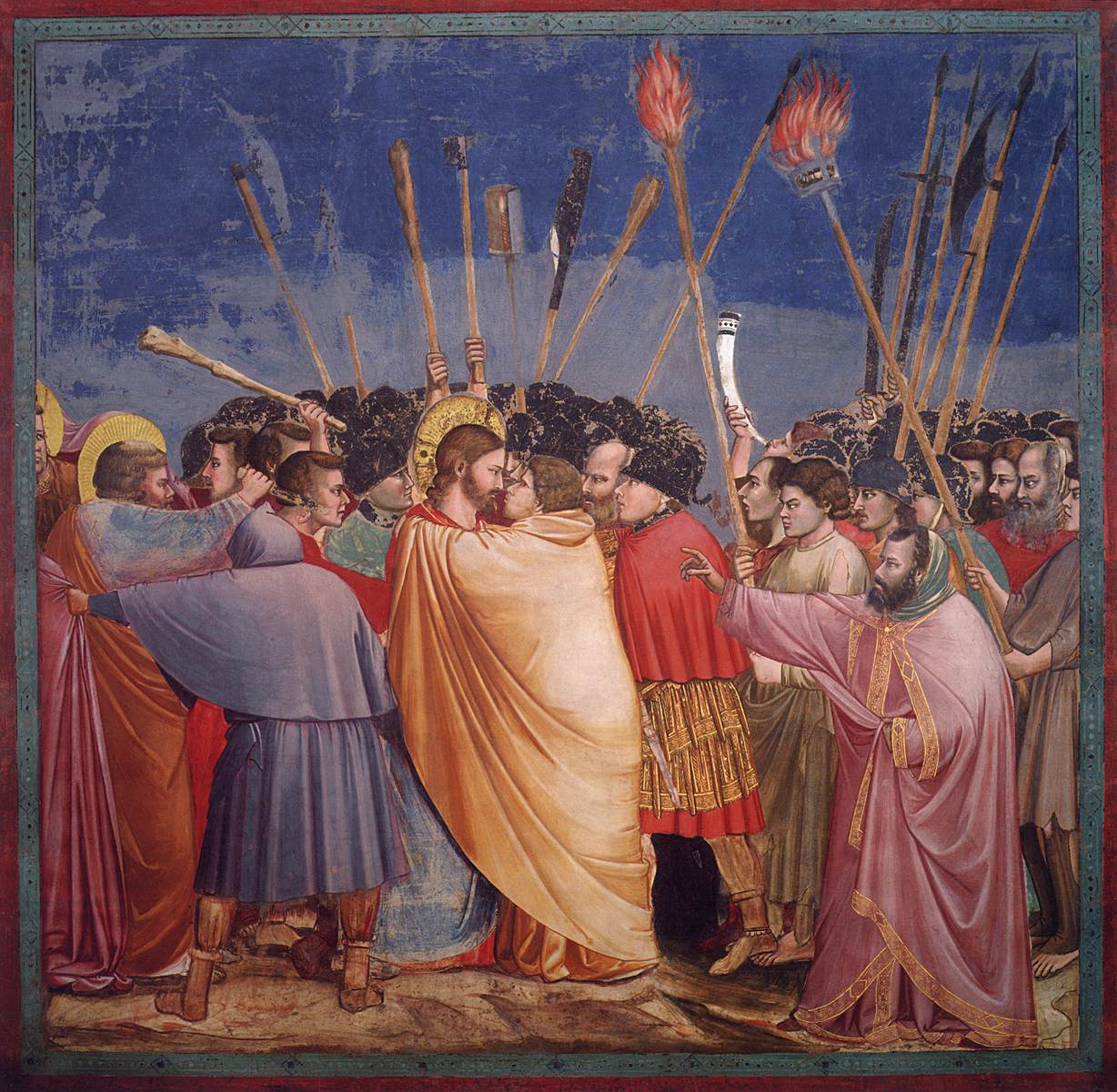
1305 - Giotto: The Arrest of Christ, Scrovegni Chapel: Life of Christ (All Facts)
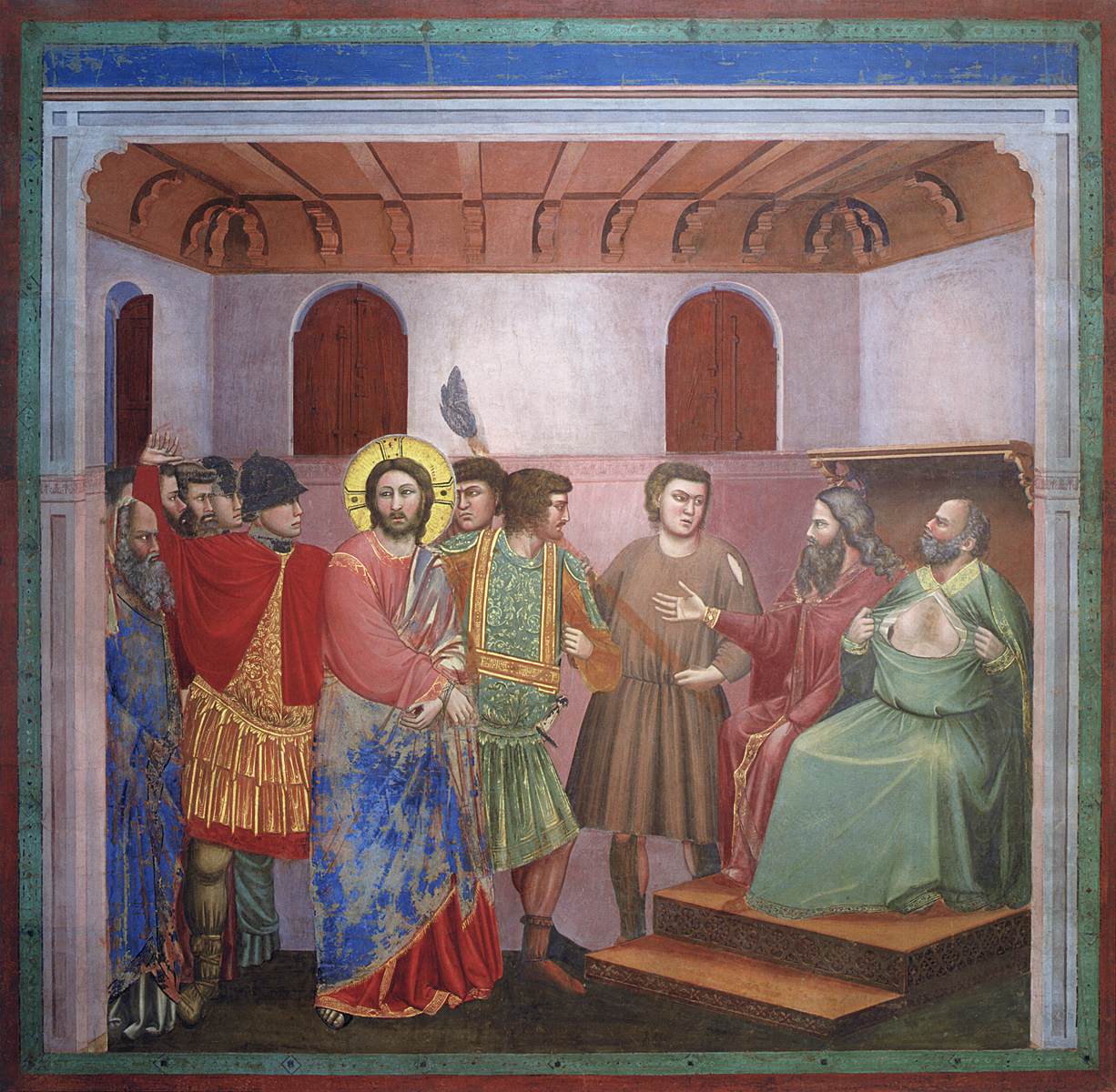
1305 - Giotto: Christ Before Caiaphas, Scrovegni Chapel: Life of Christ (All Facts)
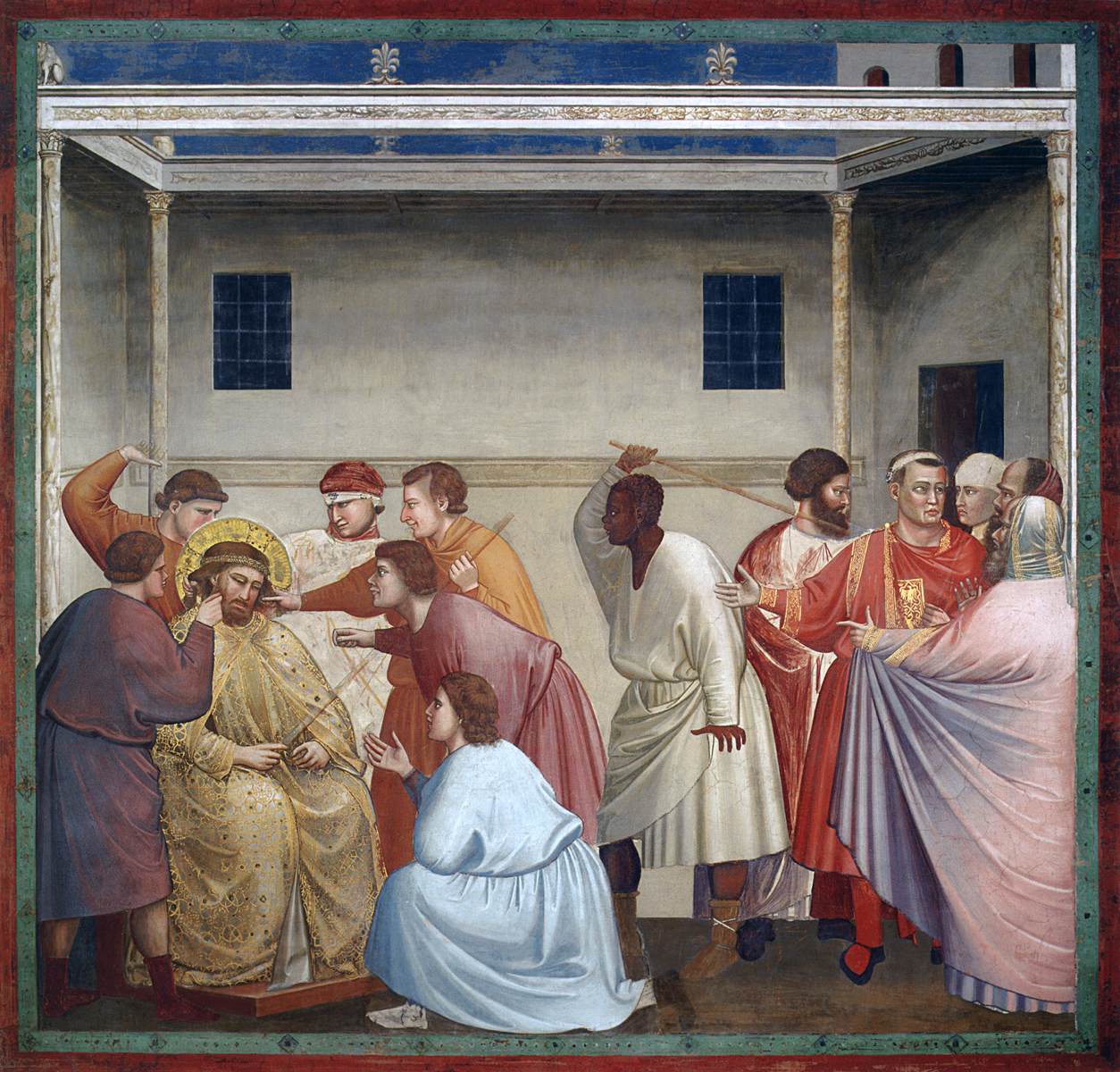
1305 - Giotto: Mocking of Christ, Scrovegni Chapel: Life of Christ (All Facts)
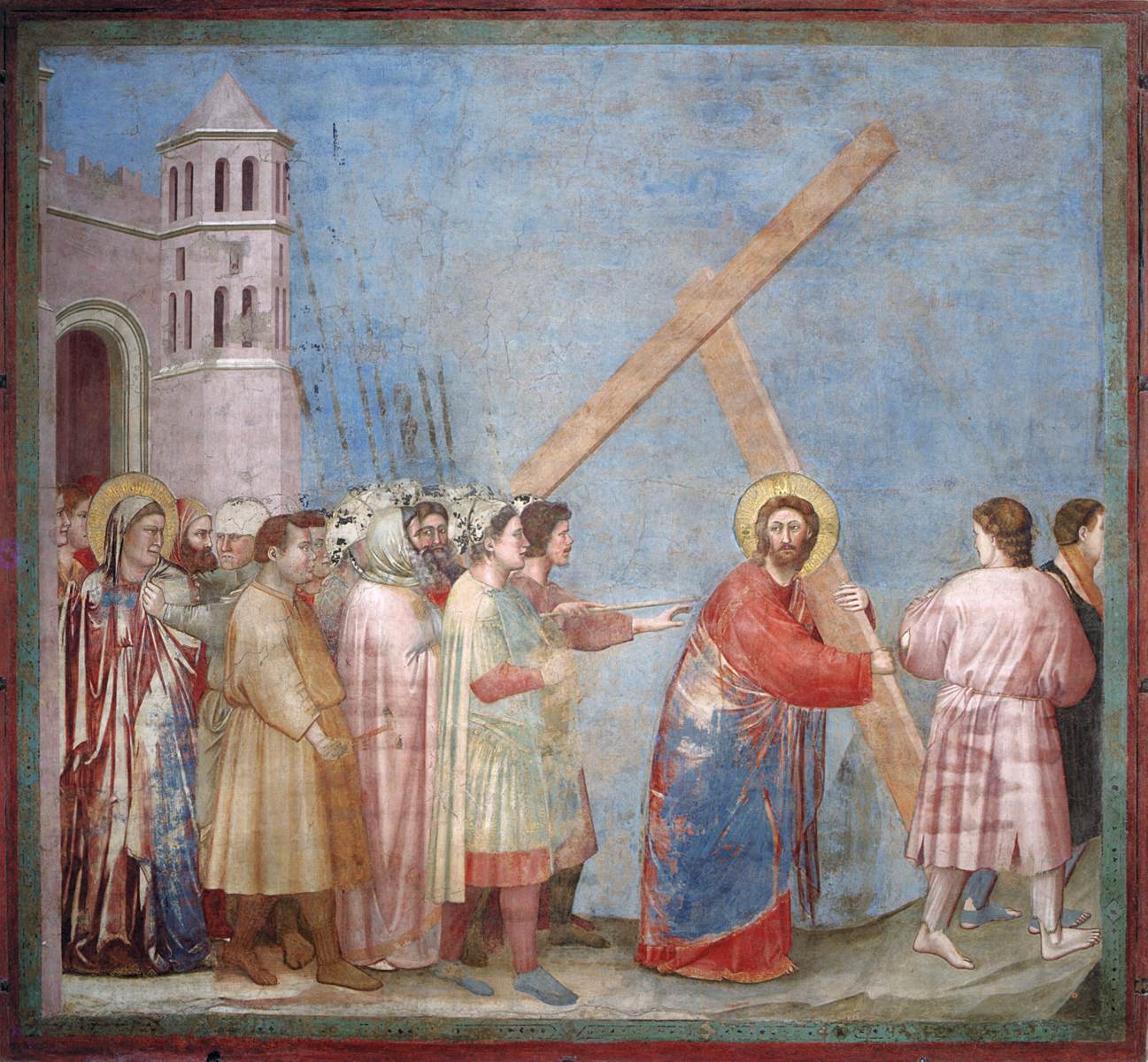
1305 - Giotto: Road to Cavalry, Scrovegni Chapel: Life of Christ (All Facts)
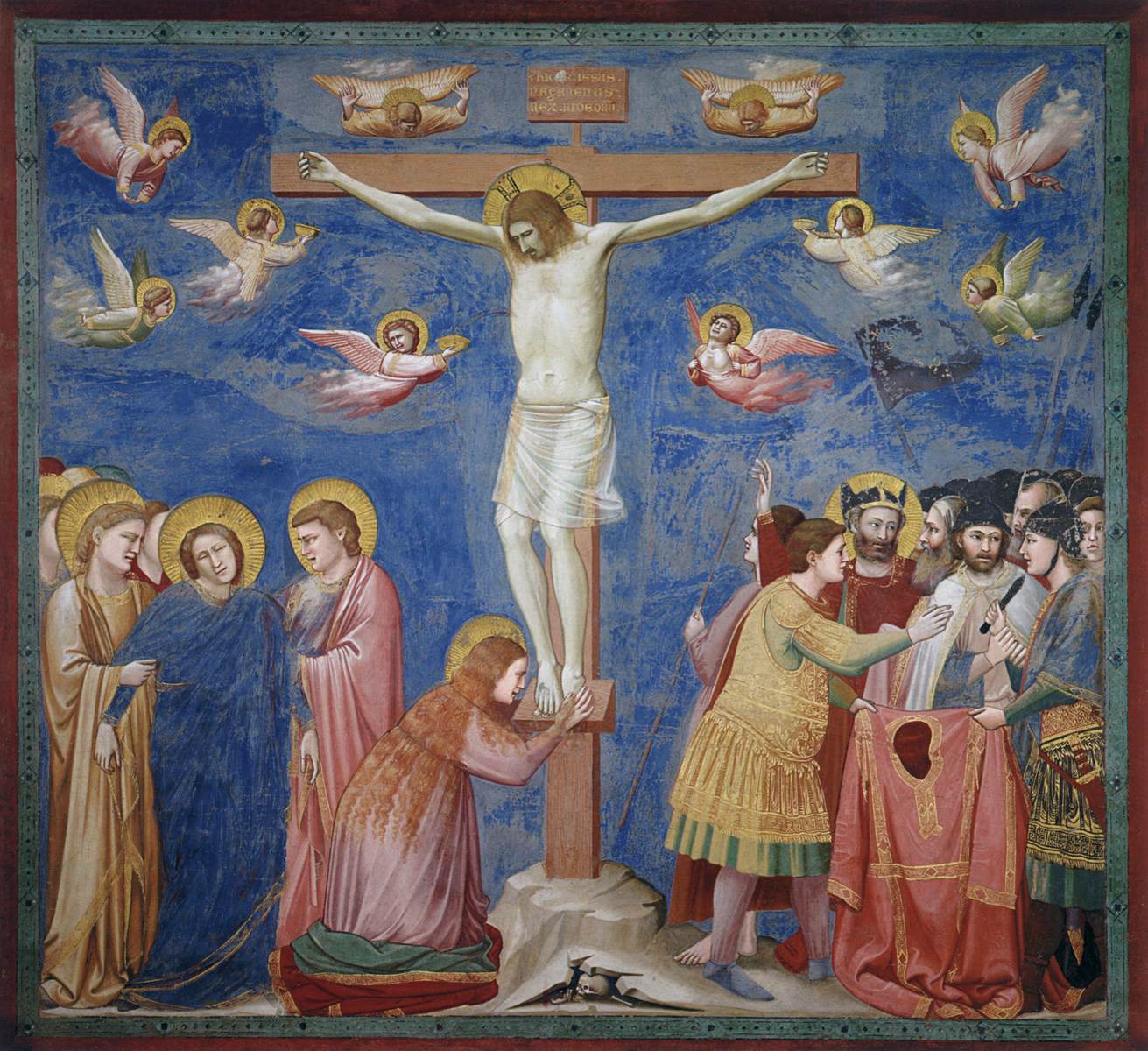
1305 - Giotto: Crucifixion, Scrovegni Chapel: Life of Christ (All Facts)
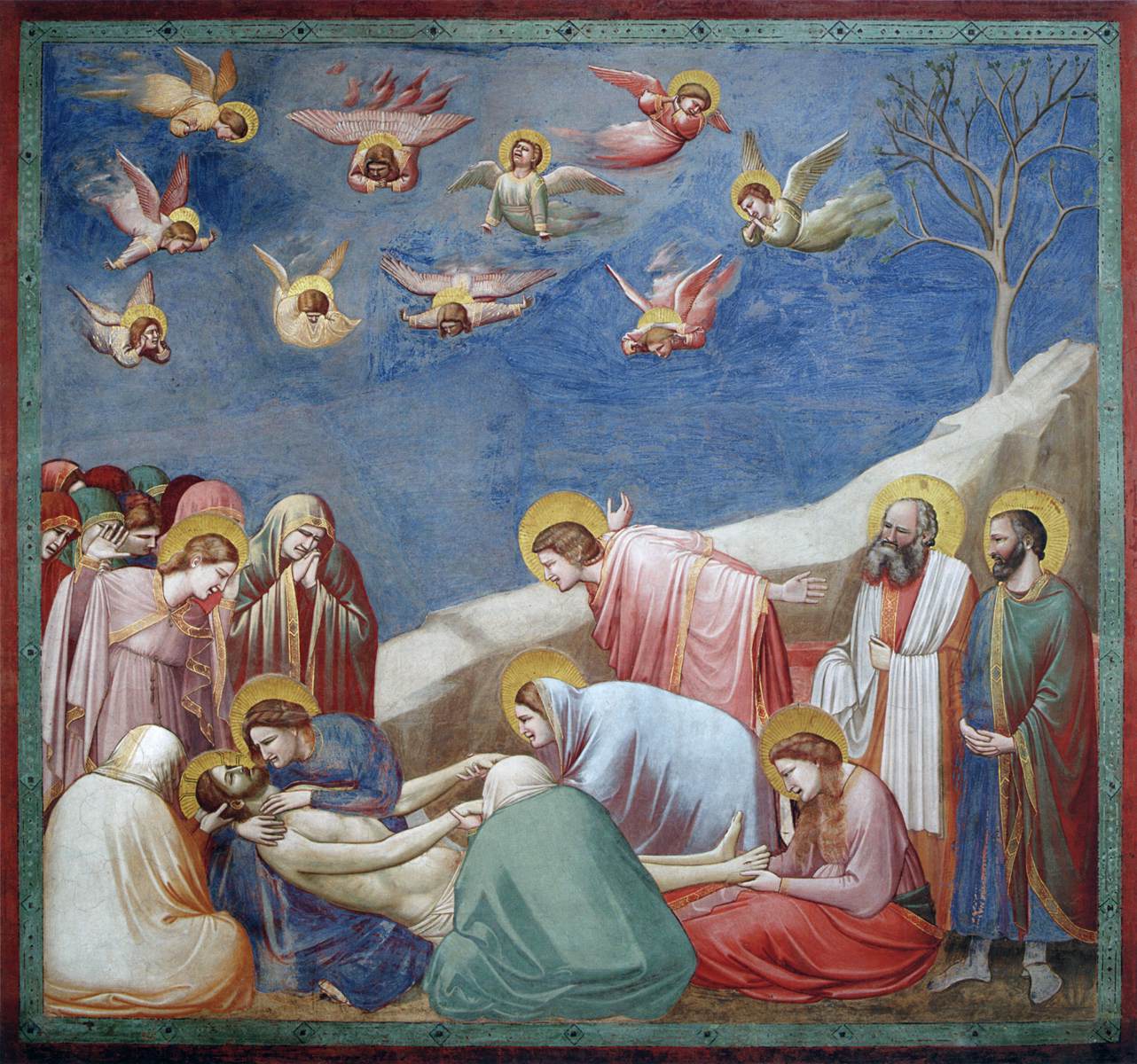
1305 - Giotto: Lamentation, Scrovegni Chapel: Life of Christ (All Facts)
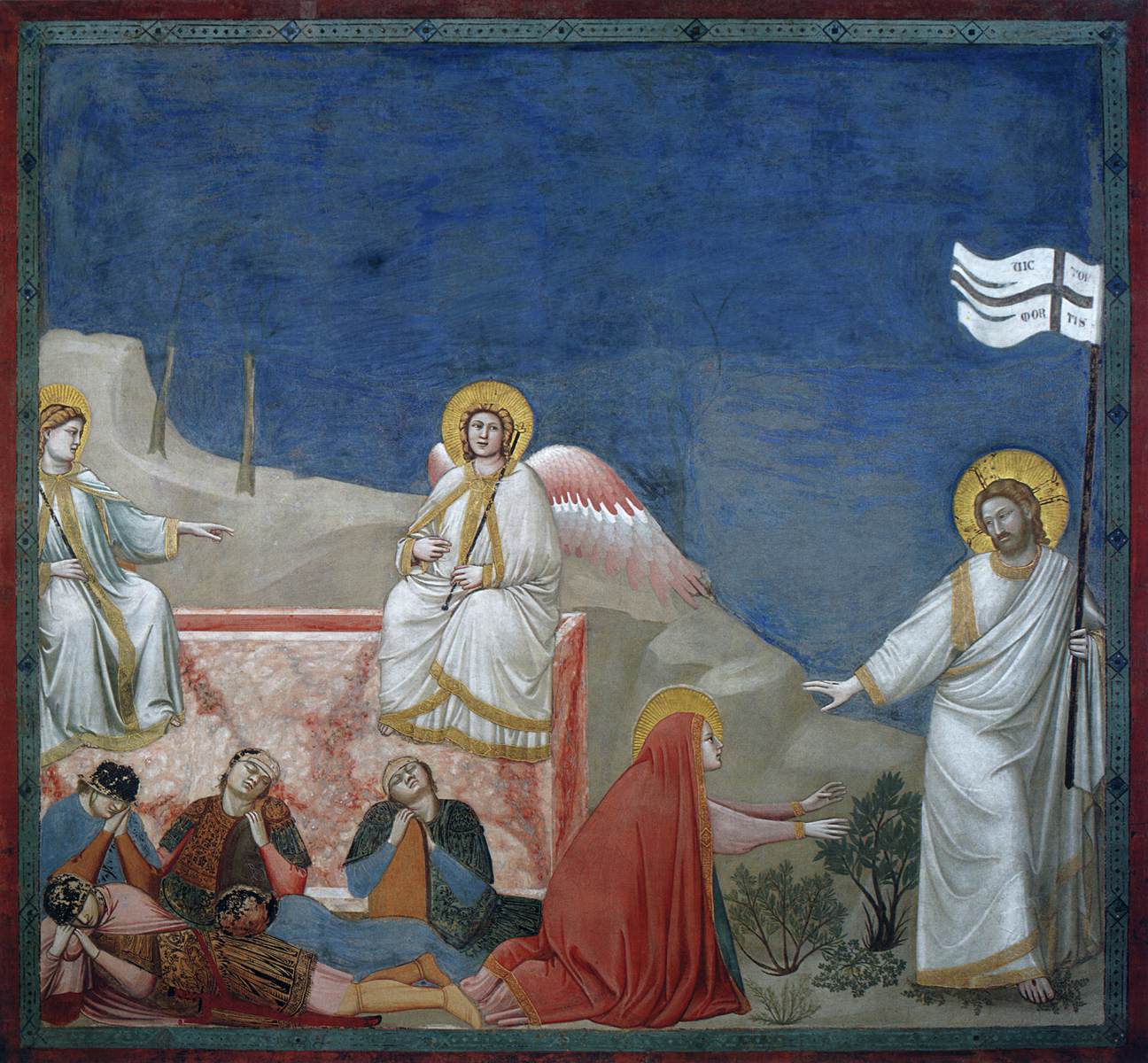
1305 - Giotto: Resurrection, Scrovegni Chapel: Life of Christ (All Facts)
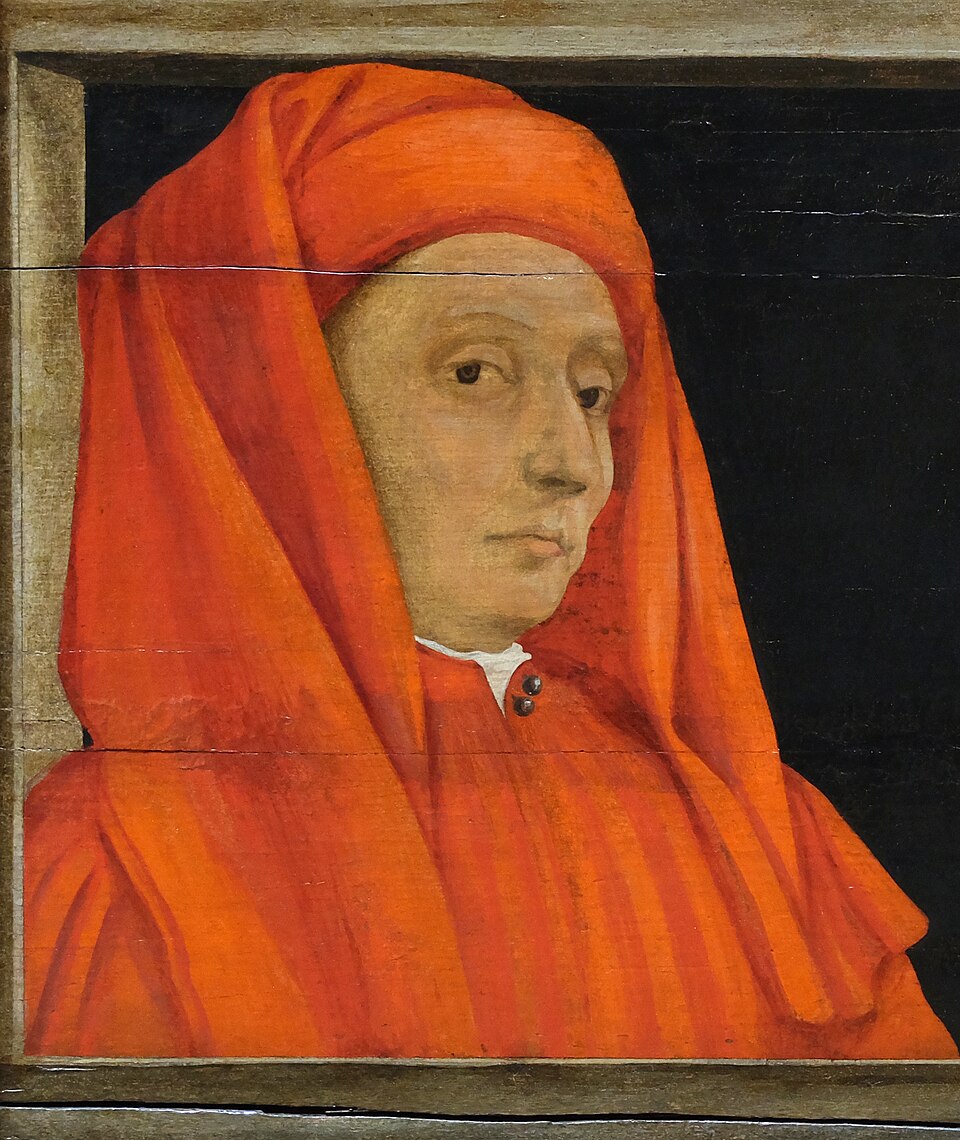
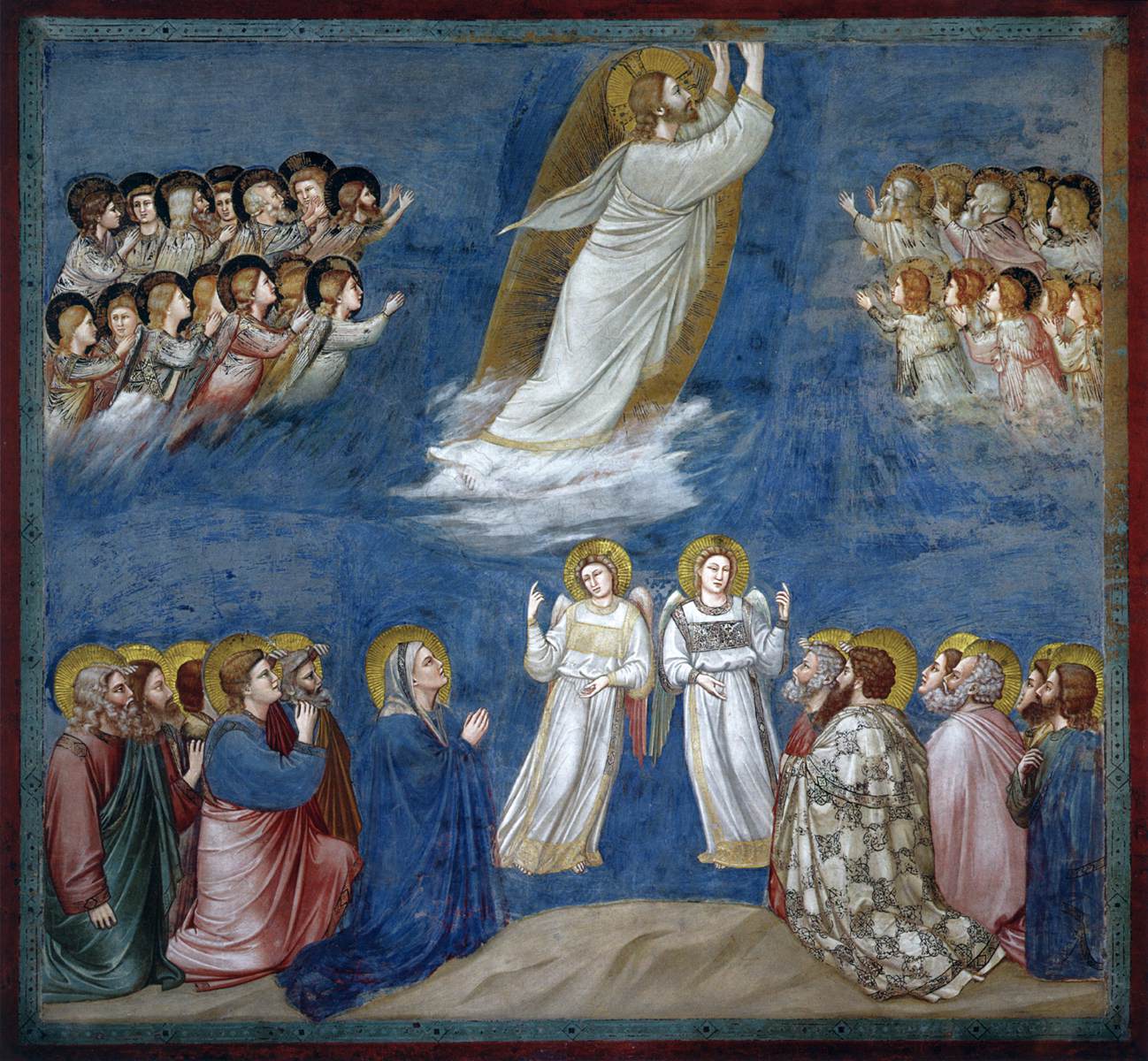
1305 - Giotto: Ascension, Scrovegni Chapel: Life of Christ (All Facts)
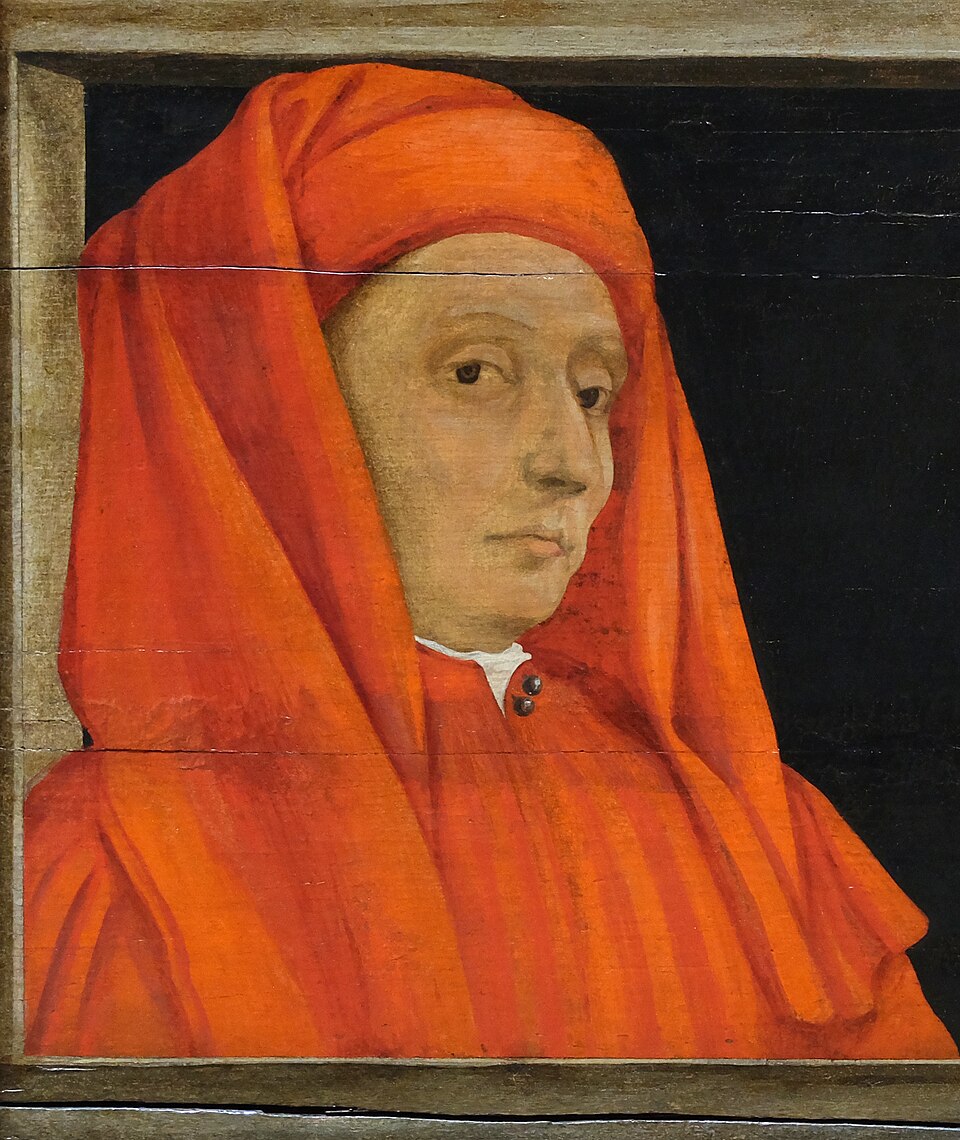
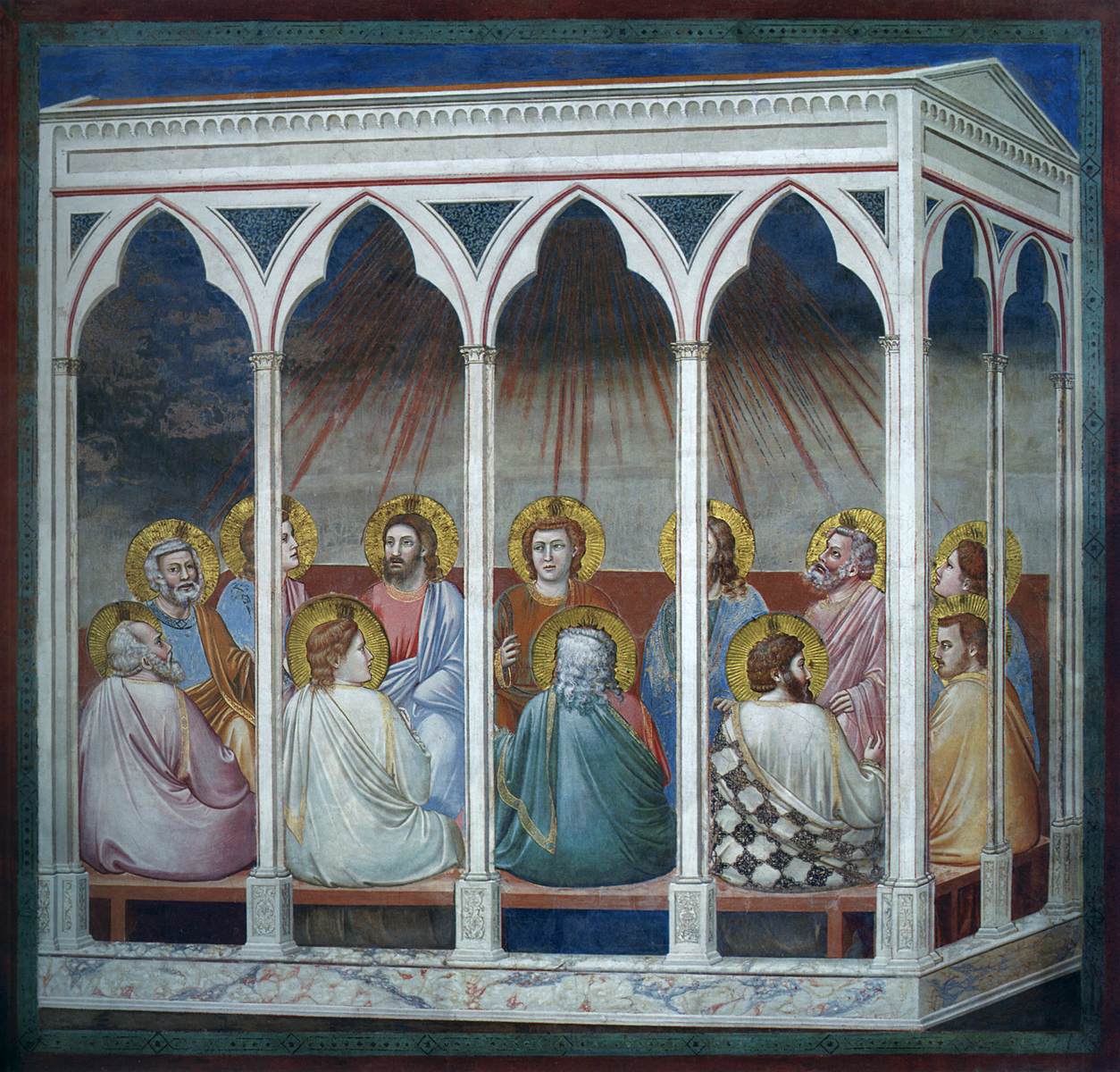
1305 - Giotto: Pentecost, Scrovegni Chapel: Life of Christ (All Facts)
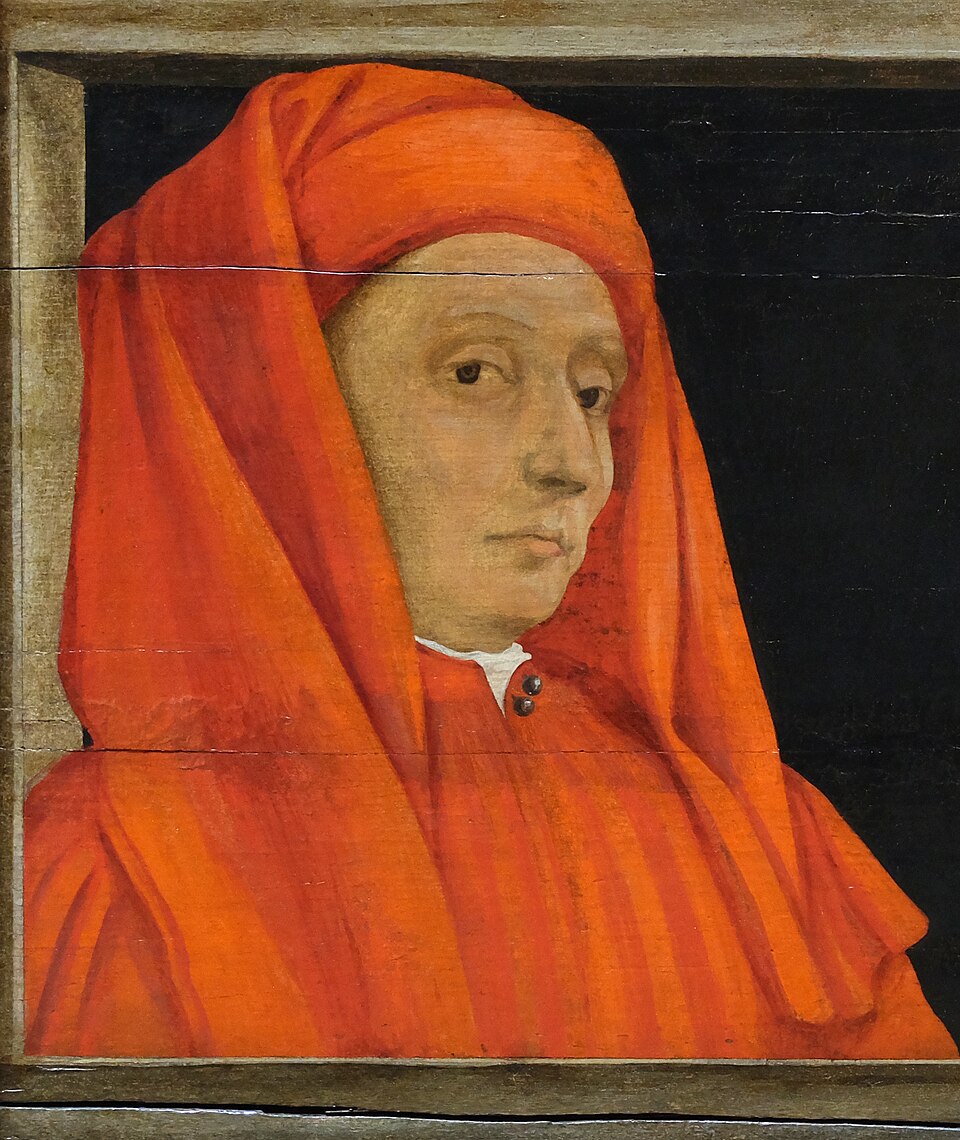
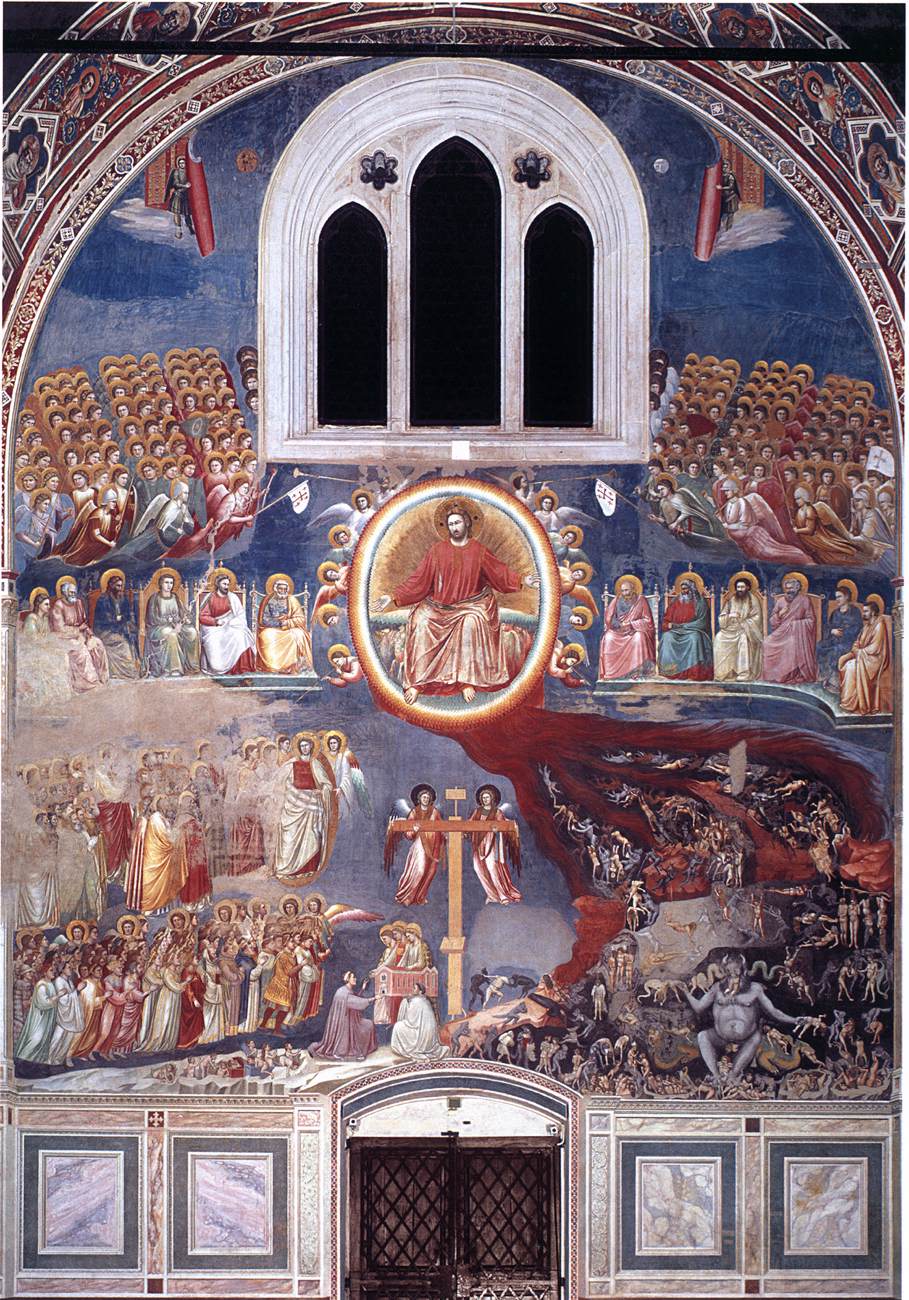
1305 - Giotto: The Last Judgement, Scrovegni Chapel (All Facts)
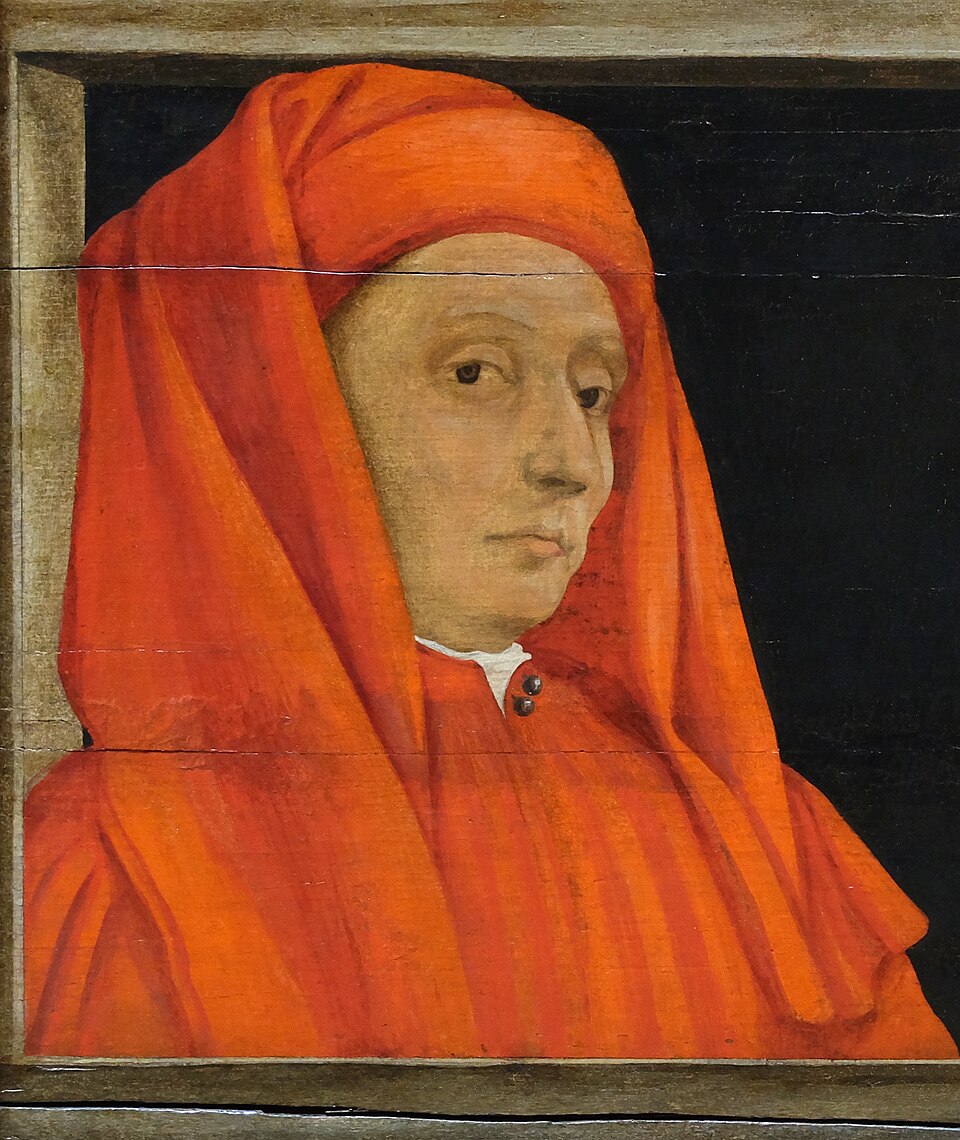
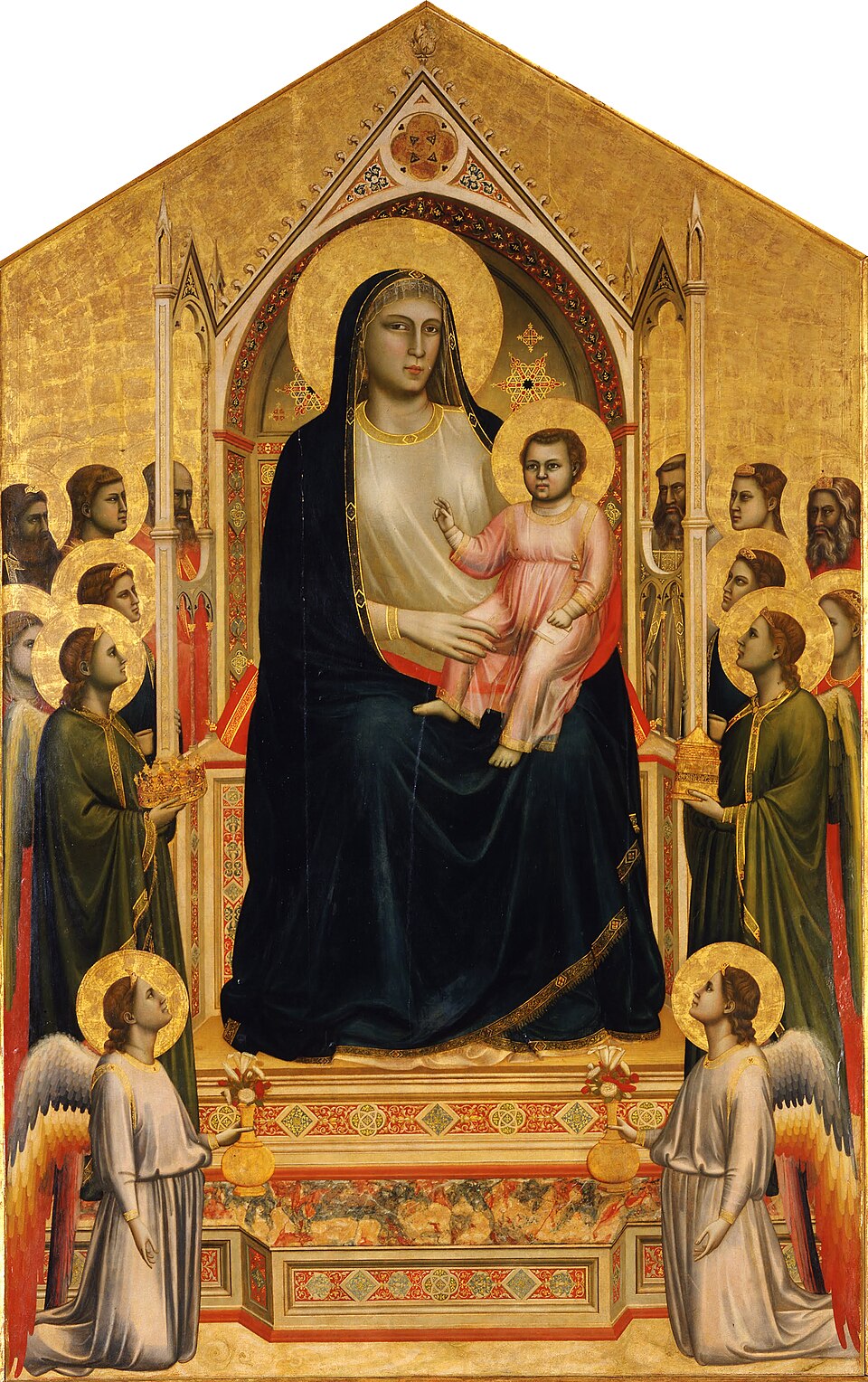
1310 - Giotto: Ognissanti Madonna, Enthroned (All Facts)
Located in the Uffizi Chapel
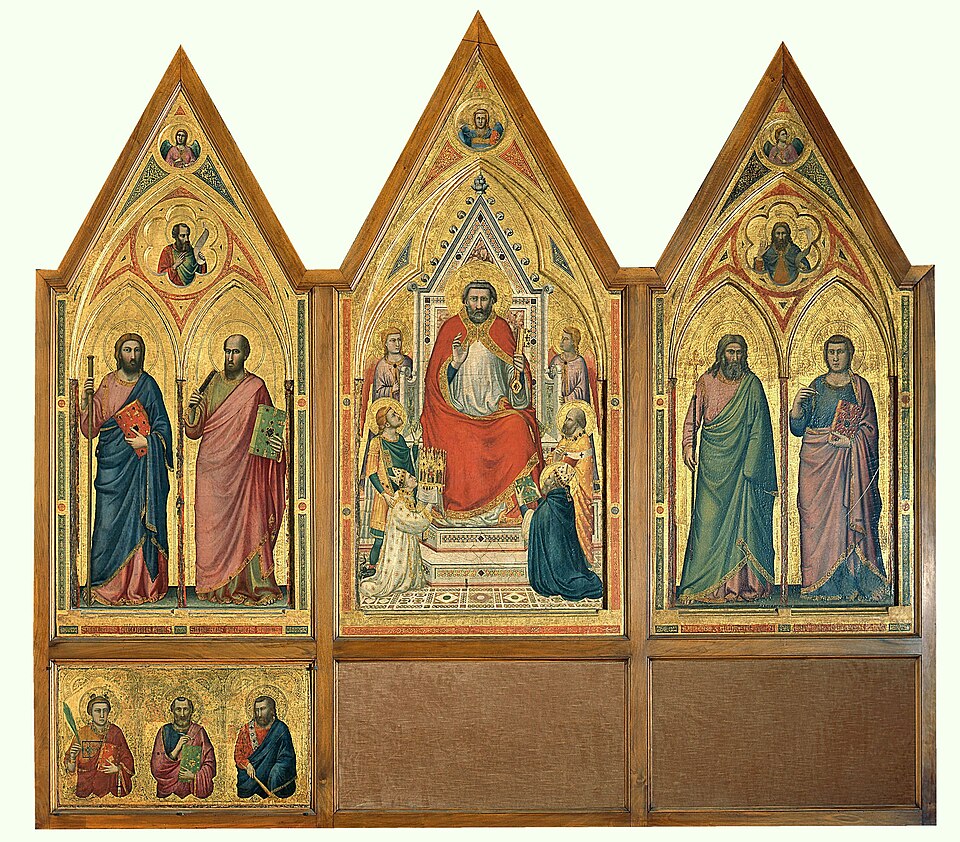
1320 - Giotto: Stefaneschi Triptych (All Facts)
1284 - 1344 - Simone Martini (All Facts)
Italian Late Gothic Painter from Siena
Italian Painting followed the tradition which he set
Papal patronage in the Palace of Avignon brought numerous Italian artists such as the namesake, to France
He died at the papal court in Avignon in France
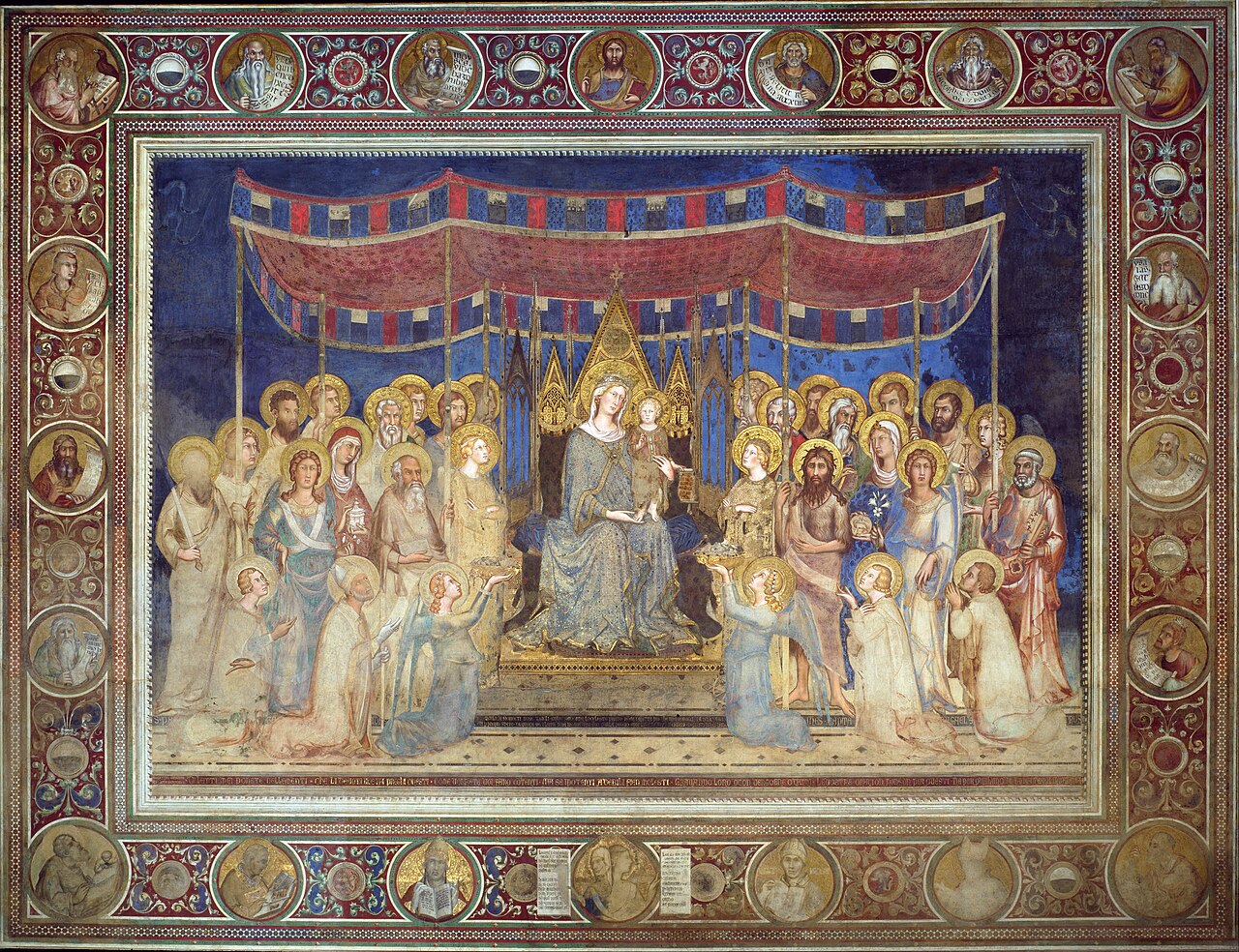
1315 - Simone Martini: Maesta (All Facts)
Located in the Palazzo Pubblico in Siena
Inspired by Duccio’s of the same name
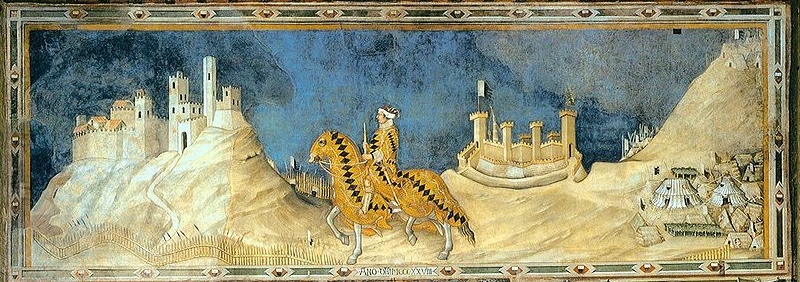
1330 - Simone Martini: Guidoriccio da Fogliano at the Siege of Montemassi (All Facts)
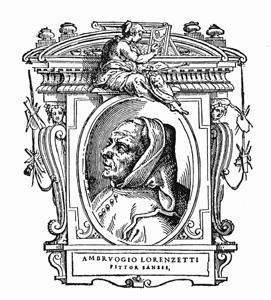
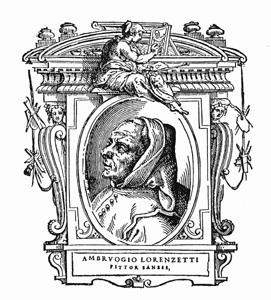
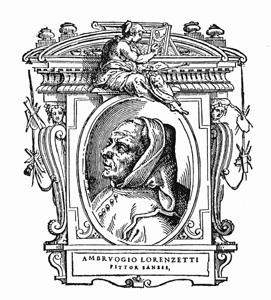
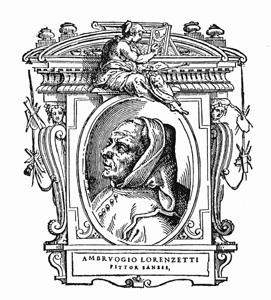
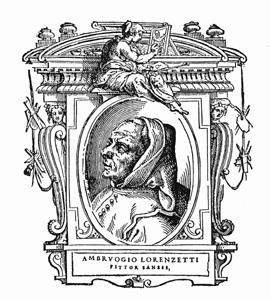
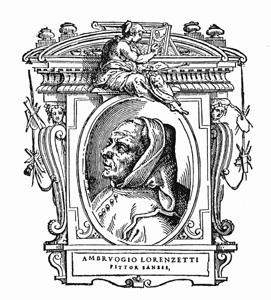
1290 - 1348 - Ambrogio Lorenzetti (All Facts)
Italian Late Gothic Painter from Siena
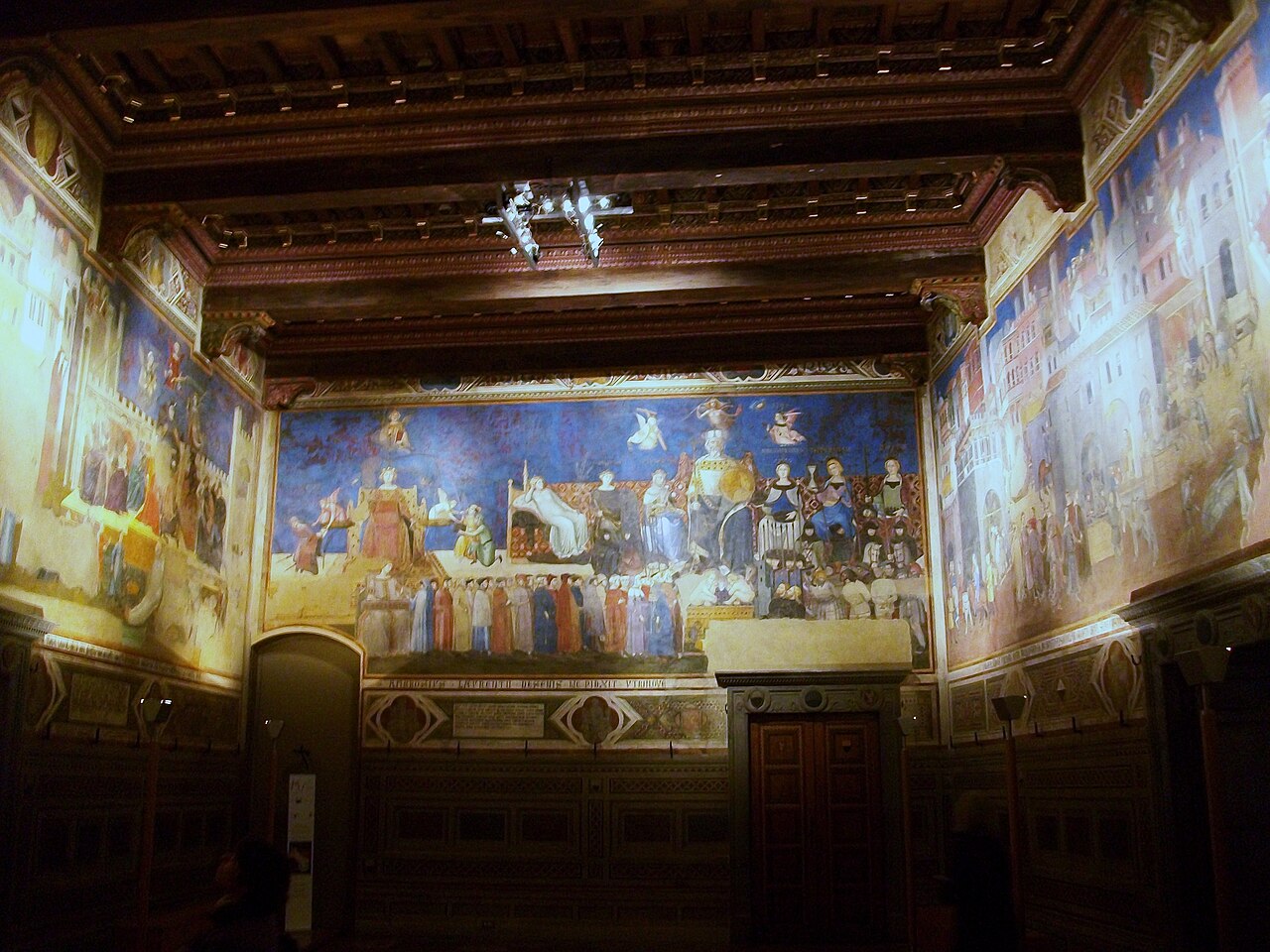
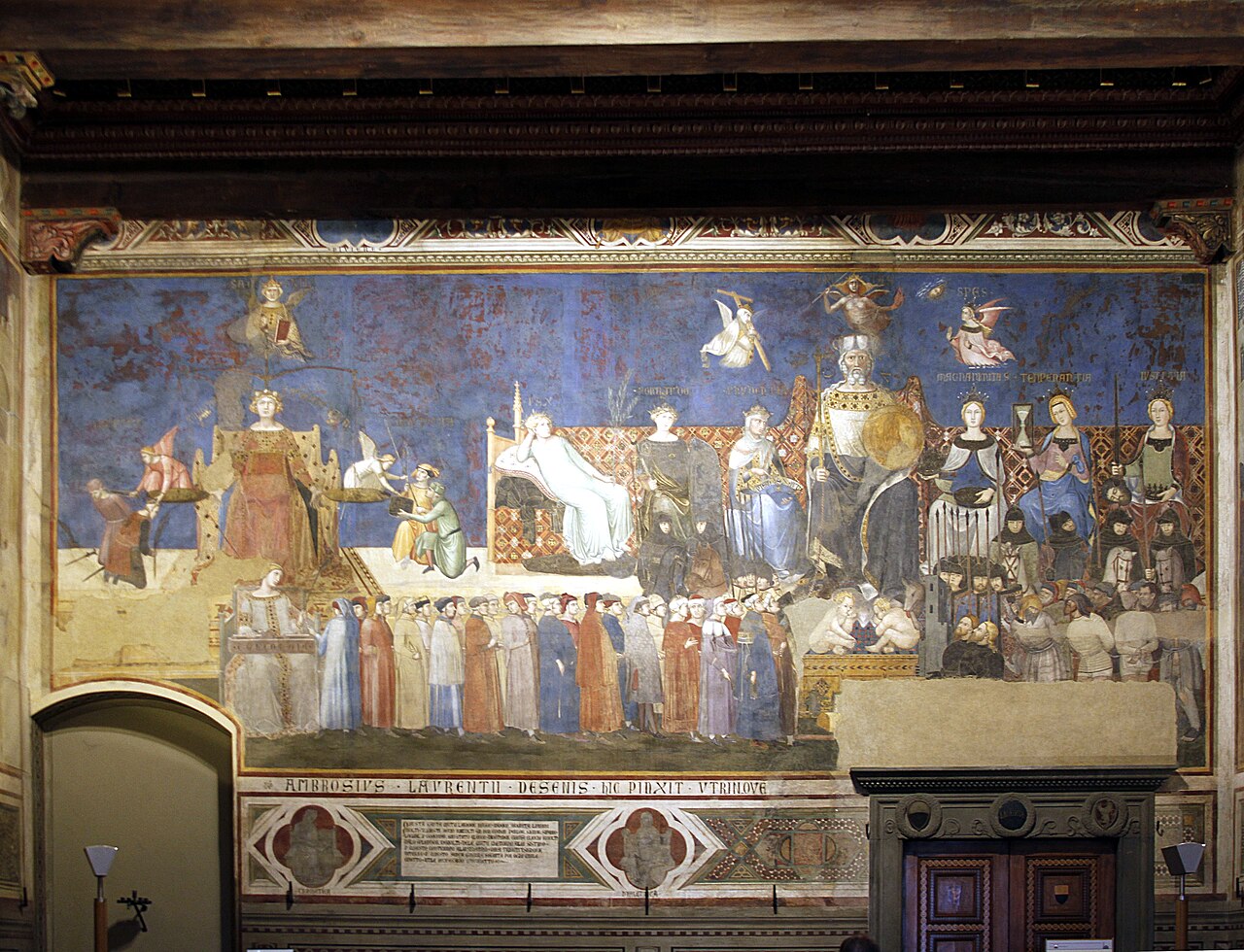
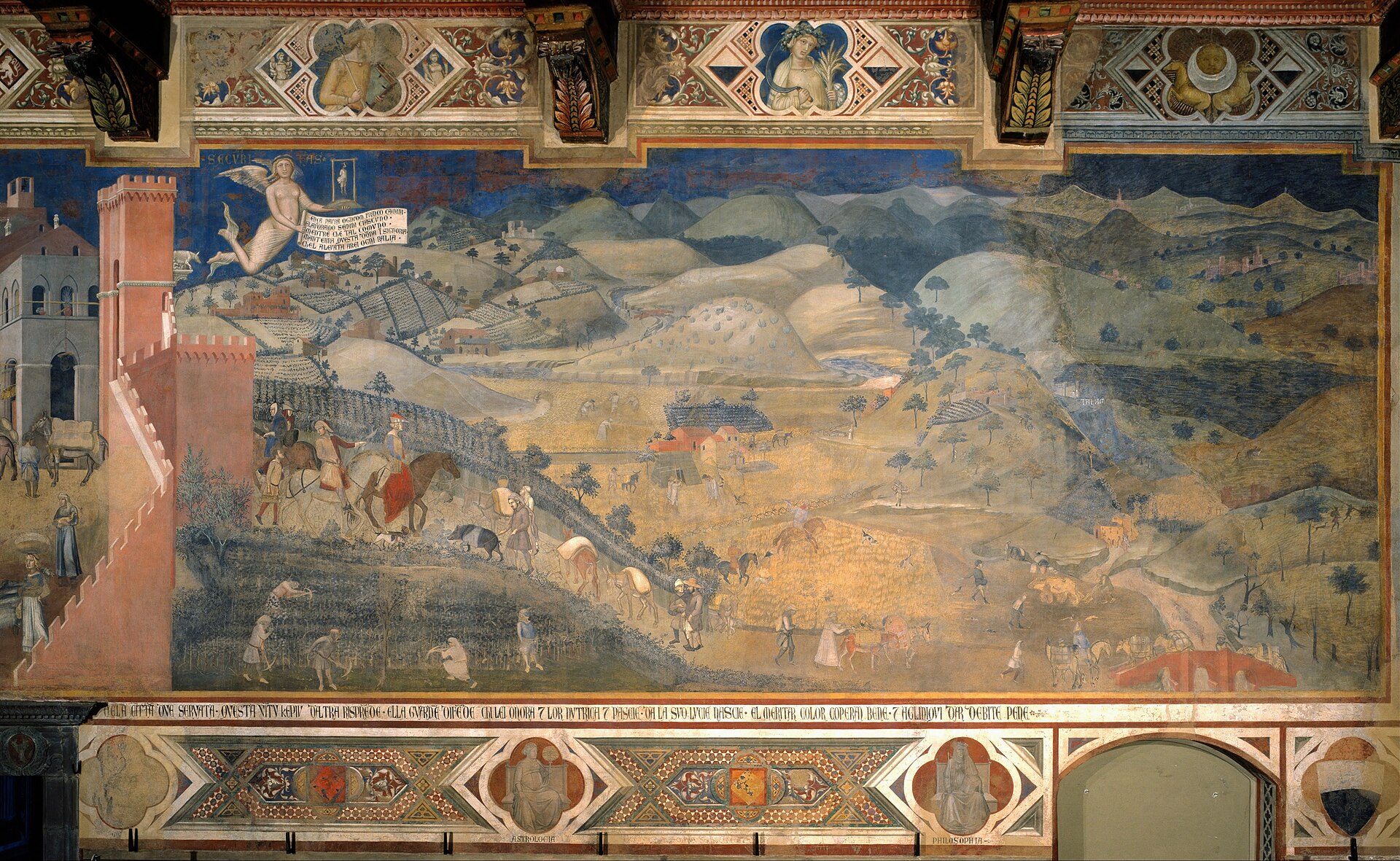
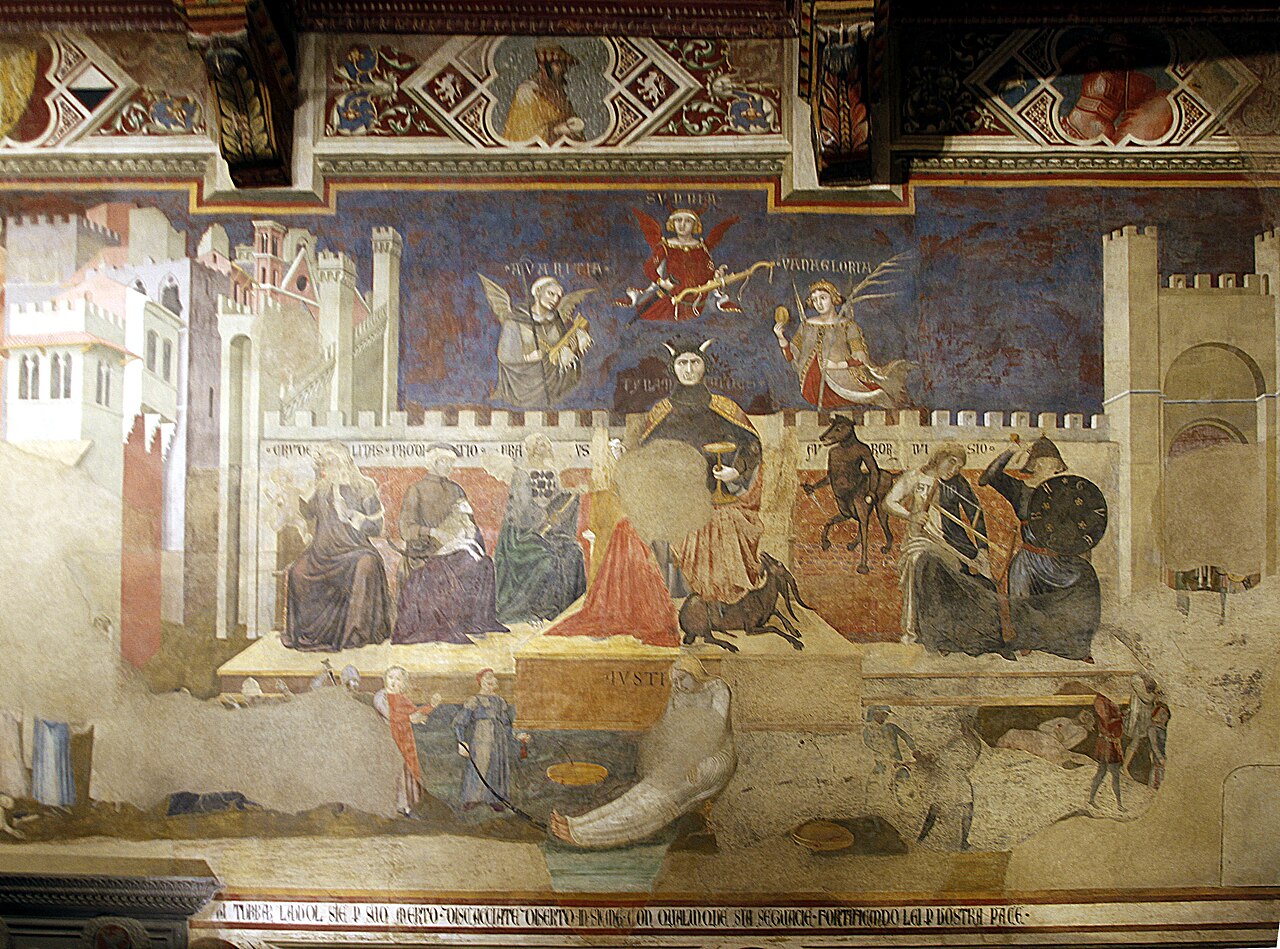
1338 - Ambrogio Lorenzetti: The Allegory of Good and Bad Government (All Facts)
Cycle of Six Frescoes that were / are immediately appealing for their robust naturalism which contrasts with the overworked Byzantine style of the namesake painter’s predecessors, or the strongly derivative style of some of his contemporaries
The namesake artist was widely acclaimed for these magnificent frescoes commissioned by the city government of Siena to decorate the council chamber of its headquarters, the Palazzo Pubblico
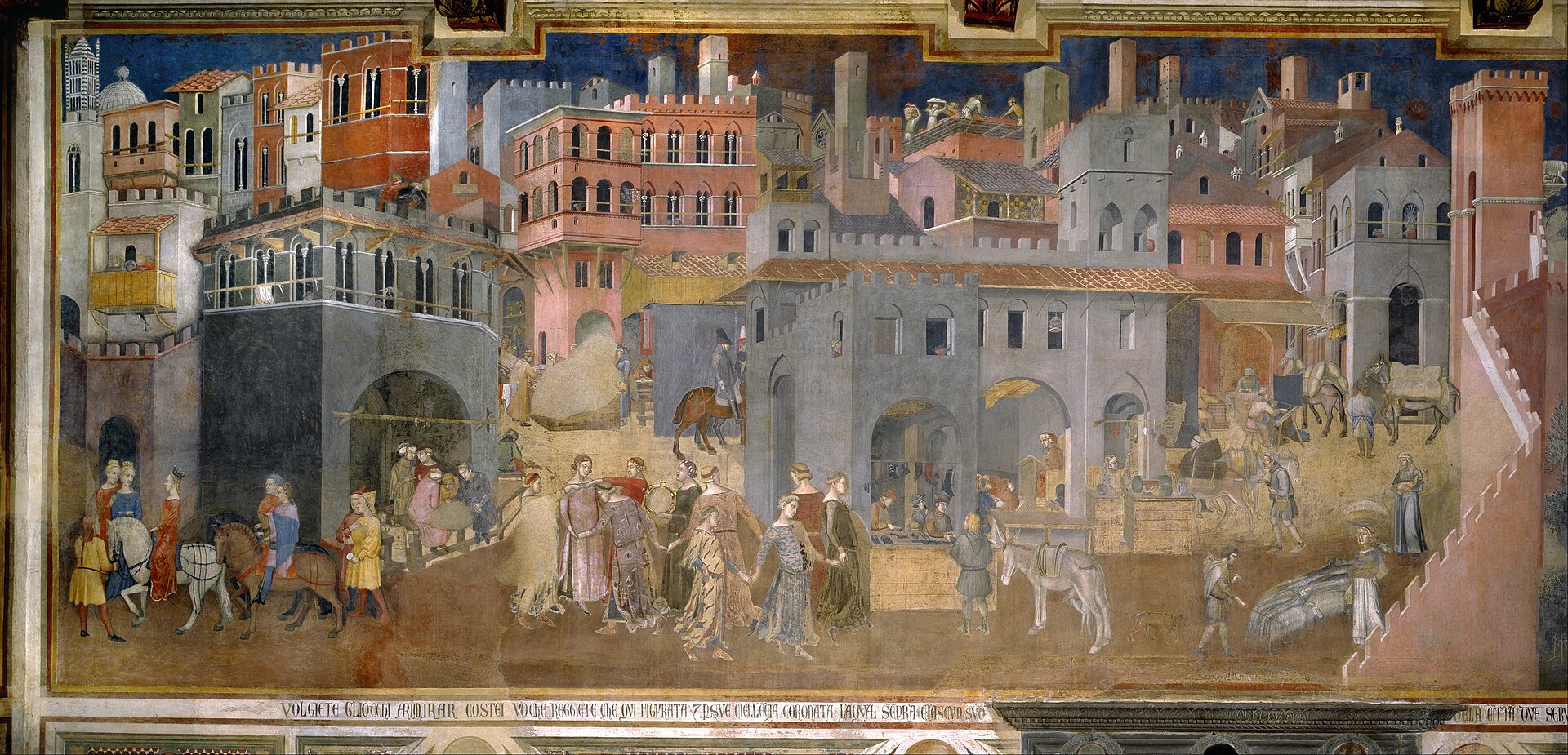
The part of the mural showing the effects of good government depicts everyday life in a peaceful city, Siena, with merchants, builders, peasants, and other citizens going about their everyday business under the eye of the allegorical figure of Security, one of the first female nudes in Christian art
The figure of Justice will remind the city fathers who use the chamber of the chief role of government, along with the Common Good and Virtues
Various essential skills and professions are also depicted, such as weaving, agriculture, trade, and metalworking
1338 - Ambrogio Lorenzetti: Allegory of the Good Government, The Allegory of Good and Bad Government (All Facts)
1338 - Ambrogio Lorenzetti: Effects of Good Government in the City, The Allegory of Good and Bad Government (All Facts)
1338 - Ambrogio Lorenzetti: Effects of Good Government in the Countryside, The Allegory of Good and Bad Government (All Facts)
1338 - Ambrogio Lorenzetti: Allegory of the Bad Government, The Allegory of Good and Bad Government (All Facts)
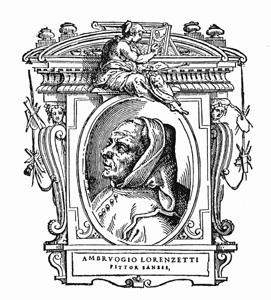
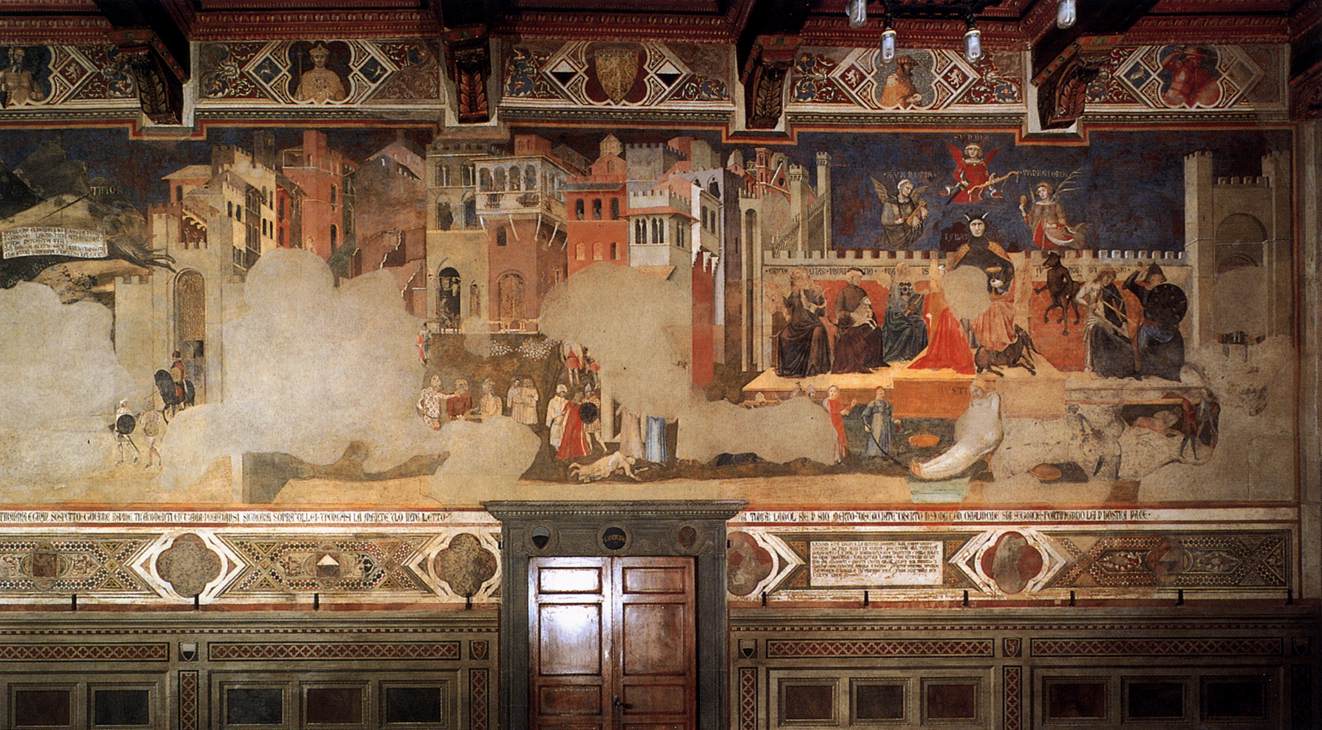
1338 - Ambrogio Lorenzetti: Effects of Bad Government in the City, The Allegory of Good and Bad Government (All Facts)
Combines allegory and realistic detail with tyranny, discord, treachery, rape, murder, and plunder stalking a ruined landscape
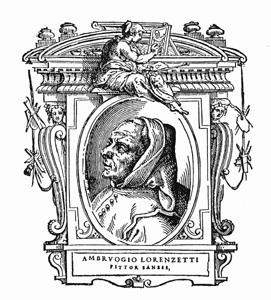
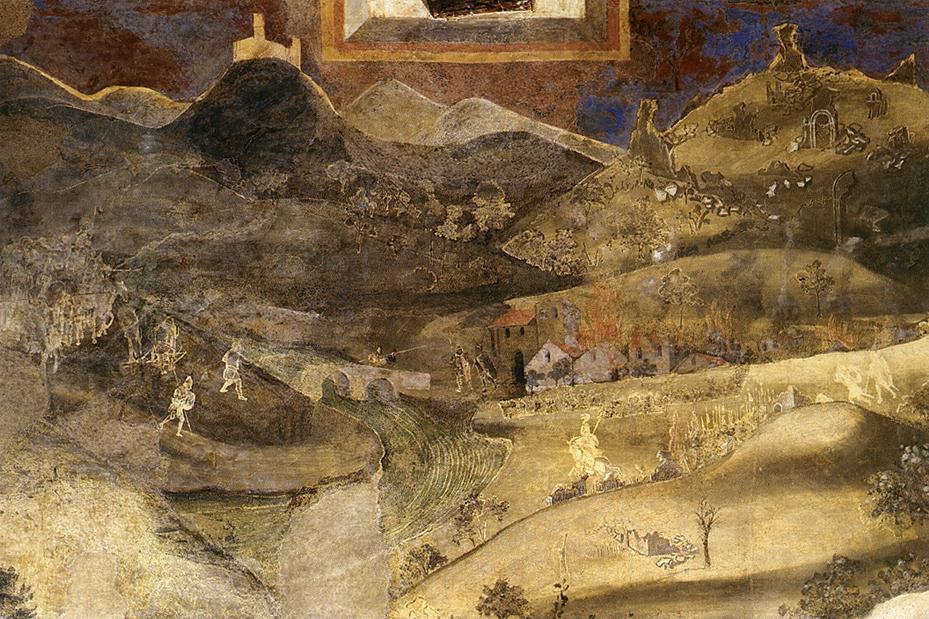
1338 - Ambrogio Lorenzetti: Effects of Bad Government in the Countryside, The Allegory of Good and Bad Government (All Facts)
1322 - 1368 - Matteo Giovanetti (All Facts)
Italian Painter
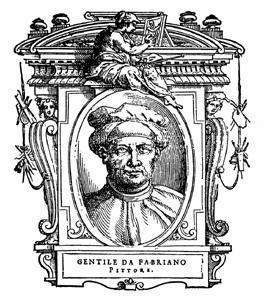
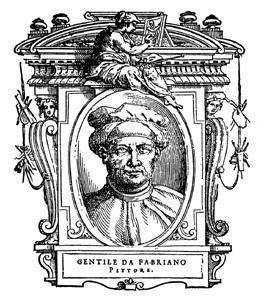
1370 - 1427 - Gentile de Fabriano (All Facts)
Italian International Gothic and Renaissance Painter
He was known for his masterpieces in the International Gothic style
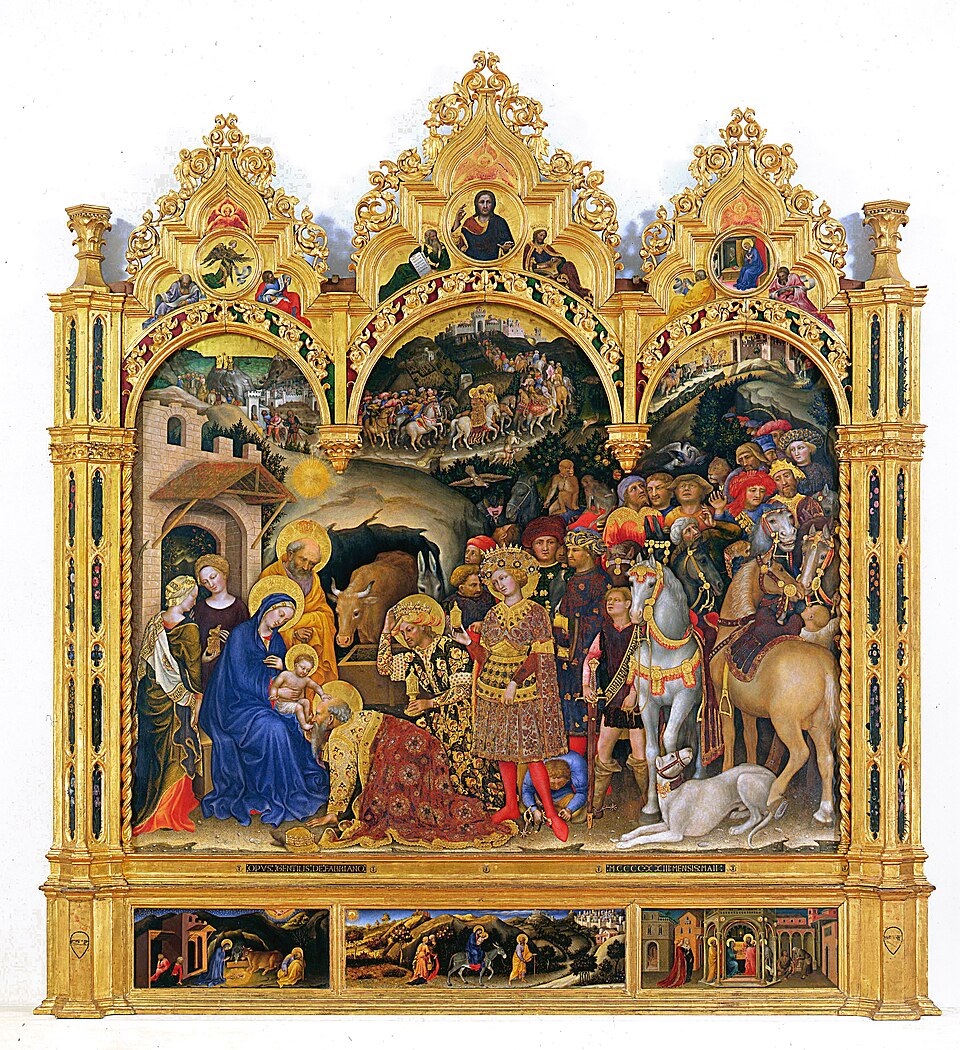
1423 - Gentile de Fabriano: Adoration of the Magi (All Facts)
1400s - 1500s - Venetian Renaissance Painting (All Facts)
School of Italian Painters that represented one of the richest of the Italy city-states at the time, flowering with its own renaissance like that of Florence in the 1300s
School of painting characterized by
its soft and more luminous light (because of its lagoon), affecting the character of paintings, which were mainly carried out in oil rather than fresco
1400s - 1500s - Venetian Renaissance Glassmaking (All Facts)
Art of making the crystal variety of the namesake material, which is absolutely clear
Art which was perfected at factories on the island of Murano, where the namesake artists were concentrated by decree
Art which included goblets of elegant lightness, bowls, and dishes
Art in which many of the namesake variety of objects came in exquisite colors and worked into bizarre shapes, being exported all over Europe
Art in which there was a secrecy to the namesake process, the secret of the namesake process having been closely guarded
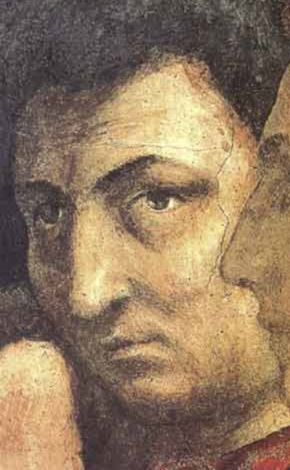
1401 - 1428 - Tomaso Masaccio (All Facts)
Italian Renaissance Painter from Florence
He revived Giotto’s ideals of expressiveness in his art
He used simplicity, naturalism, and light in a new way for his frescoes
He died at 27
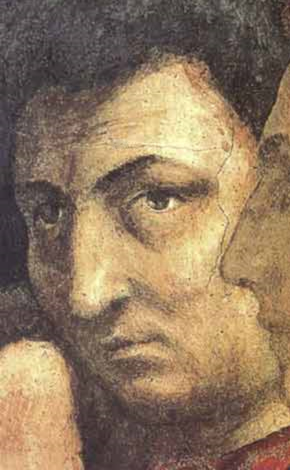
1425 - Tomaso Masaccio: The Tribute Money (All Facts)
Located in the Brancacci Chapel
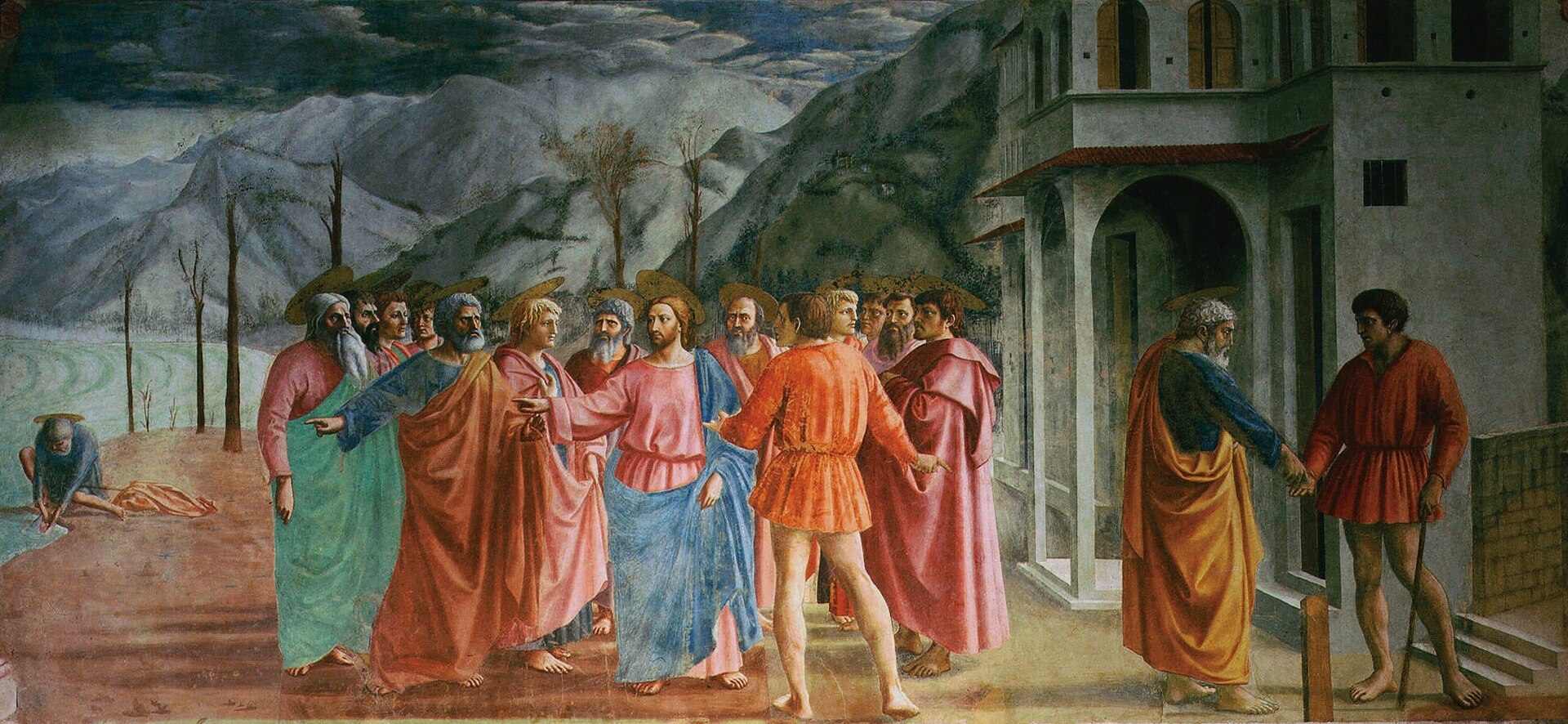
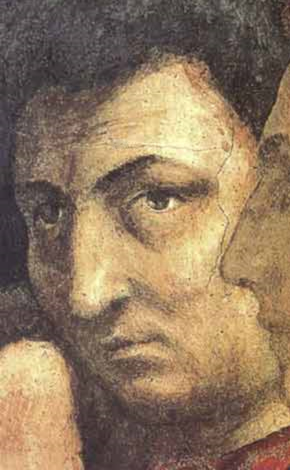
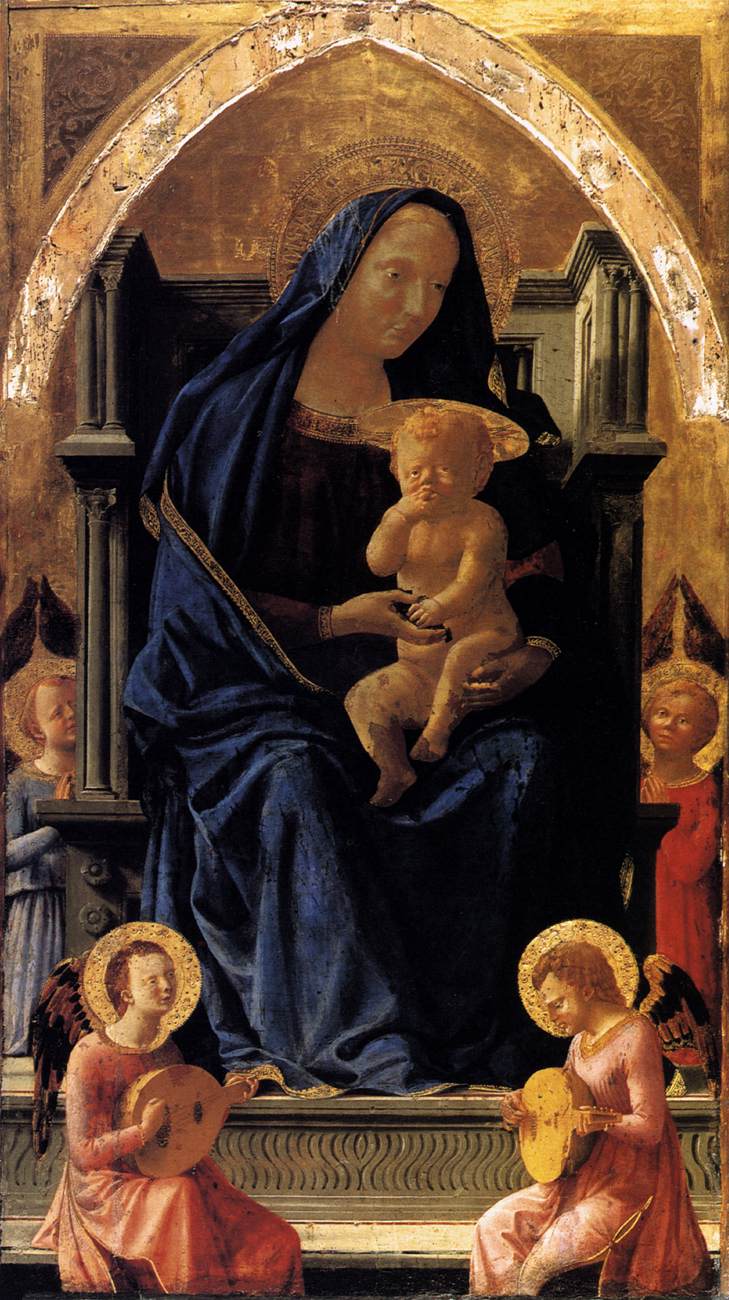
1426 - Tomaso Masaccio: Madonna and Child (All Facts)
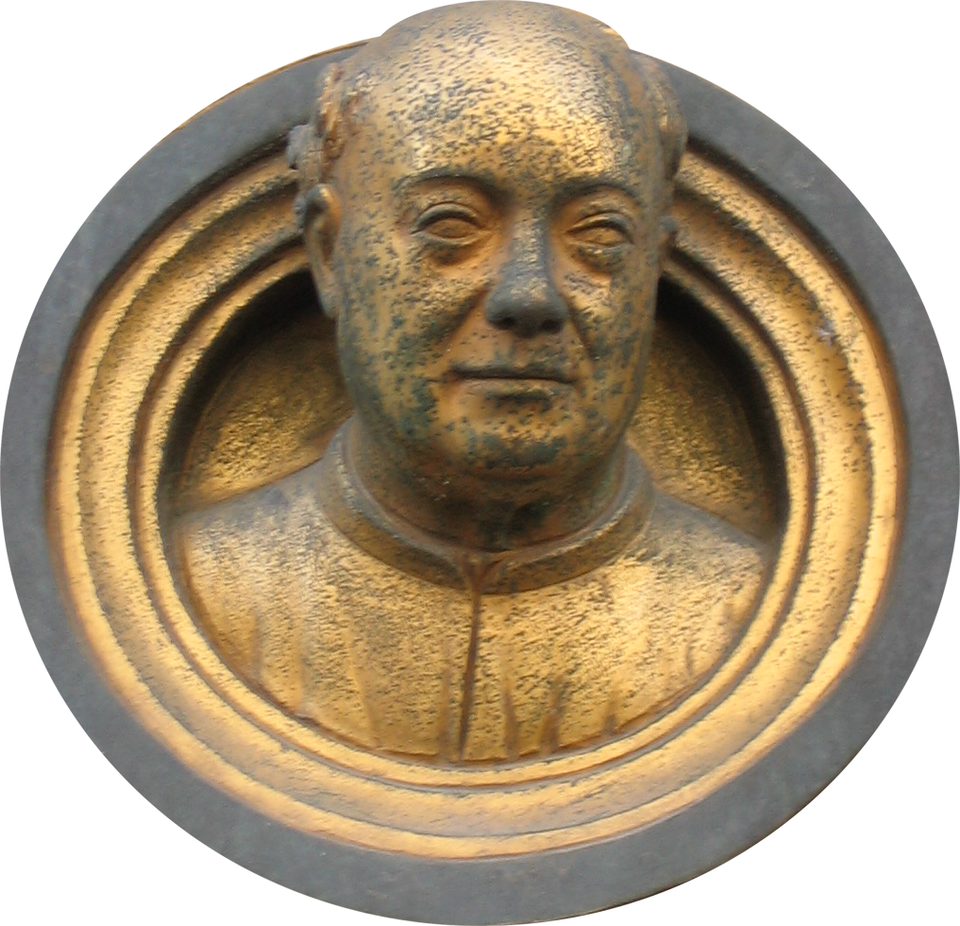
1378 - 1455 - Lorenzo Ghiberti (All Facts)
Italian Renaissance Sculptor from Florence
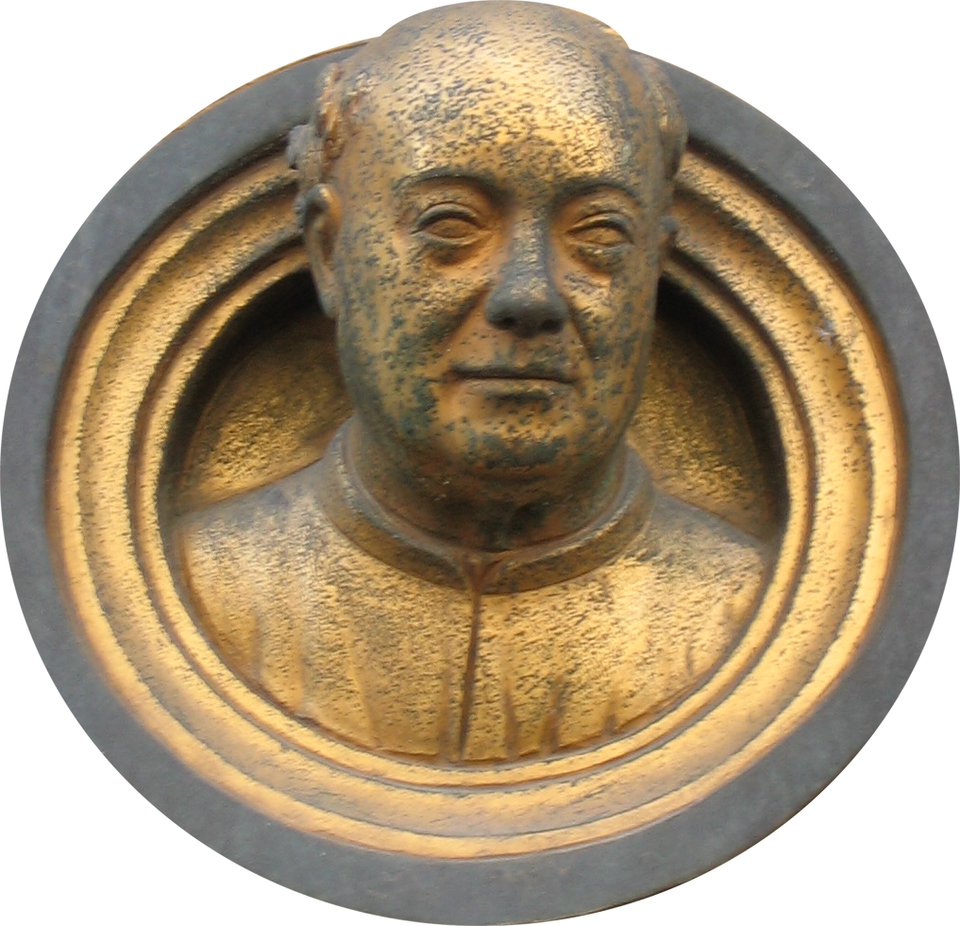
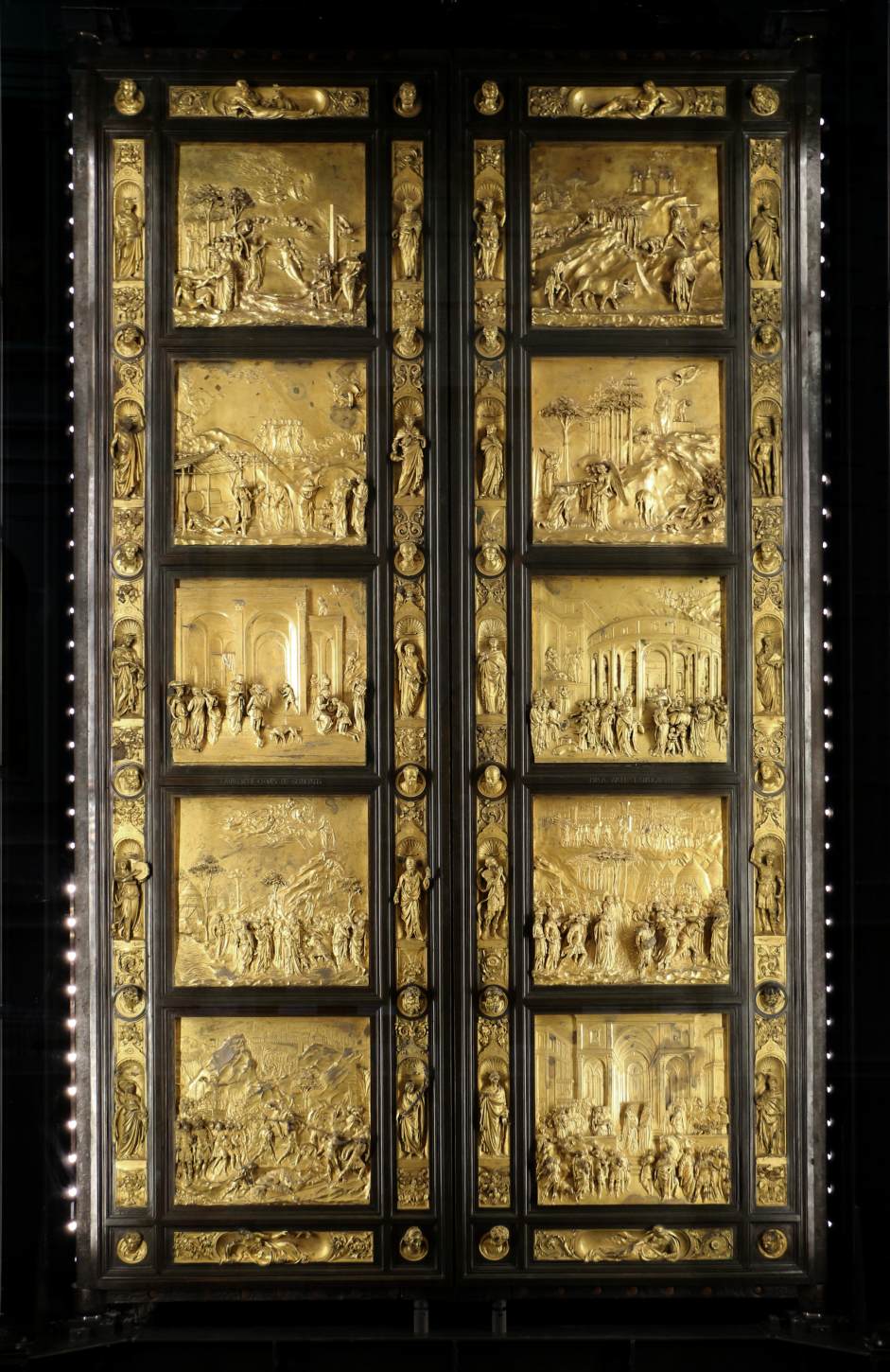
1452 - Lorenzo Ghiberti: The Gates of Paradise (All Facts)
They were essentially bronze doors, located in the Baptistry of the Florence Cathedral
They were influenced by both Gothic and Renaissance styles
They took him nearly 50 years to complete
Consists of ten panels of scenes from both the Old and New Testament
The first door depicted the New Testament
The second door depicted the Old Testament
Each panel contains a whole world of amazing depth and detail
Each composition recedes from foreground figures in half-relief to low relief for those in the distance
There are architectural views, mountains, trees, and above all, people, all in astonishing realism
The Flood Panel shows Noah, with his family and animals leaving the ark, offering a sacrifice beneath the rainbow, planting vines and then sprawling in drunken abandon
Uses Filippo Brunelleschi’s discoveries to provide the panels with perspective
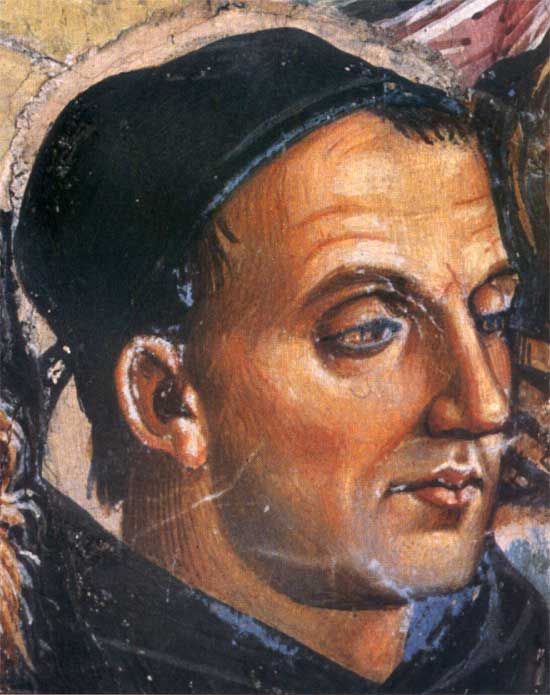
1395 - 1455 - Fra Angelico (All Facts)
Italian Renaissance Painter from Florence
He linked both Gothic and Renaissance styles in his work
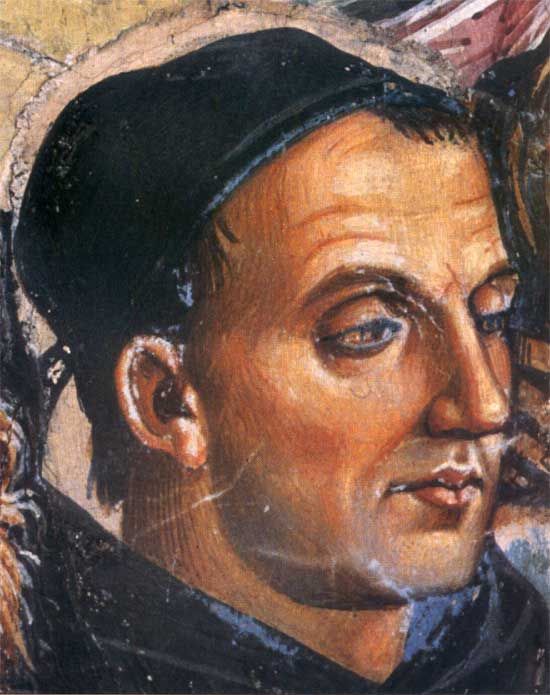
1445 - Fra Angelico: Annunciation (All Facts)
Located at the Convent of the Basilica of St. Mark in Florence
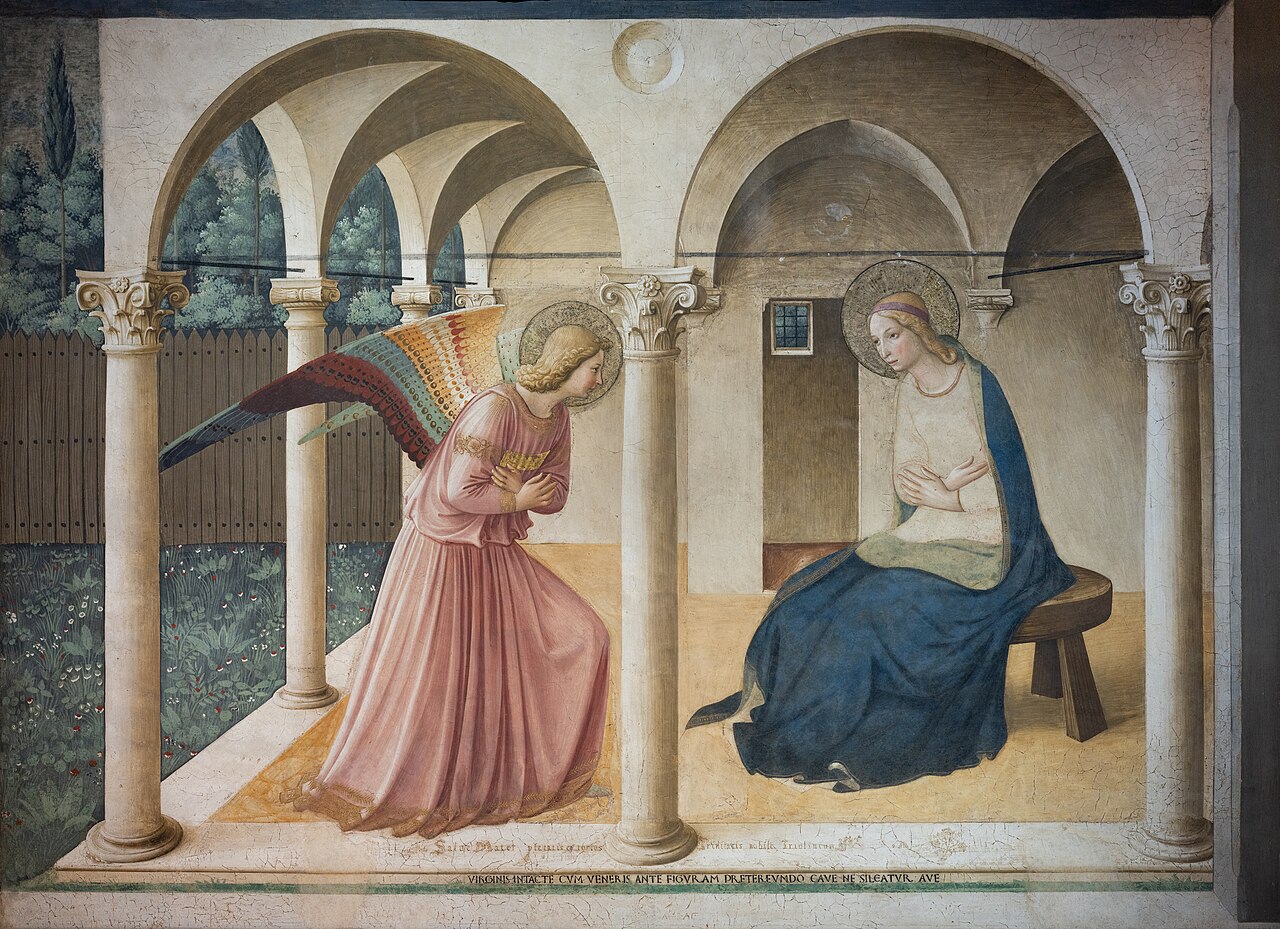
1410 - 1461 - Domenico Veneziano (All Facts)
Italian Renaissance Painter
His work represented the most advanced stage of mid-century 1400s Florentine painting
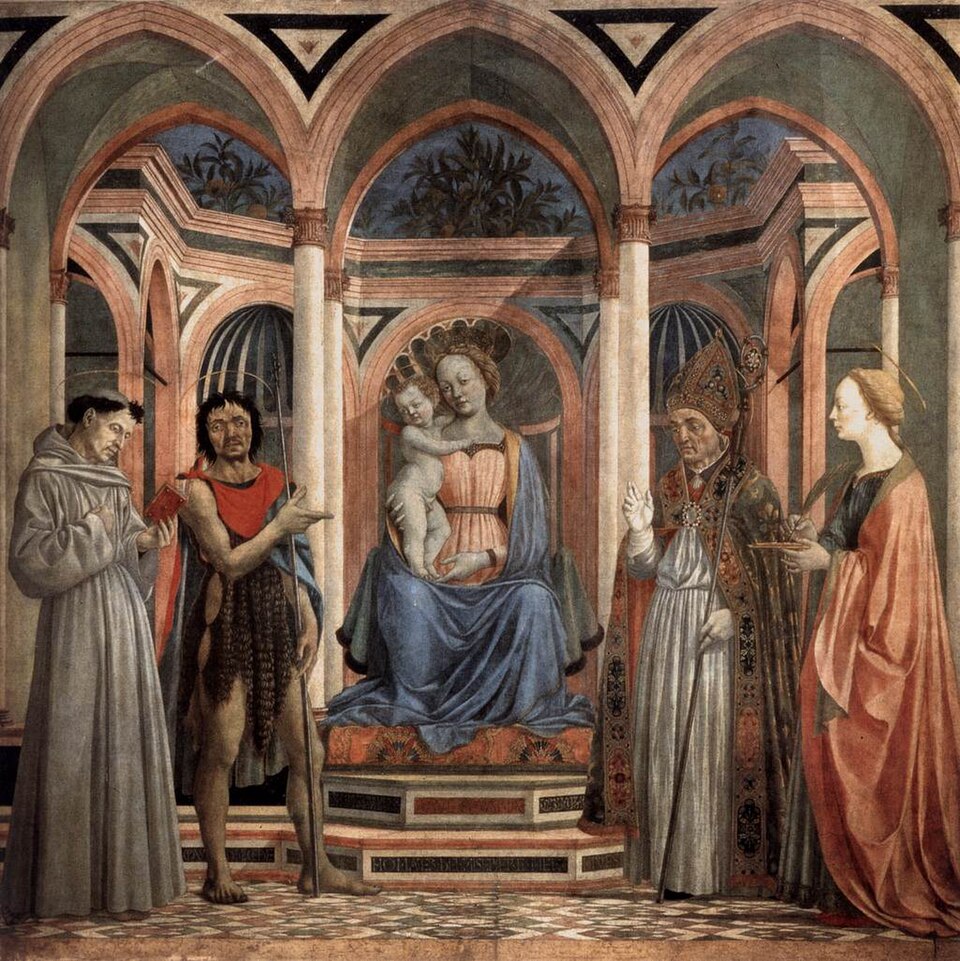
1447 - Domenico Veneziano: St. Lucy Altarpiece (All Facts)
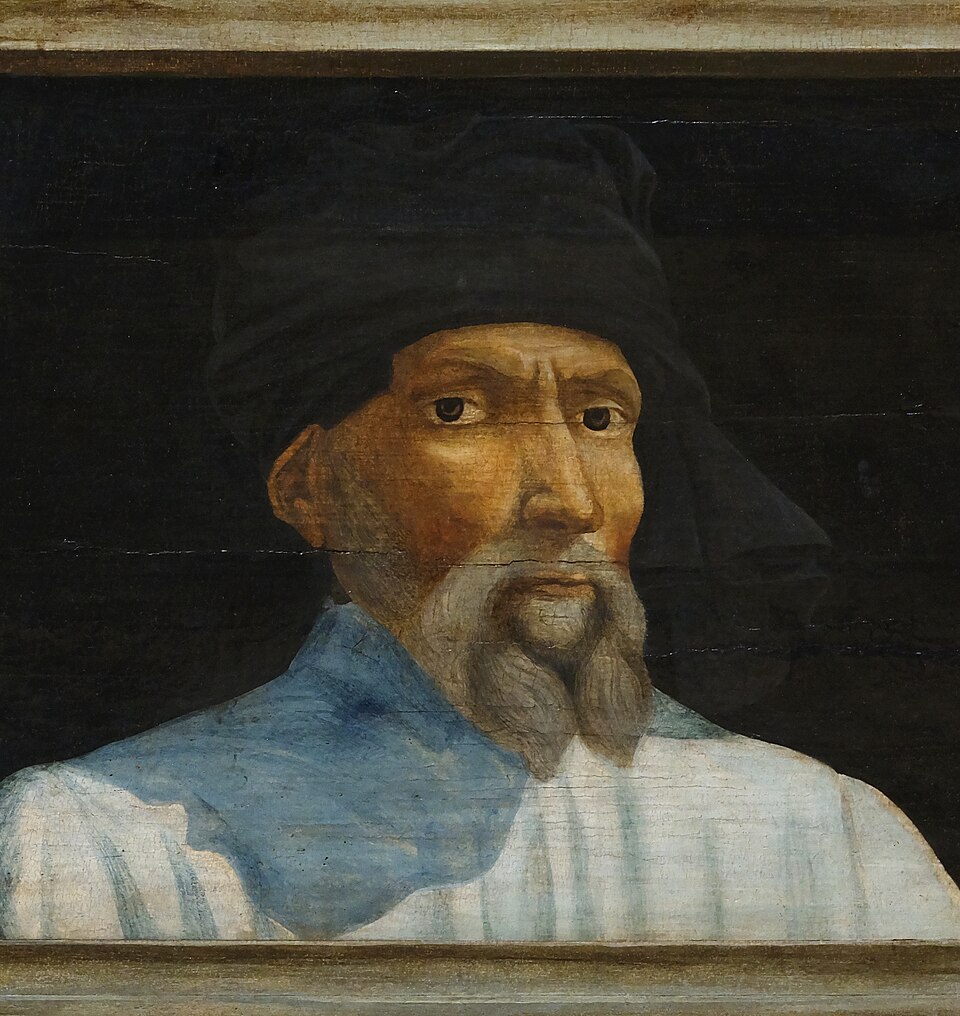
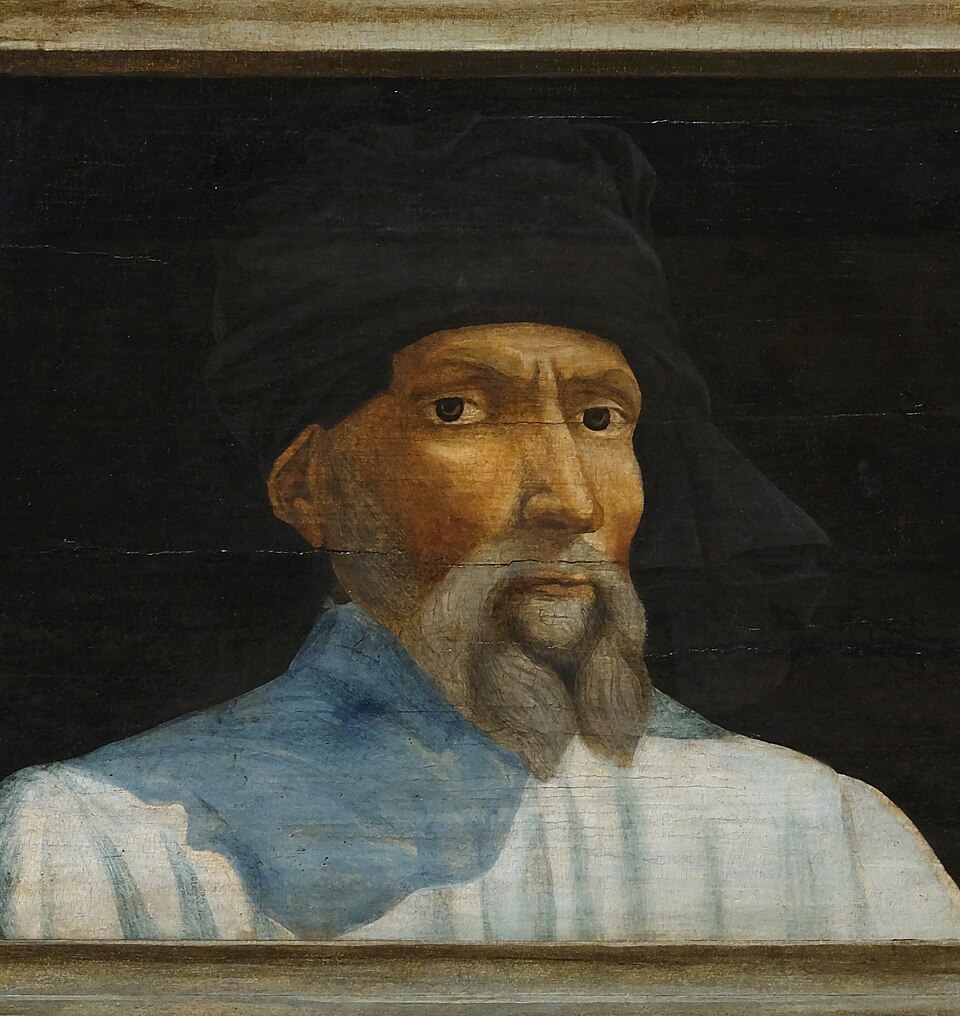
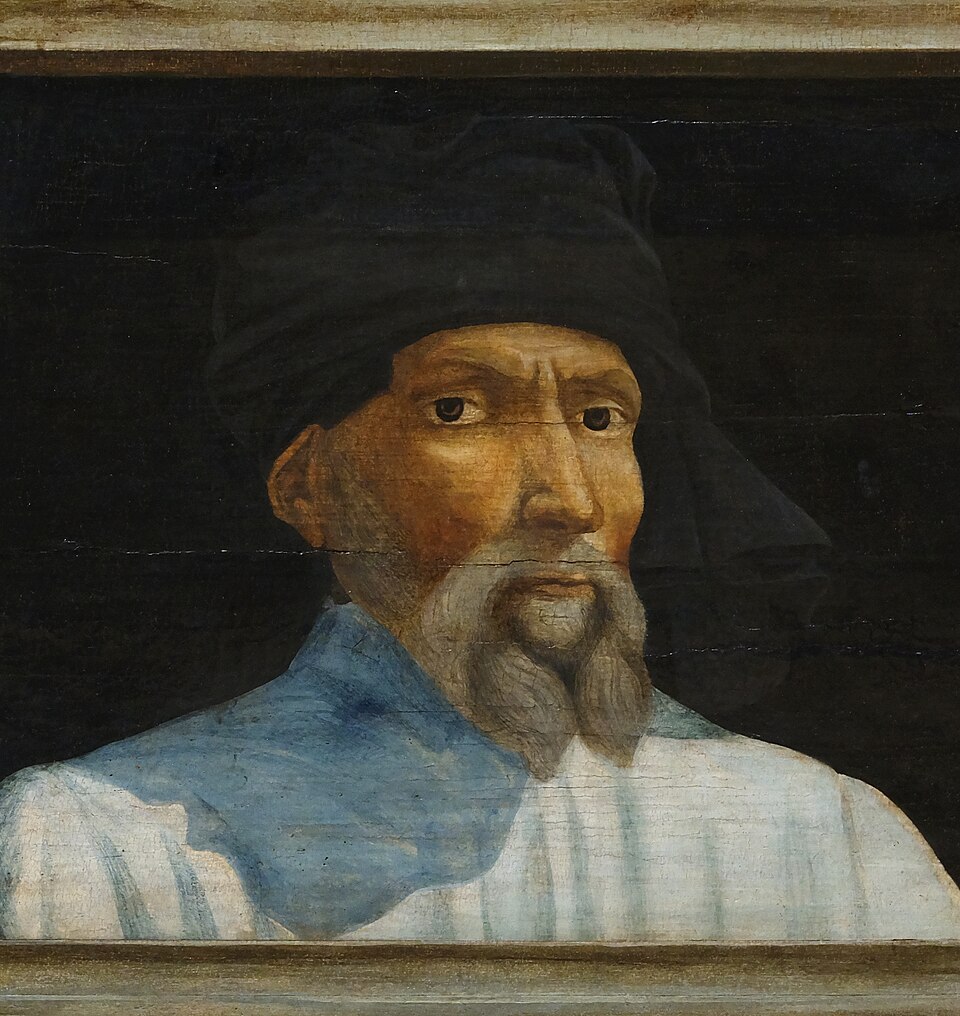
1386 - 1466 - Donatello (All Facts)
Italian Renaissance Sculptor from Florence
He was in great demand in many cities for his bronzes
It seems likely that his homosexuality was well known, tolerated and protected by the Medici Family
He decorated the cathedral facade and campanile with statues
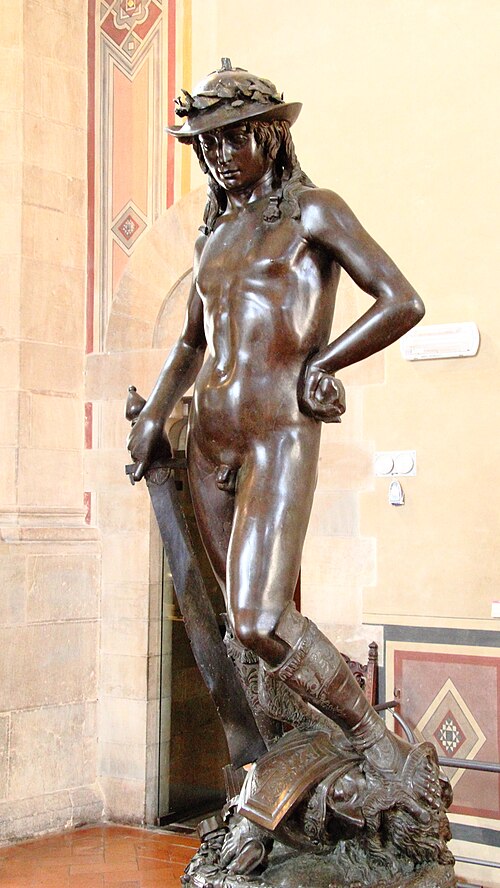
1440s - Donatello: David (All Facts)
It was the first free-standing nude statue produced since antiquity
This was the first life-size, naked statue since Roman times
Casted for the Medici family, a symbol of Florence’s victorious defense against larger surrounding powers, with the Duchy of Milan the most threatening at the time
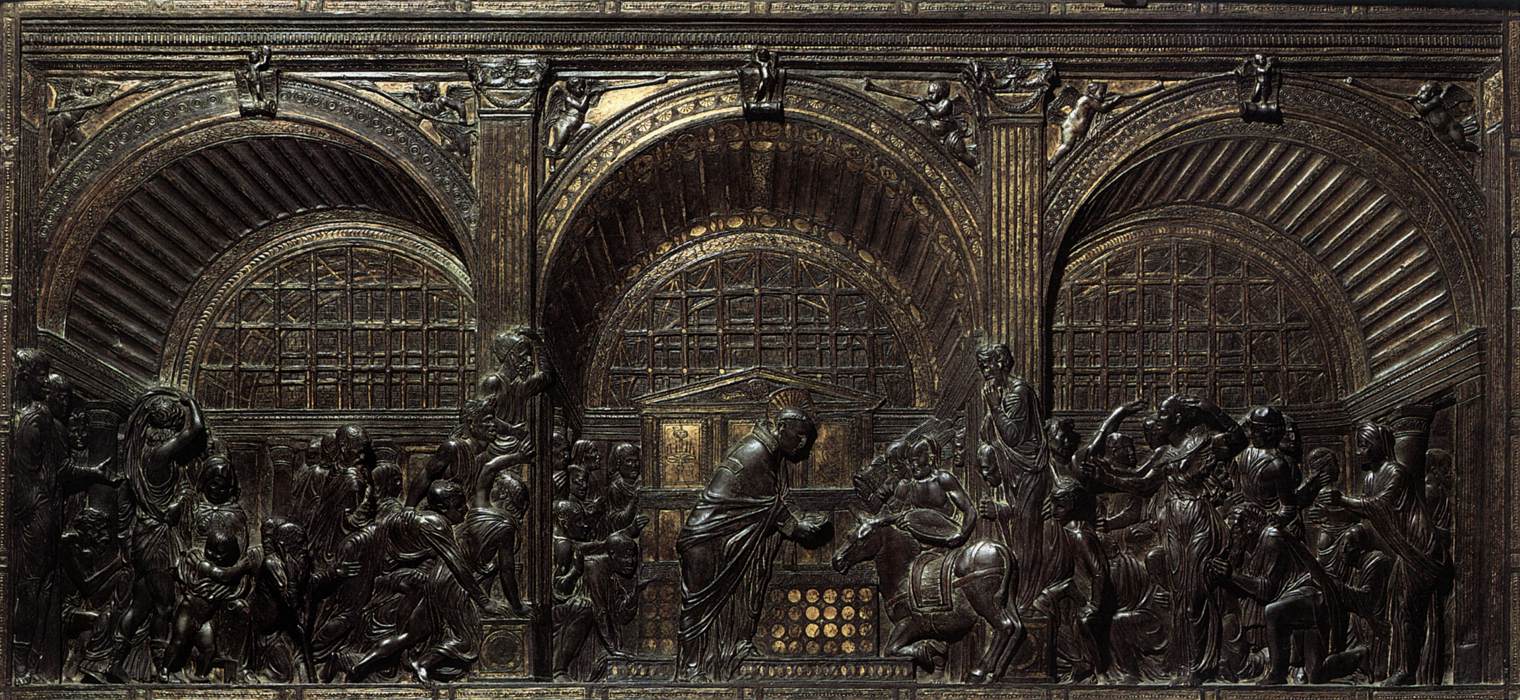
1450 - Donatello: Miracles of St. Anthony / Miracle of the Ass (All Facts)
Adorned the high altar of the Basilica of St. Anthony in Padua
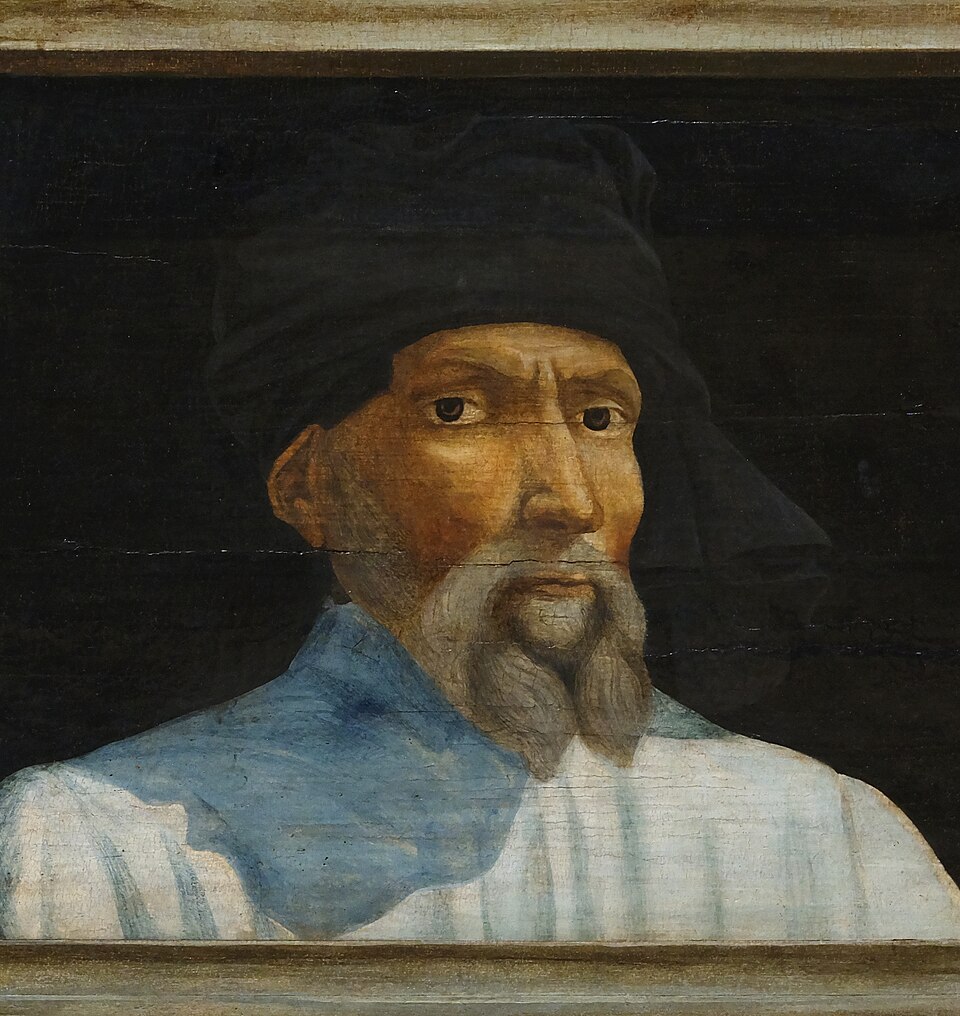
1453: Donatello - Equestrian Statue of Gattamelata (All Facts)
Located on the Piazza del Santo in Padua in Italy
It was the first full-size equestrian statue of the Italian Renaissance
It portrays the condottiere Erasmo da Narni, who served mostly under the Republic of Venice, which ruled Padua at the time
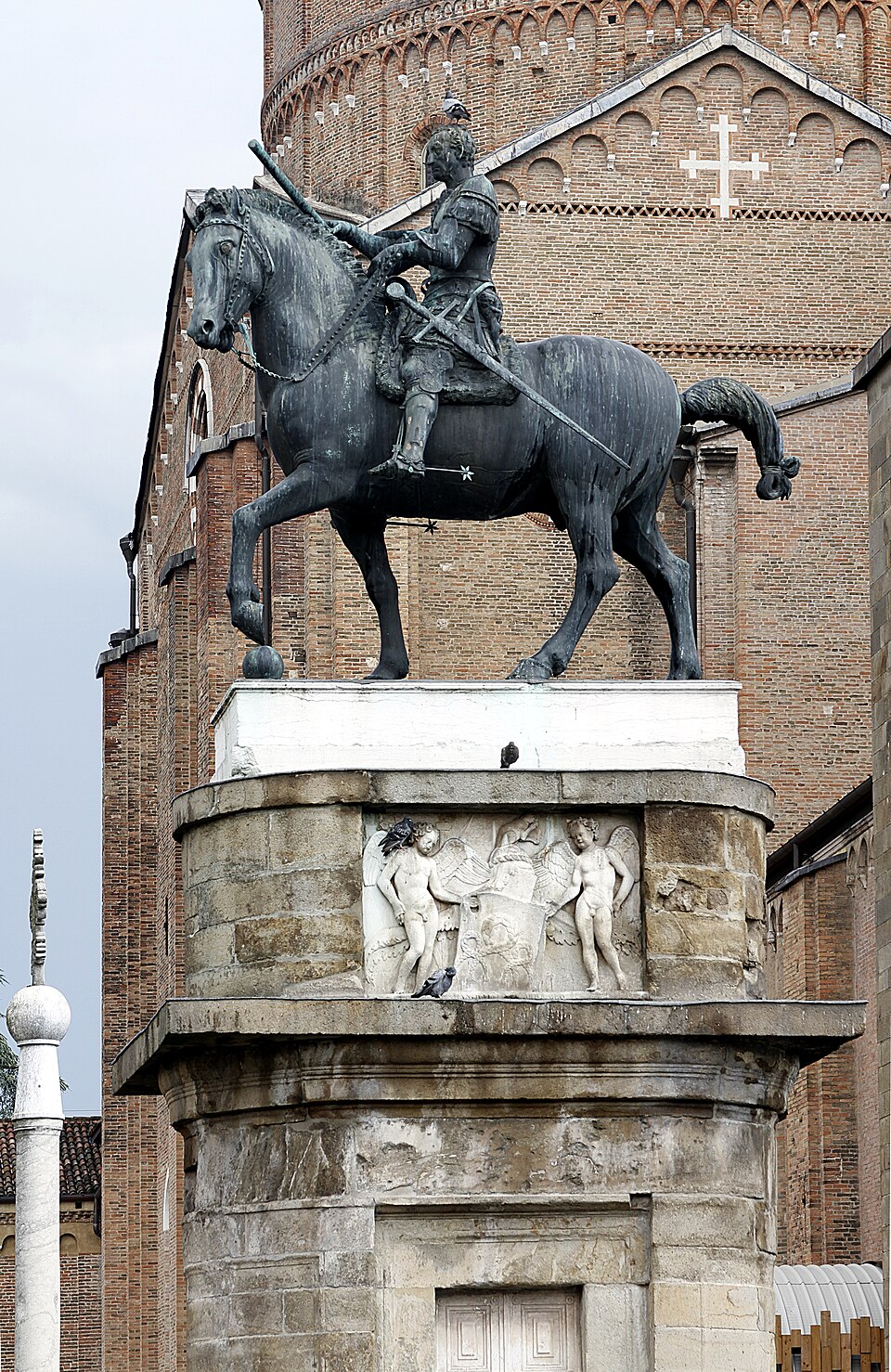
1395 - 1468 - Francesco Squarcione (All Facts)
Italian Painter and Educator
Considered by some to be the head of the first independent school for painters
His taught Andrea Mantegna
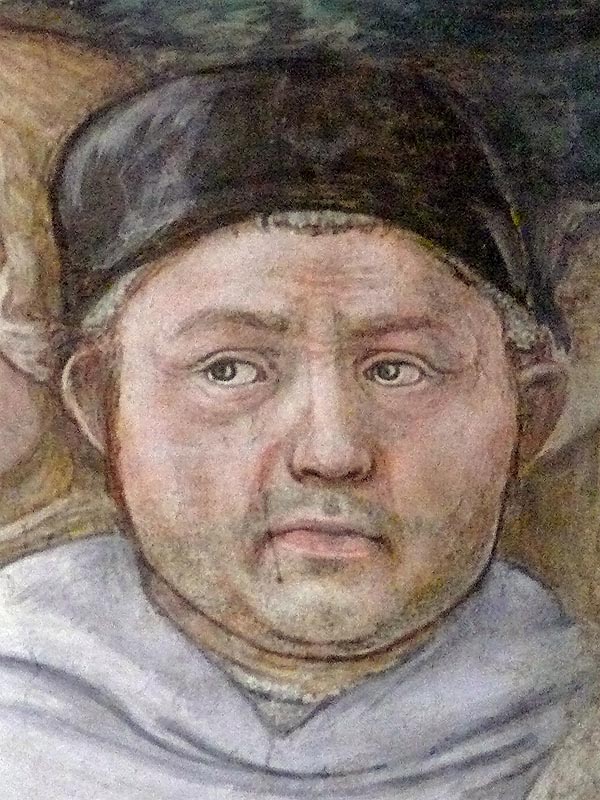
1406 - 1469 - Fra Filippo Lippi (All Facts)
Italian Renaissance Painter
He linked both Gothic and Renaissance styles in his work
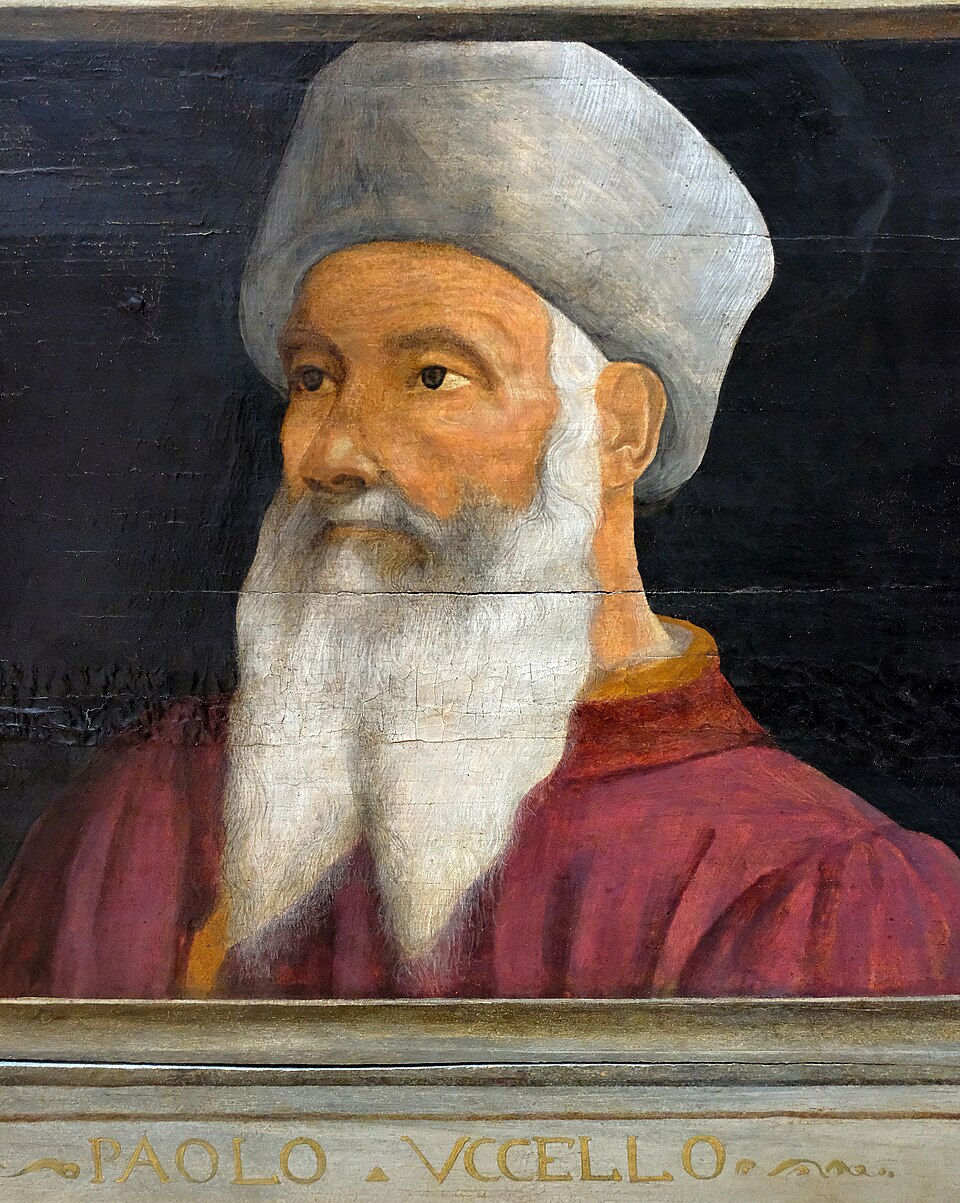
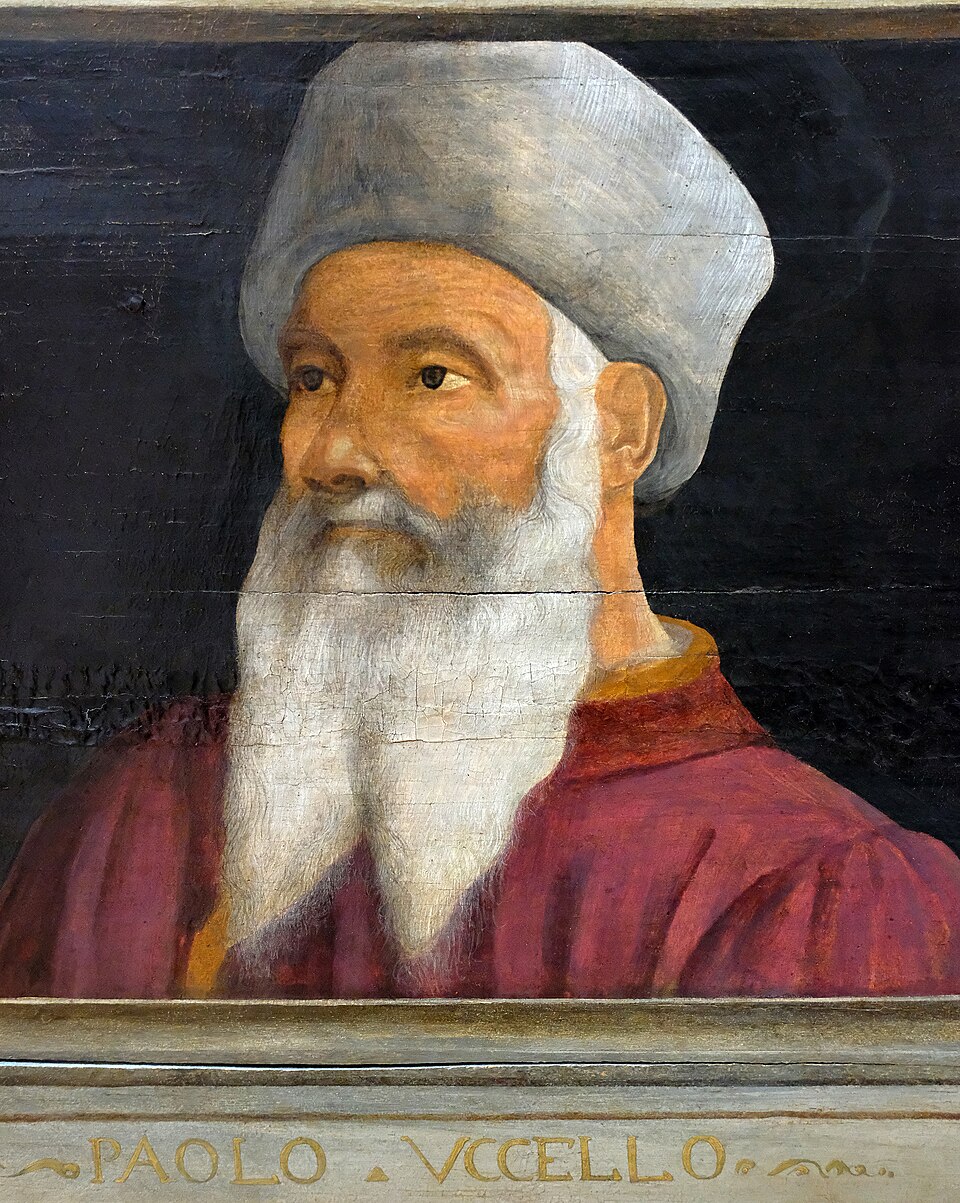
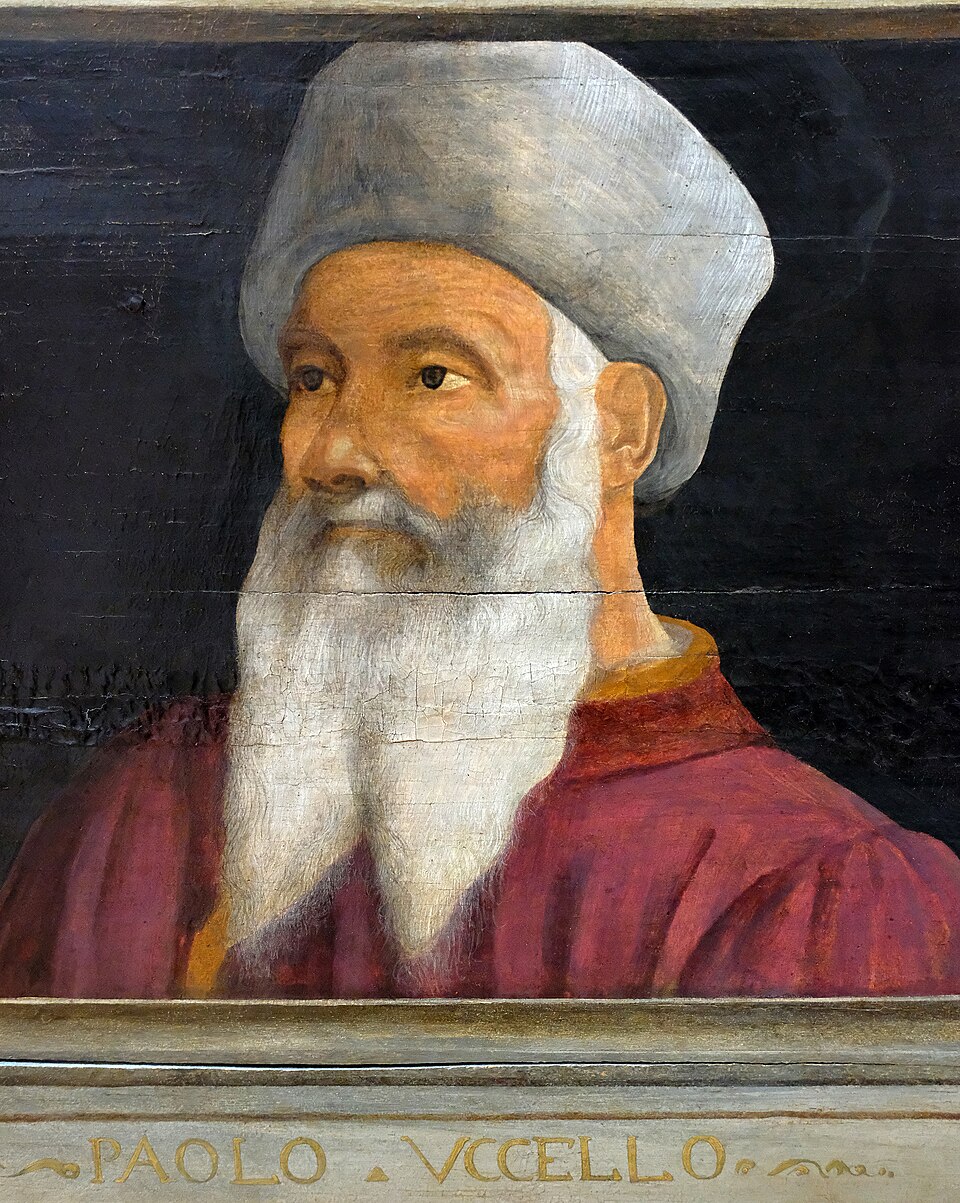
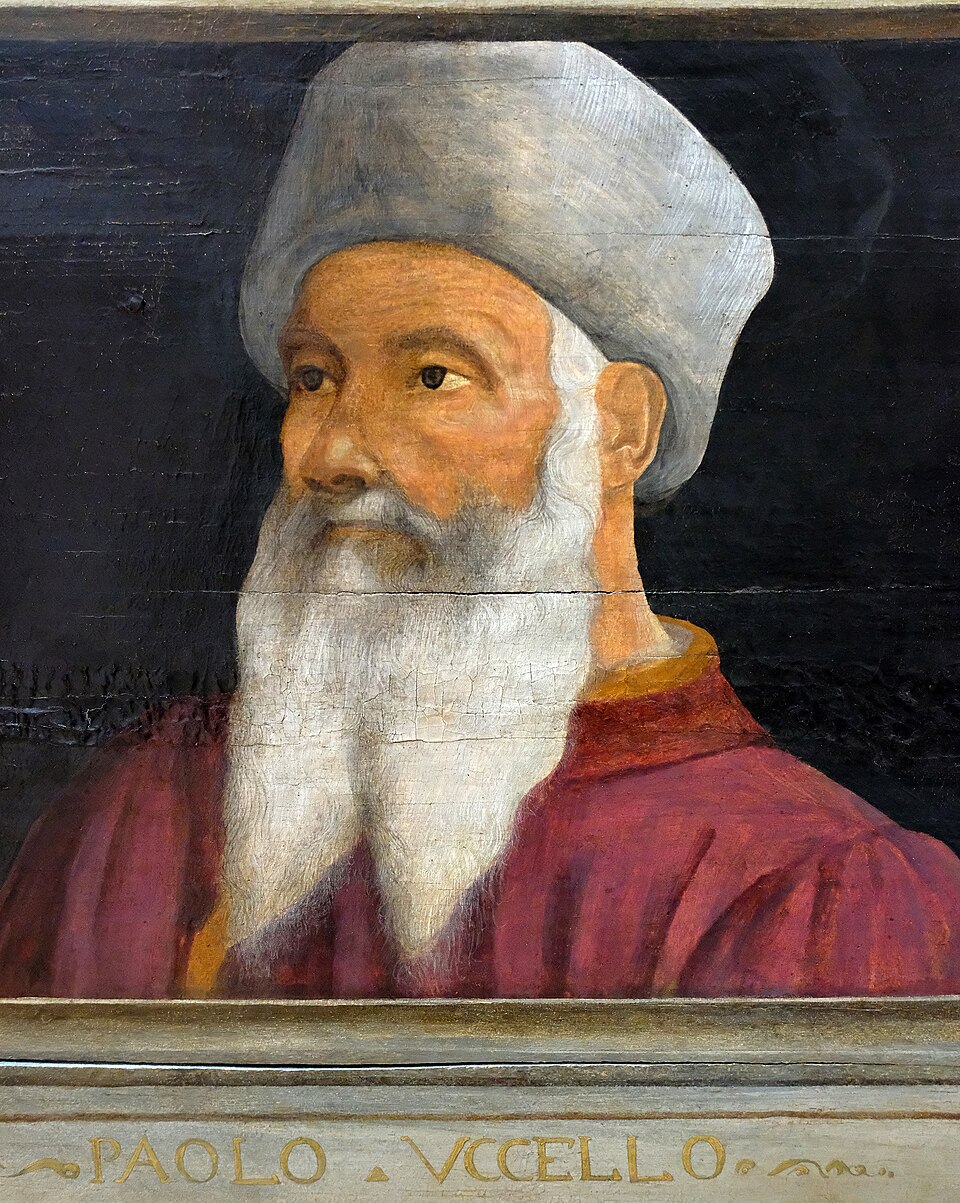
1397 - 1475 - Paolo Uccello (All Facts)
Italian Renaissance Painter
He applied the laws of perspective to painting
He decorated the Church of Santa Maria Novella with his paintings
The fresco cycle that adorns it possessed an eerie, dreamlike atmosphere
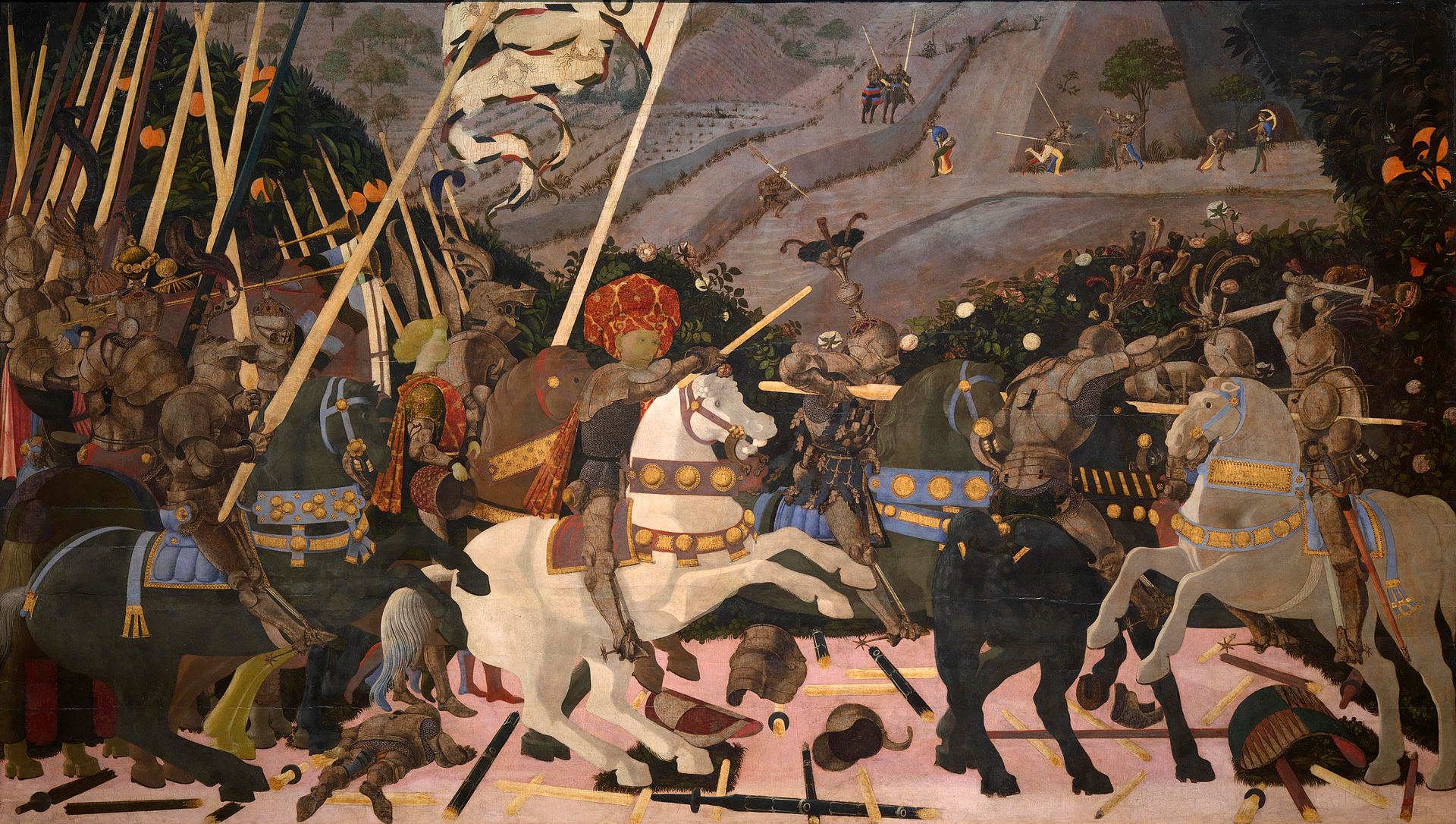
1440 - Paolo Uccello: Niccolò Mauruzi da Tolentino at the Battle of San Romano (All Facts)
1455 - Paolo Uccello: Niccolò Mauruzi da Tolentino unseats Bernardino della Carda at the Battle of San Romano (All Facts)
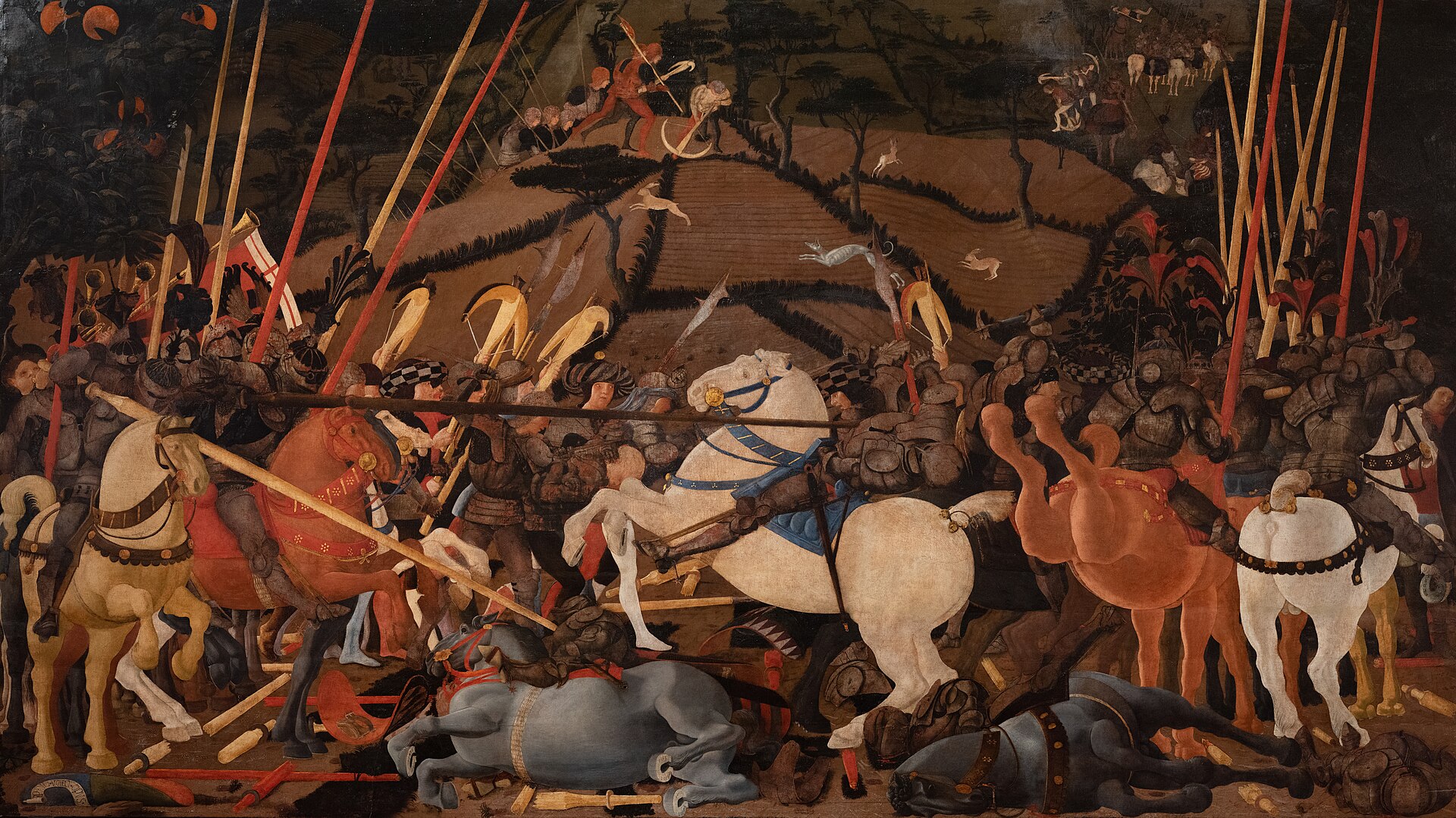
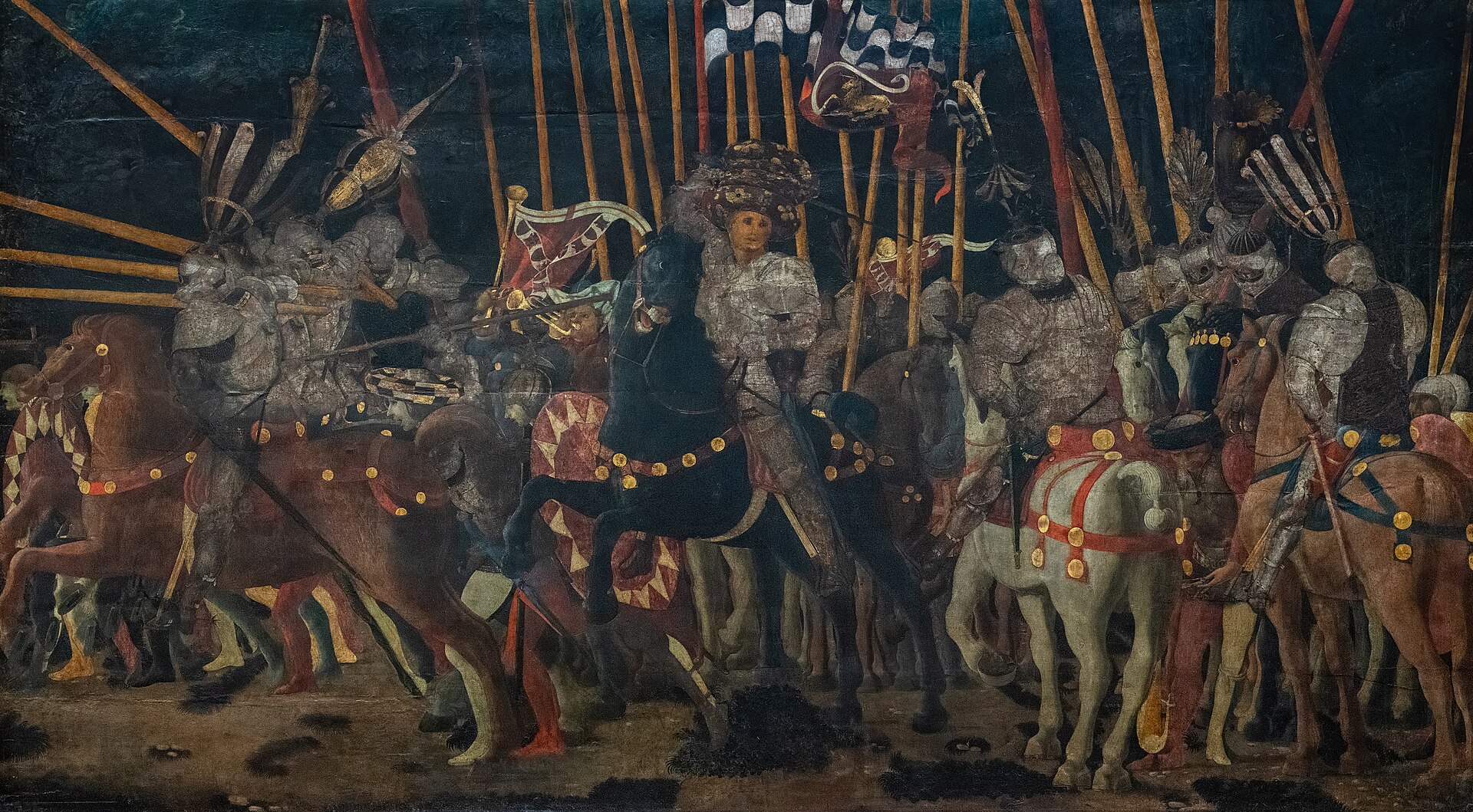
1455 - Paolo Uccello: The Counterattack of Michelotto da Cotignola at the Battle of San Romano (All Facts)
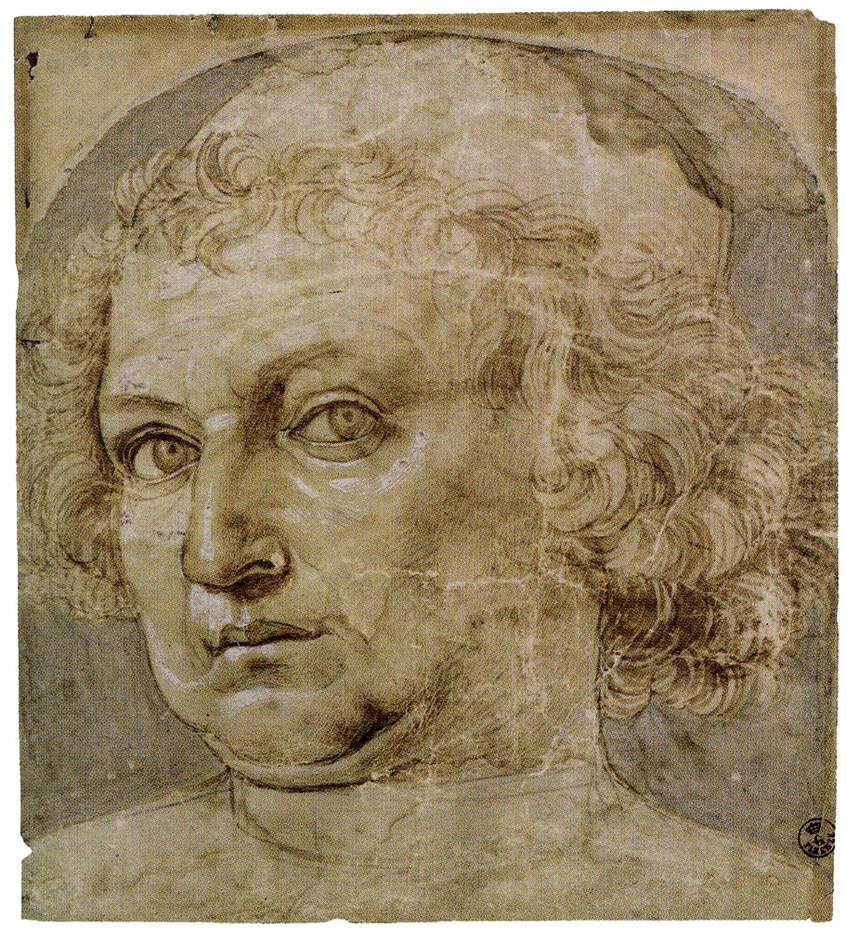
1435 - 1488 - Andrea del Verrocchio (All Facts)
Italian Renaissance Painter and Sculptor
He was from Florence
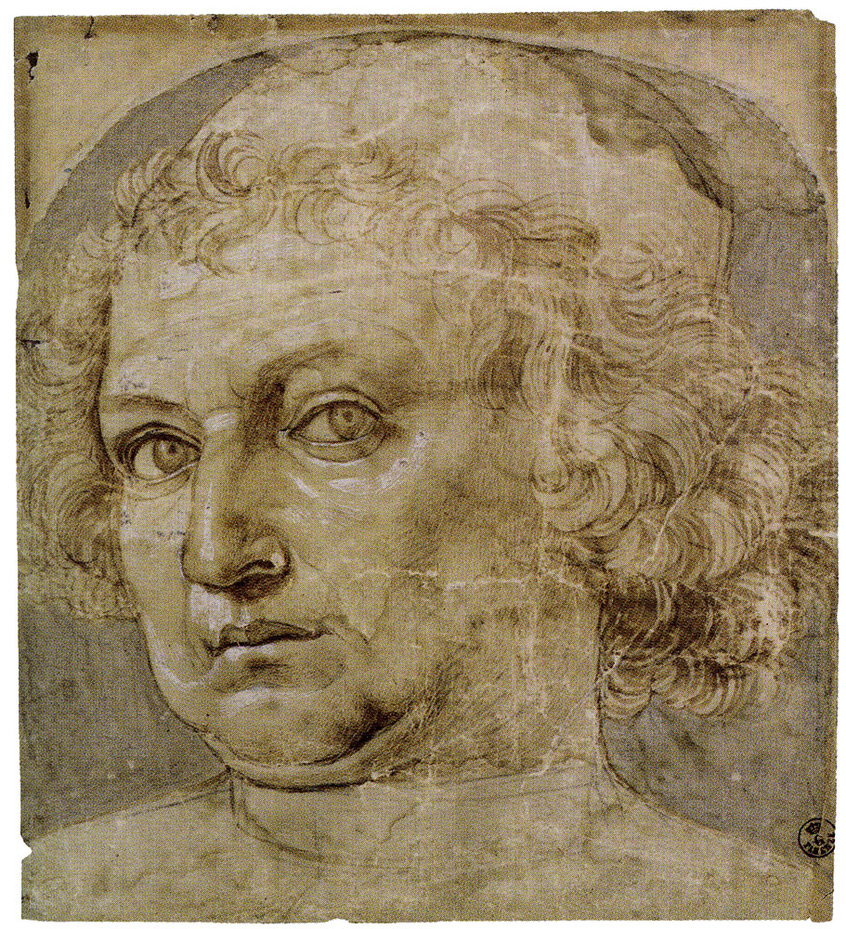
1480 - Andrea del Verrocchio: Bust of Lorenzo de Medici (All Facts)
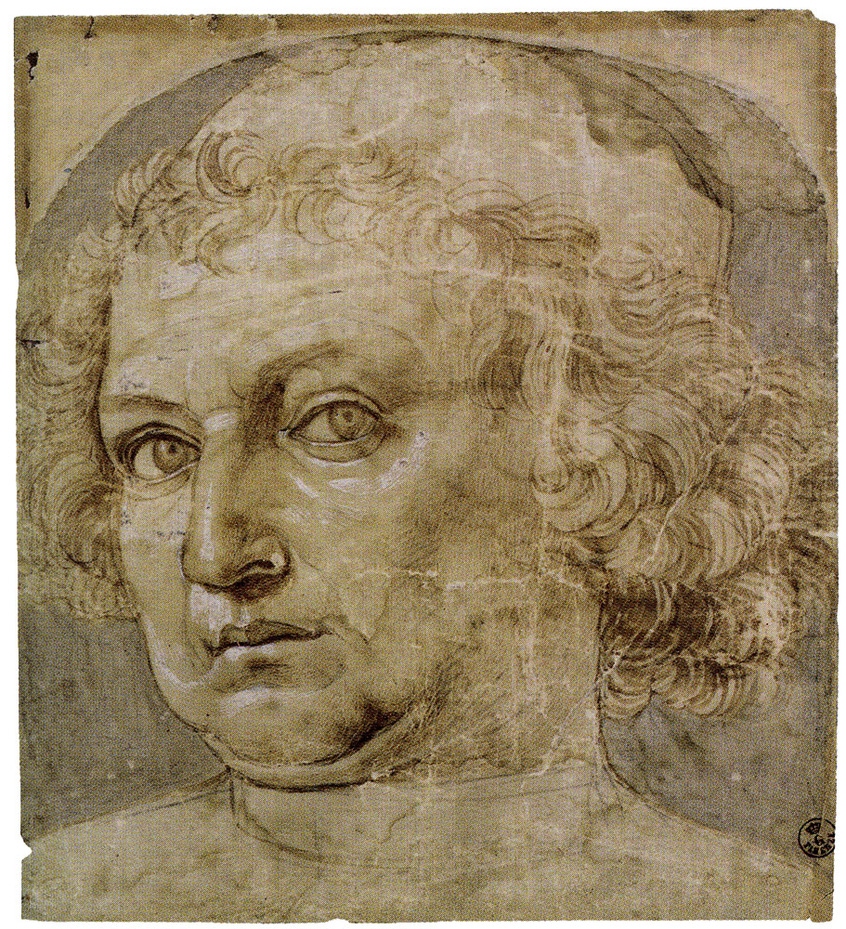
1488 - Andrea del Verrocchio: Equestrian Monument to Bartolomeo Colleone (All Facts)
Commissioned and executed by the namesake in Venice
It shows a masterly rendering of movement and a use of light and shade that anticipated the work of Michelangelo Buonarotti
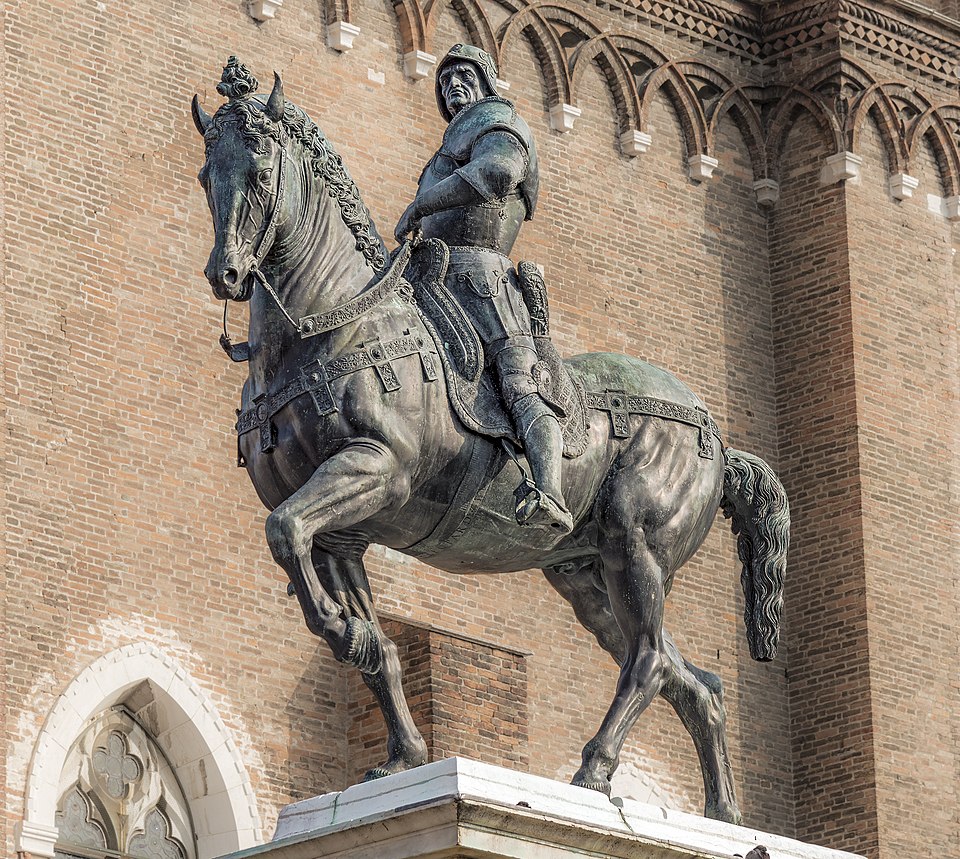
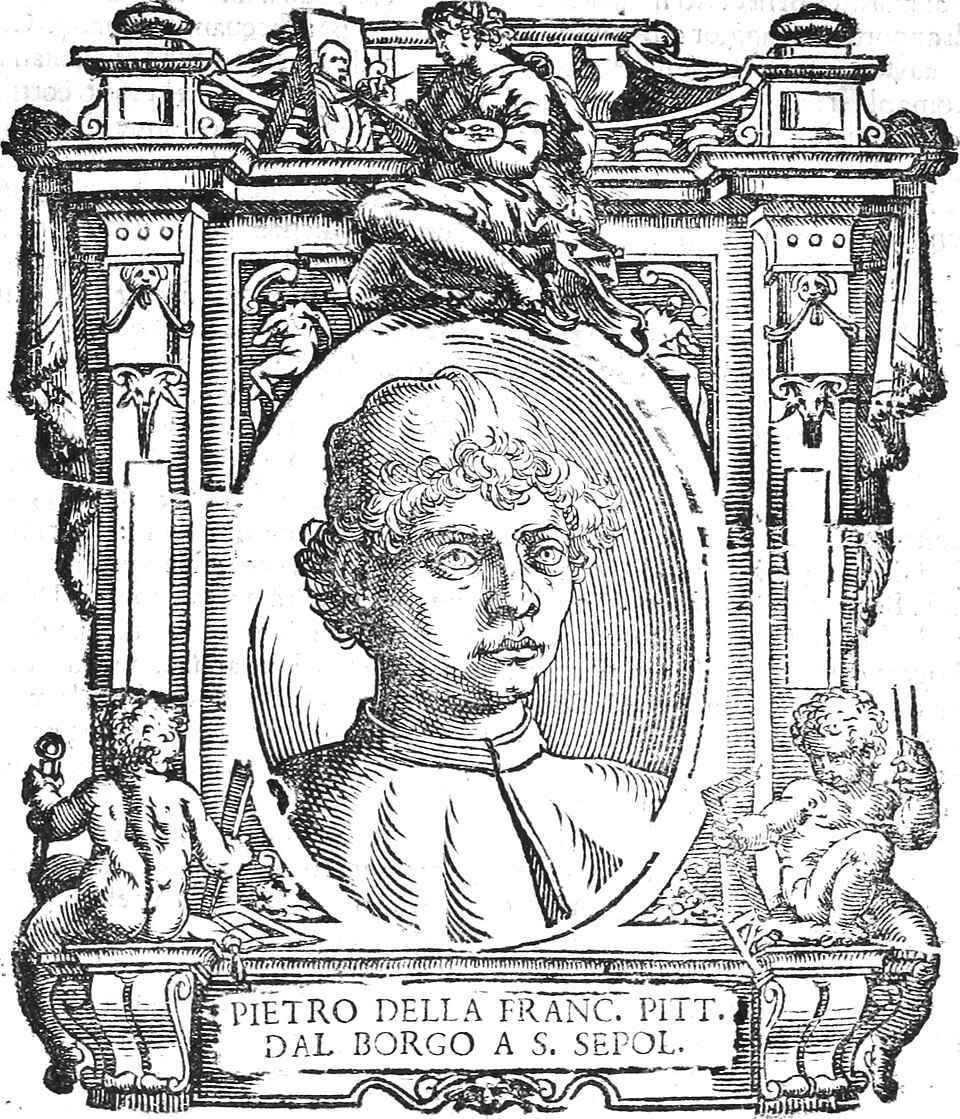
1415 - 1492 - Piero della Francesca (All Facts)
Italian Renaissance Painter
He worked on a sequence of frescoes in the Church of St. Francis in Arezzo
These were outside the mainstream of Italian painting and closer to the diffused naturalism of Flemish art with its mathematical precision and use of light and shade
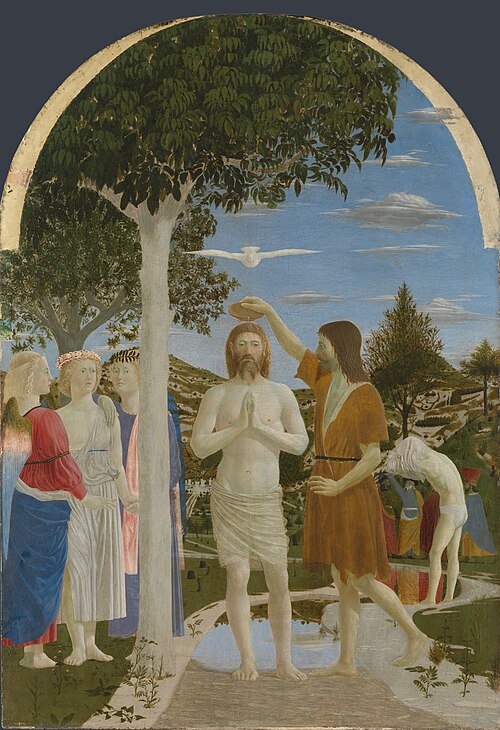
1450 - Piero della Francesca: Baptism of Christ (All Facts)
Perspective is used beneath a tree set in a receding landscape
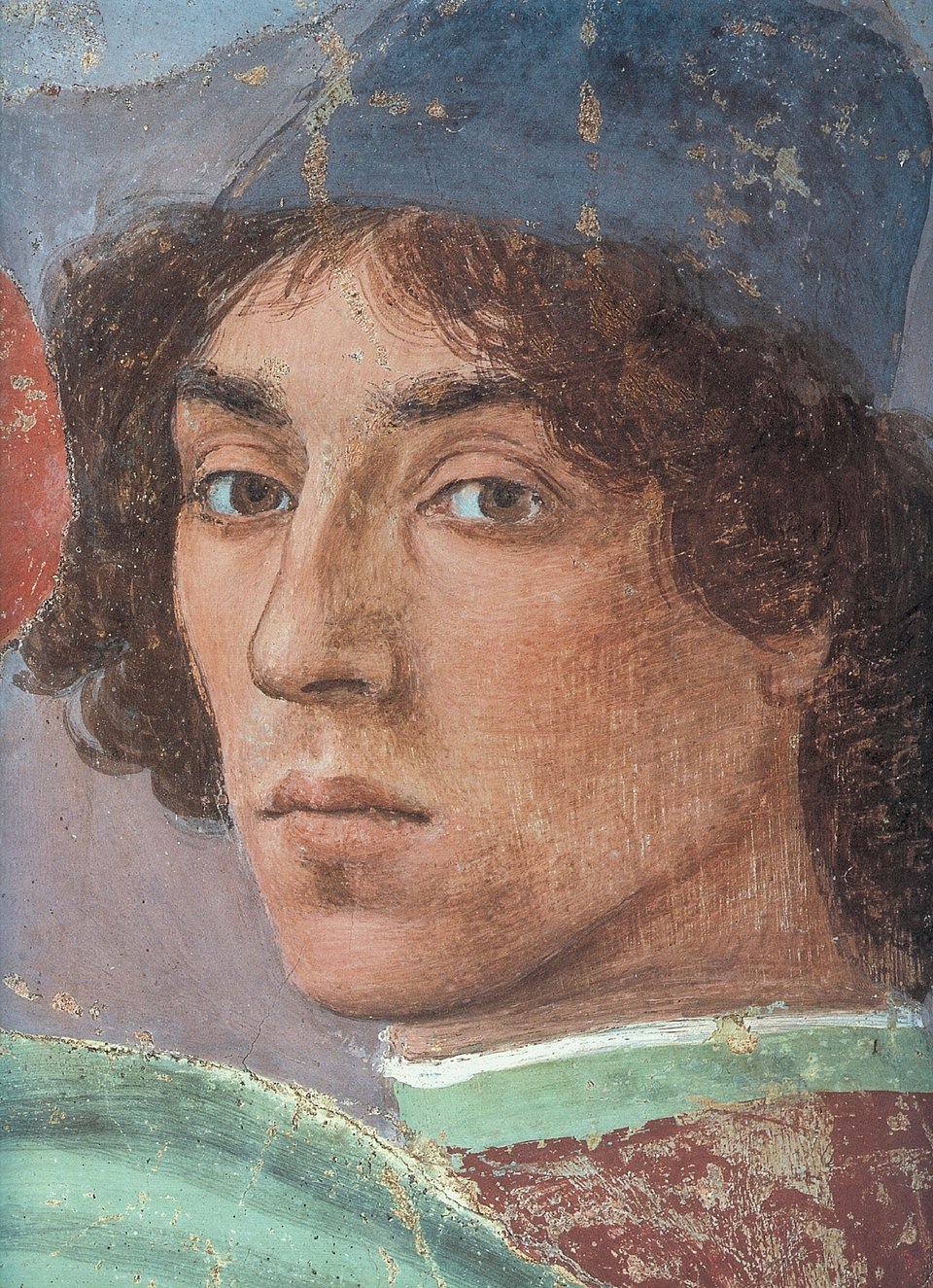
1457 - 1504 - Filippino Lippi (All Facts)
Italian Renaissance Painter
He was from Florence
He was commissioned by Lorenzo de Medici to decorate his villa
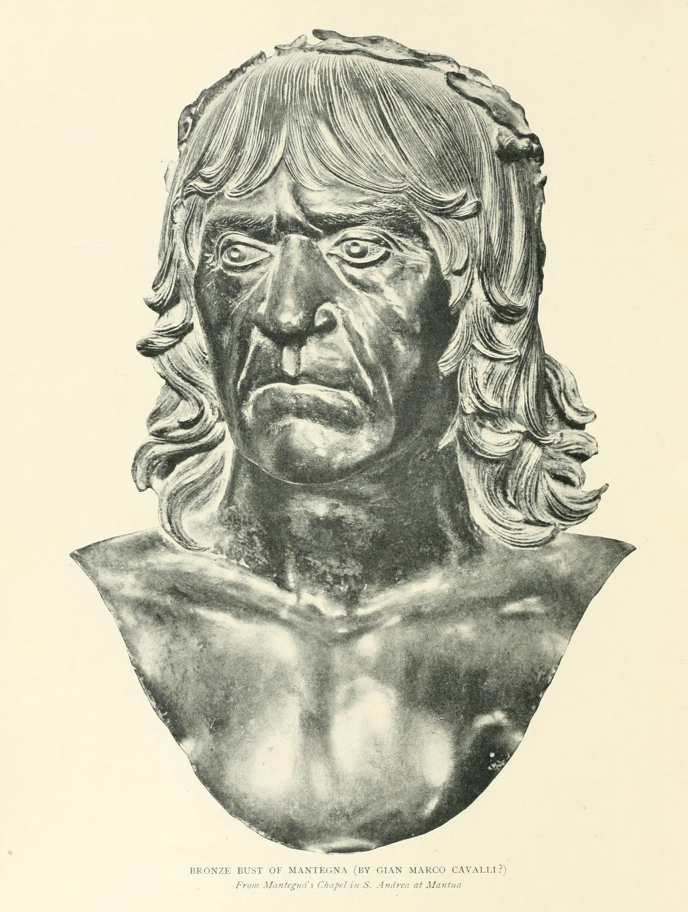
1431 - 1506 - Andrea Mantegna (All Facts)
Italian Renaissance Painter
He was from Siena
He was taught by Francesco Squarcione
He began painting a chapel for his teacher at the age of 12, as if fully mature
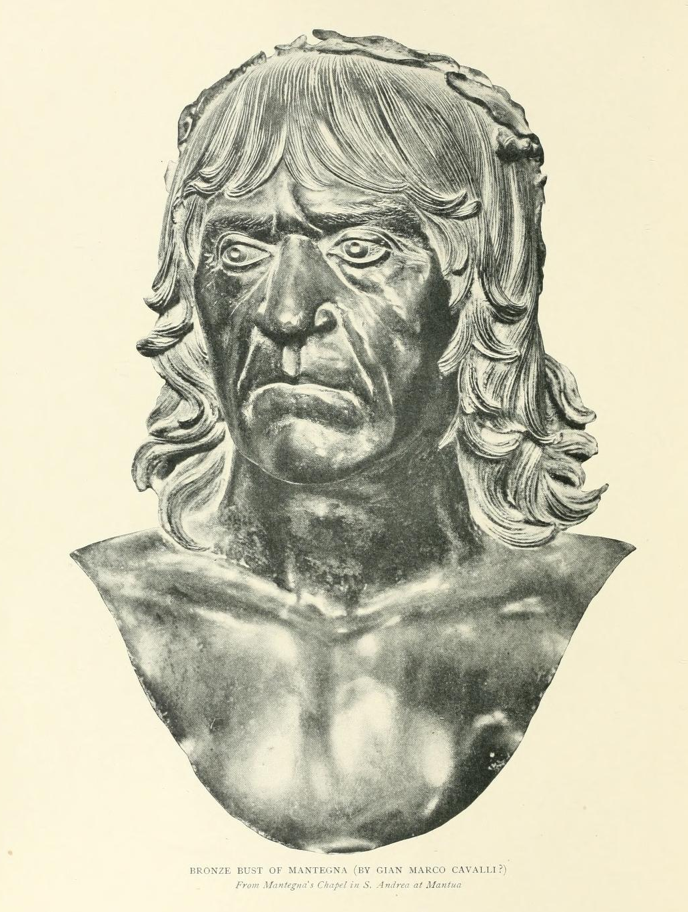
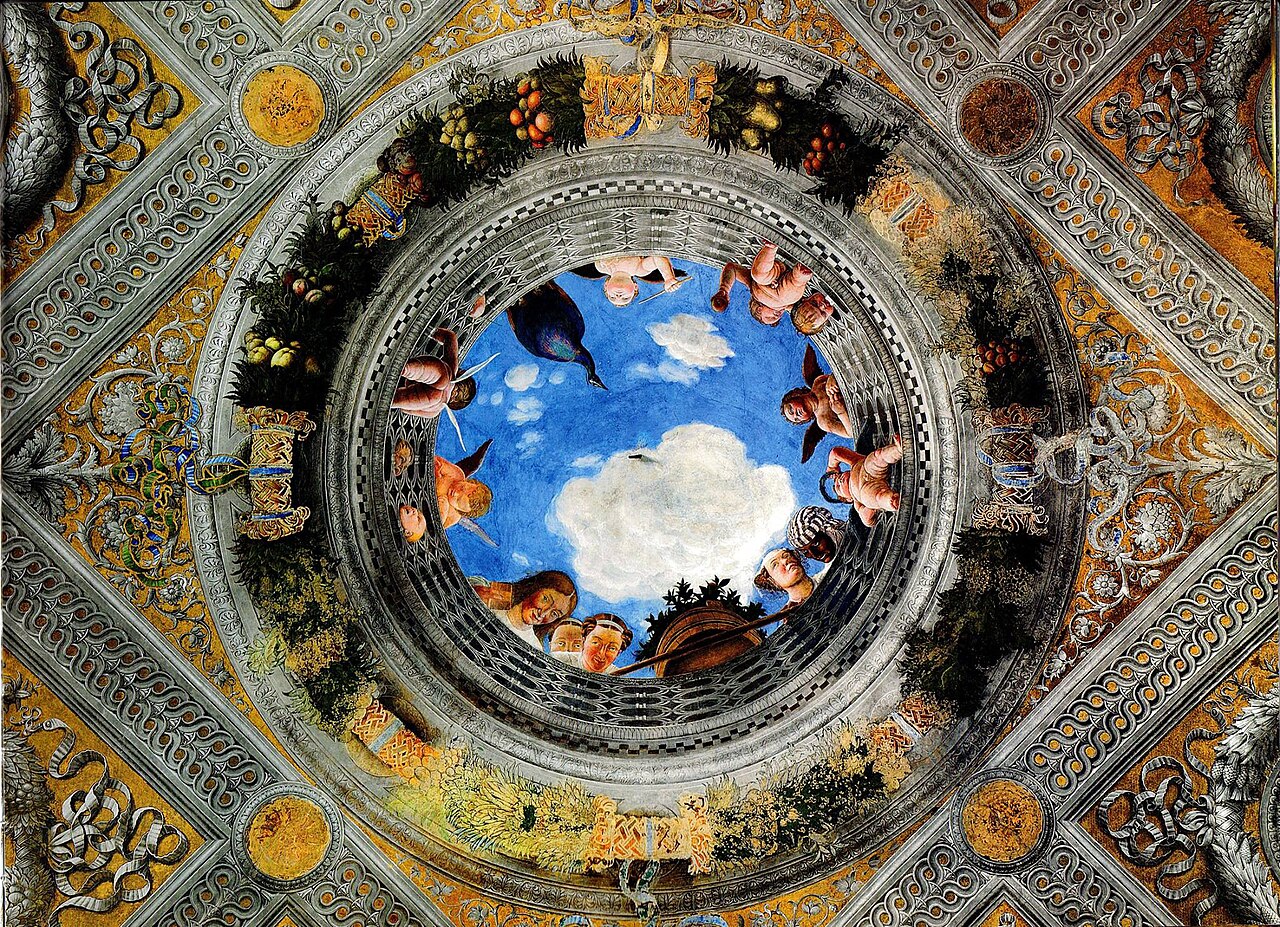
1474 - Andrea Mantegna: Camera degli Sposi (All Facts)
Located at the Gonzaga Palace
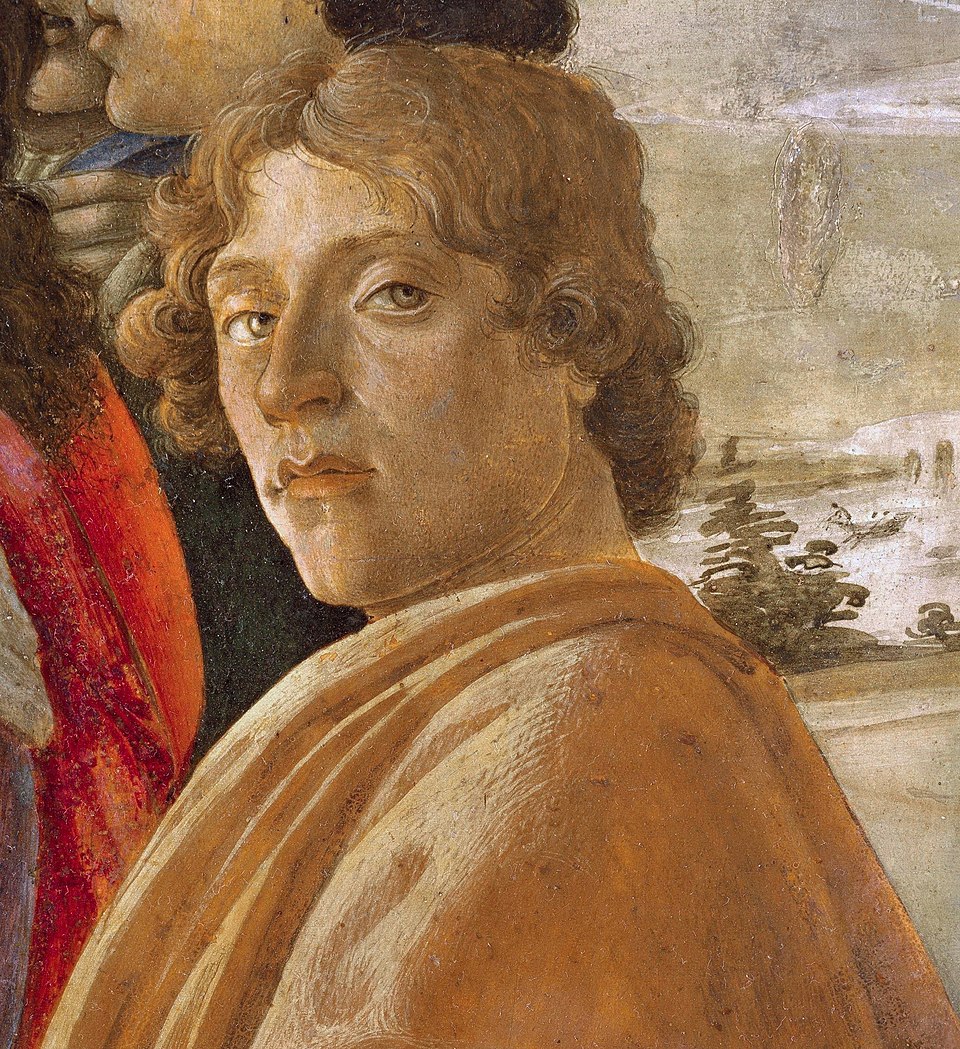
1445 - 1510 - Sandro Botticelli (All Facts)
Italian Renaissance Painter
He was from Florence
He was taught by Fra Filippo Lippi
He was inspired by the poetry of Angelo Poliziano, the official poet of Lorenzo de Medici, to paint his most famous two works
Much of his work was commissioned by Lorenzo de Medici
He painted superb portraits
He illustrated Dante Alighieri’s “Divine Comedy” with pen drawings