BIOL 1031 Final
 Call Kai
 Learn
 Practice Test
 Spaced Repetition
 Match
 Flashcards
 Knowt Play
1/50

Earn XP
Description and Tags
images, terms, cycles, etc
51 Terms

Sponges; Phylum Porifera

Class Hydrozoa, Phylum Cnidaria

Class Scyphozoa, Phylum Cnidaria

Class Anthozoa, Phylum Cnidaria
What is a madreporite?
A madreporite is a specialized, porous plate found in echinoderms, particularly sea stars and sea urchins, that allows water to enter the water vascular system, essential for locomotion and feeding.
What ia the scolex of a tapeworm?
The scolex of a tapeworm is the anterior end that attaches to the host's intestinal wall. It often features hooks or suckers to secure the tapeworm in place.
What are the proglottids of a tapeworm?
The proglottids of a tapeworm are the segmented parts of its body located behind the scolex. Each proglottid contains reproductive structures, enabling the tapeworm to produce eggs.
What are the setae for on an earthworm?
The setae are small bristle-like structures on an earthworm's body that aid in locomotion by providing traction against the soil. They help the worm anchor itself as it moves through its environment, as well as hold off against predators.
What is the function of the clitellum in an earthworm?
reproduction; indicates sexual maturity
What are the metanephridia used for in an earthworm?
excretion

flatworm; Class Turbellaria, Phylum Platyhelminthes

tapeworm; Class Cestoda, Phylum Platyhelminthes
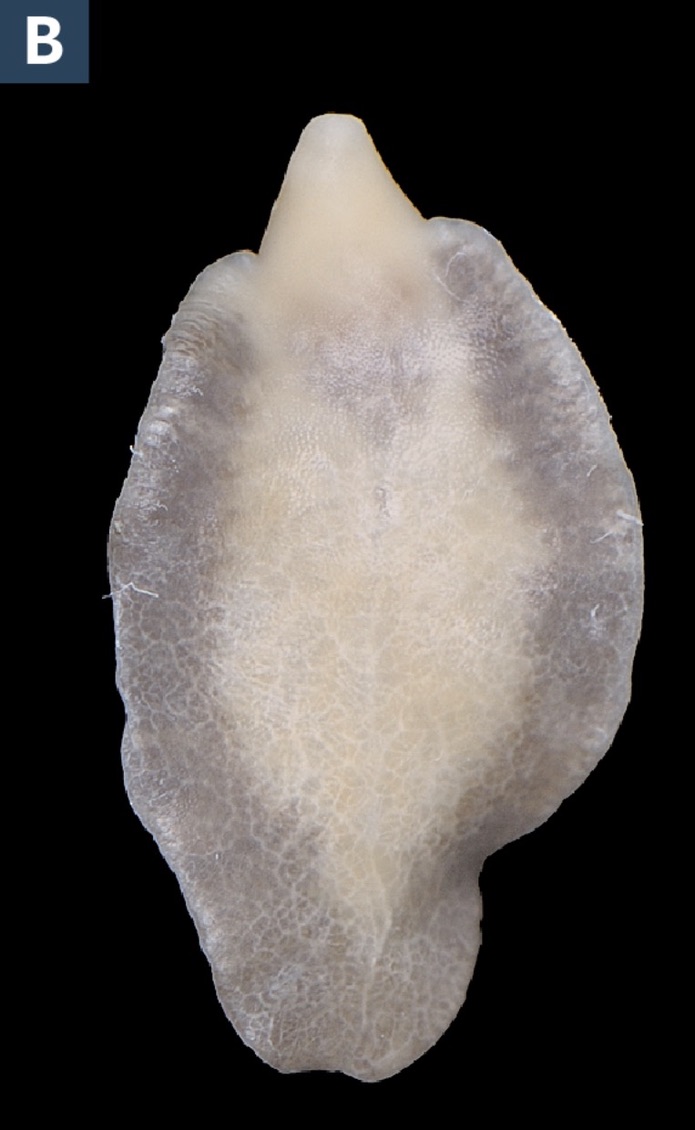
fluke; Class Trematoda, Phylum Platyhelminthes
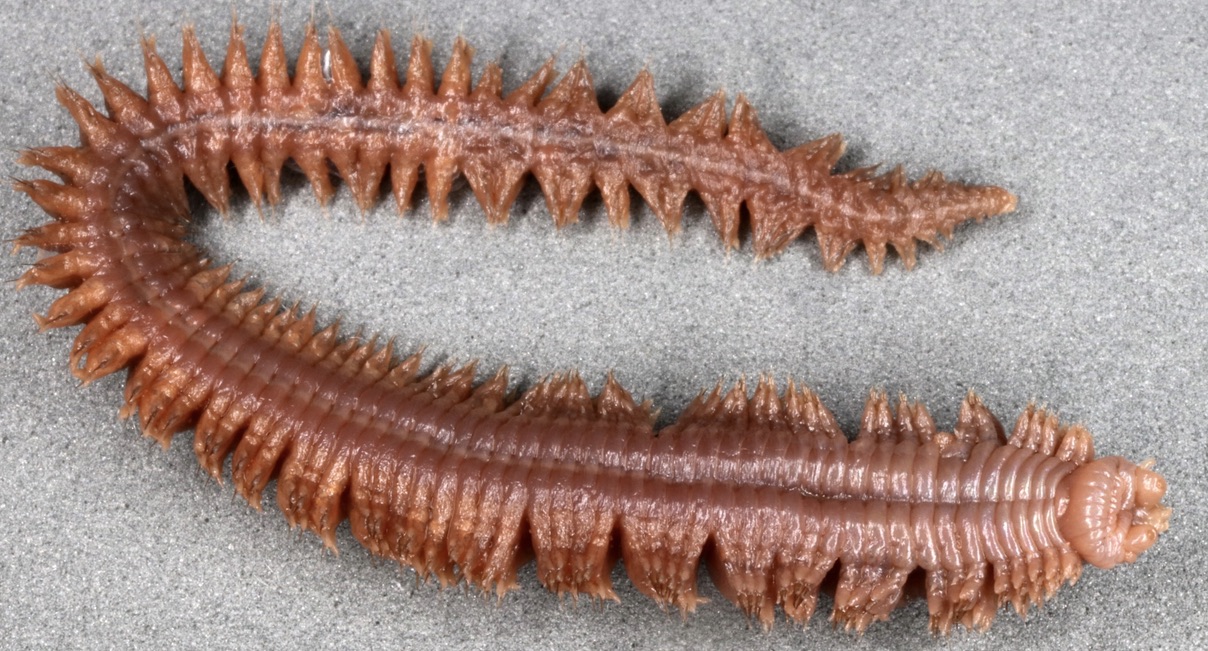
clamworm; Class Polychaeta, Phylum Annelida

earthworm; Class Oligochaeta, Phylum Annelida

leech; Class Hirudinea, Phylum Annelida

chiton; Class Polyplacophora, Phylum Mollusca

snail; Class Gastropoda, Phylum Mollusca

clam; Class Bivalvia, Phylum Mollusca

octopus; Class Cephalopoda, Phylum Mollusca

Nematode; Phylum Nematoda

horseshoe crab; Class Merostomata, Subphylum Chelicerata, Phylum Arthropoda

spider; Class Arachnida, Subphylum Chelicerata, Phylum Arthropoda

millipede; Class Diplopoda, Subphylum Myriapodia, Phylum Arthropoda

centipede; Class Chilopoda, Subphylum Myriapodia, Phylum Arthropoda

crabs, lobsters, etc.; Class Crustacea, Subphylum Crustacea, Phylum Arthropoda

Class Insecta, Subphylum Hexapoda, Phylum Arthropoda

sea star; Class Asteroidea, Phylum Echinodermata

brittle star; Class Ophiuroidea, Phylum Echinodermata
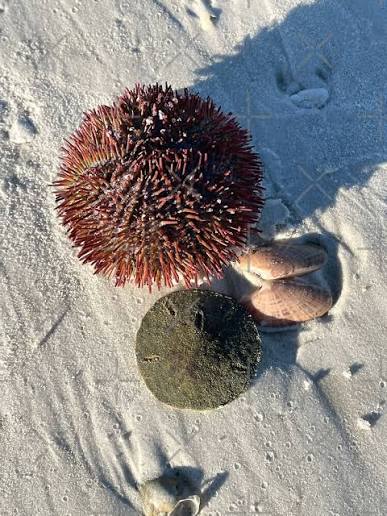
sea urchin, sand dollar; Class Echinoidea, Phylum Echinodermata

sea cucumber; Class Holothuroidea, Phylum Echinodermata

tunicate; Subphylum Urochordata, Phylum Chordata

lancelet; Subphylum Cephalochordata, Phylum Chordata

hagfish; Class Myxini, Superclass Agnatha, Subphylum Vertebrata, Phylum Chordata

lamprey; Class Petromyzontida, Superclass Agnatha, Subphylum Vertebrata, Phylum Chordata

rays, sharks; Class Chondrichthyes, Superclass Gnathostomata, Subphylum Vertebrata, Phylum Chordata

ray-finned fish; Class Osteichthyes, Superclass Gnathostomata, Subphylum Vertebrata, Phylum Chordata

frog, salamander; Class Amphibia, Superclass Gnathostomata, Subphylum Vertebrata, Phylum Chordata

lizard, crocodile, snake; Class Reptila, Superclass Gnathostomata, Subphylum Vertebrata, Phylum Chordata

Class Mammalia, Superclass Gnathostomata, Subphylum Vertebrata, Phylum Chordata
How does fluid flow through mammals during the excretory process?
glomerulus > Bowman’s Capsule > proximal convoluted tube (PCT) > Loop of Henle > distal convoluted tube (DCT) > collecting duct
When is the fluid called filtrate during the excretory process?
as it moves from the glomerulus to Bowman’s Capsule
When is the filtrate called urine during the excretory process?
when it exits the collecting duct
describe mammalian blood flow
oxygen poor blood goes through the vena cava to the right atrium; it the goes through the tricuspid valve to the right ventricle; it then goes through the pulmonary valve so it can go through the pulmonary arteries to get to the lungs to obtain more oxygen; the now oxygen rich blood will go through the pulmonary veins to get to the left atrium; it will then go through the bicuspid (or mitral) valve to go to the left ventricle; it will then go through the aortic valve so it can go to the aorta and systemic circuit
function of arteries and arterioles
branch out into smaller vessels to reach specific organs and muscles
function of capillaries
carry oxygen and nutrients to cells while picking up carbon dioxide and wastes
function of venules and veins
collect oxygen poor blood and merge into larger vessels heading back to the heart
What is the carapace of a turtle?
it is the domed upper section of the shell
What is the plastron of a turtle?
it is the flat under side of the shell
What is the bridge of a turtle?
it is the bony side walls of the shell
What are the scutes of a turtle?
they are the squares that are either on the carapace or plastron