Precalc Formulas
 Call Kai
 Learn
 Practice Test
 Spaced Repetition
 Match
 Flashcards
 Knowt Play
1/21

There's no tags or description
Looks like no tags are added yet.
22 Terms
nth term of an arithmetic sequence
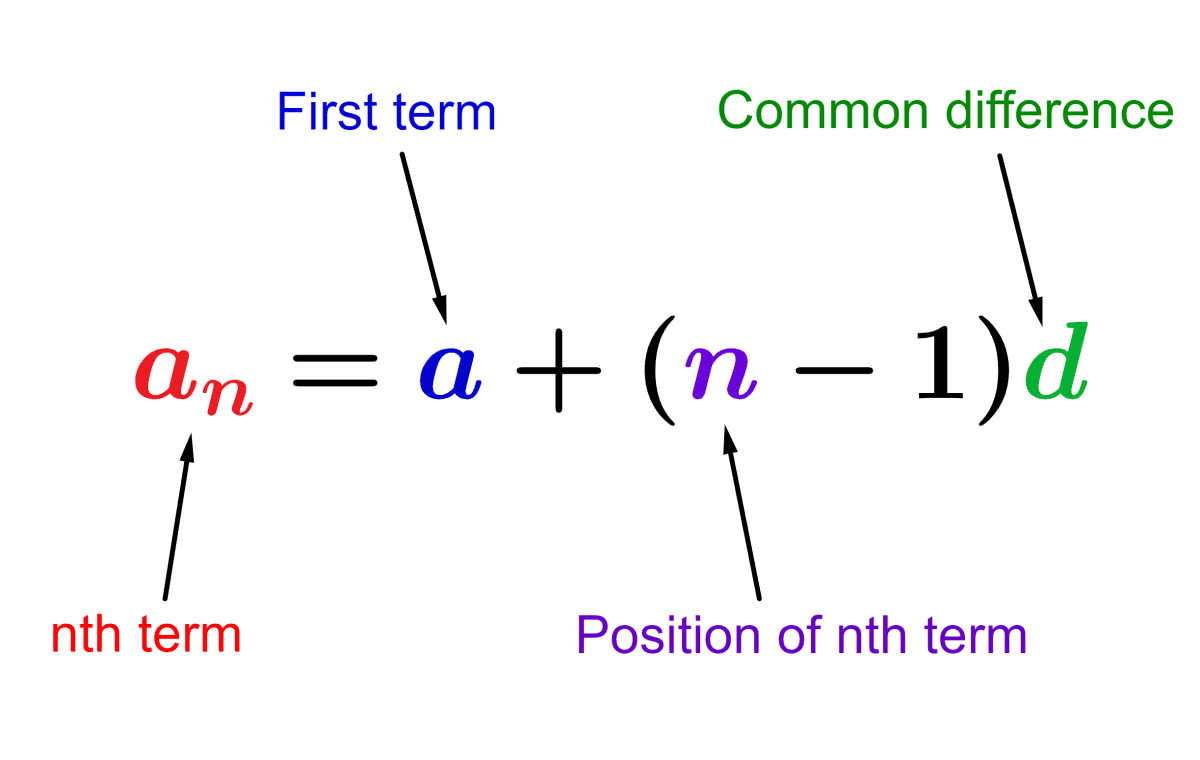
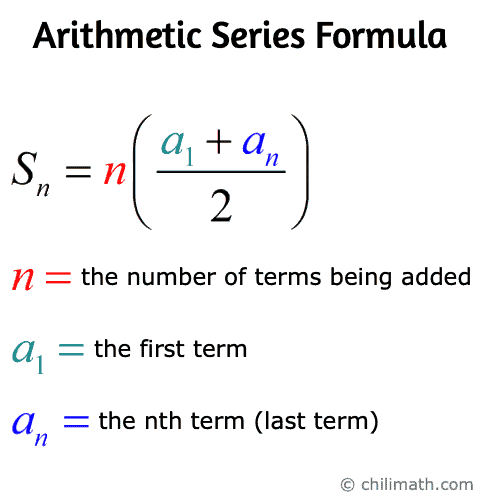
sum of the first n terms of an arithmetic sequence
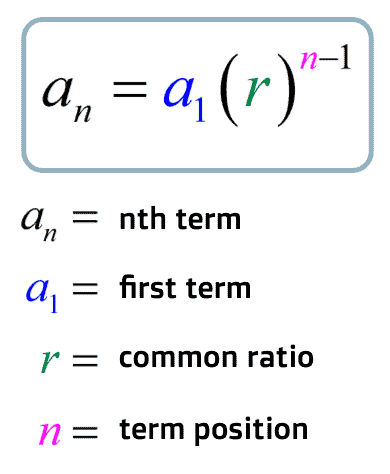
nth term of a geometric sequence
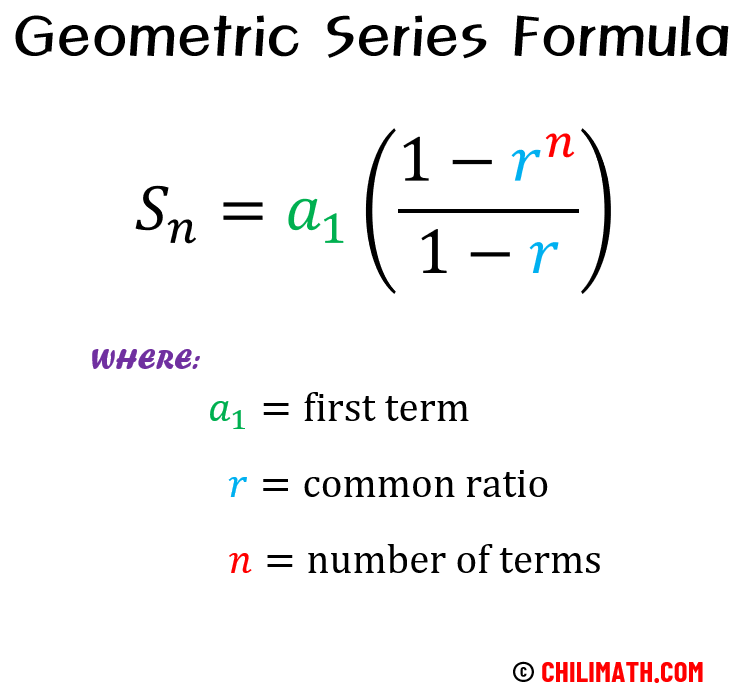
sum of the first n terms of a geometric sequence
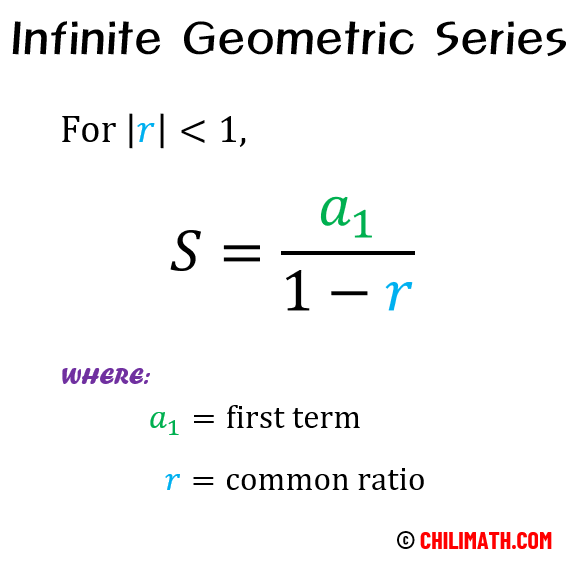
sum of an infinite geometric sequence
binomial theorem

pythagorean theorem
a²+b²=c²
where a² and b² and sides, and c² is the hypotenuse
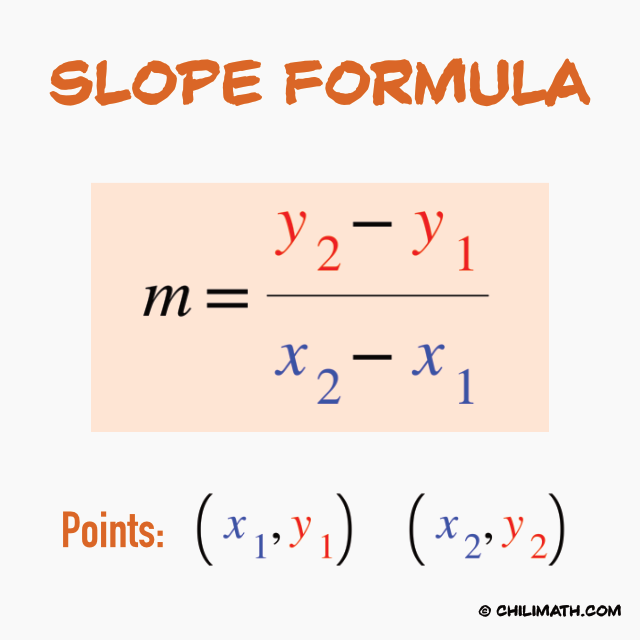
slope of a line
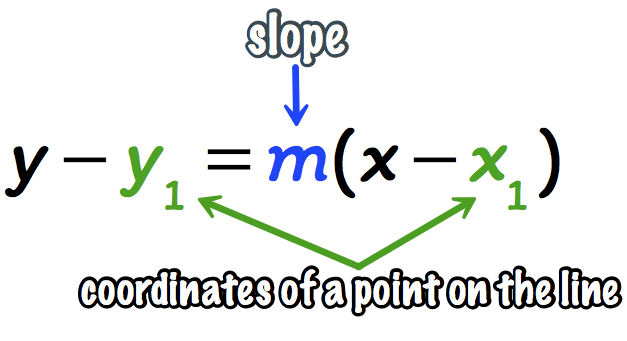
point-slope form of the equation of a line
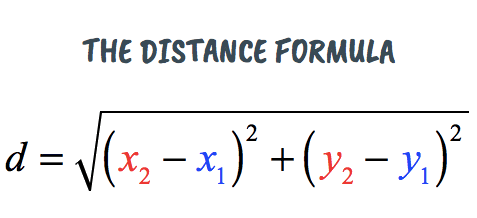
distance formula
standard form of the equation of a circle
(x-h)²+(y-k)²=r²
(h,k) = center r = radius
definition of polynomial function of degree n with one variable

quadratic formula

remainder theorem
if R is the remainder when P(x) is divided by x-c, then R=P(c)
factor theorem
the number C is a zero of a polynomial P(x) if and only if x-c is a factor of P(x)
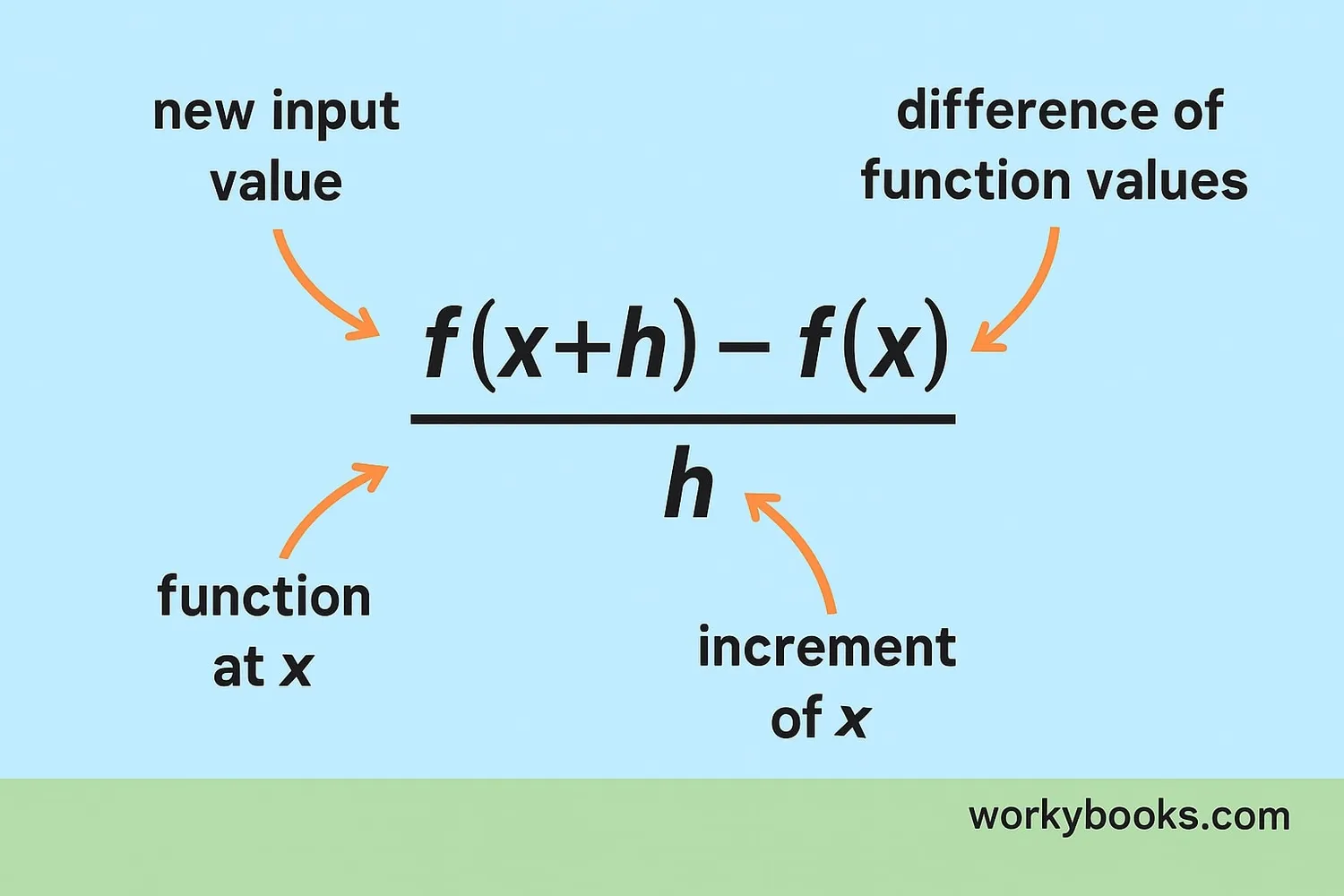
difference quotient: y=f(x)
leading term test
for very large or small x-values, the leading term determines if the graph goes up or down

behavior of the graph of y= P (x) at its x-intercepts
if zero has odd multiplicity: crosses x-axis
if zero has even multiplicity: bounces x-axis
intermediate value theorem: P(a) doesn’t equal P(b) when a<b
if the P(a) is positive & P(b) is negative, the graph must cross 0 somewhere between a and b
rational zero theorem

conjugate pairs theorem
if P(x) has real coefficients, then a+bi is a zero of P(x) if and only if a-bi is also a zero
fundamental theorem of algebra
any polynomial of degree n ≥ 1 with complex coefficients has exactly n zeros, counting multiplicities