VDOE, Science 8, Unit 3: Chemical Bonding & Chemical Reactions
 Call Kai
 Learn
Learn Practice Test
 Spaced Repetition
 Match
Match Flashcards
1/17

Earn XP
Description and Tags
Name | Mastery | Learn | Test | Matching | Spaced | Call with Kai | Chat |
|---|
No analytics yet
Send a link to your students to track their progress
18 Terms
Atom
the smallest building block of matter

Metal
A hard, shiny material that can carry electricity and heat.

Non-metal
A material that is not shiny or metallic and does not carry heat or electricity well

Electrons
Tiny, negatively charged particles that move around the outside of an atom.

Molecule
Two or more atoms joined together

Yield
To produce or make something (in science, it shows what is made in a reaction).

Products
new substances made during a chemical reaction
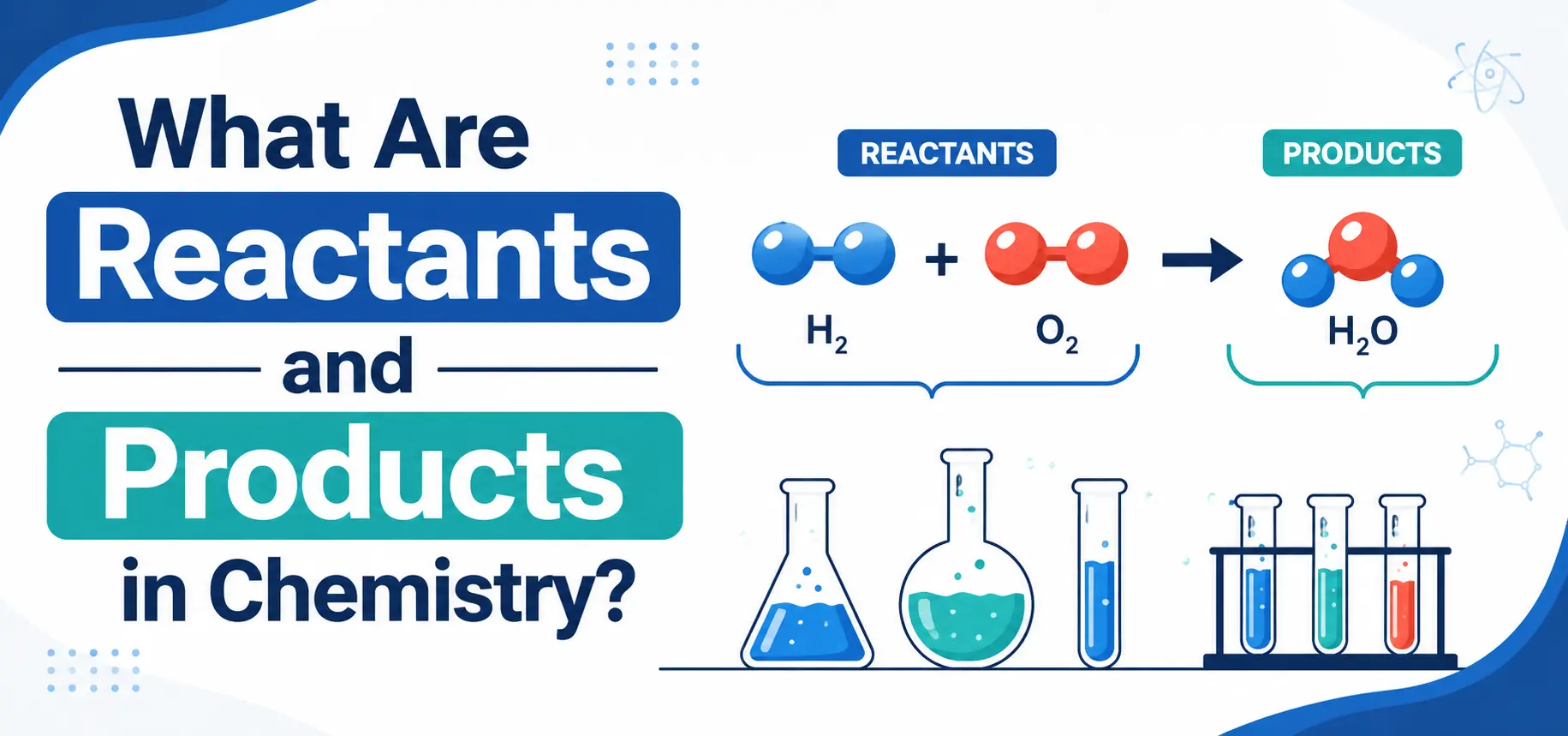
Reactants
substances that are mixed or changed in a chemical reaction.

Ion
An atom that has gained or lost electrons and now has a charge.

Ionic bonds
A type of chemical bond formed when one atom gives electrons to another atom.

Covalent bonds
A chemical bond formed when two atoms share electrons.

Coefficient
The number in front of a chemical formula that shows how many molecules or atoms there are.

Subscript
A small number written below in a chemical formula that shows how many atoms of an element are in one molecule.

Chemical reaction
A process where substances change into new substances.

Endothermic
A reaction that absorbs heat or energy (feels cold).

Exothermic
A reaction that releases heat or energy (feels warm or hot).

Chemical Equation
A way to show a chemical reaction using symbols and formulas.
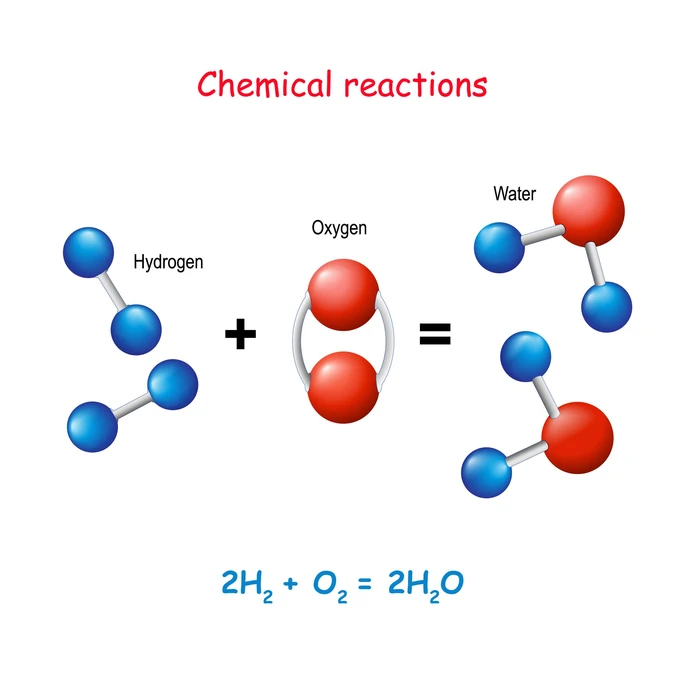
Law of Conservation of Mass
Matter cannot be created or destroyed in a reaction; the total mass stays the same.
