Maya late formative and Early classic

0.0(0)
Studied by 0 people
call kaiCall Kai
learnLearn
examPractice Test
spaced repetitionSpaced Repetition
heart puzzleMatch
flashcardsFlashcards
GameKnowt Play
Card Sorting

1/218

encourage image

There's no tags or description

Looks like no tags are added yet.

Last updated 4:51 AM on 10/17/26
Name
Mastery
Learn
Test
Matching
Spaced
Call with Kai
Chat

No analytics yet

Send a link to your students to track their progress

219 Terms

1
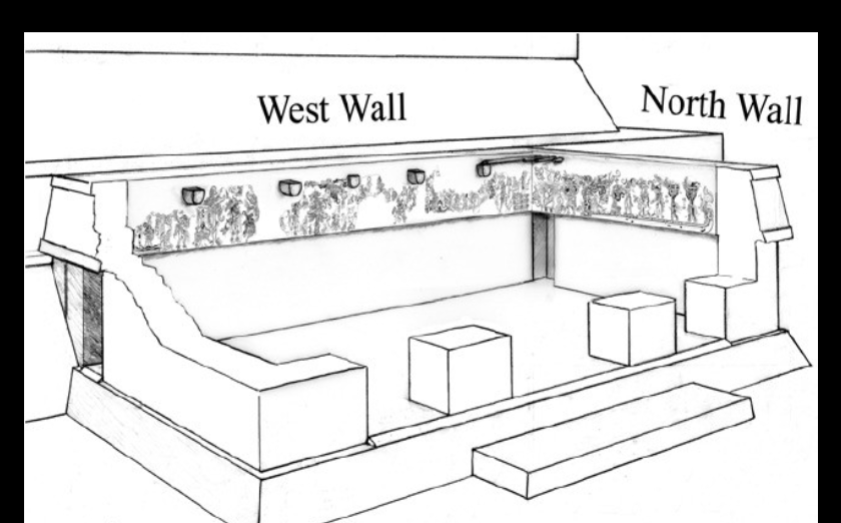
New cards

Who were the Maya? 

a select, Indigenous loose collectivity of city states that share customs, beliefs,iconography, language and genetic ancestry

2
New cards

Important places the Maya were at?

Chiapas and Guatemala

3
New cards

Was the Maya ever unified? 

No, but they made alliances to destroy smaller Mayan cities 

4
New cards

What are the Mayan admired for? 

their technological sophistication with regard to architecture, their knowledge of astronomy, and their refinement of the Calendrical system, as well as the detailed and baroque (highly ornate) art they left behind

5
New cards

What was Mayan art for? 

dedicated to recording historical events and the personal histories of their rulers

6
New cards
<p><span style="background-color: transparent;">What is the subject?</span></p>

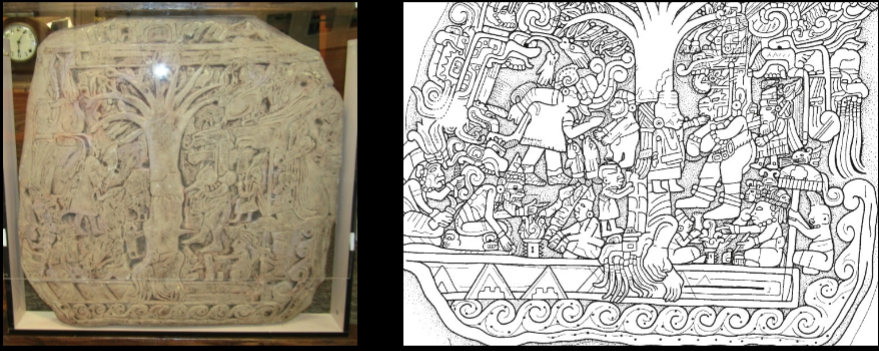
What is the subject?

The World Tree

7
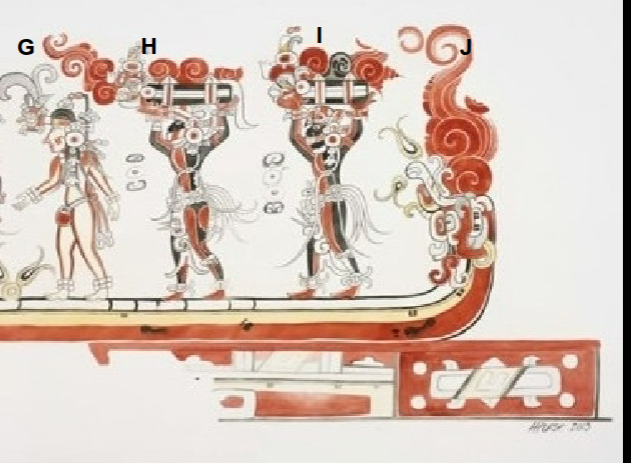
New cards
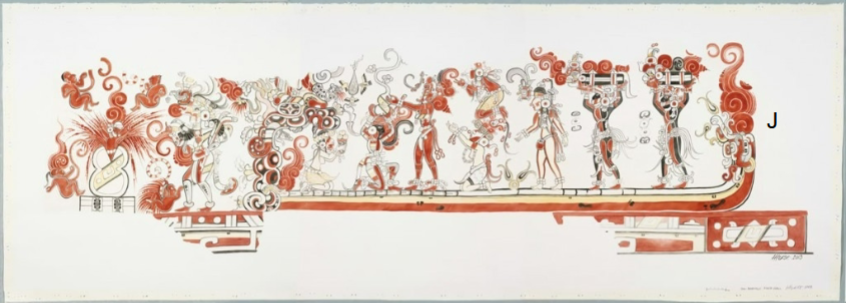
<p><span style="background-color: transparent;">When was it made?</span></p>

When was it made?

Late Formative 

8
New cards
<p><span style="background-color: transparent;">Where was it made?&nbsp;</span></p>

Where was it made? 

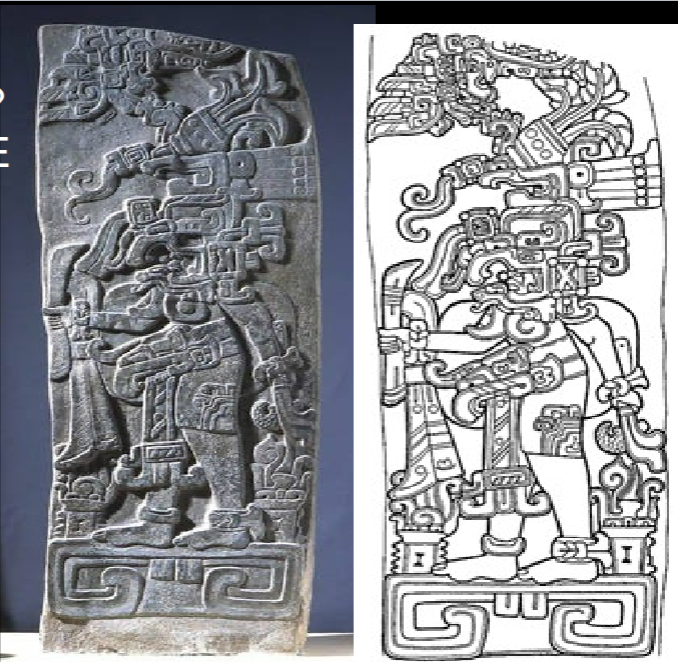
Izapa, Chiapas, Mexico 

9
New cards
<p><span style="background-color: transparent;">What did The World Tree represent?</span></p>

What did The World Tree represent?

it’s a site of human emergence is a concept that first appears in Late Formative Mayan iconography

10
New cards
<p><span style="background-color: transparent;">Where was this found?</span></p>

Where was this found?

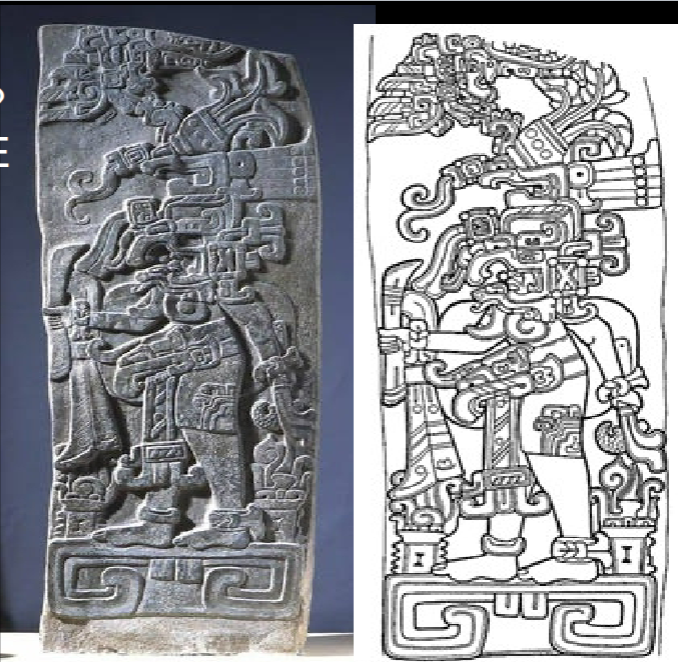
Nakebe, Guatemala 

11
New cards
<p><span style="background-color: transparent;">When was it made?</span></p>

When was it made?

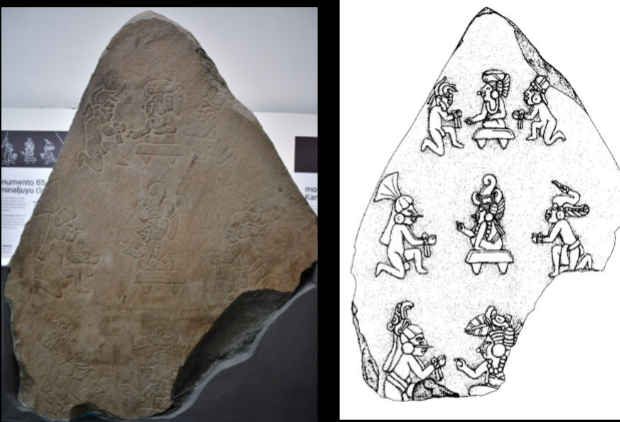
Late Formative 

12
New cards
<p><span style="background-color: transparent;">Who made it?&nbsp;</span></p>

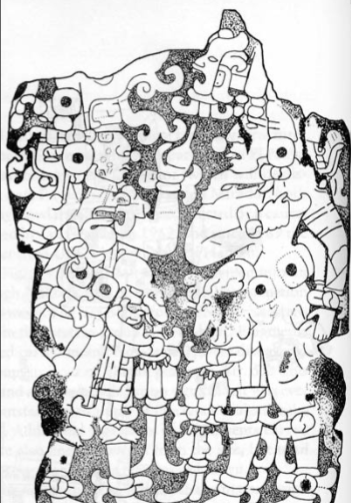
Who made it? 

Maya

13
New cards
<p><span style="background-color: transparent;">Who is the subject?</span></p>

Who is the subject?

The hero twins, Xbalanque and Hunahpu 
14
New cards
<p><span style="background-color: transparent;">What is it?</span></p>

What is it?

The Maize God of the hero twins 

15
New cards
<p><span style="background-color: transparent;">When was it made?</span></p>

When was it made?

Late formative 

16
New cards
<p><span style="background-color: transparent;">Who made it?</span></p>

Who made it?

Maya

17
New cards
<p><span style="background-color: transparent;">Where was it found?</span></p>

Where was it found?

Copan, Honduras 

18
New cards
<p><span style="background-color: transparent;">Why did the Mayan admire the Maize God’s youth?</span></p>

Why did the Mayan admire the Maize God’s youth?

thought to be a model for humanity to attain

19
New cards
<p><span style="background-color: transparent;">When was it made?</span></p>

When was it made?

Late formative 

20
New cards
<p><span style="background-color: transparent;">What was the story behind this?</span></p>

What was the story behind this?

Xbalanque and Hunahpu travel to the Underworld and challenge the Lords to a ballgame in order to bring their father back to life and they succeeded. The Twins defeat the Lords at the ballgame, and

the Maize God is reanimated as Maize for human sustenance

21
New cards
<p><span style="background-color: transparent;">Where was it found?</span></p>

Where was it found?

Uaxactuan, Gutamala 

22
New cards
<p><span style="background-color: transparent;">What are the things on the railings?</span></p>

What are the things on the railings?

stucco masks usually display faces with jaguar elements and solar attributes

23
New cards
<p><span style="background-color: transparent;">Who made it?</span></p>

Who made it?

Maya

24
New cards
<p><span style="background-color: transparent;">Where was it found?</span></p>

Where was it found?

Cerros, Belize 

25
New cards
<p><span style="background-color: transparent;">When was it made?</span></p>

When was it made?

Late formative 

26
New cards
<p><span style="background-color: transparent;">What are the things on the railings?</span></p>

What are the things on the railings?

stucco feline masks with Solar attributes

27
New cards
<p><span style="background-color: transparent;">Where can the earliest existing examples of late formative mural paintings be found?</span></p>

Where can the earliest existing examples of late formative mural paintings be found?

Pyramid of paintings in San Bartolo, Guatemala 

28
New cards
<p><span style="background-color: transparent;">How was structure one protected?</span></p>

How was structure one protected?

buried intentionally within a later building
29
New cards
<p><span style="background-color: transparent;">Who discovered the Drawing Pyramid of paintings?</span></p>

Who discovered the Drawing Pyramid of paintings?

William Saturno

30
New cards
<p><span style="background-color: transparent;">When was it made?&nbsp;</span></p>

When was it made? 

100BCE

31
New cards
<p><span style="background-color: transparent;">Where was it found?</span></p>

Where was it found?

Structure 1 sub-1 chamber, San Bartolo, Guatemala

32
New cards
<p><span style="background-color: transparent;">When was it made?</span></p>

When was it made?

Late formative

33
New cards
<p><span style="background-color: transparent;">What are they doing?</span></p>

What are they doing?

One activity portrays ritual blood auto-sacrifice from the penis. Another portrays an instance of baby jaguar sacrifice

34
New cards
<p><span style="background-color: transparent;">Where was this painting found?</span></p>

Where was this painting found?

Structure 1 sub-1 chamber, SanBartolo, Guatemala

35
New cards
<p><span style="background-color: transparent;">When was it made?</span></p>

When was it made?

Late formative 

36
New cards
<p><span style="background-color: transparent;">What are they doing?</span></p>

What are they doing?

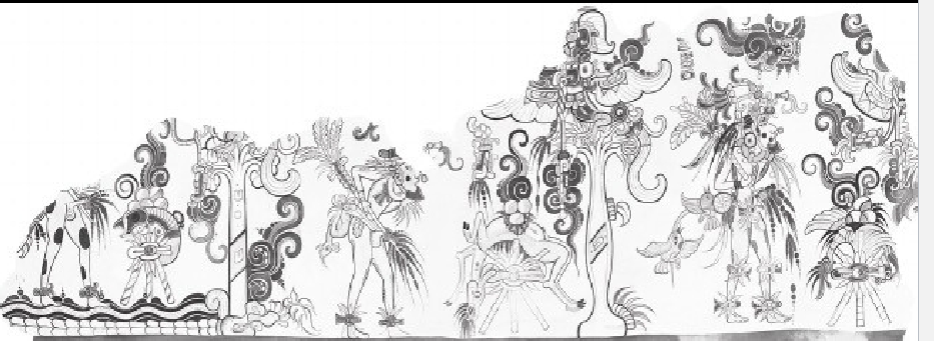
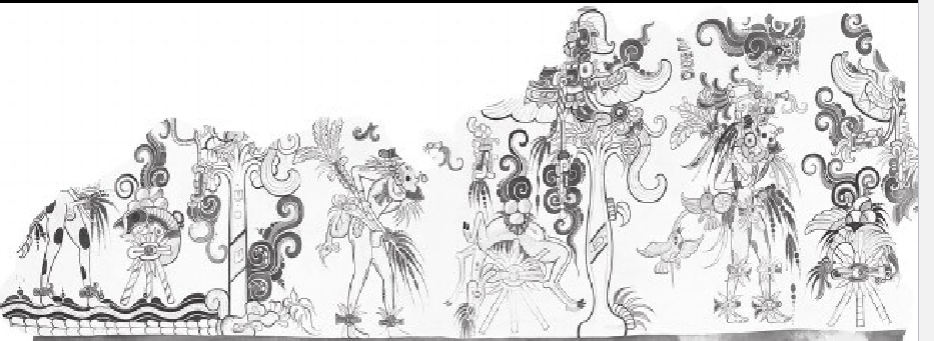
depicts four Lords in supernatural guise—three of whom are offering up their blood through penile auto-sacrifice. Deer, flowers, turkey and fish are also being sacrificially offered up. There are also two of five world trees depicted, the principal bird deity manifested in the form of the four directions and the Maize God.

37
New cards
<p><span style="background-color: transparent;">Who made it?</span></p>

Who made it?

Maya

38
New cards
<p><span style="background-color: transparent;">Where was it found?</span></p>

Where was it found?

Structure 1 sub-1 chamber, San Bartolo, Guatemala

39
New cards
<p>Where was this found?</p>

Where was this found?

North** wall polychrome stucco mural, Structure 1 sub-1 chamber, San Bartolo, Guatemala

40
New cards
<p><span style="background-color: transparent;">Who is every person left to right?</span></p>

Who is every person left to right?

Split flowering gourd, Axe-bearing figure, Maize goddess, Turbaned assistant holding a flowering ground, Maize god, Two Maize goddess, Noble virgin sacrifice, Two turbanned assistants carrying blood offerings, and Queztzalcoalt, the feathered serpent 

41
New cards
<p><span style="background-color: transparent;">What’s happening with A?</span></p>

What’s happening with A?

A flowering gourd is split in two, from which emerges five babies in separate scrolls of blood

42
New cards
<p><span style="background-color: transparent;">What do they look like?</span></p>

What do they look like?

All still have their umbilical cord, and the central infant wears a headdress and belt

43
New cards
<p><span style="background-color: transparent;">What do the babies represent?</span></p>

What do the babies represent?

The babies form a “quincunx”—a central axis that links together the heavens,earth and Underworld

44
New cards
<p><span style="background-color: transparent;">What did figure B do to the ground?</span></p>

What did figure B do to the ground?

Appearing to have just split the gourd open to allow the babies to be born

45
New cards
<p><span style="background-color: transparent;">What is the Maize god holding?&nbsp;</span></p>

What is the Maize god holding? 

Tamales

46
New cards
<p><span style="background-color: transparent;">Why is he red and has olmec features?</span></p>

Why is he red and has olmec features?

indicate antiquity, indicating that he was firmly entrenched within the Meso-American belief system

47
New cards
<p><span style="background-color: transparent;">What do the Two Maize goddess and turbaned male painted with red and black relate to the Maize god?</span></p>

What do the Two Maize goddess and turbaned male painted with red and black relate to the Maize god?

The Maize God is attended here by three wives

48
New cards
<p><span style="background-color: transparent;">What is the male (D) offering to Maize god (E)?</span></p>

What is the male (D) offering to Maize god (E)?

He holds up a flowering gourd

49
New cards
<p><span style="background-color: transparent;">What does the kneeling goddess offer, also what is that thing above her?</span></p>

What does the kneeling goddess offer, also what is that thing above her?

A vessel of tamales and the jaguar above her breathes red streams of blood 
50
New cards
<p><span style="background-color: transparent;">What does the shell represent on the maiden to the far left?</span></p>

What does the shell represent on the maiden to the far left?

A symbol of noble women and virginity

51
New cards
<p><span style="background-color: transparent;">What does her closed eyes symbolize?</span></p>

What does her closed eyes symbolize?

she may have already been sacrificed or is meant for sacrifice

52
New cards
<p><span style="background-color: transparent;">What does her rendered toes mean?</span></p>

What does her rendered toes mean?

she clearly stands out from the rest, it is implied that she is of great importance

53
New cards
<p><span style="background-color: transparent;">What are the two males offering?</span></p>

What are the two males offering?

black hoist additional offerings, both with blood scrolls, over their heads

54
New cards
<p><span style="background-color: transparent;">What way is it’s body arranged?</span></p>

What way is it’s body arranged?

Its body is arranged West to East, the reverse direction the sun takes as it rises and sets.
55
New cards
<p><span style="background-color: transparent;">What’s in it’s mouth?</span></p>

What’s in it’s mouth?

Blood scrolls

56
New cards
<p><span style="background-color: transparent;">What do the footsteps symbolize?</span></p>

What do the footsteps symbolize?

a symbol of travel, lineage and directionality

57
New cards
<p><span style="background-color: transparent;">What might the ground be a metaphor for?</span></p>

What might the ground be a metaphor for?

may be a metaphor for the bloodied virgin in the center

of the action, with the swollen shape of the gourd and the woman’s womb both representing a place of birth and regeneration

58
New cards
<p><span style="background-color: transparent;">Who made it?</span></p>

Who made it?

Maya

59
New cards
<p><span style="background-color: transparent;">When was it made?</span></p>

When was it made?

Late formative 

60
New cards
<p><span style="background-color: transparent;">Where was it found?</span></p>

Where was it found?

Izapa, Chiapas, Mexico 

61
New cards
<p><span style="background-color: transparent;">What is happening on this image?</span></p>

What is happening on this image?

This depiction shows him standing in water and fishing with a net and a creel (fishing basket) on his back

62
New cards
<p><span style="background-color: transparent;">What is the subject?</span></p>

What is the subject?

Chaak is shown with a reptilian snout,a zoomorphic feature that connects him with water

63
New cards
<p><span style="background-color: transparent;">What do the borders represent?</span></p>

What do the borders represent?

Mark the worlds of heaven and earth 

64
New cards
<p><span style="background-color: transparent;">Most represented animals in Mayan culture? Why?</span></p>

Most represented animals in Mayan culture? Why?

reptiles, birds, and felines because of their ability to transcend different levels of the world

65
New cards
<p><span style="background-color: transparent;">What was the shape of?</span></p>

What was the shape of?

a boulder carving in the shape of a frog or toad.

66
New cards
<p><span style="background-color: transparent;">What do the frogs represent?</span></p>

What do the frogs represent?

is associated with many supernatural things: It appears to regenerate from Mud, ith its ability to live on land and in water, it is also a transitional creature capable of crossing worlds

67
New cards
<p><span style="background-color: transparent;">What does the frog represent in this picture?</span></p>

What does the frog represent in this picture?

the frog or toad, here representing earth combined with Chaak on Stele 1—representing the heavens
68
New cards
<p><span style="background-color: transparent;">Who made it?</span></p>

Who made it?

Maya 

69
New cards
<p><span style="background-color: transparent;">When was it made?</span></p>

When was it made?

Late Formative 

70
New cards
<p><span style="background-color: transparent;">Where was it found?</span></p>

Where was it found?

Kaminalijuyu, Guatemala 
71
New cards
<p><span style="background-color: transparent;">What is that thing above him?</span></p>

What is that thing above him?

He has an ancestor keeping watch over him in the sky

72
New cards
<p><span style="background-color: transparent;">What is he wearing?</span></p>

What is he wearing?

dressed as the principal Mayan bird deity, shown holding a ceremonial axe or knife
73
New cards
<p><span style="background-color: transparent;">When was it made?</span></p>

When was it made?

Late formative 

74
New cards
<p><span style="background-color: transparent;">Who made it?</span></p>

Who made it?

Maya

75
New cards
<p><span style="background-color: transparent;">Where was it found?</span></p>

Where was it found?

Kaminalijyu, Guatemala 

76
New cards
<p><span style="background-color: transparent;">What does it represent?</span></p>

What does it represent?

A sequence of three enthroned lords receiving tied and bound captives 

77
New cards
<p><span style="background-color: transparent;">What did scholars believe about it?</span></p>

What did scholars believe about it?

It served part of a throne itself 

78
New cards
<p><span style="background-color: transparent;">When was it made?</span></p>

When was it made?

Late formative 

79
New cards
<p><span style="background-color: transparent;">Where was it made?</span></p>

Where was it made?

Takalik Abaj, Guatemala 

80
New cards
<p><span style="background-color: transparent;">What is the subject?</span></p>

What is the subject?

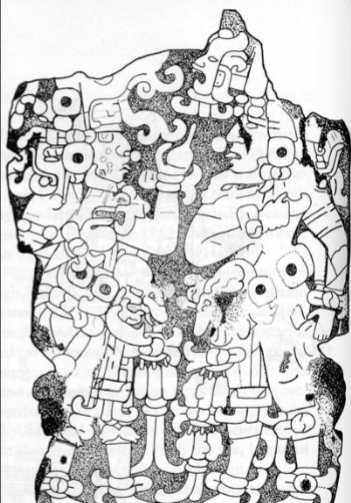
two figures flanking a central column of text with a date that falls sometime before 41CE

81
New cards
<p><span style="background-color: transparent;">Who were most likely the two figures?</span></p>

Who were most likely the two figures?

The two figures below on either side of the column of text were likely historical figures

82
New cards
<p><span style="background-color: transparent;">When was it made?</span></p>

When was it made?

Late formative 

83
New cards
<p><span style="background-color: transparent;">Where was it made?</span></p>

Where was it made?

Takalik Abaj, Guatemala

84
New cards
<p><span style="background-color: transparent;">Who made it?</span></p>

Who made it?

Maya

85
New cards
<p><span style="background-color: transparent;">What was the date?</span></p>

What was the date?

126 CE

86
New cards
<p><span style="background-color: transparent;">How did the Mayan depict lords?</span></p>

How did the Mayan depict lords?

With a frontal torso and profile legs and face

87
New cards

Which period signifies a point of time of early Maya emergence during which cities began developing their own styles of art and architecture which later became the archetype of traditional Maya style

Late Formative

88
New cards

During which period did the Maya began using glyphs and the Long Count extensively?

Late Formative

89
New cards

The Maya were already in decline by the time of Spanish contact

True

90
New cards

Which era did the Maya begin to achieve their greatest success and their far flung influence?

250CE

91
New cards

Which two cities did the Teotihuacan invade because of their massive growth and influence

Tikal and Uaxactun

92
New cards
<p>What were Sacbees?</p>

What were Sacbees?

Elevated stucconed white roads that crossed the swamps

93
New cards
<p>What was the resultant skyline?</p>

What was the resultant skyline?

a series of towering structures broken up by large, open spaces

94
New cards
<p>What concept would the seasons of heavy rain would invoke?</p>

What concept would the seasons of heavy rain would invoke?

The concept of Altepetl or “Water Mountain” emerging from the seas of primordial origins

95
New cards
<p><span style="background-color: transparent;">Where was this found?</span></p>

Where was this found?

Copan, Honduras 

96
New cards
<p><span style="background-color: transparent;">Who made it?</span></p>

Who made it?

Maya

97
New cards
<p><span style="background-color: transparent;">What is it called?</span></p>

What is it called?

“Margarita” Pyramid

98
New cards
<p><span style="background-color: transparent;">When was it made?</span></p>

When was it made?

Early Classic 

99
New cards
<p><span style="background-color: transparent;">Why is it called Margarita?</span></p>

Why is it called Margarita?

demonstrates the complexity of Mayan cultural identity and architectural achievement

100
New cards
<p><span style="background-color: transparent;">When was Margita found?</span></p>

When was Margita found?

1989 by Ricardo Agurcia