Web Caching and SMTP Email Transfer in Application Layer
 Call Kai
 Learn
 Practice Test
 Spaced Repetition
 Match
 Flashcards
 Knowt Play
1/9

There's no tags or description
Looks like no tags are added yet.
10 Terms
What is the primary purpose of web caching?
To reduce response time for client requests and reduce traffic on an institution's access link.

How does web caching benefit content providers?
It enables 'poor' content providers to effectively deliver content.
What roles does a cache serve?
It acts as both a client to the origin server and a server for the original requesting client.
Who typically installs web caches?
Internet Service Providers (ISPs) such as universities, companies, or residential ISPs.
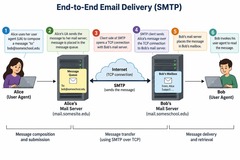
What protocol does SMTP use to transfer email messages?
SMTP uses TCP to reliably transfer email messages.
What is the standard port for SMTP?
Port 25.
What are the three phases of email transfer in SMTP?
Handshaking (greeting), transfer of messages, and closure.
What type of interaction occurs in SMTP?
Command/response interaction, similar to HTTP.
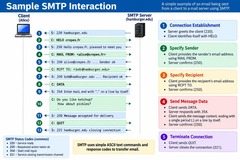
What format must messages be in for SMTP?
Messages must be in 7-bit ASCII.

What is the significance of the command/response format in SMTP?
Commands are sent as ASCII text, and responses include a status code and phrase.