Defenses Against Infection (310)
 Call Kai
 Learn
 Practice Test
 Spaced Repetition
 Match
 Flashcards
 Knowt Play
1/50

There's no tags or description
Looks like no tags are added yet.
51 Terms
What are the body’s defenses against infection?
innate immune mechanisms
adaptive immune response
immunological memory - immunity
Viruses spread infection by
oral
respiratory
sexual transmission
Bacteria spread infection by
oral
respiratory
mucosa
sexual transmission
infected insect bite (skin)
Fungi spread infection via
opportunisitc mechanisns
resident flora
spore inhalation
physical contact
Parasites spread infection by
infected insect bite
oral
through skin in water
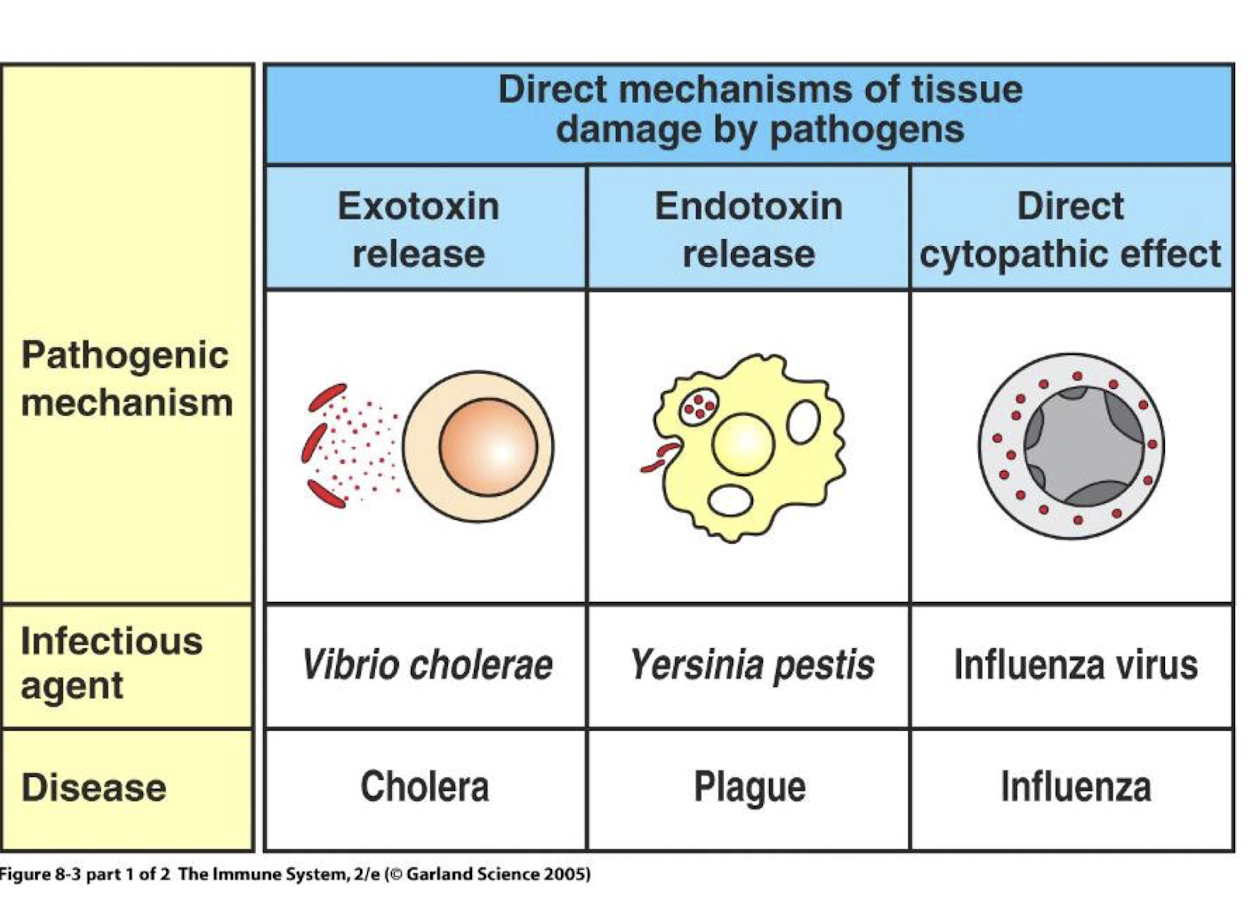
What is the direct ways in which pathogens damage tissue?
exotoxin release
act at cell surfaces
endotoxin LPS release after phagocytic digestion of organisms
cytokine secretion
direct cell killing
cell loss
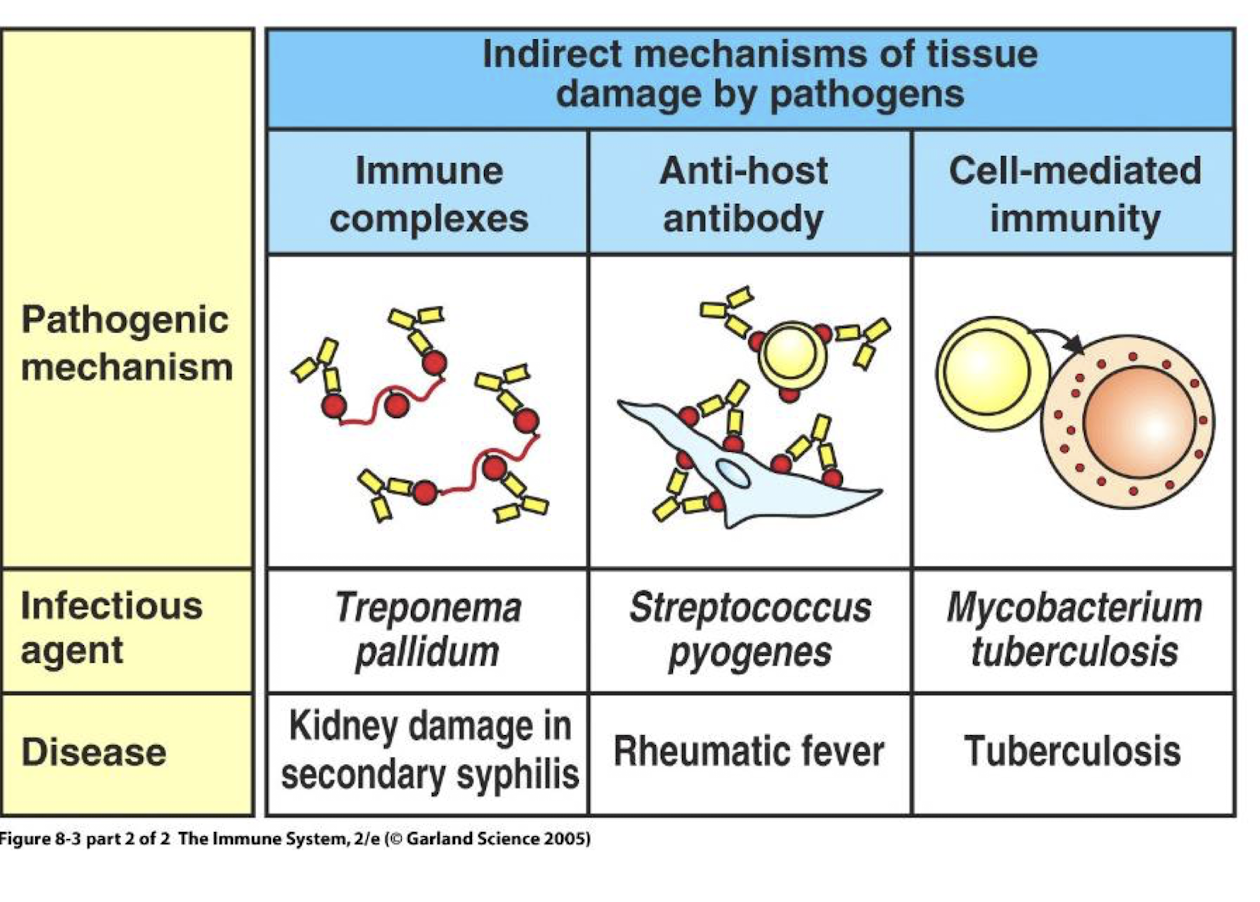
what are the indirect ways in which pathogens can cause tissue damage?
ag-aby immune complexes
kidney, blood vessel, joint damage
autoimmune conditions precipitated by self-aby
cross specificity of pathogen Ag with self ag
inflammatory cells releasing damage mediators and debris
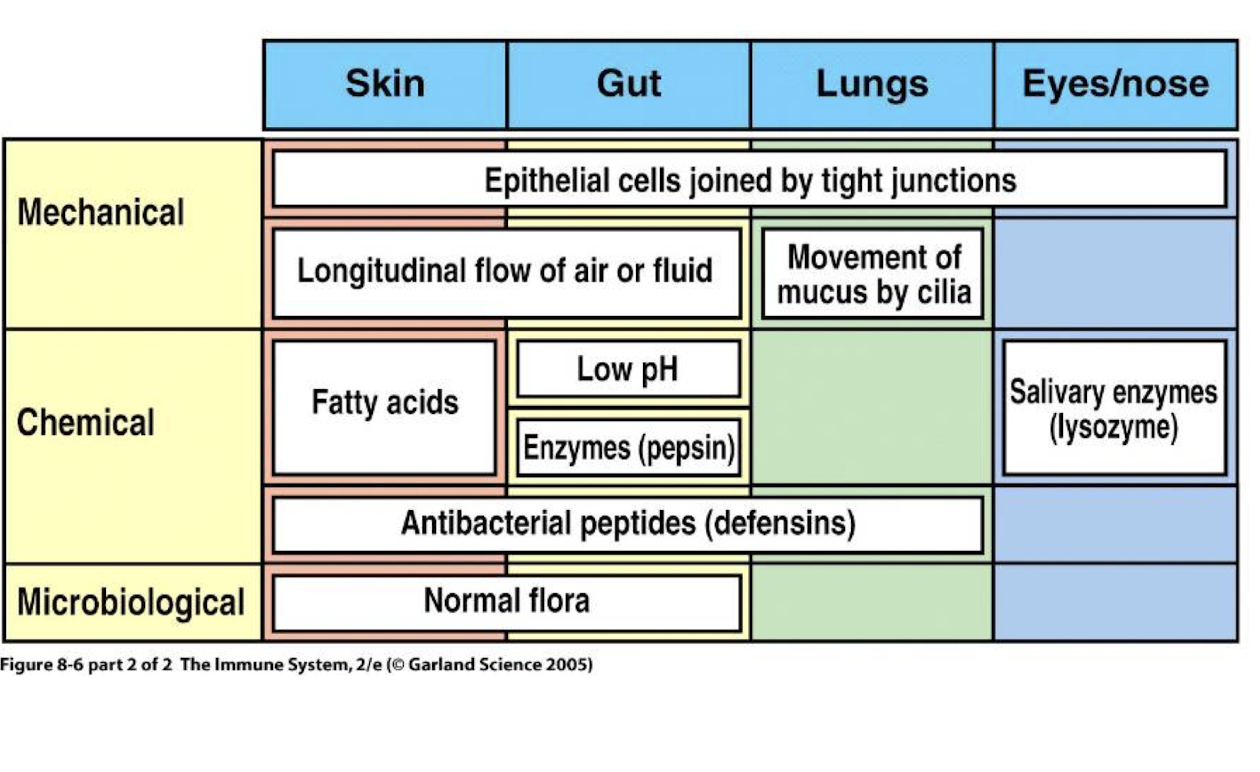
What are the barriers to infection?
Mechanical: scleroproteins, tight junctions movement - avoidance of stasis
Chemical: enzymes and pH modulation
Microbiological: bacterial commensalism (normal flora)- complete for nutrients and attachment sites
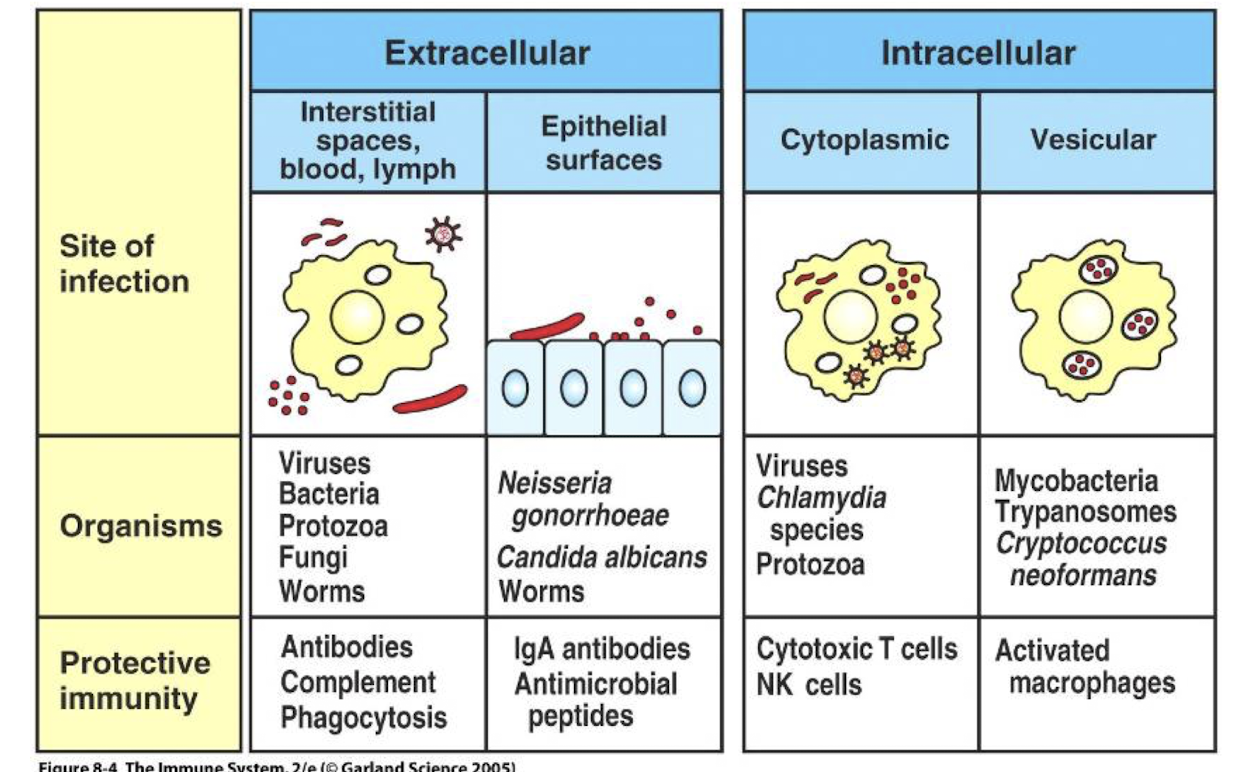
What host defenses are critical for extracellular sites?
Interstitial spaces, blood, lymph nodes
abs
complement
phagocytosis
Epithelial surfaces
IgA abs
antimicrobial peptides
What host defenses are critical for intracellular infection sites?
Cytoplasmic sites
cytotoxic cells
NK cells
Vesicular Sites
activated macrophages
What happens when host defences are broken?
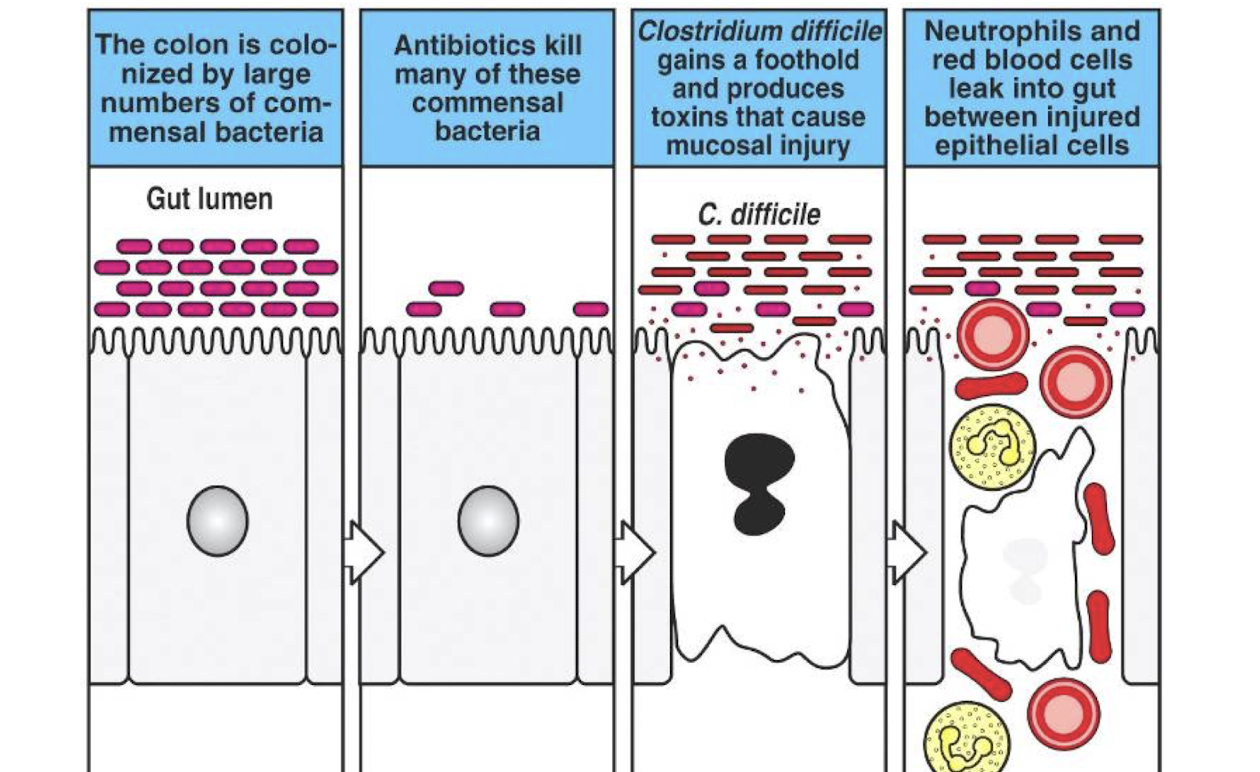
for example in the gut, typically there are commensal bacteria that will protect
however if an antibiotic is taken it destroys this line of defense
therefore bacterial pathogen such as C. difficile can access host sites (gut lumen) and release toxins causing mucosal injury
this triggers the innate immune system, neutrophils and rbcs, to leak into the gut = inflammation
What are the cytokine inducing receptors?
Surface receptors present on cells e..g macrophages
Toll-like receptor (TLR) and lipo-polysaccharide (LPS)
Macrophages phagocytose _____ tagged pathogen mediated by ___ receptor
opsonin; complement
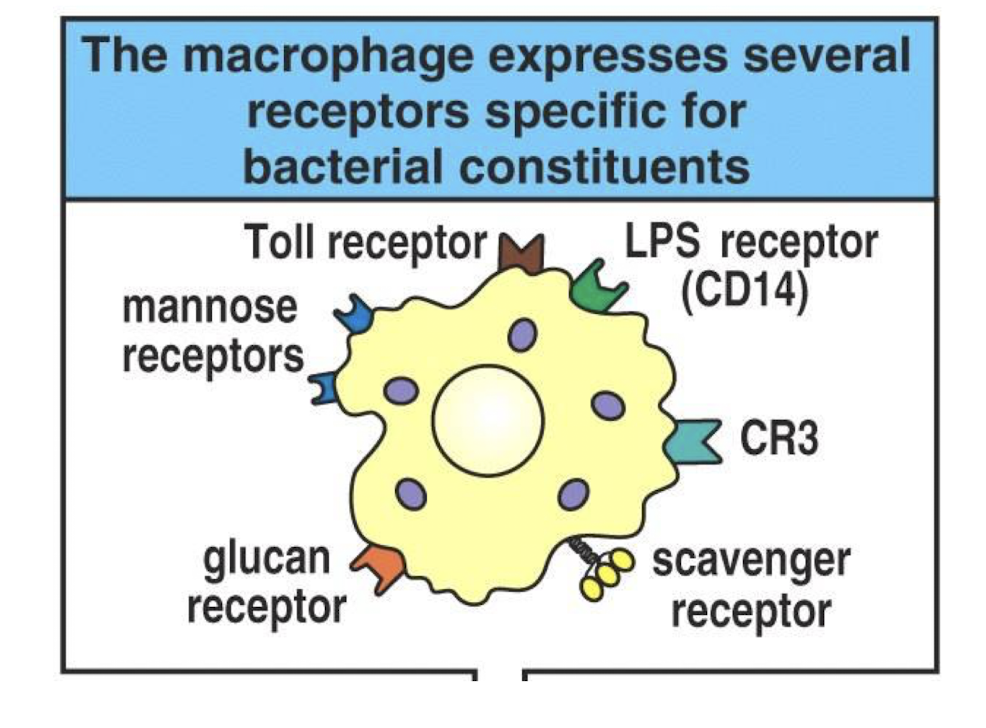
What receptors do macrophages express specific to bacterial components?
toll receptors
LPS receptor/CD14
mannose receptors
glucan receptors
CR3
scavenger receptor
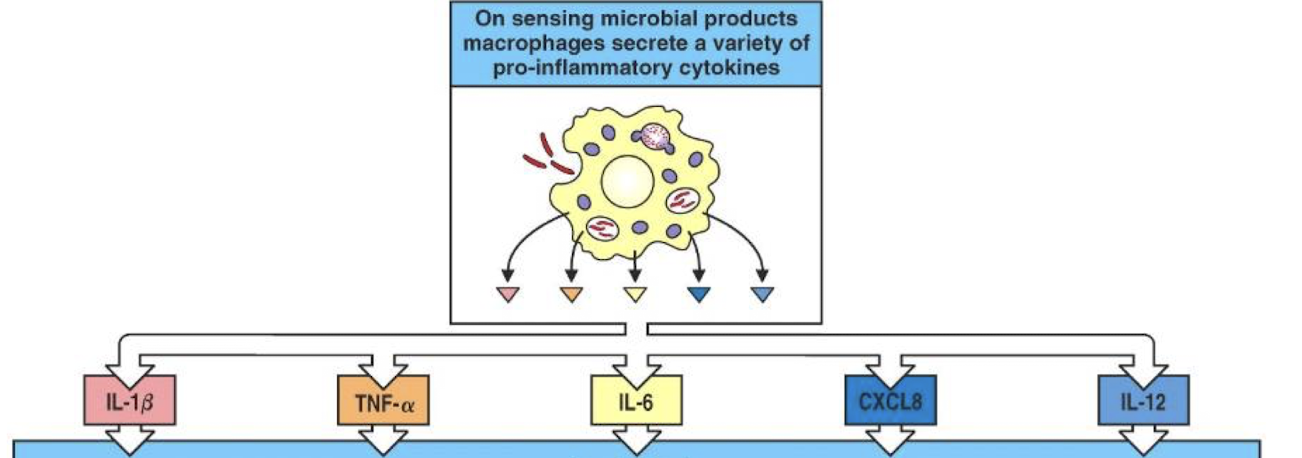
Which proinflammatory cytokines are secreted by macrophages upon detection of microbial products?
ILbeta
TNFalpha
IL-6
CXCL8
IL-12
What are the local effects of IL-1beta?
activates vasuclar endothelium and lymphocytes
destroys local tissues
access of effector cells increases
What are the local effects of TNFalpha?
activates vascular endothelium and increases its permeability
leads to increased IgG, complement and cells to tissues and increased fluid drainage to lymph nodes
What are the local effects of IL-6?
lymphocyte activation
increased abs production
What are the systemic effects of IL1, TNFalpha, and IL-6?
FEVER
IL1: produces IL-6
TNFalpha: mobilization of metabolites, shock
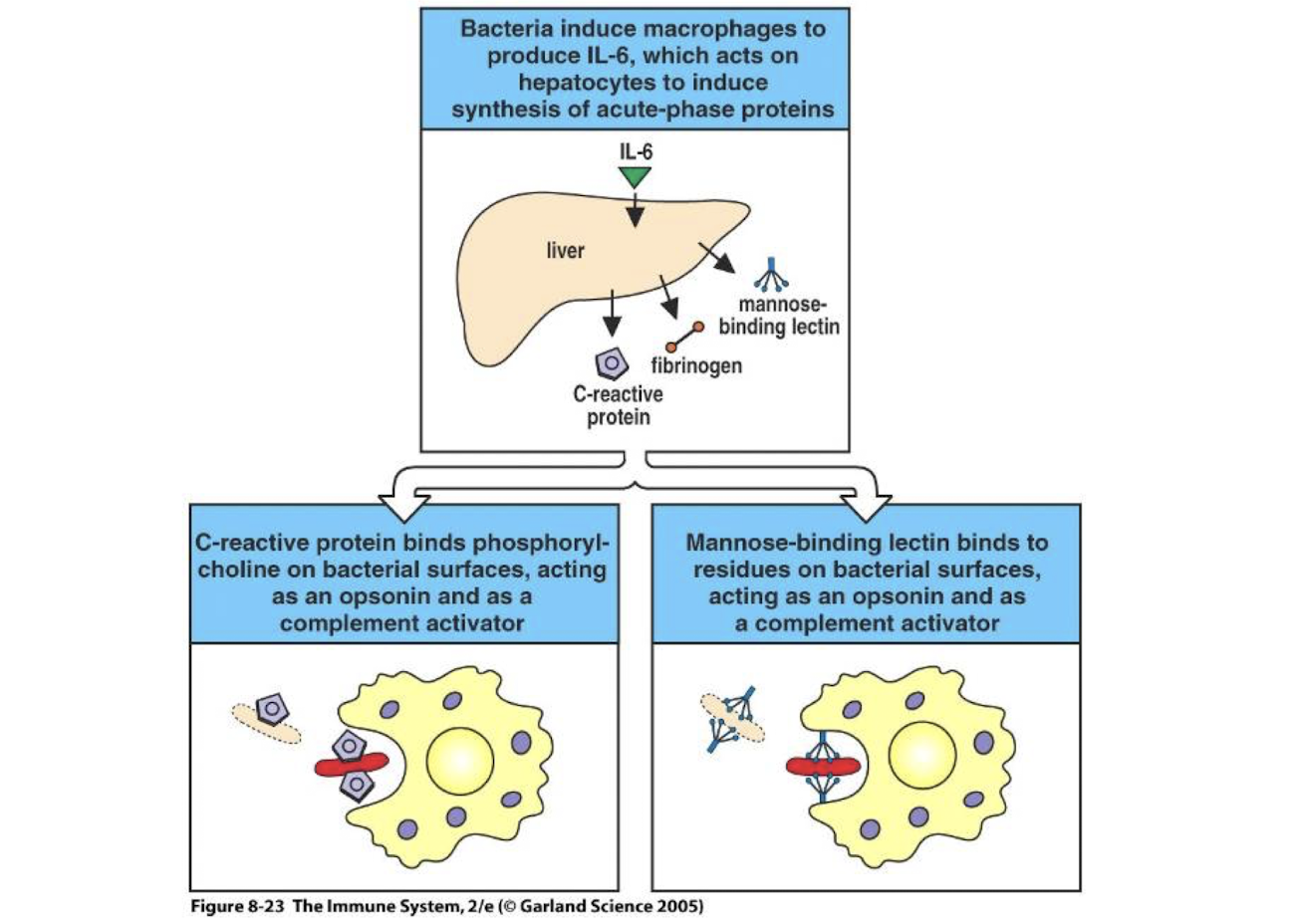
IL-6: induces acute phase protein production in the liver (proteins initiating the lectin complement pathway)
What are the local effects of CXCL8?
recruits neutrophils, basophils, and T cells to infection site
What are the local effects of IL-12?
activates NK cells
Induces the differentiation of CD4 T cells into Th1 cells
What do CC chemokines attract
monocytes, NK cells, and lymphocytes
What cells do CXC chemokines attract?
neutrophils
What is sepsis?
develops when a systemic blood infection occurs
liver macrophages aka Kupffer cells are activated by LPS
Pro-inflammatory cytokines into the blood stream causing widespread coagulation and organ failure = septic shock
What are macrophages?
long lived phagocytic cells
tissue resident
secrete cytokine mediators
What are the neutrophils?
short life span
more abundant
recruited by cytokine mediators released at sites of infection
a phagocyte
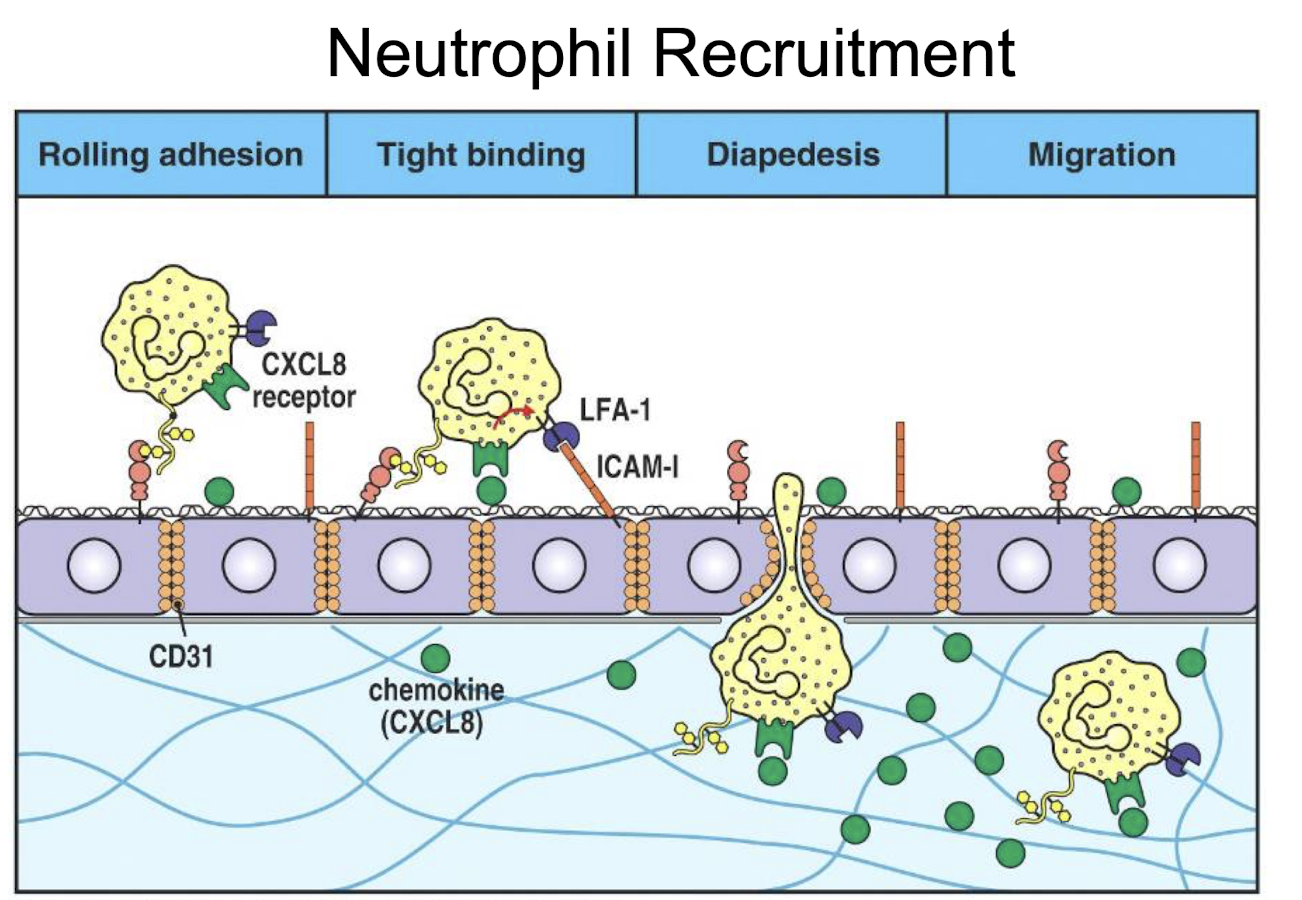
How does neutrophil recruitment occur?
Cytokines induce selectin expression on vascular endothelium
they hook sialyl-Lewisx glycoproteins on neutrophil to induce leukocyte rolling
immunoglobulin-like ICAMs on endothelial serve as ligands for cellular integrin (LFA-1) binding
They then migrate to infection under guidance of CXC chemokine gradient
What are the effector functions of neutrophils?
phagocytosis and microbial killing
respiratory burst
Neutrophil phagocytosis
Phagososomes fuse with preformed granules and lysosomes packed with enzymes and peptide that disrupt and digest microbes
causes resp burst
What is respiratory burst by neutrophils?
Using NADPH oxidase to reduce oxygen to free radicals and then hydrogen peroxide = cell death
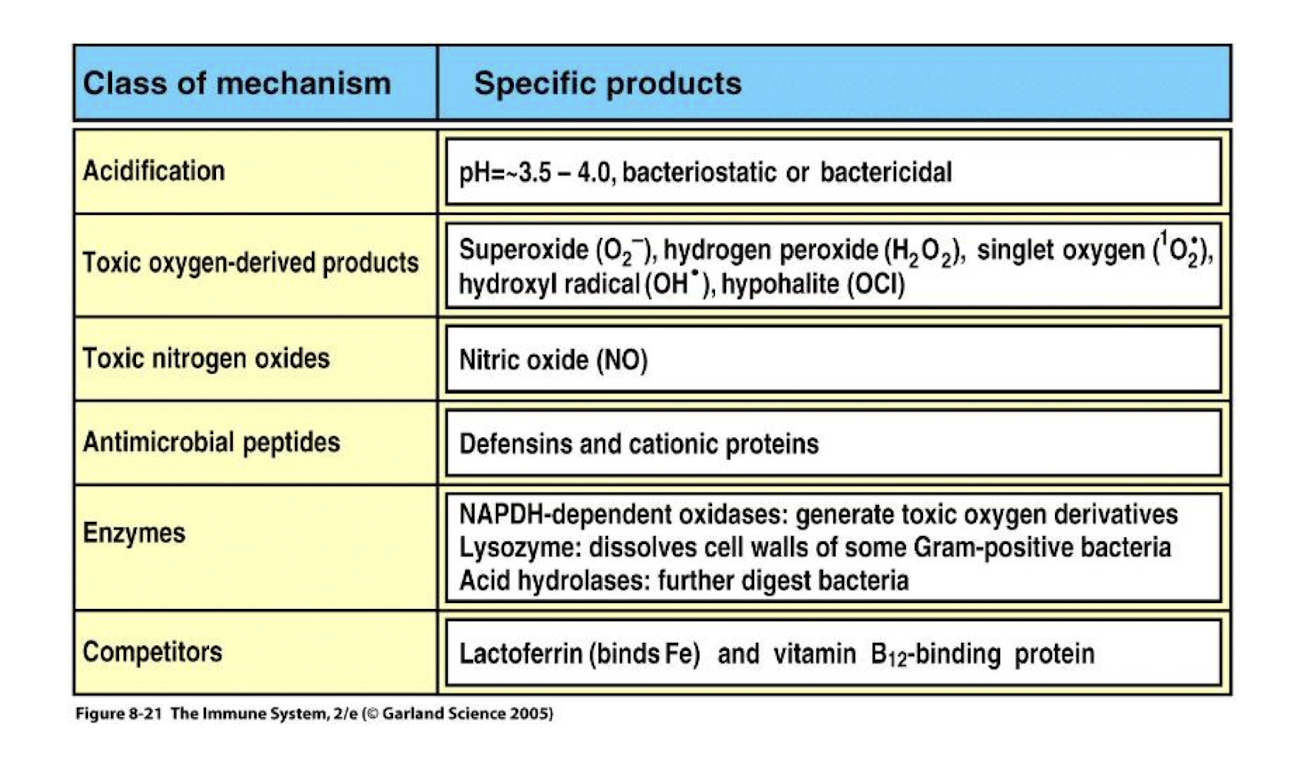
Hydrogen peroxide produced following respiratory burst will combine with hydrogen peroxide mediated by myeloperoxidase to produce ______
Hypochlorite/hypohalite
What type of receptors do neutrophils express?
complement receptors
LPS
What is the fate of the neutrophil following burst?
die by apoptosis or netosis where they throw out DNA NETs (neutrophil extracell traps) decorated with cationic proteins that trap and kill pathogens
dead neutrophils and debris are phagocytosed and cleared by macrophages
activated macrophages secrete inflammatory cytokines that produce wide ranging systemic effects
Why do cytokines cause fever?
They act on the hypothalamus resulting in increasing body temp = fever
What are the acute phase proteins made by hepatocytes?
CRP
mannose binding lectin (MBL)
fibrinogen
What are the virally induced cytokines?
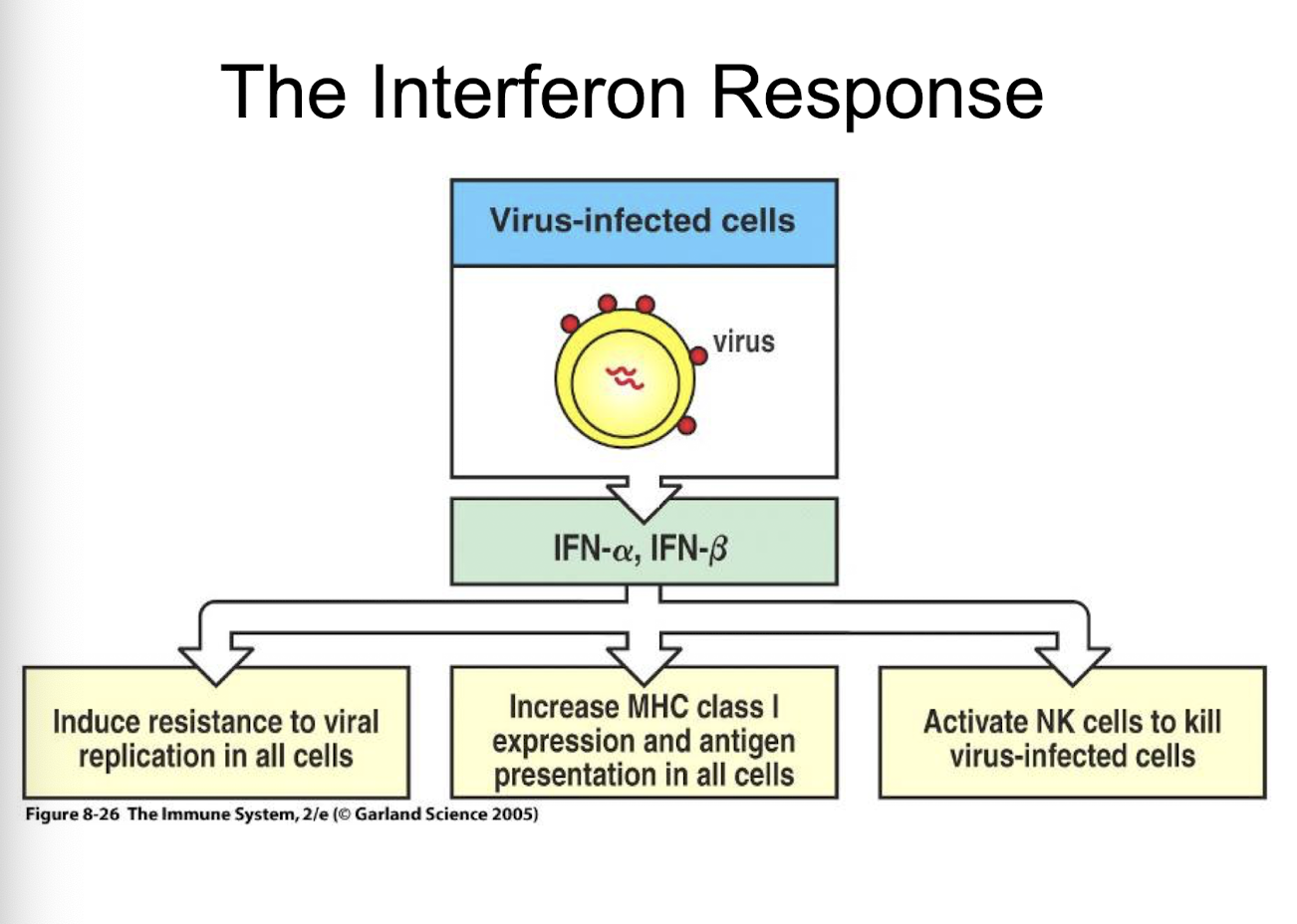
type 1 interferons - alpha and beta
they interfere with vial replication
they signal adjacent cells to prepare defences
What is the interferon response?
What immune responses occur after a viral infection?
production of IFNalpha and beta, TNFalpha and IL2 24 hours later
NK Cell killing of infected cells (~2- days after)
T cell killing of infected cells (day 5 onward)
What are B1 B cells?
minority subpopulation of B cells
non conventional surface phenotype
respond to primary infection rapidly
have general affinity for bacterial polysaccharide Ag
What are gamma-delta T cells
minority subpopulation of T cells
non conventional surface phenotype
respond to primary infection rapidly
secrete cytokines and develop cytotoxic function
What occurs when IgM binds the polysaccharide capsule?
Activation of complement and removal of bacteria
What do memory cells do when there is a viral reinfection
First encounter to viral Ag produces memory cells that constrain future response to re-encounter of that antigen
At age 2, when infected with a virus the body will make antibody to ___ epitopes present on the virus
ALL
AT age 5, when infected with a variant virus with antigens seen from previous exposure the body will make antibody to epitopes ___ with original virus
shared
When exposed to a new variant of a virus with NO shared epitopes to the original virus, what will the immune system do?
Make antibody to all epitopes on this new variant
What happens when all epitopes of the original strain are lost?
No memory response occurs
What does CRP bind to?
Phosphoryl choline on bacterial surfaces
What does MBL bind to ?
Residues on bacterial surfaces
What do B1 cells secrete?
IgM antipolysaccharide antibody
Highly mutable viruses can ____ adaptive immunity
evade
What is original antigenic sin?
immune system prioritizes memory b cell mobilization to produce antibody whilst suppressing new Ag presentation