LAB 6- Joints
 Call Kai
 Learn
 Practice Test
 Spaced Repetition
 Match
 Flashcards
 Knowt Play
1/38

There's no tags or description
Looks like no tags are added yet.
39 Terms
Structural classification- fibrous joints
Sutures in the skull
dense fibrous connective tissue and has no joint cavity
Allows for little to no movement

Cartiloginous joint
2 examples
Synchondroses- hyaline cartilage, epiphyseal plate in growing bones
Symphyses- joined by fibrocartilage like intervertebral discs and teh pubic symphysis
Connected by cartilage and lack a joint cavity, limited mobility
Synovial joints
freely movable joints with fluid filled joint cavity
Ball and socket
Hinge
Pivot
Condyloid
Saddle
Plane
Synarthrosis (immovable)
Extremely stable
ex. sutures between cranial bones
Usually fibrous joints but also some cartilaginous joints
Amphiarthrosis
Allows for only slight movement
Balance between stability and limited mobility
Examples: Symphyses like:
intervertebral discs
pubic symphysis
Diarthrosis
freely movable joints
All synovial joint are diathrotic
Examples
Shoulder, kip, knee, elbow, and most other limb joints
Sutures of the skull

Coronal
connects the frontal to parietal
Saggital
connects parietals
Squamous
connect parietal and temporal
Lambdoid
Connects parietal and occipital
Cartilaginous joints
Epiphyseal plate (synchondrosis)
Intervertebral joints between vertebral bodies (symphysis, amphiarthrosis)
Pubic symphysis (symphysis, amphiarthrosis
Plane joint
Articulatig surafces are flat or slightly curved. This joint allows limited gliding movements, such as those betweem tarsal bones of the foot

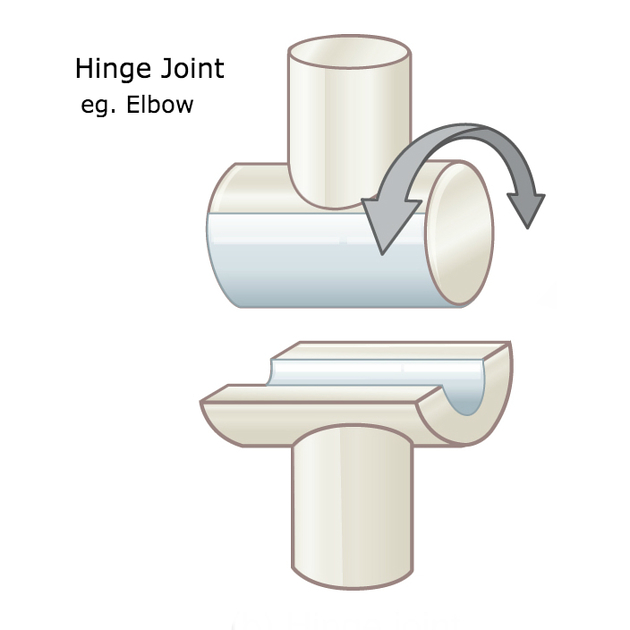
Hinge joint
Permits movement in one plane, typiclaly flexion and extension. The elbow is a classic example.
The ulna and humerus articulate to allow bending and straightening
Pivot joint
Allows rotation around a single axis
The joint between the first two cervical vertebrae, which enables the head to rotate side to side

Condyloid joint
An oval-shaped surface that fits into a complementary depression. They allow flexion, extension, abduction, and adduction.
The joint between the radius and the carpal bones of the wrist is an example

Saddle joint
Both articulating surfaces are shaped like a saddle, allowing movement of two planes
The joint between the trapezium carpal bone and the first metacarpal boe of the thumb is the best exmaple and permits rge thump’s wide mobility

Ball and socket joint
A rounded head firs into a cuplife socket. This shape allows the gfreastest range of motion, including rotation.
The hip joint demonstrates this structure, permitting movements in multiple directions while remaining stable
And shoulder joint

Types of synovial joints

General stucture of synovial joint
Articular cartilage
Joint cavity
Synovial fluid
Articular capsule
Fibrous membrane (outer layer of capsule)
Synovial membrane (inner layer of capsule

Bones and articular structures of the shoulder
☐ Head of humerus
☐ Glenoid cavity of scapula
☐ Glenoid labrum
☐ Acromion
☐ Coracoid process
☐ Clavicle

Ligaments of the shoulder
☐ Glenohumeral ligaments
☐ Coracohumeral ligament
☐ Coracoacromial ligament
☐ Coracoclavicular ligament
Conoid part
Trapezoid part

Rotator cuff muscles
☐ Supraspinatus
☐ Infraspinatus
☐ Teres minor
☐ Subscapularis

Elbow- bones and articular structures
☐ Trochlea of humerus
☐ Trochlear notch of ulna
☐ Capitulum of humerus
☐ Head of radius

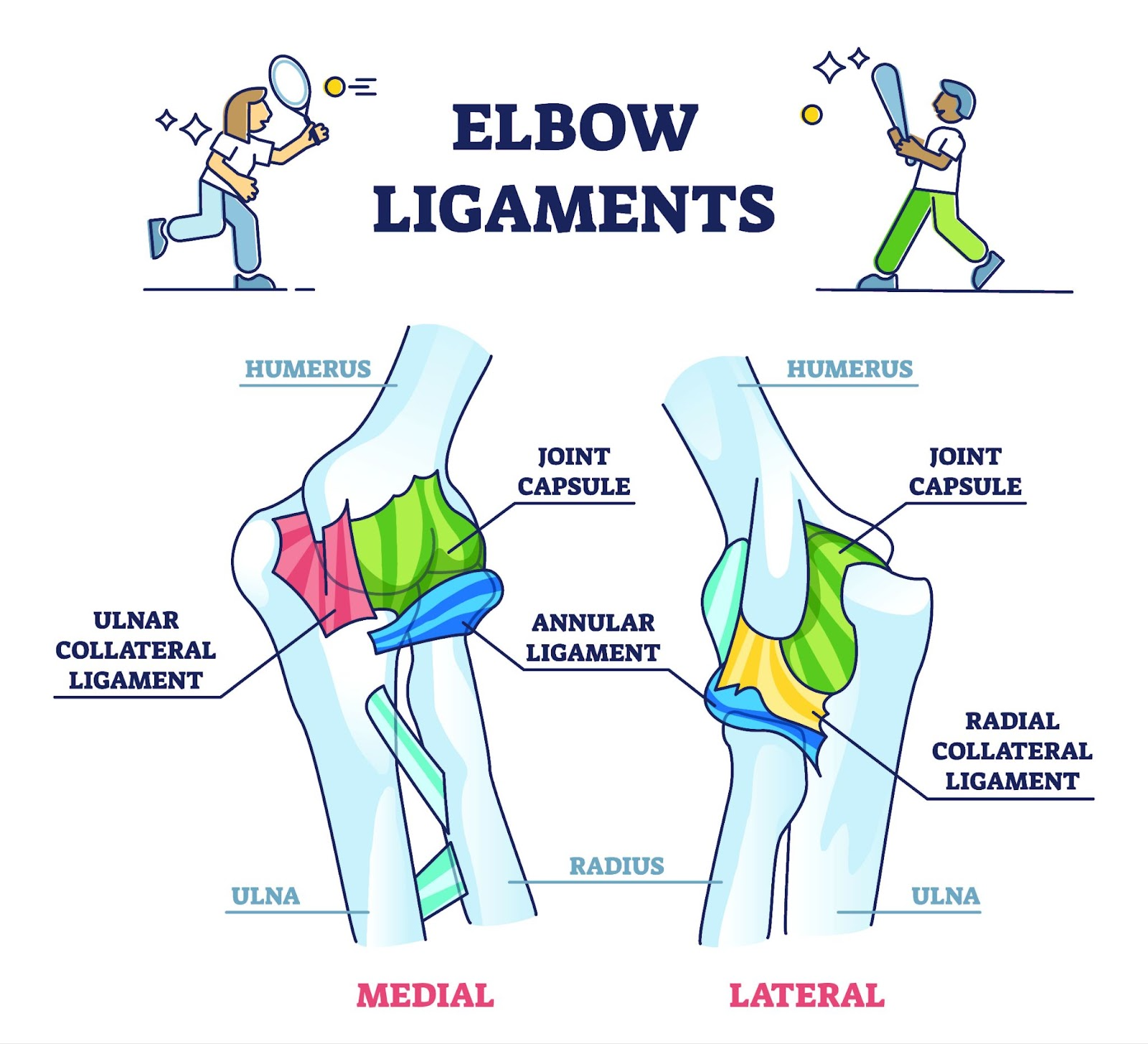
Ligaments- elbow
☐ Ulnar collateral ligament
☐ Radial collateral ligament
☐ Annular ligament
HIp- bones and articular structures
☐ Acetabulum
☐ Head of femur
☐ Acetabular labrum

Ligaments of Hip
☐ Iliofemoral ligament
☐ Pubofemoral ligament
☐ Ischiofemoral ligament

Knee- bones and articular structures
☐ Femur
☐ Tibia
☐ Fibula
☐ Patella
☐ Femoral condyles
☐ Tibial condyles
☐ Medial meniscus
☐ Lateral meniscus

Ligaments of the knee
☐ Anterior cruciate ligament (ACL)
☐ Posterior cruciate ligament (PCL)
☐ Medial (tibial) collateral ligament (MCL)
☐ Lateral (fibular) collateral ligament (LCL)
☐ Patellar ligament

joint movements
☐ Flexion / Extension
☐ Abduction / Adduction
☐ Circumduction
☐ Rotation (including medial and lateral rotation)
☐ Supination / Pronation
☐ Dorsiflexion / Plantar flexion
☐ Inversion / Eversion
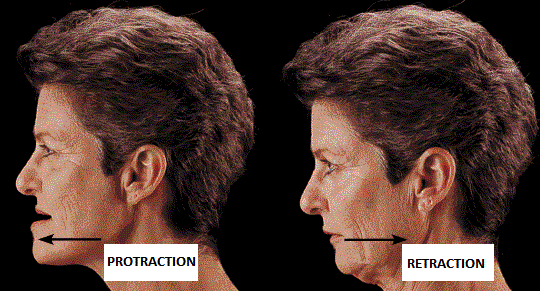
☐ Protraction / Retraction
☐ Elevation / Depression
☐ Opposition
Flexion/extension
flexion: decreases the angle between bones
Extension: increases the angle between bones

Abduction/Adduction/Circumduction
Abduction: moves limb away from teh midline of the body
Adduction: Brings the limb back towards the midline of the body
Circumduction: a circular motion that combines flexsion, extension, abduction, and adduction. It produces a cone-shaped path, mostly clearly demonstarted at the shoulder

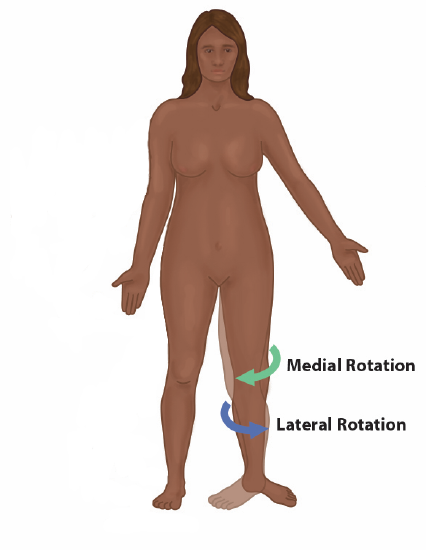
Rotation
occurs when a bone pivots around its longitudinal axis
At the neck, rotation allows turning side to side
At the shoulder and hip, includes medial and laternal rotation
Supination and Pronation

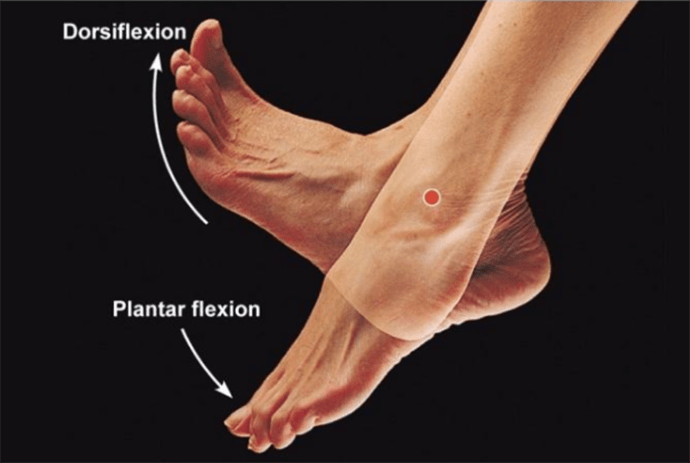
Dorsi and Plantar Flexion
Inversion and Eversion

Protraction and retraction
Elevation and Depression

Opposition
