HG Unit 2 - Economic Development & Globalization
 Call Kai
 Learn
Learn Practice Test
 Spaced Repetition
 Match
Match Flashcards
1/39

There's no tags or description
Looks like no tags are added yet.
40 Terms
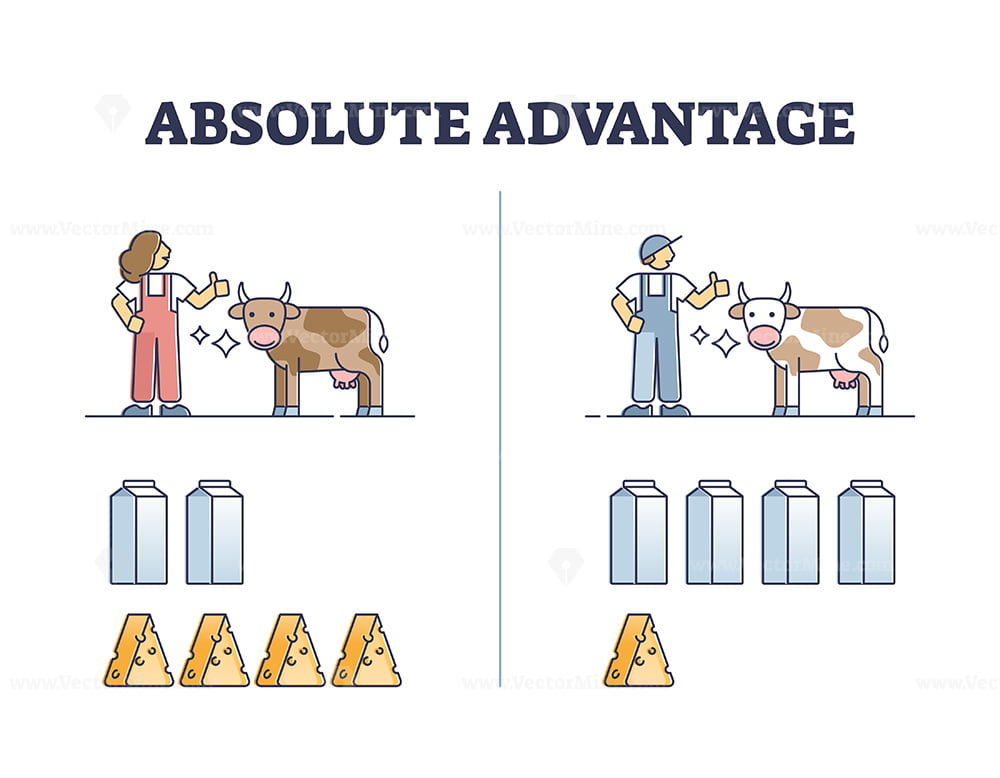
absolute advantage
the ability to produce MORE QUANTITY of a given product using a given amount of resources

comparative advantage
the ability to produce a good at a LOWER OPPORTUNITY COST than another producer or country

opportunity cost
whatever must be given up to obtain some item
specialization
A focus on a particular activity or area of study

Production possibilities curve
the maximum number of two different goods an economy can make when it uses all its resources and technology efficiently
HUMAN DEVELOPMENT INDEX (HDI)
a measure of living conditions using factors such as life expectancy, education, and income
MORE DEVELOPED COUNTRIES
Country that is highly industrialized and has a high per capita GDP.
Less developed countries (LDC)
countries at a relatively low level of economic development

PRIMARY SECTOR ECONOMIC ACTIVITY
EXTRACTING and HARVESTING RAW MATERIALS directly from the Earth

SECONDARY SECTOR ECONOMIC ACTIVITY
Activities that add value to raw materials through some form of MANUFACTURING, CONSTRUCTING, or PROCESSING.

TERTIARY SECTOR ECONOMIC ACTIVITY
SERVICE-RELATED industries such as warehousing, retail stores, personal services (hairdresser, manicurist), commercial services (accounting, advertising, entertainment)
ECONOMIC BARRIERS
SOCIAL, POLITICAL, and ECONOMIC hurdles or obstacles that slowdown a country's ability to be more economically developed. Example, poverty poses the greatest risk to health, which causes workers to be less productive
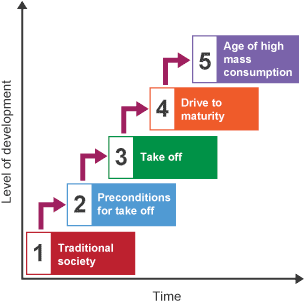
ROSTOW'S 5-STAGE MODEL
All countries develop in a five-stage process. Development cycle initiated by investment in a takeoff industry that allows the country to grow a comparative advantage, sparks greater economic gain that eventually diffuses throughout the country's economy.

WORLD SYSTEM THEORY
categorizes countries into CORE, PERIPHERY, and SEMI-PERIPHERY and emphasizes the inequalities of the division of labor at the global level
Core Countries
INDUSTRIALIZED former colonial states that dominate the world economic system
Periphery Countries
the LEAST DEVELOPED and least powerful nations; often exploited by the core countries as sources of raw materials, cheap labor, and markets
Semi-Periphery Countries
the INDUSTRIALIZING, mostly capitalist countries which are positioned between the periphery and core countries
Rostow's stage 1
TRADITIONAL SOCIETY, characterized by a pre-industrial, subsistence-based agricultural economy
Rostow's stage 2
PRECONDITIONS FOR TAKEOFF: An elite group/ leadership initiates development through investment in innovative activities, there is a shift to the MANUFACTURING Sector, trade relations with other nations develop, and more technical knowledge is learned that improves the economy
Rostow's Stage 3:
TAKEOFF stage with MANUFACTURING jobs expanding
Rostow's Stage 4
DRIVE TO MATURITY: Increased manufacturing SPECIALIZATION and INTEGRATION into the GLOBAL ECONOMY, technical achievements diffuse throughout the country, advancements are seen in many sectors of the economy, workers become increasingly skilled and educated, and fewer people are engaged in traditional activities
Rostow's Stage 5
AGE OF MASS CONSUMPTION: ADVANCED SECTORS of the economy emerge (Tertiary, Quaternary, and Quinary), HIGHLY SPECIALIZED production dominate the economy, technical knowledge and education levels are high, and agriculture is mechanized and employs a small labor force.
infrastructure
Fundamental facilities and systems serving a country, city, or area, as transportation and communication systems, power plants, and schools

deindustrialization
process by which INDUSTRIAL JOBS MOVED to other regions with cheaper labor, leaving the newly deindustrialized region to switch to a service economy and to work through a period of high unemployment

post-industrialization
the SHIFT FROM an industrial economy dominated by manufacturing jobs to an economy dominated by SERVICE-ORIENTED information-intensive occupations.
property rights
the ability of an individual to OWN and exercise control over scarce resources
Gross Domestic Product (GDP)
The TOTAL MARKET VALUE of all the FINAL goods and services produced in a nation in a given year

Inflation
a general INCREASE in prices and fall in the purchasing value of money.

deflation
a DECREASE in the general level of prices
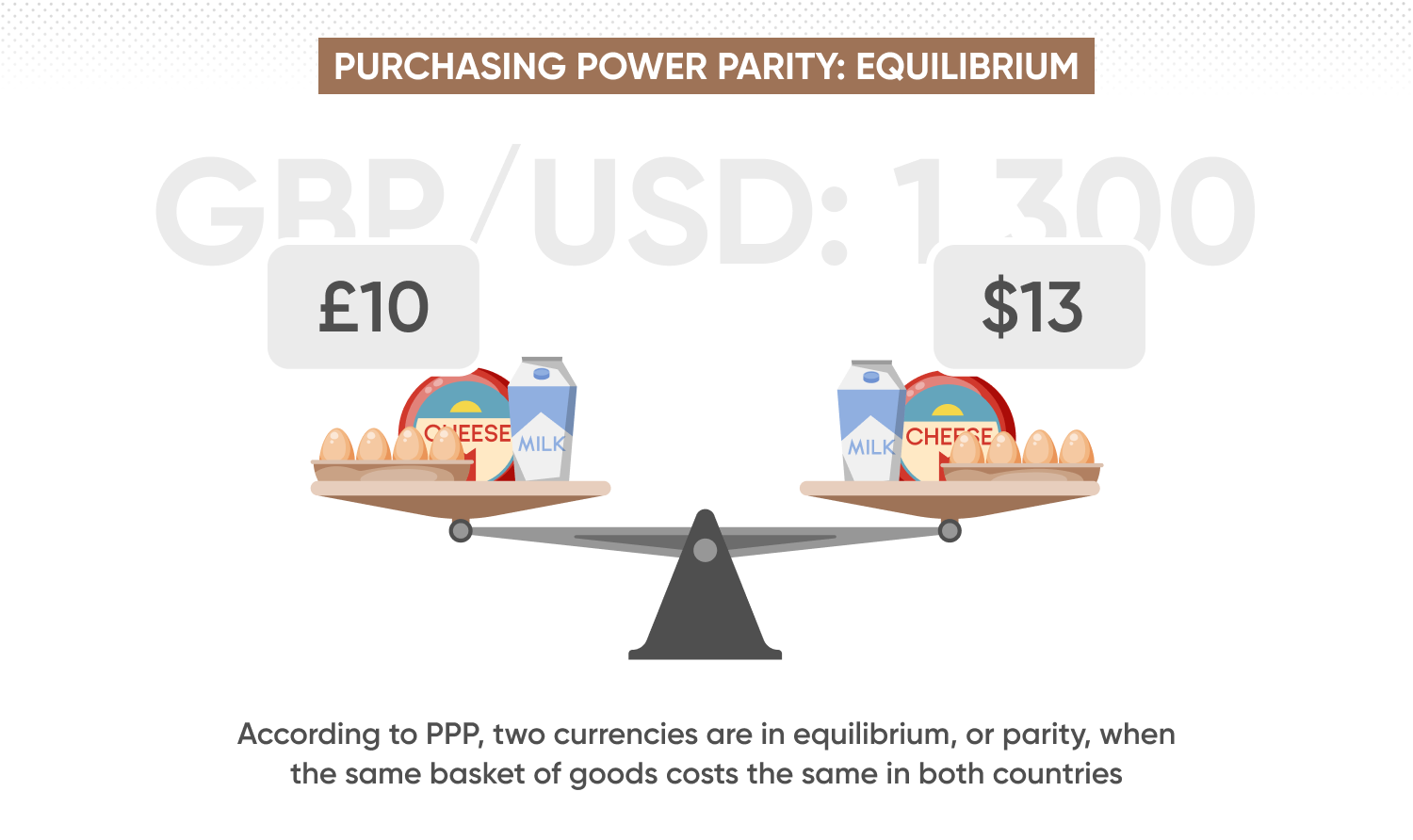
Purchasing power parity
a measure of the price of specific goods in different countries

subsidy
government payment to encourage or protect a certain economic activity

quota
a limited or fixed number or amount of people or things, in particular.

market economy
Economic decisions are made by individuals and private enterprises or the open market.

command economy
An economic system in which the government controls a country's economy.

Scarcity
Limited quantities of resources to meet unlimited wants

net export
total exports minus total imports

trade deficit
situation in which a country imports more than it exports

Outsourcing
Hiring workers in other countries to do a set of jobs
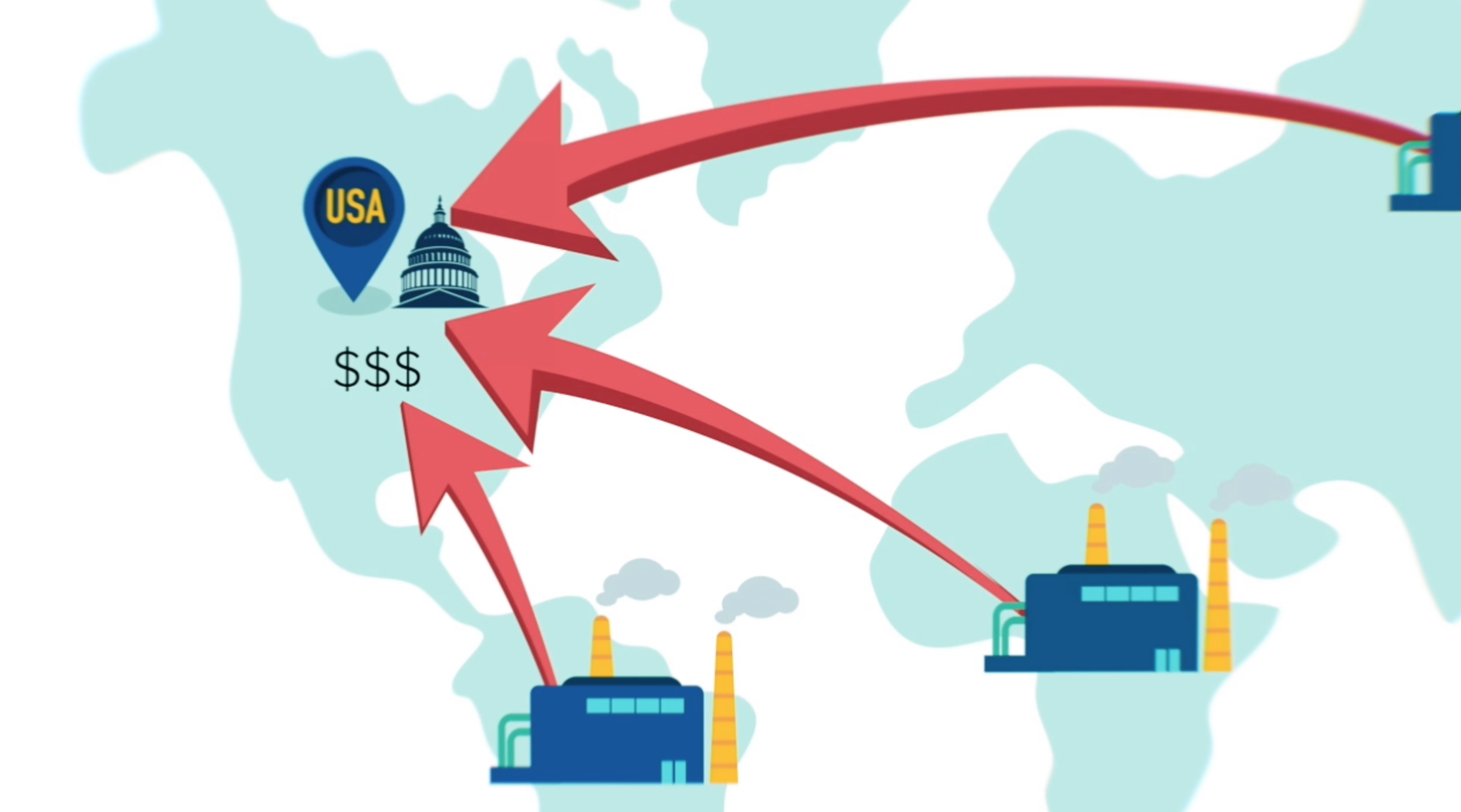
Reshoring
moves foreign production and jobs back to domestic locations
GDP per capita
Gross domestic product divided by the number of people in the population.