BIO 223 ECG, Blood Pressure, & Pulse
 Call Kai
 Learn
 Practice Test
 Spaced Repetition
 Match
 Flashcards
 Knowt Play
1/25

There's no tags or description
Looks like no tags are added yet.
26 Terms
ECG
a recording of the electrical activity of the heart
P wave

atrial depolarization and contraction
the mechanical events that the P wave includes are
PR interval

PR segment

QRS complex
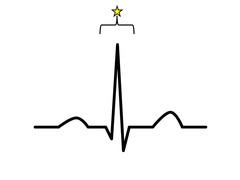
ventricular depolarization and contraction
the mechanical events that the QRS complex includes are
ST segment

QT interval

T wave

ventricular repolarization and relaxation
the mechanical events that the T wave includes are
depolarization
occurs during the P wave and QRS complex
repolarization
occurs during the ST segment
systole
maximum pressure in arteries
diastole
arterial pressure when the heart rests between beats
120/80 mmHg
normal blood pressure
korotkoff sounds
series of sounds that correspond to changes in blood flow through an artery as pressure is released
tapping
systolic korotkoff sound
silence
diastolic korotkoff sound
pulse pressure
difference between systolic and diastolic pressure
wrist, neck, elbow
name the three most common pulse locations
QRS Complex
represents ventricular depolarization, an electrical activation of the ventricles, leading to ventricular contractio
P wave
represents atrial depolarization, an electrical activation of the atria, leading to atrial contraction
T wave
represents ventricular repolarization, an electrical recovery of the ventricles, allowing them to relax.
Blood pressure
force of blood pushing against the walls of your arteries as
your heart pumps blood throughout your body
Pulse
rhythmic beating you can feel in your arteries
each time your heart pumps blood through your body.