Cranial Nerves Quiz Brig
 Call Kai
 Learn
Learn Practice Test
 Spaced Repetition
 Match
Match Flashcards
 Knowt Play
1/72

There's no tags or description
Looks like no tags are added yet.
Name | Mastery | Learn | Test | Matching | Spaced | Call with Kai | Chat |
|---|
No analytics yet
Send a link to your students to track their progress
73 Terms
Which two cranial nerves are not true cranial nerves?
I and II
originate from forebrain instead of brain stem
what is the only cranial nerve to leave the brainstem on the dorsal surface
CN IV
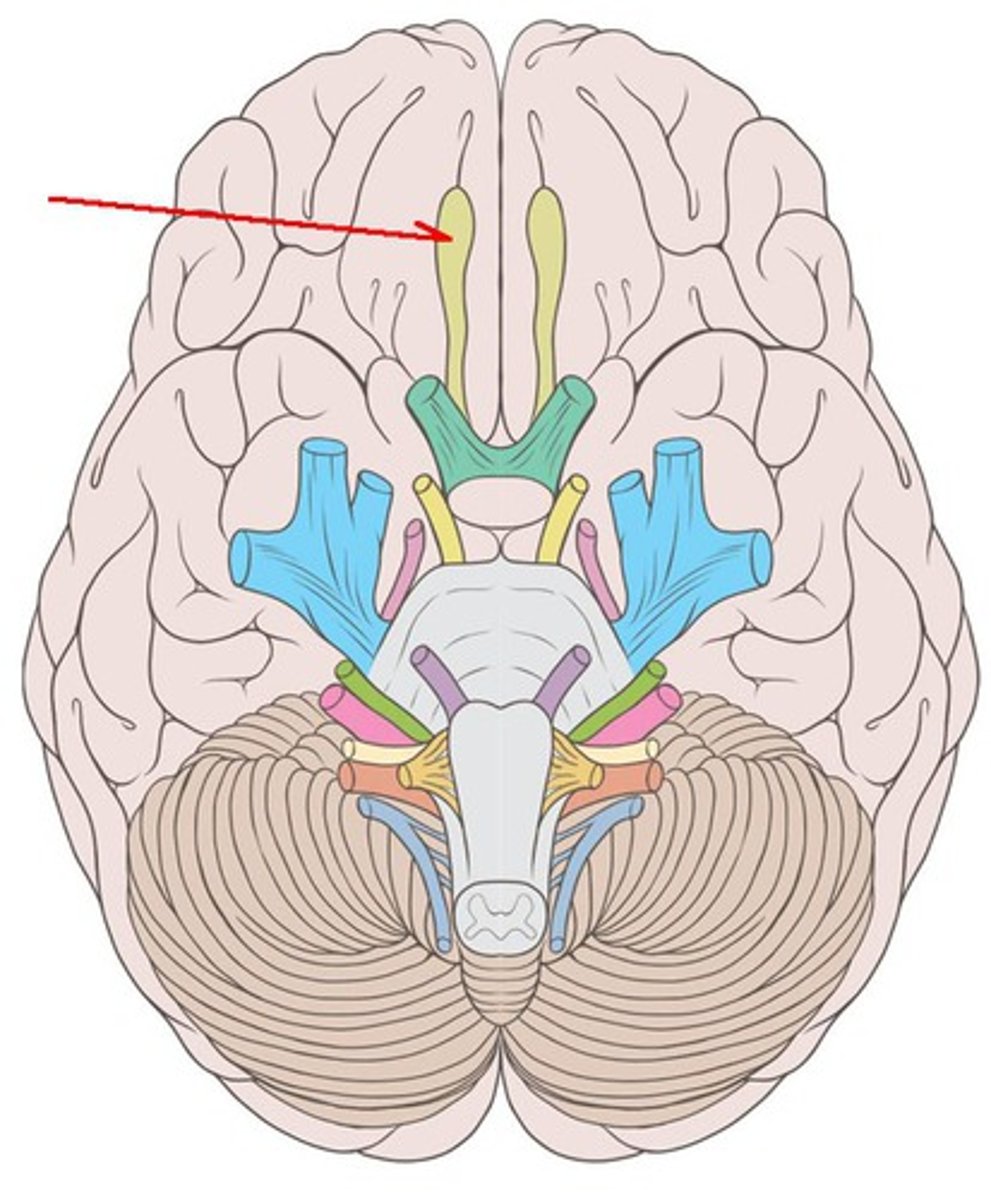
CN I name
olfactory nerve
CN I composition
sensory
CN I origin
forebrain
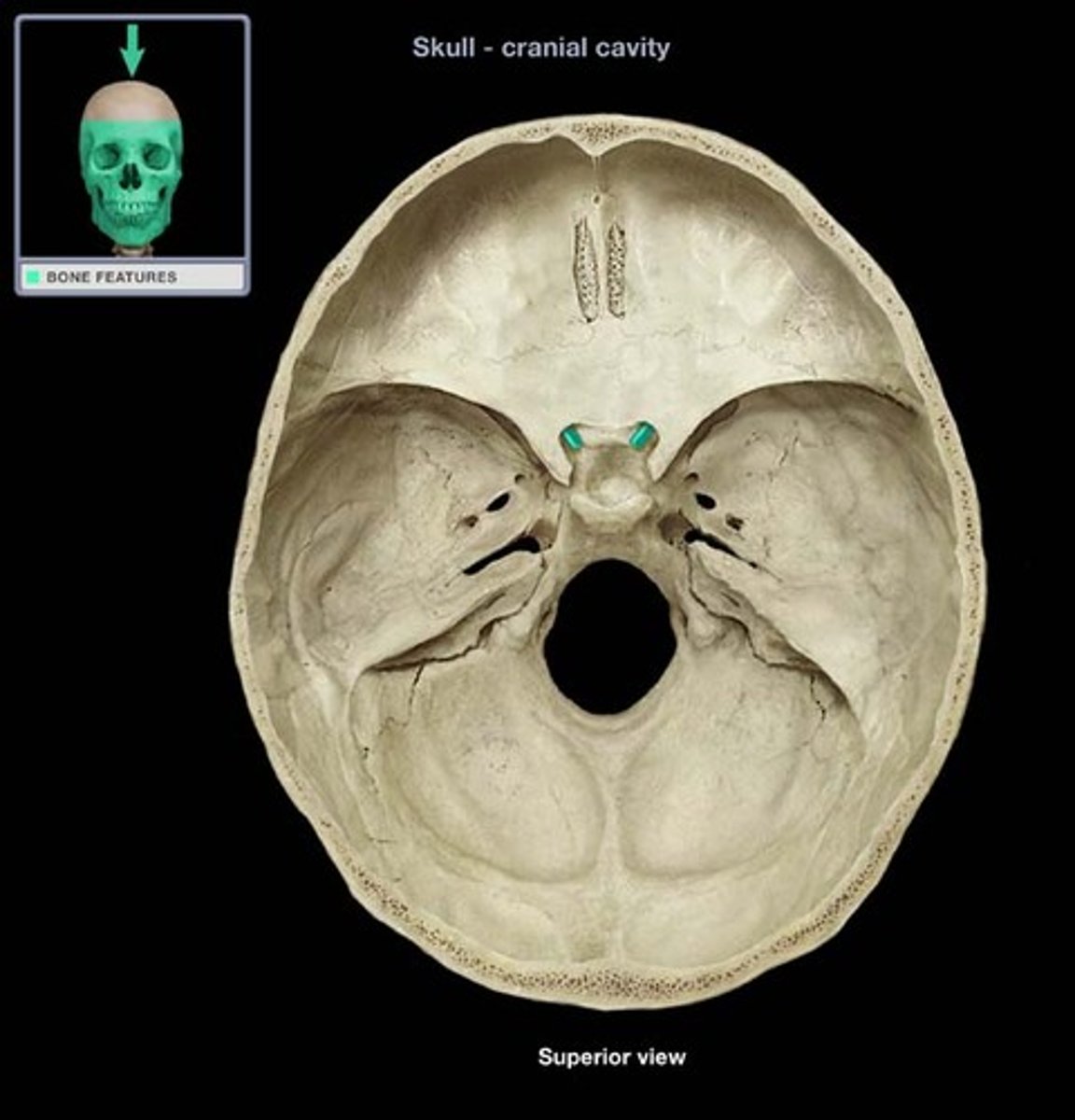
CN I foramina
cribriform plate of ethmoid bone
CN I function
smell from nasal mucosa
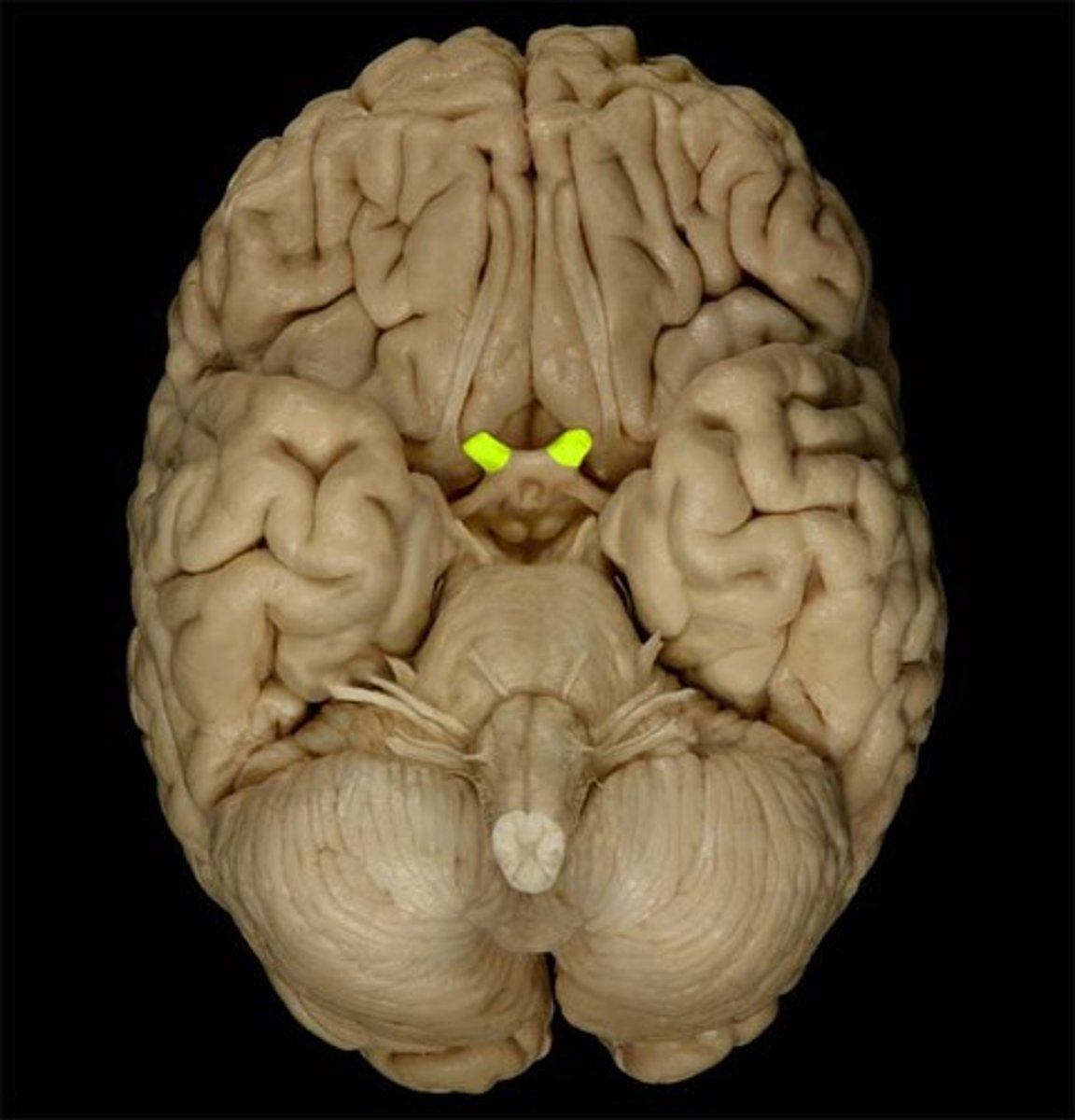
CN II name
optic nerve
CN II composition
sensory
CN II origin
forebrain
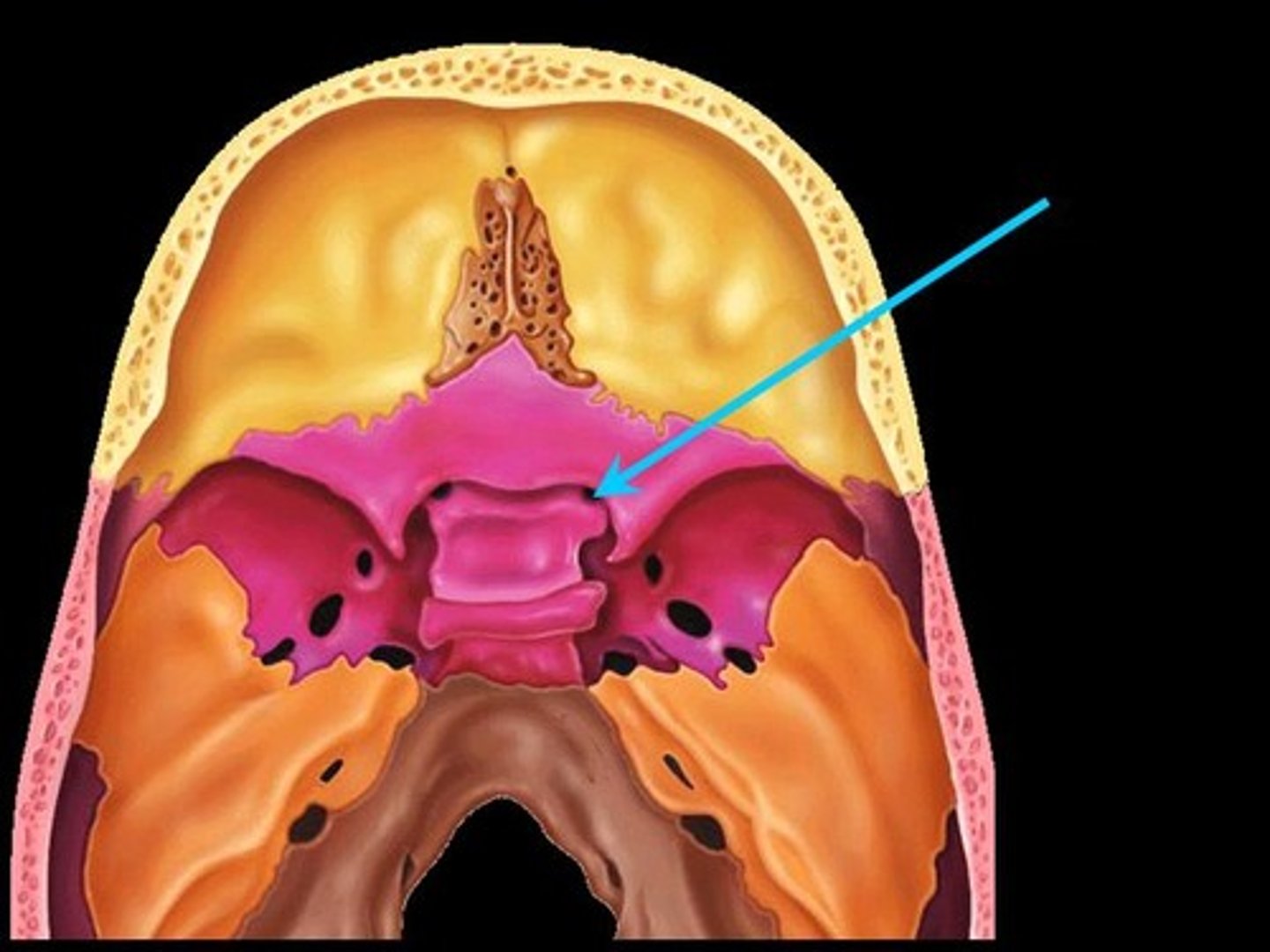
CN II foramina
optic canal of sphenoid bone
CN II function
vision
CN III name
oculomotor nerve
CN III composition
motor (w/ parasympathetic output)
CN III origin
midbrain
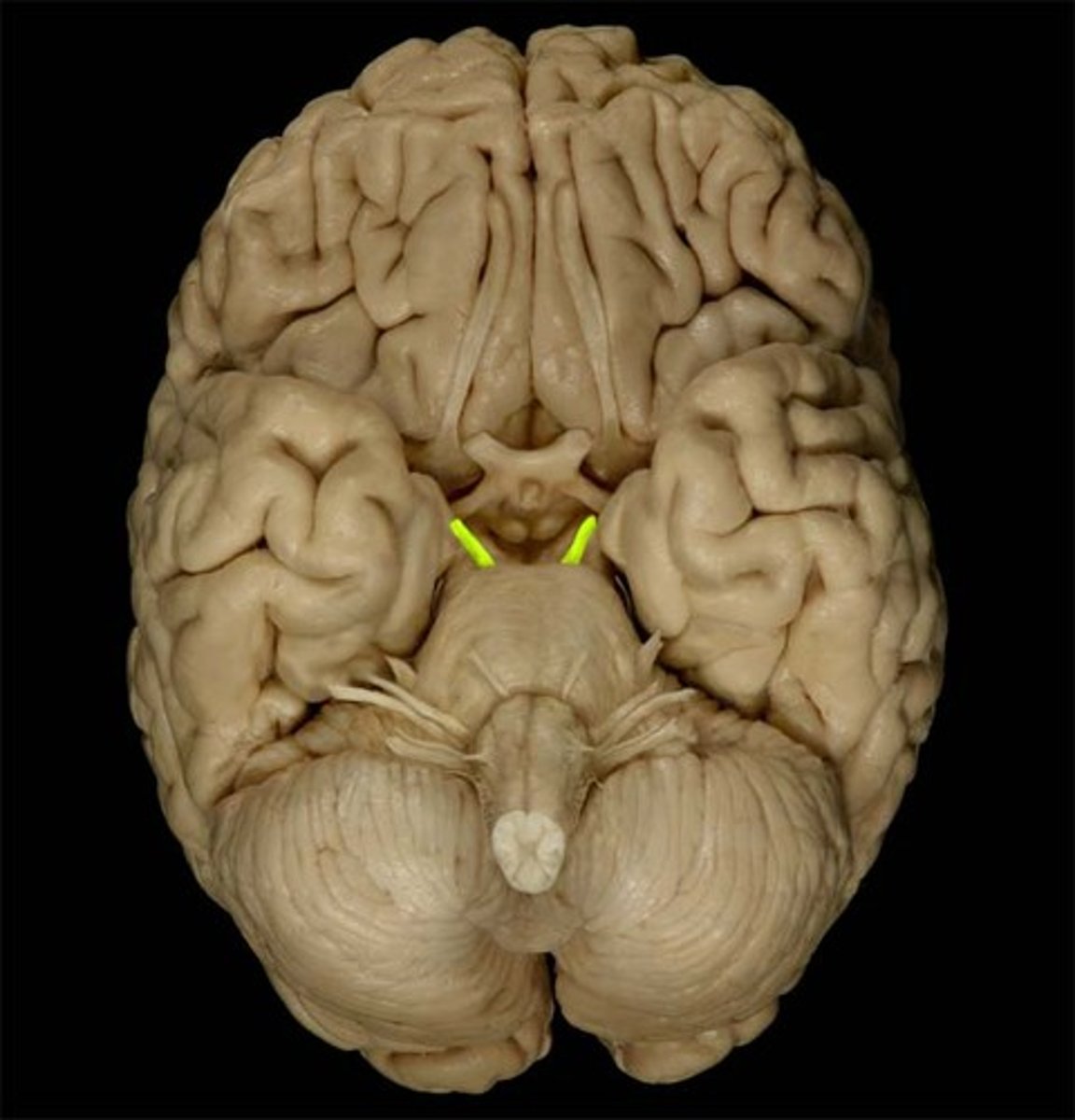
CN III foramina
superior orbital fissure
CN III function
Motor innervation to all extrinsic eye muscles (except superior oblique and lateral rectus) and all intrinsic eye muscles
CN IV name
trochlear nerve
CN IV composition
motor
CN IV origin
midbrain
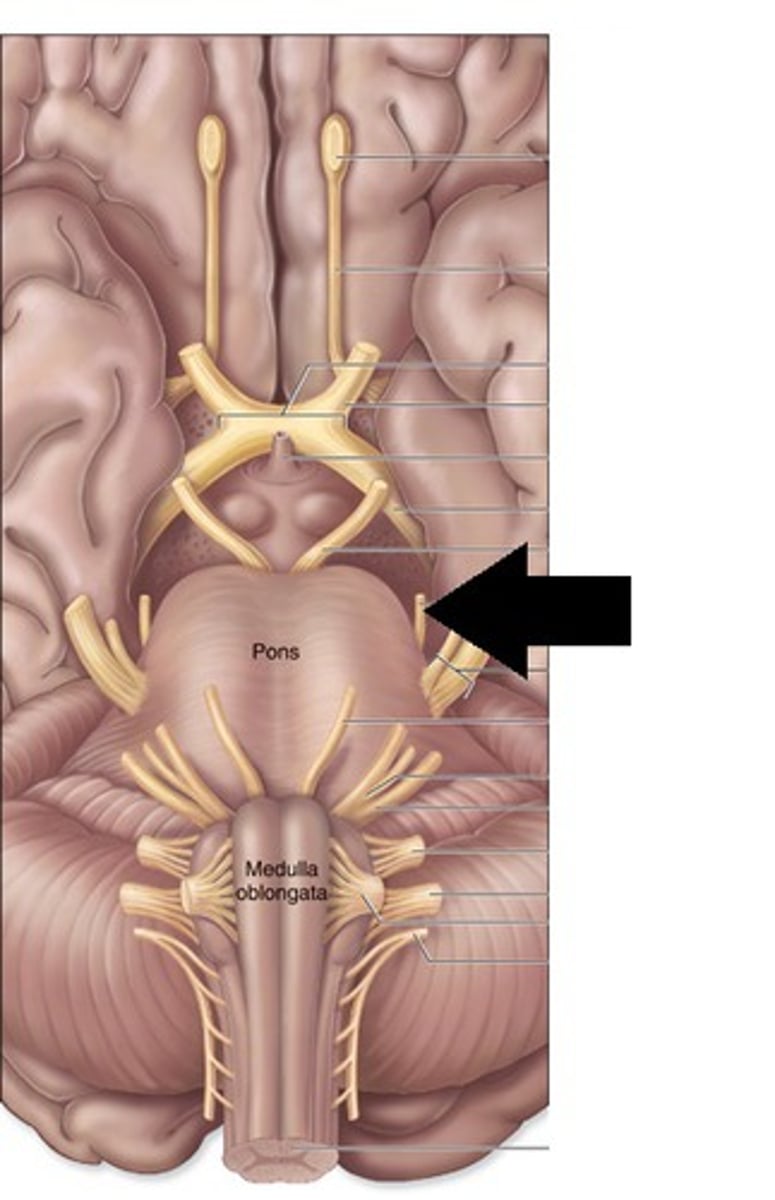
CN IV foramina
superior orbital fissure
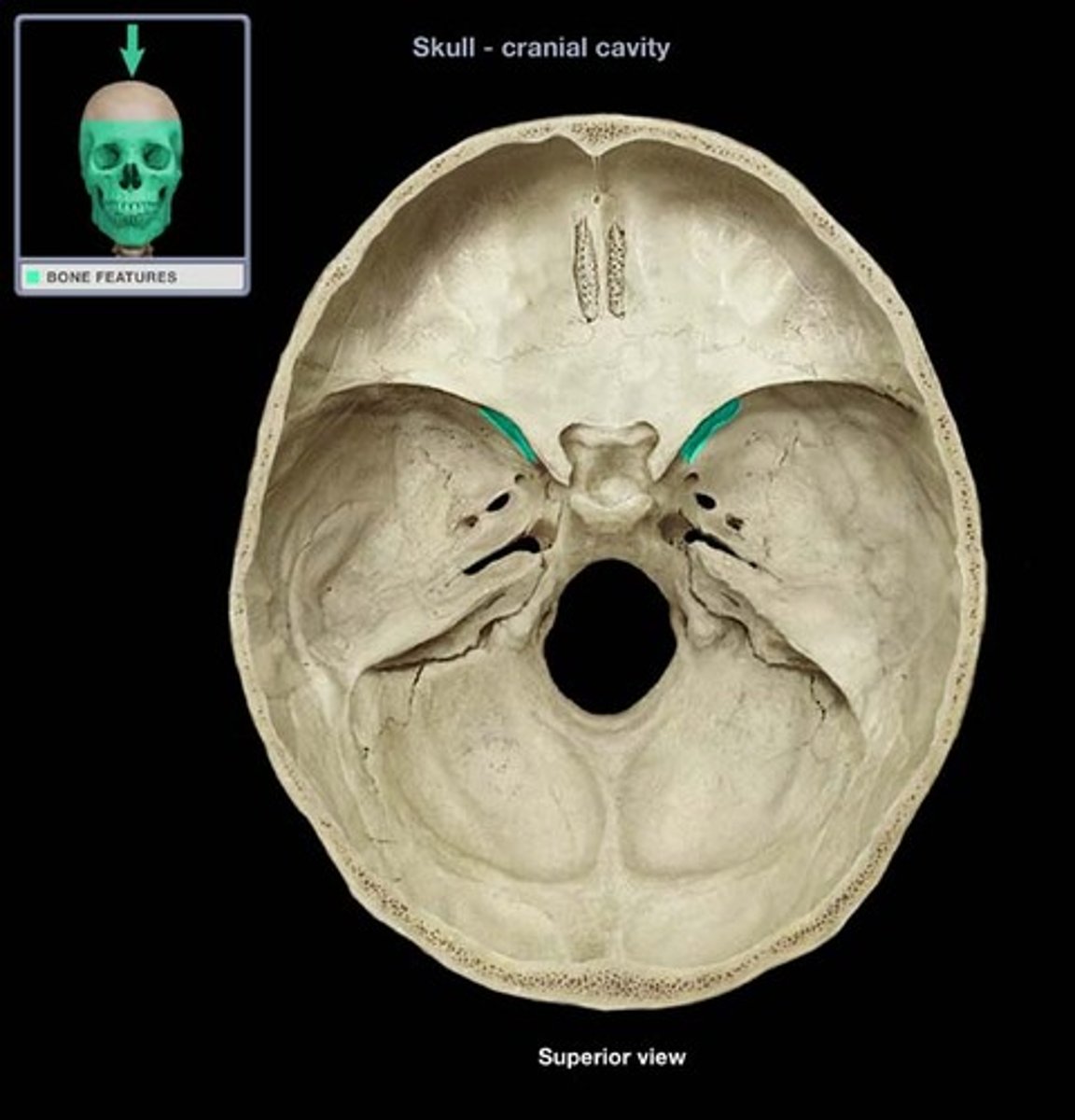
CN IV function
motor innervation to superior oblique muscle of the eye
-rolls eyeball inferolaterally
CN V name
trigeminal nerve
CN V composition
mixed
CN V origin
Pons
CN V foramina (3 divisions)
Ophthalmic division, V1 - superior orbital fissure
Maxillary division, V2 - foramen rotundum of sphenoid bone
Mandibular division, V3 - foramen ovale of sphenoid bone
CN V functions
1. carry sensory information from face and jaws
2. motor innervation to muscles of mastication
CN VI name
abducens nerve
CN VI composition
motor
CN VI origin
pons
CN VI foramina
superior orbital fissure
CN VI function
motor innervation to lateral rectus muscle of eye
-moves eyeball laterally
CN VII name
facial nerve
CN VII composition
both (mixed)
CN VII origin
Pons
CN VII foramina
internal acoustic meatus and stylomastoid foramen of temporal bone
CN VII function
-muscles of facial expression
-taste sensory for anterior 2/3 of tongue
-parasympathetic for lacrimal, nasal, submandibular, and sublingual glands
CN VIII name
vestibulocochlear nerve
CN VIII composition
sensory
CN VIII origin
pons
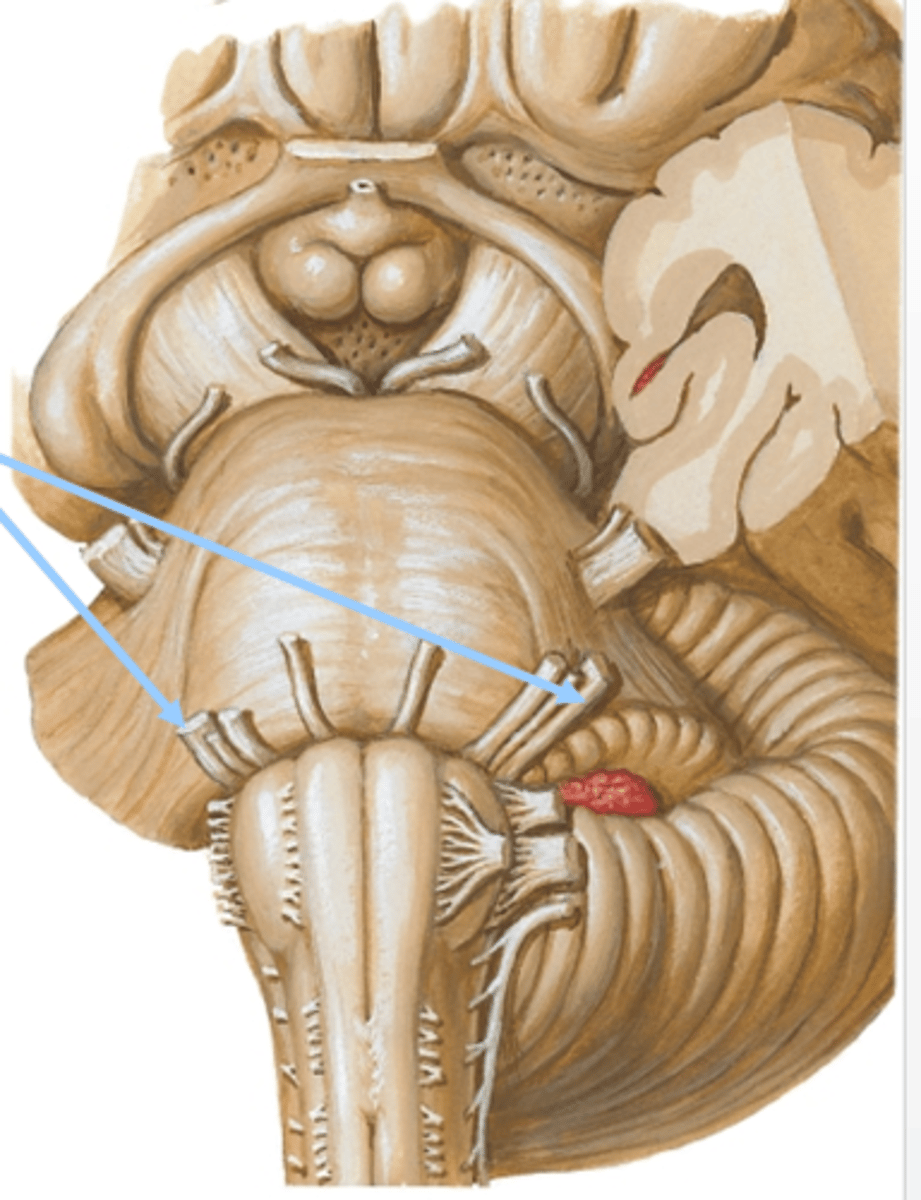
CN VIII foramina
internal acoustic meatus of temporal bone
CN VIII function
Carry 2 forms of special sense information:
1. vestibular part carries equilibrium and balance information
2. cochlear part carries hearing information
CN IX name
glossopharyngeal nerve
CN IX composition
both (mixed)
CN IX origin
medulla
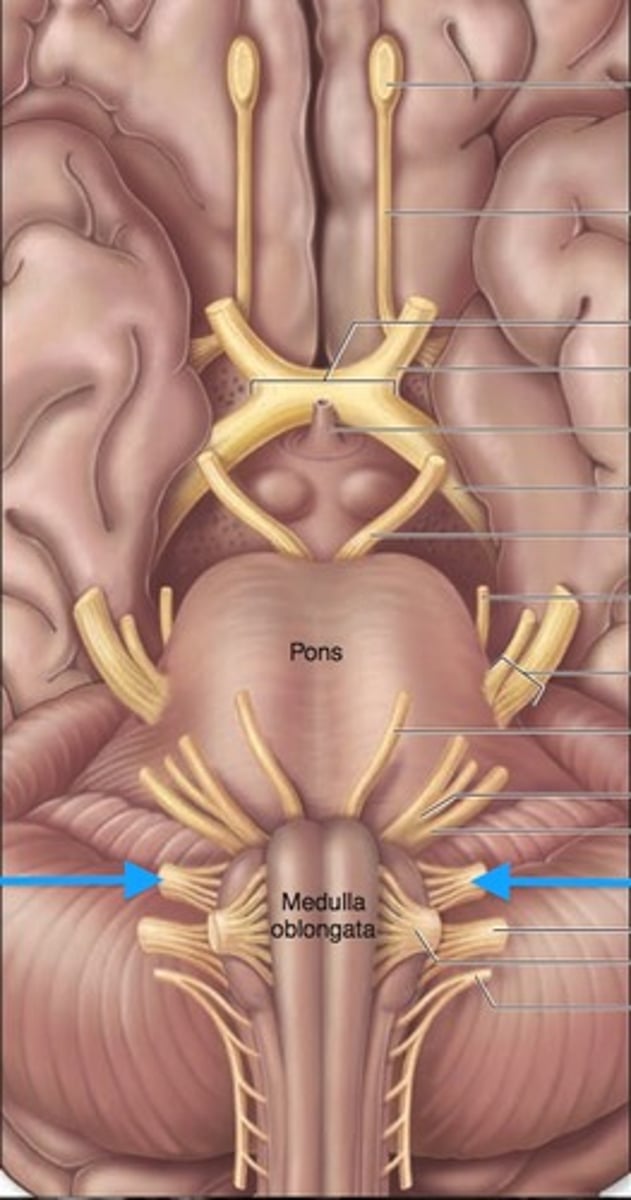
CN IX foramina
jugular foramen
CN IX functions
-motor to stylopharyngeus muscle
-parasympathetic to parotid gland
-sensation from pharynx
-special sensory taste from posterior 1/3 of tongue
CN X name
vagus nerve
CN X composition
both (mixed)
CN X origin
medulla
CN X foramina
jugular foramen
CN X functions
-motor innervation to pharynx muscles
-sensory information from larynx
-motor to muscles of larynx
-autonomic signals to smooth muscle of esophagus
-autonomic signals to myocardium
CN XI name
accessory nerve
CN XI composition
motor
CN XI origin
medulla
CN XI foramen
jugular foramen
CN XI function
provide motor innervation to SCM and trapezius muscles
CN XII name
hypoglossal nerve
CN XII composition
motor
CN XII origin
medulla
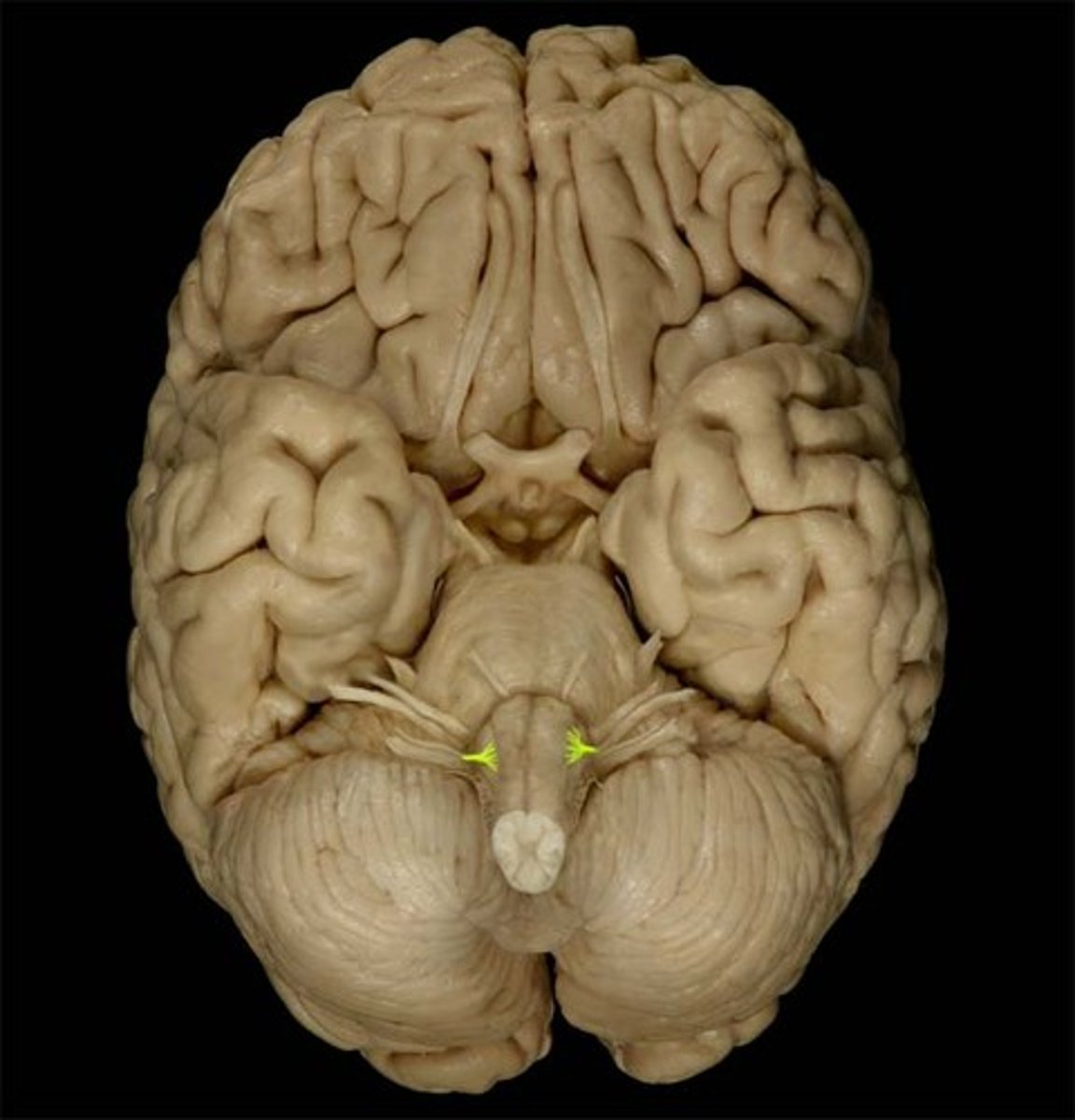
CN XII foramina
hypoglossal canal and occiput
CN XII function
motor innervation to intrinsic and extrinsic muscle of the tongue (except palatoglossal muscle)
Forebrain nerves
I and II
Midbrain nerves
III-IV
Pons nerves
V, VI, VII, and VIII
Medulla oblongata nerves
IX, X, XI, XII
CN mnemonic
Oh - olfactor
Oh - ocular
Oh - oculomotor
To - trochlear
Touch - trigeminal
And - abducens
Feel - facial
A - vestibulocochlear
Girls - glossopharyngeal
Vagina - vagus
Ah - accessory
Heaven - hypoglossal
CN composition mnemonic
Some
Say
Marry
Money
But
My
Brother
Says
Big
Brains
Mean
More
Eyeball nerves
III, IV, VI
Sensory tongue nerves
V, VII, and IX
general tongue sense nerve
V
special tongue sense nerves
VII and IX
what nerve supplies all extrinsic and intrinsic muscles of tongue
XII