Age estimation unfinished (3)
 Call Kai
 Learn
 Practice Test
 Spaced Repetition
 Match
 Flashcards
 Knowt Play
1/28

Earn XP
Description and Tags
Bodies of evidence
29 Terms
What is age estimation
This refers to the age at time of death
What is Chronological age
•Length of time a person has been alive
What is Biological age
•How developed or aged the skeleton appears based on characteristics
What is most used for sex estimation
Dental and skeletal methods most used
Aim is to determine biological age
WHY May it not correlate with chronological age:
Genetics
Lifestyle
Nutrition…
What age range is most accurate for sex estimation
Juveniles → more accurate
Older an individual → less correlation between biological and chronological age
Describe what is looked for in juveniles
Assess developmental stages that have occurred
Dental stages
Bone fusion
Describe what is looked for in adults
Assess for degenerative conditions
Wear and tear on joints
Morphology
What are the adult aging methods
1.Cranial suture closure
2.Rib end morphology
3.Auricular surface morphology
4.Pubic symphyseal morphology
5.Bone microstructure
6.Epiphyseal fusion
Tooth wear
What are subadult aging methods
1.Dentition and tooth eruption
2.Bone growth
Describe juvenile teeth
Two sets of teeth
20x deciduous teeth
32x permanent teeth
tooth eruption stages give good age estimation
Deciduous teeth

Permanent teeth

describe Epiphyseal Fusion
not as accurate as dental assessments
All bones begin as cartilage
Ossification
Long bone growth
Epiphyseal fusion
Bone grows from centre of shaft outwards
11 weeks before birth → 800 ossification centres
At birth → 450 centres
Adulthood → 206 complete bones
when does the pelvis mature
14-16

when does the Radius (proximal) mature
14-17 years

when does the Ulna (proximal)mature
14-17 years

when does the metacarpals (hands) mature
14-17 years

when does the metacarpals (feet) mature
15-17 years

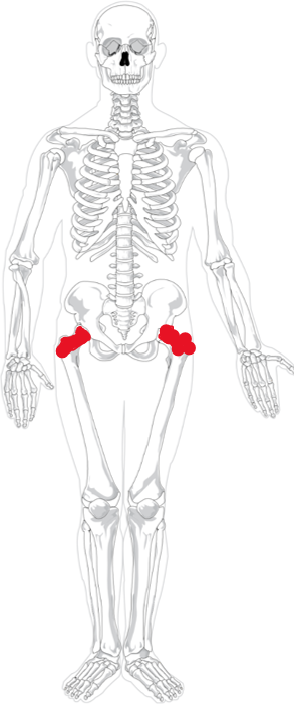
when does the femur head mature
16-19 years
when does the Tibia (distal) mature
16-19 years
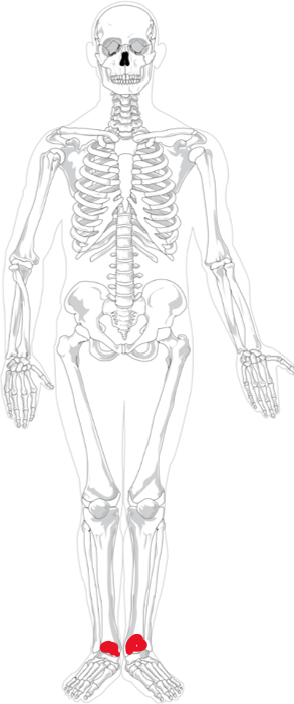
when does the Fibula (distal) mature
16-19 years

Dentition young vs old
younger individual
•Sharp cusps
•Little wear
Over time
•Flattened crown
Dentine exposure
What is dentation affected by
•Tooth development
•Tooth size and morphology
•Diet
Os coxa/ pelvis description of older individual
Auricular surface
•Ear shaped
•Medial articulation → to coccyx
•Often better preserved than other features
Pubic symphysis
•Near midline → two os coxa ‘nearly’ meet
•The faces look at each other!
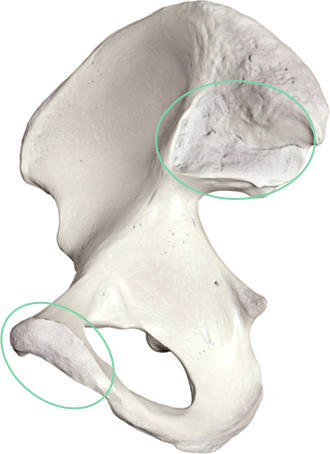
Auricular Surface describe in younger vs older
Younger individual
•Fine grained, billowy surface
•Almost ‘smooth-like’ appearance
Over time
•Increased ‘grainy’ appearance
•Becomes roughened in appearance
•Increased porosity
•Irregularity

Pubic Symphysis age estimation what is the method and describe
Suchey-Brooks method
•Focuses on changes to features on the face of the pubic symphysis
Younger individuals
•Lack distinctive border
•No refined edge
Increasing age
•‘Billowy’ features disappear
•Surface becomes roughened in appearance

How does Cranial Sutures show age estimation
•Suture closure
•Skull bones fuse over time
•Suture lines left behind
•Fade with advancing age
•Previously believed these lines could indicate age at death
•Research now suggests there is a poor correlation between suture line condition and age
