Test 3 things to remember
 Call Kai
 Learn
 Practice Test
 Spaced Repetition
 Match
 Flashcards
 Knowt Play
1/21

There's no tags or description
Looks like no tags are added yet.
22 Terms
l = 0 ( orbital and shape )
S orbital

l = 1 ( orbital and shape )
p orbital, figure 8

l = 2 ( orbital and shape )
d orbital, clover shape

l = 3
f orbital,

WHen going left to right on the periodic table does size increase or decrease
decreases
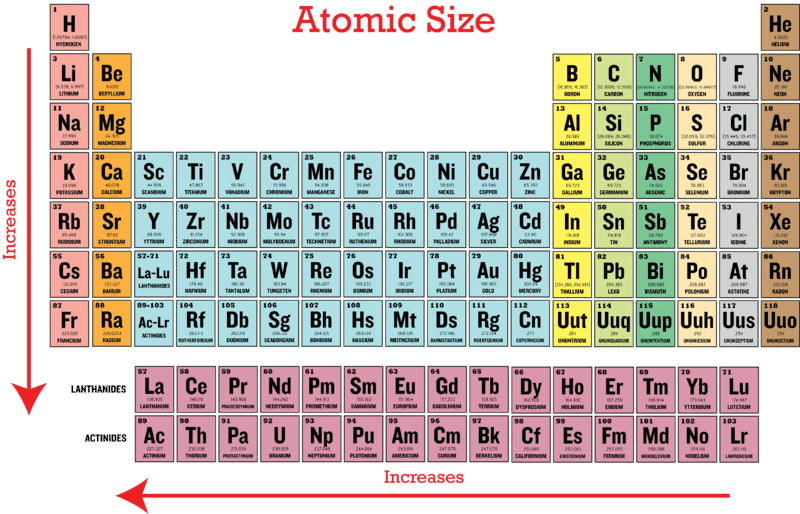
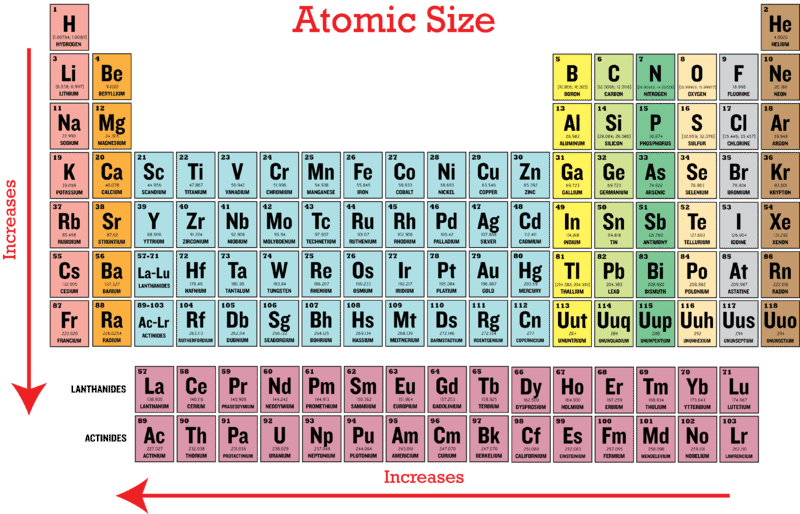
when going down the periodic table, does size increase or decrease
increase
Does ionization energy increase or decrease when going from left to right on periodic table
increases
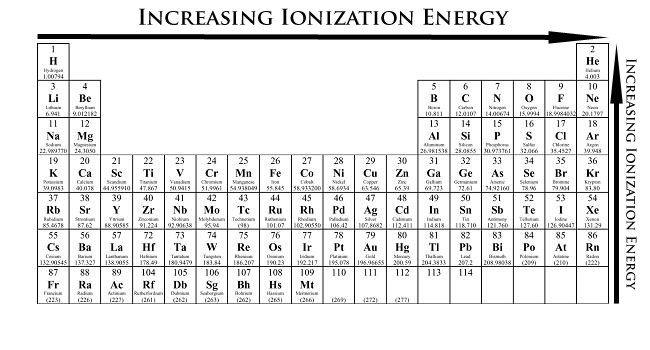
when going down the periodic table does ionization energy increase or decrease
decrease

as size decreases, it takes more ___ to remove an election because…
energy. because the nucleus is close to election, so ionization energy increases
When an electron is added in the ground state, it goes into the unfilled orbital with the __ energy
lowest
when an electron is removed, it is from the ___ energy occupied orbital
highest
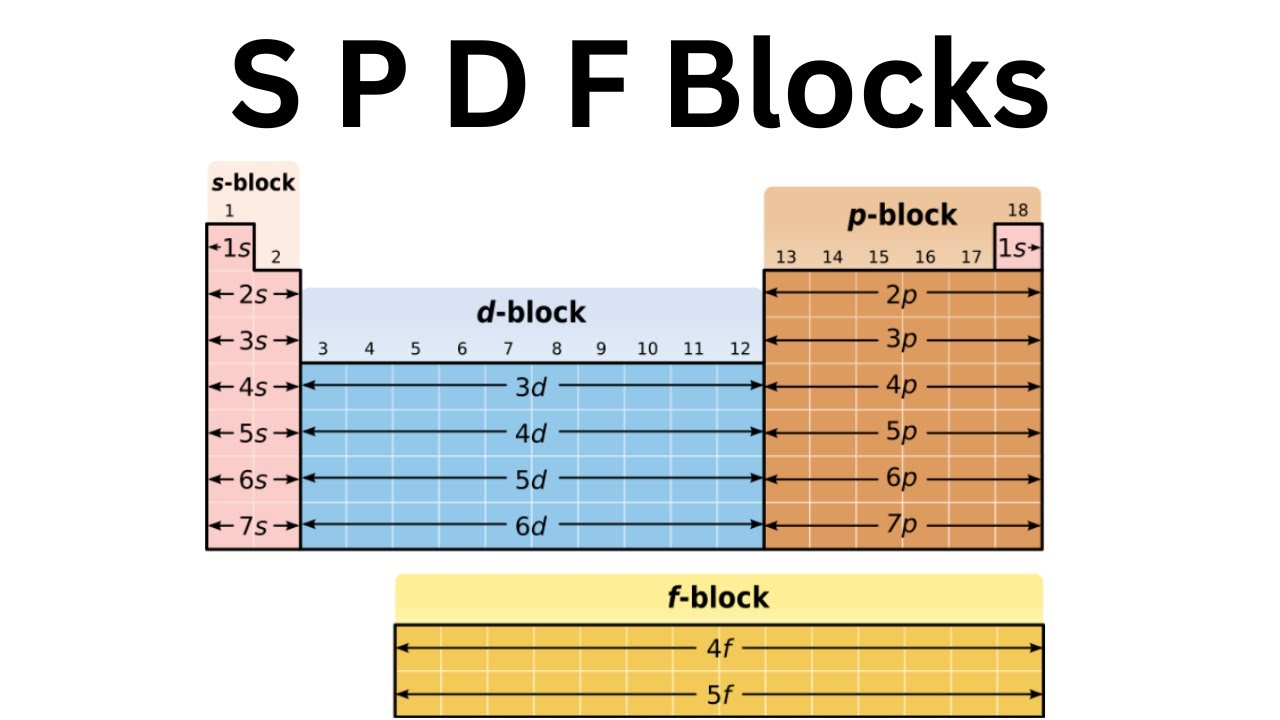
where are the different orbitals on the periodic table and what rows are the f block in?
f blocks are in rows 6 and 7 and for row 6, its 4f and for roq 7 its row 5
an orbital that is lower in energy means that it is __ to the nucleus
closer
d orbitals can take__ electron out of __ orbitals to become __ or __ full
d orbitals can take ONE electron out of S orbitals to become HALF or COMPLETELY full
Paramagnetic vs Diamagnetic
paramagnetic = at least one unpaired electron
diamagnetic = no unpaired electrons
Outer electrons
all electrons with the highest n value
valence electrons
the electrons involved in reactions
all electrons with the highest n value
all electrons with incomplete d or f orbital sets
Inner core electrons
everything in the noble gas part of noble gas configeration
all electrons in a completed d and f orbital set
Periodicity Trend
elements within same group ( vertical column ) tend to have same reactivity because they have same number of valence electrons
valence electrons from periodic table

trends for ionic charges from periodic table

important thing to remember for adding or removing electrons from transition metals ( or d block )
you remove it from the latest S block before you the d orbital
transition metals want to make cations
once electrons from s orbital are lost, then you can take from d orbital