Art History II, Exam 3
 Call Kai
 Learn
 Practice Test
 Spaced Repetition
 Match
 Flashcards
 Knowt Play
1/11

There's no tags or description
Looks like no tags are added yet.
12 Terms

Cubism
Popularized by: Picasso and Georges Braque (Paris, 1908-14)
not fully abstract yet; analytical and synthetic → “Reality has many definitions so objects have no fixed form”
Impact: helped develop new styles and the avant-garde art that followed

Fauvism
“Wild beasts”
influenced by Paul Gaugin and Van Gogh’s use of color
random and expressive use of colors; colors used to express, doesn’t have to describe reality (not fully abstract)
Most famous Fauvist: Henri Matisse
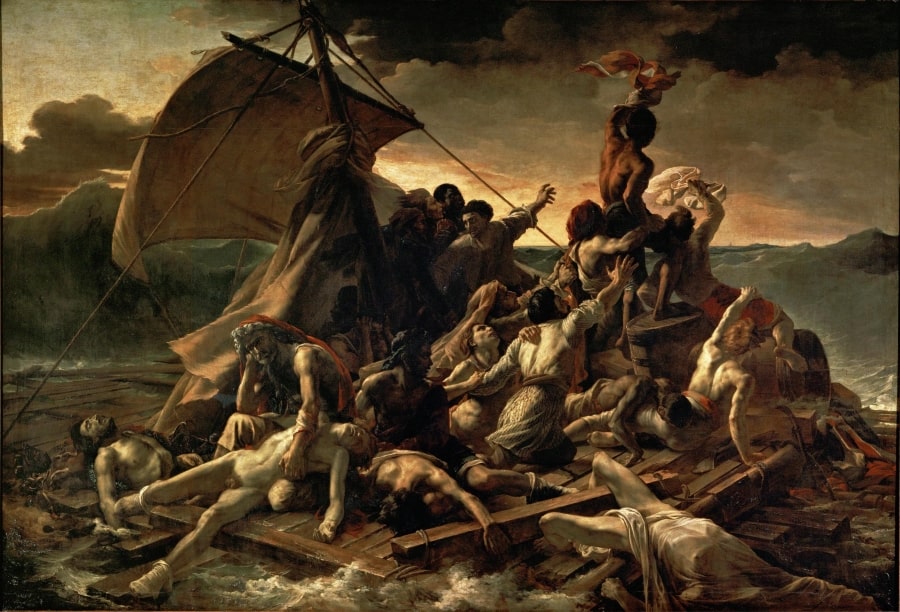
Romanticism
reaction against Neoclassicism (too focused on rationalism, not connected to current social issues)
“feelings over logic”
- featured Dramatic and emotional subject matter drawn from literature, current events, or even the artist’s own imaginatiom
used large format of previous history paintings (controversial)
Salon d’Automne (1905)
“Autumn Salon”
“First modern, avant-garde movement of the early 20th century made its debut here: Fauvism”
Why: Dissatisfied with Salon system
all kinds of art welcome with open-minded judges
Salon of the Rejected Ones (Salon des Refuses)
featured more progressive works, subjects of modern life; a protest by the artists
Why: 1863, Jury of the Salon rejected 3000 works
Napoleon III heard complaints and created it
First Impressionist Exhibition
Paris in April, 1874 → 30 progressive artists exhibited: Monet, Pissarro, Cézanne, Degas, and Renoir (yet to be famous)
Artists go against Salon, and created their own exhibit
1876-1886: 7 more Impressionist exhibitions held
Reaction: Louis Leroy (art critic) dubbed the art as “impressionist” (negative connotation, but coined the term)

Post-Impressionism
Reaction to Impressionism; not a unified movement
moved beyond Impressionism’s random recording of light and color
innovative artists working in France in the late 19th-20th century
ex.) Cézanne, Seurat, Van Gogh,
Gauguin

Symbolism (Late 19th century)
international movement in both art and literature; Gauguin was considered its leader.
opposed rationalism and materialism that dominated Western culture
artists explored nonmaterial realms: emotions, imagination, spirituality, and psyche
“Dream-like”
influence: Sigmund Freud’s The Interpretation of Dreams, 1900

Pointillism
organized reaction to color; overall pattern of small dot-like brushstrokes of
generally complementary colors
ex.) Georges Seurat

Realism (Mid 19th century)
Rejection of the Salon; art should faithfully record ordinary life
Why: Paris at this time plagued by violence, social unrest, overcrowding, and poverty → grand, abstract themes of academic art seemed irrelevant (reaction against romanticism)
Commitment to paint the modern world honestly; brutal truths
Subjects: regarded as unimportant for a serious work of art
Painted on large scale like history paintings; controversial.
Art critics did not like

en plein air
painting outdoors to better capture the changing details of weather and light
characterized by tonal qualities, color, loose brushwork, and softness of form
popular with impressionist/post impressionist artists

impasto
painting technique where pigment is laid out thickly in an area
characterized by thick, visible brush or palette knife strokes