teas nervous sytem smart edition
 Call Kai
 Learn
 Practice Test
 Spaced Repetition
 Match
 Flashcards
 Knowt Play
1/84

There's no tags or description
Looks like no tags are added yet.
85 Terms
🧠 Nervous System
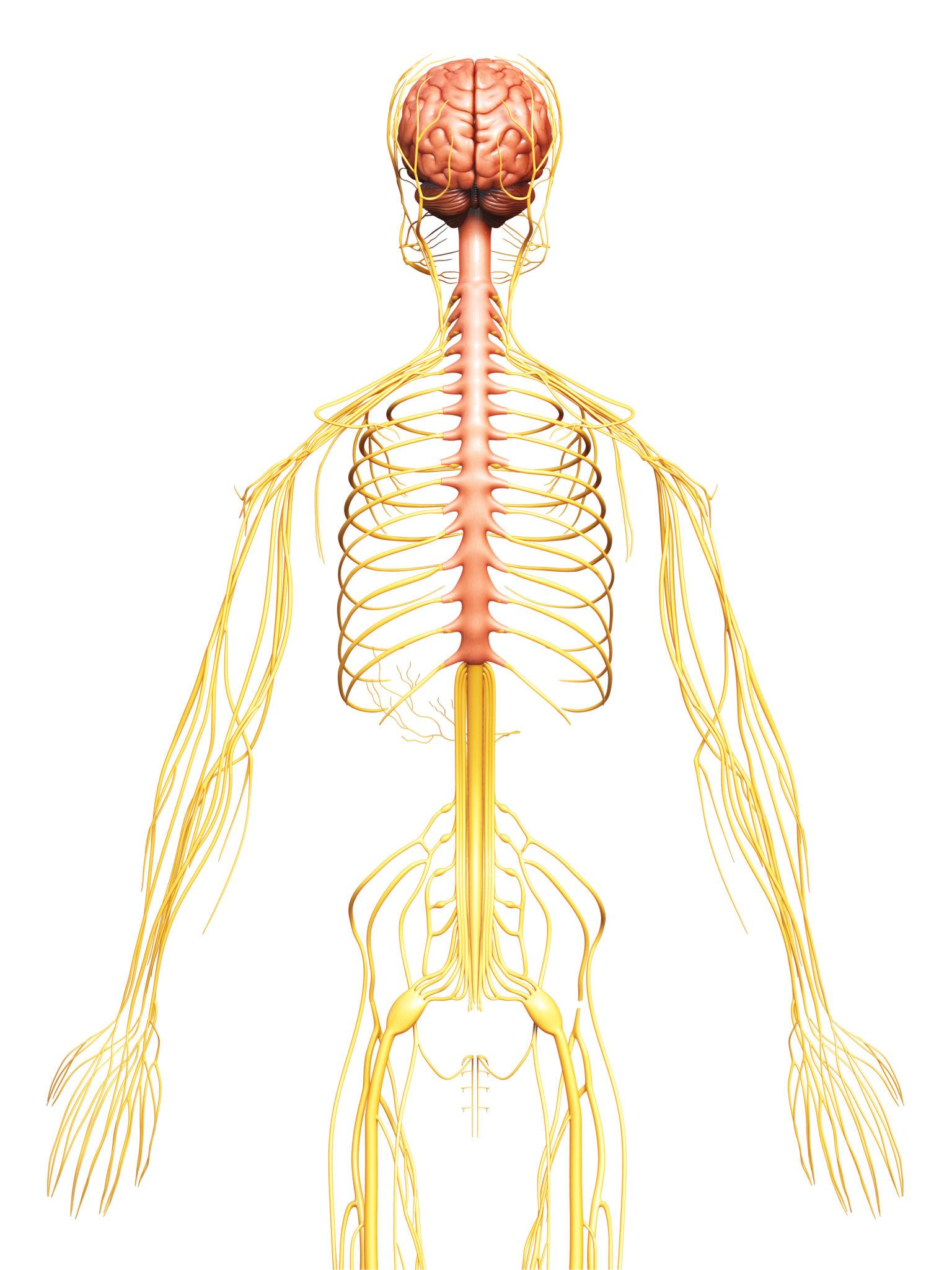
Think of your nervous system as your body's control center. It helps you think, learn, remember, feel things, move, and control automatic body functions.
It also works with the endocrine system to keep your body balanced. This is called homeostasis .
Example: You get hot → your nervous system helps your body respond by making you sweat to cool down.

1. The big picture: Know these 2 main divisions!
nervous system
1. Central Nervous System (CNS)
THE BOSS
Includes the brain and spinal cord .
Processes information.
Helps you think and make decisions.
Tells your body how to respond.
Memory trick: CNS = Central = Command Center .

2. Peripheral Nervous System (PNS)
THE MESSENGER
Includes the nerves outside the brain and spinal cord .
Carries messages between the CNS and the rest of the body.
Helps you sense things and respond.
Memory trick: PNS = Peripheral = Pathways to the body .
CNS = processes the message.
PNS = carries the message.

2. The PNS splits into 2 more parts
Somatic Nervous System
VOLUNTARY = YOU CONTROL IT
Controls movements you choose, such as walking, writing, or picking up a pencil.
Memory trick: SOMATIC = SELECT your movement.
Autonomic Nervous System
INVOLUNTARY = AUTOMATIC
Controls things your body does without you having to think about them, such as heartbeat, digestion, and sweating.
Memory trick: AUTONOMIC = AUTO-pilot.
TEAS tip: Somatic is mainly about voluntary skeletal muscle movement. Autonomic controls involuntary functions in organs and glands.
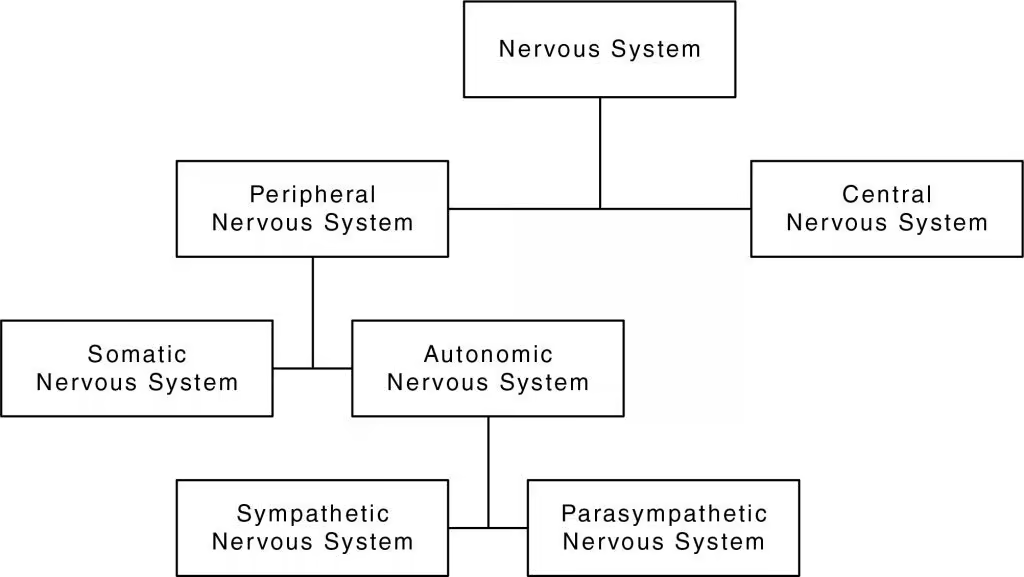
3. The autonomic system splits into 2 parts
Sympathetic = FIGHT OR FLIGHT
Your body gets ready for stress or danger.
Heart rate increases .
Pupils dilate (get bigger).
Digestion slows down .
Memory trick: Sympathetic = STRESS mode!

Parasympathetic = REST AND DIGEST
Your body relaxes and saves energy.
Heart rate slows down .
Digestion increases .
Body focuses on resting and recovery.
Memory trick: Parasympathetic = PEACE mode!
4. Memorize the whole chart in one glance
NERVOUS SYSTEM
Your 3 biggest memory tricks:
🧠 CNS = Command Center
💪 Somatic = Select your movement; Autonomic = Automatic
⚡ Sympathetic = Stress; Parasympathetic = Peace

Which division includes the brain and spinal cord?
CNS
3. Your heart beats faster when you feel scared. Which division is active?
Sympathetic
2. Which division controls voluntary movement?
somatic
4. Which division helps with rest and digestion?
parasympathetic
5. What is the main job of the PNS? peripheral
Carry messages between the CNS and the body
1. The 2 main parts of the nervous system

CNS = Central Nervous System
THE BOSS
Includes the brain + spinal cord.
It processes information and decides how the body responds.
Memory trick: CNS = Command Center.

PNS = Peripheral Nervous System
THE MESSENGER
Includes the nerves outside the brain and spinal cord.
It carries messages between the CNS and the rest of the body.
Memory trick: PNS = Pathways carrying messages.
2. Afferent vs. Efferent — the BIG TEAS memory trick!
AFFERENT = ARRIVES
BODY → CNS
Messages travel from the body TO the brain and spinal cord.
Example: You touch something hot, and sensory nerves send that information toward the CNS.
EFFERENT = EXITS
CNS → BODY
Messages travel from the brain and spinal cord TO the body.
Example: Your CNS sends a message to your muscles to move your hand away.
The easiest way to memorize it
Afferent = Arrives at the CNS.
Efferent = Exits the CNS.
Think of your house:
🏠 Afferent: Information comes IN to the control center.
🚪 Efferent: Instructions go OUT from the control center.
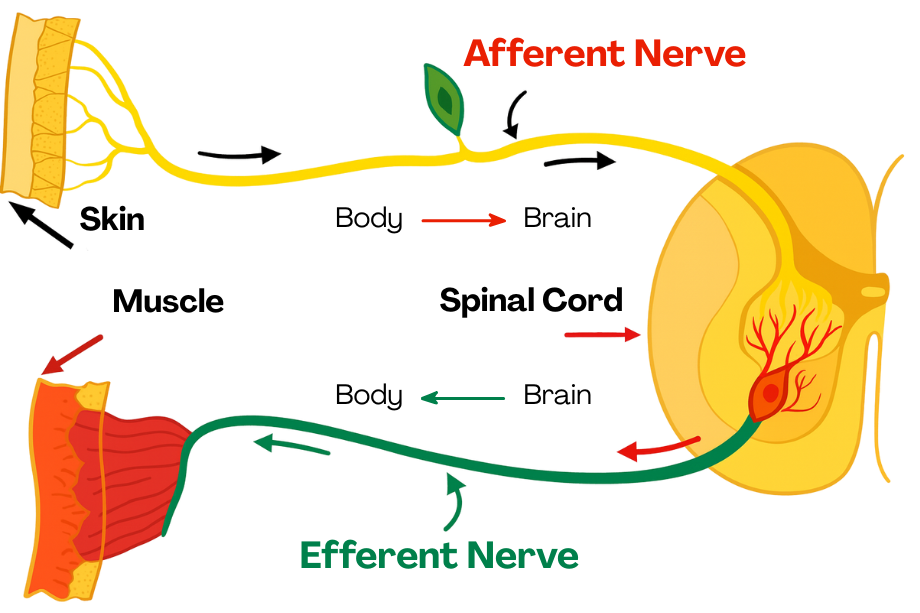
3. Put it all together
Imagine you touch a hot pan
1. Your skin senses heat
2. AFFERENT nerves
Carry the message IN to the CNS
3. CNS
Processes the information
4. EFFERENT nerves
Carry instructions OUT to muscles
5. Your muscles move your hand away
Note: Pulling your hand away quickly can also involve a spinal reflex, so your spinal cord can trigger the response before your brain fully processes the pain.
3. Afferent fibers carry messages in which direction?
Body → CNS
4. Efferent fibers carry messages in which direction?
CNS → body
. Your brain sends a message to your muscles to move. Which fibers carry the message?
efferent
⚡ Sympathetic =
STRESS
Fight or Flight
Your body prepares for danger or an emergency.
❤ Heart rate goes UP
👀 Pupils get BIGGER
🍽 Slow Digestion
Memory trick: S = Stress!
🌿 Parasympathetic =
PEACE
Rest and Digest
Your body relaxes, saves energy, and digests food.
❤ Heart rate generally goes DOWN
🍽 Digestion INCREASES
😌 Body RELAXES
Memory trick: P = Peace!
🔥 The easiest way to memorize it
Imagine these two situations:
🐶 A dog suddenly chases you → Sympathetic! Your body goes into stress mode.
🛋 You're relaxing after eating dinner → Parasympathetic! Your body remains and digests.
⚡ S = Stress = Fight or Flight
🌿P = Peace = Rest and Digest
🧠 3 Functions of the Nervous System
The easiest way to memorize these is:
S → I → M = Sense → Interpret → Move
Your body gets information, figures it out, and responds!
🔥 Put all 3 together
Imagine touching a hot pan:
SENSORY — SENSE
Your body detects heat
INTEGRATIVE — INTERPRET
Your CNS processes the information
MOTOR — MOVE
Your muscles pull your hand away
1. Sensory =
SENSE
INFORMATION COMES IN
Your senses detect information and send it TO the CNS (brain and spinal cord).
Example: You touch something hot and sense the heat.
Memory trick: Sensory = SENSE something!
2. Integrative =
INTERPRET
THE CNS PROCESSES IT
Your brain or spinal cord processes the information and figures out what to do.
Example: Your CNS processes the information that something is hot.
Memory trick: Integrative = Interpret the information!
3. Motor =
MOVE
INSTRUCTIONS GO OUT
The CNS sends instructions to muscles or glands to create a response.
Example: Your muscles pull your hand away.
Memory trick: Motor = Make a move!

1. What is the brain?
Your brain is your body's main control center.
Neurons = nerve cells that send and receive messages.
Your brain helps you think, learn, remember, move, and understand what your senses detect.
Your skull is the bone that protects your brain.
Memory trick: 🧠 Brain = boss. Neurons = messengers. Skull = helmet.
2. What are ventricles?
The brain has 4 ventricles , which are spaces inside the brain.
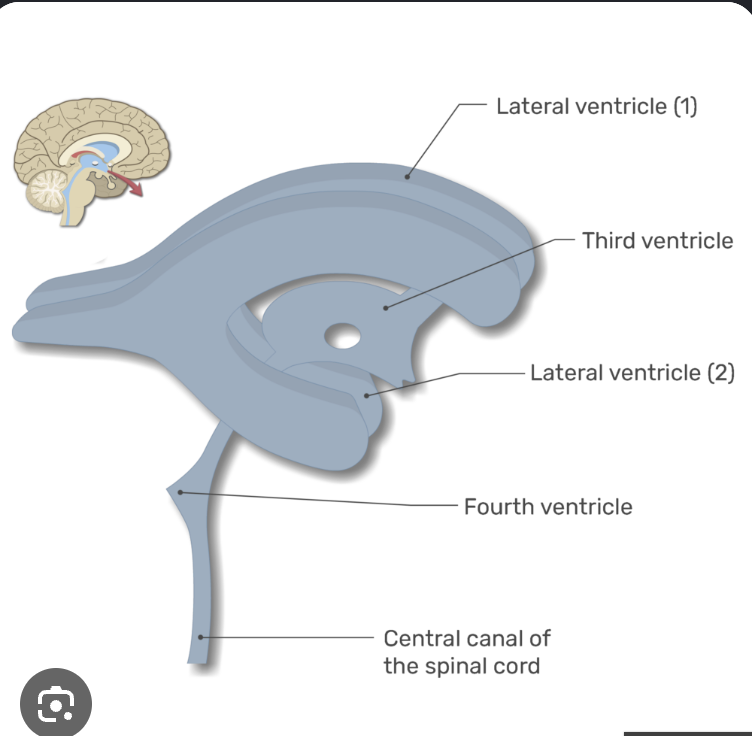
Think of them as 4 little rooms filled with fluid .
They contain a fluid called cerebrospinal fluid (CSF) .
3. What is CSF?

CSF = Cerebrospinal Fluid
It's a clear fluid that surrounds the brain and spinal cord and also fills the brain's ventricles.
Think of it like padding around your brain .
CSF has 2 important jobs for your TEAS:
1. Protection
Cushions your brain and spinal cord against physical shocks.
2. Waste removal
Helps remove waste from brain tissue.
Memory trick: CSF = Cushion + Sweep Fluid .
Cushion = protects the brain.
Sweep = helps clear waste.
4. Put it all together
Brain → control center
Neurons → nerve cells that send messages
Skull → protects the brain
4 ventricles → spaces inside the brain that contain CSF
CSF → cushions the brain and spinal cord and helps remove waste
The 5 facts to remember for the TEAS:
Brain = control center.
Neurons = nerve cells.
Skull = protects the brain.
4 ventricles = spaces containing CSF.
CSF = cushions the CNS and helps remove waste.
3. How many ventricles does the brain have?
4
5. What are 2 important jobs of CSF?
Cushion the CNS and help remove waste

🧠 Parts of the Brain
Think of your brain like a company: one part helps you think, one helps you balance, and one keeps you alive automatically.
1. The 3 main parts of the brain
1. Cerebrum = THINKING
2. Cerebellum = BALANCE
3. Brainstem = SURVIVAL
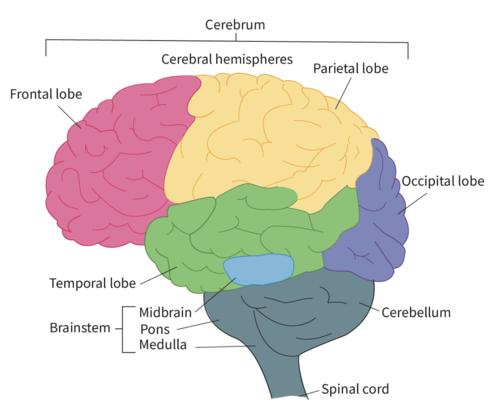
1. Cerebrum = THINKING
The Boss of Thinking
This is the largest part of the brain.
It helps you:
Think and reason
Speak and understand language
Feel and interpret touch
Control voluntary movements
Memory trick: Cerebrum = THINK.
Cerebrum = Think

2. Cerebellum = BALANCE
The Coordinator
It helps you:
Balance
Keep good posture
Coordinate smooth movements
Memory trick: Cerebellum = BALANCE.
Example: Walking without stumbling.
Cerebellum = Balance

3. Brainstem = SURVIVAL
Automatic Functions
It controls important functions you don't have to think about:
Breathing
Heart rate
Blood pressure
It connects the brain to the spinal cord.
Memory trick: Brainstem = KEEP YOU ALIVE.
Brainstem = Breathe

2. The cerebral cortex —
the brain's outer layer
The cerebral cortex is the outer layer of the cerebrum. It is made of gray matter and helps with thinking, memory, language, and processing information.
Gray matter = the outer layer of the cerebrum.
Memory trick: Gray matter = brain's outer thinking layer.
Gyri = the raised ridges or bumps on the brain.
Memory trick: Gyri = hills.
Sulci = the grooves or shallow valleys between ridges.
Memory trick: Sulci = valleys.
Fissures = very deep grooves that separate major brain regions.
Memory trick: Fissures = deep valleys.
The cerebral cortex also has a left hemisphere and a right hemisphere. A hemisphere simply means one half of the brain.

3. The 4 lobes of the cerebrum
Frontal lobe = PLANNING
Parietal lobe = SENSATION
Temporal lobe = SOUND
Occipital lobe = VISION

1. Frontal lobe = PLANNING
Found at the front of the brain.
Reasoning and decision-making
Planning and personality
Speech production
Voluntary movement
Memory trick: Frontal = Future plans
THINKING
Helps with:
Reasoning and concentration
Planning and decision-making
Emotions
Voluntary movement and speech production
Memory trick: Frontal = Future plans.

2. Parietal lobe = SENSATION
Found toward the upper rear part of the brain.
Processes touch
Processes pressure, pain, and temperature
Helps you understand where your body is in space
Memory trick: Parietal = Pressure and touch.
TOUCH
Helps process:
Touch
Pain
Pressure
Where your body is in space
Memory trick: Parietal = Pressure and touch.

3. Temporal lobe = SOUND
Found on the sides of the brain near your ears.
Processes hearing
Helps with memory
Helps understand language
Memory trick: Temporal = Tunes and talking.
HEARING
Helps with:
Processing sounds
Understanding spoken language
Memory
Memory trick: Temporal = Tunes and talking.

. Occipital lobe = VISION
Found at the back of the brain.
- Processes visual information from your eyes.
Memory trick: Occipital = Optical (seeing).
VISION
Helps your brain interpret what your eyes see.
Memory trick: Occipital = Optical = seeing.
Quick lobe memory trick
F-P-T-O = Plan, Pressure, Tunes, Optical
Lobe | Remember |
|---|---|
Frontal | Planning and movement |
Parietal | Touch and sensation |
Temporal | Hearing and memory |
Occipital | Vision |
Cerebrum = thinking.
Cerebellum = balance.
Brainstem = breathing and other automatic survival functions.
Gyri = ridges;
sulci = grooves;
fissures = deep grooves.
Frontal = planning; parietal = touch; temporal = hearing; occipital = vision.
2. Memorize this in 10 seconds!
Lobe | Think of... | Main job |
|---|---|---|
Frontal | Planning | Thinking, emotions, movement |
Parietal | Pressure | Touch, pain, sensation |
Temporal | Tunes | Hearing, language, memory |
Occipital | Optical | Vision |
Say this out loud:
“Frontal plans, Parietal feels, Temporal hears, Occipital sees!”
If a question asks about vision, think occipital. If it asks about touch, think parietal. If it asks about hearing, think temporal. If it asks about reasoning or voluntary movement, think frontal.
6. Which lobe helps control voluntary movement?
frontal
3. Which lobe helps you understand spoken words?
temporal
2. You touch something hot. Which lobe processes touch and pain?
parietal
1. The 3 types of neurons
Think of your nervous system like a phone: information comes in, gets processed, and a message goes out.
1. Sensory neurons = SENSE 👋
2. Motor neurons = MOVE 💪
3. Interneurons = CONNECT 🔗
Remember the order!
SENSORY — information comes IN
INTERNEURON — connects/processes
MOTOR — message goes OUT
Quick phrase: “Sense it → Connect it → Move it!”
Example: You touch something hot.
Sensory: Tells the CNS it's hot.
Interneurons: Help connect the information to a response in the CNS.
Motor: Sends instructions to muscles to pull your hand away.
Small note: This is a simplified pathway. Some reflexes are handled by the spinal cord before the brain fully processes the sensation.
1. Sensory neurons = SENSE 👋
Carry information TO the brain and spinal cord (CNS).
Tell your brain what you feel, see, hear, smell, and taste.
Memory trick: Sensory = Sends info IN


2. Motor neurons = MOVE 💪
Carry instructions AWAY FROM the CNS.
Send messages to muscles or glands to make something happen.
Example: Your brain sends a message to your hand to move.
Memory trick: Motor = Makes movement

3. Interneurons = CONNECT 🔗
Found mainly in the CNS (brain and spinal cord).
Connect neurons and help process and pass along information.
Example: They help connect incoming sensory information to outgoing motor signals.
Memory trick: Inter = In between

2. Gray matter vs. white matter
Gray matter = PROCESSING 🧠
Contains neuron cell bodies and connections that help process information.
White matter = WIRING ⚡
Contains many nerve fibers that carry signals between different parts of the nervous system.
Easy memory trick:
Gray = Think (processing information).
White = Wire (carrying messages).
White matter often looks white because many nerve fibers have a fatty covering called myelin.
TEAS detail to remember: In the brain, gray matter is found in the outer cerebral cortex and also in deeper areas. In the spinal cord, gray matter is mostly central, with white matter surrounding it.
3. Quick TEAS review
three types of neurons,
Term | Remember this |
|---|---|
Sensory | Sends information IN |
Motor | Sends instructions OUT |
Interneurons | Connect neurons |
Gray matter | Processing |
White matter | Wiring |
1. Which neuron carries information toward the CNS?
Sensory
2. Which neuron sends instructions to your muscles?
motor
3. What does an interneuron mainly do?
Interneurons connect neurons and help process information in the CNS.

1. What is the limbic system?
EMOTIONS + MEMORY ❤🧠
It is a group of brain structures.
It helps control emotions and memory.
It is located deep inside the brain, beneath the cerebral cortex.
Memory trick: “Limbic = Feelings and Memories!”
Think about feeling scared, being happy, or remembering a special moment. The limbic system helps with these things.
2. Hypothalamus — the part you need to know!
Hypothalamus =
HOMEOSTASIS!
Homeostasis means keeping your body's internal conditions balanced.
The hypothalamus helps regulate:
🍔 Hunger — tells you when you need food.
🌡 Body temperature — helps keep you from getting too hot or too cold.
💧 Thirst — helps your body know when it needs water.
❤ Automatic body functions — helps regulate the autonomic nervous system.
🧪 Hormones — works with the pituitary gland to help control hormone release.
The easiest memory trick
HYPOTHALAMUS = HOME CONTROL!
Imagine your hypothalamus as your body's thermostat and control center. It helps keep your body balanced without you having to think about it.
3. Hypothalamus vs. pituitary gland
These two work together, but they have different jobs.

Hypothalamus = The boss
Helps monitor the body's needs and signals the pituitary gland.

Pituitary gland = The hormone messenger
Releases hormones that help control other glands and body processes.
Memory trick: Hypothalamus gives directions; pituitary releases hormones in response to those directions.
4. Quick TEAS review
lymbic system
term | What to remember |
|---|---|
Limbic system | Emotions and memory |
Hypothalamus | Homeostasis and body balance |
Pituitary gland | Releases hormones |
Autonomic nervous system | Automatic body functions |
Limbic = Feelings + Memories
Hypothalamus = Homeostasis
Pituitary = Hormones
1. What is the limbic system mainly associated with?
helps regulate emotions and memory.
What is the hypothalamus's BIG job?
Maintaining homeostasis
4. Which is an example of what the hypothalamus helps regulate?
helps regulate hunger, thirst, temperature, and other body functions.
These are 3 parts of the limbic system/brain that you need to connect to 3 different jobs.
1. Amygdala = ALARM 😨
2. Thalamus = THE RELAY STATION 📬
. Hippocampus = MEMORY MAKER 🧠
2. The fastest way to memorize them
Amygdala = ALARM
Fear and emotions
Thalamus = TRAFFIC
Directs sensory information
Hippocampus = HISTORY
Helps form memories you keep
Say it out loud: “Alarm, Traffic, History!”
Alarm → Amygdala
Traffic → Thalamus
History → Hippocampus


1. The 3 brain structures

1. Amygdala = ALARM 😨
Helps process fear, anger, and other emotions.
Helps your brain recognize threats.
Memory trick: Amygdala = Alarm system!
Example: You hear a scary noise, and you feel afraid.

2. Thalamus = THE RELAY STATION 📬
Receives most sensory information.
Sends that information to the correct area of the cerebral cortex for processing.
Smell is the main exception because it initially bypasses the thalamus.
Memory trick: Thalamus = Traffic director!
Example: You hear music, and the thalamus helps direct that sound information to the brain area that processes hearing.

3. Hippocampus = MEMORY MAKER 🧠
Helps form new long-term memories.
Helps turn new experiences into memories you can keep.
Memory trick: Hippocampus = Help me remember!
Example: Learning a new fact today and remembering it later.
3. Important TEAS detail about memory
If the hippocampus is severely damaged, a person may have trouble forming new long-term memories, while many older memories can remain.
Think: Hippocampus damaged = trouble saving NEW memories.
4. Which sense initially bypasses the thalamus?
smell
Someone struggles to form new memories after brain damage. Which structure might be affected?
hippocampus
3. Which structure helps form new long-term memories?
Hippocampus
2. Which structure directs most sensory information to the cerebral cortex?
thalamus
1. Which structure helps process fear and anger?
amygadala
Amygdala = feel, Thalamus = send, Hippocampus = save. If you remember Feel–Send–Save, you've got the big three!

🧠 Neurons
Think of a neuron as a tiny messenger in your body. It sends messages so your brain and body can communicate!
Your neurons help you do things like move your hand, feel pain, and react to something hot.
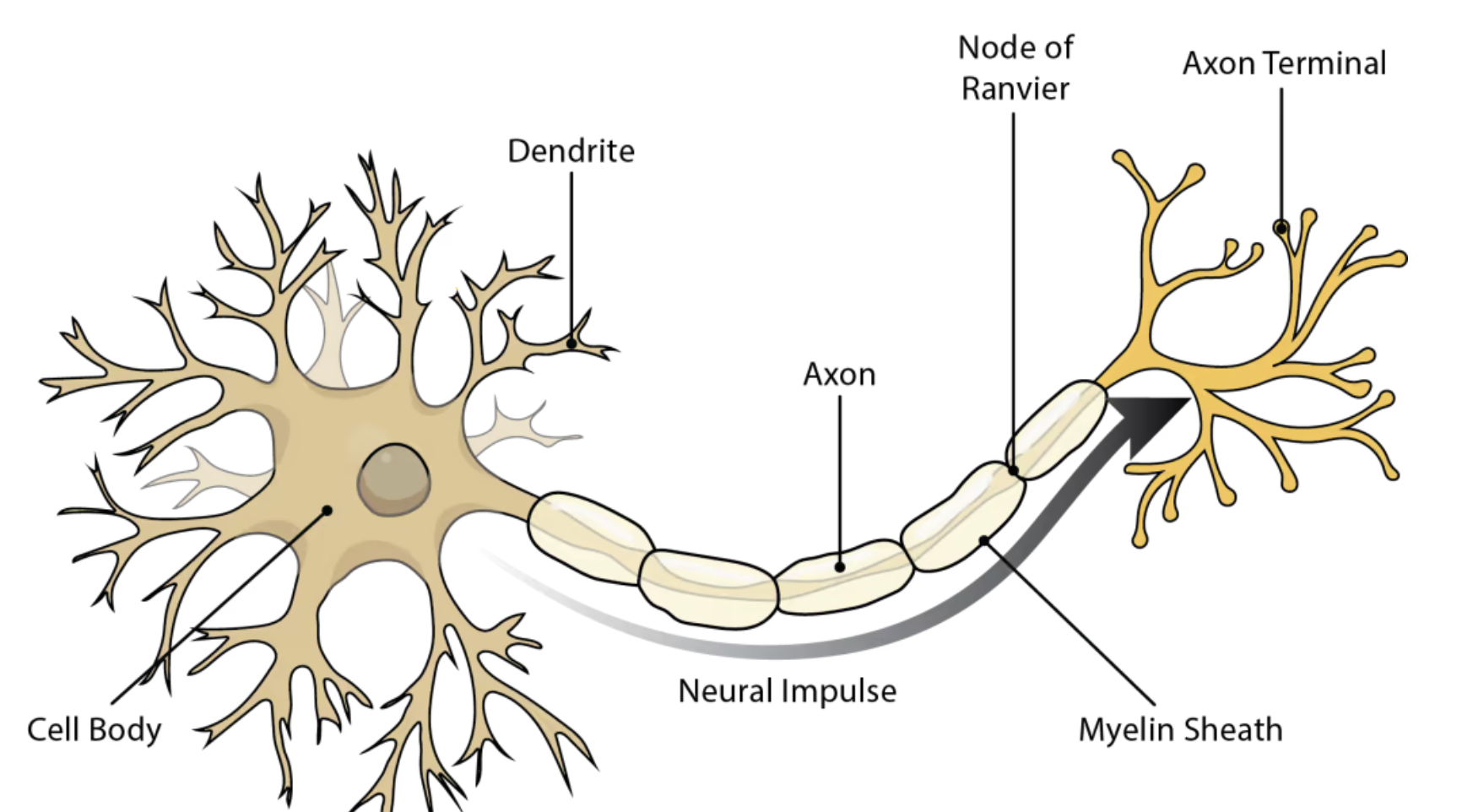
1. The 3 main parts of a neuron

1. Cell body (Soma)
The main part of the neuron.
It contains the nucleus , which holds DNA.
Keeps the cell functioning.
Memory trick: CELL BODY = CONTROL CENTER

2. Dendrites
Branch-like extensions around the cell body.
Receive messages from other neurons.
Memory trick: DENDRITES = DETECT messages

3. Axon
The long part that carries messages away from the cell body .
Ends in branches called axon terminals , which communicate with the next cell.
Memory trick: AXON = AWAY

2. How does a neuron send a message?

2. How does a neuron send a message?
1. DENDRITES
Receive the message
2. CELL BODY
Processes the incoming information
3. AXON
Carries the electrical signal away
4. AXON TERMINALS
Pass the message to the next cell, usually using chemicals
Easy mnemonic: DCAT
Dendrites → Cell body → Axon → Terminals
Think: “Detect, Control, Away, Transfer!”
Detect: Dendrites receive.
Control: Cell body contains the nucleus and helps manage the cell.
Away: Axon carries the signal away.
Transfer: Axon terminals pass the message along.

3. Two extra terms to know for the TEAS
Myelin sheath: The fatty covering around parts of the axon. Think of it like insulation around an electrical wire. It helps signals travel faster.
Electrical vs. chemical signals: The signal travels electrically along the neuron, then chemicals called neurotransmitters usually carry the message across the tiny gap to the next cell.
1 . Which part of a neuron receives messages from other neurons?
Dendrites
3 . Which part carries a signal away from the cell body?
axon
4 . What is the main job of the myelin sheath?
signal travel faster
5 . What do axon terminals do?
Pass messages to another cell
Final thing to memorize for your TEAS: Dendrites receive, the cell body contains the nucleus, the axon carries signals away, and axon terminals pass the message along.

🧠 Neuron vs. Neuroglial Cells
First, don't mix these two up:
🟢 NEURON = SENDS THE MESSAGE
A neuron is the cell that actually conducts nerve impulses .
👉Think: Neuron = Network messenger
🔵 NEUROGLIAL CELL = HELPS THE NEURON
Neuroglial cells (glial cells) support, protect, and take care of neurons .
👉 Think: Glia = Guardians
SUPER EASY:
🧠 Neuron = sends
🛡 Glia = supports & protects

🛡 The Glial Cells/ Neuroglial cells
You Need to Know
CNS 🧠
The CNS = brain + spinal cord
Four major glial cells:
Astrocytes
Oligodendrocytes
Microglia
Ependymal cells
PNS 🧍
The PNS = nerves outside the brain and spinal cord
Schwann cells
Satellite cells
⭐ BIG ONE TO REMEMBER
Schwann cells → make myelin in the PNS
⚡ What is the Myelin Sheath?
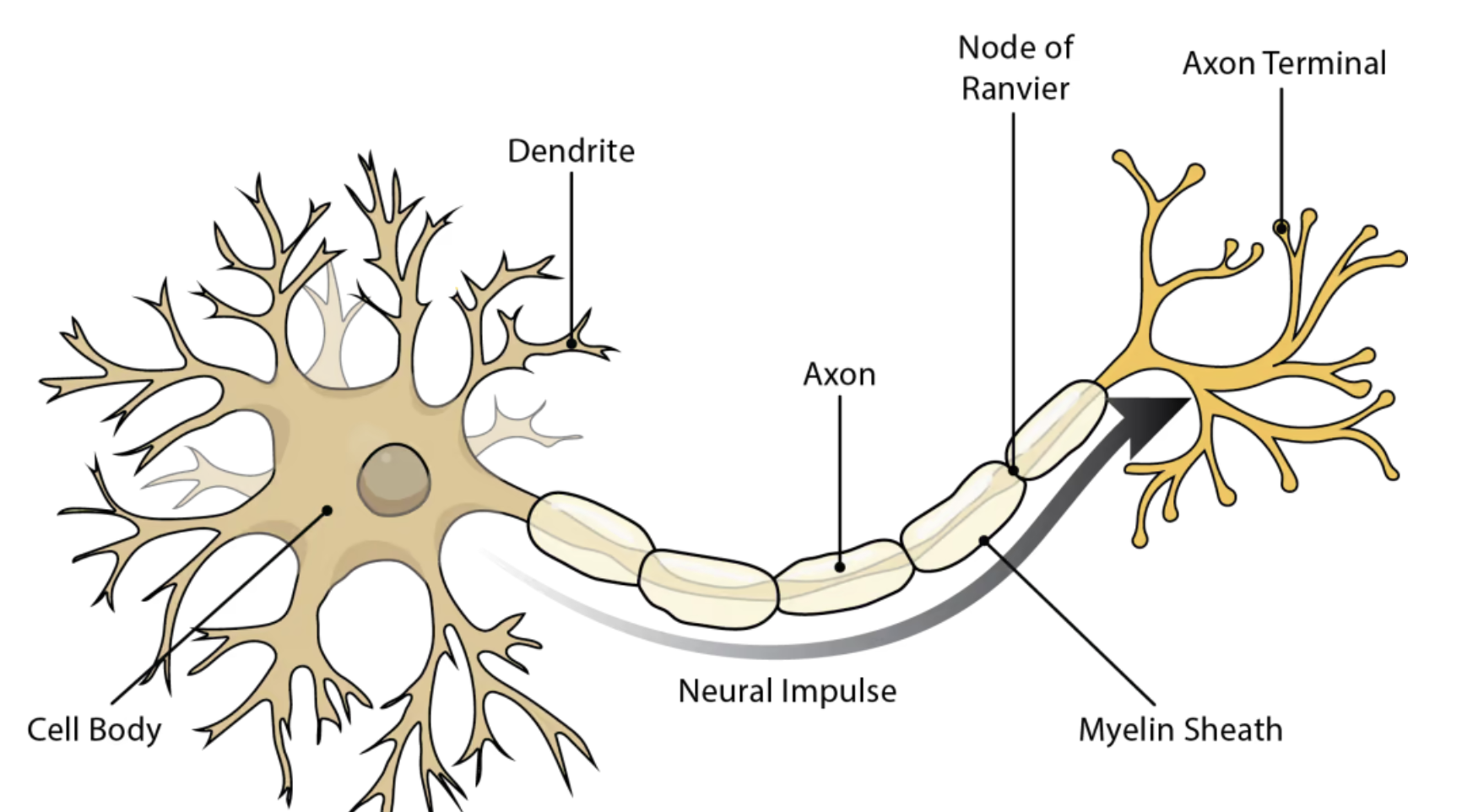
Think about an electrical wire .
A wire has plastic insulation around it so electricity can travel efficiently.
Your axon is similar.
Axon = wireMyelin = insulation
The myelin sheath wraps around the axon and helps the electrical signal travel faster .
🧠 Memory trick:
MYELIN = makes messages MOVE faster
Or:
Myelin = insulation = SPEED

🟡 What are Nodes of Ranvier?
The myelin doesn't cover the entire axon continuously.
There are little gaps between the myelin sections.
Those gaps are called:
Nodes of Ranvier
Think:
Myelin = 🟡🟡🟡🟡
Nodes = spaces between them
The electrical signal can basically jump from gap → gap → gap instead of slowly traveling along every tiny part of the axon.
Signal travels MUCH faster.


🔥 BEST MEMORY TRICK
Think of a person trying to cross a river.
Without myelin:
🏊 → 🏊 → 🏊 → 🏊
They have to slowly move through everything.
With myelin + nodes:
🦘 → JUMP → JUMP → JUMP
The signal jumps between the nodes .
That's why it's faster.
🧠 CATCHY PHRASE:
"Myelin = insulation. Nodes = jumping spots."
Term | Super easy meaning |
|---|---|
Neuron | Sends nerve messages |
Glial cells | Support & protect neurons |
Myelin sheath | Insulation around axon |
Schwann cell | Makes myelin in the PNS |
Node of Ranvier | Gap between myelin sections |
Signal jumps nodes | Makes transmission faster |
🚨 One thing I'd memorize HARD:
SCHWANN = PNS MYELIN
And:
MYELIN = SPEED
And:
NODE = GAP
So if the TEAS asks:
"What increases the speed of nerve signal transmission?"
👉 Myelin sheath
If it asks:
"What are the gaps between myelin?"
👉 Nodes of Ranvier
If it asks:
"What glial cell produces myelin in the PNS?"
👉 Schwann cell
All 6 of those are neuroglial (glial) cells. They are just divided into 2 categories based on WHERE they work.
🧠 Think of it like this:Neuroglial cells = the BIG category 🛡
They are the helper/support cells for neurons.
Then they are split into:
🧠 CNS glial cells
Work in the brain + spinal cord
Astrocytes
Oligodendrocytes
Microglia
Ependymal cells
🧍 PNS glial cells
Work in the nerves outside the brain + spinal cord
Schwann cells
Satellite cells
So:
NEUROGLIAL CELLS
⬇
CNS → Astrocytes, Oligodendrocytes, Microglia, Ependymal
PNS → Schwann, Satellite
🤔 But WHY are they separated?
Because the nervous system itself has two major parts:
CNS = Central Nervous System
Brain + spinal cord
PNS = Peripheral Nervous System
Everything else → nerves outside the brain/spinal cord
The glial cells live and work in those different areas.
Think of it like a company:
🏢 CNS = Headquarters
Astrocytes/ Oligodendrocytes/ Microglia
Ependymal cells
🚗 PNS = Outside workers
Schwann cells/ Satellite cells
They're all helpers, but they work in different locations and have different jobs.
Instead think:
They're ALL glial cells, but different types of glial cells have different jobs and locations.
And the one you REALLY want to remember right now:
⚡ Schwann cells = PNS + myelin
There's also an important comparison:
Schwann → myelin in PNS
Oligodendrocyte → myelin in CNS
🔥 Memory trick:
Schwann = PNS
Oligo = CNS
🧠 Demyelination =
Myelin Gets Damaged
Remember from before:
Myelin = insulation around the axon
Think of the axon like an electrical wire.
🔌 Axon = wire
🛡 Myelin = protective insulation
The insulation helps the nerve signal travel FAST.
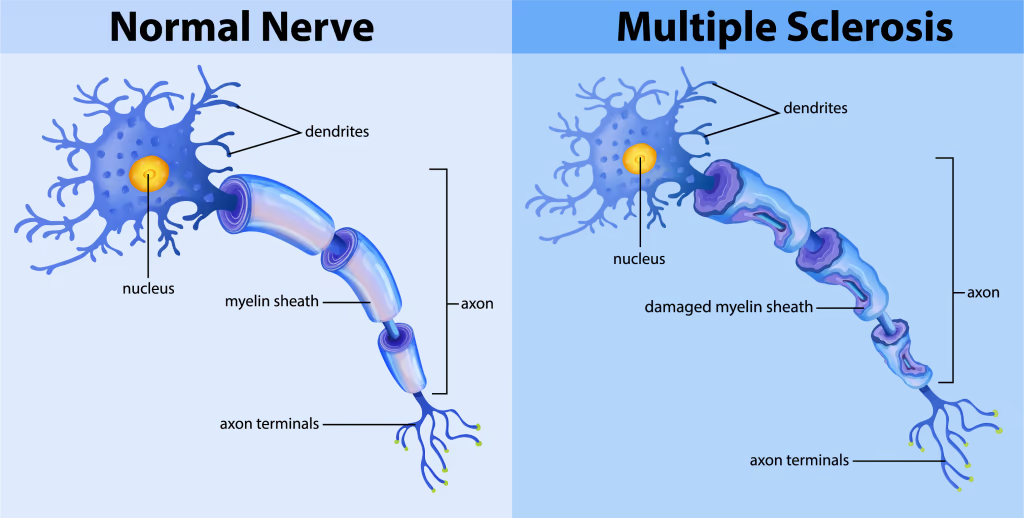
🟢 Normal Nerve
In a normal nerve:
Myelin is healthy → signal travels quickly ⚡💨
The electrical message can quickly move along the axon.
Remember:
Healthy myelin = FAST message
🔴 Multiple Sclerosis (MS)
In multiple sclerosis, the body's nervous system can damage the myelin sheath.
This damage is called:
Demyelination
Break the word apart:
DE- = remove/damage
MYELIN = myelin
So: Demyelination = damage/loss of myelin
🚗 Think of Myelin Like a Highway
This is probably the easiest way to remember it.
🟢 Healthy myelin:
🛣 Smooth highway
🚗💨 Message moves FAST
🔴 Damaged myelin:
🛣💥 Bumpy/damaged highway
🚗🐌 Message moves SLOWER
So when myelin is damaged, nerve signals don't travel as efficiently or quickly.
⭐ Why does this matter?
Your nervous system uses nerve signals to control things like:
Movement
Sensation
Thinking/cognition
If signals aren't traveling normally, neurological problems can occur.
You don't need to memorize every symptom for this concept.
Just understand:
Damaged myelin → slower nerve signals → nervous system problems

🧠 TEAS MEMORY TRICK
MYELIN = SPEED
Think:
“Myelin makes messages move.” ⚡
And:
DEMYELINATION = MYELIN DAMAGE
Think:
“DE = damage, MYELIN = myelin → myelin gets damaged.”
What happens when demyelination occurs?
nerve impulses travel more slowly.
🔥 Memorize this one sentence:
Myelin = insulation that speeds up nerve signals. Demyelination = damaged myelin → slower nerve signals.
How many types of neuroglia are found in the CNS?
4

🧠 Nerve Impulses — SUPER EASY1.
Neural impulse =
electrical message ⚡
A neural impulse is just an electrical signal traveling through a neuron .
Think:
Neuron = messenger
Neural impulse = message
2. Stimulus = starts the message
A stimulus is something that causes the neuron to react.
Example: 🔥 Touch something hot → your neurons are stimulated → a nerve impulse starts.
Stimulus → Excitation → Neural impulse
Memory trick:
🔥 Stimulus STARTS the signal.
3. Resting potential = neuron is waiting 😴
Before the neuron sends a signal, it's at its resting potential .
At this time:
Inside of neuron = more negative ➖
Outside = more positive ➕
This difference is related to sodium (Na⁺) and potassium (K⁺) ions .
Think:
Resting = Ready but NOT sending yet
🧠 Memory trick:
Resting = Negative inside
⚡ The simple sequence
Stimulus 🔥
↓
Neuron gets excited
↓
Neural impulse/electrical signal ⚡
↓
Message travels through neuron
🧠 Neuroplasticity
the brain's ability to make and change connections between neurons.
Think:
🧠 Neuroplasticity = brain can adapt/change
It helps your brain learn new things and adapt to changes.
With age:
Neuroplasticity generally decreases → the brain's ability to form new neural connections becomes slower.
⭐ Memory trick: “Plastic brain = adaptable brain.”
🚨 TEAS MUST-KNOW
Neural impulse = electrical signal ⚡
Stimulus = triggers the neuron
Resting potential = neuron at rest; inside is more negative
Na⁺ + K⁺ = important for the electrical charge difference
Neuroplasticity = brain's ability to form/change neural connections
🔥 One sentence to memorize:
“Stimulus starts the signal, resting potential means the neuron is waiting, and neuroplasticity means the brain can adapt.”
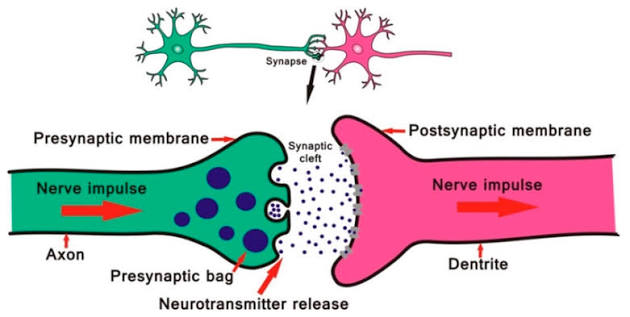
🧠 First: What is happening?
Think of a neuron like this:
Neuron 1 → 📦 → tiny gap → Neuron 2
The electrical message travels down the first neuron. When it reaches the end, the neuron uses chemicals (neurotransmitters) to pass the message across the gap.
⚡ STEP 1: Action potential reaches the end
The electrical signal travels:
Dendrites → cell body → axon → axon terminal
When it reaches the end of the axon, it triggers the next steps.
👉 Think: “Signal arrives!” 📣
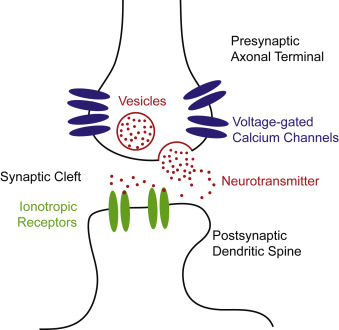
🟢 STEP 2–3: Calcium comes in
Ca²⁺ channels open → calcium enters
This is SUPER important.
🧠 Memory trick: “Calcium comes in!”
Calcium is basically the GO signal that tells the neuron:
"Release the neurotransmitters!"
📦 STEP 4–5: Calcium tells the vesicles to move
Inside the axon terminal are little bubbles called synaptic vesicles.
These vesicles contain:
Neurotransmitters
Think of them as packages of chemical messages.
📦 = vesicle
📨 = neurotransmitter
Calcium causes the vesicles to move toward the cell membrane.
🧠 First: What is happening?
Think of a neuron like this:
6-8
💥 STEP 6: Neurotransmitters are released
The vesicles fuse with the membrane and release the neurotransmitters.
This release is called:
Exocytosis
Then the neurotransmitters cross the:
Synaptic cleft
The synaptic cleft = tiny gap between cells
🧠 Memory:
EXO = EXIT
Neurotransmitters EXIT the vesicle.
🔑 STEP 7: Neurotransmitter attaches to receptor
The neurotransmitter crosses the gap and attaches to a receptor on the next cell.
Think:
📨 Message → 🔑 receptor
The neurotransmitter is like a key that fits into a receptor.
🎯 STEP 8: The target cell responds
What happens next depends on the target.
🧠 Neuron → Neuron
➡ Another nerve signal can start.
💪 Neuron → Muscle
➡ Muscle contracts
🧪 Neuron → Gland
➡ Gland releases hormones/secretions

🔥 THE WHOLE THING IN ONE STORY
Imagine you're sending a package:
1. ⚡ Signal arrives
↓
2. 🚪 Calcium channels open
↓
3. 🟢 Calcium enters
↓
4. 📦 Calcium activates vesicles
↓
5. 📦 Vesicles move to membrane
↓
6. 💥 Neurotransmitters EXIT
↓
7. 🔑 Neurotransmitter binds receptor
↓
8. 🎯 Target cell responds
🧠 EASY MEMORY PHRASE
Remember:
“Signal → Calcium → Package → Release → Receptor → Response”
Or even shorter:
⚡ SIGNAL → Ca²⁺ → VESICLE → RELEASE → RECEPTOR → RESPONSE

🚨 5 THINGS I WOULD MEMORIZE HARD
1. Action potential
= electrical signal traveling down the neuron
2. Ca²⁺
= triggers neurotransmitter release
3. Vesicles
= little sacs holding neurotransmitters
4. Synaptic cleft
= tiny gap between cells
5. Neurotransmitter
= chemical messenger that crosses the gap
⭐ SUPER CATCHY:
“Electricity gets to the end → Calcium comes in → Chemicals come out → Receptor catches them.”

🧠 The 3 Ions You Need to Know
Think of them as having 3 different jobs:
1-2
Ion | Main job | Where? |
|---|---|---|
🟢 Na⁺ Sodium | Starts the electrical signal | Along the neuron/axon |
🟣 K⁺ Potassium | Helps reset the neuron | Along the neuron/axon |
🔵 Ca²⁺ Calcium | Triggers neurotransmitter release | Axon terminal |
Na = START ⚡
K = RESET 🔄
Ca = RELEASE 📦
If you remember START → RESET → RELEASE, you're already in great shape.
1⃣ Na⁺ = SODIUM = STARTS THE SIGNAL ⚡
When a neuron/ the whole thing gets stimulated, sodium channels open.
Na⁺ moves INTO the neuron.
This makes the inside become more positive.
That change in charge is called depolarization.
The electrical signal then travels down the axon.
🧠 Remember:
Na⁺ = “NOW the signal starts!”
📍 Where?
Along the neuron's membrane, especially the axon as the action potential travels.
2⃣ K⁺ = POTASSIUM = RESETS 🔄
After sodium comes in and makes the inside positive, the neuron needs to get back toward its resting state.
K⁺ channels open.
K⁺ moves OUT of the neuron.
This helps make the inside negative again.
This is called repolarization.
🧠 Remember:
K⁺ = Kicks out ➡
Potassium KICKS OUT of the neuron.
📍 Where?
Along the neuron's membrane after the action potential passes.
🧠 The 3 Ions You Need to Know
3⃣ Ca²⁺ = CALCIUM = RELEASES THE MESSAGE 📦
This is the one people often mix up.
Calcium isn't mainly responsible for carrying the action potential down the axon.
Instead:
When the action potential reaches the axon terminal:
Ca²⁺ channels open → Ca²⁺ enters the axon terminal
Then calcium tells the vesicles:
🚨 "RELEASE THE NEUROTRANSMITTERS!"
The vesicles release neurotransmitters into the synaptic cleft.
🧠 Remember:
Ca²⁺ = Calcium = Comes in → Causes release
📍 Where?
Axon terminal
🧠 Put the whole thing together
Imagine you're sending a text message:
🟢 STEP 1 — Na⁺
Sodium comes IN
⚡ Starts the electrical signal.
Na = START
↓
🟣 STEP 2 — K⁺
Potassium goes OUT
🔄 Helps reset the neuron.
K = RESET
↓
🔵 STEP 3 — Ca²⁺
The signal reaches the axon terminal.
Calcium comes IN.
📦 Triggers neurotransmitter release.
Ca = RELEASE
↓
📨 STEP 4 — Neurotransmitter
Neurotransmitter crosses the synaptic cleft.
↓
🔑 STEP 5 — Receptor
Neurotransmitter binds to a receptor on the next cell.
🚨 THE MOST IMPORTANT LOCATION TRICK
Think of the neuron as a road:
CELL BODY → AXON → AXON TERMINAL → GAP → NEXT CELL
Now assign your ions:
🚗 Along the road:
Na⁺ → K⁺
They help create and reset the electrical signal.
🅿 At the END of the road:
Ca²⁺
Calcium comes in at the axon terminal and says:
"Release the packages!" 📦
⭐ TEAS CHEAT SHEETNa⁺
➡ IN
➡ Depolarization
➡ Starts/propagates action potential
K⁺
➡ OUT
➡ Repolarization
➡ Resets the neuron along the axon
Ca²⁺
➡ IN at axon terminal
➡ Triggers vesicles
➡ Neurotransmitters released
🔥 Memorize this:
Na IN = START ⚡
K OUT = RESET 🔄
Ca IN = RELEASE 📦
🧠 Nervous System
1. CNS vs PNS
CNS = Central
Brain 🧠
Spinal cord
PNS = Peripheral
All the nerves outside the brain and spinal cord
👉 CNS = center | PNS = peripheral/outside
2. Somatic vs Autonomic
Somatic = voluntary
Things you choose to do
Example: moving your arm 💪
Autonomic = automatic
Things your body does without you thinking
Heart rate, digestion, etc. ❤
👉 SOMATIC = YOU control
👉 AUTONOMIC = AUTOMATIC
3. 3 jobs of the nervous system
Think:
S → I → M
Sensory → Integrate → Motor
👀 Sensory: receives information
🧠 Integrate: brain/spinal cord processes it
💪 Motor: produces a response
👉 “Sense → Think → Move”
🧠 Brain
3 major brain regions:
Cerebrum = thinking, memory, senses, voluntary actions
Cerebellum = balance + coordination
Brainstem = basic automatic functions like breathing and heart rate
Easy memory:
Cerebrum = THINK 🧠
Cerebellum = BALANCE ⚖
Brainstem = BASIC LIFE ❤
🧠 Cerebral Cortex
The cortex is the gray matter on the outside of the cerebrum .
It has 4 lobes :
Frontal → thinking/planning
Parietal → touch/body sensations
Temporal → hearing/memory
Occipital → vision
🔥 Memory:
FPTO
Think: Front → Parietal → Temporal → Occipital
Most important easy association:
👀 Occipital = vision
🧠 Limbic System
and more
This is involved with emotion, memory, and body regulation .
Know these:
Hypothalamus → homeostasis
Thalamus → sensory relay
Hippocampus → memory
Amygdala → emotions, especially fear
Memory:
H = Homeostasis
T = Transfers senses
H = Holds memories
A = Alarm/emotions
⚡ Neuron
A neuron has:
Dendrites → Cell body → Axon → Axon terminals
Easy:
Dendrites = RECEIVE 📥
Cell body = MAIN PART
Axon = AWAY 📤
Terminals = PASS IT ON
🛡 Myelin
Myelin = insulation around the axon
It helps the electrical signal travel faster .
👉 MYELIN = SPEED ⚡
⚡ Resting vs Action Potential
🟢 Resting potential
Neuron is waiting .
Inside = more negative
Outside = more positive
👉 REST = NEGATIVE INSIDE
🔴 Action potential
Neuron is sending an electrical signal .
The charge reverses :
The inside becomes more positive.
👉 ACTION = CHARGE FLIPS

🧪 Synaptic Transmission
This is how the message gets from one cell to another .
Remember:
⚡ Electrical → 🧪 Chemical → ⚡/Response
The action potential reaches the axon terminal → Ca²⁺ enters → vesicles release neurotransmitters → neurotransmitters cross the synaptic cleft → bind to receptors.
🔥 Your ion trick:
Na⁺ = START ⚡
K⁺ = RESET 🔄
Ca²⁺ = RELEASE 📦
⭐ FINAL 30-SECOND TEAS REVIEW
CNS = brain + spinal cord
PNS = nerves outside CNS
Somatic = voluntary
Autonomic = automatic
Sensory → Integrate → Motor
= Sense → Think → Move
Cerebrum = think
Cerebellum = balance
Brainstem = basic life functions
Dendrites = receive
Axon = away
Myelin = speed
Resting = negative inside
Action potential = charge reverses
Na⁺ = start
K⁺ = reset
Ca²⁺ = neurotransmitter release
Neurotransmitter = chemical messenger
🧠 If you memorize just this:
“Dendrites receive, axon sends, myelin speeds, Na starts, K resets, Ca releases.”