BIOL251A Exam 4
 Call Kai
 Learn
 Practice Test
 Spaced Repetition
 Match
 Flashcards
 Knowt Play
1/37

There's no tags or description
Looks like no tags are added yet.
38 Terms
Pneumonia
lower respiratory tract infection
both or one lung parenchyma inflammation
alveoli with pus or blood
caused by bacteria (1 side of the lung inflamed), viral (both sides inflamed), fungi, parasties
SYMPTOMS: cough, chills, crackling sound, fever, chest pain, white shadow in x ray
3 bacterial pathogens that cause pneumonia
•Streptococcus pneumoniae (Pneumococcal pneumonia)
•Klebsiella pneumoniae
•Mycoplasma pneumoniae
Streptococcus pneumoniae (Pneumococcal pneumonia)
Gram + cocci in pairs
SYMPTOMS: pink sputum, cough, fever, chest pain
PATHOLOGY: difficulty breathing due to alveoli colonization, can enter bloodstream—> sepsis, endocarditis, meningitis
TREATMENT: antibiotics, vaccine
Virulence factors of S. pneumonia
poly capsule —> target opsonization, mediated by Ig G
pneumolysin target ciliated epithilium
Serotypes of S. pneumonia
90 different serotypes
Pneumococcal vaccines
PPSV23: capsular polysaccharides from 23 serotypes
PCV13: 13 serotypes conjugated to nontoxic diphtheria toxin
Klebsiella pneumoniae
Gram - rod
part of normal microbiota in intestine, colonises the mouth and throat
SYMPTOMS: same as pneumococcal
PATHOLOGY: higher mortality rate, colonized mucus droplets from throat, through secretions by contact or medical items, tissue death and lung abscess, bacteremia
TREATMENT: antibiotics, surgery, no vaccine, proper hygience
Virulence factors of K. pneumoniae
big capsule
big mucoid colonies on agar
Mycoplasma pneumoniae
walking pneumonia, atypical
lacks a cell wall
SYMPTOMS: gradual dry cough, fatigue, headache, muscle ache
PATHOLOGY: inhaling infected droplets; bacterial cells attach, ciliary motion inhibited
TREATMENT: azithromycin (protein synthesis inhibitor)/ Z pac, avoid crowiding
Most susceptible to S. pneumonia
IMMUNOCOMPROMISED
alcoholics, narcotics, chronic heart or lung disease
Most susceptible to M. pneumoniae
IMMUNOCOMPROMISED
elderly with lung disorders, people in recovery
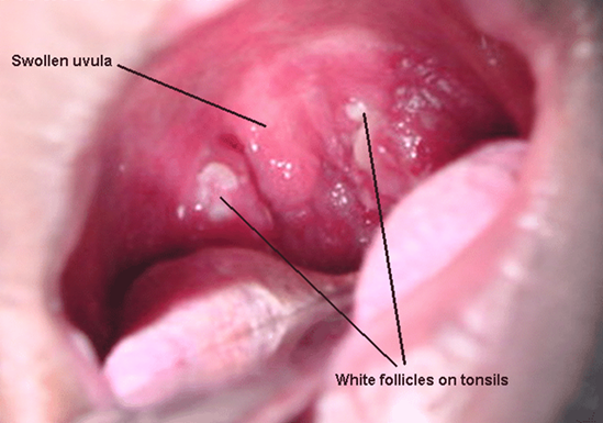
Streptococcus pyogenes
STREP THROAT
Gram + cocci in chain, Beta hemolysis
catalase negative
GAS Lancefield group
SYMPTOMS: sore throat, redness, pus patches, difficulty swallowing, tiny hemorrhages, fever
PATHOLOGY: direct contact and droplet infection, eating contaminated food
TREATMENT: may recover in a week, rapid strep test, B-lactams, oral amoxicillin, penicillin
Lancefield group
based on diff. in cell wall carbs
to define species with diff strains
Virulence factors of S. pyogenes
M protein — interferes with C3b opsonization (antibodies that bind to this will prevent infection)
Protein F — binds to fibrin of throat epithelial cells
Streptokinase — breaks blood clots (tissue degrading ez)
Pathogenesis of S. pyogenes
Capsule — to hide from immune system
C5a peptidase — destory C5a
Streptolysis O and S — make holes in RBC and WBC membrane
Exotoxins (SPE) — high fever, superantigens

Strep infections
Acute rheumatic fever: autoimmunte attack of heart tissue due to molecular mimicry
Acute glomerulonephritis: immune complexes form bw S. pygeoenes and antibodies deposited in the kidney
Influenza
acute upper respiratory tract infections
infect non-ciliated epithelial cells in lining
transmitted through direct contact and inhalation
SYMPTOMS: fever headache, chills, body chaes, nasa congestion, sore throat, dry cough
Treatment for influenza
drugs that inhibit NEUROMINIDASE ACTIVITY
yearly FLU VACCINE
Most susceptible to influenza
> 65 yrs old
children
pregnant women
those with chronic disorders
Mycobacterium tuberculosis
rods, mycolic acid waxy wall, acid-fast, non-spore-forming, obligate aerob
infects lungs but can travel through blood and other tissues
spread through air from coughing
TREATMENT: tuberculin test injecting PPB to skin — swelling and redness? raised wheal? —> antibiotics (rifampicin, isoniazid)
Most susceptible to TB
Immunocompromised
Two stages of TB
LATENT/INFECTION: 90%, agent present, no symptoms, not contagious, can be prevented with antibiotics, immune response occurs, tubercles form (infection walled off)
ACTIVE: only 5-10% develop this, if progressive
MDR-TB
multi-drug resistant TB to rifampicin and isoniazid
Pathogens that cause skin infections
Staph aureus, epidermidis
Strep spp.
Rickettsia
Bacillus anthracis
Varicella zoster
Staphylococcus aureus
Gram + cocci in clusters, salt-tolerant, in moist skin/nasal environment
catalase positive
Strains are penicillin-resistant
CHARACTERISTICS: pus, inflammation, fever

Identifying S. aureus from Strep
CATALASE TEST: Staph is positive; Strep is negative
MANNITOL SALT: Staph is salt-tolerant and fermenter (media will turn yellow)
Influenza A
type of influenza virus
MOST VIRULENT
infect humans, horses, pigs
subtypes depending on H and N

Influenza B
type of influenza virus
infects mammals only, little to humans
no subtypes unlike A —> share RNA with A
Influenza C
type of influenza virus
infects mammals only, little to humans
genetically and morphologically different from A and B
Factors that determine establishment of infection
Breaks in skin
Virulence and number of microbes
Host immune system
Type of wound
Virulence factors of Staph aureus
Can —> Capsule - X phagocytosis
Li —> Leukocidins - X WBC
Ly —> Lipase - X lipids
Have —> Hyaluronidase - X hylarunic acid
Cookies —> Coagulase + clumping factor - make clots
And —> Alpha toxin - make holes in membrane
Honey —> Hemolysis - cytotoxic
Pls —> Proteases - X collagen
Pls —> Protein A - bind to Fc portion
MRSA
methicillin-resistant Staph aureus
causes HA and CA infections
resistance to beta-lactam drugs due to mecA gene
due to mutation of a penicillin-binding protein
mecA gene
encodes for PB2a — low affinity PBP to drugs = ineffective
transfer of resistance through transduction
mutation in mecA gene
Staphylococcus infections
Scalded skin syndrome —> exfoliatin
Wound infections —> Staph produce virulence factors, S. epi make biofilms
Food poisoning —> food exotoxin
Hair follicle infections
Impetigo —> pus production
Infective endocarditis —> heart valves
Toxic shock syndroms —> superantiges cause low BP
Staph OR Strep infections
TREATMENTS DIFFERENT BUT SAME SIGNS!!!!!!
Impetigo
Erysipelas - rash, more S. pyogenes
Cellulitis - deep layer, more S. pyogenes
Necrotizing fasciitis, more S. pyogenes, can also be Clostridium, E. coli, A. hydrophila
Pseudomonas aeruginosa
Gram-negative rod with flagella
make biofilm and pigments
found SOIL/WATER: eye products, hospitals, flowers, water areas
P. aeruginosa infections
nosocomial infections
CA infections
skin rashes, eye, foot, ear
Clostridium perfringens