Essay Q: Discuss the composition and function of the major circulating lipoproteins
 Call Kai
 Learn
 Practice Test
 Spaced Repetition
 Match
 Flashcards
 Knowt Play
1/7

There's no tags or description
Looks like no tags are added yet.
8 Terms
What are chylomicrons?
Largest and least dense of the lipoproteins
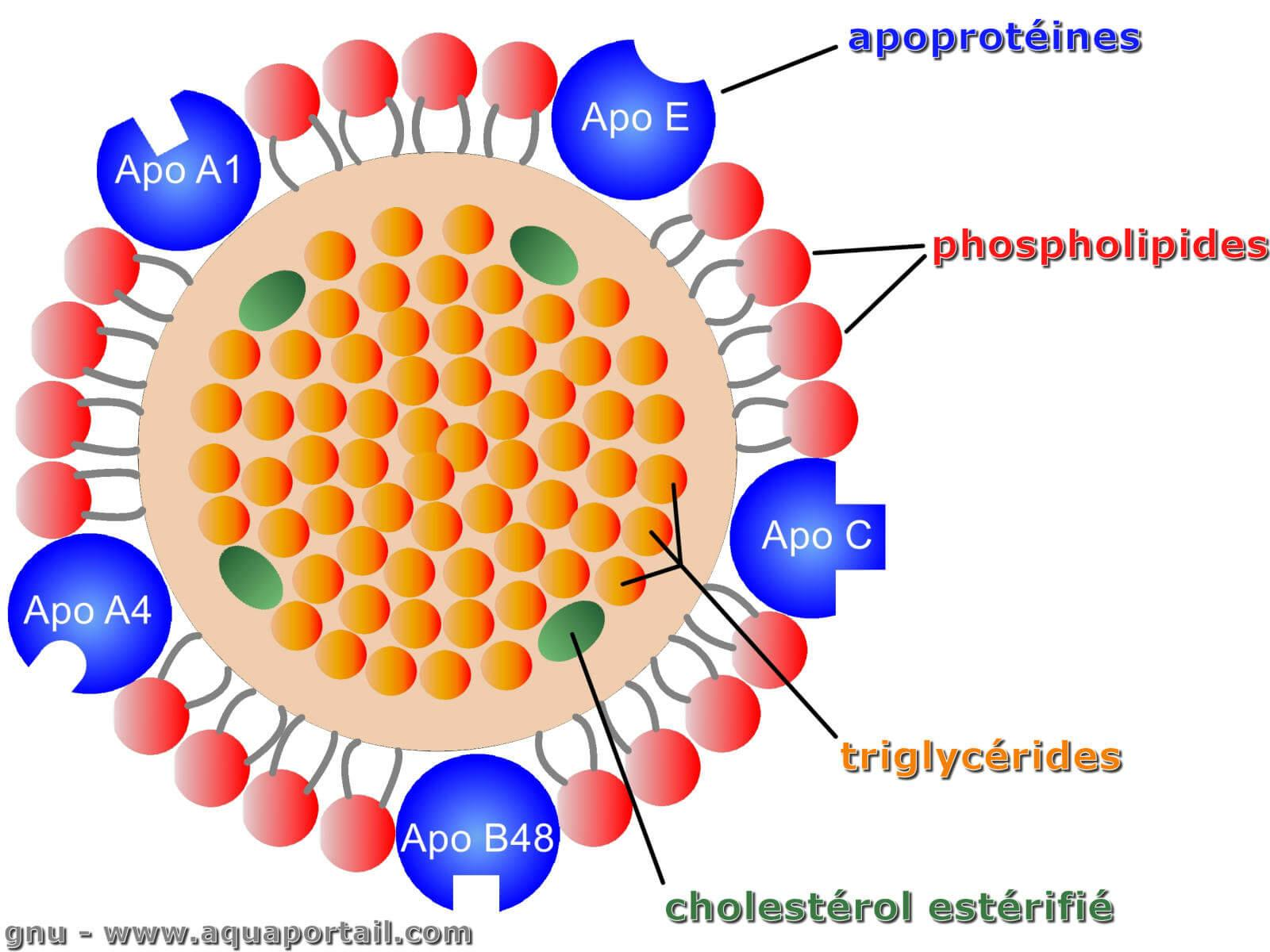
What is the function of chylomicrons?
Transport diet-derived lipids (mostly triglycerides) from the small intestine (via lymph system) to the rest of the body.
Cells all over the body remove triglycerides from chylomicrons as they pass by, so the most of the triglycerides have been depleted with few remnants of protein, cholesterol and phospholipid remaining.
What is the liver known as and its function?
Most active site of lipid synthesis
Cells are making cholesterol, fatty acids and other lipid compounds.
What is a VLDL and what cells does it package?
VLDL: very-low-density lipoprotein
Lipids made in the liver and those collected from chylomicron remnants are packaged with proteins as a VLDL.
What is the function of a VLDL?
Travels through the body and removes triglycerides, as triglycerides are removed, VLDL shrink and the proportion of lipids shifts.
How does a VLDL turn into a LDL?
Cholesterol becomes the predominant lipid and the lipoprotein becomes smaller and denser, this turns the VLDL into a LDL loaded with cholesterol, but containing relatively few triglycerides.
What is the function of a LDL?
LDL circulate throughout the body, making their contents available to the cells of all tissues- muscles, fat stores, the mammary glands, and others.
The cells take triglycerides, cholesterol, and phospholipids to use for energy, make hormones or other compounds, or build new members.
Special LDL receptors on the liver cells play a crucial role in the control of blood cholesterol concentrations by removing LDL from circulation.
What is HDL and its function?
Liver makes HDL to remove cholesterol from the cells and carry it back to the liver for recycling or disposal.
By efficiently clearing cholesterol, HDL lowers the risk of heart disease. In addition, HDL have anti-inflammatory properties that prevents clogging and plaque from breaking apart and causing heart attacks.