AH3 Exam 3 Combined
 Call Kai
 Learn
 Practice Test
 Spaced Repetition
 Match
 Flashcards
 Knowt Play
1/55

There's no tags or description
Looks like no tags are added yet.
56 Terms
compensatory stage of shock
BP
HR
RR
acid-base
Skin
Urinary output
LOC
BP: normal
HR: increased
RR: > 20; CO2 < 35
acid-base: respiratory ALKALOSIS
Skin: cold, clammy
Urinary output: decreased
LOC: confused

progressive stage of shock
BP
HR
RR
acid-base
Skin
Urinary output
LOC
BP:
SBP <90 (MAP <65)
HR: dysrhythmias
RR: rapid + shallow
PaO2 < 80 mmHg
COs > 45
acid-base: respiratory ACIDOSIS
Skin: cold limbs
Urinary output: decreased or anuric
LOC: lethargic or coma
Refractory stage of shock
BP
HR
RR
acid-base
Skin
Urinary output
LOC
BP: severe hypotension
needs vasopressors (NE, phenylephrine, vasopressin)
doesnt respond to fluids
HR: erratic/asystole
RR: mechanical vent
acid-base: profound ACIDOSIS
Skin: jaundice, peripheral tissue necrosis
Urinary output: anuric
LOC: coma
overview of the 4 types of shock:
hypovolemic: VOLUME issue
cardiogenic shock: PUMP problem
have sufficient volume, but cant pump
distributive shock: CIRCULATION problem
septic
neurogenic
anaphylactic
obstructive shock: MECHANICAL issue
Hypovolemic shock 2 causes:
best positioning
causes:
blood (hemorrhage, trauma, GI bleeds)
fluids (burns, vomit, diarrhea)
→ put in modified Trendelenburg
increases blood return to right side of heart

What mechanical device might support Cardiogenic Shock?—How does it function?
Intra-Aortic Balloon Pump (IABP)
Inflates: diastole (relaxed)
Deflates: systole (contraction)
Contraindication: (2)
AA
Aortic Insufficiency

Benefits of Intra-Aortic Balloon Pump: (4)
Contraindications (2):
Benefits:
⬆O2 supply
⬆Coronary artery perfusion
⬇O2 demand
⬇afterload
Contraindications: (2)
AA
Aortic Insufficiency
Meds given for Cardiogenic Shock: (3)
dobutamine:
⬆CO+ contractility
+ inotropic
Dopamine:
⬆CO + contractility
vasoactice/ tissue perfusion
+inotropic (contractility)
+chronotropic (heart rate)
too much = ⬆afterload
Nitroglycerin
vasodilator
for heart attack
⬇preload
too much = ⬇afterload (⬇BP)
3 types distributive shock
Circulatory Problem
septic: circulatory shock from overwhelming infx → hypovolemia
neurogenic: shock due to loss of sympathetic tone → hypovolemia
sympathetic: constriction
parasympathetic: dilation
anaphylactic: life-threatening circulatory and resp. compromise
4 degrees of sepsis:
Meets SIRS (Systemic Inflammatory Response System)
positive for Sepsis
SIRS + Infection present (UTI, Pneumonia etc)
Severe Sepsis
Sepsis + Organ dysfunction
Septic Shock
Severe Sepsis + either:
MAP < 65
Lactate > 4 after fluids
Positive for SIRS criteria:
2 of the following 4
HR: > 90 bpm
RR: > 20 bpm
Temp: > 38.3 C or < 36 C
WBC: < 4k or > 12k
Is SIRS specific to Sepsis?
NO
seen in burns, trauma, surgery, AI disorders, pancreatitis
SIRS + infection = actual sepsis
Early detection for Sepsis—3 hr bundle (4 actions)
measure lactate level
> 4 mmol/L
get blood cultures b4 abx!!
but don’t delay antibiotics!
give broad spectrum abx within 1 hr
start killing bacteria early
give 30 mL/kg crystalloids for hypotension OR lactate > 4mmol/L
LR or 0.9 NS
6 hr bundle for sepsis (3 actions)
give vasopressors for hypotension if fluids DONT work
NE
Vasopressin (2nd line)
maintain MAP > 65 mmHg
give vasopressors
re-evaluate lactate if initial was elevated
elevated lactate = tissue hypoperfusion and inadequate O2 delivery
2 main complications of Sepsis:
MODS: multi organ failure
CV: hypotension, hypoperfusion
resp: hypoxemia
heme: thrombocytopenia, coagulation
renal: ⬇ urine, ⬆ Cr
neuro: altered LOC
liver: ⬆ LFTs
DIC
thrombotic phase
bleeding phase

What is Neurogenic Shock?
What does this usually lead to?
loss of balance b/w sympathetic (constriction) and parasympathetic (dilation) stimulation
→ overriding parasympathetic stimulations = vasodilation causing hypotension + bradycardia
give atropine
Main vasopressor used for Neurogenic Shock (1) vs Septic Shock (2):
Neurogenic:
Phenylephrine
Septic:
NE
Vasopressin (2nd line)
Anaphylactic Shock dangerous manifestations (4)
tx/meds to give (7)
s/s:
resp. distress, hives, airway edema
hypotension (widespread vasodilation)
neurological compromise
cardiac arrest
tx:
Give EPI!!!!
may need trach
bronchodilators (albuterol)
antihistamine (Benadryl)
corticosteroids
Vasopressor
IVF
Obstructive Shock definition; 2 causes
treatment?
→ mechanical barrier to ventricular filling/ emptying = ⬇ CO
Cardiac Tamponade
becks triad
pericardiocentesis
Tension Pneumothorax
needle decompression
whats an aortic aneurysm?
abnormal widening of the aorta caused by weakening of its arterial wall.
Increasing wall tension can contribute to further enlargement, dissection, or rupture.

What are the main symptoms of a ruptured or dissected aneurysm? (2)
whats the characteristics of pain?
sudden CP
sudden back/flank pain (depends on location)
pain may begin spontaneously and unrelated to physical activity
Gold standard for diagnosing AA?
CT scan with IV contrast (CTA)
another test: TEE
med management for AA:
BP meds to control HTN
reduce stress on the weakened aortic wall.
Statins
reduce atherosclerosis
What are the two major complications of Aortic Artery Disease? (2)
aortic dissection
blood separates the layers of aortic wall
aneurysm rupture
break in the weakened aortic wall that can cause life threatening internal bleeding

4 types incomplete spinal cord lesions:
central cord syndrome
arms weaker than legs
anterior cord syndrome
movement and ability to feel pain/ temperature lost below injury
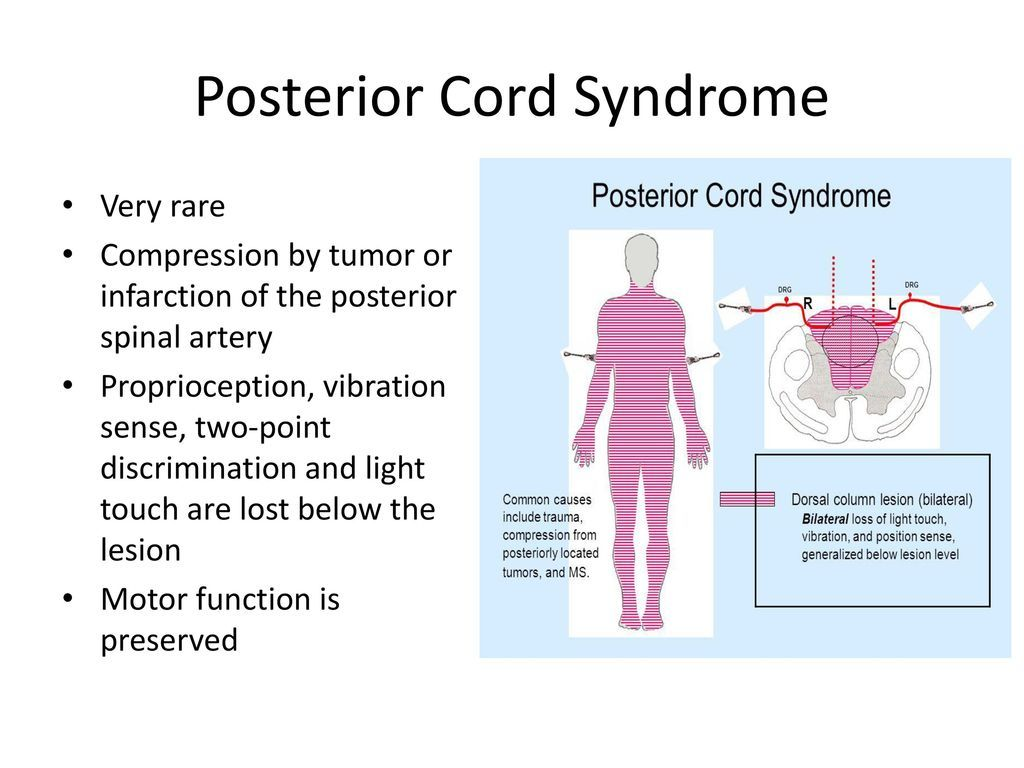
posterior cord syndrome
feeling vibrations and body position’s lost= difficult balance and walking
brown-Sequard syndrome
one side spinal cord damaged = weakness on same side and loss of pain/ temperature on opposite side

What causes central cord syndrome?
hallmark?
cause: hyperextension injury with swelling in center of spinal cord (whiplash MVA)
****motor loss greater in ARMS than legs
ex: person walks fine but cant grip fork

what is lost in anterior (4) SCI and preserved (4)?
lost:
loss of motor function below injury (paresis/paralysis)
pain
temp
crude touch (firm touch)
preserved:
proprioception (body position)
fine touch
pressure
vibrations

what is lost in posterior (4) SCI and preserved (4)?
lost:
proprioception
fine touch
pressure
vibrations
preserved:
pain
temp
crude touch
motor function
What causes brown-sequard cord syndrome?
findings of brown-sequard cord syndrome? (2)
cause: one side of cord damaged (GSW)
findings:
Ipsilateral: same side as injury
loss of proprioception
loss of motor function
loss of sense of vibration
Contralateral: opposite side of injury
loss of pain + temp

SCI injury manifestations:
above C4 (2)
thoracic (2)
lumbar and sacral (3)
above C4
inability to breathe
quadriplegic
thoracic
paraplegia
poor truck control
lumbar and sacral
loss of GU function; sexual function
hypotension
no temperature control

surgical management for SCI: (2)
decompression laminectomy
removal of 1 or more vertebral laminae to allow cord to expand with edema
spinal fusion
stabilize spine and correct deformity using bone graft or rods
2 types tractions:
Halo:
complex cervical injury c-collar wont be useful
or just needs to be immobilized (6-12 weeks) before surgical procedure
never get wet!! (only bathe, never shower)
Skeletal:
for subluxation injuries
pulls spinal cord away from itself (stretch it essentially)

what is spinal shock?
signs (7)
complete, but temporary loss of reflexes, movement, sensation, and autonomic body functions below injury—immobilize spinal cord
signs: (temporarily paralyzed)
flaccid paralysis
no DTR
decreased visceral and somatic sensations
no penile reflex
⬇ urinary/fecal retention
anhidrosis (no sweat)
paralytic ileus

what is neurogenic shock?
signs: (4)
which one is key for neurogenic shock?
distributive shock—loss of SNS control = blood vessels dilate
vasodilation
bradycardia!!!!! (KEYYY for neurogenic shock)
hypotension
temperature instability
specific vasopressor for neurogenic shock?
phenylephrine!!!
fix circulatory problem—life threatening
What is autonomic dysreflexia, and who is at risk?
dangerous, sudden rise in BP that happens in people with a SCI (Hypertensive crisis BP >140/90)
body overreacting to something irritating it below the level of the SCI—urologic source (UTI, full bladder)
usually in pts with injuries T6 or above

causes of autonomic dysreflexia (4)
Something irritating the body triggers an uncontrolled nervous system response:
full bladder
kinked catheter
constipation
tight clothes
pressure sores

What findings occur above the injury during autonomic dysreflexia? (3)
severe HA
flushing
diaphoresis
piloerection
goosebumps
-vasodilation

What skin findings occur below the injury during autonomic dysreflexia?
dry, pale cool skin due to vasoconstriction
no sweat
What is the immediate nursing priority for suspected autonomic dysreflexia?(4)
key difference above vs below level of SCI:
Sit pt upright!!! (high fowlers)
Check BP right after!!
sit them upright to help lower
Irrigate foley
Loosen tight clothes
***everything ABOVE injury = vasoDILATED
***BELOW injury = vasoCONSTRICTED
other complication of SCI: (7)
orthostatic hypotension
loss of vasomotor tone (vessels weak → hypotension)
use compression stockings or wrap limbs b4 sitting them up
bowel motility issues
risk: emesis
aspiration
impaction—laxatives
pressure injuries
muscle atrophy/contractures
DVT
immunocompromised
prone to UTIs, pneumonia, wound infections
neuropathic pain
primary vs secondary TBI injury
primary examples (4)
secondary examples (2)
primary: coup
damage that occurs immediately at time of trauma
contusion
lacerations
acceleration/decels
penetrating
secondary: countercoup; “shearing/whiplash”
additional damage that develops after injury
cerebral edema
ischemia

manifestations of basilar fracture (2)
late signs: (2)
bleeding from nose or ears
CSF leak—halo sign
ring of fluid around the blood stain from drainage
LATE:
raccoon eyes
battle sign
bruising behind ear
—no NGs

concussion vs contusion
concussion: temporary loss of consciousness with no apparent structural damage
contusion: more severe injury with possible surface hemorrhage
can lead to longer unconsciousness, more neuro deficits

Diffuse Axonal Injury (DAI)
what is it?
major sign of it?
widespread damage to nerve fibers (axons) through the brain
pt in immediate coma (vegetable)

What is a chronic subdural hematoma?
symptoms develop 3 weeks-months later and may be mistaken for a stroke

What is an epidural hematoma, and whats the classic presentation of an epidural hematoma?
arterial bleeding between the dura and the skull (emergent!!)
KEY: temporary loss of consciousness (transient LOC) followed by a lucid period

whats a lucid period?
period when pt wakes up and seems okay before rapidly worsening
what is Cerebral Perfusion Pressure?
whats the formula?
pressure need to maintain blood flow to brain
MAP-ICP= CPP
normal ranges
MAP
ICP
CPP
MAP: > 65
ICP: 0-15
CPP: > 60
general causes of Intracranial HTN: (10)
brain bleed
hydrocephalus
cerebral edema
stroke
tumor
suctioning
position changes
high PEEP
environmental stimuli
visitors
monitoring ICP parameters: (4)
head injuries—GCS < 8
severe ischemic stroke
ICP 20-25 mmHg
CPP < 60
Whats Cushing’s response
Cushing’s Triad (3)
Cushing response
nervous system response to try to rescue under-perfused brain tissue
HTN—⬆SBP (Widening Pulse Pressure)
Bradycardia
Bradypnea
medications for managing ⬆ICP: (3)
mannitol: osmotic diuresis
pulls fluid from brain cavity
!CP ⬇ within 5-10 mins
Hypertonic solution
2,3,5,7%
Loop Diuretics

whats placed in the brain to manage ICP?
whats it connected to?
ventriculostomy
A fluid-filled system and transducer that records ICP.

craniectomy vs. craniotomy:
craniectomy:
remove bone flap/ part of skull
to relieve swelling
craniotomy:
flap stays in place
just fix issue
