PSYC 216: Unit 3
 Call Kai
 Learn
 Practice Test
 Spaced Repetition
 Match
 Flashcards
 Knowt Play
1/79

There's no tags or description
Looks like no tags are added yet.
80 Terms
achievement
grades and scores on standardized tests
behavioral engagement
involvement in classroom activities
cognitive engagement
attention in class, planning, and monitoring
affective engagement
interest in school work, enthusiasm in learning
play
voluntary activities with no specific motivation beyond their inherent enjoyment; improves socioemotional, cognitive, language, and gross motor development
unoccupied play
(nonsocial) the child watches things in the environment, but only briefly; nothing holds their interest for very long

onlooker play
(nonsocial) the child watches other children’s play; the child may ask questions about the play but will not try to join in

solitary play
(nonsocial) the child is engrossed in their own activity and doesn’t attend to the behavior of others; all the preschool children were observed to engage in this type of play at some point, but some children engaged in it more than others
parallel play
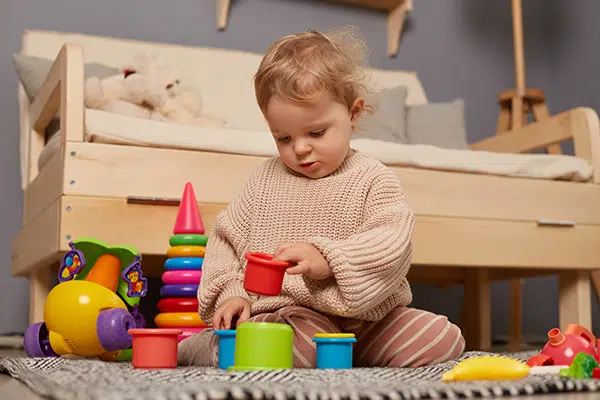
(social) the child plays alongside, but not with, other children; typically engaged in similar activities but play independently

associative play
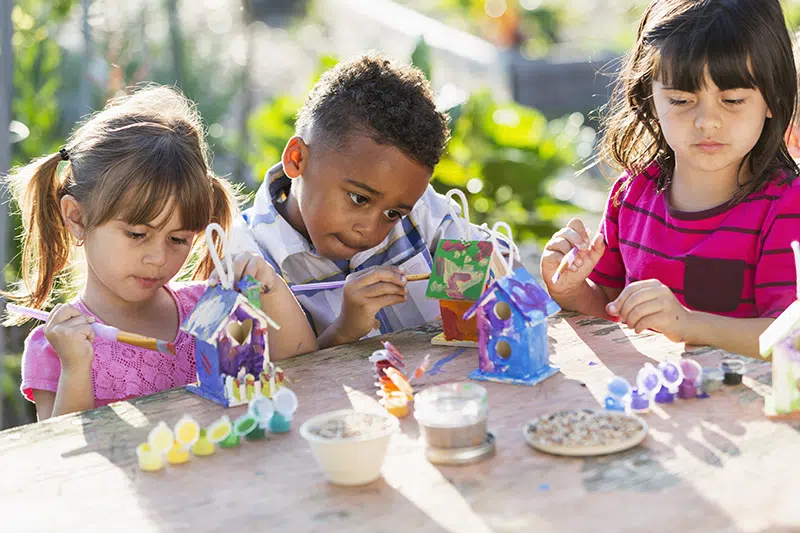
(social) the child plays with other children in a common activity. The child may share toys with a peer or comment on their behavior, but the two do not have a shared goal; each child does what they want and they do not coordinate their play
cooperative play
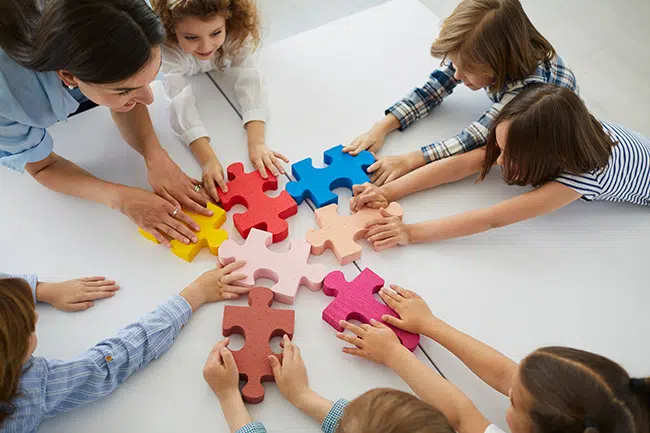
the child plays with peers in an organized activity with a goal, which involves playing a game, reaching an aim, or enacting a dramatic situation from daily life. The activity typically involves a distinction in roles and children who do not conform to their assigned roles may be criticized by the other participants
friend
a person with whom an individual has an intimate, reciprocated, positive relationship
selection effects
children choose friends who are similar to them
passive influence effects
children become more like their friends over time
active socialization effects
children may actively influence their friends
co-rumination
extensive discussion of personal problems within friendships (+ depressive symptoms)
co-reappraisal
efforts within friendships to reframe problems in a more positive light (- depressive symptoms)
sociometric popularity
likeable kids
well-liked
academically engaged and prosocial
generally not aggressive
perceived popularity
“cool kids”
Both positive and negative nominations
By middle school, negative characteristics become more common
rich-get-richer hypothesis
children who already have good social skills benefit from the Internet and related forms of technology when it comes to developing friendships
Friends in real life translate to having friends online
Better adjusted at social networking translates as well
social-compensation hypothesis
social media may be especially beneficial for lonely, depressed, and socially anxious adolescents
Have the higher chance for personal disclosures due to the additional time to think
Depressed adolescents use online communication to express their feelings and the use is associated with less depression
peer socialization hypothesis
peers are similar to one another because adolescents adapt their behavior to be more like their influential peers
peer selection hypothesis
peers are similar to one another because adolescents choose friends who are similar to them and engage in the same behaviors they do
aggression
behavior aimed at physically or emotionally harming or injuring others
antisocial
behavior that breaks the social norm
overt
direct, out in open
covert
indirect, hidden - delinquency
physical
punching, hitting, kicking
verbal
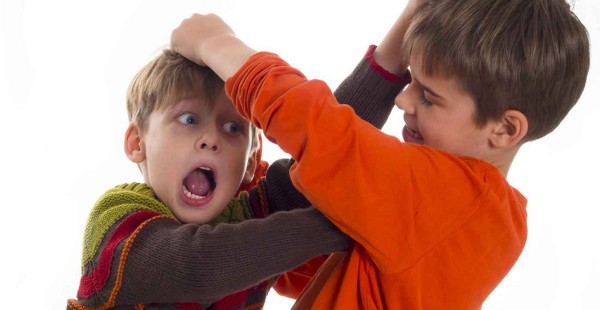
teasing, insults

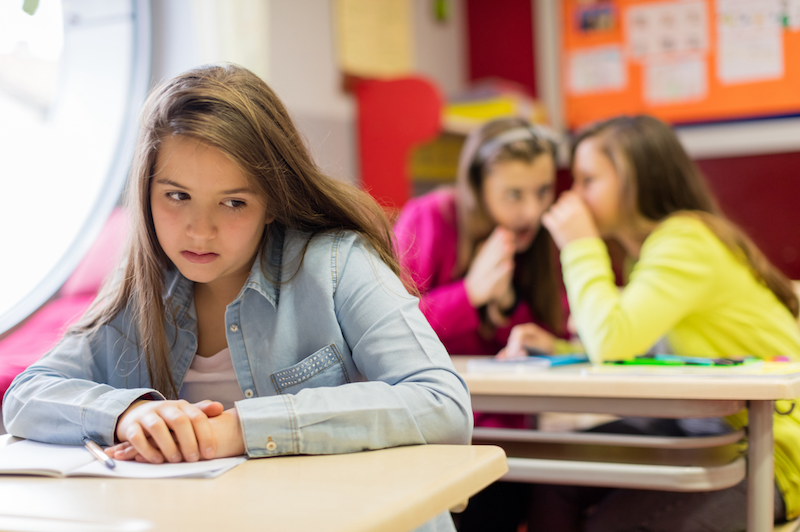
relational
damage to relationships
proactive
deliberate, unemotional, aimed at fulfilling a goal
reactive
impulsive, emotional, retaliatory
early-onset (persistent)
Neurological deficits
Attentional and academic problems
Family risk
adolescence-limited
Less violence, less overall psychopathology
Lessens in adulthood but still nonviolent offenses
Fewer early risk factors although there are some
Associated with negative peer influences
Normative vs. pathological
Social Information Processing Model
Encoding
Interpretation
Goal Formation
Response Access/Formation
Response Evaluation/Selection
Behavioral Enactment
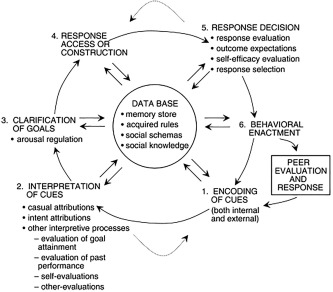
encoding
What happened? (Underutilization of cues; focus on hostile cues)
intepretation
Why? (Hostile attributional bias)
goal formation
What do you do? (Hostile social goals)
response access/formation
How do you respond? (Less prosocial, more hostile)
response evaluation/selection
Is this a good response? (positive evaluation of aggression, higher self-efficacy, and outcome expectancy)
behavioral enactment
What would you do? (Show aggressive responses)
origins of aggression and anti-social behavior
Genetics
Biological influences
Temperamental traits
Parenting and Family Environment
Friends/Peers
SES
Media
cyberbullying
repeated and intentional harassment or mistreatment of an individual via digital devices such as smartphones, computers, and tablets

sociometric status
a measurement that reflects the degree to which children are liked or disliked by their peers as a group
popular
children who are rated by their peers as being highly liked and accepted and highly impactful

rejected
children who are low in acceptance and preference and high in rejection but also high in impact

neglected
children who low in social impact and simply go unnoticed

average
children who receive moderate ratings on both impact and preference

controversial
children who are rated as very high in impact but average in preference; noticed by peers and are liked by quite a few children and disliked by quite a few others

warmth
(responsiveness) vs. hostility; support, encouragement, acceptance

structure
(behavioral control) vs. permissiveness; limit setting, monitoring, firm enforcement
Conveys valued standards and behavior
Limits exposure to risky situations
Generates parental knowledge
Requires self-control
intrusiveness
(psychological control) vs. authority; pressure, domination, intrusion
Undermines sense of autonomy
Interferes with sense of competence and work
Conveys rejection
authoritative
High warmth
High structure
Low intrusiveness
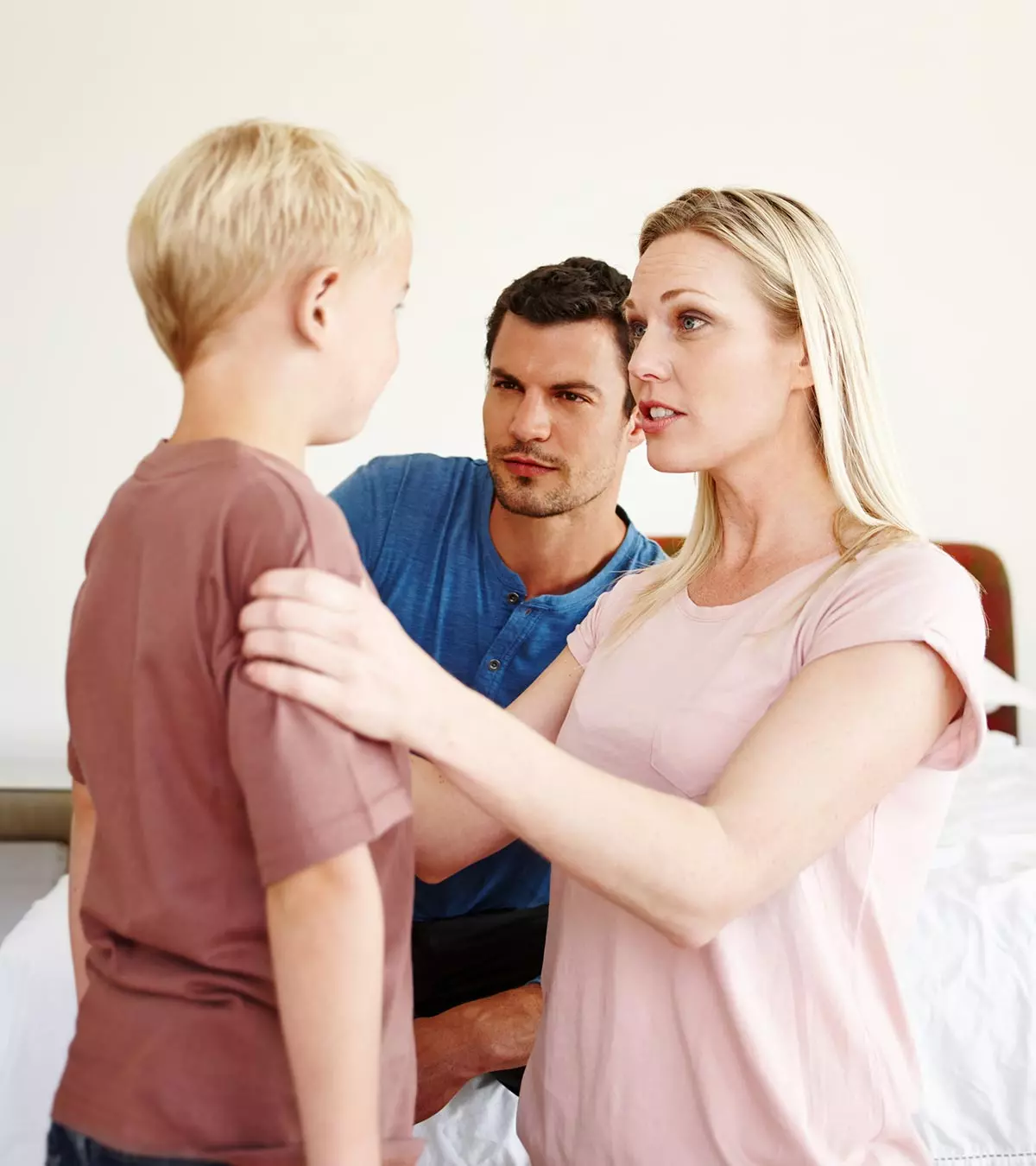
authoritarian
Low warmth
High structure
High intrusiveness

permissive
High warmth
Low structure
Low intrusiveness
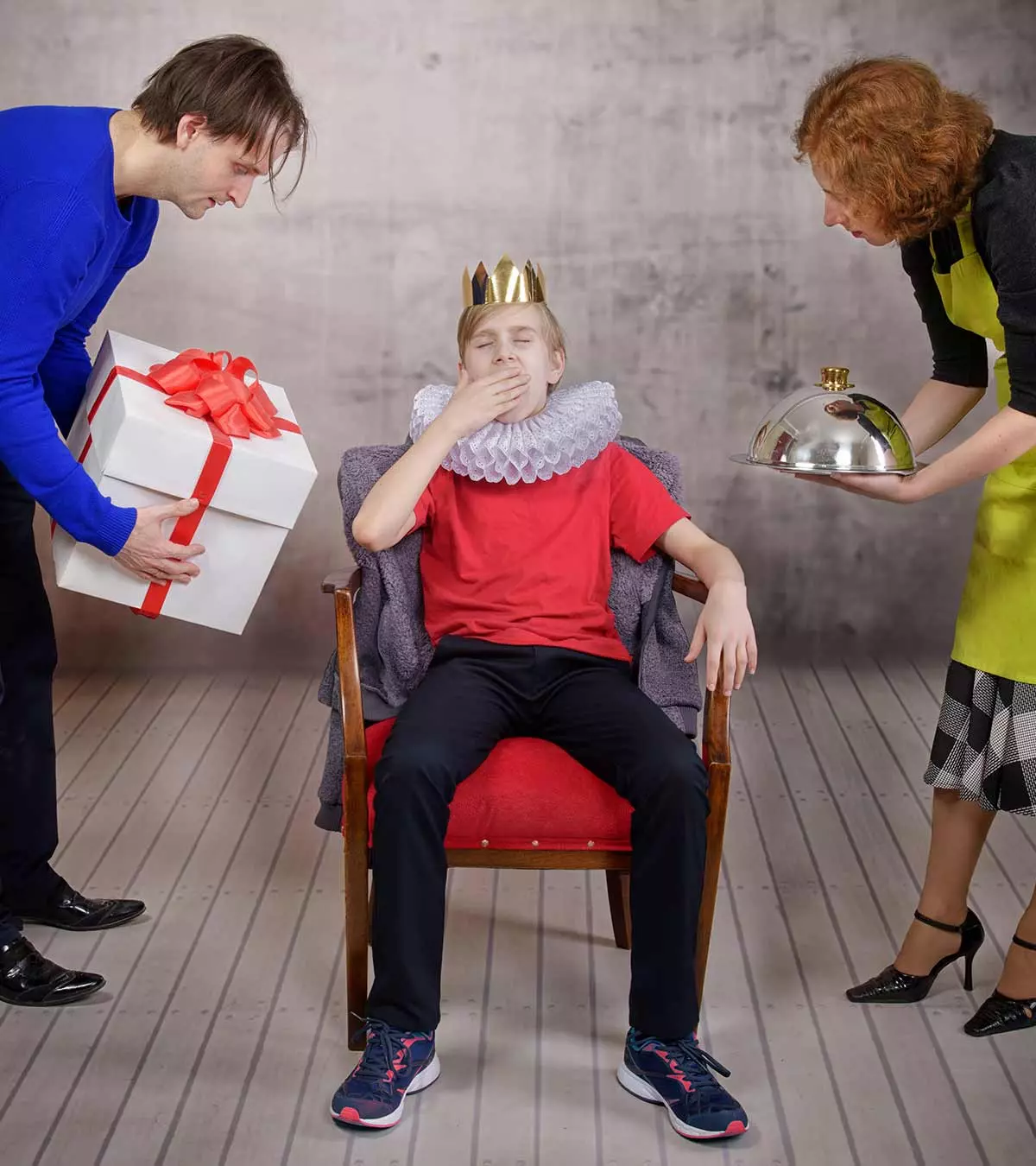
neglecting
Low warmth
Low structure
Low intrusiveness

EPS: achievement
High: Authoritative
Low: Neglecting
EPS: drug use
High: Permissive
Low: Authoritarian
High structure leads to low
EPS: internalized distress
High: Neglecting
Low: Authoritative
Low intrusion leads to low
EPS: social skills
High: Permissive
Low: Authoritarian
Low intrusion leads to high
universalist perspective
Innate need to feel autonomous
Intrusiveness undermines fulfillment of this need
individualistic-culture hypothesis
Individualistic cultures: Children’s autonomy is a priority
Collectivistic cultures: Relational harmony is a priority
normative hypothesis
In countries where intrusiveness is common…
children do not attach negative meaning to frequent use
intrusiveness is exerted more deliberately and calmly
ethology
(Harlow) attachment serves as an adaptive evolutionary function
psychoanalytic theory
(Freud) importance of early infant-caregiver relations
attachment theory
(Bowlby) attachment based on history of interactions; benefits of using parent as secure base
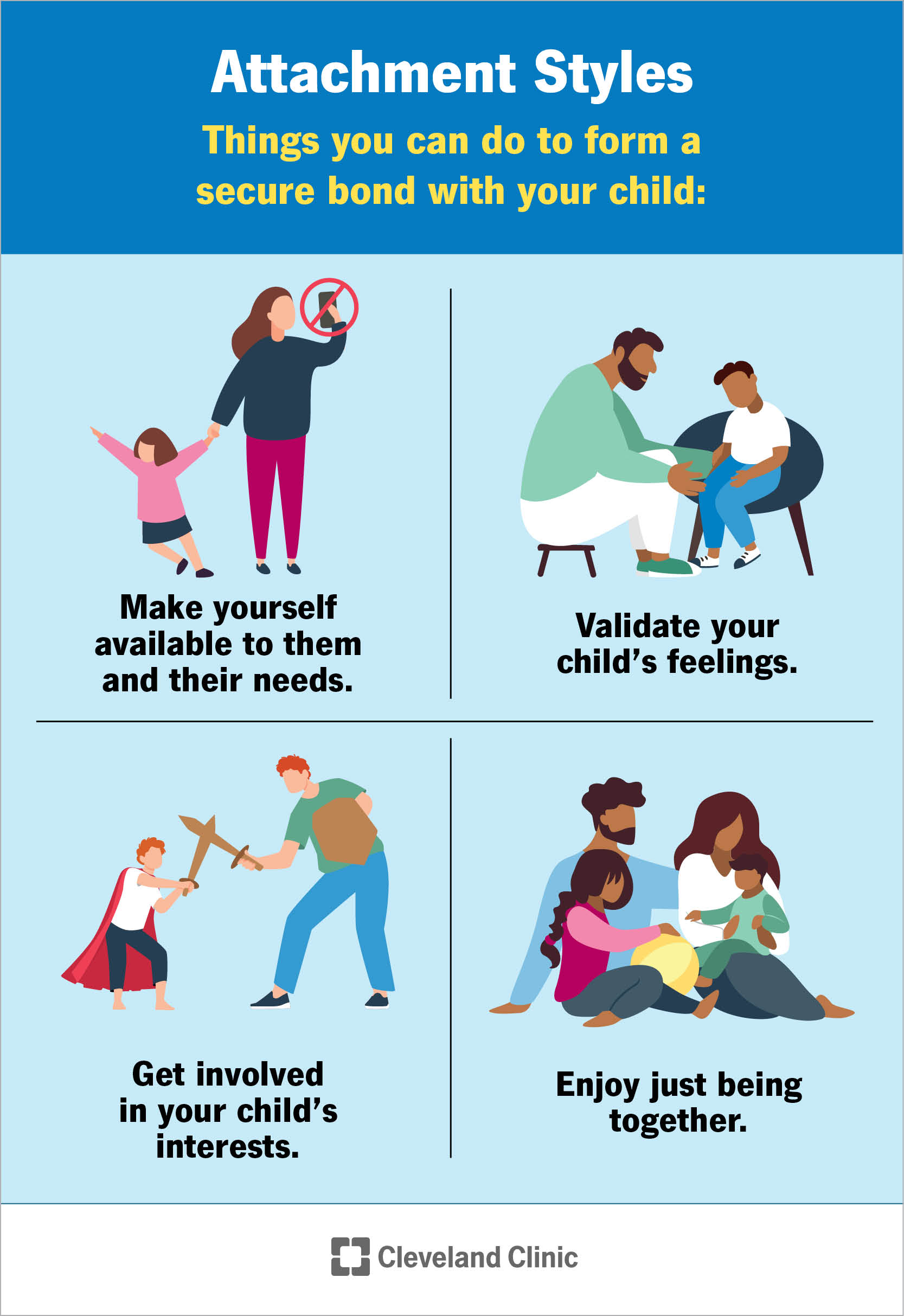
secure attachment
~50-60% of children
Uses caregiver as a secure base during play
Sometimes distressed when caregiver leaves room
Happy to see caregiver at reunion; presence calms
Don’t show elevated physiological arousal
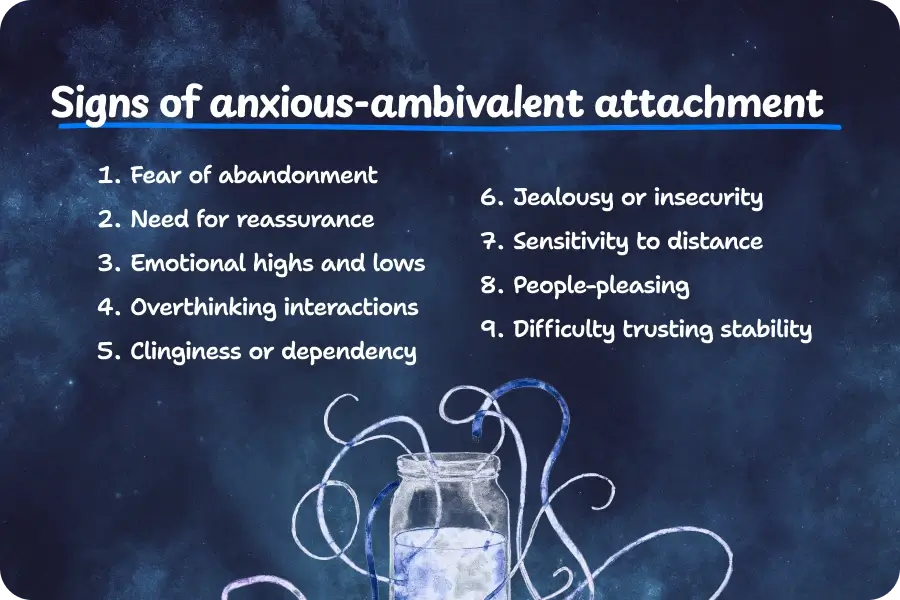
ambivalent-resistant attachment
~10-15% of children
Clingy from the beginning; stays close to caregiver
Very distressed when caregiver leaves room
Reestablishes contact with caregiver; but rebuffs (rejects) efforts of comfort
Shows elevated physiological arousal
avoidant attachment
~20% of children
Ignores caregiver entirely in the Strange Situation Procedure
But shows elevated physiological arousal

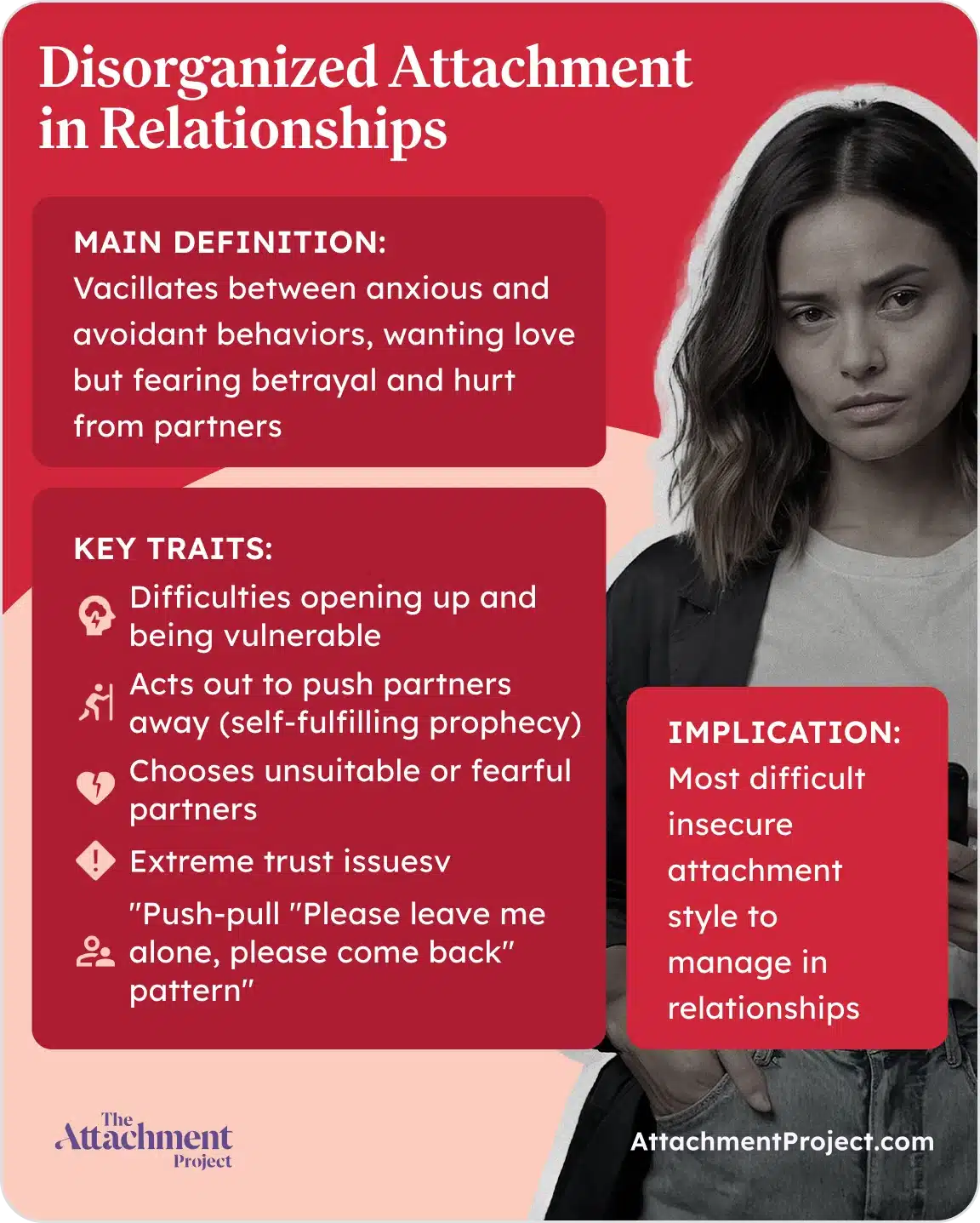
disorganized-disoriented attachment
~5% of children
No consistent way of coping with the Strange Situation procedure
Confused or contradictory behavior
Often appear dazed or disoriented =
sensitive parenting
consistent responding to infant and positive exchanges that are coordinated; children have secure attachment

inconsistent parenting
sometimes respond promptly to infant’s signals; sometimes don’t. Highly anxious and overwhelmed. Children have resistant-ambivalent attachment

parents of avoidant children
tend to be indifferent and emotionally unavailable; sometimes reject baby’s attempt at physical closeness
parents of disorganized-distressed children
tend to have abusive, frightening, or disoriented behavior; may be dealing with loss or trauma
top 3 maternal behavior
Mutuality
Synchrony
Sensitivity
mutuality
positive exchanges in which mother and infant attend to the same thing

synchrony
reciprocal and mutually rewarding interaction
sensitivity
ability to perceive infant’s signals accurately, respond appropriately

working model of the self
I am worthy or not worthy of love
working models of others
I can or can not trust others to love me and care for me