Yoga Midterm
 Call Kai
 Learn
 Practice Test
 Spaced Repetition
 Match
 Flashcards
 Knowt Play
1/34

There's no tags or description
Looks like no tags are added yet.
35 Terms
Alternate Nose Breathing (Nadi Shodhana)
a form of Pranayama that:
stills the miind
builds focus and concentration
decreases stress and anxiety
boosts the immune system
balances the left and right hemispheres of the brain
Box Breath
aka square breath
a form of pranayama that:
stills the mind
builds focus and concentration
increases awareness of breath patterns and any tendency to hold the breath
Cat/Cow pose (Marjiariasana/Bitilasana)
round out back then arch back
Child’s Pose (Balasana)
a restful. grounding posture
Cobbler Pose (Baddha Konasana)
aka Bound Angle Pose
Corpse Pose (Savasana)
Final relaxation posture
Dancer Pose (Natarajasana)
ow

Downward-facing dog (Adho Mukha Svanasana)
Can also modify to save wrists and do it on your elbows
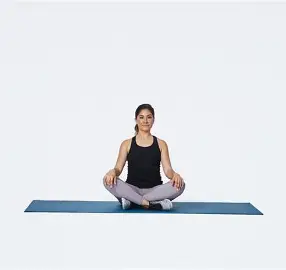
Easy Pose (Sukhasana)
What are the 8 limbs of yoga?
outlined by Patanjali in the Yoga Sutras
Yamas (virtues or universal morality) → how we interact with the world
Niyamas (personal observances) → how we interact with ourselves
Asanas (poses or postures)
Pranayama (working with our breath)
Pratyahara (control of the senses)
Dharana (immovable concentration)
Dhyana (meditation on the divine)
Samadhi (absolute bliss)
Equal breath (Sama Vritti) pranayama
a form of pranayama that involves breathing in and out to a steady internal count
We can start this count at 4-5 for each inhalation and exhalation and, if the breath foes not feel forced, gradually increase the count to 6 or 7
releases stress
develops awareness of the breath
improves concentration
balances the mind
balanaces the flow of energy in the body
useful for managing anxiety and insomnia
Extended Side Angle Pose
can be practiced with lower elbow on thigh or lower hand reaching to a block or the ground, either inside or outside the front foot
Fish Pose

Mountain Pose
the foundation for all standing postures in yoga
Patanjali
often considered the founder of yoga as we know it today
author of the Yoga Sutras
lived in India circa 400BCE
Pranayama
often translated to breath practice or breath work
literally means “restraint of life force/breath”
one of Patanjalis 8 limbs of yoga
Proprioception
the perception of the position and movements of the body
Reclined Two-legged twist
aka Revolved abdomen pose

Revolved triangel pose
can also be practiced with lower hand on leg or block, rather than ground, and lifted hand on hip rather than extended

Seated forward fold

Simple Sage Pose

Sphinx pose

Standing forward fold
aka big toe pose
Sun Salutation A

Three-part breath
a form of pranayama that involves in either a seated or reclined position, consciously drawing the breath in succession into the
Chest
ribs
belly (reverse order for exhalation)
Can also be expanded to bring breath into the front, sides, and back of the chest, ribs, and belly
heightens awareness of the breath
encourages more oxygen and less Co2 in the body
gradually expands lung capacity
builds mental focus
calms the mind
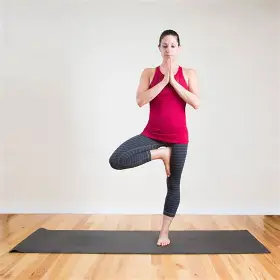
Tree Pose
Triangle Breath
a form of pranayama that includes a pause at the top or bottom of the breath, equal in length to the inhalation and exhalation, and that serves to:
still a busy mind
builds focus and concentration
helps us to notice what a full breath feels like
Increase awareness of the natural pause between an inhalation and exhalation.
Triangle Pose

Warrior II pose

Wide legged forward fold A

Yoga
from the sanskrit word “yuj”
means to unite, connect, yoke, or join
Yoga Sutras
a foundation text in the history and philosophy of yoga
written by patanjali
the first text devoted solely to yoga as we recognize it today
consists of 196 aphorisms (sayings) about yoga
written circa 400BCE in India
sutra = thread
Bridge Pose

Wide-angled seated forward fold
can be practiced as below or with hands on shins, ankles, or feet

What are all the different pranayama techniques we’ve learned?
Alternate Nose Breathing → decreases stress and anxiety
Box Breath (Square Breath) → increases awareness of breath patterns
Equal Breath → releases stress, awareness, balances flow of energy
Three-part breath → builds mind focus
Triangle Breath → focus + concentration, helps us to notice what a full breath feels like