Week 10: Emerging and Re- emerging infectious diseases and public health
 Call Kai
 Learn
Learn Practice Test
 Spaced Repetition
 Match
Match Flashcards
 Knowt Play
1/81

There's no tags or description
Looks like no tags are added yet.
Name | Mastery | Learn | Test | Matching | Spaced | Call with Kai | Chat |
|---|
No analytics yet
Send a link to your students to track their progress
82 Terms
Emerging infectious disease
An infectious disease that has newly appeared in a population or that has been known for some time but is rapidly increasing in incidence or geographic range.
Re-emerging infectious disease
Diseases that once were major health problems globally or in a particular country, and then declined dramatically, but are again becoming public health problems for a significant proportion of the population.
Infectious diseases
Are caused by pathogenic microorganisms, such as bacteria, viruses, parasites or fungi; these diseases can be spread, directly or indirectly, from one person to another.
Zoonotic diseases
are infectious diseases of animals that can cause disease when transmitted to humans.
14th century - Europe: plague killed _______% of the world’s population
20-45%
1831 - Cairo: __% of population succumbed to cholera
13%
1854-56 - Crimean war: deaths due to dysentery were __ times higher than deaths due to casualties
10x
1899-1902- Boer War: deaths due to dysentery were _ times higher than deaths due to casualties
5x
Why did infectious disease recede in Western countries 20th century?
Urban sanitation, improved housing, personal hygiene, antisepsis & vaccination
Antibiotics further suppressed morbidity & mortality
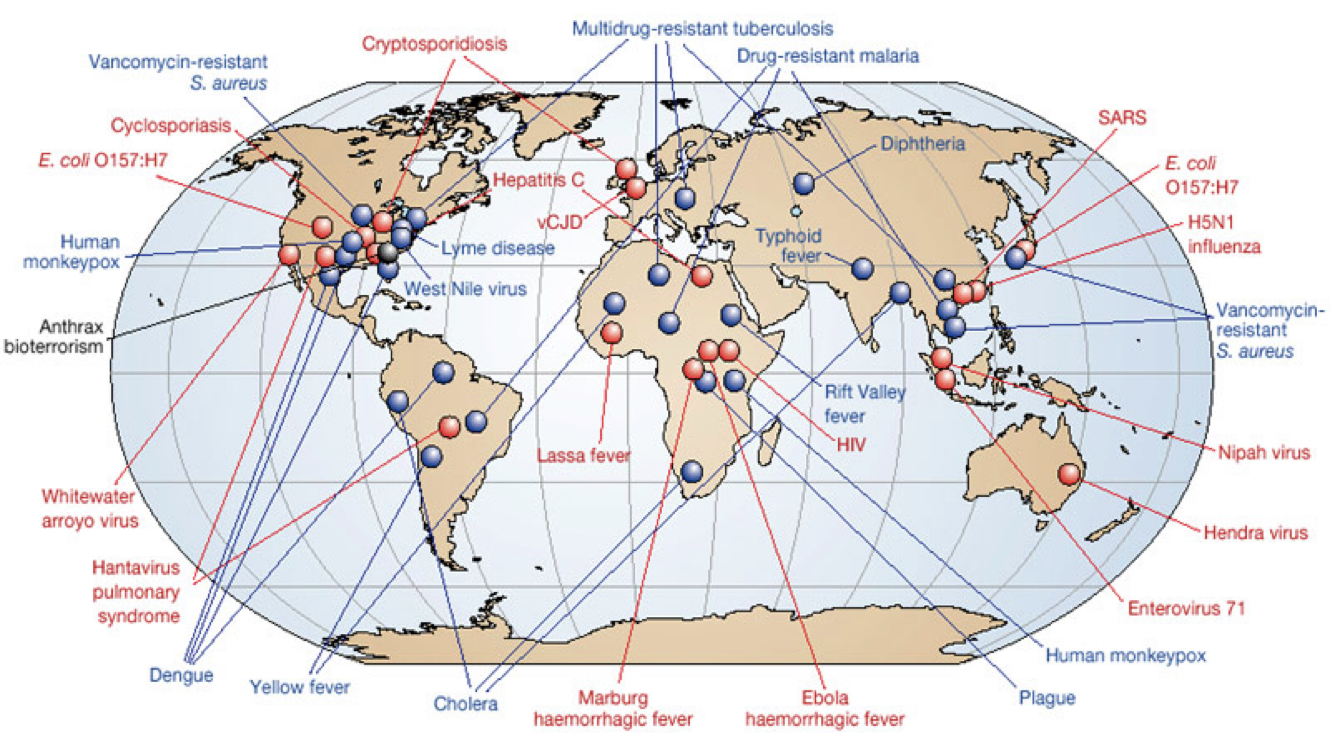
Since last quarter of 20th century- New & Resurgent infectious diseases
Unusually large number- Rotavirus, Cryptosporidiosis, HIV/AIDS, Hantaviraus, Lyme disease, Legionellosis, Hepatitis C
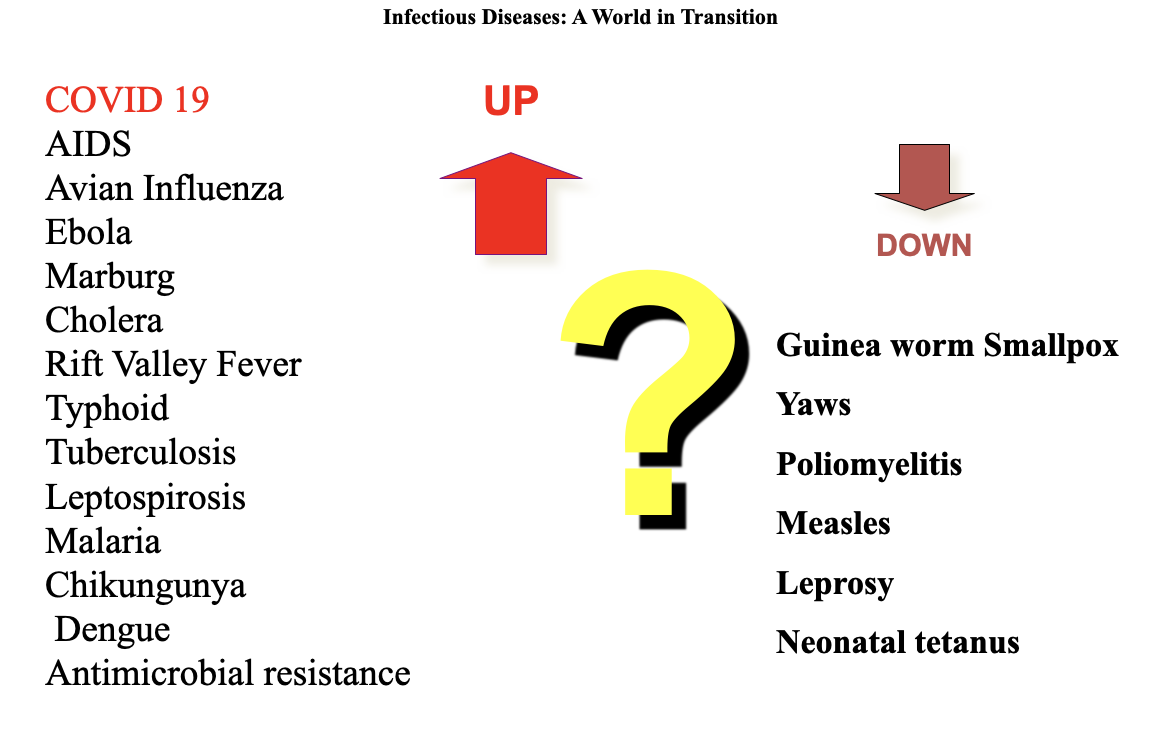
recent emerging diseases
diseases thought to be adequately controlled appear to be making a “comeback”
In developed countries, public health measures such as sanitation, sewage treatment, vaccination programs, and access to good medical care have virtually eliminated “traditional” diseases such as:
Diptheria, whooping cough, and tuberculosis
Many of these diseases are becoming a public health problem once again, as immunization programs and other public standards are enforced less vigorously (until the COVID-19 pandemic) and, as antibiotic resistant pathogens evolve
Strains of pneumonia-caused by Staphylococcus aureus are ________ to all of the currently available drug treatments
resistant
Among the diseases “reemerging” as a consequence of microbial resistance are:
Tuberculosis, and malaria, leading causes of death from infectious diseases worldwide
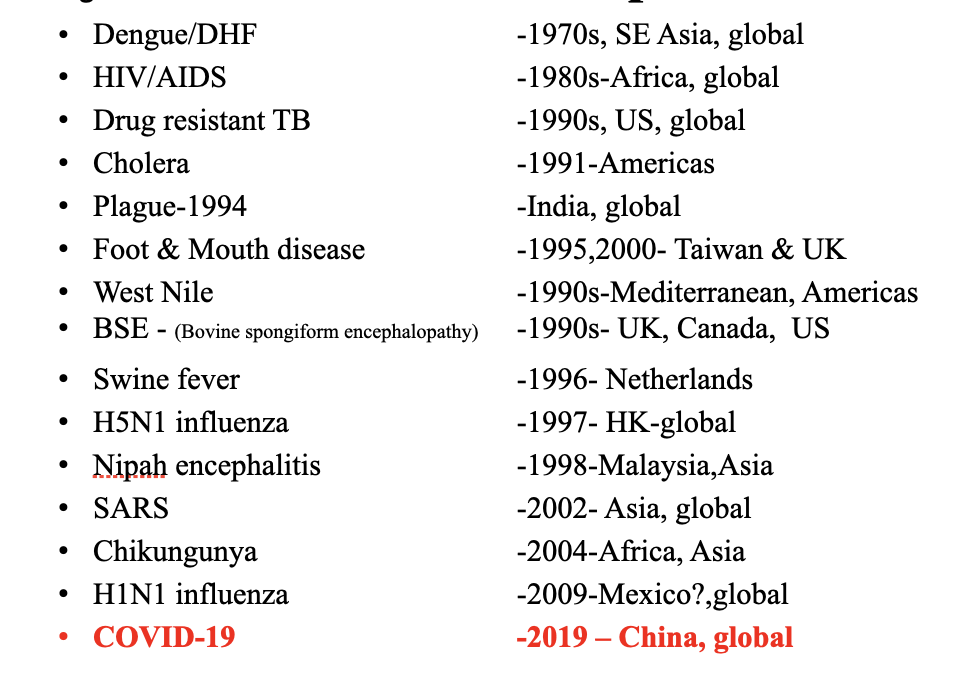
Major Infectious Disease Epidemics since 1980
COVID-19 Variants
Summer 2023: EG.5, or, informally, Eris (nicknamed after the Greek goddess of strife and discord)
As of November 2021, there are four dominant variants of SARS-CoV-2 spreading among global populations:
the Alpha Variant (formerly called the UK Variant and officially referred to as B.1.1.7), first found in London and Kent,
the Beta Variant (formerly called the South Africa Variant and officially referred to as B.1.351),
the Gamma Variant (formerly called the Brazil Variant and officially referred to as P.1)
the Delta Variant (formerly called the India Variant and officially referred to as B.1.617.2).
COVID-19: November 2021
South African scientists have detected a new Omicron variant –B.1.1.529 “very unusual constellation” of mutations, which are concerning because they could help it evade the body’s immune response and make it more transmissible
What did these Epidemic Infectious Diseases have in Common?
All were caused by zoonotic pathogens
All spread by modern transportation
Most had Asian origin
Laboratory and clinical diagnoses were problematic
Poor communication among countries
Major economic impact
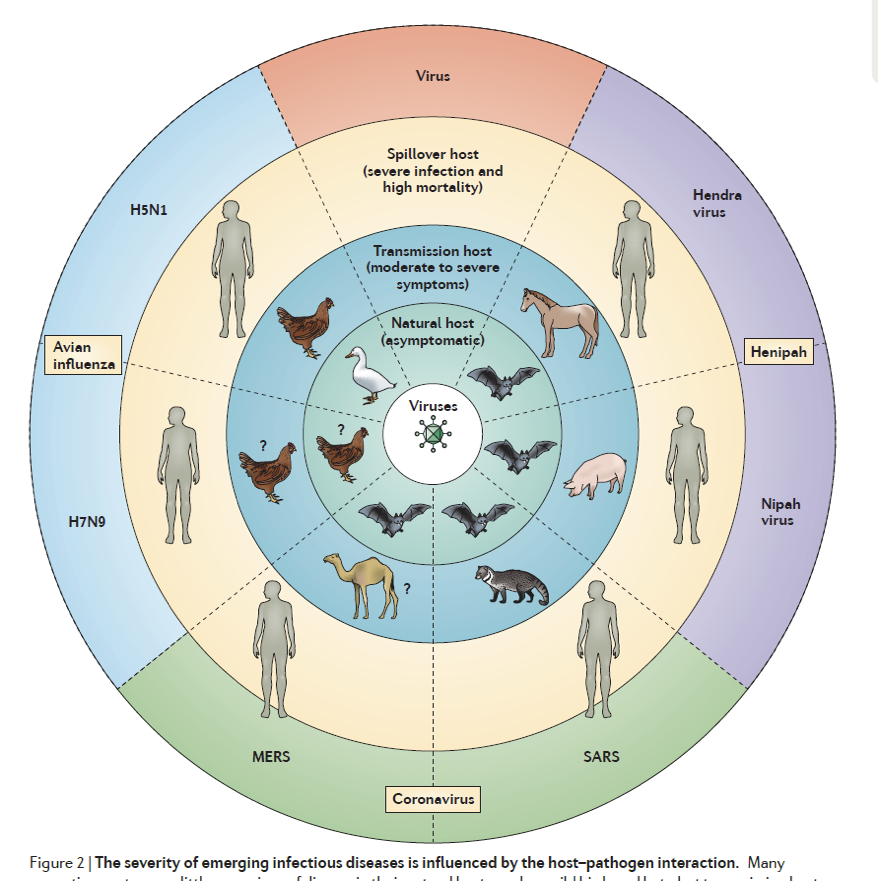
Emerging Zoonoses: Human-animal interface
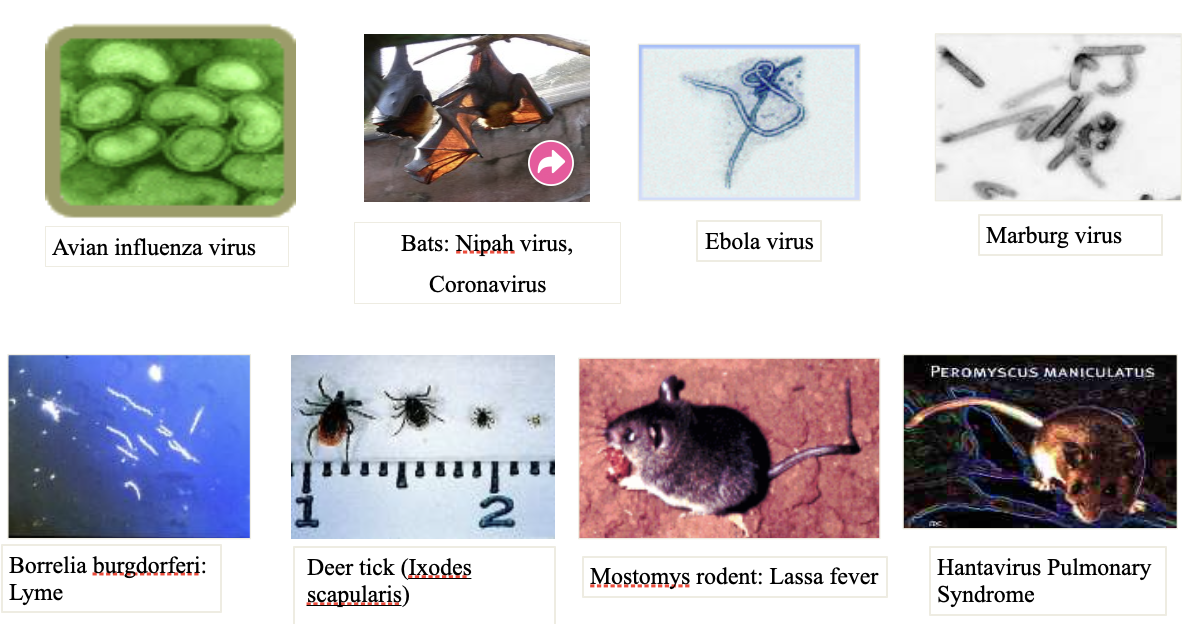
human, environment, vectors, animals relationships
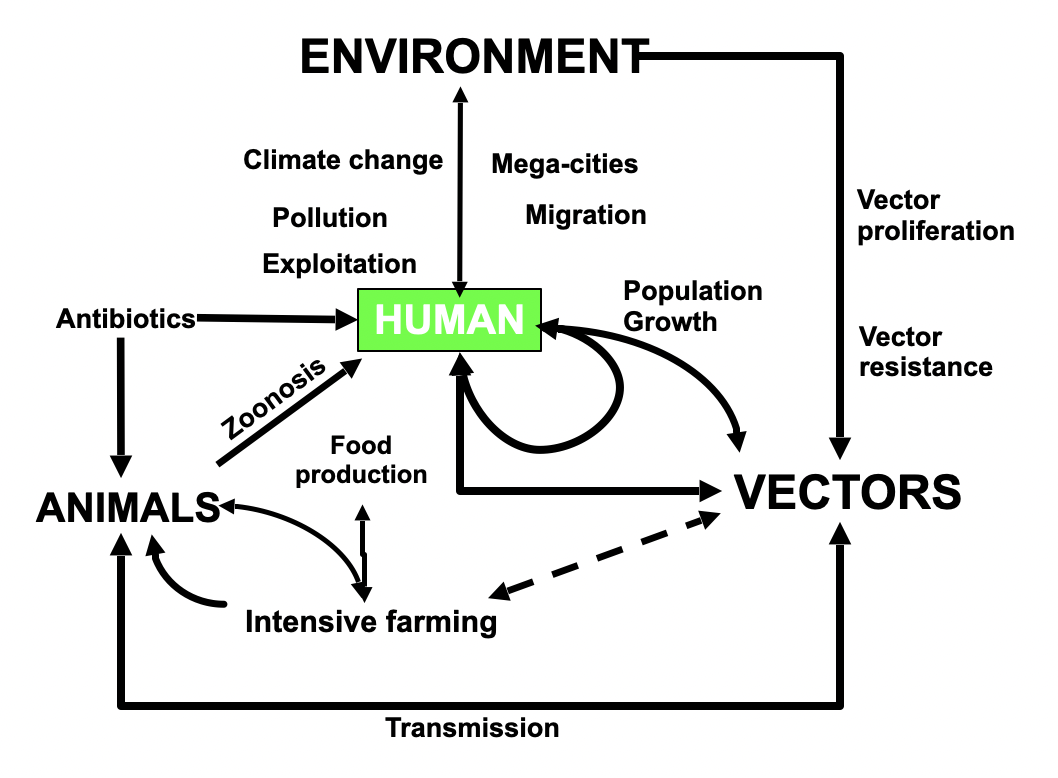
Three Main Factors Contributing To Emergence
Disease agents
Human activities resulting in exposure to host
Environmental factors
Disease agents
Evolution of pathogenic infectious agents (microbial adaptation & change)
Microbial evolution and the development of resistance to antibiotics and other antimicrobial drugs
Changes in ecology and climate
Modern medicine (e.g. immunosuppression), human susceptible to infection
Inadequacy of public infrastructure and vaccination programs
Resistance of vectors to pesticides
Disease Agents: Transmission of Infectious Agent from Animals to Humans
>2/3rd emerging infections originate from animals- wild & domestic
Emerging Influenza infections in Humans associated with Geese, Chickens & Pigs
Animal displacement in search of food after deforestation/ climate change (Lassa fever)
Humans themselves penetrate/ modify unpopulated regions- come closer to animal reservoirs/ vectors (Yellow fever, Malaria)
Host
Human demographic change (inhabiting new areas)
Unprecedented worldwide population growth, urbanization
Increased international travel
Human behaviour (sexual & drug use)
Human susceptibility to infection (Immunosuppression)
Poverty & social inequality
Changes in human behaviour, technology and industry
Human encroachment on wilderness habitats that are reservoirs for insects and animals that harbour infectious agents
Social unrest and civil wars
Bioterrorism
Host: Poverty, Neglect & Weakening of Health Infrastructure
Poor populations- major reservoir & source of continued transmission
Poverty- Malnutrition- Severe infectious disease cycle
Lack of funding, poor prioritization of health funds, misplaced in curative rather than preventive infrastructure,
Failure to develop adequate health delivery systems
Host: Human Behaviour
Unsafe sexual practices (HIV, Gonorrhoea, Syphilis)
Changes in agricultural & food production patterns- food-borne infectious agents (E. coli)
Increased international travel (Influenza)
Outdoor activity
Host: Uncontrolled Urbanization & Population Displacement
Growth of densely populated cities- substandard housing, unsafe water, poor sanitation, overcrowding, indoor air pollution (>10% preventable ill health)
Problem of refugees & displaced persons
Diarrhoeal & Intestinal parasitic diseases, ARI
Lyme disease (B. burgdorferi)- Changes in ecology, increasing deer populations, suburban migration of population
Host: Policy and knowledge limitations
Deterioration in surveillance systems for infectious diseases, including laboratory support, to detect new or emerging disease problems at an early stage (e.g. Indonesian resistance to “scientific colonialism”)
Illiteracy limits knowledge and implementation of prevention strategies
Lack of political will – corruption, other priorities
Host: Bioterrorism
Biowarfare/bioterrorism: An unfortunate potential source of new or emerging disease threats (e.g. anthrax and letters)
Possible deliberate release of infectious agents by dissident individuals or terrorist groups
Biological agents are attractive instruments of terror- easy to produce, mass casualties, difficult to detect, widespread panic & civil disruption
Highest potential of bioterrorism:
Bacillus anthracis – causes anthrax
Clostridium botulinum toxin - cause paralysis and even death through respiratory failure.
Francisella tularensis - causes pneumonia
Yersinia pestis – plagues – e.g., bubonic plague.
Variola virus - smallpox
Viral haemorrhagic fever viruses
Likeliest route- aerosol dissemination
Environment
Climate & changing ecosystems
Economic development & Land use (urbanization, deforestation)
Technology & industry (food processing & handling)
Changes in food processing, handling, and agricultural practices
International travel & commerce
Increased worldwide transport, migration, and relocation of animals and food products
Breakdown of public health measure (war, unrest, overcrowding)
Deterioration in surveillance systems (lack of political will)
Environment: Climate & Environmental Changes
Deforestation forces animals into closer human contact- increased possibility for agents to breach species barrier between animals & humans
El Nino- Triggers natural disasters & related outbreaks of infectious diseases (Malaria, Cholera)
Global warming- spread of Malaria, Dengue, Leishmaniasis, Filariasis
Antimicrobial Drug Resistance by Disease Agents
Antibiotic resistance is one of the biggest threats to global health, food security, and development today.
Antibiotic resistance can affect anyone, of any age, in any country.
Antibiotic resistance occurs naturally, but misuse of antibiotics in humans and animals is accelerating the process.
A growing number of infections – such as pneumonia, tuberculosis, gonorrhoea, and salmonellosis – are becoming harder to treat as the antibiotics used to treat them become less effective.
Antibiotic resistance leads to longer hospital stays, higher medical costs and increased mortality.
Antimicrobial Drug Resistance
AMR threatens all countries in recent decades, AMR has become widespread, irrespective of countries’ level of income.
In Europe, it has been estimated that 25,000 people die every year from antibiotic-resistant bacteria.
A recent report by the US Centers for Disease Control and Prevention (CDC) conservatively estimated that at least 2 million illnesses and 23,000 deaths a year in the USA could be attributed to antibiotic resistance.
Such estimates are useful for giving an indication of the scale of the problem, yet it is difficult to determine whether resistance is the cause of death or it is a correlate of long antibiotic treatment, hospitalization and underlying sickness.
AMR Causes
Wrong prescribing practices
Non-adherence by patients
Counterfeit drugs
Use of anti-infective drugs in animals & plants
AMR Loss of effectiveness:
Community-acquired (TB, Pneumococcal) & Hospital-acquired (Enterococcal, Staphylococcal
Antiviral (HIV), Antiprotozoal (Malaria), Antifungal
AMR Consequences
Prolonged hospital admissions
Higher death rates from infections
Requires more expensive, more toxic drugs
Higher health care costs
AMR Prevention and control
Antibiotic resistance is accelerated by the misuse and overuse of antibiotics, as well as poor infection prevention and control.
Steps can be taken at all levels of society to reduce the impact and limit the spread of resistance.
Individual level
Policy makers level
Health professionals
Healthcare industry
Agriculture sector
To prevent and control the spread of antibiotic resistance, individuals can:
Only use antibiotics when prescribed by a certified health professional.
Never demand antibiotics if your health worker says you don’t need them.
Always follow instructions when using antibiotics.
Never share or use leftover antibiotics.
AMR prevention and control: Individuals
Prevent infections by regularly washing hands, preparing food hygienically, avoiding close contact with sick people, practising safer sex, and keeping vaccinations up to date.
Prepare food hygienically, following the WHO Five Keys to Safer Food (keep clean, separate raw and cooked, cook thoroughly, keep food at safe temperatures, use safe water and raw materials) and
Choose foods that have been produced without the use of antibiotics for growth promotion or disease prevention in healthy animals.
AMR prevention and control: Policy makers
To prevent and control the spread of antibiotic resistance, policy makers can:
Ensure a robust national action plan to tackle antibiotic resistance is in place.
Improve surveillance of antibiotic-resistant infections.
Strengthen policies, program, and implementation of infection prevention and control measures.
Regulate and promote the appropriate use and disposal of quality medicines.
Make information available on the impact of antibiotic resistance.
AMR prevention and control: Health Professionals
To prevent and control the spread of antibiotic resistance, health professionals can:
Prevent infections by ensuring hands, instruments, and environment are clean.
Only prescribe and dispense antibiotics when they are needed, according to current guidelines.
Report antibiotic-resistant infections to surveillance teams.
Talk to patients about how to take antibiotics correctly, antibiotic resistance and the dangers of misuse.
Talk to patients about preventing infections (for example, vaccination, hand washing, safer sex, and covering nose and mouth when sneezing).
AMR prevention and control: Healthcare industry
To prevent and control the spread of antibiotic resistance, the health industry can:
Invest in research and development of new antibiotics, vaccines, diagnostics and other tools.
AMR prevention and control: Agriculture sector
To prevent and control the spread of antibiotic resistance, the agriculture sector can:
Only give antibiotics to animals under veterinary supervision.
Not use antibiotics for growth promotion or to prevent diseases in healthy animals.
Vaccinate animals to reduce the need for antibiotics and use alternatives to antibiotics when available.
Promote and apply good practices at all steps of production and processing of foods from animal and plant sources.
Improve biosecurity on farms and prevent infections through improved hygiene and animal welfare.
No infectious disease had spread so fast and far as ____ did in 2003
SARS
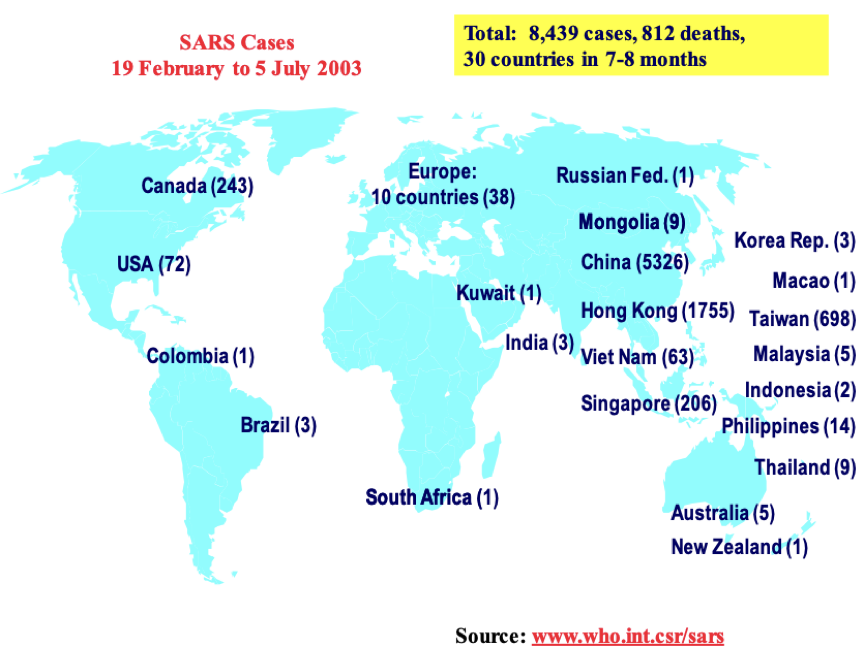
Lesson learned from SARS
An infectious disease in one country is a threat to all
Important role of air travel in international spread
Tremendous negative economic impact on trade, travel and tourism, estimated loss of $ 30 to $150 billion
High level commitment is crucial for rapid containment
WHO can play a critical role in catalyzing international cooperation and support
Global partnerships & rapid sharing of data/information enhances preparedness and response
Highly Pathogenic Avian Influenza (H5N1)
Since Nov 2003, avian influenza H5N1 in birds affected 60 countries across Asia, Europe, Middle-East & Africa
>220 million birds killed by AI virus or culled to prevent further spread
Majority of human H5N1 infection due to direct contact with birds infected with virus
Swine Influenza A (H1N1)
Swine flu causes respiratory disease in pigs – high level of illness, low death rates
Pigs can get infected by human, avian and swine influenza virus
Occasional human swine infection reported
In US from December 2005 to February 2009, 12 cases of human infection with swine flu reported
Swine Influenza Outbreaks
March 18 2009 – H1N1 outbreak reported in Mexico
April 15th CDC identifies H1N1 (swine flu)
April 25th WHO declares public health emergency
April 27th Pandemic alert raised to phase 4
April 29th Pandemic alert raised to phase 5
Swine Influenza - late stage outbreak
By May 5th more than 1000 cases confirmed in 21 countries
Screening at airports for flu like symptoms (especially passengers coming from affected area)
Schools closed in many states in USA
May 16th India reports first confirmed case
Stockpiling of antiviral drugs and preparations to make a new effective vaccine
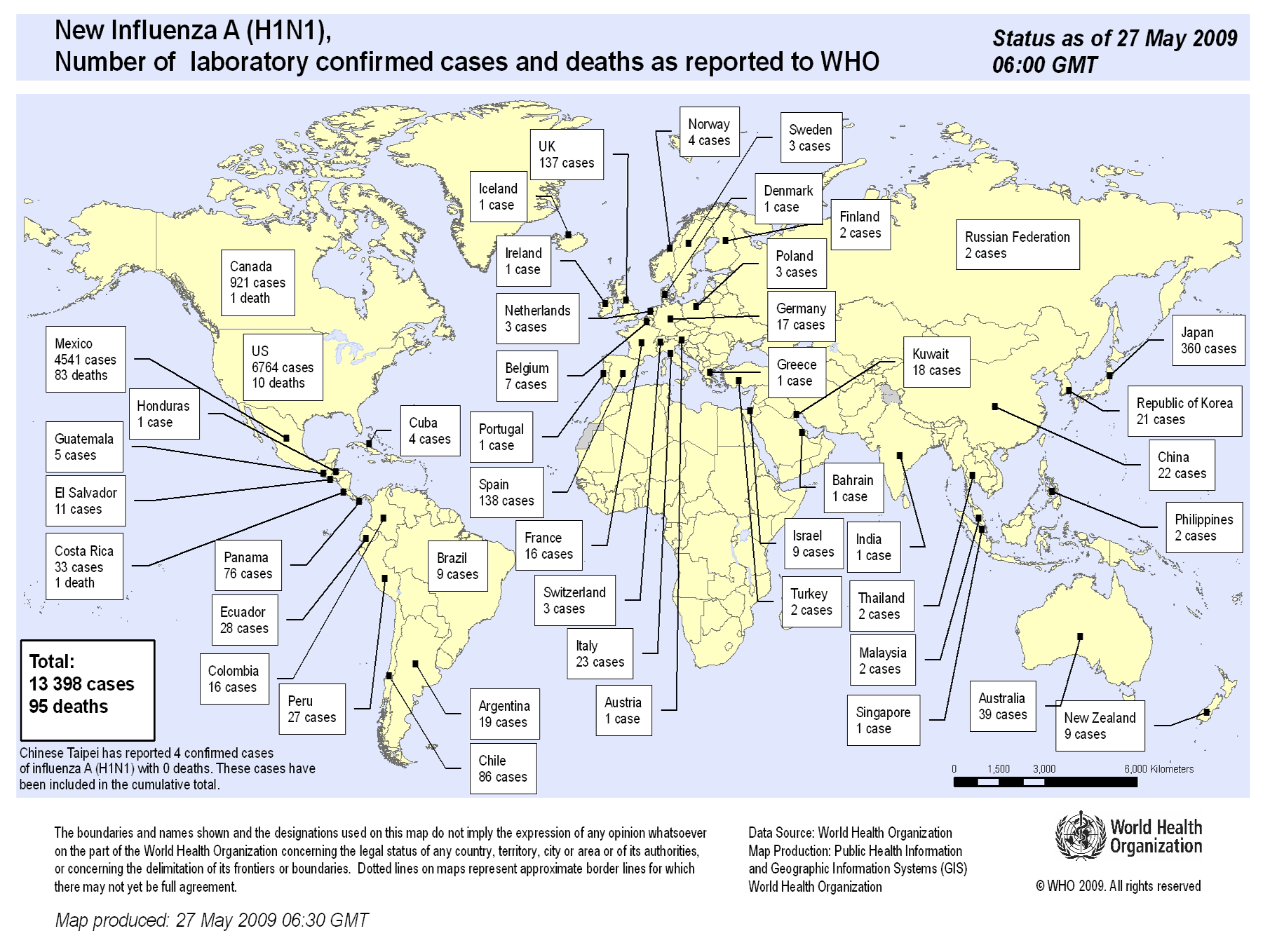
Swine Influenza: Worldwide
162,380 cases
1154 deaths
Swine Influenza: India
558 cases
1 death
Coronavirus Disease 2019 (COVID-19)
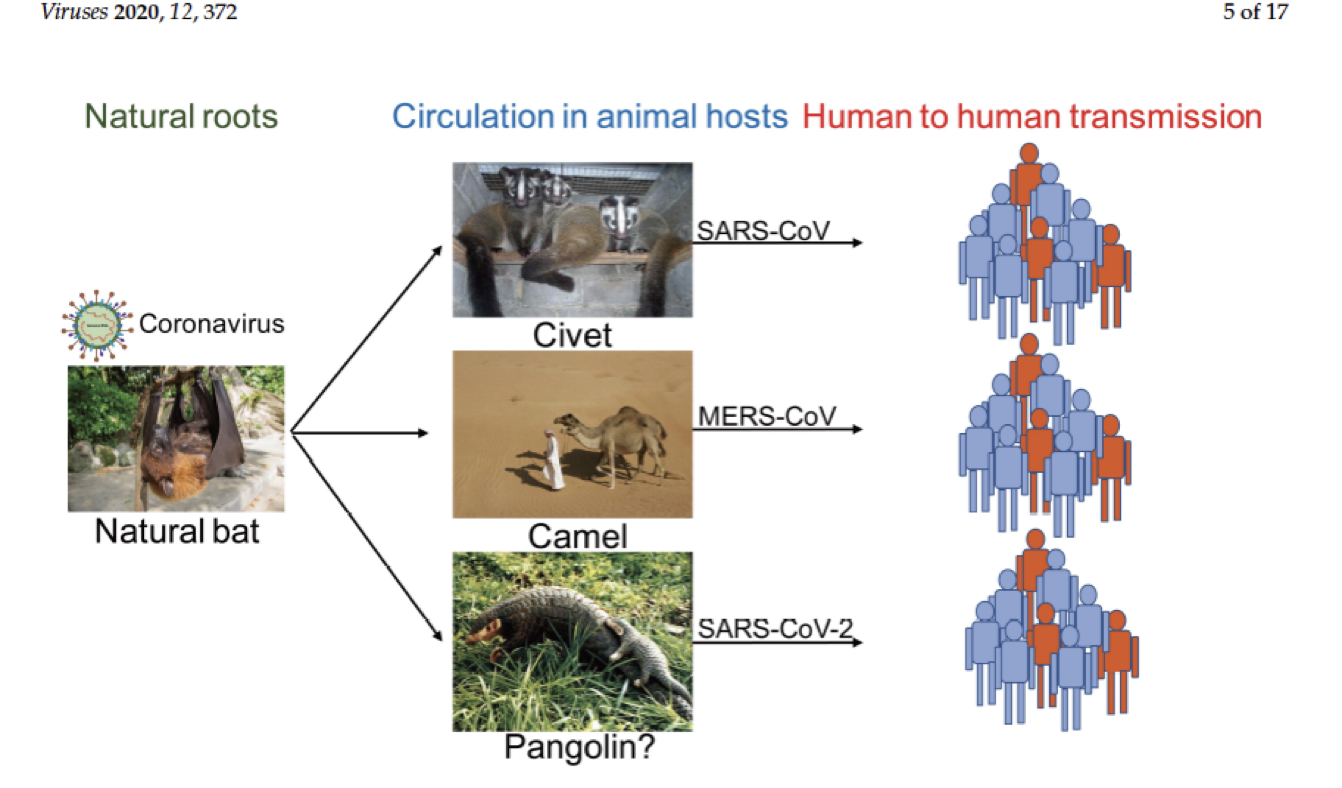
The SARS CoV 2 virus that causes COVID 19 is an emerging zoonotic pathogen
Ribonucleic acid (RNA) Viruses Cause respiratory disease, often severe
How did COVID-19 start?
Wuhan, China is a city with population of more than 11 million people.
SARS-CoV-2 first isolated from BAL samples obtained on December 30, 2019
Initial cases linked to the Huanan Wholesale Seafood Market
Evidence about the origin
27 of original 41 patients had contact with Wuhan seafood market (Huang et al., Lancet 2020)
But the first case (symptom onset Dec 1) had no link to the market!
Early evidence of person to person transmission
Samples from market Jan 1 and Jan 12
33/585 positive, 31 from western market where live animals sold
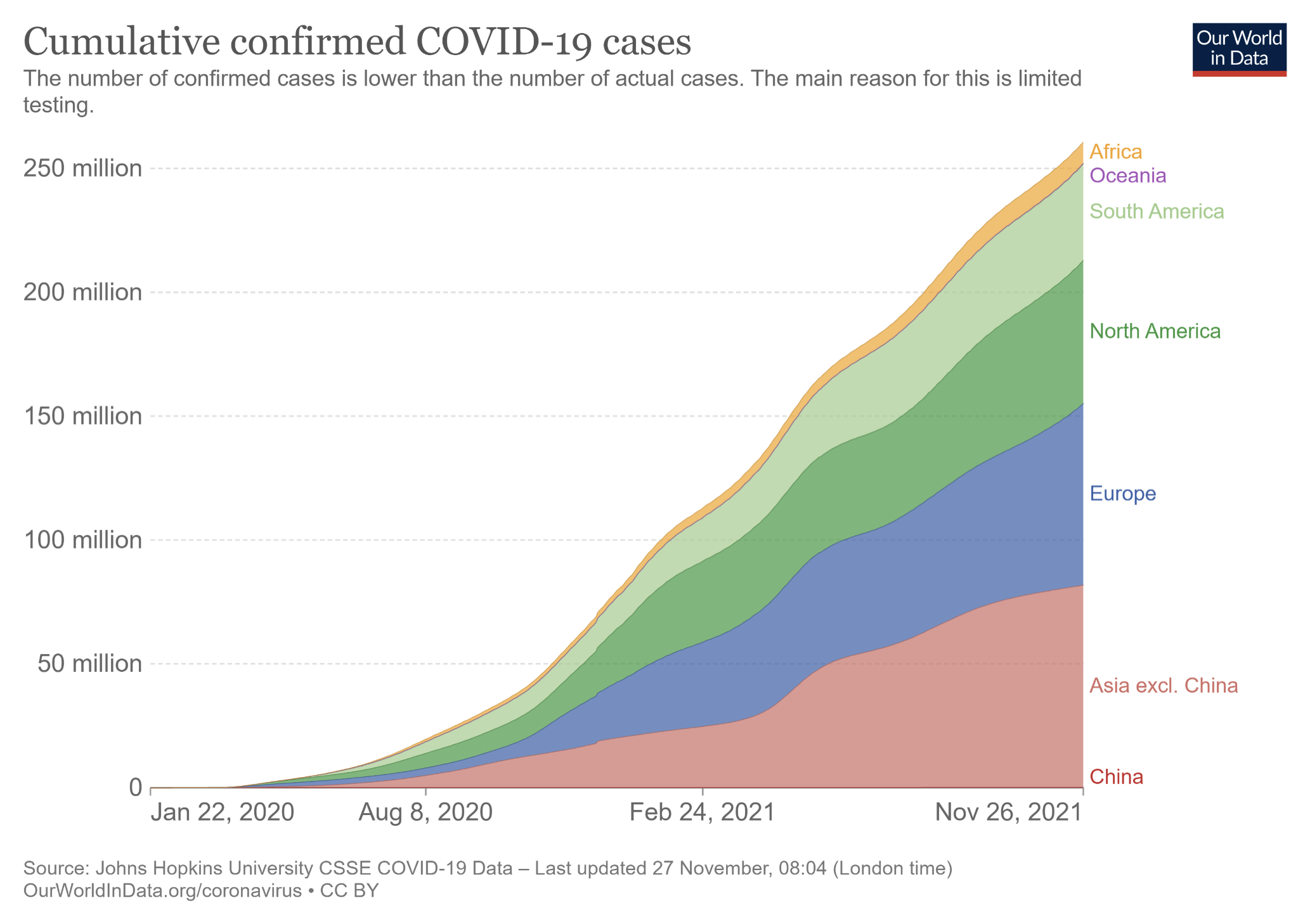
Global statistics: 58.7 million infections; 37.5 million recovered; 1.4million deaths (Nov 23, 2020)
Possible Explanations
Market was source of original spillover to humans, but first cases not detected,
OR
Spillover event occurred elsewhere, and then transmission happened by an infected person coming to market and contacting multiple people there
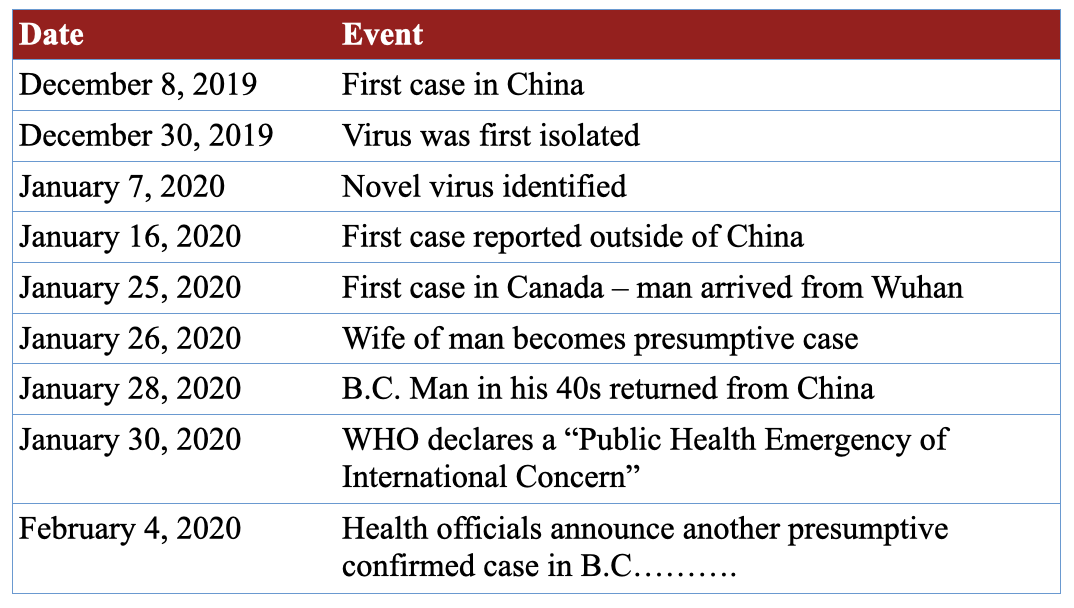
COVID timeline
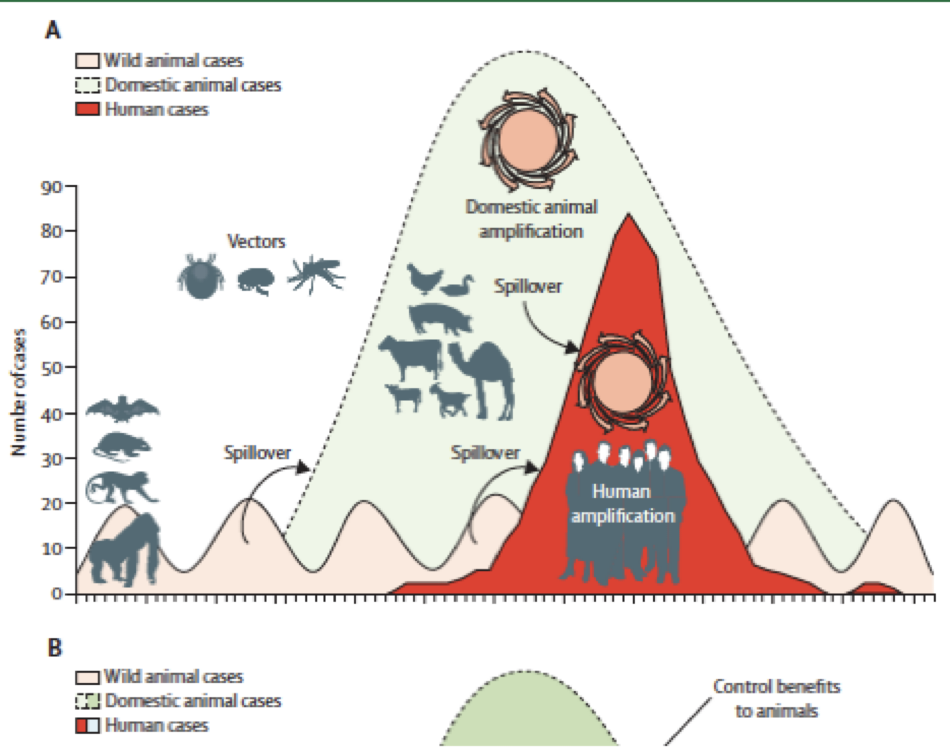
How Zoonotic Viruses “Spillover”
“Spillover” and “Amplification”
Intermediate Hosts for Novel Coronaviruses
Confirmed COVID-19 cases
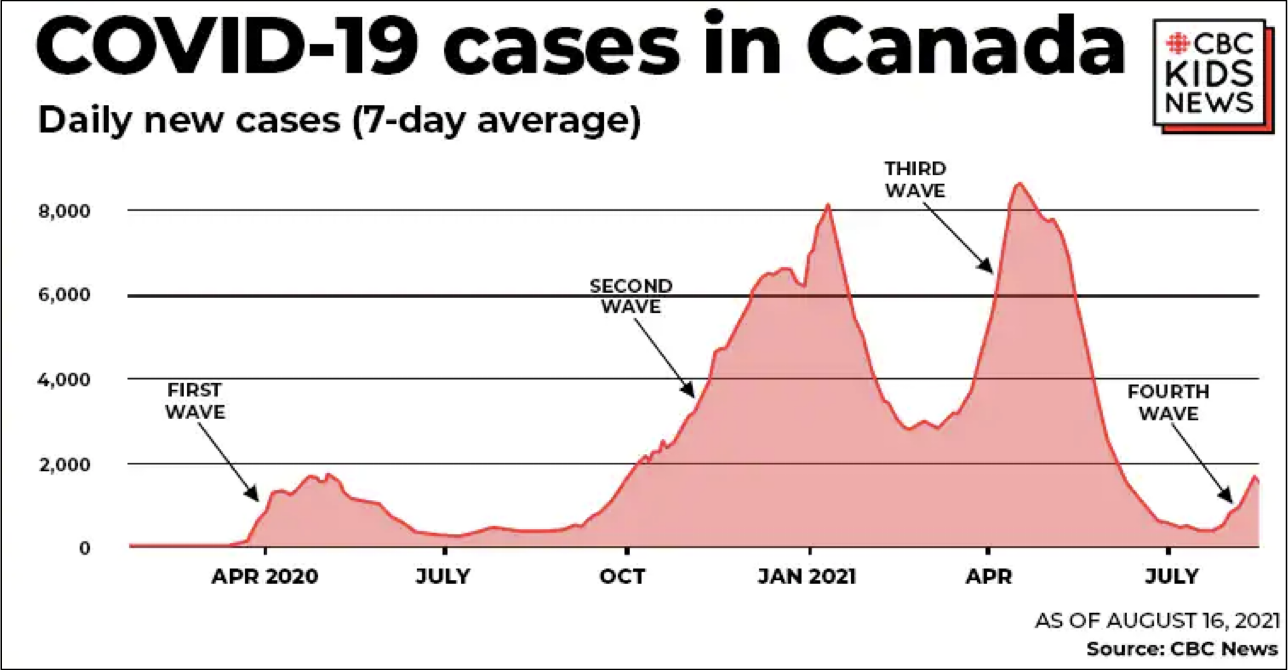
COVID-19 in Canada
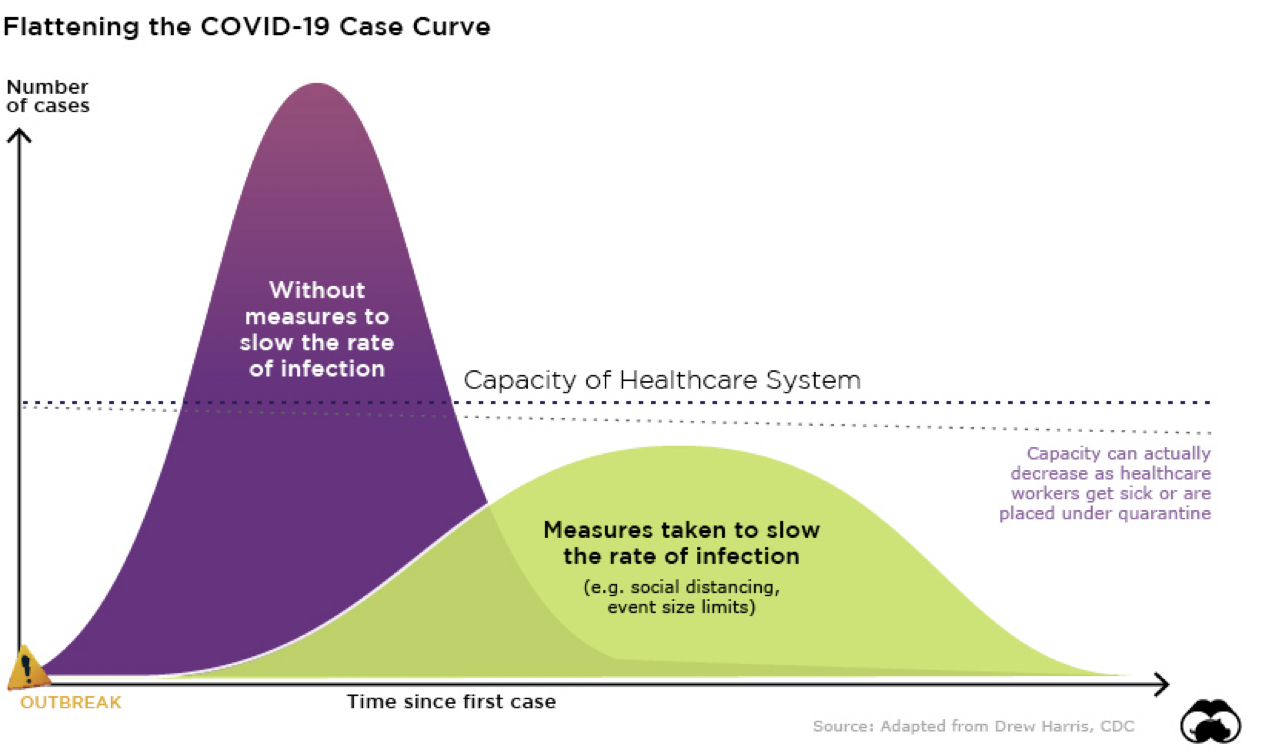
COVID 19 and the capacity of the healthcare system
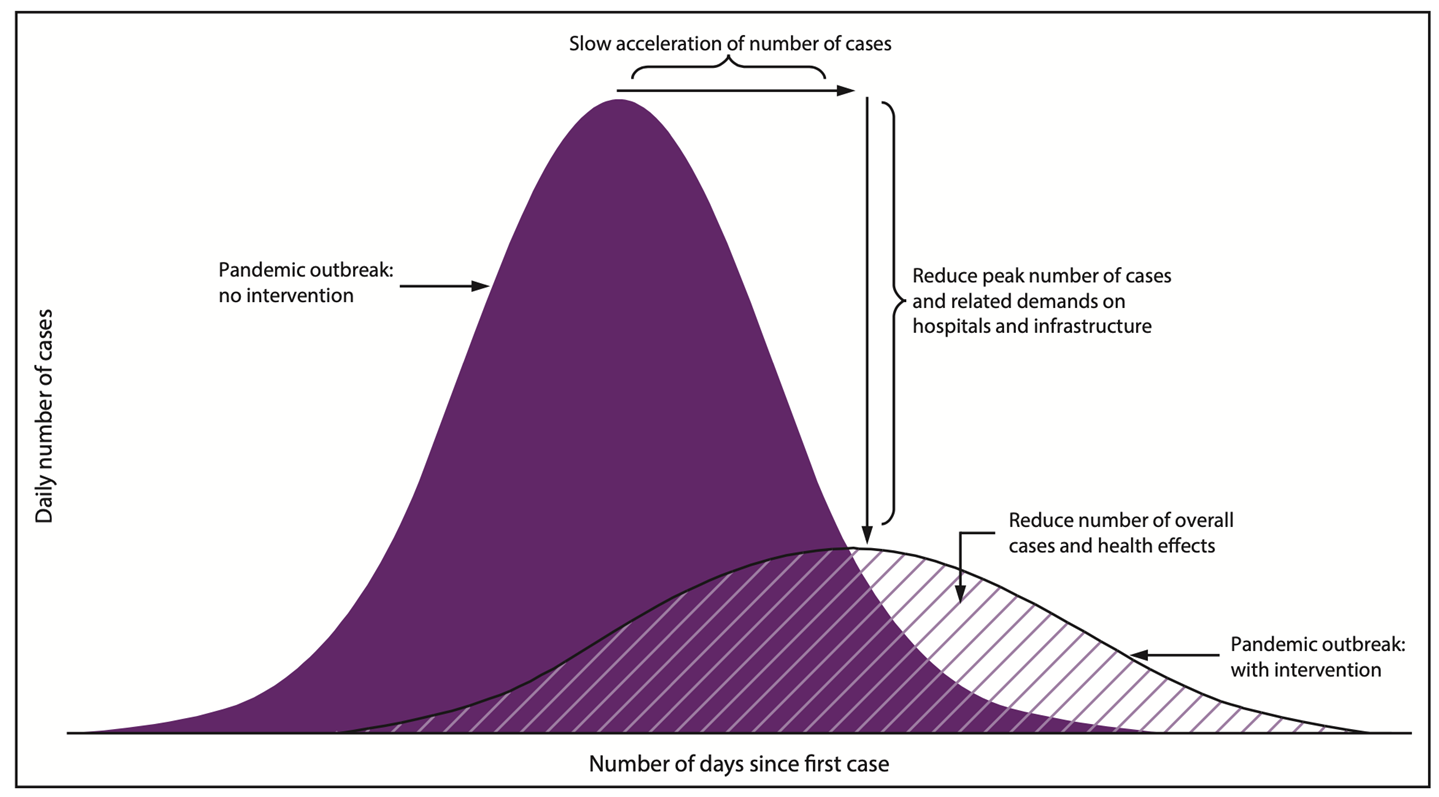
The role of mitigation strategies
Bottom Line for Prevention of Future Zoonotic Disease Outbreaks
Many other coronaviruses and other pathogens circulating in natural animal reservoirs.
Just as we are “social distancing” to control COVID 19, we need to maintain a “distance” between human populations and animal pathogens that could spillover to humans!
One Health approach: humans, animals, environments
The Best Defense (Multi-factorial)
Coordinated, well-prepared, well-equipped Public Health systems
Partnerships- clinicians, laboritarians & Public Health agencies
Improved methods for detection & surveillance
Effective preventive & therapeutic technologies
Strengthened response capacity
Political commitment & adequate resources to address underlying socio-economic factors
International collaboration & communication
Strategies to Reduce Threats of Emerging Diseases
Improved methods of detection and surveillance – national, regional and global
Use and Development of vaccines
Improve zoonotic control
Better health education
Development of predictive models
Reducing the potential of rapid spread
Feasible Control Strategies
Investigation and early control measures
Implement prevention measures
behavioural, political, environmental
Monitoring, evaluation
Surveillance at national, regional, global level:
epidemiological,
laboratory
ecological
anthropological
National surveillance: current challenges
Independent vertical control programmes
Surveillance gaps for important diseases
Limited capacity in field epidemiology, laboratory diagnostic testing, rapid field investigations
Inappropriate case definitions
Delays in reporting, poor analysis of data and information at all levels
No feedback to periphery
Insufficient preparedness to control epidemics
No evaluation
Improving global surveillance
Improve global surveillance (continued)
Utilize geographical information systems
Utilize global positioning systems
Utilize the Global Atlas of Infectious Diseases (WHO)
Increase and improve laboratory capacity
Coordinate human and animal surveillance
What does GOARN stand for?
Global Outbreak Alert & Response Network
Global Outbreak Alert & Response Network (GOARN)
Coordinated by WHO
Mechanism for combating international disease outbreaks
Ensure rapid deployment of technical assistance, contribute to long-term epidemic preparedness & capacity building
Which organisations will improve global early response capacity
WHO
National Disease Control Units (e.g. USCDC, CCDC)
Training programs
Use and Development of vaccines
Increase coverage and acceptability (e.g., oral)
New strategies for delivery (e.g., nasal spray administration)
Develop new vaccines
Decrease cost
Decrease dependency on “cold chain”
NEW DRUG DEVELOPMENT
Decrease inappropriate drug use
Improve education of clinicians and public
Decrease antimicrobial use in agriculture and food production
Improve vector and zoonotic control
Develop new safe insecticides
Develop more non-chemical strategies e.g. organic strategies
Better and more widespread health education
(e.g., west Nile virus; bed nets, mosquito repellent)
Development of predictive models based on:
Epidemiologic data
Climate change surveillance
Human behavior
Establish priorities
The risk of disease
The magnitude of disease burden
Morbidity/disability
Mortality; Economic cost
Reduce potential for rapid spread
Develop more feasible control strategies
Main Strategies to Reduce Threats of Emerging Diseases
Develop new strategies requiring low-cost technology
Social and political mobilization of communities
Greater support for research
Reduce poverty and inequality
Essential factors for disease eradication
Knowledge of its epidemiology and transmission patterns/mode
Availability of effective tools for diagnosis, treatment and prevention
Knowledge of local cultural and political characteristics
Community acceptance and mobilization
Political will and leadership
Adequate and sustained funding
Global Threat of Epidemic Infectious Diseases Challenge to Reverse the Trend
Prevent movement of pathogens and vectors via modern transportation
Improve international cooperation and data sharing
Improve effective laboratory-based surveillance
Rebuild public health infrastructure to prevent & control vector-borne and zoonotic diseases
Trained personnel
Laboratory and epidemiologic capacity
Tools (vaccines, drugs, insecticides, mosquito control, etc)
Understanding disease ecology
Political will
Economic support
Regional prevention and control programs