Veterinary Pulmonary Anatomy and Conditions: Alveoli to Pneumothorax
 Call Kai
 Learn
 Practice Test
 Spaced Repetition
 Match
 Flashcards
 Knowt Play
1/30

There's no tags or description
Looks like no tags are added yet.
31 Terms
Alveoli
Tiny air-filled sacs at the ends of bronchioles.

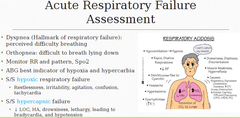
Asthma
Lung condition that causes difficulty getting enough oxygen.
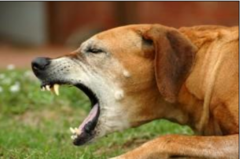
Bordetella
Tracheobronchitis; commonly called kennel cough.
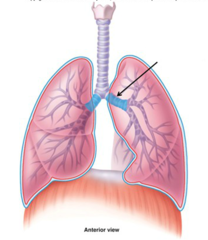
Bronchi
Large airway branches entering each lung.
Bronchioles
Tiny branching airways that lead toward the alveoli.

Bronchodilator
Medication that opens the bronchioles and airways.

Chronic obstructive pulmonary disease (COPD)
Chronic respiratory condition that causes difficulty breathing.

Crackle
Abnormal lung noise that can sound like cellophane.

Cyanosis
Blue mouth or gums caused by insufficient oxygen.

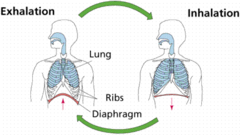
Diaphragm
Muscle separating the thoracic and abdominal cavities.

Diaphragmatic hernia
Tear in the diaphragm allowing abdominal organs into the chest.

Endotracheal tube (E-tube)
Tube placed in the windpipe to establish an airway.

Epiglottis
Flap that prevents food from entering the airway when swallowing.

Exhalation
Act of breathing air out of the lungs.

Glottis
Opening into the larynx.

Heaves
Allergic respiratory condition in horses, often triggered by dust.

Hemothorax
Blood within the chest cavity.

Hyoid apparatus
Small bones at the tongue base that aid swallowing.

Inhalation
Act of taking air into the lungs.

Larynx
Cartilaginous structure in the throat that opens into the airway.
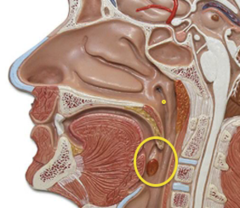
Lungs
Organs that inflate with air and perform gas exchange.
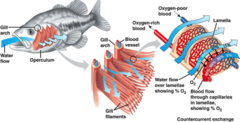
Nares
The nostrils.

Pharynx
Throat passage used by both food and air.
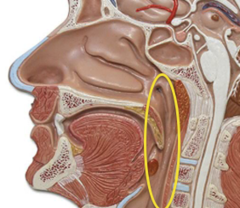
Pleura
Double membrane covering and lining around the lungs.

Pleural cavity
Space between the pleural membranes surrounding the lungs.

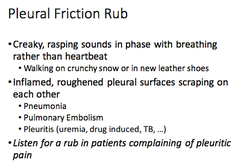
Pleural friction rub
Abnormal crackling/rubbing lung sound from inflamed pleura.
Pneumonia
Lung inflammation that may have a viral or bacterial cause.

Pneumothorax
Air within the chest cavity.

Pyothorax
Pus and cellular debris within the chest cavity.

Rale
Crackling abnormal lung sound, often associated with pneumonia.

Respiration
Process of breathing through inhalation and exhalation.