Anatomy Lab Quiz #2 (General Terminology)
 Call Kai
 Learn
 Practice Test
 Spaced Repetition
 Match
 Flashcards
 Knowt Play
1/33

There's no tags or description
Looks like no tags are added yet.
34 Terms
Periosteum
A glistening white, double-layered membrane
Articular cartilage
Covers the ends of most bones at movable joints. Glassy-smooth hyaline cartilage covers the opposing bone surfaces
Diaphysis
A tubular shaft which forms the long axis of the bone
Meniscus
Improve the fit between articulating bone ends, making the joint more stable and minimizing wear and tear on the joint surfaces.
Epiphysis
Are the bone ends
Joint cavity
A feature that is unique to synovial joints. It contains a small amount of synovial fluid. Is a potential space—it is normally almost nonexistent. However, it can expand if fluid accumulates (as happens during inflammation).
Epiphyseal plate
Called the growth plate, it is a disc of hyaline cartilage that grows during childhood to lengthen the bone. Is a temporary joint that eventually becomes synostoses.
Synovial fluid
Found within the articular cartilages, provides a slippery, weight-bearing film that reduces friction between the cartilages. This viscous, egg white consistency is due to hyaluronic acid secreted by cells in the synovial membrane.
Occupies all free spaces within the joint capsule. This fluid is formed largely by the filtration of blood flowing through the capillaries in the synovial membrane.
Fibrous
bones joined by collagen fibers of connective tissue
Cartilaginous
bones joined by cartilage
Synovial
articulating bones are separated by a fluid-filled cavity. Most joints are classified this way.
sutures
found only between bones of the skull
syndesmoses
junction of bones held together by ligaments
gomphoses
tooth attached to socket with periodontal ligament
synchondroses
joints of hyaline cartilage between the shaft and the epiphyseal plates of growing long bones
symphyses
bones are joined by fibrocartilage
Plane, Hinge, Condylar, Saddle, Ball-and-socket, Pivot
Six shape categories within synovial joints
Synarthroses
immovable joints
Amphiarthroses
slightly movable joints
Diarthroses
freely movable joints
Flexion
What type of motion is shown here?
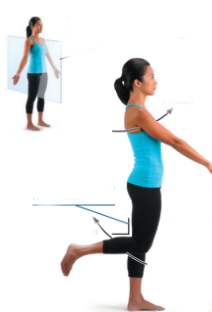
Extension
What type of motion is shown here?
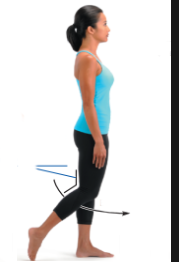
Hyperextension
What type of motion is shown here?

Abduction
What type of motion is shown here? Look at arrow(s).
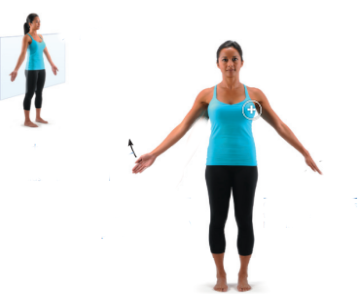
Adduction
What type of motion is shown here? Look at arrow(s).

Circumduction
What type of motion is shown here? Look at arrow(s).

Medial rotation
What type of motion is shown here? Look at question marks.

Lateral rotation
What type of motion is shown here? Look at question marks.
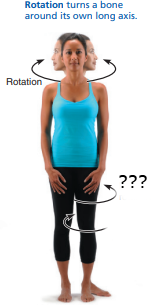
Pronation
What type of motion is shown here? Look at question marks.

Supination
What type of motion is shown here? Look at question marks.

Dorsiflexion
What type of motion is shown here? Look at Arrows.
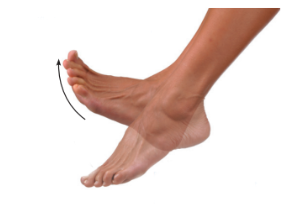
Plantarflexion
What type of motion is shown here? Look at Arrows.

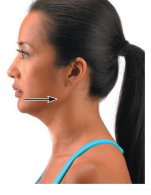
Protraction
What type of motion is shown here?

Retraction
What type of motion is shown here?