Pearson: Chapter 1 Terms - AP
 Call Kai
 Learn
 Practice Test
 Spaced Repetition
 Match
 Flashcards
 Knowt Play
1/185

There's no tags or description
Looks like no tags are added yet.
186 Terms
anatomy
the study of the body’s structure
physiology
the study of the body’s function
the 7 levels of organization
atom, molecule, cell, tissue, organ, organ system, organism
anatomy of integumentary system
skin, hair, and nails
physiology of the integumentary system
protection and thermal regulation
anatomy of the skeletal system
bones and cartilage
physiology of the skeletal system
structure and body
anatomy of the muscular system
muscles
physiology of the muscular system
movement
anatomy of the nervous system
brain, spinal cord, and nerves
physiology of the nervous system
rapid communication and working with the body using electrical signals
anatomy of the endocrine system
pineal gland, hypothalamus, pituitary gland, thyroid gland, thymus gland, adrenal gland, pancreas, and ovaries/testes
physiology of the endocrine system
whole body coordination using chemical messengers (hormones)
anatomy of the circulatory system (cardiovascular system)
heart, arteries, capillaries, veins, and blood
physiology of the circulatory system (cardiovascular system)
transport materials throughout the body
anatomy of the lymphatic and immune system
lymphatic vessels, lymph nodes, tonsils, thymus, spleen
physiology of the lymphatic and immune system
transport water and provide immunity
anatomy of the respiratory system
nasal cavity, pharynx, larynx, trachea, and lungs
physiology of the respiratory system
exchange gasses like O2 and Co2
anatomy of the digestive system
mouth, esophagus, stomach, small intestine, large intestine, liver, pancreas and gall bladder
physiology of the digestive system
obtain water and nutrients from food
anatomy of the urinary system
kidneys, ureters, bladder, and urethra
physiology of the urinary system
remove waste and excess water from the blood
anatomy of the female reproductive system
mammary glands, ovaries, uterine tubes, uterus, and vagina
physiology of the female reproductive system
produce eggs, receive sperm, support, fetal development
anatomy of the male reproductive system
testes, ductus, deferens, prostate gland, and penis
physiology of the male reproductive system
produce and deliver sperm

urinary system

digestive system

respiratory system

lymphatic and immune system

circulatory or cardiovascular system
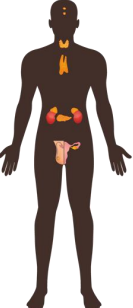
endocrine system

nervous system

muscular system

skeletal system

integumentary system

female reproductive system
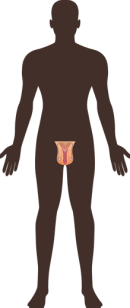
male reproductive system
axial portion
head and trunk
appendicular portion
limbs
superior
towards the head
inferior
towards the feet
anterior
towards the front
posterior
towards the back
ventral
towards the belly
dorsal
towards the back (spine)
medial
towards the midline
lateral
away from the midline
intermediate
between medial and lateral
ipsilateral
on the same side
contralateral
on the opposite side
proximal
closer to the attachment
distal
farther from the attachment
superficial
closer to surface of the body
dorsal
further inside the body
frontal
front of your head
orbital
eye
mental
chin
cephalic
head
occipital
back of the head
cervical
neck
otic
ear
nasal
nose
buccal
cheek
oral
mouth
axillary
armpit
mammary
breast
umbilical
navel
inguinal
groin
pubic
genitals
thoracic
chest
sternal
sternum
abdominal
abdomen
pelvic
pelvis
scapular
shoulder blade
vertebral
spine
lumbar
lower back
gluteal
glutes, buttocks
metacarpal
bones of the hand
perineal
between the anus and genitals
olecranal
back of the elbow
sacral
bottom of the spine
acromial
shoulder
axillary
armpit
antecubital
inside of the elbow
carpal
wrist
manus
hand
digital
fingers
brachial
upper arm
antebrachial
forearm
pollex
thumb
coxal
hip
femoral
thigh
patellar
kneecap
crural
lower leg
pedal
foot
popliteal
back of the knee
sural
back of the calf
plantar
bottom of the foot