Electrolytes (Exam 3)
 Call Kai
 Learn
 Practice Test
 Spaced Repetition
 Match
 Flashcards
 Knowt Play
1/86

There's no tags or description
Looks like no tags are added yet.
87 Terms

What is the normal range for Potassium (K+)?
3.5-5 mEq/L
What is the primary function of potassium?
Muscle contraction and maintaining cardiac rhythm.
What is the relationship between potassium and sodium?
They have an opposite relationship.
Why is potassium considered a critical electrolyte?
Abnormal levels can cause dangerous cardiac rhythm changes.
What is hypokalemia?
A potassium level below 3.5 mEq/L.
What are common causes of hypokalemia?
Potassium-wasting diuretics (such as Lasix), vomiting, GI suctioning, and corticosteroid (hold onto Na+ and flush K+)
What are the symptoms of hypokalemia?
Muscle weakness, leg cramps, fatigue, decreased bowel sounds, abdominal distention, weak pulse, hypotension, and flat or inverted T-waves.
Why is muscle weakness especially concerning in severe hypokalemia?
Respiratory muscles can become weak, potentially impairing breathing.
What ECG change is associated with hypokalemia?
Flat or inverted T-waves.
How is hypokalemia treated
Potassium supplements, medication adjustments, and dietary changes.
What is hyperkalemia?
A potassium level above 5 mEq/L.
What are common causes of hyperkalemia?
Renal failure, potassium-sparing diuretics, and severe tissue trauma or burns.
What are the symptoms of hyperkalemia?
Muscle cramps, twitching, weakness, paresthesia (numbness & tingling), and diarrhea.

What ECG change is associated with hyperkalemia?
Peaked T-waves.
What are common treatments for hyperkalemia listed in the lecture?
IV insulin with dextrose (hard to push through an IV), loop diuretics such as furosemide, and Kayexalate.
Why is insulin given with dextrose to treat hyperkalemia?
Insulin shifts potassium into the cells, while dextrose helps prevent hypoglycemia
What does Kayexalate do?
Binds potassium in the GI tract so it can be eliminated through the bowel.

Why must potassium NEVER be administered IV push?
It can cause cardiac arrest.

What is the maximum IV potassium administration rate noted in the lecture for routine infusion?
10 mEq/hr
What additional monitoring is noted for potassium infused at 20 mEq/hr?
Cardiac monitoring and central venous access as indicated by the lecture.
Can potassium tablets be crushed?
No. Potassium pills should not be crushed.

What is the normal sodium range?
135-145 mEq/L
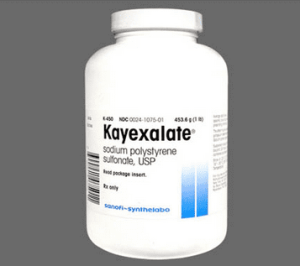
What is Kayexelate?
syrup, will give your patient a bowel movement. Binds and excretes
What is the primary function of sodium?
Maintains water balance and neurological function.
What is hyponatremia?
A sodium level below 135 mEq/L.
What are common causes of hyponatremia?
Diuretics, excessive sweating, vomiting, diarrhea, and excessive free-water intake.
What are symptoms of hyponatremia?
Confusion, lethargy, headache, muscle twitching, seizures, orthostatic hypotension, and coma.
Why can hyponatremia cause neurological symptoms?
Low sodium can cause water to move into brain cells, resulting in cerebral edema.
What safety intervention is important for a patient with severe hyponatremia?
Seizure precautions (padded side rails, blankets tapped around side rails, suction in room)
What treatment may be used for severe hyponatremia?
A small infusion of hypertonic saline, as prescribed.
What is hypernatremia?
A sodium level above 145 mEq/L.
What are common causes of hypernatremia?
Dehydration, water loss, tube feedings without enough free water, high salt intake, and decreased kidney output.
What are symptoms of hypernatremia?
Extreme thirst, dry/sticky mucous membranes, restlessness, flushed skin, seizures, irritability, confusion, and lethargy.
Why is hypernatremia dangerous to the brain?
Increased sodium can pull water out of brain cells, causing cellular dehydration and neurological dysfunction.
What is one treatment for severe hypernatremia associated with kidney failure?
Hemodialysis may be used when indicated.
What are the two types of dialysis mentioned in the lecture?
Hemodialysis and peritoneal dialysis.

How often is hemodialysis commonly performed according to the lecture?
Three days per week

Where does peritoneal dialysis take place?
At home or another appropriate setting using the abdominal peritoneal membrane.

What is the normal total calcium range?
9-10.5 mg/dL (call 911)
What is the normal ionized calcium range?
4.5–5.6 mg/dL. (specialist will look at unbonded/ionized)
What are the primary functions of calcium?
Builds bones, helps blood clot, and manages nerve and muscle contraction.
What is hypocalcemia?
A calcium level below the normal range.
What are common causes of hypocalcemia?
Hypoparathyroidism (helps produce calcium), vitamin D deficiency, renal failure, and thyroid/parathyroid removal.
What are symptoms of hypocalcemia?
Muscle spasms, tetany, positive Chvostek's sign, positive Trousseau's sign, perioral numbness or tingling, and seizures.
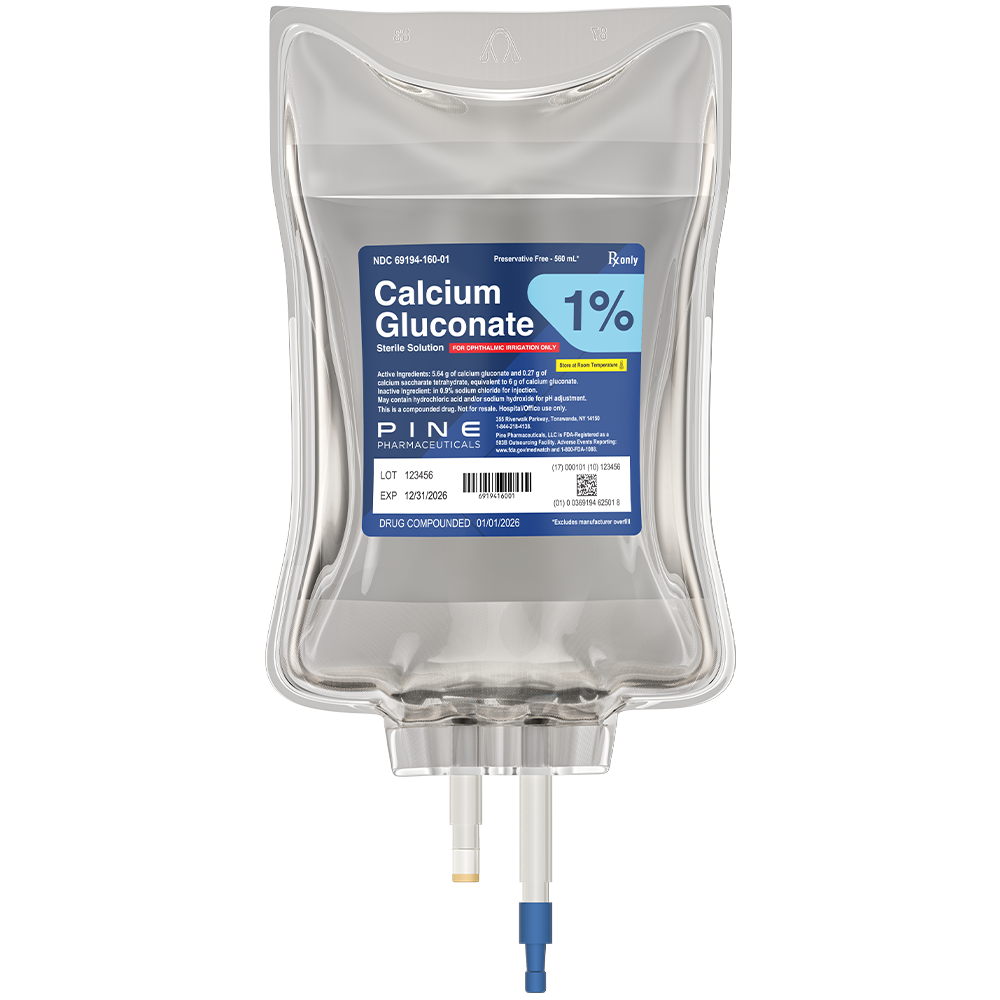
How do you treat Hypocalcemia?
10% calcium gluconate IV (see the most), oral supplements, etc.

What is Chvostek's sign?
Twitching of the facial muscles when the facial nerve is tapped.
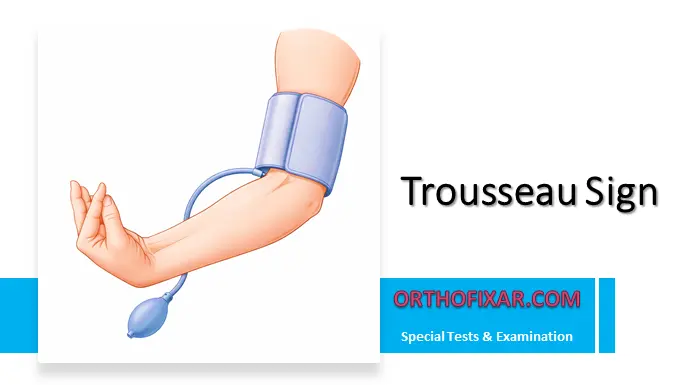
What is Trousseau's sign?
Carpal spasm of the hand when a blood pressure cuff is inflated and maintained.
What do you do to perform Trousseaus sign?
Blood pressure over systolic for 3 minutes. Hand will curl up.
What is hypercalcemia?
A calcium level above the normal range

What are common causes of hypercalcemia?
Hyperparathyroidism, prolonged immobilization, and certain cancers.

What are symptoms of hypercalcemia?
Profound muscle weakness, constipation, nausea, lethargy, bone pain, confusion, and kidney stones.
How can prolonged immobilization contribute to hypercalcemia?
Calcium is released from bones when they are not being regularly used.
What treatments for hypercalcemia (slow & sluggish) are mentioned in the lecture?
Normal saline and oral phosphate (phosphate binder that has to be given with meals)

What is the normal magnesium range?
1.3–2.1 mEq/L.

What are the primary functions of magnesium?
Works with potassium to stabilize deep tendon reflexes and heart rhythm.

What is hypomagnesemia?
A magnesium level below 1.3 mEq/L.

What are common causes of hypomagnesemia?
Chronic alcoholism (see the most, diuretic), chronic diarrhea, GI malabsorption, and diuretic use.

What are symptoms of hypomagnesemia?
Hyperactive DTRs (Deep Tendon Reflexes), tremors, muscle twitching, depression, irritability, Torsades de Pointes (prolonged QT, dysrhythmia that can be very fatal), tachycardia, hypertension, and seizures.
What cardiac complication can occur with hypomagnesemia?
Torsades de Pointes associated with a prolonged QT interval.
What is the treatment for hypomagnesemia?
Magnesium sulfate or magnesium supplements.
What is hypermagnesemia?
A magnesium level above 2.1 mEq/L
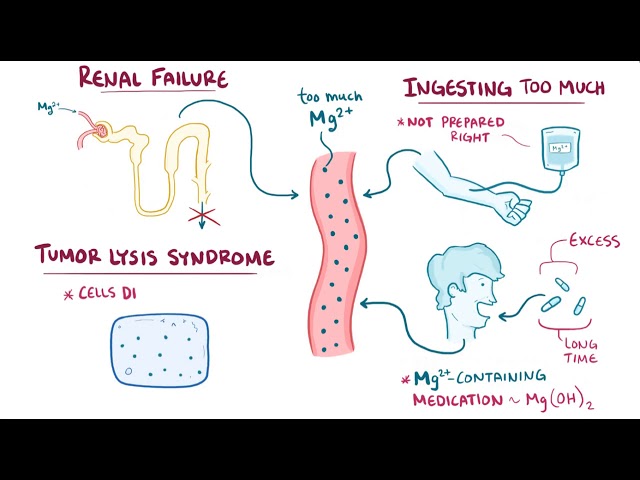
What are common causes of hypermagnesemia?
Renal failure and overuse of magnesium-containing antacids or laxatives.
What are symptoms of hypermagnesemia (everything is sedated)?
Hypoactive or absent DTRs, profound muscle weakness, drowsiness, bradycardia, hypotension, and respiratory depression.
What happens to deep tendon reflexes when magnesium is too high?
They become decreased or absent

What happens to deep tendon reflexes when magnesium is too low?
They become hyperactive.
What is the treatment for severe hypermagnesemia?
Discontinue magnesium; dialysis may be necessary in severe cases.
What is the normal chloride range?
98–106 mEq/L.

What is the primary function of chloride?
Works with sodium to maintain extracellular fluid balance, blood volume, and acid-base balance.
What is hypochloremia?
A chloride level below 98 mEq/L.

What are common causes of hypochloremia?
Prolonged vomiting, gastric suctioning, severe diarrhea, and diuretic overuse.
What are symptoms of hypochloremia?
Agitation, irritability, tremors, muscle cramps, shallow breathing, dyspnea, and confusion.
What is hyperchloremia?
A chloride level above 106 mEq/L

What are common causes of hyperchloremia?
Dehydration, excessive 0.9% Normal Saline infusion, metabolic acidosis, and kidney dysfunction.
What are symptoms of hyperchloremia?
Kussmaul respirations (rapid deep labored breathing), lethargy, weakness, intense thirst, and muscle cramps.

Which IV solution contains both sodium and chloride?
0.9% Normal Saline.
What is the normal phosphorus range?
3–4.5 mg/dL.
What are the primary functions of phosphorus?
Bone and teeth formation, ATP energy production, and muscle function.
What is the relationship between phosphorus and calcium?
They have an inverse relationship.
What is hypophosphatemia?
A phosphorus level below 3 mg/dL.
What are common causes of hypophosphatemia?
Malnutrition, chronic alcoholism, aluminum-containing antacids, and refeeding syndrome.
What are symptoms of hypophosphatemia?
Muscle weakness, sluggish heart rate, respiratory failure, and bone pain (common in alcholoism)
How is hypophosphatemia treated?
Phosphorus supplements and dietary sources such as dairy products and meats.
What vitamin helps with phosphorus absorption?
Vitamin D.
What is hyperphosphatemia?
A phosphorus level above 4.5 mg/dL.
What are common causes of hyperphosphatemia?
Renal failure, severe tissue trauma, and tumor lysis syndrome.

What symptoms can hyperphosphatemia cause?
Symptoms that mimic hypocalcemia, including muscle cramps, tetany, and positive Chvostek's and Trousseau's signs.
How is hyperphosphatemia treated?
Phosphate binders, such as calcium carbonate; severe cases may require hemodialysis.