Exam 4- Oxygenation, bowel elimination
 Call Kai
 Learn
 Practice Test
 Spaced Repetition
 Match
 Flashcards
 Knowt Play
1/131

There's no tags or description
Looks like no tags are added yet.
132 Terms
Upper airway consist of
nose/nasopharynx, mouth/oropharynx, and larynx
Lower Airway consist of
trachea, bronchi, bronchioles, and alveoli
How many lobes Right lung has?
three lobes (superior, middle, and inferior)
How many lobes Left lung has?
wo lobes (superior and inferior).
responsibilty of the lungs
bronchodilation and bronchoconstriction and are linked with both the parasympathetic and sympathetic nervous systems.
Ventilation
the flow of air into and out of the alveoli, moving oxygen in and carbon dioxide out.
Perfusion
the flow of blood by the cardiopulmonary system into alveolar capillaries, directing oxygenated blood in and returning deoxygenated blood.
What occurs during inhalation
the diaphragm and intercostal muscles contract, creating negative pressure inside the lungs and expanding the thorax.
What occurs during exhalation
diaphragm relaxes and intercostal muscles contract/relax to expel air.
Surfactant
lipoprotein lubricant produced in the lungs that prevents the alveoli from collapsing.
What is the path of deoxygenated blood as it leaves the right ventricle?
flows through the pulmonary artery and tricuspid valve, moves through the pulmonary valve and pulmonary trunk, and enters the right and left pulmonary arteries into the lungs.
Where does carbon dioxide get eliminated and oxygenation take place?
Within the alveolar capillaries.

How does oxygenated blood return to the left atrium from the lungs?
It flows from pulmonary veins and returns to the left atrium.
How does blood move from the left atrium into the left ventricle?
Blood moves through the mitral/bicuspid valve into the left ventricle.
What is the pathway of blood as it leaves the left ventricle and enters systemic circulation?
Blood passes through the aortic valve into the aorta, distributes via systemic circulation, and eventually returns to the pulmonary cycle.
Physiological and internal factors affecting Oxygenation
age, exercise, blood volume, cardiac output, vascular resistance, and diseases such as asthma, emphysema, heart disorders, and sleep apnea.
What are some Independent nursing interventions to promote oxygenation
monitoring pulse oximetry, performing chest physiotherapy, practicing pursed-lip breathing, providing orthopnea positioning, teaching incentive spirometry, encouraging TCDB (turn, cough, deep breathe), and promoting smoking cessation.
What are some dependent nursing interventions to promote oxygenation
drawing arterial blood gases (ABGs), administering oxygen therapy, making ancillary provider referrals (respiratory therapy, pulmonology), and giving medications like inhalers and nebulizers.
Hypoxemia
limited amount of oxygen in the blood, while hypoxia is a lack of oxygen at the cellular level.
Early-stage hypoxia
increased RR (tachypnea)
increased BP (hypertension)
increased HR (tachycardia)
restlessness
agitation
confusion
dyspnea; SOB/Trouble breathing
intercostal retractions.
Late-stage hypoxia
decreased respiratory rate (bradypnea), decreased blood pressure (hypotension), decreased heart rate (bradycardia), , finger clubbing, cyanosis, peripheral edema, right-sided heart failure, and acidosis.
Normal PaO2ABG
80–100 mmHg
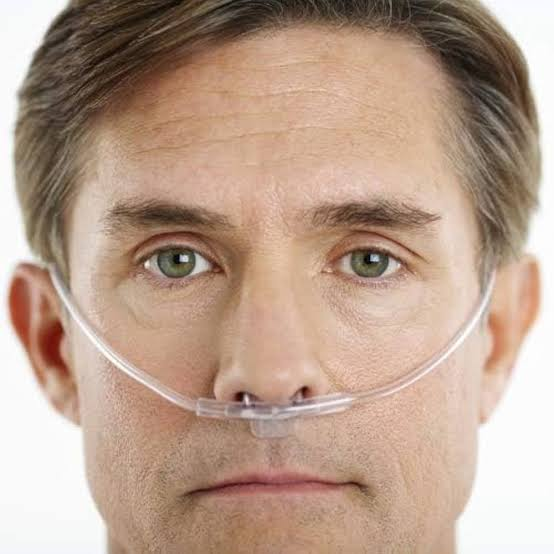
Nasal Cannula
1–6 L/min (); comfortable and allows eating/talking, but has lower precision
Simple Face Mask
5–10 L/min (); provides higher oxygen than a cannula, but risks rebreathing if flow is too low
Venturi Mask
Uses color-coded adapters and the Venturi principle to deliver a fixed, precise (24%–60%), ideal for COPD patients to avoid over-oxygenation.
Non-Rebreather Mask:
10–15 L/min (); utilizes a reservoir bag and unidirectional valves for emergency/critical hypoxia.
High-Flow Nasal Cannula (HFNC)
20–70 L/min; delivers heated, humidified oxygen, meets high inspiratory demands, flushes anatomical dead space, and provides mild positive pressure.
Trach Collar / T-Piece
Delivers targeted oxygen directly to a tracheostomy tube.
CPAP vs. BiPAP
provides continuous positive pressure at one level
provides bilevel positive pressure (two separate levels for inhalation and exhalation).

Yankauer (Oral Suction)
Used for oral secretions, unconscious clients, or those unable to swallow or control drooling.
Inline / Closed System Suctioning
Connected directly to the ventilator circuit; allows suctioning without disconnecting the patient and uses the same catheter multiple times.
Open Suctioning
Requires a new sterile catheter for each use, strict PPE (gown, mask, face shield), and hyperoxygenation.
Bulb Syringe
Used for suctioning a newborn's mouth and nose when congested (squeeze bulb first, insert tip into the nostril, then release).
Indications for suctioning
tachypnea, retractions, sweating, ventilator alarms indicating a blockage, hypoxia, cyanosis, and noisy/rattling breathing.
Home Oxygen Therapy & Safety
Home devices include oxygen concentrators (such as the Nuvo 10) and pressurized green oxygen cylinders.
Safety Precautions: Oxygen is highly flammable, so smoking is strictly prohibited.
Equipment must be kept at least 10 feet away from electrical outlets, open flames, and items that generate static electricity.
Patients must be mindful that portable tanks have limited duration and may only last a few hours at higher flow rates.
Sodium Na
135-145 mEq/L
Potassium K
3.5-5.0 mEq/L
Chloride
98-106 mEq/L
CO2
23-30mEq/L
BUN
10-20 mg/dL
Creatinine
Female:0.5-1.1 md/dL
Male: 0.6-1.2 md/dL
Glucose
70-105 mg/dL
WBC
5000-10,000/mm³
Factors that alter bowel function
Surgery, immobility, medications, therapeutic diets
Infrequent stools mean
Constipation
Increased number of loose liquid stools
Diarrhea
What are the characteristic stool types for infants based on their feeding method?
Breast milk stools: Watery and yellow-brown.
Formula stools: Pasty and brown.
What are the key developmental milestones and common challenges regarding bowel elimination in toddlers?
Bowel control: Typically achieved around 2 to 3 years of age.
Common challenge: Withholding stool due to functional constipation pain.
What physiological and anatomical changes occur in the gastrointestinal system during adolescence?
Increased stomach capacity and secretion of gastric acids.
Muscles in the stomach and intestinal walls grow thicker and stronger.
The liver achieves its full size and functionality.
What physiological changes and lifestyle factors impact bowel elimination in older adults?
Physiological: Decreased peristalsis and relaxation of sphincters.
Lifestyle/Medications: Inactivity, decreased fluid and fiber intake, and the use of medications such as certain antihypertensives and antacids.
Fiber Requirement
22 to 34 gram a day
Fluid Requirement
2.7 L/day Females
3.7 L/ day Males
How do food sensitivities (such as allergies or intolerances to gluten or dairy) affect bowel elimination?
cause watery stools
How do certain types of foods (such as cabbage, dried fruits, and cheese) affect bowel elimination and GI function?
Increase gas: Foods like cabbage, cauliflower, and apples.
Laxative effect: Foods like dried fruits, vegetables, and high-fiber foods.
Increase constipation risk: Foods like cheese, processed meats, refined carbohydrates, and high-fat foods.
How does physical activity affect bowel elimination and gastrointestinal function?
stimulates circulation and increases intestinal activity.
What effect does emotional distress have on peristalsis and gastrointestinal conditions?
It increases peristalsis and can exacerbate chronic conditions such as colitis, Crohn’s disease, ulcers, and irritable bowel syndrome (IBS).
How does depression impact peristaltic activity and bowel elimination
It can lead to decreased peristaltic activity and result in constipation.
How do normal squatting posture and immobility affect bowel elimination and defecation?
Normal (Squatting): The puborectalis muscle relaxes and lengthens, allowing stool to pass more efficiently.
Immobility: Can result in difficulty contracting gluteal muscles and defecating.
How does pain impact the defecation process, and what medication class is a major contributor to constipation?
Normal defecation is painless; discomfort from conditions like hemorrhoids, fissures, or perianal surgery often leads to the suppression of the urge to defecate.
Medications: Opioid use significantly contributes to constipation.
What physiological factors during pregnancy affect bowel elimination and increase discomfort?
The growing fetus compromises intestinal space.
Peristalsis slows down.
Straining increases the risk of developing hemorrhoids.
How do surgery and anesthesia affect gastrointestinal motility, and why is bowel sound auscultation important?
They cause a temporary slowing of intestinal activity and can lead to the development of a paralytic ileus.
Rationale: Auscultating bowel sounds is necessary before advancing a patient's diet to ensure intestinal activity has resumed.
Which major classes of prescription medications can contribute to constipation?
Antacids containing aluminum and calcium
Antibiotics
Anticholinergics / antispasmodics
Antiseizure medications, Antidepressants, Antipsychotics
Antihypertensives & Calcium channel blockers
Bile acid sequestrants
Diuretics
Iron supplements
Opiates
What is the primary action of cathartics (stimulant and hyperosmotic) on the gastrointestinal tract?
promote peristalsis to clear bowel contents.
What are the main types of laxatives, and what is the risk associated with their chronic use?
Hydrophilic colloids (bulk-forming), lubricant laxatives, and fecal softeners (surfactants).
Function: They soften stool to facilitate passage.
Chronic Use Risk: Can weaken the bowel’s natural response to fecal distention, leading to chronic constipation.
What is fecal incontinence, what are its main causes, and what nursing interventions are used to manage it
The inability to control defecation, often caused by diarrhea.
Causes: Determine underlying causes such as medications, infections, or fecal impaction.
Nursing Care: Provide perineal care after each stool and apply a moisture barrier. A provider may prescribe a fecal incontinence pouch or bowel management system to collect stool and protect skin integrity.
What causes flatulence, what symptoms does it produce, and what patient education/interventions help manage it?
Cause & Symptoms: Results from bowel distention due to gas accumulation, causing abdominal cramping or a feeling of fullness.
Interventions:
Advise the patient to eat more slowly.
Instruct the patient to avoid gas-producing foods.
Encourage regular ambulation to promote the passage of flatus.
What are hemorrhoids, what causes them, what are their symptoms, and how are they managed?
Engorged, dilated blood vessels in the rectal wall caused by difficult defecation (straining), pregnancy, liver disease, or heart failure.
Symptoms: Can be itchy, painful, and cause bleeding after defecation.
Management & Relief:
Cleanse the perianal area using moist wipes.
Apply prescribed ointments, creams, or suppositories.
Use a sitz bath or ice packs to soothe discomfort.
Urinary system Primary functions
1. Eliminates waste products and excess body fluids in the form of urine.
2. Regulates serum electrolyte levels.
3. Produces hormones essential for blood pressure regulation.
4. Stimulates red blood cell development (erythropoietin).
5.Maintains bone strength.
Kidneys structure
process and filter about 120 to 150 quartz of blood and fuid every 24 hours.
Ureters structure
transport urine from each kidney down to the bladder
Bladder structure
A temporary muscular reservoir that expands and stretches based on fluid volume; normally holds up to 2 cups (400-500 ml) of urine.
female urethra Length vs Male
The female urethra is approximately 3-4 cm (1-1.5 inches) long, whereas the male urethra is 18-20 cm (7-8 inches long)
The shorter female urethra greatly increases susceptibility to Urinary Tract Infections (UTIs) due to easy bacterial access from the perineal area.
What three muscles maintain urinary continence
urethral sphincter, bladder neck, and pelvic floor muscles
Large Intestine (Colon) structure
Extends from the ileocecal valve to the anus. Primary functions are water absorption, feces formation, and waste expulsion.
Small Intestine strcuture
Continues mixing food with secretions from the pancreas, liver, and intestinal lining while peristalsis moves contents forward to absorb nutrients.
Esophagus structure
Propels food downward into the stomach via coordinated wave-like contractions (peristalsis).
Stress Incontinence
Involuntary leakage caused by increased intra-abdominal pressure (coughing, sneezing, laughing, exercising, or heavy lifting).
Urge Incontinence
Sudden, intense urge to urinate followed immediately by involuntary leakage. Often associated with Overactive Bladder (urgency, frequency, nocturia without active infection).
Overflow Incontinence
Continuous or frequent dribbling resulting from chronic urinary retention and overfilling (e.g., secondary to BPH).
Functional Incontinence
Inability to reach the toilet in time due to physical, cognitive, or environmental barriers (mobility, dexterity, dementia).
Mixed Incontinence
Combination of multiple factors, most commonly stress and urge incontinence together.
Reflex Incontinence
Involuntary emptying without any premonitory sensation or urge to void (common in neurogenic bladder from spinal cord injury).
Total Incontinence
Continuous, completely unpredictable loss of urine.
Urinary Retention
Inability of the bladder to fully empty.
What is the primary etiology of Urinary Tract Infections (UTIs), and what is the most common causative microorganism?
Bacteria entering the urinary tract, most commonly Escherichia coli (E. coli).
What are the key clinical manifestations of a lower UTI (cystitis/urethritis)?
Dysuria (burning/pain), urgency, frequency, suprapubic tenderness, and foul-smelling, cloudy urine.
What occurs during an upper UTI (pyelonephritis), and what are its characteristic symptoms?
The infection ascends into the kidneys (often if a lower UTI is untreated), manifesting with fever, flank pain, and systemic symptoms.
What are the major risk factors for developing a urinary tract infection?
Sexual activity, menopause, urinary retention, urinary obstruction, urinary catheters, diabetes, and anatomical abnormalities.
What is CAUTI, and why is it a critical concern in healthcare settings?
Catheter-Associated Urinary Tract Infection; it significantly increases hospital length of stay, overall costs, morbidity, and mortality.
What are kidney stones (renal calculi / nephrolithiasis), and what main complication do they cause in the urinary tract?
They are hard mineral and salt deposits that form within the kidneys and can obstruct urine flow.
What defines constipation, and what are its key clinical characteristics?
Passing fewer than 3 bowel movements per week, characterized by hard, dry, small stools that are difficult or painful to pass, accompanied by a feeling of incomplete evacuation.
What is fecal impaction, what is its hallmark sign, and which patient populations are at high risk?
Unrelieved constipation leading to a mass of hardened feces wedged firmly in the rectum.
Hallmark Sign: Continuous oozing of liquid stool seeping around the impacted fecal mass.
High-Risk Populations: Confused, debilitated, or unconscious patients.
What is diarrhea, what are its common etiologies, and what major complications can arise from it?
An increase in the frequency and passage of unformed, watery liquid stools.
Etiology: Clostridioides difficile (C. diff), foodborne pathogens, lower GI surgeries/diagnostic tests, or food intolerances.
Complications: Rapid fluid/electrolyte or acid-base imbalances, dehydration, and severe perianal/peristomal skin breakdown from digestive enzymes.
What is the difference between diverticulosis and diverticulitis?
Diverticulosis: Small pouch formation in the colon wall.
Diverticulitis: Inflammation or infection that occurs when food particles become trapped within those pouches.
What characterizes Irritable Bowel Syndrome (IBS)?
Abdominal pain accompanied by altered bowel patterns (diarrhea-predominant, constipation-predominant, or mixed).
How do Ulcerative Colitis (UC) and Crohn’s Disease differ in location and disease pattern?
Ulcerative Colitis: Chronic inflammatory disease causing ulcerations restricted specifically to the large intestine/colon, featuring flare-ups and periods of remission.
Crohn’s Disease: Chronic inflammatory condition that can affect any segment of the GI tract (most commonly the small intestine), also characterized by remissions and exacerbations.
What impact do diet and fluids have on urinary elimination?
Increased fluid intake increases output. Alcohol inhibits ADH (increasing output), while caffeine and bladder irritants cause bladder spasms.
What impact do diet and fluids have on Bowel elimination?
Fiber adds fecal bulk, and fluids help soften stool. Gas-producing foods (cabbage, beans, onions) increase GI motility.
How does activity level influence urinary function
Immobility can impair timely access to the bathroom and affect sphincter control.
How does activity level influence Bowel function
Physical activity stimulates peristalsis, whereas immobility and bedrest frequently lead to severe constipation.