HAA-0001 Quiz 3 Monuments
 Call Kai
 Learn
 Practice Test
 Spaced Repetition
 Match
 Flashcards
 Knowt Play
1/25

There's no tags or description
Looks like no tags are added yet.
26 Terms

Necropolis of Cerveteri, 7th-2th c BCE, “city for the dead”, tuff tombs with tulumi and dromoi

Tomb of the Reliefs, Cerveteri, c. 250 BCE, post-morterm domesticity, the tomb is a home

Sarcophagi from Ceveteri, c. 520 BCE, terra cotta, post-mortem feast, “achaic smile”
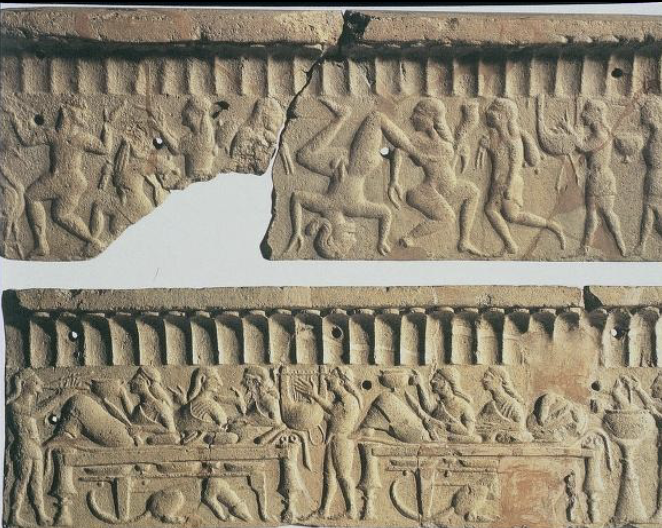
Revetment plaques from Acquarossa, painted terra cotta, c. 575-550 BCE
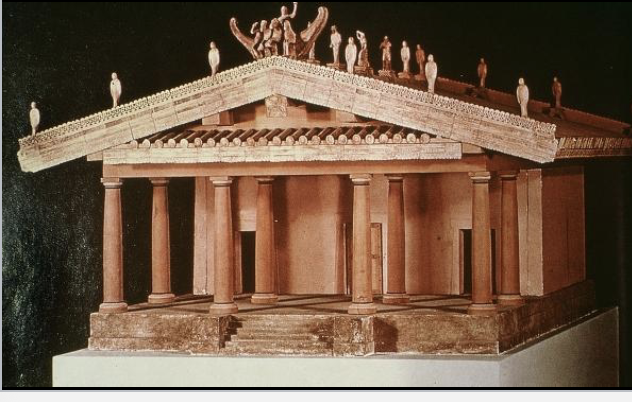
Reconstruction of the Portonaccio Temple at Veii, c. 500 BCE
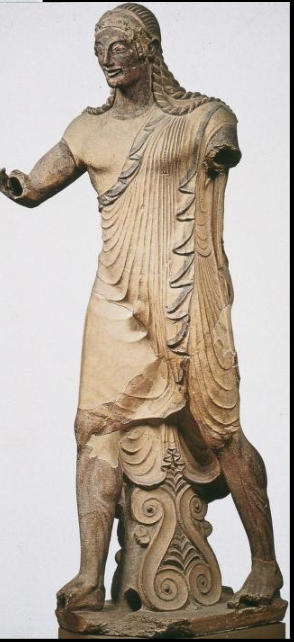
Aplu (Apollo) from Portonaccio Temple at Veii, c. 510 BCE, terra cotta, sculpted by Vulca of Veii
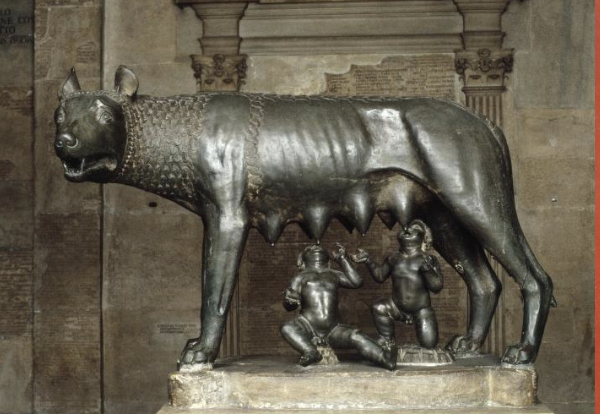
She-Wolf, c. 500 BCE, bronze, Rome
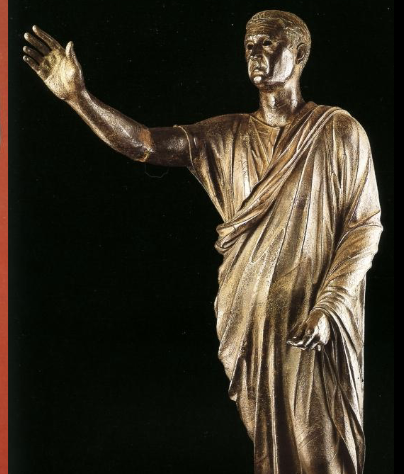
The Orator Aulus Metellus, 1st c. BCE, bronze

Portrait of a man from Manganello, 1st c. BCE, terra cotta

Temple of Portunus, Rome, c. 80-70 BCE

Roman Colosseum, c. 75-80 CE, first large permanent amphitheater in Rome

The Pantheon, 118-125 CE, Rome, began as “temple to all gods”, combine temple front, rectangular block, and rotunda

The Arch of Titus, Rome, 81, marble, earliest surviving free-standing arch in Rome, first instance of Composite order

The Basilica Ulpia, prototype for Constantine’s early Christian basicilas, c. 106-113 CE
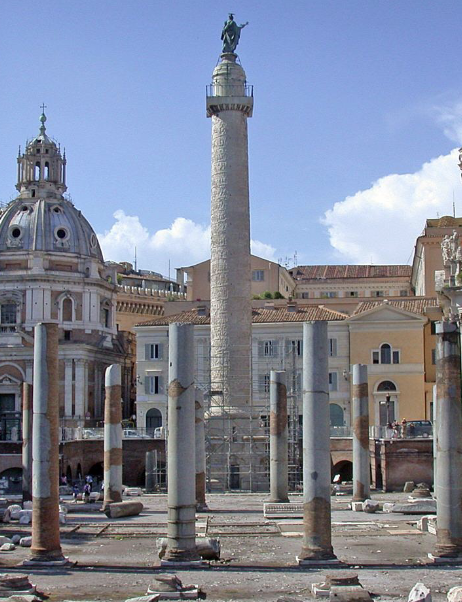
Column of Trajan 113 CE, chronicle of Dacian wars

The Baths of Caracalla, 212-216 CE, holds 1,600 bathers, libraries, lecture halls, temples, display of wealth and power

The Basilica of Maxentius and Constantine, c. 307 CE, last great building project in Imperial Rome

Brutus, bronze, 1st c. BCE, commemorative image

Augustus of Primaporta, marble, c. 20 CE, ageless, serene image

Equestrian Statue of Marcus Aurelius, 161-80 CE

Portrait of a Woman, Egypt, c. 110-30 CE, encaustic on wood panel
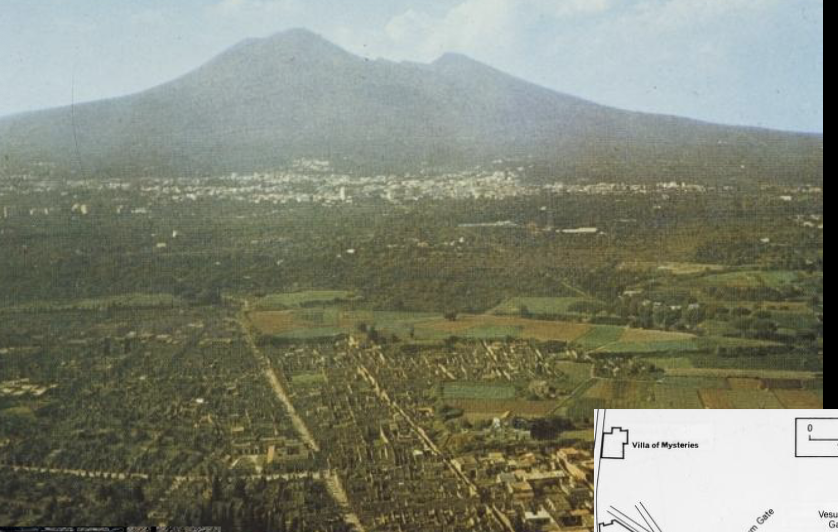
Pompeii, buried 79 CE, buried in 6m layer of ash and pumice

Treasury, rock-cut tombs from 1st and 2nd c. CE

Gravestone with funerary banquet, c. 2nd-3rd century, Syria

Funerary bust from Palmyra, 150-200, limestone, life-size