Topic 14: Measuring the Brain
 Call Kai
 Learn
 Practice Test
 Spaced Repetition
 Match
 Flashcards
 Knowt Play
1/11

There's no tags or description
Looks like no tags are added yet.
12 Terms
Static
Type of brain measure: structural changes or abnormalities
Dynamic
Type of brain measure: metabolic changes during tasks
CT Scan Procedure
Procedure of type of Static Measurement:
X-ray generator rotates around head
Scan for tissue density
Computer analyzes images
Present anatomical structure
CT Scan
Type of Static Measurement
Purpose: identify large structural changes
Bone fractures
Tumors
Tissue displacement
Hematoma or hemorrhage
Enlarged ventricles
Cerebral spinal fluid
CT Scan Pros and Cons
Type of Static Measurement Pros and Cons:
Advantages
Non-invasive
Inexpensive
Detect large structural changes
Disadvantages
Radiation
MRI with better resolution
MRI Procedure
Type of Static Measurement Procedure:
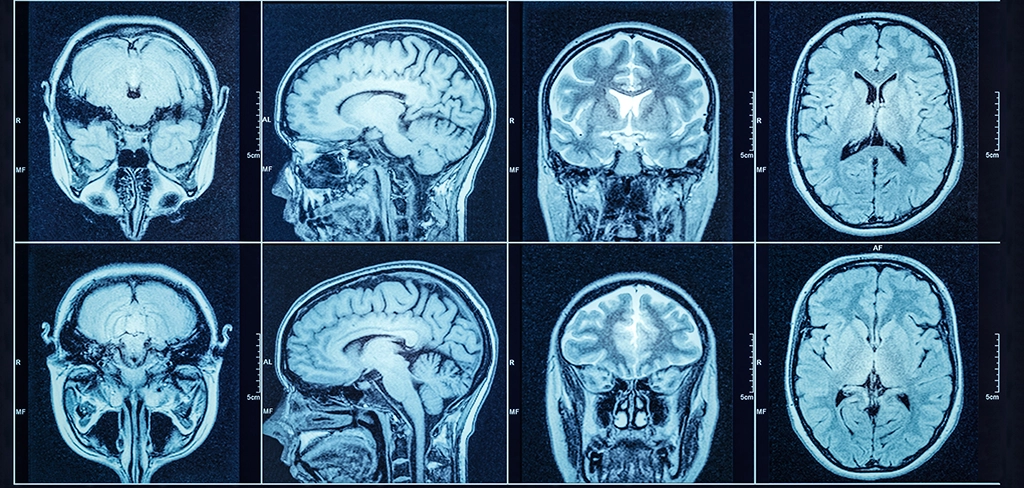
Provide an anatomical view of the brain using radio waves in a magnetic field
Head placed in magnetic field
Nuclei align with magnetic field which sends electromagnetic pulse
Alignment is disrupted & nuclei swing back into alignment
Nuclei send electromagnetic signal that’s analyzed

MRI Pros and Cons
Type of Static Measurement Pros and Cons:
Advantages
Better resolution than CT
No radiation exposure
Disadvantages
Expensive
Take a longer scanning time
Cannot use with patients with metallic devices, uncooperative patients, or patients who claustrophobic
MRI
Which one of the two - MRI or CT Scan ….
Detects small lesions, tumors, infarct
DTI
Type of MRI
Measure the directionality of water molecular movements affected by tissue barriers in the body
Identify intact vs. impaired myelination axonal tracts (white matter) :Multiple sclerosis, Alzheimer disease, Aphasia, Alexia, Autism, Schizophrenia
Cerebral Angiography
Type of Static Measurement
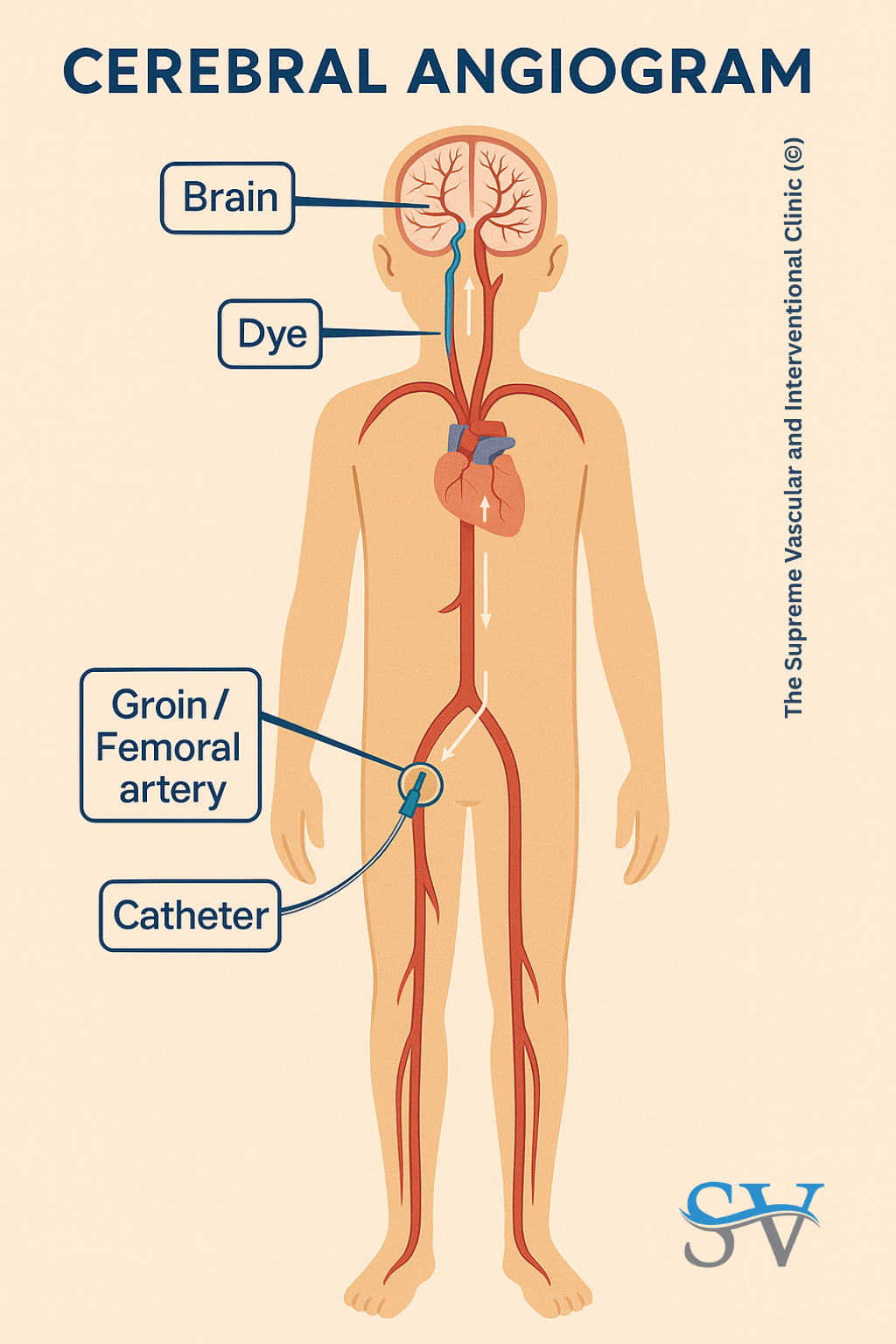
Provide visual presentation of cerebral blood vessels
Detect vascular disorders: thrombosis (blood clot), hemorrhage (bleeding), aneurysm, malformations of arteries & veins
Cerebral Angiography Procedure
Type of Static Measurement Procedure:
A catheter is inserted into a large artery (common femoral artery in the groin) up through the carotid artery
A radiopaque contrast agent (radioactive dye) is inserted into the catheter and images (radiographs) are taken
Cerebral Angiography Cons
Type of Static Measurement Cons:
Invasive: radioactive contrast material injected into arteries
Series of X-rays
Stroke risk (rare)
Little info beyond the blockage point