Calvin Cycle *_*
 Call Kai
 Learn
Learn Practice Test
 Spaced Repetition
 Match
Match Flashcards
 Knowt Play
1/37

There's no tags or description
Looks like no tags are added yet.
Name | Mastery | Learn | Test | Matching | Spaced | Call with Kai | Chat |
|---|
No analytics yet
Send a link to your students to track their progress
38 Terms
3 steps of Calvin Cycle
fixation
reduction
regeneration of acceptor
Ru1,5bP
ribulose 1,5-bisphosphate
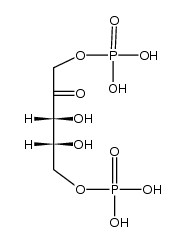
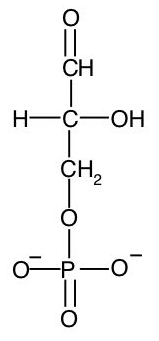
triose phosphate
glyceraldehyde 3-phosphate
where does the Calvin Cycle take place?
chloroplast stroma
electrophile for Rubisco-catalyzed reaction
CO2
what catalytic strategies does Rubisco use?
proximity, alignment of electrophile and nucleophile using Mg2+ ion
Rubisco
catalyzes covalent attachment of CO2 to ribulose 1,5-bisphosphate and then cleavage of unstable 6C intermediate to form 2x 3-phosphoglycerates
does rubisco prefer CO2 or O2 at high temperatures?
O2
photorespiration
occurs when rubisco mistakenly adds O2 instead of CO2 to Ru-5-P
step 2 of the Calvin cycle
conversion of 3-phosphoglycerate to glyceraldehyde 3-phosphate
what conditions allow for the thermodynamically unfavorable formation of glyceraldehyde 3-phosphate in step 2 of the Calvin Cycle?
high concentrations of NADPH and ATP
what enzyme catalyzes the carbon fixing reaction?
rubisco
substrates of rubisco
ribulose 1,5-bisphosphate and CO2
products of rubisco-catalyzed reaction
2 3-phosphoglycerate molecules
dark reactions
CO2 assimilation; production of ATP and NADPH by photophosphorylation and the incorporation of CO2 into trios phosphate
net product of photosynthesis
1 molecule of glyceraldehyde 3-phosphate
net result of 2 turns of CO2 assimilation in Calvin Cycle
3 CO2 + Phosphate —> 1 triose phosphate
how much NADPH and ATP is required for the formation of one triose phosphate?
6 NADPH and 9ATP
what produces the NADPH and ATP needed for the formation of triose phosphate in the dark reactions/CO2 assimilation?
light-dependent reactions of photosynthesis
what happens to the 5 triose phosphates that are not released as product?
rearranged to form 3x ribulose 1,5-bisphosphate
all enzymes of the Calvin Cycle operate near equilibrium except which 2?
kinase and phosphatase
name the enzymes that catalyze the 3 irreversible/exergonic reactions of stage 3 of the Calvin Cycle
fructose 1,6-bisphosphate
sedoheptulose 1,7-bisphosphatase
ribulose 5-phosphate kinase
stage 3 of the Calvin Cycle
regeneration of ribulose 1,5-bisphosphate and interconversion of triose phosphates with PPP intermediates
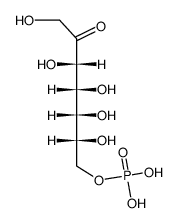
sedoheptulose 7-phosphate
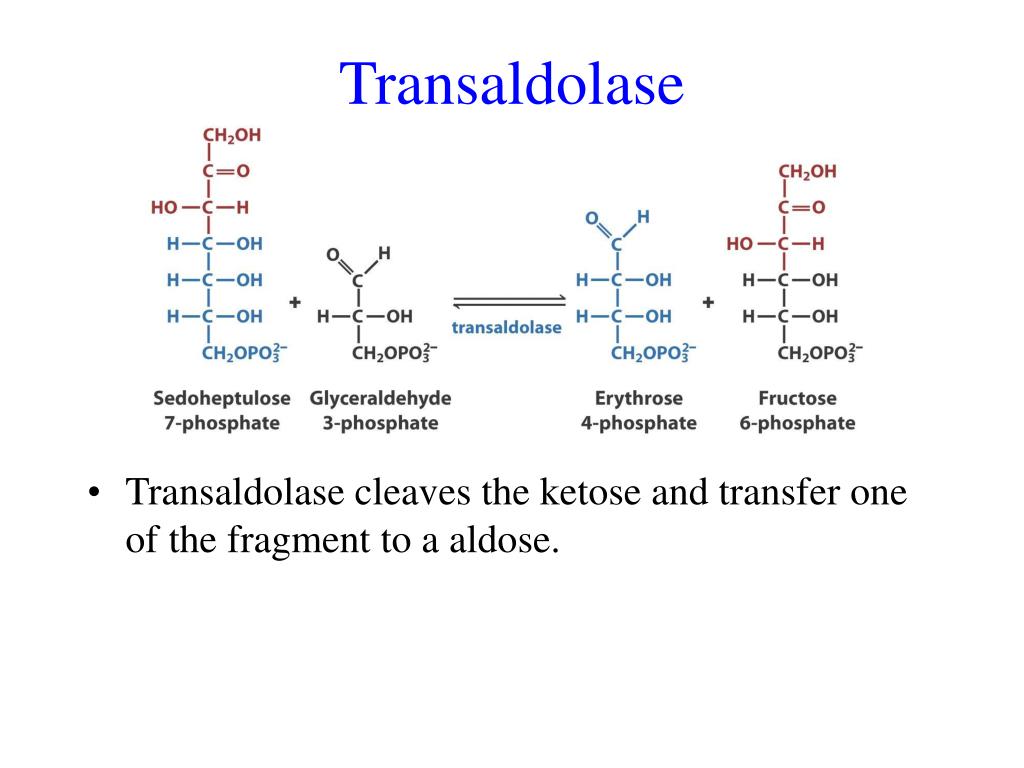
transaldolase
catalyzes transfer of top 3 carbons to a different aldose; mechanism = aldol cleavage then aldol condensation to different bottom
transketolase
catalyzes transfer of top 2 carbons to different aldose; mechanism requires TPP cofactor
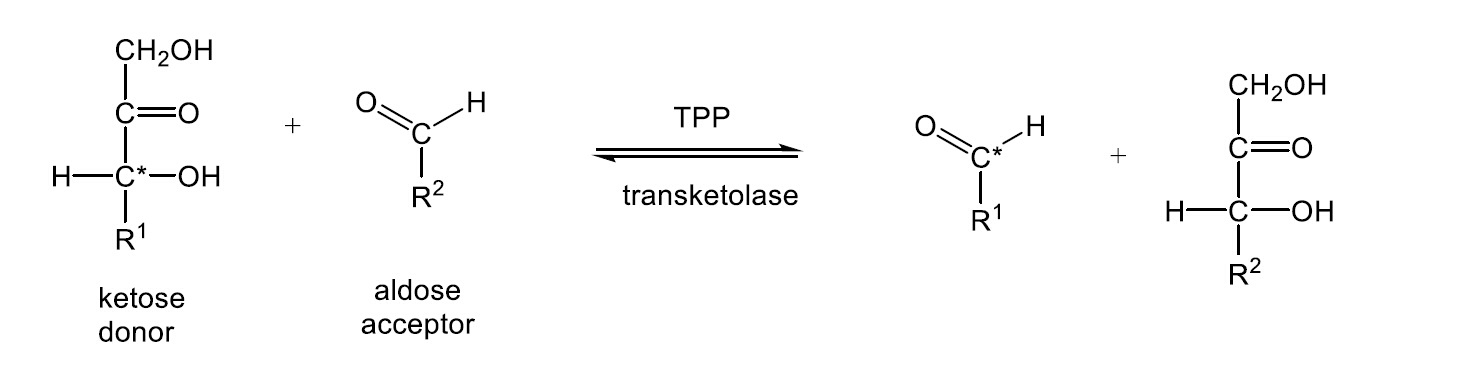
products of pentose phosphate pathway
NADPH and ribose (leads to RNA and DNA)
predominant pathway of catabolism in RBC
pentose phosphate pathway
TPP
important cofactor; allows cleavage of a C-C bond adjacent to carbonyl
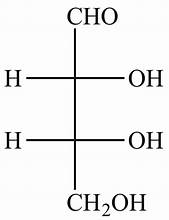
erythrose
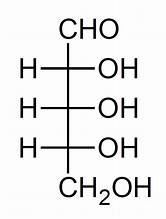
ribose
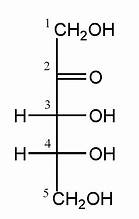
ribulose
which pathway begins with oxidative steps?
Calvin Cycle
Pentose phosphate pathway
Both
pentose phosphate pathway
which pathway can produce ribose for RNA and DNA synthesis?
Calvin Cycle
Pentose phosphate pathway
Both
both
which pathway occurs in the chloroplast?
Calvin Cycle
Pentose phosphate pathway
Both
Calvin cycle
which pathway involves a transketolase?
Calvin Cycle
Pentose phosphate pathway
Both
both
which pathway yields NADPH for anabolic reactions in the cell?
pentose phosphate
aldolase
splits a ketose into a smaller ketose plus an aldose