GEOL 1301- Intro to Earth
 Call Kai
 Learn
 Practice Test
 Spaced Repetition
 Match
 Flashcards
 Knowt Play
1/31

Earn XP
32 Terms
Density
intrinsic property of an object
measure of the mass of an object per unit of volume
does not depend on the size or shape of the object
affected by the of an object
object with a higher mass or a smaller volume will have a higher density
Inner Core
solid
composed of iron-nickel alloy
Outer Core
liquid
movement of iron in this layers creates Earth’s magnetic field
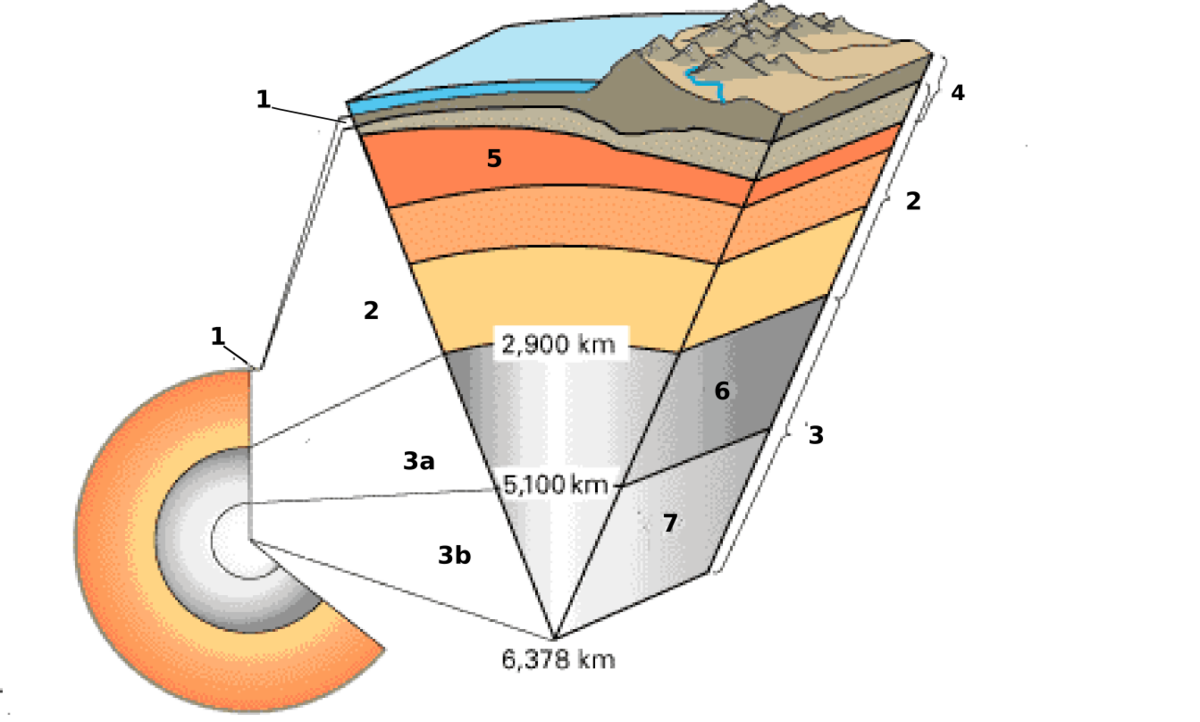
7
Inner Core
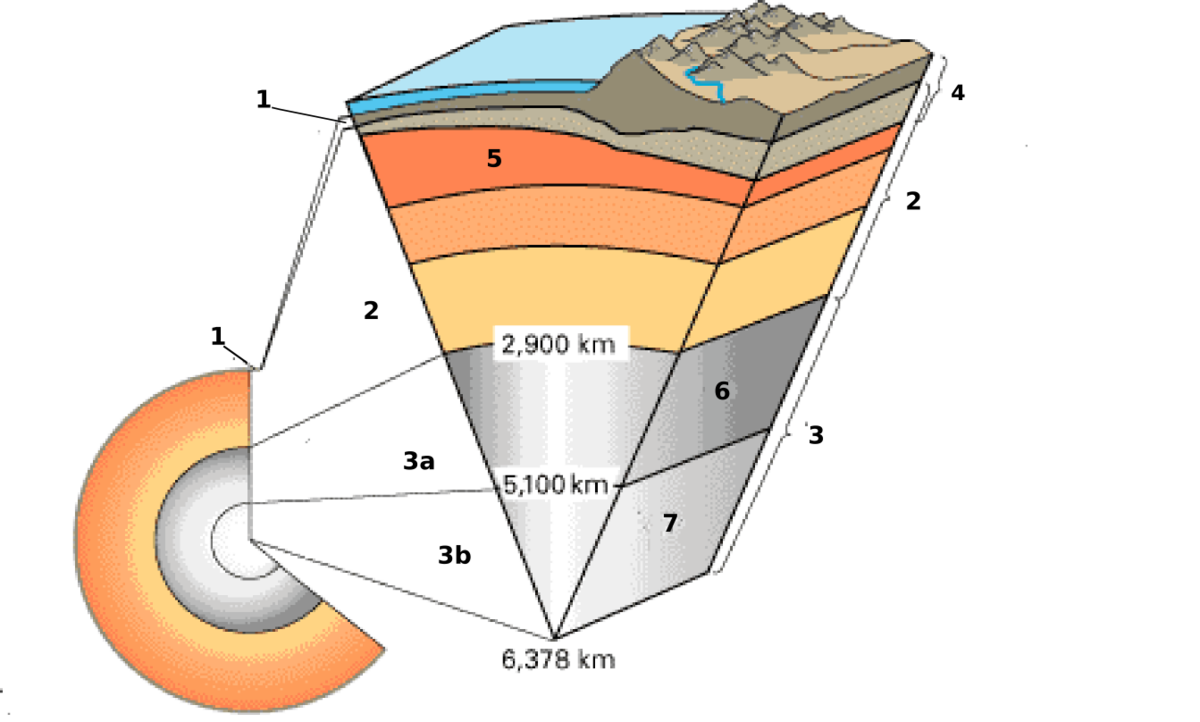
6
Outer Core
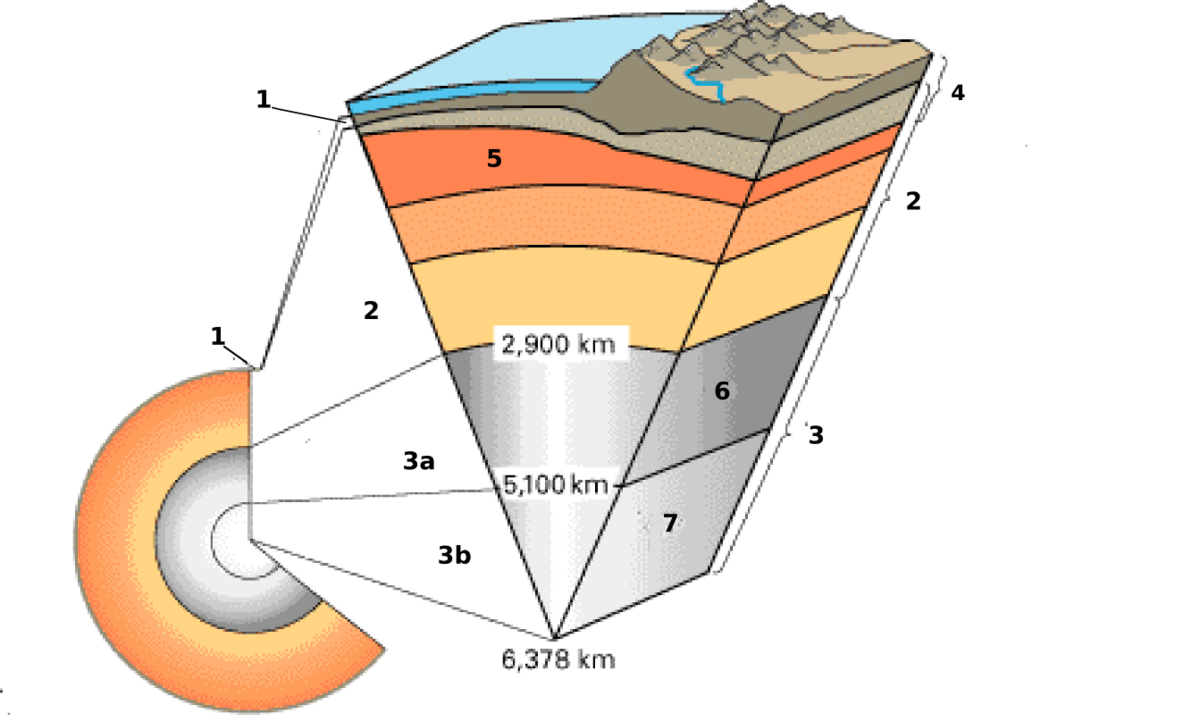
2 (yellow)
Lower Mantle
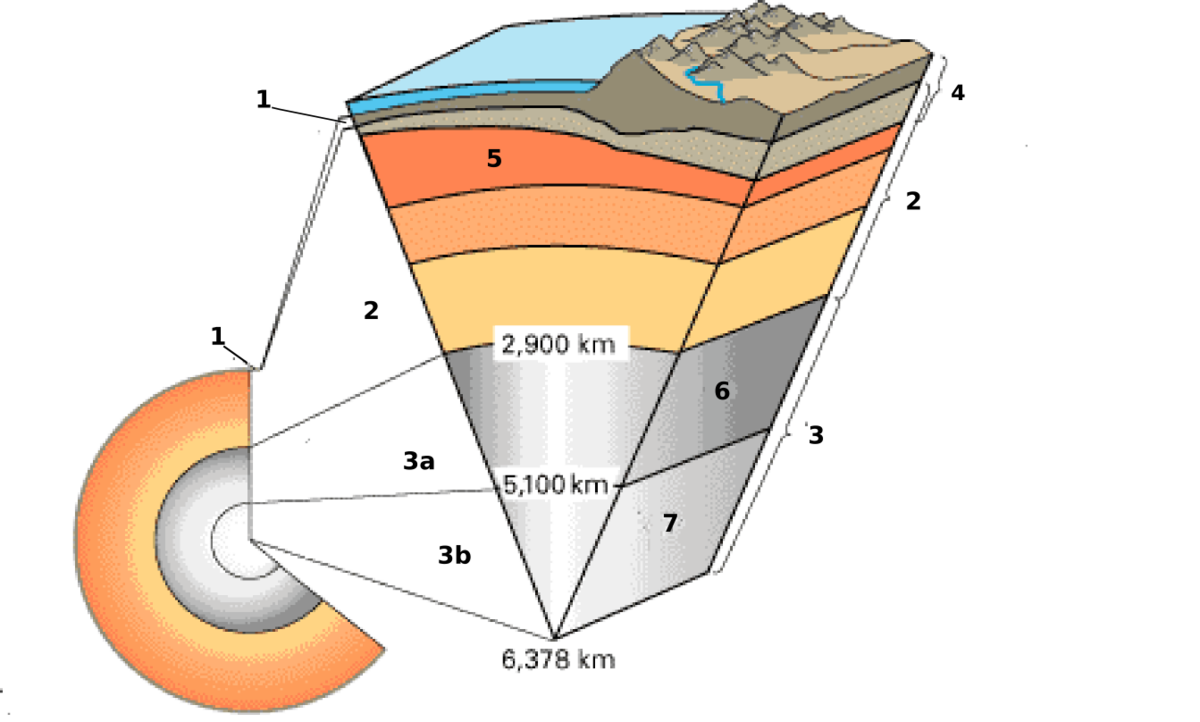
2 (orange)
Asthenosphere
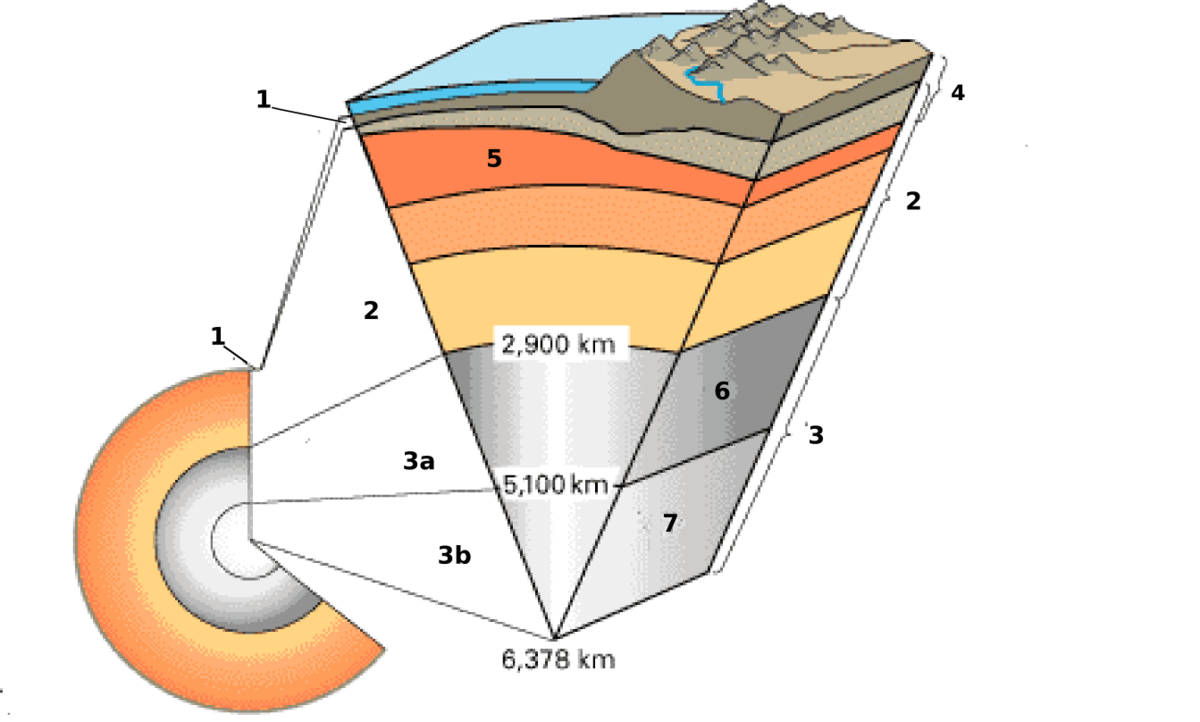
5
Upper Mantle
Lower Mantle
solid, strong
Asthenosphere
soft and weak but still solid
partially molten
temperature and pressure conditions causes melting of rocks= production of magma
Upper Mantle
solid
together w/ the crust is called the lithosphere
Continental Crust
thick (25-40 mi)
made up of less dense elements (Si, O, Al, K → granite)
Oceanic Crust
thin (5 mi)
contains denser elements (Fe, Mg → basalt)
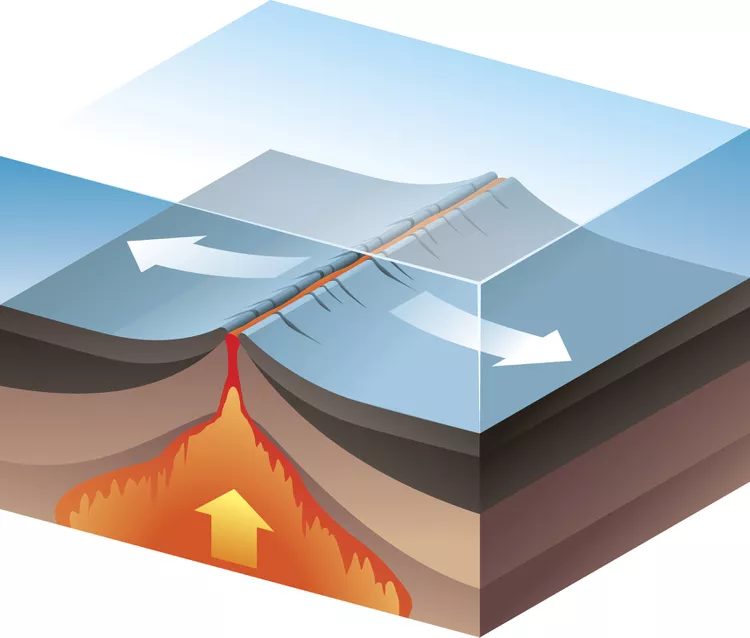
Divergent Boundaries
also known as Constructive Boundaries
most are mid-ocean ridges, but some happen on continents
adds new crust to Earth
ex. Iceland, East Africa
shallow earthquakes near their focus points
← →
Convergent Boundaries
also known as Destructive Boundaries
collision between plates
destroys old crust
largest earthquakes
→ ←
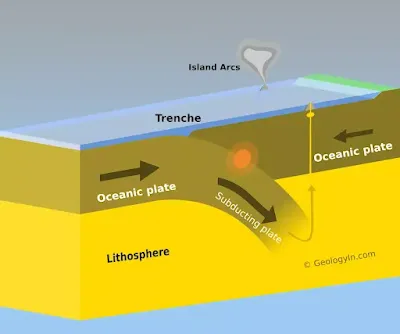
Oceanic-oceanic Convergence
Magma forms and creates chains of underwater volcano islands, as well as deep ocean trenches
ex. Japan, Indonesia
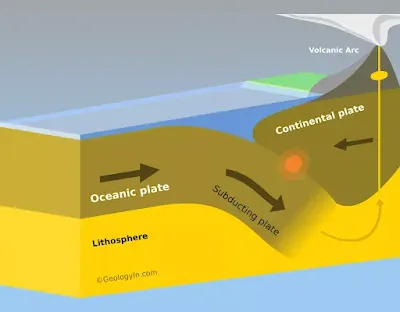
Continent-oceanic Convergence
Oceanic plate is subducted beneath continent because it’s more dense and the continental crust is more buoyant (can float over water)
deep ocean trenches are still present, but instead volcanic mountains are produced
ex. Andes Mts., Cascade Mts.
Subduction
process where one plate is forced beneath another
oldest and densest plate sinks and subducts beneath the other plate
continental crust= granite, thicker
oceanic crust= basalt, thinner
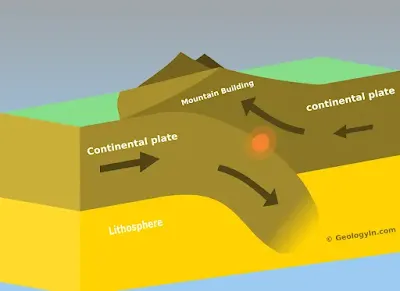
Continent-continent Convergence
no subduction but there is some initial subduction
no volcanoes, instead high mountains are formed
ex. Himalayas, Alps
Transform Boundary
also known as a Connecting Boundary
Common in ocean where they link offsetting divergent boundaries
large earthquakes up to M8
ex. San Andreas Fault, Dead Sea, Alpine Fault
Forces within tectonic plates cause stress for horizontal movement