Y10 Physics MOCKS
 Call Kai
 Learn
 Practice Test
 Spaced Repetition
 Match
 Flashcards
 Knowt Play
1/130

There's no tags or description
Looks like no tags are added yet.
131 Terms
All objects above the ground have ______________ energy
Gravitational Potential
What is current?
Flow of charge
What is efficiency?
A measure of how much useful energy is transferred
What is power?
The rate at which energy is transferred
In a solid, free electrons can ____ around and ______. This causes ______ energy to be ________ on by neighbouring particles vibrating along.
Move, vibrate. Heat, passed
What is specific heat capacity?
The energy needed to change the temperature of 1 kilogram of a substance by 1 OC
What is a negative environmental impact of hydro-electric power?
Ruins habitats by flooding
What is a negative environmental impact of wind power?
Visual pollution
What is an advantage of nuclear power stations?
Very reliable
What is a disadvantage of nuclear power stations?
Long start up times
What is current measured in?
Amperes (A)
What is electric charge measured in?
Coulombs (C)
Insulators _____ allow electricity to pass through while conductors ______
Don’t, do
What is resistance?
How difficult it is for the current to flow through a material
What is resistance measured in?
Ohms
What does a voltmeter measure?
Potential Difference
What is the aim of the resistance practical?
How the length of a wire affects its resistance
What are the variables in the resistance practical?
IV: Length of wire
DV: Current (or resistance)
CV: Material of wire, thickness, temperature
What is the method for the resistance practical?
Set up circuit with a power supply, ammeter (series) and voltmeter (parallel). Measure current for different wire lengths. Keep voltage constant. Use equation (R = V / I )
What is the explanation for the resistance practical?
Longer wire = more collisions between electrons and ions → harder for current to flow → resistance increases
What are some errors/improvements of the resistance practical?
Use a ruler to measure length accurately. Repeat readings and take a mean. Keep temperature constant. Ensure good connections.
What is ohm’s law?
Current is directly proportional to voltage (if temp is constant)
Resistance in wire leads to _____ and ______ usually
Light, heat

What graph is this?
Ohmic conductor

What graph is this?
Filament lamp

What graph is this?
Diode
In a light dependent resistor, when there is high light intensity, there is ____ resistance.
Low
In a series circuit, current is ______ components but potential difference is ______
Same in all, split between
In a parallel circuit, current is ______ components but potential difference is ______
Split between, same in all
In a series circuit, resistance ______
Adds up
In a parallel circuit, resistance ______
Is less than individual resistance
What is a zero error?
When the equipment doesn’t start from zero
What is internal energy?
Kinetic energy and potential energy of all particles
What direction does direct current flow?
One constant direction
What direction does alternating current flow?
Repeatedly reverses its direction
How much voltage do main sockets provide in the UK?
230V
What is an oscilloscope used to show?
How an alternating potential difference changes with times
Why is it beneficial to transmit electricity at a high potential difference?
Requires less current → No overheating → Higher energy transfer + less resistance
What colour is the live wire?
Brown
What colour is the neutral wire?
Blue
What colour is the earth wire?
Green and yellow
What does the live wire do?
Carries the alternating potential difference from the supply (230V)
What does the neutral wire do?
Completes the circuit (0V)
What does the earth wire do?
Safety wire to stop the appliance becoming live (0V)
Why will someone on the ground with 0V get shocked by a electrical plug emitting 230V?
There is a large potential difference which the voltage will want to equalise the difference
What did Dalton think?
Thought atom was a solid sphere. No structure at all
What did J.J. Thompson do?
Discovered electrons. Made the plum pudding model → Electrons stuck in a positive mass
What did Rutherford do?
Discovered a nucleus by experimenting with gold foil. Also discovered protons
What did Bohr do?
Discovered electron shells
What did Chadwick do?
Discovered neutrons
In the gold foil experiment, the alpha particle sometimes went through the foil. This meant that an atom had _________
Empty space
In the gold foil experiment, the alpha particle sometimes deflected off the foil. This meant that the nucleus was _______ and ______
Positive, small
In the gold foil experiment, the alpha particle sometimes had a small deflection. This meant that there was something _________
Repelling

A =
B =
A = Cell
B = Battery

What is this and what does thiis do?
Switch, breaks circuit meaning current is turned off

What is this and what does this do?
Lamp, lights when current flows

What is this and what does this do?
Diode, makes current flow one way
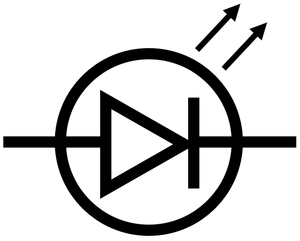
What is this and what does this do?
LED, emits light when current flows.

What is this and what does this do?
LDR, resistance lowers in bright light
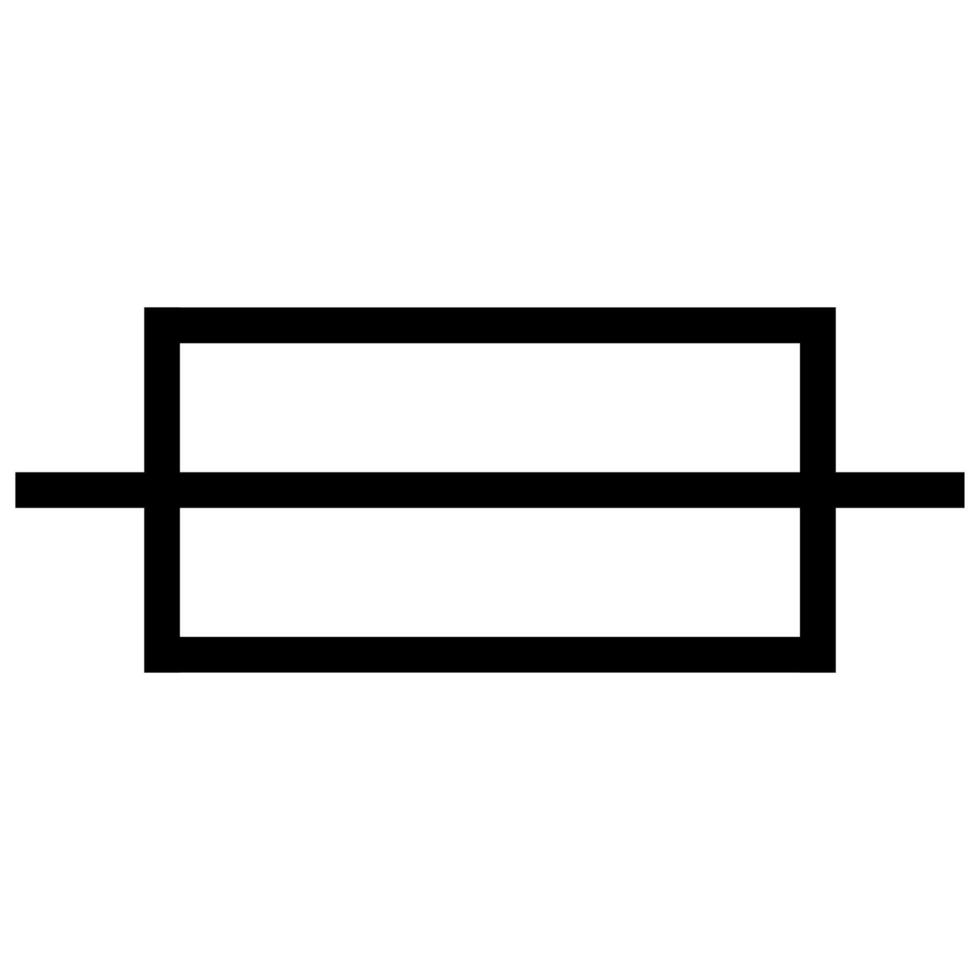
What is this and what does this do?
Fuse, melts when current is too high

What is this and what does this do?
Resistor, affects the size of current flowing

What is this and what does this do?
Variable resistor, allows current to be varied
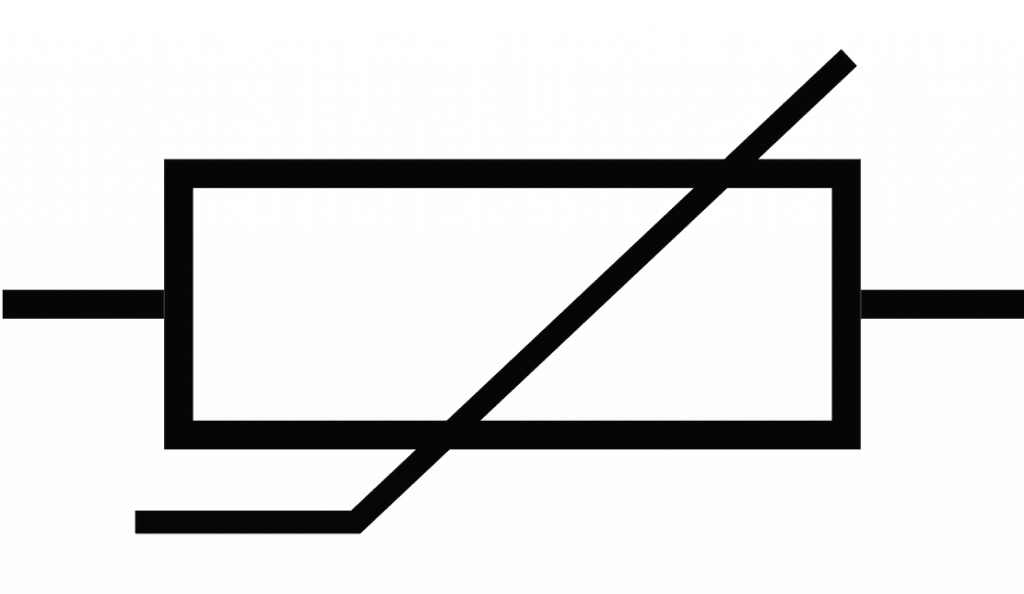
What is this and what does this do?
Thermistor, resistance lowers at low temp
What is potential difference?
How much electrical work is done by a cell
What is charge?
Amount of electricity travelling in a circuit
Which three types of electromagnetic radiation are ionising?
UV (Ultraviolet), X-rays, and Gamma rays
Ionising radiation has enough _____ to _____ _______ from atoms. This is ________ to cells in your body.
Energy, move electrons, harmful
What is an ion?
An atom with a charge
Rank alpha, beta and gamma by penetration power (Strongest 1st)
1st = Gamma → Partially stopped by lead or concrete
2nd = Beta → Stopped by 2-3mm of aluminium
3rd = Alpha → Stopped by skin or paper
Rank alpha, beta and gamma by range of radiation (Furthest 1st)
1st = Gamma → 1-2m
2nd = Beta → 20-30cm
3rd = Alpha → 2-3cm
Rank alpha, beta and gamma by how dangerous they are outside the body (Worst 1st)
1st = Gamma
2nd = Beta
3rd = Alpha
Rank alpha, beta and gamma by how dangerous they are inside the body (Worst 1st)
1st = Alpha → Sped up cancer
2nd = Beta
3rd = Gamma
Alpha = ____ ionising
Gamma = _____ ionising
Most, least
Isotopes have ______ numbers of neutrons. The __________ controls which element it is.
Different. Atomic number
What is contamination?
The unwanted presence of materials containing radioactive atoms on other materials (on skin, clothes or eaten)
What is irradiation?
The process of exposing a material to alpha, beta, or gamma radiation
What is alpha radiation?
2 neutrons, 2 protons → Helium nuclei
What is beta radiation?
High energy electron
What is gamma radiation?
High energy electromagnetic radiation
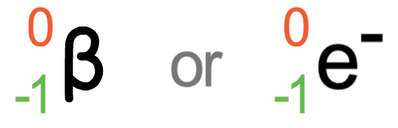
What is this?
Beta radiation

What is this?
Alpha radiation

What is this and its charge?
Gamma radiation, (0,0)
What is activity?
The average no. of nuclei that decay every second (or count rate)
Activity = (Equation + Units)
No. of nuclei that decay / Time taken in seconds.
Units = Becquerel or counters per seconds
What is a half life?
The time it takes for the no. of radioactive, unstable nuclei in the sample to halve. Also means the activity has halved.
An _____ _____ causes radioactive decy
Unstable nucleus
If 2 objects must touch to interact then these are ______ forces.
If they don’t need to directly touch to interact these are ________ forces.
Contact, non-contact
Examples of contact forces are…
Friction, stretching, air resistance
Examples of non-contact forces are…
Gravity, weight, magnetic, static
Scaler quantities are ______. This is the _______ e.g. _______
Magnitude, amount, speed
Vector quantities are magnitude and ______ e.g. ______ 10m/s _____
Direction, velocity, north
Examples of scalar =
Speed, volume, distance, temperature
Examples of vector =
Weight, acceleration, velocity, force mass, displacement.
Typical speed of walking = ____
1.5 m/s
Typical speed of running = _____
3.0 m/s (Double of walking)
Typical speed of cycling = _____
6.0 m/s (Double of running)
Typical speed of sound = _____
330-340 m/s
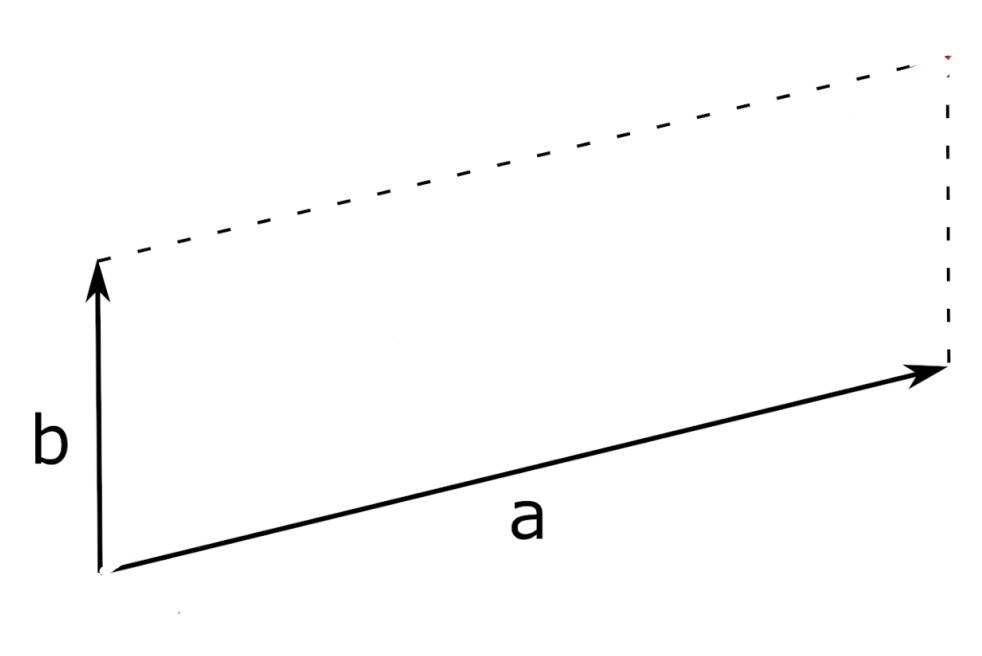
How would you solve this vector addition?
Draw a diagonal line, use Pythagoras’ theorem
What is the centre of mass of an object?
The point of which its mass can be thought of as being concentrated
If the line of actin is outside the base, the object will _______
Fall over