Art History Study Video Slide Identification
 Call Kai
 Learn
 Practice Test
 Spaced Repetition
 Match
 Flashcards
 Knowt Play
1/24

There's no tags or description
Looks like no tags are added yet.
25 Terms
Tiryns
Cyclopean masonry
Early Greece
1400-1200 BCE
Stone masonry

Parthenon
Marble
Doric order, some Ionic order

Step Pyramid Complex of Djoser
Limestone
Dynasty 3 Old Kingdom, 2449 - 2134 BCE
Saqqara, Egypt
The Great Pyramid of Giza
Giza Egypt
Dynasty 4
Limestone

Ka
The Egyptian soul, part of someone that can go between the living world and the afterlife
Ka statue was a place for Ka to reside
Placed in serdabs

Khafre enthroned
Giza, Egypt
Dynasty 4
diorite
Egyptian museum cairo

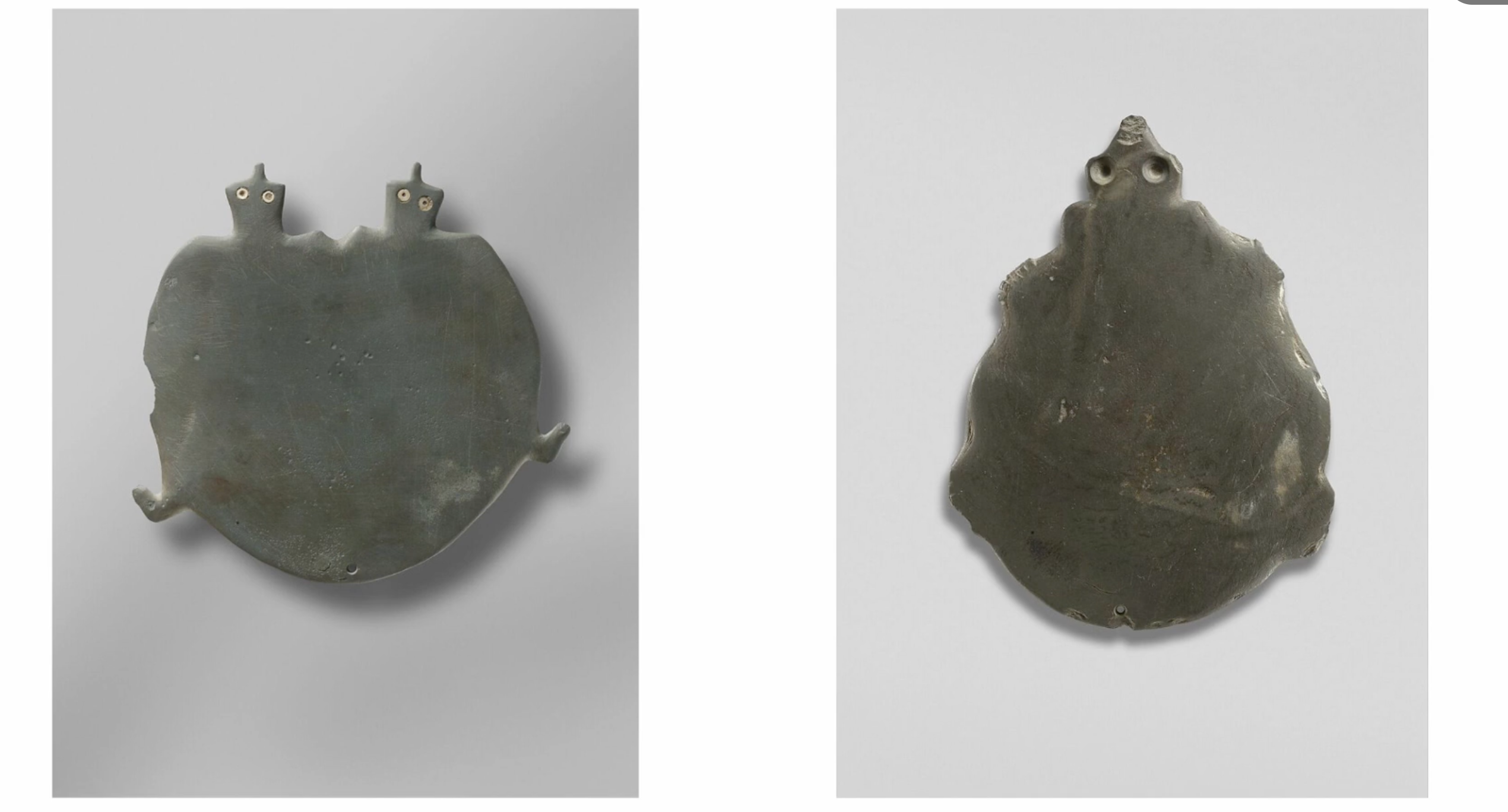
Palette in the Form of a Mud Turtle
Carved greywacke
Predynastic Naqada II
The Metrapolitan Museum of Art
Greek Vase Painting
signage of names begins, usually the painters
training of apprentices
potters wheel
Krater
Large vessels for mixture of water and wine
eventually placed outside as a grave marker
funerary depictions on them
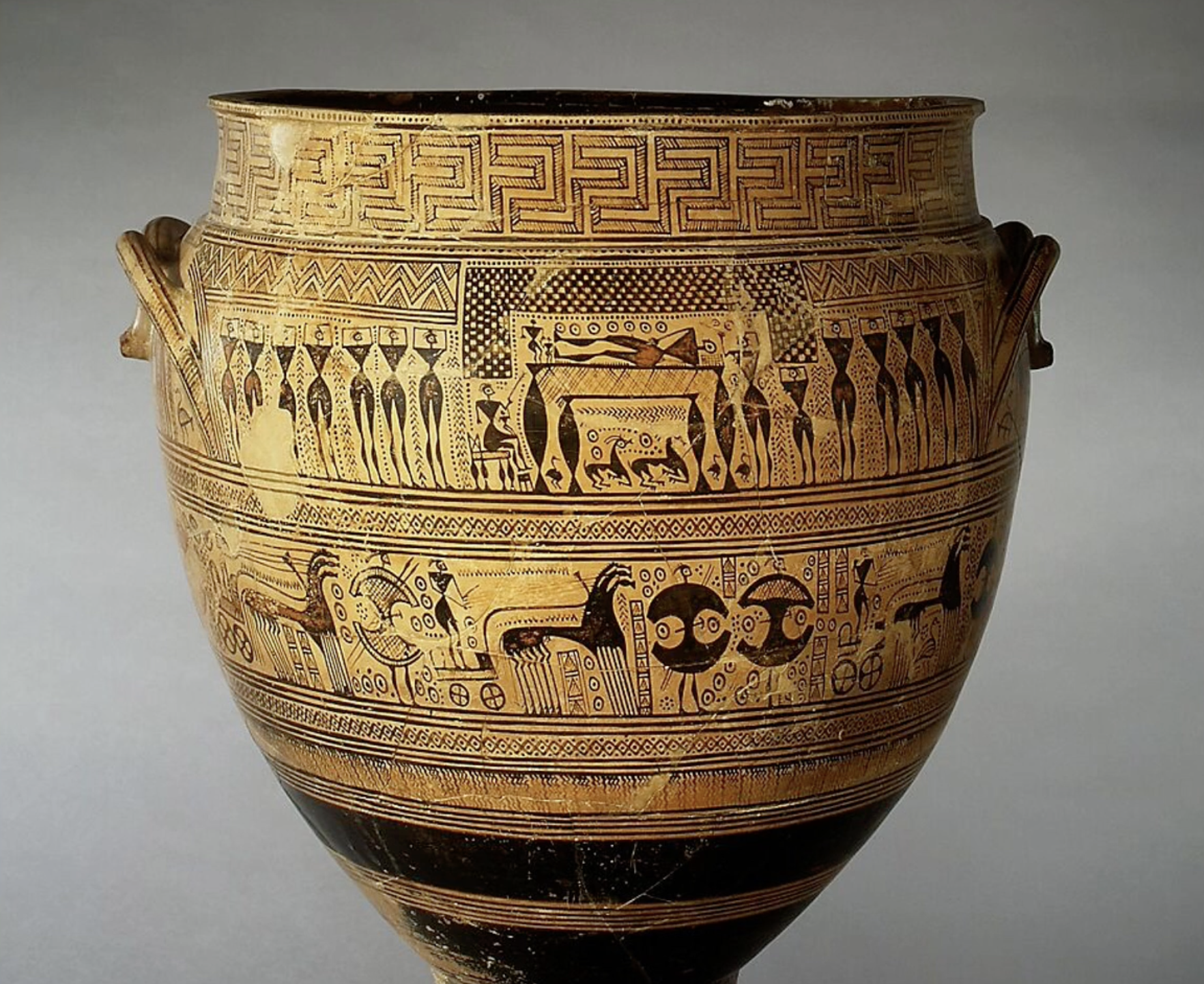
Meandering Pattern
common greek pattern
line that seems to be going in a certain direction, but really doesnt go anywhere
Kourus Statues
Also used as grave markers
Life size
Triangular head and torso
New York Kourus
marble
600 BCE
The Metropolitan Museum of Art

Disemboweled Bison with Bird-Headed Human Figure
pigment on rock
Cave at Lascaux, France
16,000 - 14,000 BCE
Animals and Animal Mythology in the Old Stone Age Possible Inspirations
Hunting scenes and rituals
Chronology of natural world and ancestor recognition
animal mythology and worship
Magical connotations and sustenance
Palace of Minos with Dolphin Fresco
Limestone
Pebble masonry
Wood
Schist
Knossos, Greece
1700 - 1350 BCE

Bull Leaping Scene
Palace of Minos/Knossos Palace
fresco (water based pigments applied onto wet lime plaster)
Archaeological Museum Herakleion
1450 BCE

Funerary Mask from Grave Circle A
hammered gold
1600 - 1500 BCE
National Archaeological Museum, Athens

Contrapposto Pose
hips slightly relaxed
head turned to the side
human form more natural
counterbalance
distinguishes Archaic Greek to Classical Greek art.

Panathenaic Festival Procession Frieze Depicting Elders and Maidens
Parthenon
447 - 438 BCE
Marble
Musee du Louvre, Paris

Parthenon Summary
temple focused on Athenian citizens
self governance and independence
Depicted on frieze: musicians, Athenian cavalry, elders and leaders
House Altar Depicting Akhenaten, Nefertiti, and 3 daughters
limestone
Dynasty 18
Egyptian Museum
Berlin
Amarna Period
more home shrines and private worship
naturalistic, possibly an exaggeration
belly rolls, long fingers, long faces,

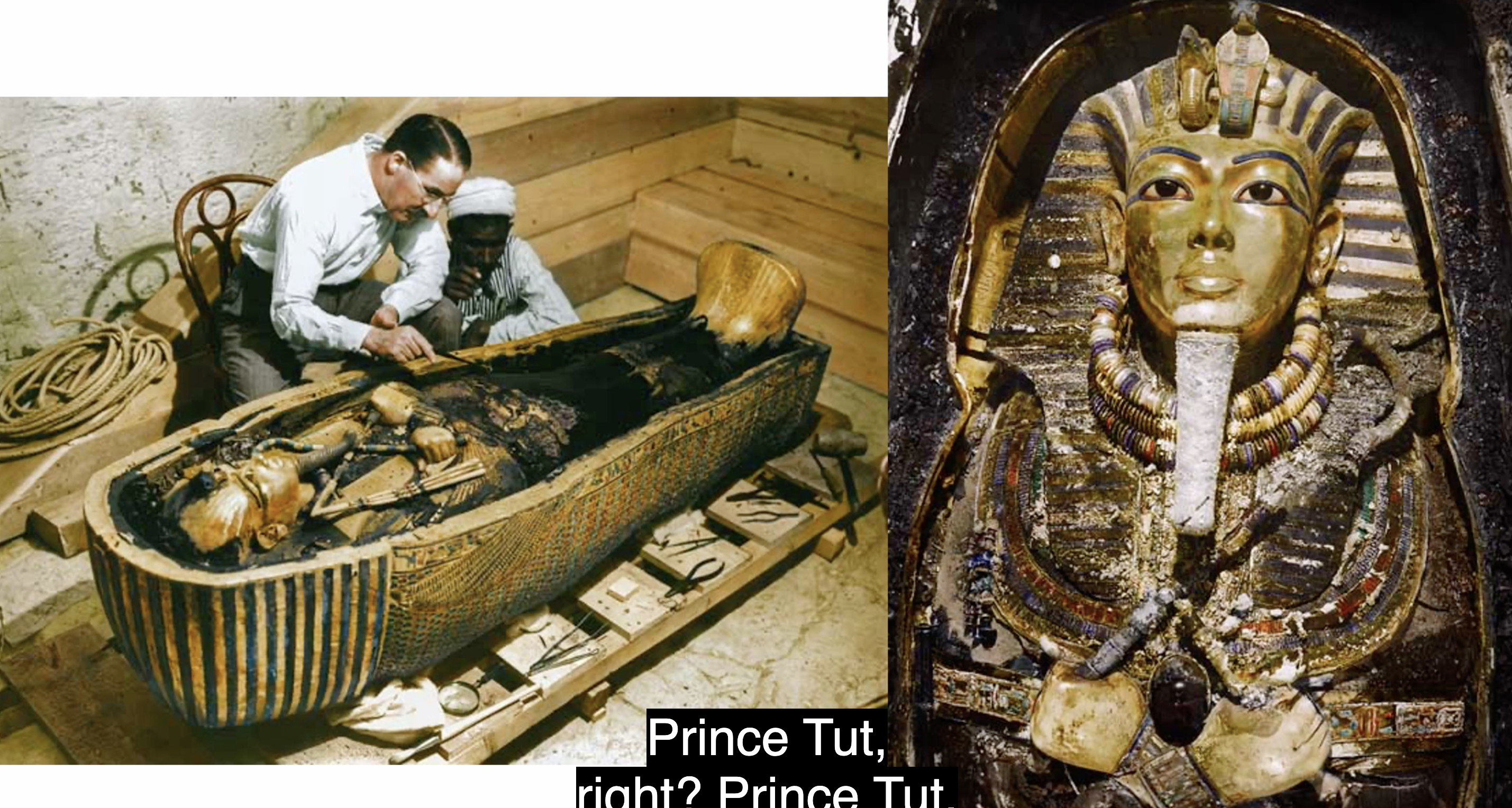
Uncovering of Prince Tut
Howard Carter, pushed for delicacy and care with handling
Pulled over 200 lbs solid gold tomb out in whole instead of taking it apart
Victory Stele of Naram-Sin over the Lullabi Tribe
Limestone
2250 BCE
Akkadian Period
Lourve Museum