Sirenians: Manatee and Dugong Biology, Adaptations, Diet, Reproduction & Threats
 Call Kai
 Learn
 Practice Test
 Spaced Repetition
 Match
 Flashcards
 Knowt Play
1/20

There's no tags or description
Looks like no tags are added yet.
21 Terms
What are the three species of manatee?
West African Manatee, West Indian Manatee, Amazonian Manatee
What is the scientific name of the West African Manatee?
Trichechus senegalensis
Where does the West African Manatee live?
In coastal marine and freshwater rivers

What is the scientific name of the West Indian Manatee?
Trichechus manatus
What are the two subspecies of the West Indian Manatee?
Florida Manatee and Antillean Manatee

What is the scientific name of the Amazonian Manatee?
Trichechus inunguis
Where does the Amazonian Manatee live?
In freshwater rivers only
What is the scientific name of the Dugong?
Dugong dugon
Where does the Dugong primarily live?
Mostly in marine coastal waters

What are some adaptations of Sirenians for marine life?
Fusiform shape, modified forelimbs/tails, large size, thick skin, kidneys that extract salt, and heavy bones
What is the gestation period for manatees?
~1 year
What is the gestation period for dugongs?
~1.5 years
What are the main threats to Sirenians?
Boat collisions, bycatch, habitat destruction, hunting, cold stress, red tide
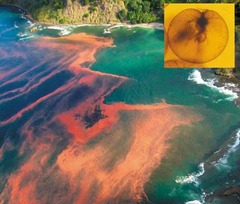
What is red tide and how does it affect manatees?
Red tide is caused by Karenia brevis, producing brevetoxins that cause respiratory distress in manatees and humans.
What is the conservation status of Florida Manatees?
Threatened
What is the conservation status of Antillean Manatees?
Endangered
What is a notable extinct relative of dugongs?
Steller's sea cow

Where can one study or work with manatees?
Mote Marine Laboratory, Zoo Tampa, Homosassa Springs Wildlife State Park, Clearwater Marine Aquarium, SeaWorld, FWC
What is the purpose of 'marching molars' in manatees?
They help in grinding down plant material, similar to horses.
How do manatees find food?
Using prehensile whiskers/vibrissae to detect vegetation.
What is the body fat percentage in manatees?
Only ~5% body fat with a 1-inch blubber layer.