anatomy 1 lab practical 1
 Call Kai
 Learn
Learn Practice Test
 Spaced Repetition
 Match
Match Flashcards
 Knowt Play
1/69

There's no tags or description
Looks like no tags are added yet.
Name | Mastery | Learn | Test | Matching | Spaced | Call with Kai | Chat |
|---|
No analytics yet
Send a link to your students to track their progress
70 Terms
solution
a homogenous mixture of 2+ substances
solute
a substance that is dissolved (usually in water)
solvent
the substance that does the dissolving
tonicity
the way of describing the effect of a solution would have on the cell (hypotonic, hypertonic, isotonic)
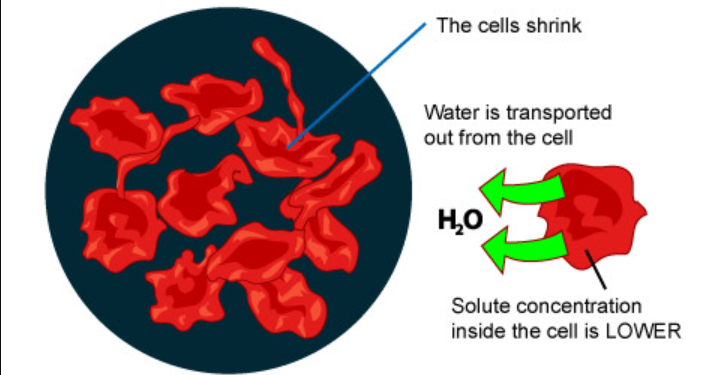
hypertonic
a solution that has a higher concentration of solutes compared to another solution.
there are more solute particles and fewer water molecules, which can lead to water moving out of cells when separated by a semipermeable membrane.
hypotonic
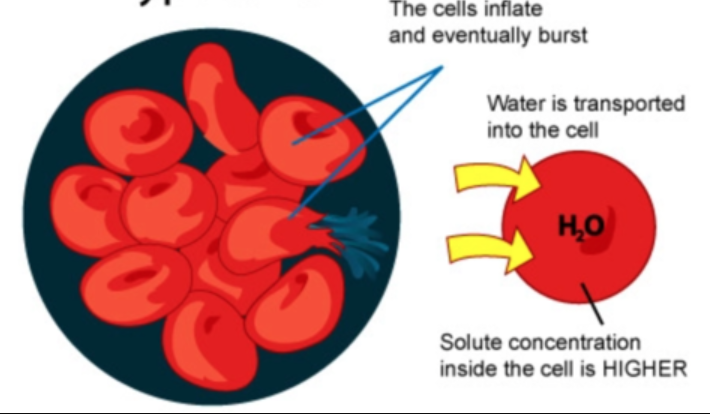
a solution that has a lower solute concentration compared to another solution, causing water to move into the region of higher solute concentration, typically across a semipermeable membrane.
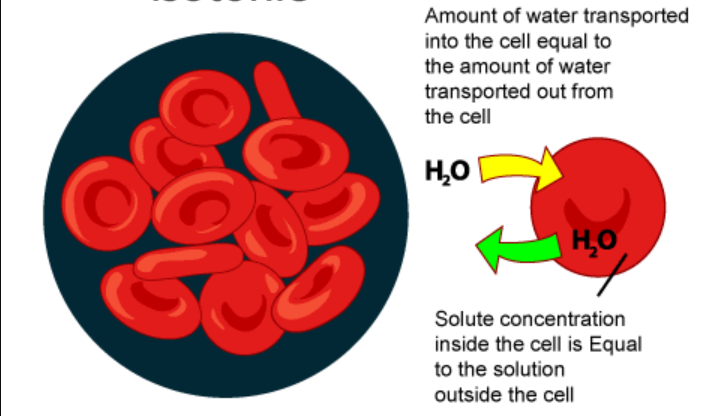
isotonic
same concentration on both sides
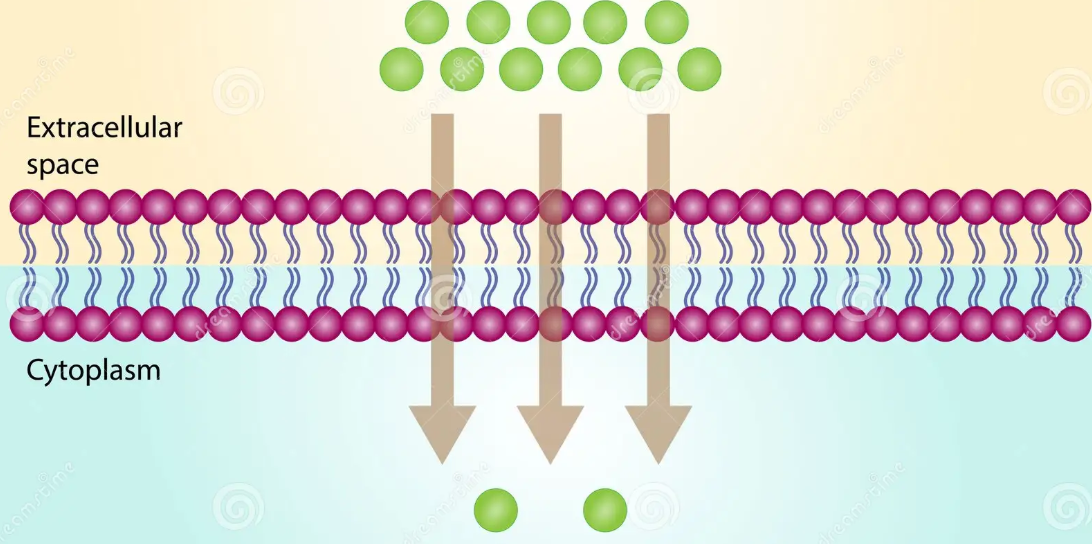
diffusion
the passive movement of molecules from an area of high concentration to low concentration
osmosis
diffusion of water across a semi-permeable membrane. goal is to create equal conc on both sides
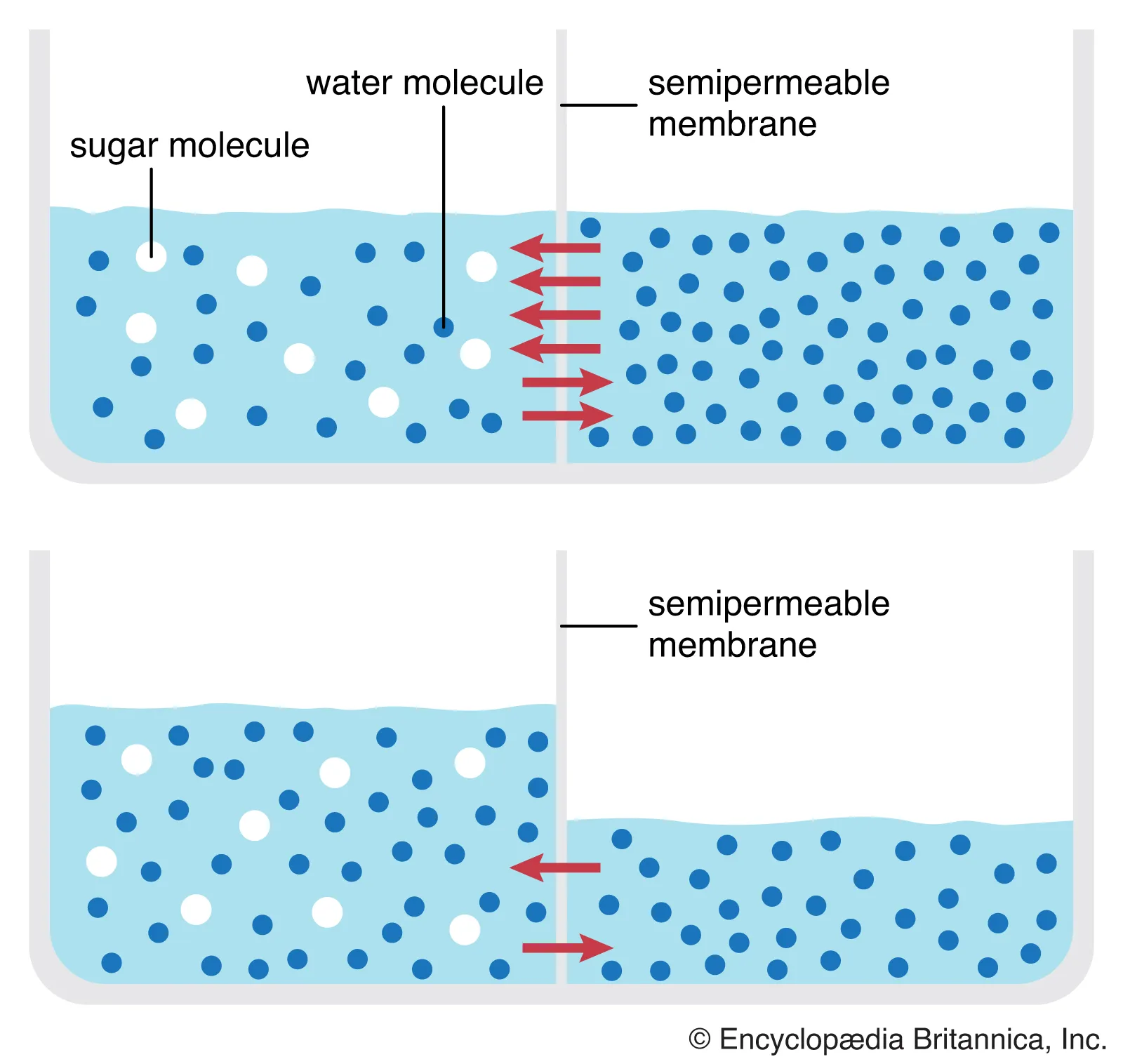
osmotic pressure
the minimum amount of pressure that must be applied to prevent osmosis
hyper-
above
hypo-
below
peri-
around
iso-
same, equal
hydro-
water
natri-
sodium
glyco-, glycos-
sugar
nephro-
kidneys
cardi-, carido-
heart
-emia
blood condition
-osis
abnormal condition
-itis
inflammation of
-uria
bladder condition
hyperglycemia
high blood sugar level
hyponatremia
low blood sodium level
pericarditis
inflammation around the outside of the heart
glycosuria
sugar in urine
hydronephrosis
the condition of water buildup in the kidneys
process
an outgrowth from a large structure, often the point of connection for joints or muscles
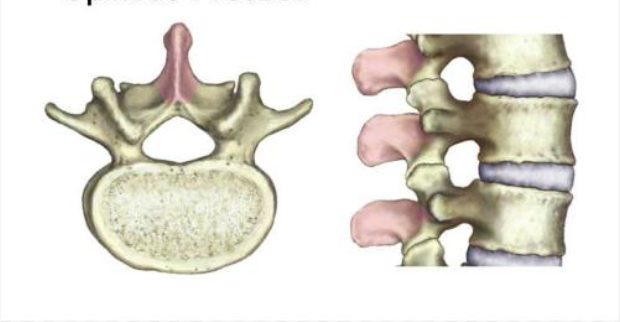
spinous process/spine
The part of the bone that is connected to the lamina and provides a point of attachment for muscles.
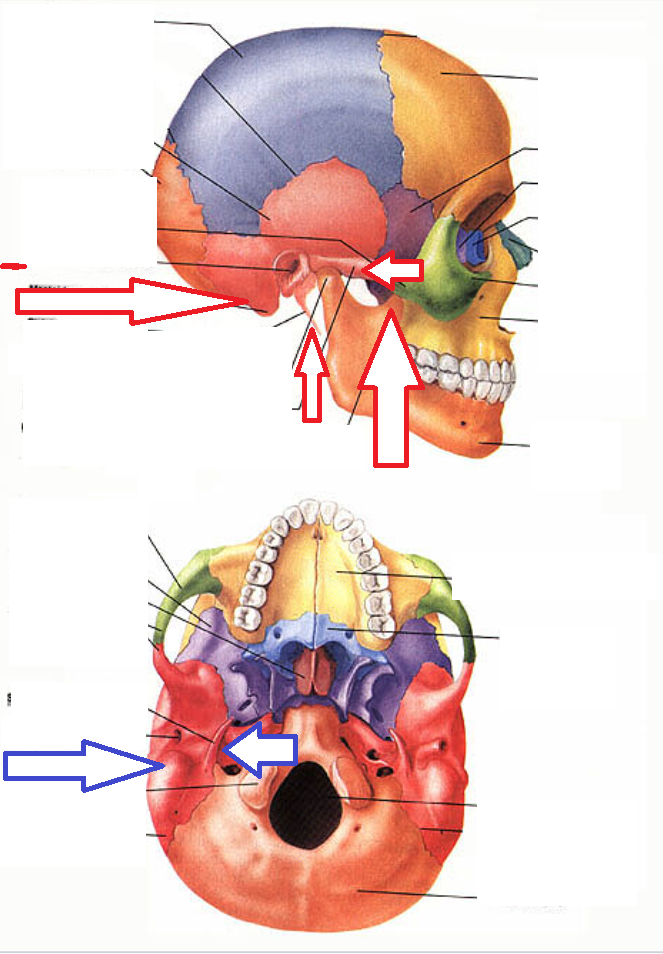
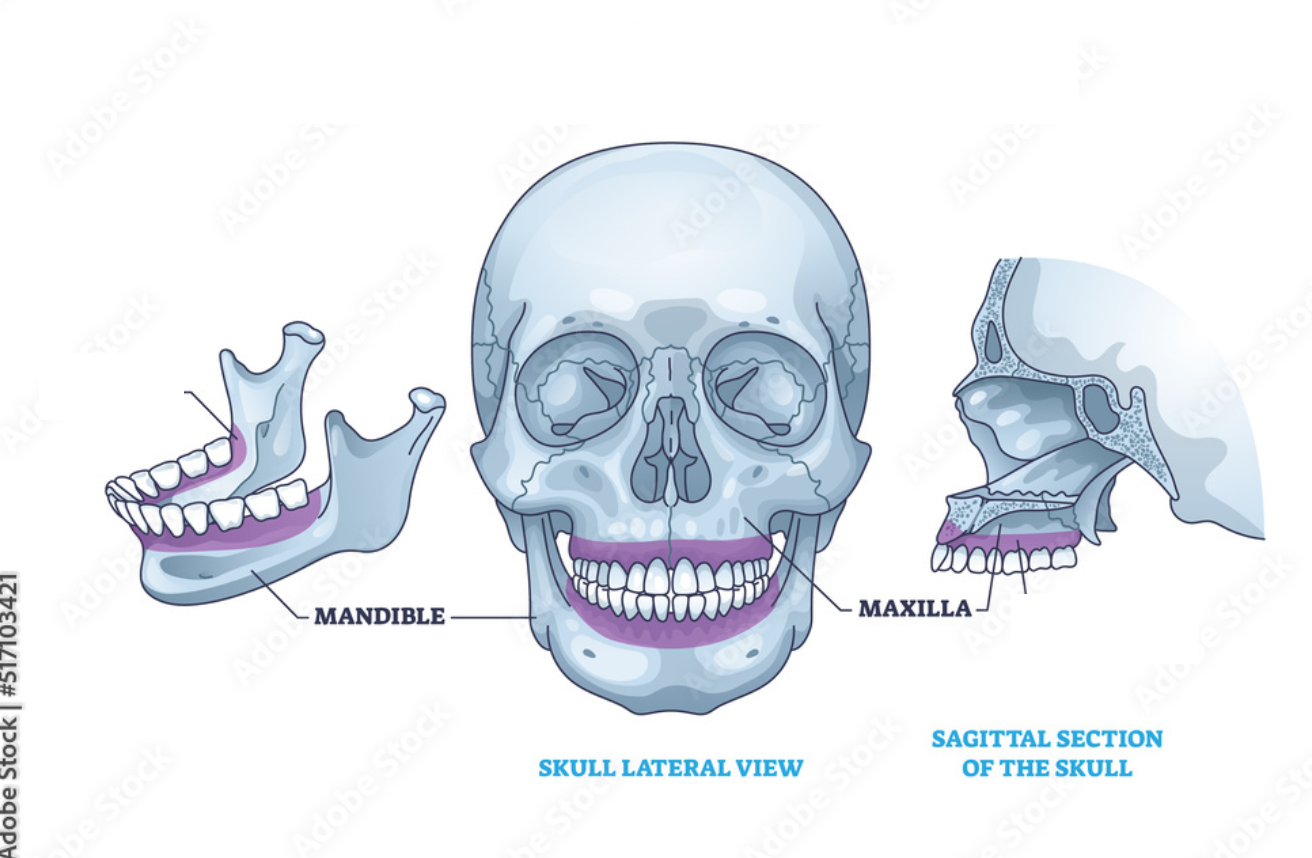
Alveolar Process
The curved bone that contains sockets for the teeth
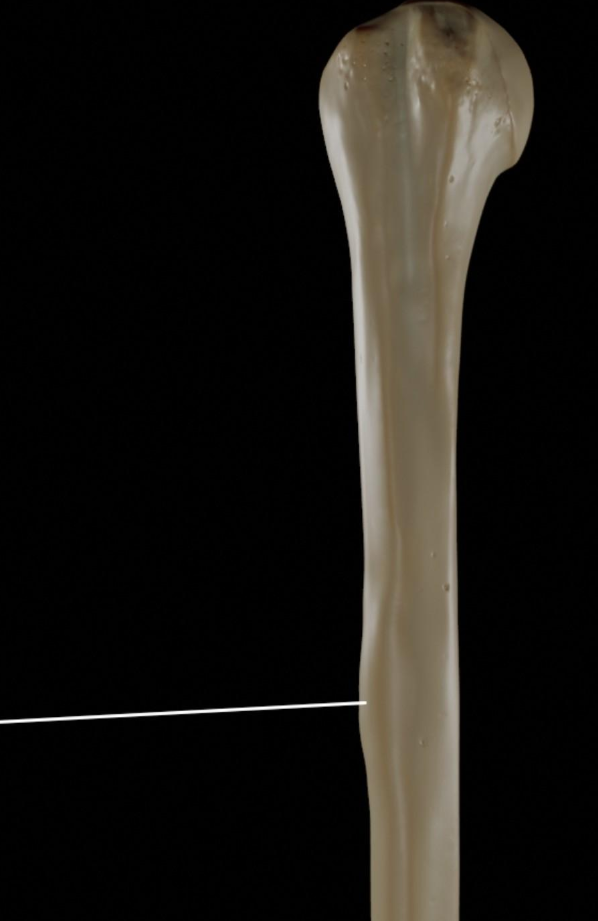
Tuberosity
A big, rough projection on a bone that serves as an attachment for muscles and ligaments. Can be found in places like the deltoid and tibia
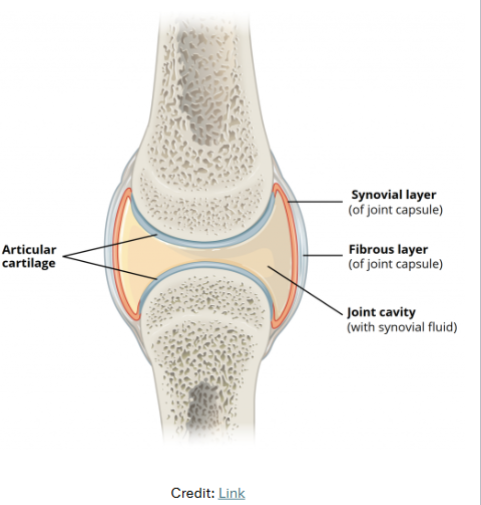
articulation
the place where two bones connect to form a joint. can be found in places like the shoulder, elbow, hip, and knee
condyle
The rounded end of some bones that is designed to form a joint
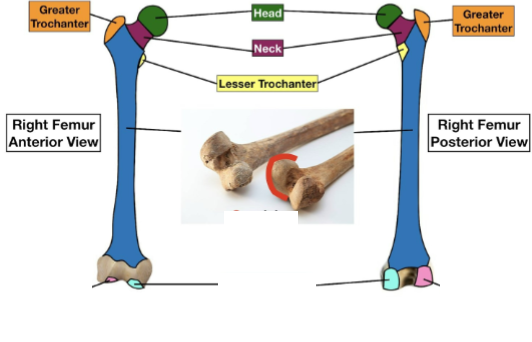
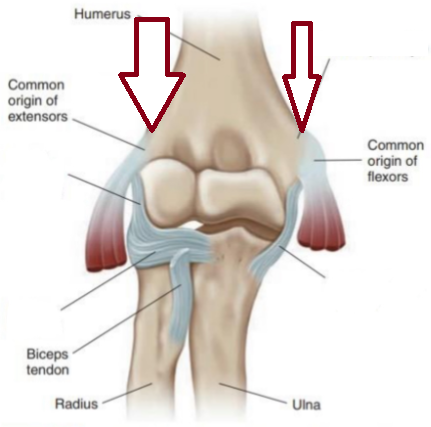
epicondyle
A bony bump near the condyle where muscles and ligaments attach
head
a smooth rounded structure that typically articulates with another bone at a joint found at the proximal end of a bone and fit in a socket
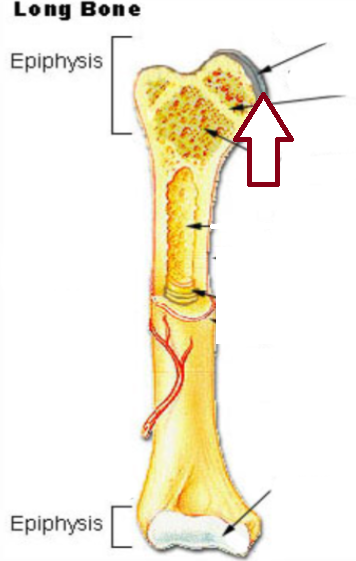
shaft/diaphysis
The tube that runs between the proximal and distal ends of the bone.
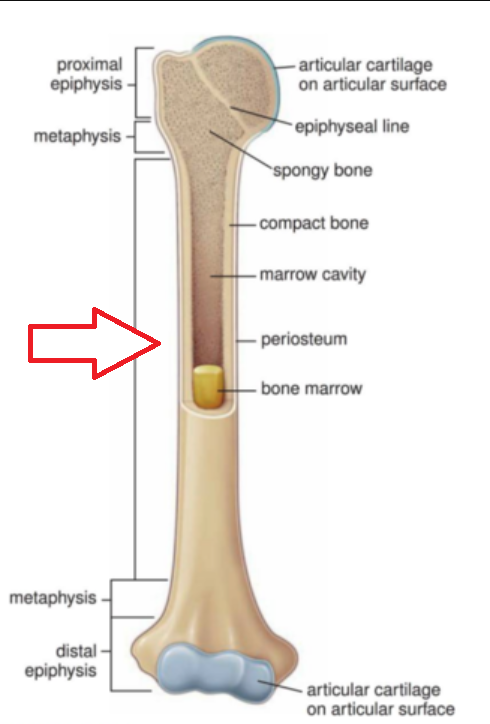
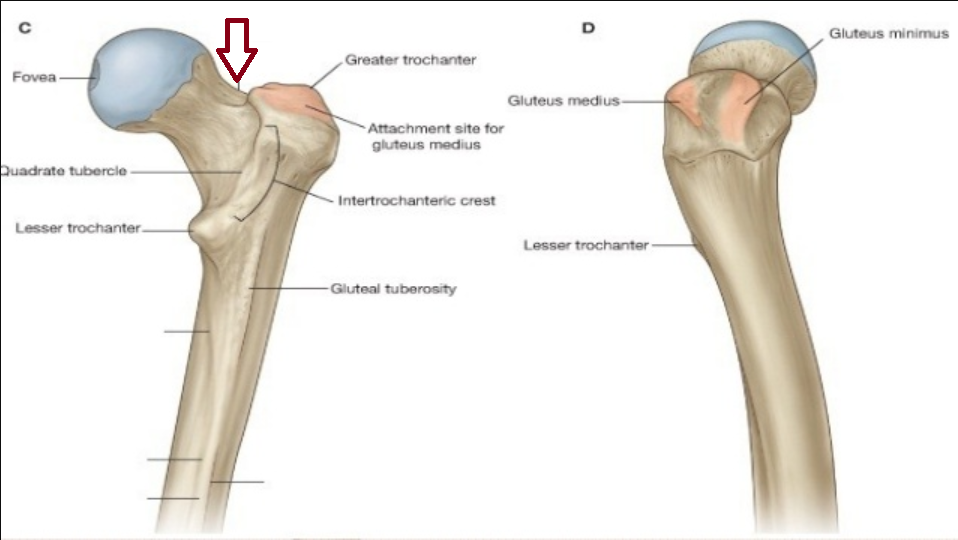
neck
The narrow region between the head and the shaft of a long bone
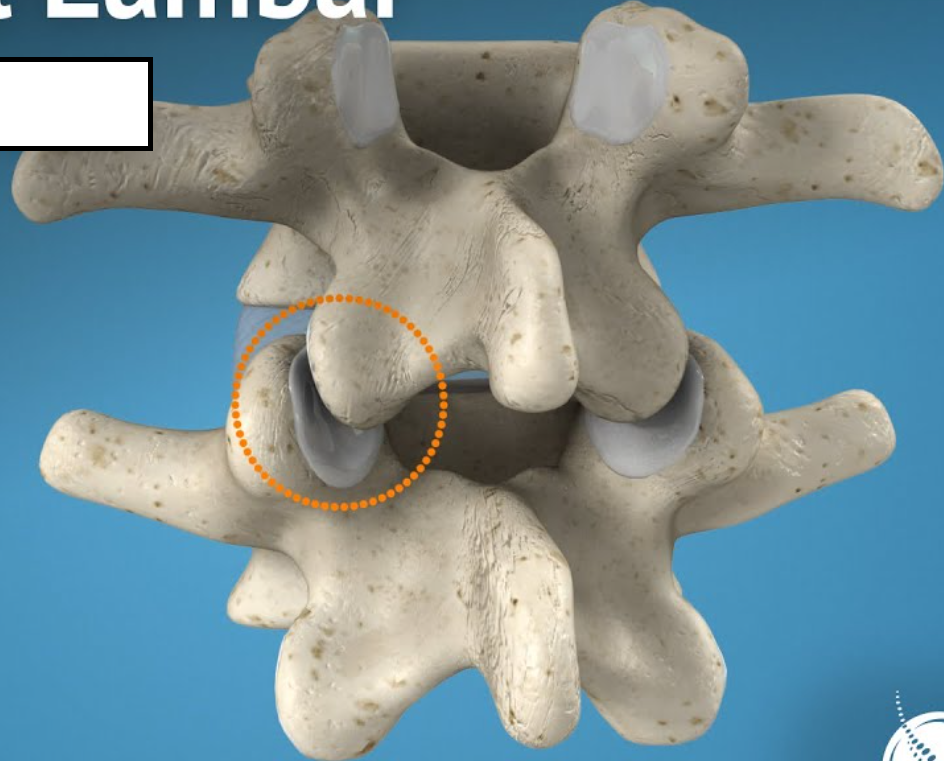
facet
Small, flat, smooth articular surface of a bone
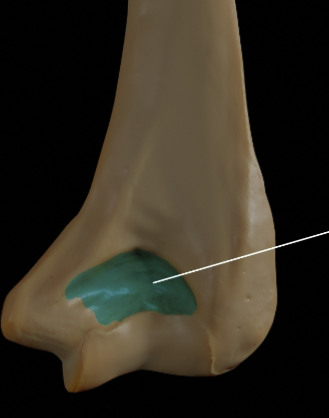
fossa
A shallow depression found in a bone serving as a socket, attachment place, or a space for another structure such as a gland or muscle
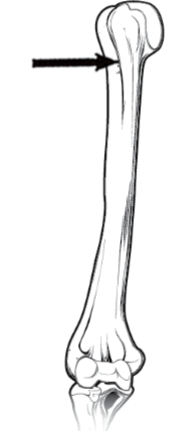
Sulcus
A groove on the surface of a bone acting as a channel for structures like nerves or tendons
Fontanelle
soft spots on infants heads. these gaps are composed of membranous connective tissue
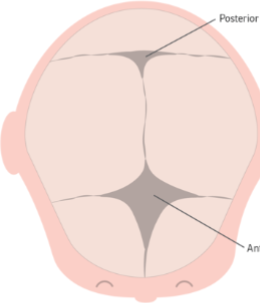
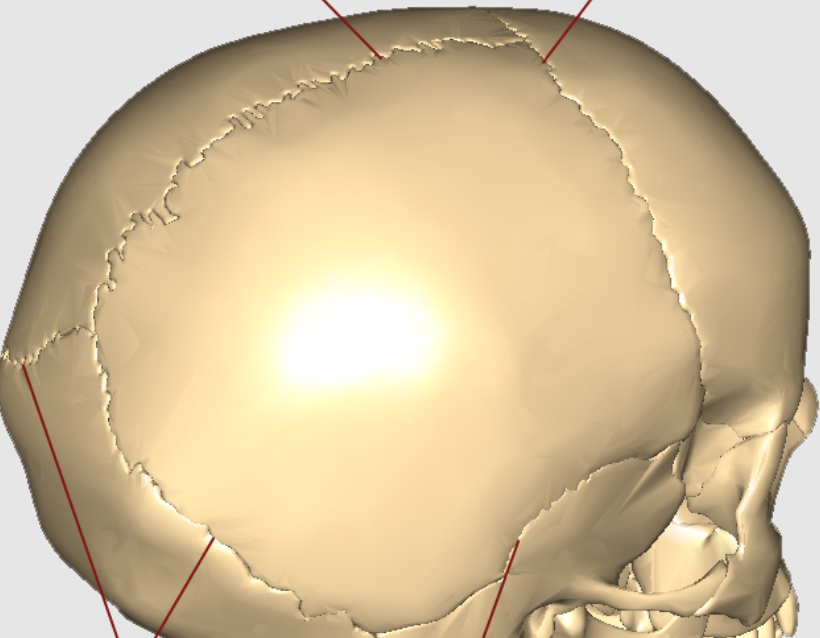
Suture
tough, inflexible fibrous joints between the bones of the skull that allow the brain and skull to expand during growth.
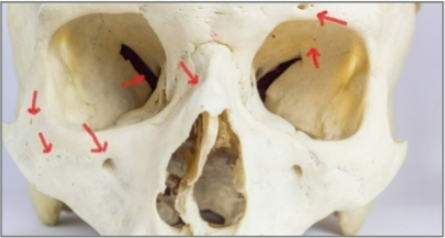
foramen
an opening or hole in tissue, usually a bone. allows blood vessels or nerves to travel from one side of tissue layer to another
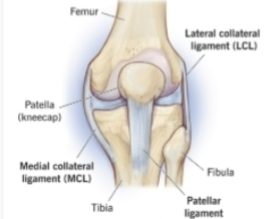
ligament
a tough, fibrous band of connective tissue that connects bone to bones and holds important body structures in place (joints and some organs)
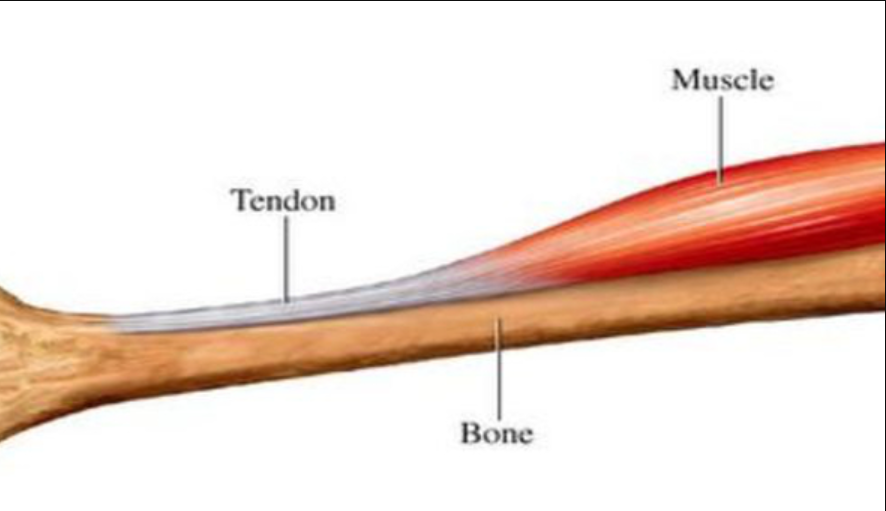
Tendon
Cords of dense regular connective tissue that attach skeletal muscles to bones
Aponeurosis
A tendinous sheet that attaches a broad, flat muscle to another muscle, or to several bones of the skeleton
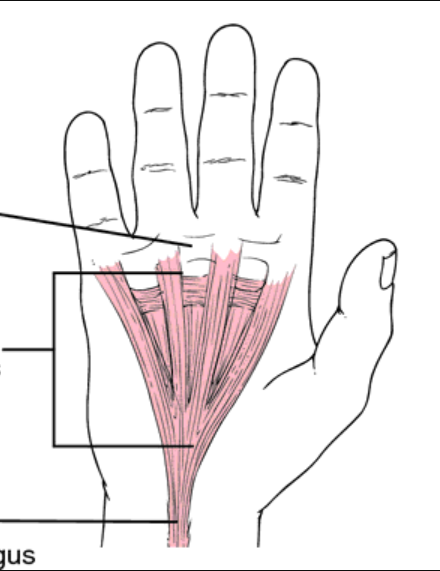
Origin
the fixed and stable point of attachment, usually connected to a bone that remains stationary or moves very little during contraction. This end is typically the less movable, more stable part of the muscle and is often located proximally, closer to the body’s midline.
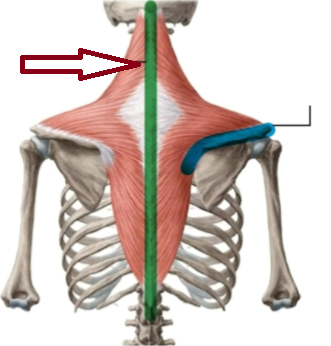
Insertion
Located opposite the muscle’s origin and attach to the more movable bone. Because of this, they play a key role in producing movement. Typically at the distal end of the muscle and has less muscle mass.
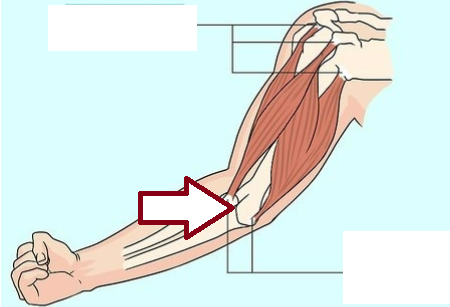
Action
Movement of a muscle and joints, including relaxing and contracting (movement + joint)
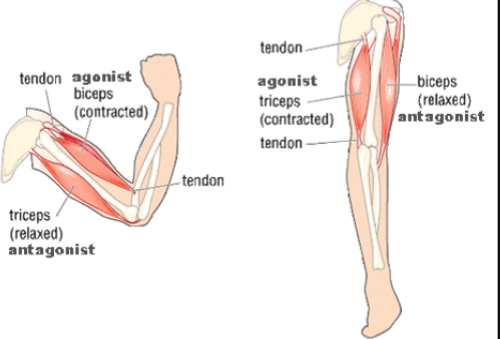
Agonist/Prime Mover
Principal muscle whose contraction leads to a certain movement or action
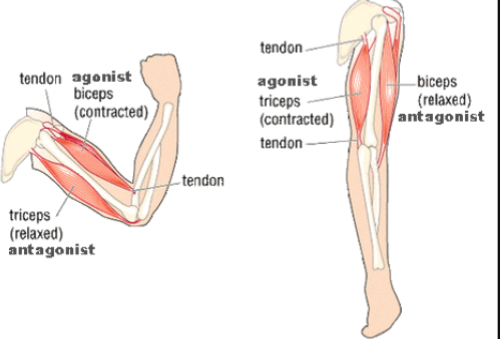
antagonist
a muscle that opposes the action of the agonist. Its job is to maintain body/limb position and to control rapid movement.
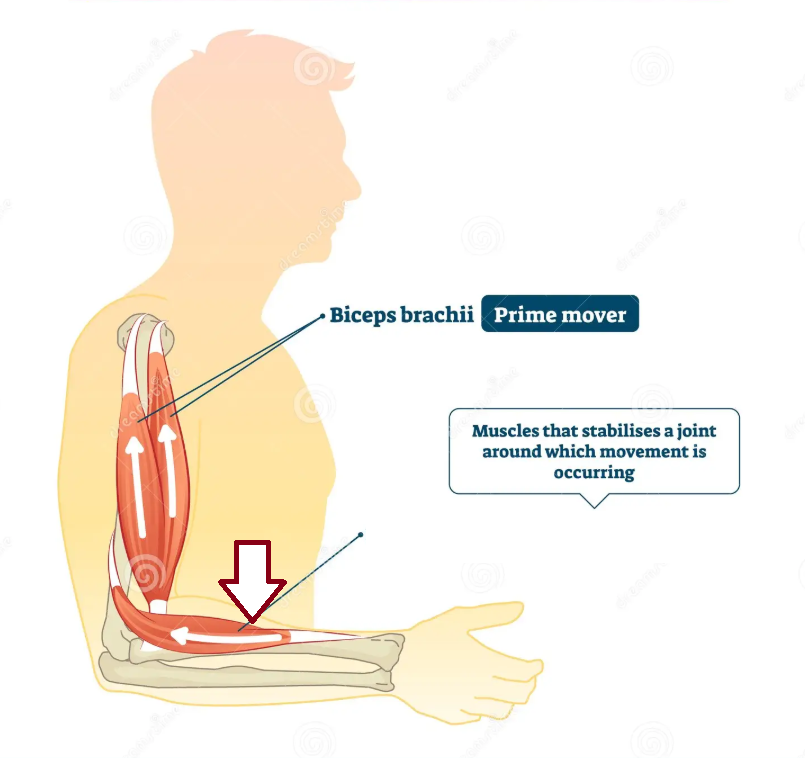
Synergist
a muscle whose contraction helps the prime mover in an action. Can also be a fixator that stabilizes a muscles origin.
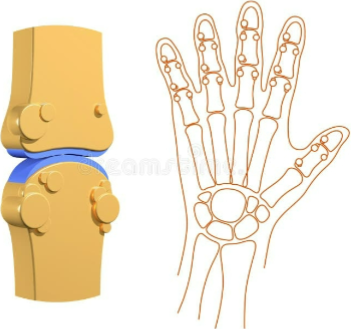
synovial joint
a connection between two bones consisting of cartilage lined with cavity filled fluid
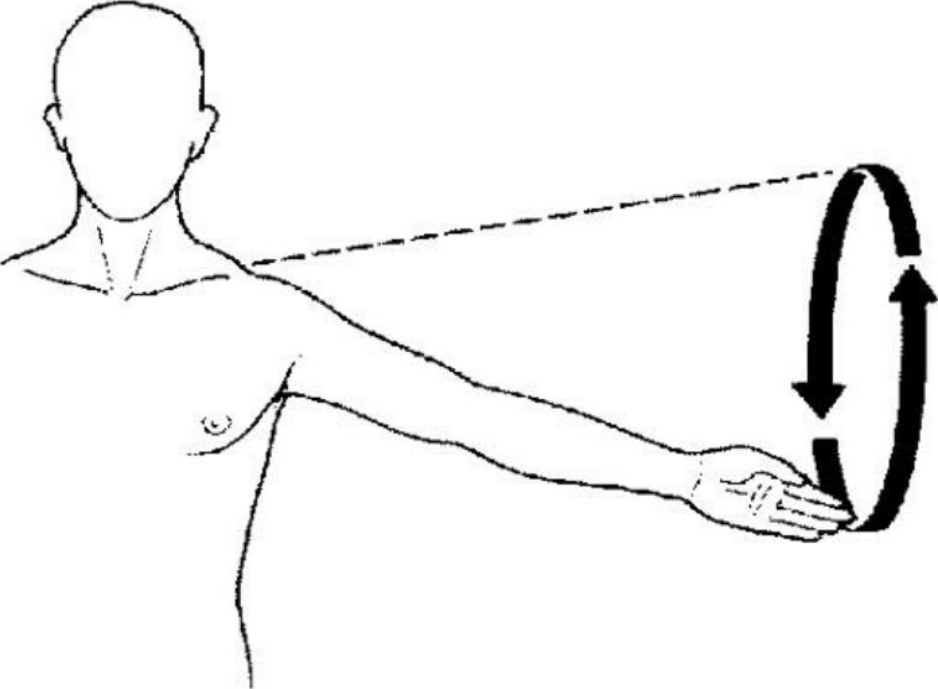
circumduction
the movement of a limb in a circle. can be limbs, fingers, or a hand in a circular pattern
Flexion
a movement that decreases the angle between 2 articulating, the opposite of extension
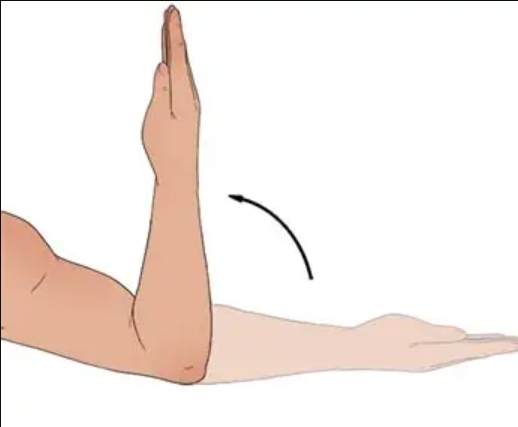
Extension
an increase in the angle between two articulating bones, the opposite flexion
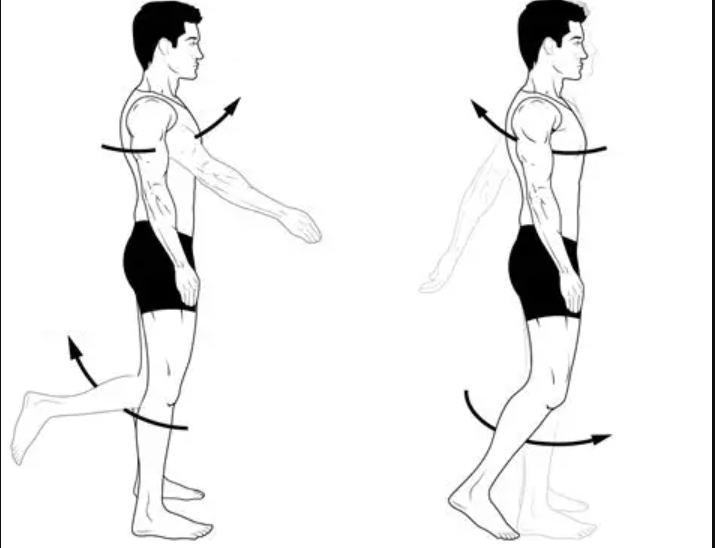
Hyperextension
extension continued past the anatomical position
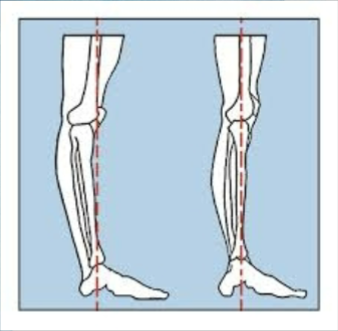
Abduction
moving the limb or hand laterally away from the body, or spreading the fingers or toes
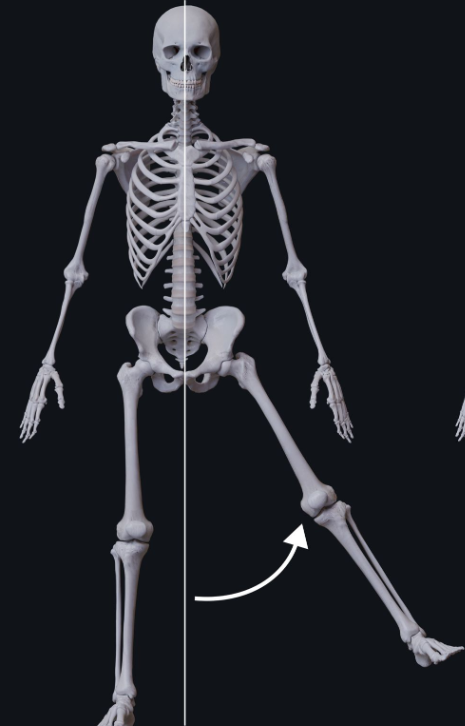
Adduction
brings the limb or hand toward or across the midline of the body or brings the fingers or toes together.
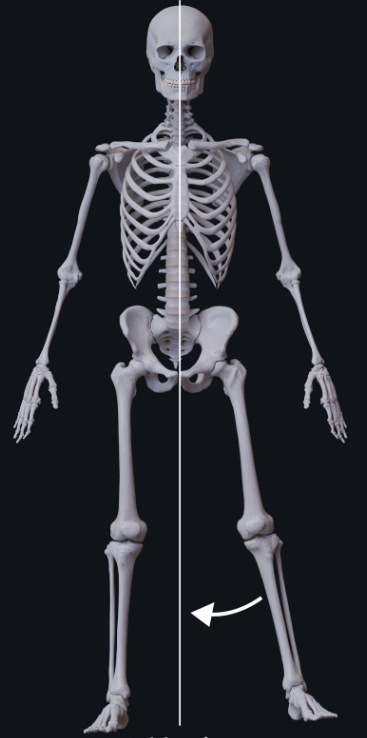
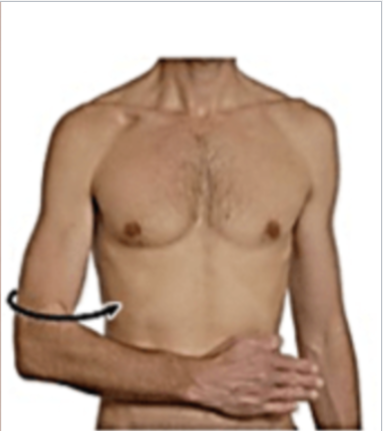
Lateral rotation
a rotating movement away from the midline.
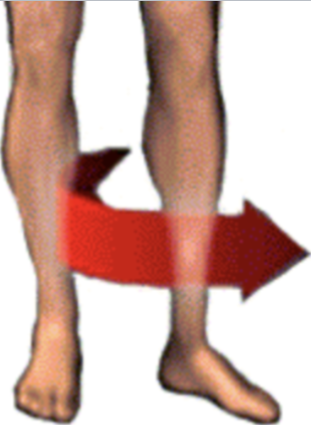
medial rotation
a rotating movement towards the midline
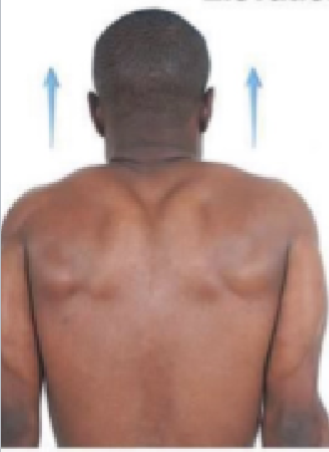
Elevation
Move a structure superiorly
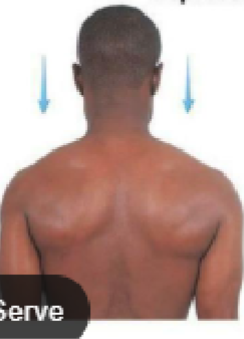
Depression
Move a structure inferiorly
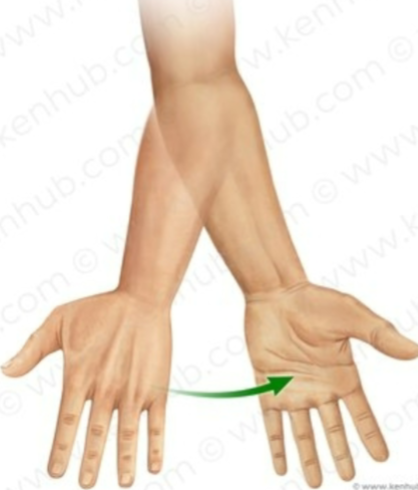
Supination
having the palms facing upward. Rolling along the outside of
the foot when we walk
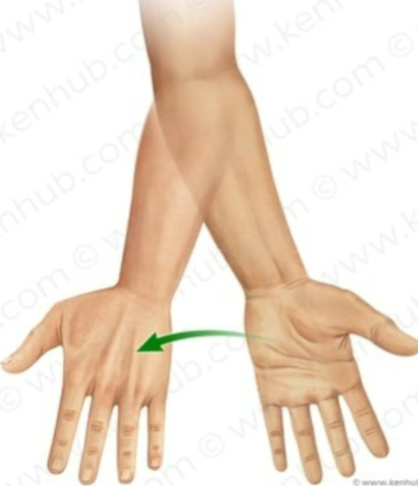
Pronation
having the palms facing downward. Rolling along the inside of the foot when we walk.
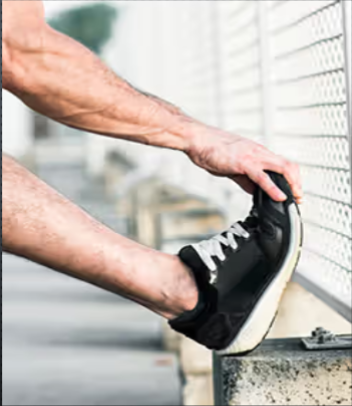
dorsiflexion
flexion of the foot in an upward direction
plantar flexion
movement of the foot where the foot or toes flex downward toward the sole
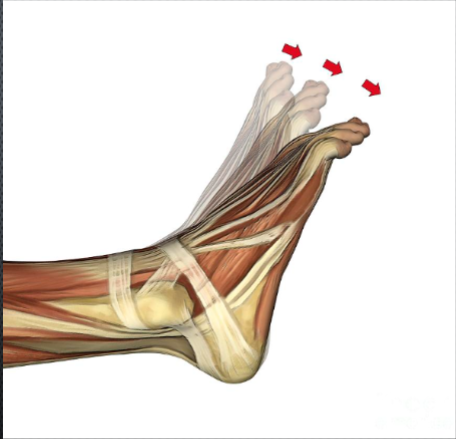
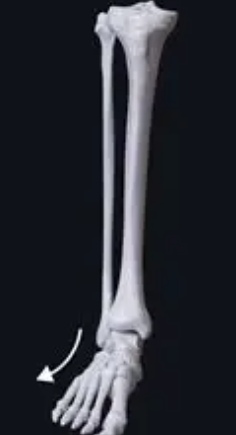
Inversion
involves the movement of the ankle, in which the sole of the foot moves toward the midline of the body.
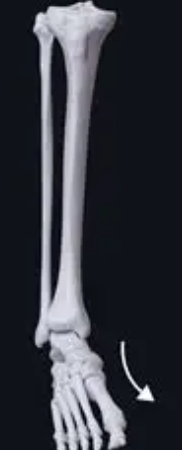
Eversion
involves the movement of the ankle, in which the sole of the foot moves away from the midline of the body