Lab 4 Protists
 Call Kai
 Learn
 Practice Test
 Spaced Repetition
 Match
 Flashcards
 Knowt Play
1/16

There's no tags or description
Looks like no tags are added yet.
17 Terms
Excavataa
A major supergroup of single-celled Eukaryota defined by an asymmetrical cell shape and a specialized feeding groove "excavated" from one side.
Key Characteristics
Feeding Groove: A distinct ventral cytostome used for suspension feeding, supported by microtubules.
Flagella: Most species move using two, four, or more flagella.
Metabolism: Many species feature modified or reduced non-functional mitochondria (such as mitosomes or hydrogenosomes) and thrive in low-oxygen environments.
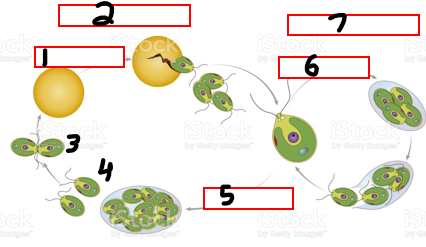
Life Cycle of Chlamydomonas
Meiosis
Sexual Reproduction
Zygote (2n)
Gamete (+,-)
Mitosis
Mitosis
Asexual Reproduction
Trypanosoma
a genus of unicellular parasitic flagellate protozoa that live in the blood, tissues, and bodily fluids of vertebrate hosts. They are known for their characteristic corkscrew-like movement and are primarily transmitted by blood-feeding invertebrate vectors (such as tsetse flies or kissing bugs)
Ex: T. cruzi (causes the disease American trypanosomiasis

Euglena
a large genus of single-celled, flagellated eukaryotic microorganisms commonly found in fresh and brackish water, as well as moist soils. Historically categorized with algae (phylum Euglenophyta) or protozoa, they are now formally placed in the phylum Euglenozoa (supergroup Excavata) because they blur the line between plants and animals

SAR
Systemic acquired resistance (SAR) in microbiology and plant pathology is an induced, broad-spectrum defense mechanism that turns a localized plant infection into a whole-plant immune response
Plasmodium
a genus of microscopic, unicellular protozoan parasites that cause malaria in humans and other vertebrates. They are obligate intracellular parasites, meaning they must live and multiply inside a host cell to survive

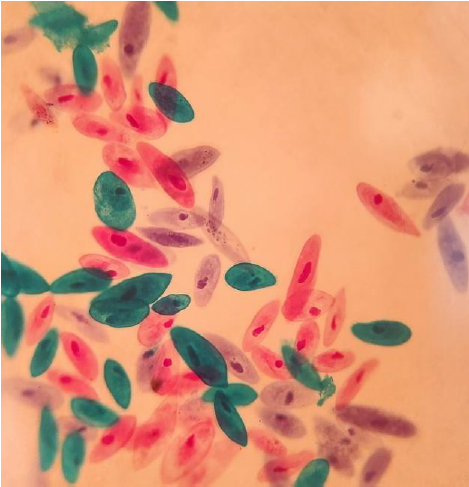
Paramecium
a genus of microscopic, single-celled (unicellular) eukaryotic organisms belonging to the phylum Ciliophora. They are famous for their slipper-like or cigar-like shape and are commonly studied in biology classes and laboratories
Diatoms
microscopic, unicellular (single-celled) algae belonging to the class Bacillariophyceae. They are famous for living in "glass houses"—their cell walls (called frustules) are made of hydrated, opaline silica (silicon dioxide) and feature intricate, geometric patterns

Brown algae and kelp
Not Plants: Despite having structures that look like roots, stems, and leaves, brown algae and kelp do not have true vascular tissue (xylem or phloem), flowers, or seeds. They evolved independently from land plants
Archaeplastida
a major group of eukaryotes defined by primary plastids (chloroplasts) that originated through an ancient primary endosymbiosis event—where a heterotrophic eukaryotic cell engulfed a photosynthetic cyanobacterium roughly 1.6 billion years ago
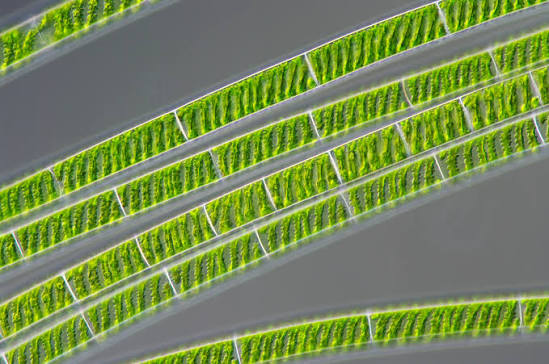
Spirogyra
a genus of free-floating, filamentous green algae belonging to the order Spirogyrales. Named for its distinctive helical or spiral-shaped chloroplasts inside each cell, it is a frequent sight in freshwater environments like ponds, shallow ditches, slow-moving streams, and the edges of lakes
Volvox
a genus of freshwater green algae (Chlorophyta) that forms hollow, spherical or oval colonies containing anywhere from 500 up to 60,000 individual cells embedded in a gelatinous matrix
They form daughter colonies

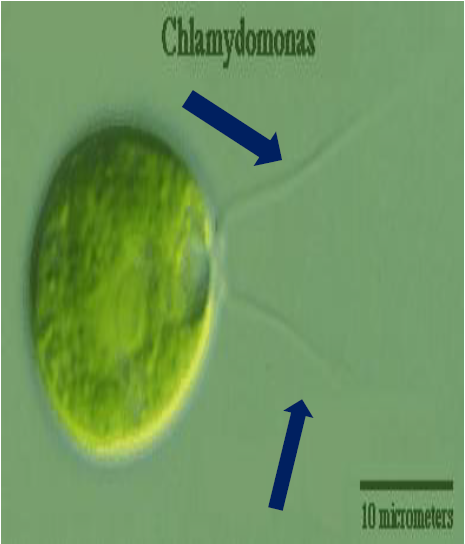
Chlamydomonas
a genus of single-celled green algae (division Chlorophyta) found widely in freshwater, damp soil, and snow
Look for dual flagella on mature cell.
Mature cells are haploid (n), and zygotes are diploid (2n).
isogamous.
Red algae
a large, ancient group of predominantly marine and multicellular seaweeds comprising over 7,000 to 7,500 species
It will be bright red.

Unikont
a major taxonomic supergroup of eukaryotes.
Amoeba
a single-celled eukaryotic organism that can constantly change its shape. Instead of having a fixed body structure, it moves and feeds by extending temporary projections of its cell cytoplasm called pseudopods ("false feet")

Slime molds
fascinating, brainless organisms that do not belong to fungi, plants, or animals, instead existing as unique protists.