Entomology Study Guide
 Note
 Call Kai
 Learn
 Practice Test
 Spaced Repetition
 Match
 Flashcards
 Knowt Play
1/49

There's no tags or description
Looks like no tags are added yet.
50 Terms
Insect Taxonomy (Kingdom - Class)
Kingdom - Animalia
Phylum - Arthropoda
Subphylum - Mandibulata
Superclass - Hexapoda
Class - Insecta
Apteryota
Adults (like immature) without wings.
Mnemonic - A GYATT = immature adults
Pteryota
Adults with wings
Mnemonic - PARENT = mature adults
Exopterygota
The wings develop externally on the nymph body.
Mnemonic - Exopterygota = external
Endopterygota
The wings develop inside of the body until adult emerges from pupa
Mnemonic - Endopterygota = enter = inside
Metamorphosis
The changes in form that occur as an insect approaches adulthood
Mnemonic: Metamorphosis = morph = change
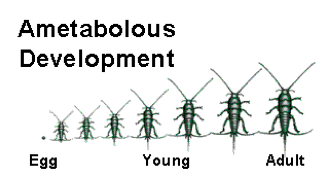
Ametabolous
Without metamorphosis; young resembles the adult but smaller
Mnemonic - Ametabolous = Ambitious = SMALL but MIGHTY
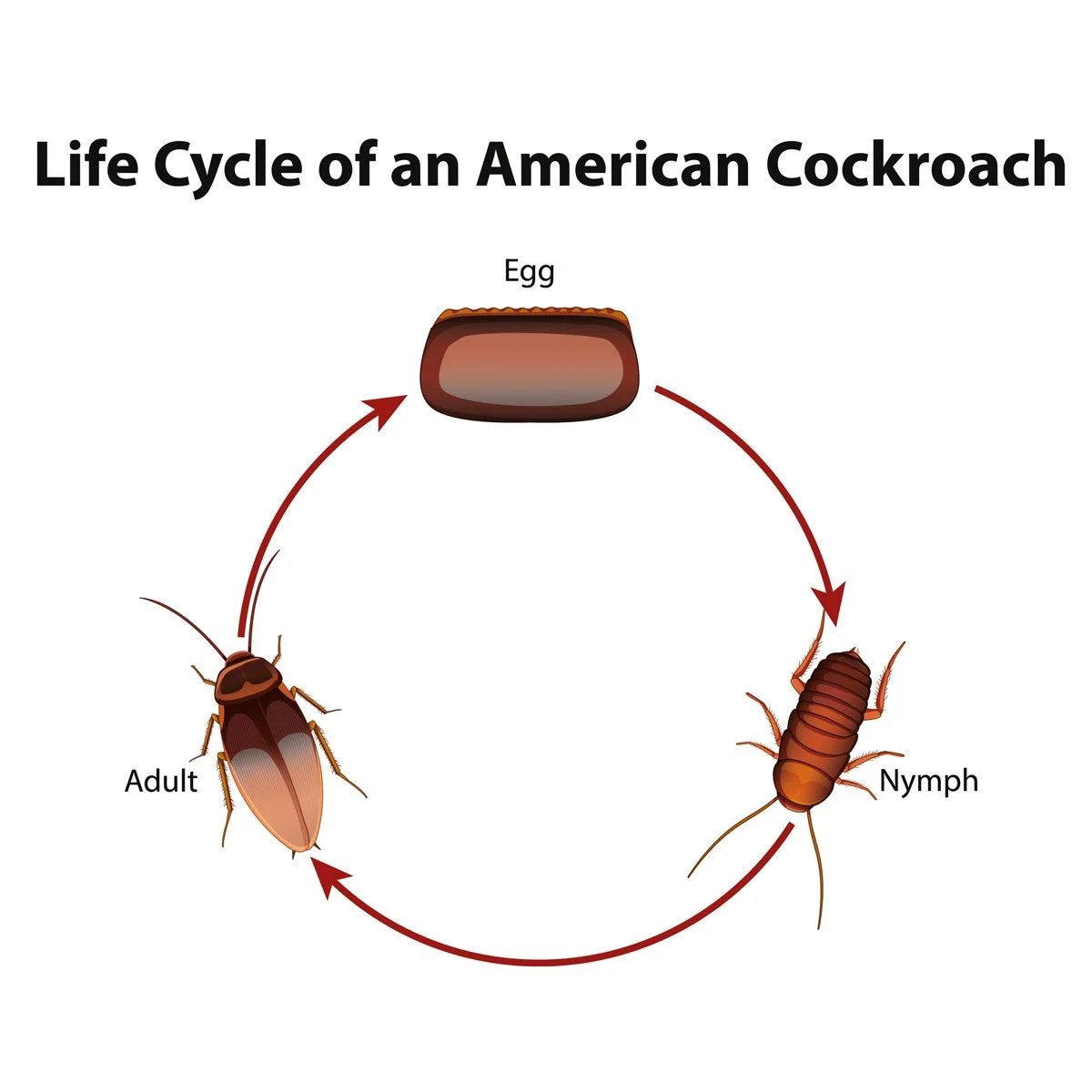
Hemimetabolous
Incomplete metamorphosis; egg, → nymph → adult
Mnemonic: Hemimetabolous = hemisphere = half = INCOMPLETE
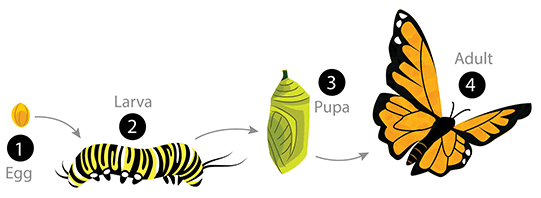
Holometabolous
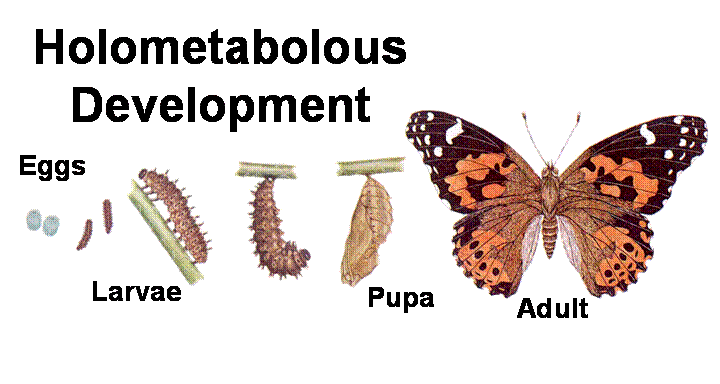
Complete metamorphosis; egg → larva → pupa → adult
Mnemonic: Holometabolous = hole = kinda sounds like WHOLE = COMPLETE
How many sections is the segmented body divided into? What are they?
3; head, thorax, abdomen
Does the mouth include mandibles?
Yes
How many pair(s) of legs are attached to the thorax?
3 pairs (or 6 legs)
How many pair(s )of antennae is on the insect?
1 pair (or 2 antennas)
What is the external skeleton called?
Exoskeleton
How many pair(s) of wings is attached to the thorax
(Usually) 1 or 2 pairs
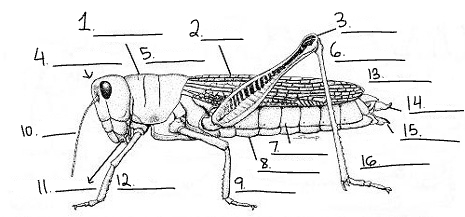
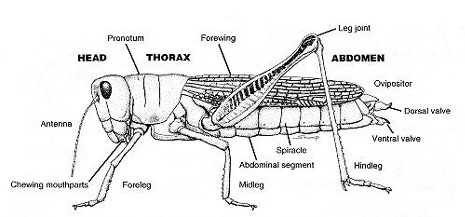
Label the parts (External Anatomy)
Pronotum
Forewing
Leg joint
Head
Thorax
Abdomen
Spiracle
Abdominal segment
Midleg
Antenna
Chewing mouthparts
Foreleg
Ovipositor
Dorsal valve
Ventral valve
Hind leg
How do ametabolous insects increase their size?
By going through successive molts
How do ametabolous insects develop their wings? What is it called?
They don’t develop wings. It is called Apterygota.
How do hemimetabolous insects develop their wings? What is it called?
The wings develop externally on the nymph body. It is called exopterygota.
How do holometabolous insects develop their wings? What is it called?
The wings develop inside of the body and it won’t be visible until the adult emerges from the pupa. It is called endopterygota.
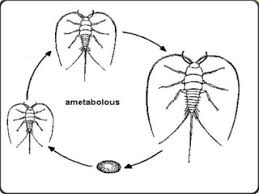
What is the life cycle for ametabolous insects?
Egg →young (looks exactly like adult, but smaller) → adult
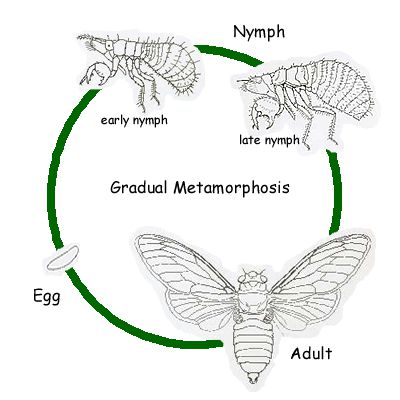
What is the life cycle for hemimetabolous insects?
Egg → nymph → adult
What is the life cycle for holometabolous insects?
What are the orders for ametabola & apterygota insects?
Protura (proturans, coneheads)
Dipula (diplurans)
Collembola (springtails)
Thysanura (silverfish)
Pigs Dance, Cats Talk
What are the orders for hemimetabola & exopterygota insects?
Ephemeroptera (mayflies)
Odonata (dragonflies, damselflies)
Blattodea (cockroaches)
Mantodea (mantids)
Isoptera (termites)
Grylloblattodea (ice insects)
Dermaptera (earwigs)
Plecoptera (stoneflies)
Orthoptera (crickets, grasshoppers, katydids)
Phasmatodea (walking sticks)
Psocoptera (book and bark louse)
Mallophaga (chewing lice)
Anoplura (sucking lice)
Thysanoptera (thrips)
Hemiptera (true bugs)
Homoptera (aphids, cicadas, hoppers)
What are the orders for holometabola & endopterygota insects?
Megaloptera (dobsonflies)
Neuroptera (dobsonflies, lacewings, antlions)
Coleoptera (beetles)
Strepsiptera (twisted-wing parasite)
Mecoptera (scorpionflies)
Siphonaptera (fleas)
Diptera (flies)
Trichoptera (caddisflies)
Lepidoptera (butterflies, moths)
Hymenoptera (ants, bees, wasps)
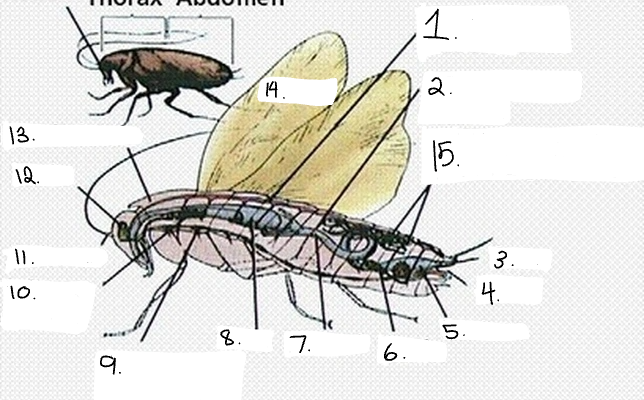
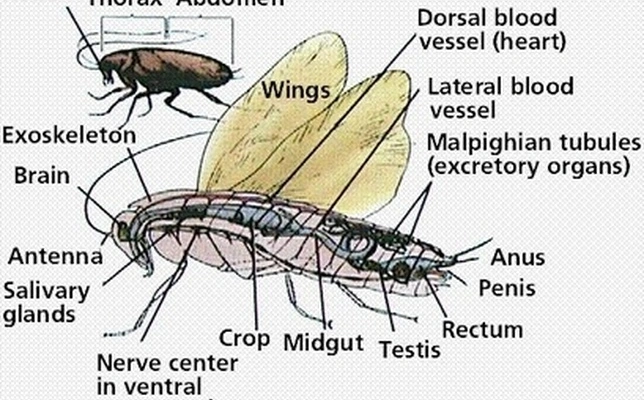
Label the parts (Internal Anatomy)
Dorsal blood vessel (heart)
Lateral blood vessel
Anus
PENIS
Rectum
Testis
Midgut
Crop
Nerve center in ventral
Salivary glands
Antenna
Brain
Exoskeleton
Wings
Malpighian tubules (excretory organs)
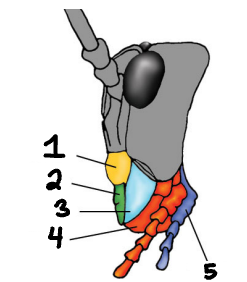
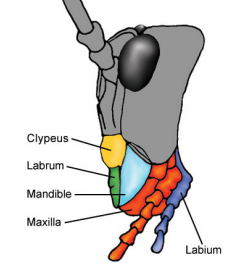
Label the mouth parts
Clypeus
Labrum
Mandible
Maxilla
Labium
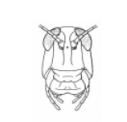
Identify this insect + what its mouthparts are specialized for
Grasshopper; chewing
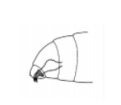
Identify this insect + what its mouthparts are specialized for
Maggot; sucking/mouth hooks
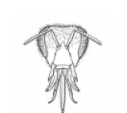
Identify this insect + what its mouthparts are specialized for
Bee; chewing/lapping
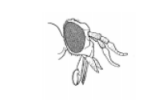
Identify this insect + what its mouthparts are specialized for
Biting fly; piercing/sponging
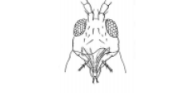
Identify this insect + what its mouthparts are specialized for
Thrips; rasping/sucking
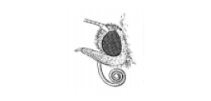
Identify this insect + what its mouthparts are specialized for
Moth; siphoning (mouthparts act like straws to suck out fluids)
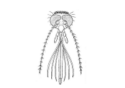
Identify this insect + what its mouthparts are specialized for
Mosquito; piercing/sucking

Identify this insect + what its mouthparts are specialized for
Beetle; chewing

Identify this insect + what its mouthparts are specialized for
Cicada; piercing/sucking
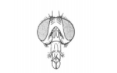
Identify this insect + what its mouthparts are specialized for
House fly; sponging
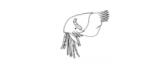
Identify this insect + what its mouthparts are specialized for
Flea; piercing/sucking
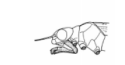
Identify this insect + what its mouthparts are specialized for
Dragonfly; chewing/raptorial
What do beneficial insects do?
Pollination of many flowering plants
Decomposition of organic materials
Recycling of carbon, nitrogen, and other essential nutrients
Control of populations of harmful invertebrates including other insects
Direct production of foods (such as honey)
Manufacture of products (such as silk)
What do insect pests do?
Damage crops
Household pests
Parasites
Biting + stinging insects
Prey on domestic animals
Eat human food, clothing, possessions
Destroy trees, wood, paper
P.S: There are 10k species
What diseases do mosquitoes transfer/related to?
Malaria
Arboviral encephalitides
dengue fever
Rift Valley fever
West Nile encephalitis viral infection
What diseases do ticks transfer/related to?
Lyme disease
Rocky mountain spotted fever
Tick typhus
What diseases do fleas transfer/related to?
Plague
What diseases do lice transfer/related to?
Lice infestation
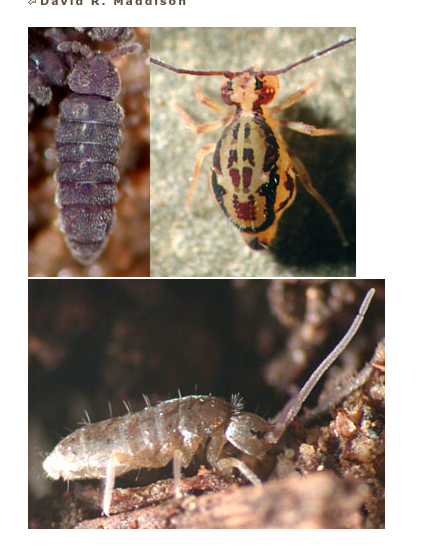
Identify this insect + order
Springtails (Collembola)
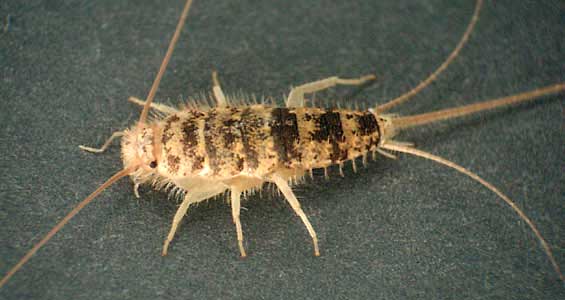
Identify this insect + order
Silverfish (Thysanura)
Characteristics:
body flattened
long cerci and median filament
compound eyes separate
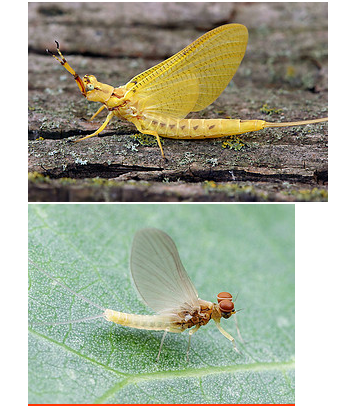
Identify this insect + order
Mayfly (Ephemeroptera)
Derived characteristics:
Fore legs of male elongated, used to grasp females in flight.
mouthparts of adults reduced, unsclerotised.
hind wings reduced, smaller than fore wings.
Thanks for studying ! Please practice making + using dichotomous keys as I believe that is apart of this unit :,(
P.S: Please use this website to learn the appearance of insects + FACTS!!! VERY IMPORTANT!! https://sib.illinois.edu/entomology/illustrations