Frequently repeated Primates
 Call Kai
 Learn
 Practice Test
 Spaced Repetition
 Match
 Flashcards
 Knowt Play
1/8

Earn XP
Description and Tags
describe their characteristics
Name | Mastery | Learn | Test | Matching | Spaced | Call with Kai | Chat |
|---|
No analytics yet
Send a link to your students to track their progress
9 Terms
Tarsiers
Class: tarsiers (they got their own class cause they evolved along a seperate lineage than anthropoids)
Nocturnal
faunivore
veritcal clinging and leaping
big ass eyes

Loris
Class: Strepsirrhine
nocturnal primate
They are slow and stealthy
mainly eating fruit and insects

Capuchin-cebus
Class: Cebidae
Relatively large and dexterous platyrrhine
arboreal quadruped with a prehensile tail, mainly used during feeding.
sexually dimorphic in body mass

Tamarin—Saguinus and Leontopithecus
class: cebidae
Small-bodied monkey with relatively long trunk, legs, and tail.
Eats fruit, insects, and exudates but lacks specialized gouging incisors.

Colobus Monkey
Class: Colobine
Mainly leaf eating:
Black an white colobus mainly eat mature leaves and seeds
red colobus prefer young leaves, and fruit a lil bit

Langurs and leaf monkeys
Class: Colobine
Primarily Asian leaf-eating monkeys
long limbs and tails, with quadrupedal locomotion with leaping
Coloration, habitat, diet, and social organization vary ( kinda like cline)

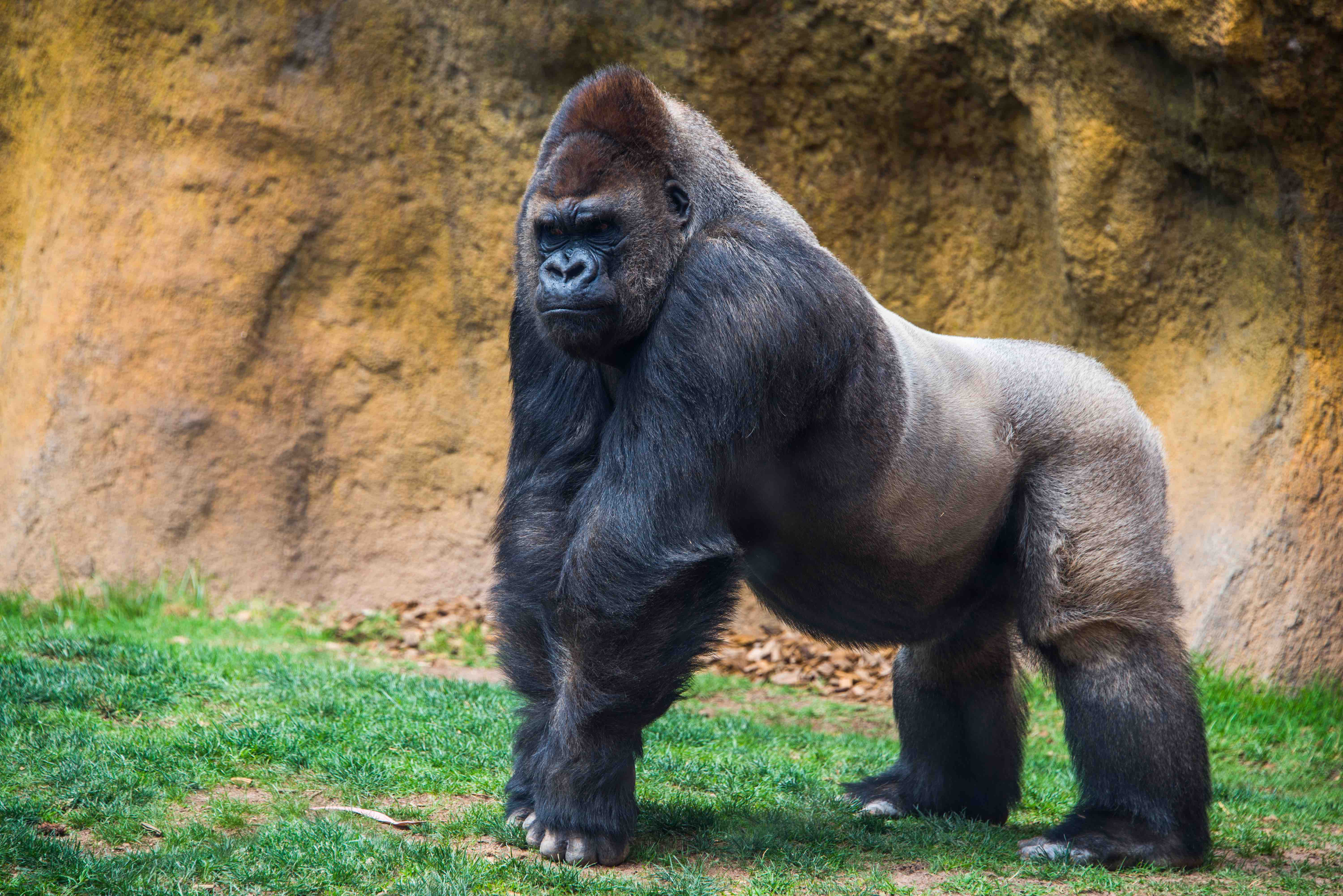
Gorilla
Class: Catarrhine-ape
Largest living primate with extreme sexual dimorphism
Quadrupedal knuckle-walker that eats leaves and fruit
Lowland gorillas are more arboreal
Chimpanzee-pan
Class: Catarrhine-ape
Arboreal and terrestrial knuckle-walker
Fission–fusion social organization
Eats mainly fruit and nuts but also leaves, insects, and hunted vertebrates
Repeatedly associated with tool use, termite fishing, and hunting.

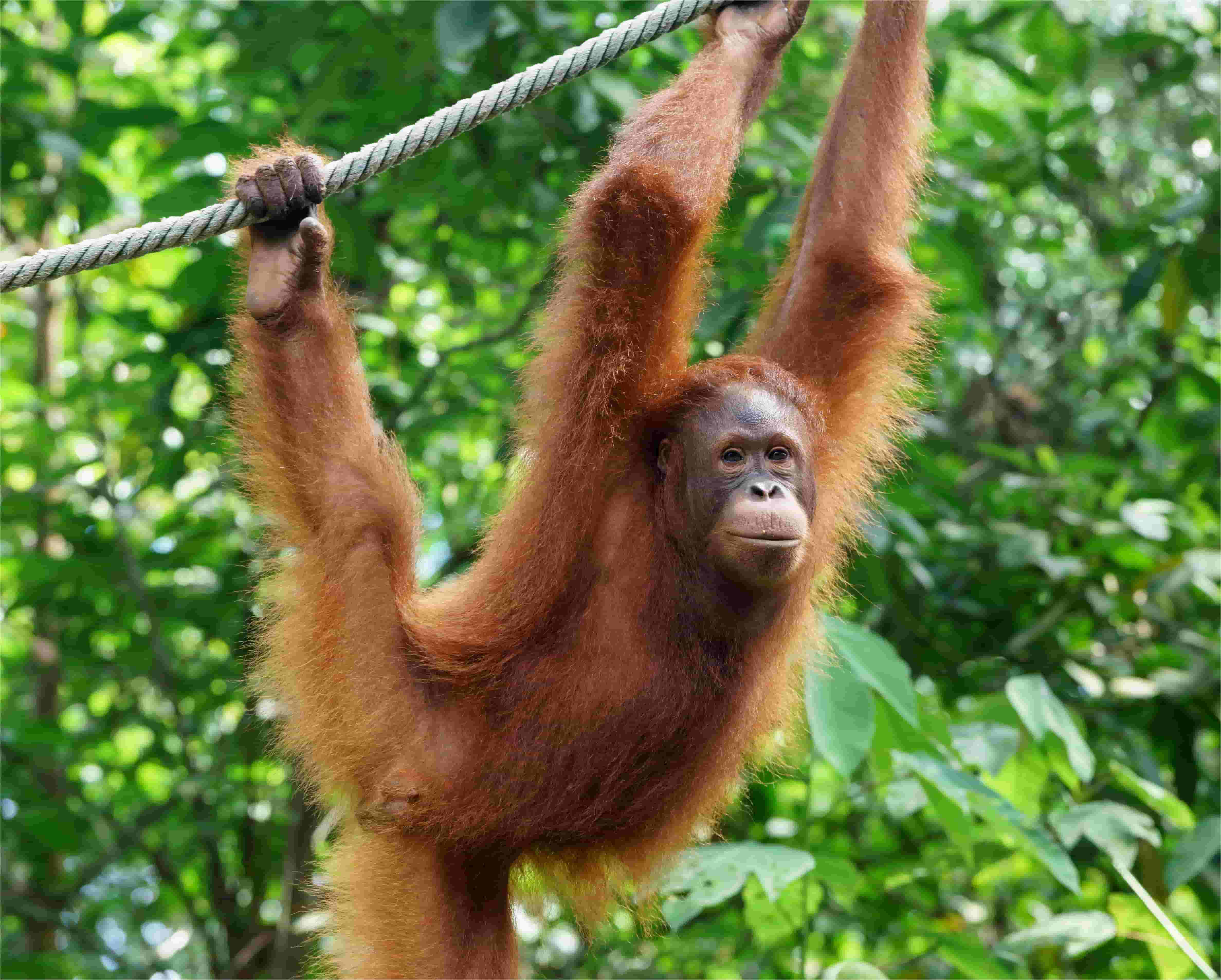
Orangutan—Pongo
Class: Catarrhine—ape
Largest living Asian ape
extremely arboreal, solitary, and strongly sexually dimorphic.
Adult males may occur in dramatically different flanged and unflanged forms.