OCHEM Exam 1
 Call Kai
 Learn
Learn Practice Test
 Spaced Repetition
 Match
Match Flashcards
 Knowt Play
1/100

There's no tags or description
Looks like no tags are added yet.
Name | Mastery | Learn | Test | Matching | Spaced | Call with Kai | Chat |
|---|
No analytics yet
Send a link to your students to track their progress
101 Terms
when drawing 3D molecules, a dash suggest that the ____
molecule is going into the page (like a GASH)
when drawing 3D molecules, a wedge suggest that the ____
molecules is coming out of the page (like a hedge)
Alkyl Halide
This is an alkane + halide (Cl, Br, I) (single bonds)
Alkene
this is when there is a double bond
Alkyne
this is when there is a triple bond
Alcohol

Ketone

Aldehyde

Carboxylic Acid

Acyl Halide

Ether

Thiol
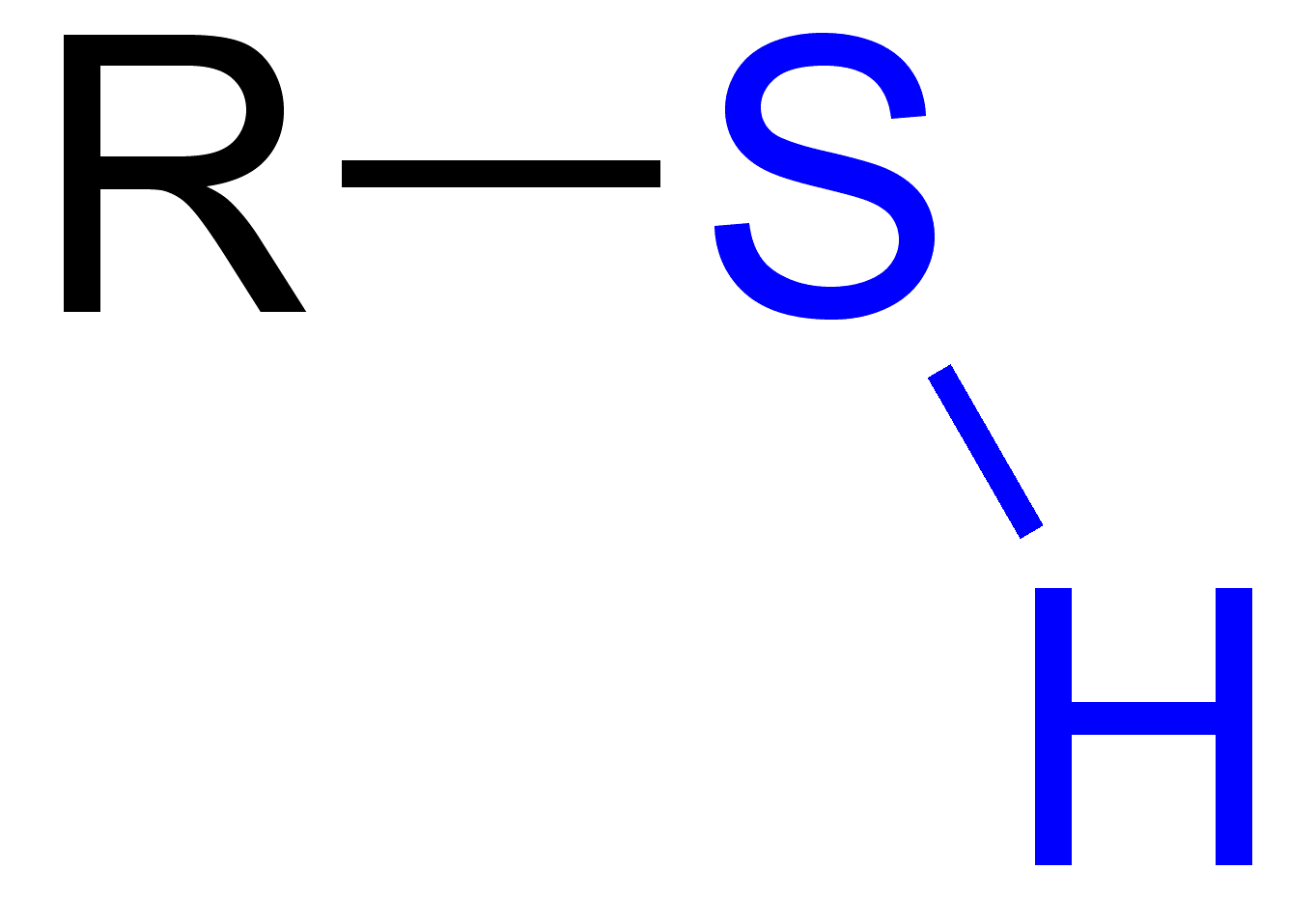
Sulfide

Aromatic Ring

Anhydride
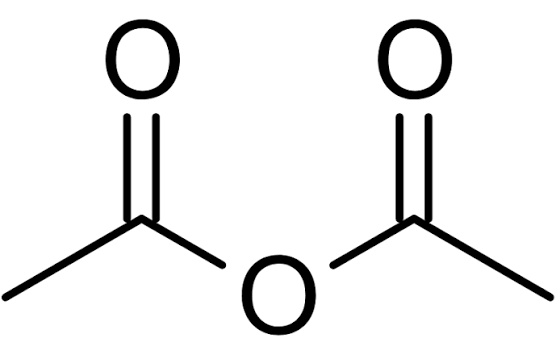
Ester

Amide

Resonance structures are in an
equilibrium
resonance structures are drawn with ____
brackets and a double sided arrow
Curved arrows are used to show ____
electron movement
the curved arrows starts where ____
electrons are currently located
the curved arrow ends where ___
electrons will end up
If we can draw resonance structures, it means that the electrons are _____
delocalized
When electrons are spread out, it increases _____
stability
don’t draw a curved arrow from a single bond____
single bonds break, no resonance
Amine

Induction
when electrons shift around and create a dipole moment
London dispersion forces
almost every molecule has these
Dipole-Dipole Force
when molecules line up their opposite charges (partial negative and partial positive attracted to each other)
Dipole-Dipole force on boiling point
= higher boiling points
More polar = higher _____
boiling point
Hydrogen Bonding
when lone pair of NOF is bonded to a hydrogen (these are electronegative elements attracting H)
more hydrogen bonding =
more dipole-dipole, gives us higher boiling points
branching decreasing ________
boiling point (they can’t stack on top of each other and easily exert connective forces)
Like dissolves ____
like (non polar dissolves non polar) (polar dissolves polar)
To be delocalized, a lone pair of electrons must be adjacent to an atom with
an unhybridized p-orbital
molecules with the same molecular formula can have different structures. these are called ____
constitutional isomers
atoms commonly bonded to Carbon include
C, N, O, H, Cl, Br, I , F
carbon forms ___ bonds
4
nitrogen forms _____ bonds
3
Oxygen forms _____ bonds
2
hydrogen forms _____ bonds
1
as internuclear distance increases (they get farther apart), the ____ increases
energy (and stability decreases)
the attractive forces between positive ___ and negative _____ keep bonds at optimal length
nuclei, electrons
Orbitals are clouds of _____
electron density
P orbitals have ____ and ___ sides
postive and negative (happy and sad)
A bond occurs when orbitals ______
overlap
When positive (happy) orbitals/waves overlap with each other, it creates _____
constructive interference (waves reinforce each other)
When a positive (happy) and a negative (sad) orbital overlap with each other, it creates _____
deconstructive interference (waves cancel each other and create a node)
Molecular orbital theory:
have blobs that can overlap and can create
constructive interference, we get a _____
bond
degenerate orbitals mean they are _____
equal in energy
think of ethylene hybridization:
how many bonds does the carbon make? 3
This means it is sp2
this means that its s orbital and 2 of its p orbitals will be combined to make lower energy orbitals
this means that one s orbital remains up at the top, unhybridized and still higher energy
s orbital makes bonds _______
shorter (the more s character it has, the shorter it is) and vice versa
Sigma Bonds
head on over lap
what do the unhybridized p orbitals do?
they create side to side pi bonds
Pi Bond
side to side overlap
Which is weaker, pi or sigma bond?
Pi bonds are weaker because there is less surface overlap, farther apart.
when a molecule has a triple bond and is sp:
they make two pi bonds, because there are 2 unhybridized p-oritals that are overlapping
when there is a double bond (sp2), there is one ____ and one _______ bond
sigma and pi (because there is one unhybridized p orbital
When there is a triple bond (sp), there is one ______ and two ____ bonds
sigma and two pi bonds. this is because there is two unhyrbidized p orbitals that can overlap to create these side to side pi bonds
to flashcards on molecular geometry
do it bro
when drawing skeletal structures, if there is no charge on oxygen, it means that there are ____
two lone pairs and 2 bonds (cancels with the 6 valence electrons)
when drawing skeletal structures, if there is a negative charge on oxygen, it means that there are ____
3 lone pairs and one bond
if there is a positive charge on oxygen, it means that there is
3 bonds and one lone pair
if there is a no charge on nitrogen, it means that there is
3 bonds and 1 lone pair
if there is a - charge on nitrogen, it means that there is
there will be 2 bonds and 2 lone pair
if there is a + charge on nitrogen, it means that there is
4 bonds and no LP
when it comes to delocalized p-orbitals and resonance, these electrons are flowing between
the unhybridized p orbitals in sp and sp2 structures. The lone pairs of adjacent atoms are located in their own p orbitals, which can interact with these unhybridized orbitals. (motion of electrons going back and forth keep it strong and stable)
when drawing resonance structures, push the electrons that are in a double bond up onto an atom to make ____
a lone pair
when drawing resonance structures and shifting around double bonds, you can’t just shift a double bond to the left on a carbon on the edge because that is saying it is double bonded to an oxygen, which can’t happen. INSTEAD you make something called ____
an anionic carbon, which means it has a lone pair
What are the five bonding patterns when making resonance structures?
allylic lone pair
allylic carbocation
a lone pair adjacent to C+
a pi bond between two atoms of differing electronegativity
conjugated pi bonds in a ring
vinyllic atoms are positioned ____ a double bond
IN
allylic atoms are positioned ______ to a double bond
next to, adjacent to
Pattern #1: when drawing the delocalization of allylic lone pairs, the LP travels towards ____
the double bond (the double bond and lone pair essentially swap place)
Pattern #1: carrying charges
when you move a lone pair in a negative atom, the lone pair follows the negative atom
when you move a lone pair in a neutral atom, where the lp one was is now positive and where the lone pair is now is now negative
Pattern #2: Allylic carbocation
we want to neutralize a plus charge because carbon DOES NOT like being positive
essentially shifting positive charge
if we see conjugation, more than two
Pattern #3: LP adjacent to carbocation
You move the lone pair to neutralize the positive charge on carbon
Pattern #4: a pi bond between two atoms of different electronegativity
you can make structures that don’t fulfill an octet, while they don’t exist often, they still do
electrons in a pi bond (a double bond) are more attracted to an electronegative atom and will become a lone pair on that atom, getting rid of the double bond
Pattern #5: conjugated pi bonds enclosed in a ring
because they are conjugated, the p orbitals are overlapping (double bond)
pi bonds can be pushed over one position, clock wise
Assessing most significant resonance structure form
have the most number of filled octets
have fewer formal charges (neutral is more stable)
a structure with a negative charge on the more electronegative (more stable/happy)
equally good lewis structures are equally good (equivalent contributors)
what does it mean to draw a resonance hybrid?
draw a dotted line to show the movement between the two forms
how to tell if skeletal structures have higher or lower boiling points?
long bent structures have more effective London dispersion forces and can stick together better = higher boiling point
Acid ____ a proton
donates
Base ____ a proton
accepts
conjugate base:
what forms when the acid gives away its proton
conjugate acid:
what happens when the base accepts the H
negative charge and lone pairs
probably a base
has a proton
probably an acid
Base ___ the proton and the electrons that are in the bond ___ with the acid
takes and stay
Base uses a lasso of ____ to take ____
electrons — the hydrogen from an Acid
A strong acid or base are more -____
REACTIVE:
Strong base: will take any hydrogen it sees
Acid: will lose hydrogens easily
Lower pKa means:
the STRONGER the acid
When an acid loses a proton, it forms a ______, which has a ____
conjugate base, lone pair of electrons
To determine the stability of the conjugate base, you have to look at the stability of the _____
lone pair
If a conjugate base is very stable, we have a ______
strong acid
Priority Scale: What factors affect the stability of negative charge? (ARIO)
type of atom that carries the charge
resonance
inductive effects
the type of orbital the charge resides in
Which is the stronger acid? #1: type of atom
First thing you do, is draw a conjugate base
more electronegative atom is more stable because it is more electronegative and likes being negative emore
Which is the stronger acid? #2: resonance
if a compound has more resonance structures, it is more stable because it spreads out charge
draw conjugate base, scribble out H, add negative charge
more acidic = conjugate base more stable = more resonance
Which is the stronger acid? #3: induction (dipole-dipole)
electronegative groups decrease the pKa (stronger acid)
dipoles stabilize conjugate base, stabilizing charge across molecule even further
more induction = more stable = stronger acid