coral reef final
 Call Kai
 Learn
 Practice Test
 Spaced Repetition
 Match
 Flashcards
 Knowt Play
1/122

There's no tags or description
Looks like no tags are added yet.
123 Terms
list and describe the 5 classes within the phylum Cnidaria.
Hydrozoa - alternate between polyp and medusa stages
Anthozoa - only occur as polyps
Scyphozoa - true jellyfish
Cubozoa - box jellies, cuboidal medusa form, groups of tentacles from each edge
Staurozoa - no alteration between forms, only attached medusa stage
what are the two subclasses of the class Anthozoa?
Hexacorallia - 6 fold symmetry, colonial, many secrete CaCO3 skeleton
Octocorallia - 8 fold symmetry, colonial, generally ahermatypic, skeleton is typically spicules or sclerites
what are the 3 relevant orders of subclass Hexacorallia?
sea anemones - ahermatypic
black coral - ahermatypic
hard coral - hermatypic
what are the 5 orders of subclass Octocorallia?
blue corals - hermatypic
pipe organ corals - hermatypic
soft corals - ahermatypic
sea pens - ahermatypic
gorgonians - ahermatypic
explain Darwin’s paradox on reefs.
his question: How can such high production exist in such low nutrient conditions?
answer:
amount of photosynthetic tissue is so high, so primary productivity is high (zooxanthellae, phytoplankton, CCA, macroalgae)
but photosynthesis requires nutrients…
effective capture of nutrients through efficient phytoplankton capture (“wall of mouths” (fish))
rapid recycling of organic matter from dissolved to particulate (DOM to POM) including the sponge loop
external nutrient inputs including the island mass effect and seabird derived nutrients
explain the symbiosis between corals and zooxanthellae.
zooxanthellae gets protection in the form of living inside host tissue, coral gets UV protection
zooxanthellae get nutrients like N and P, coral gets sugar important for growth and reproduction
zooxanthellae get CO2 from coral respiration, coral gets O2 from zooxanth. photosynthesis

label this diagram of coral anatomy.

give an example of relationships within the coral holobiont
zooxanthellae
algae get protection and shelter, coral gets sugars and UV protection
bacteria
bacteria get protection and shelter, coral gets nutrient cycling
viruses
gene transfer
fungi
antimicrobial activity

what is morphological plasticity with one example
ability of an individual coral to change its physical form or structure in response to environmental conditions
example: corals in low-light conditions may develop a flattened, plate-like morphology to maximize light absorption
what are the 3 coral feeding strategies?
autotrophic- energy from zooxanthellae
heterotrophic- energy from capturing food
mixotrophic- most Scleractinian corals combine methods, gain flexibility this way
what are 3 reason coral mucus is released?
prevents against environmental stresses - dessication, radiation, sedimentation
capture food
release carbon
list and describe the 6 coral asexual reproduction methods?
fission = intra-tentacular, new polyp is formed by the oral disc (mouth)
budding = extra-tentacular, new polyp is formed from tissue between existing polyps
polyp balls = polyps form on the underside of parent and eventually break off
asxual brooding = asexual production of planula larvae that are genetically identical to the parent colony
polyp bailout = under environmental stress, polyps can break their connective tissue, emerge from their corallite, and float off
fragmentation = breakage of small sections of coral
define the two types of coral sexual reproduction.
brooders
internal fertilization
sperm released via the mouth of male corals, taken in via the mouth of female polyps
embryo maintained within the coelenteron until settlement-competent larvae can be released (already contain zooxanthellae)
broadcast spawners
external fertilization
eggs and sperm are released into seawater where fertilization occurs
gametes meet in water to form ciliated, free-swimming planula larvae (do not contain zooxanthellae)
compare brooders and broadcast spawners (advantages of each)
spawners:
safety in numbers (more sperm and eggs released)
greater genetic diversity (carried in currents over distance)
requires less energy
brooders:
fewer but better developed planulae
less chance of getting eaten (can settle immediately)
can release planulae at any time, already in planktonic stage

label the life cycle of a coral

synchronous mass spawning events (coral)
maximizes chance of fertilization and increases genetic variability
seasonal. water temperature initiates gonad development
half of all GBR corals release gametes at the same time
planulae
ciliated larvae, drift in open water for days to weeks before settling down, main means of long-distance dispersal of corals, how corals can cross genetically
coral growth
calcium is taken up from the water to form the coral skeleton in the form of CaCO3
what 3 basic reactions does coral growth require?
photosynthesis (zooxanthellae)
respiration
calcification
what are some potential reasons why the Coral Triangle is so coral-rich, the “global epicenter of marine biodiversity”?
tectonic activity has created complex, shifting habitats that promote species diversification
ocean currents converge, bringing larvae from Indian and Pacific oceans (genetic exchange)
warm, stable conditions support high productivity and long-term survival
list and differentiate the 3 types of reefs?
fringing reefs = close to shore, shallow or no lagoon
barrier reefs = parallel to shore, separated by wide, deeper lagoon
coral atolls = roughly circular, surrounding a lagoon

label the zonation of a fringing reef

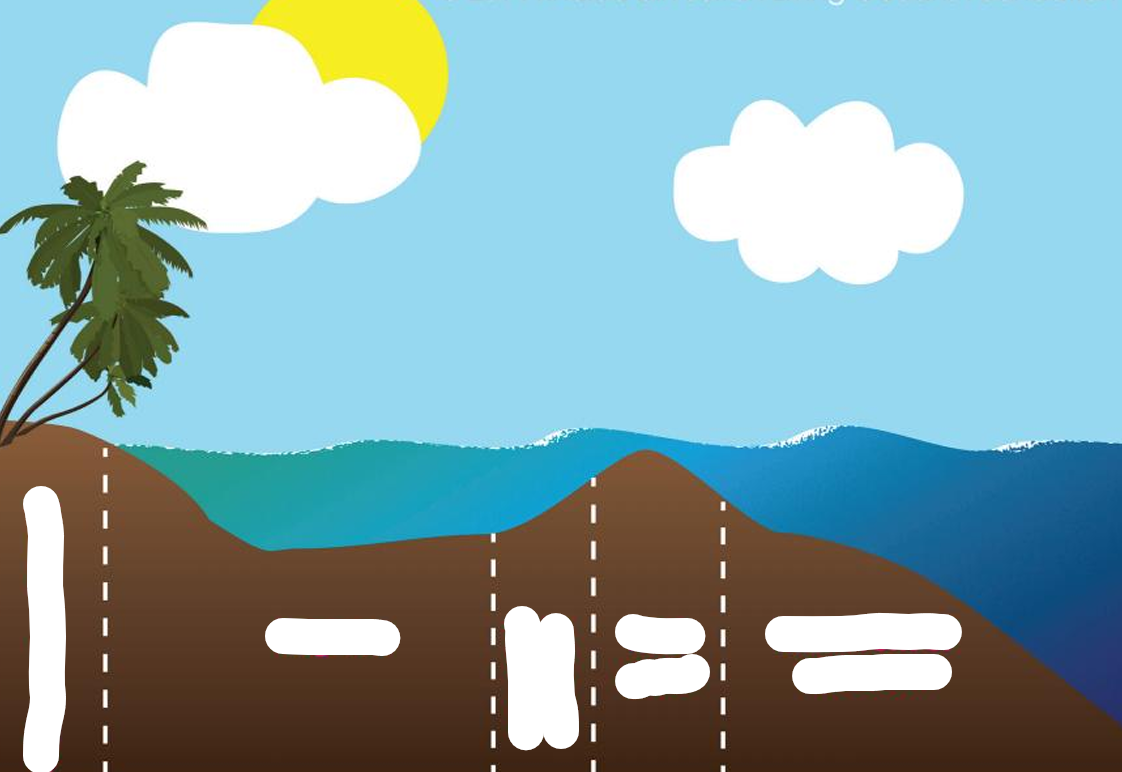
label the zonation of a barrier reef

Darwin’s theory of atoll formation
proposes that coral atolls develop around sinking volcanic islands.
as the island subsides, corals continue to grow upward, forming a progression from fringing reef to barrier reef, and eventually to an atoll once the island is fully submerged

what are 4 factors that make reef flats such a challenging environment?
physical stress - heat, drying, light and air exposure
pulse events - rain, winds, storm
no time to recover
limited refuge
which zone of the reef is the ideal habitat for coral growth?
shallow fore-reef slope
functional redundancy
multiple species perform similar ecological functions, so the loss of one species may be partly compensated for by others
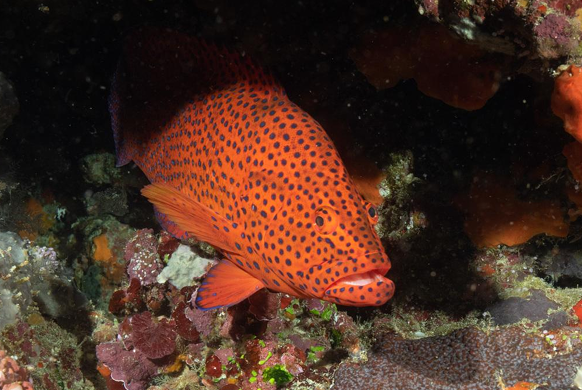
groupers
includes largest reef fish
protogynous - sex change FTM
usually invertebrate and fish predators
snappers
fish and invertebrate predator
occupy reefs and adjacent coastal habitats

parrotfish
dominant herbivores (scrapers and excavators)
protogynous - sex changes FTM

damselfish
herbivores
“garden” algae patches

how is high reef-fish diversity maintained within local communities?
niche partitioning - species reduce competition by using different resources, habitats, or times within the same environment
lottery hypothesis - larval arrival influences which similar competitor occupies a vacant space
variable recruitment - larval supply, settlement, and early survival vary through space and time
predation and disturbance
habitat complexity
what are three reasons that reef fish are so colorful?
to hide in plain sight - bright colors help them hide in a colorful environment
helps identify their own species
aposematic coloration - warning colors to deter predators
sponges (phylum Porifera)
filter water and play an important role in recycling nutrients and organic matter
sponge loop: sponges rapidly absorb DOM then release it as solid cellular waste that feeds the reef
sea cucumbers (phylum Echinodermata)
act as bioturbators - keep sediments healthy and oxygenated
play a key role in nutrient cycling
heavily exploited
sea urchins (phylum Echinodermata)
play a critical role in the grazing and removal of algae
giant clams (phylum Mollusca)
largest bivalve, have zooxanthellae
CaCO3 shells contribute to reef framework and can provide a substrate for settlement of reef organisms
under pressure from overfishing
what are broad based assessments and two examples?
show how typical of the area the site is, how complex or simple the communities are, can yield semi-quantitative comparative data
ex: manta tow, timed/ metered swims
what are three examples of percent cover estimates?
PIT
LIT
photo quadrant analysis
point intercept transect (PIT)
identify cover at defined points
ReefCheck method: 20 meter lines, data taken every 0.5 meters

line intercept transects (LIT)
continuously identify cover under straight transect
compare LIT and PIT (advantages/ disadvantages)
PIT
rapid, allows more replicate transects in dive time
less detail, no information on sizes
LIT
high detail, information on sizes
slower, time intensive may mean less replicates
belt transect
not just benthic like PIT/ LIT, gives density and relative abundance of fish and invertebrates
ReefCheck method: 5 meters wide, 20 meters long
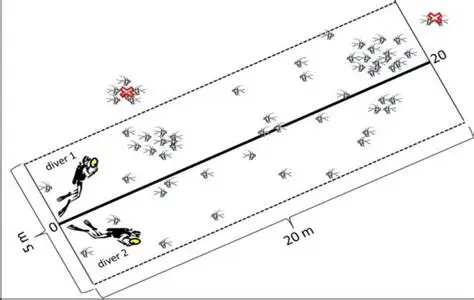
what is the difference between belt transect and PIT/ LIT survey methods?
belt transect gives information on fish and invertebrates, where PIT/ LIT are solely benthic
underwater visual census (UVC)
measuring fish communities, have a 3D cubelike space to measure
count all target individuals and estimate length
can be used with biomass formula to calculate biomass

label the life cycle of a coral reef fish

spawning aggregations (fish)
spatially and temporally discrete gatherings for the purpose of reproduction
fishing during this season is harmful
why do so many marine species spawn in aggregations?
concentrate the gametes for broadcast spawners
utilize the dispersal capacity of water currents
reduce predation risk if higher numbers in limited time frames
pelagic larval duration (PLD)
starts at hatching and ends at the arrival on the reef
lasts 3-6 weeks
feed on zooplankton
delays can happen when larva cannot find a suitable habitat to settle
settlement
post-larvae (juveniles) identify suitable habitat to settle, mortality rates within the first year are high (80-90%)
ontogenetic habitat shifts
changes in the physical environment or habitat use that occur as a reef fish grows from a juvenile to an adult
give two examples of mutualism on the reef.
goby fish and pistol shrimp
goby uses the shrimp’s burrow to hide from predators
shrimp uses goby as “eyes” since it is blind
corals and zooxanthellae
corals get sugars
zooxanthellae get a safe environment, nutrients, and carbon dioxide
fish cleaning stations
wrasse fish get food
big fish get cleaned
give one example of commensalism on the reef.
pearlfish and sea cucumbers
pearlfish enter sea cucumbers anus for shelter from predators
give two examples of predation on the reef.
COTS and corals
COTS evert their stomach over coral colonies to consume coral tissue
moray eels and fish
eels ambush fish and octopus from holes in the reef
discuss and distinguish the ecological role of the 4 types of reef algae.
macroalgae
ecological role: primary producers, food source, build ecosystems (hiding spot for fish)
turf algae
mix of juvenile macroalgae, covers most bare space on a reef, can trap sediment
ecological role: primary producers, food source
cyanobacteria
photosynthetic bacteria, fast-growing and can compete with coral
ecological role: fix nitrogen into bioavailable form
crustose coralline algae (CCA)
encrusting red algae that forms hard sheets over reef surface
ecological role: cements reef elements together
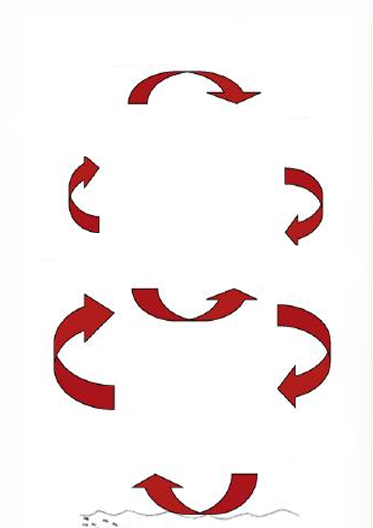
label this diagram of a positive fish-algae-coral feedback loop.


label this diagram of a negative fish-algae-coral feedback loop.
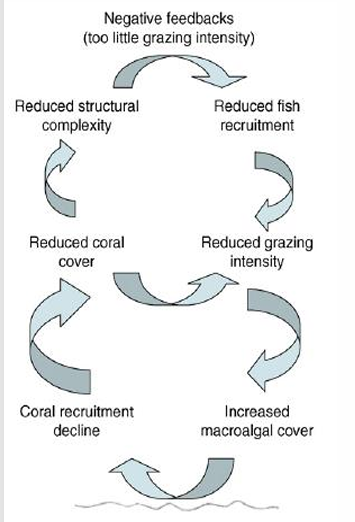
list and describe the four functional groups of herbivores.
scrapers
scrape coral and rock, removing turf algae (parrotfish)
grazers
crop turf algae (damselfish)
browsers
remove standing macroalgae (rabbitfish)
detritivores
remove detritus from turf algae (cleaner crabs)
allelopathy
chemical inhibition of one organism by another due to the release of chemical substances
can happen with coral due to algae because algae release metabolites
what type of species need to be prioritized most in management?
species that perform functions with low functional redundancy
define and give 5 explanations for the island mass effect.
observed phenomenon of localized increases in phytoplankton biomass near island and atoll reef ecosystems
nutrients that result from decomposing reef animals
upwelling of nutrient-rich colder waters toward the surface
the mixing effect of waves and currents
sedimentation from land erosion
human-derived runoffs from ag, urban development, and wastewater
list 4 effects on reefs adjacent to rat-free (more seabirds) islands that studies have shown.
higher fish biomass
damselfish grew faster
grazing rates were higher
bioerosion was higher
why is the eradication of rats on islands important to reef health?
rats predate seabird eggs and chicks. this disrupts nutrient flows among pelagic, island, and reef ecosystems because seabirds play an important role in nutrient deposition
explain why seabirds are important for reef health?
seabirds feed on fish and marine organisms
when the return to islands, they release guano (poop) that is high in nutrients (N and P)
it accumulates on island soils and is washed into the sea by rainfall
reefs thrive in oligotrophic conditions through tightly regulated nitrogen cycling
nitrogen is used on the reef to support the growth of plankton, corals, and fish
differentiate terrestrial sediments vs carbonate sand.
terrestrial sand = particles are smaller, more compact with low oxygen content, very hard to live in (mud, silt)
carbonate sand = not as compact, animals that live there have a higher risk of being dug up by predators (coral fragments, CCA)
reef bioerosion
biotic breakdown of CaCO3
differentiate external and internal bioerosion with examples.
external = on the surface (rasping, biting, scraping)
ex: parrotfish
internal = colonization and growth of penetrating organisms
ex: boring sponges, christmas tree worm
describe 4 pathways for “sand fate”
reef lithification
formation of sand flats
beach/ island formation
beach rock formation
reef lithification
fine CaCO3 sediments filter into porous structure of reef, bacterial remineralization CaCO3, sediments compact under pressure resulting in solid limestone deposition
beach rock
mix of gravel, sand, and silt sediments that is cemented with carbonate minerals and has formed along a shoreline
reef accretion
vertical buildup of reef framework
net accretion = (carbonate added to reef) - (carbonate lost)
what 4 inputs cause reef accretion
constructive processes (calcification, lithification)
reincorporation or infilling of material into the framework
destructive processes (physical erosion, bioerosion)
displacement of CaCO3 material (sediment, rubble)
what are the 4 scales of reef stressors?
local
global
chronic (press)
acute (pulse)
differentiate obligate and facultative corallivore with an example for each.
obligate = feeds only on coral (diet at least 80% coral)
ex: Drupella snail
facultative = feeds on corals and a number of other prey species
ex: damselfish
differentiate the 4 corallivore feeding mechanisms
mucus eaters
little damage to coral
tissue eaters
remove only polyps and soft tissue
scrapers
remove a bit of underlying skeleton
excavators
remove a substantial amount of underlying skeleton
what is the argument for naturally caused COTS outbreaks?
great reproductive potential makes the species prone to population fluctuations
evidence:
geological studies show large concentrations of skeletal parts in the past
Pacific Islanders recall past outbreaks
outbreaks occur naturally on isolated, protected reefs
what are the 2 arguments for human caused COTS outbreaks?
larval stage hypothesis: human runoff causes increased COTS larval survival from elevated nutrients and phytoplankton
predator removal hypothesis: overfishing of predators of juvenile and adult stages (crabs, tritons, snappers, humphead wrasse)
list 3 COTS predators.
humphead wrasse (eat juveniles)
giant Triton snail
pufferfish
triggerfish
list the 2 methods for controlling COTS outbreaks?
hand collecting and killing ashore
can be expensive, time consuming, dangerous
in situ injection with poison
more cost effective, some poisons like copper sulfate can cause local pollution, vinegar is effective and safer
crown of thorns starfish (COTS)
largest seastar, covered with poisonous spines on upper surface, walks using tube feet
feeds through everting stomach (external digestion)
what are some demographic factors that give COTS high potential for harm?
high reproduction rates
high feeding rates (eats its own body area each day)
adults have few predators
give 2 examples of local + acute stressors.
ship grounding/ anchor damage
oil spill
COTS outbreak
coral disease outbreak
blast fishing
give 2 examples of local + chronic stressors.
sewage/ nutrient pollution
persistent sediment runoff
overfishing (loss of herbivores)
coastal development (marine debris)
give 2 examples of global + acute stressors.
marine heatwaves (El Nino)
severe tropical cyclones
give 2 examples of global + chronic stressors.
long-term ocean warming
ocean acidification
sea-level rise
list 3 effects of the local stressor of sedimentation.
reduced light levels
energetic cost to corals through sediment shedding (mucus production)
reductions in coral recruitment
list 4 effects of the local stressor of nutrient addition.
increased turbidity due to algal blooms
increased coverage of algae (turf, macro, cyanobacteria)
increased prevalence of coral disease
increased risk of COTS
stony coral tissue loss disease (SCTLD)
highly lethal coral disease, first reported in 2014 and is now the most deadly coral disease outbreak in history
tropical cyclone effects
can cause physical damage to reefs, especially branching corals
BUT
when less extreme, can also alleviate heat stress and reduce bleaching risk
list 2 effects of the global + chronic stressor of rising sea levels.
reef drowning - if vertical carbon accretion cannot keep pace, reef surfaces become progressively deeper
reduced coastal protection - increasing water depth allows larger waves to cross reef flats
coral bleaching
coral tissue becomes transparent due to complete or partial loss of pigmentation from endosymbiotic zooxanthellae
underlying skeleton becoming visible gives it the white appearance
bleaching is not death, but can lead to bleaching-related mortality
mass bleaching
wide-scale (tens to hundreds of km2) phenomena where corals and other symbiotic reef organisms (giant clams, sea anemones, sponges) bleach
often linked to elevated temperatures
thermal acclimation
process where surviving corals previously exposed to elevated temperatures can “remember” the stress and condition themselves to withstand future heat waves
what is unique about heat-adapted genes in corals?
the trait is polygenic, meaning a coral’s heat resilience is not linked to any single gene but to many genes
ecological succession
the gradual process by which ecosystems change and develop over time
early colonizers
species that are specialized to colonize new surfaces
opportunistic, fast growing
climax communities
occur at the end of succession
list the 4 reef colonization (ecological succession) stages in order.
bacteria and microalgae
CCA, sponges, turf algae
macroalgae
coral larvae
erosion
what causes coral bleaching?
coral have to expel their zooxanthellae
mainly caused by heat stress from elevated ocean temperatures
can also result from pollution, extreme sunlight, low tides, etc