EXAM 3 Vitamins and Minerals: Non-ruminants and Ruminants
 Call Kai
 Learn
 Practice Test
 Spaced Repetition
 Match
 Flashcards
 Knowt Play
1/25

There's no tags or description
Looks like no tags are added yet.
26 Terms
Mineral Deficiencies Occur because of:
Lack of mineral in diet
Presence of antagonist in diet (something that interferes)
Low bioavailability of mineral
Severe mineral deficiency results in clinical signs (obvious)
However, marginal deficiency can be costly!
Low reproductive performance
Reductions in gain
Slight reductions in milk
Increased incidence of disease
Mineral sources
Feedstuffs and mineral supplements
Supplement options:
White salt
Trace mineralized salt
Injectable trace minerals (partial supplement)
Mineral (major/trace) and vitamin supplements
Complete mineral supplement
Protein-molasses block
Liquid supplement (molasses, corn steep, to suspend mineral)
Differences among supplements
Amount of mineral provided
Source of mineral used
Inorganic vs chelated sources
Sulfates > oxides, carbonates vary by mineral
Level of intake
Salt level (increase salt to limit intake)
Amount of carrier-molasses, grain by-products, flavoring agents
Calcium and Phosphorus Deficiency
Rickets / osteomalacia
thin-shelled eggs in chickens

Phytate
90% of corn P and 75% of soymean meal P is bound to phytate
Reduces availability of P to monogastric animal
Phytase-enzyme that increases Phytate-P availability
Rumen bacteria have phytase activity so phytate-bound P is not a problem
Swine and poultry diets are formulated for available P instead of total P because of phytate
Sulfur Deficiency
Reduced growth-due to deficiency of S-amino acids

Sulfur Toxicity in Ruminants
Dietary sulfate reduced to H2S (hydrogen sulfide) gas in rumen
Breathed in by animal
Toxic in high amounts
Polioencephalomalacia (PEM, brainers)
Sulfur binds copper in rumen, can cause severe copper deficiency
Polioencephalomalacia (PEM, brainers)
a non-infectious, metabolic neurological disease of ruminants that causes softening and necrosis (cell death) of the brain's gray matter

Copper Deficiency
Fading hair coat
Lameness
Anemia/poor growth
Cu-dependent protein aids Fe absorption
Secondary deficiency of iron


Copper Toxicosis in Sheep
Sheep particularly sensitive to copper
Low Cu requirement
Excessive Cu builds up in RBC, causing methemoglobin production
Can’t bind oxygen (known as chocolate blood)
Release of hemoglobin damages kidneys
Avoid feeding them cattle mineral

Copper toxicosis Treatment
IV methylene blue to control methemoglobin
Copper chelators to bind copper, which is then excreted
D-penicillamine
Ammonium tetrathiomolybdate

Cobalt Deficiency
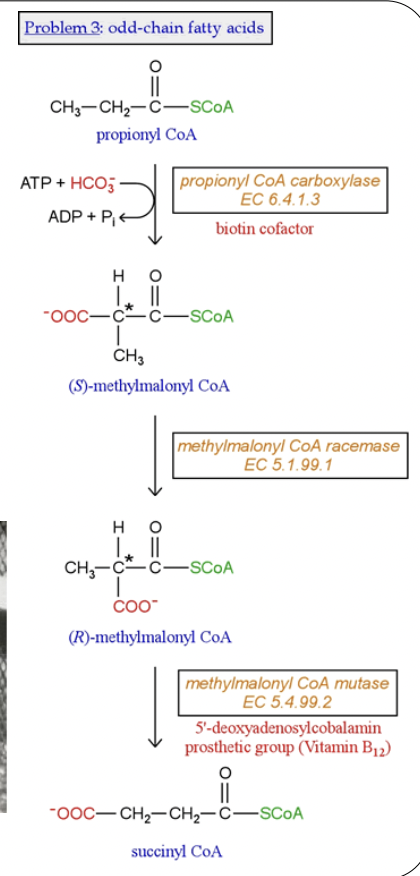
Depletion of B12 status
Reduced appetite and growth
Decreased ability to utilize propionate for energy

Iodine Deficiency
“goiter” enlarged thyroid gland
Certain plants have “goitrogens” (goiter creating), block use of iodine (canola, radish, turnips, cabbage, etc)
Reduced growth
Impaired reproduction-dead, weak or hairless young

Iron deficiency in PIGS
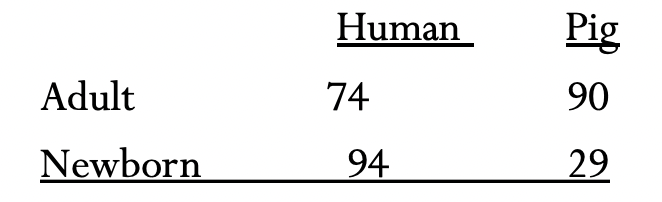
Newborn pigs absorb colostrum proteins intact, increases blood volume ~30%
Low body iron stores
Low levels of iron in milk
Cow ~0.5 ppm Fe; Sow 1.4-2.4 ppm Fe
Rapid growth rate
Iron Deficiency in Piglets
Signs of deficiency
Anemia
Labored breathing (called “thumps”)
Poor growth and rough hair
Decreased resistance to infections
Manganese Deficiency
Cartilage defects → Shortened long bones, shortened nose
Impaired reproduction
Perosis (slipped tendon-poultry)

selenium Deficiency
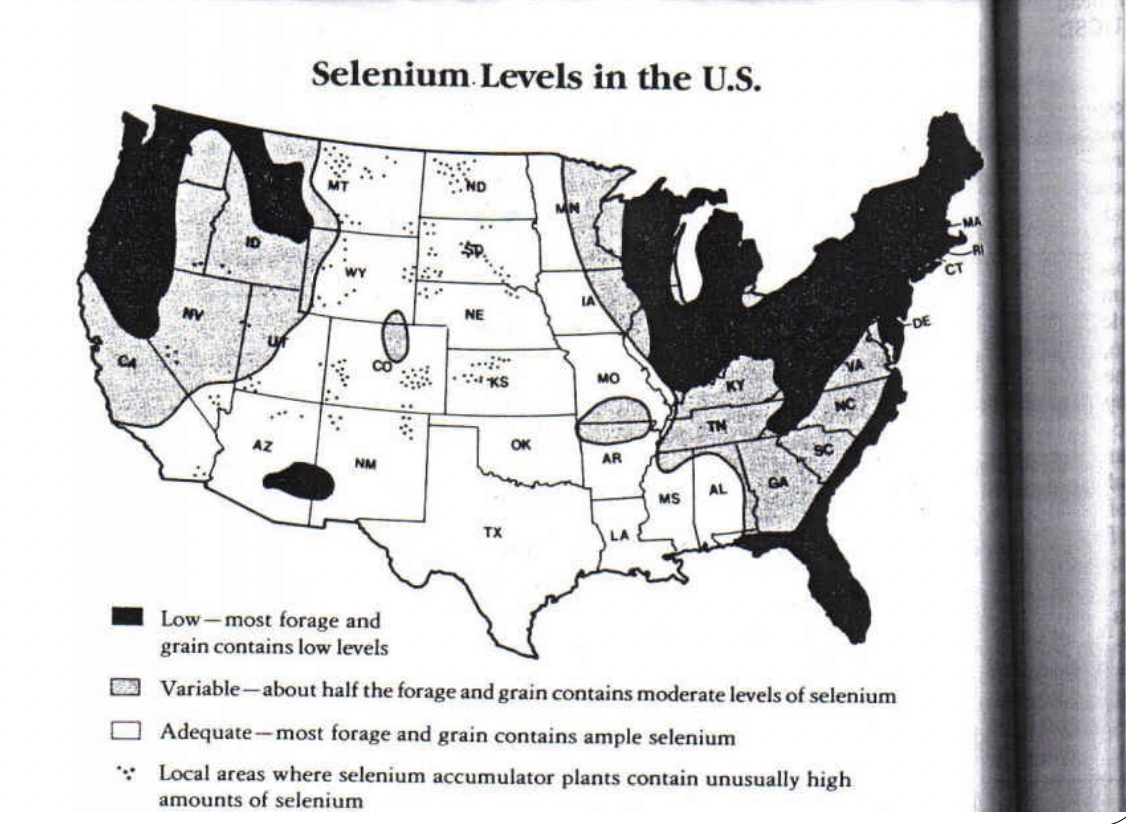
Deficient in many areas of U.S.
Edema of legs (chicks)

Zinc Deficiency
Depressed growth
Thickening epithelial cells-parakeratosis (swine)
Rough hair coat, poor feathering

T or F: Mineral sources vary in bioavailability
true
T or F: Deficiency and toxicity are challenging to diagnose but relate to the role of that mineral or vitamin in biological systems
true
Deficiencies may be due to ______________
Deficiencies may be due to dietary antagonism
occurs when specific components in food or drink block, bind, or reduce the absorption and effectiveness of nutrients or medications in the body
T or F: Species differences in mineral availability in some cases
true