UCEAP Florence Identity & Otherness in Western Art Midterm Flashcards
 Call Kai
 Learn
 Practice Test
 Spaced Repetition
 Match
 Flashcards
 Knowt Play
1/25

There's no tags or description
Looks like no tags are added yet.
26 Terms
Modern Projections of Race/Slavery ("Big Risk")
The historical error of projecting modern concepts of race and chattel slavery onto the ancient and classical world; there was no connection between blackness and slavery in antiquity.

Pitcher with an African Head / White Women's Heads
Artifact examples showing that artistic works should not be viewed in isolation. Pitchers featuring white women's heads connected to the gods, and depictions of "Aethiopians" reflected the classical idea that they lived close to Zeus and the gods.
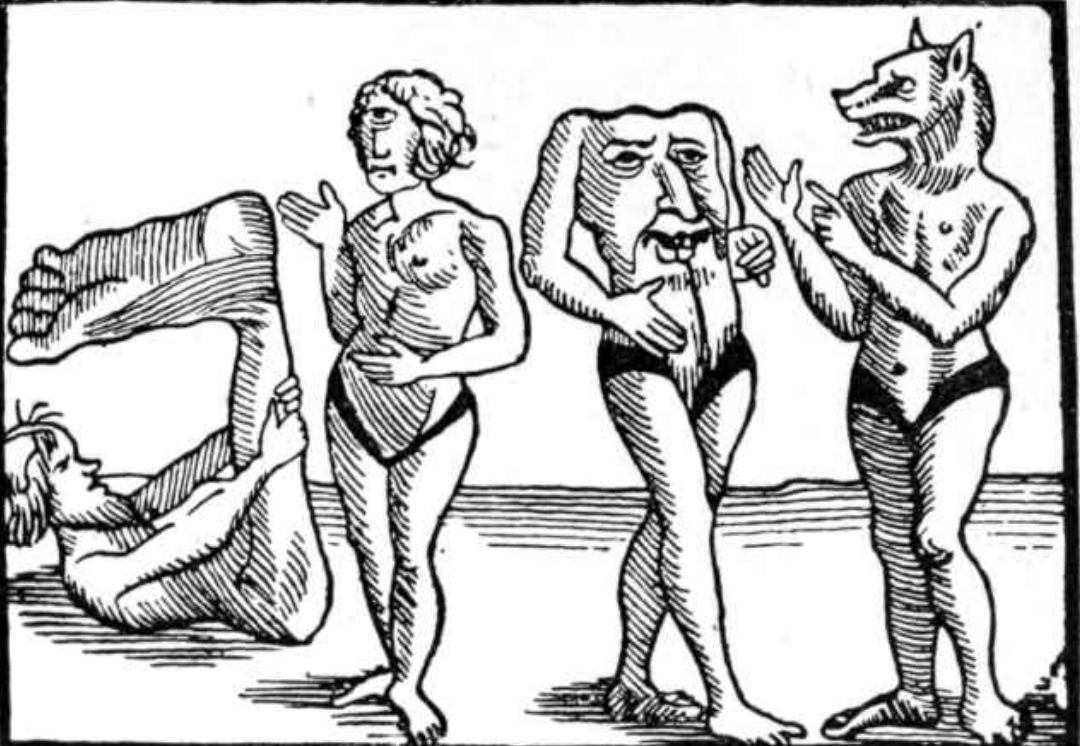
"Differently Human" Beings
Greek mythological concepts of strange peoples inhabiting the edges of the earth (such as cyclopes, men with faces on their chests, and dog-headed men). These monsters were not inherently perceived as negative--akin to modern ideas of aliens--where some were viewed as good and others bad, sharing only the quality of "otherness".
Greek Identity
Based primarily on shared language and culture rather than racial categories.
Roman Inclusivity & Citizenship
Rome was uniquely flexible; a Roman citizen could speak any language as long as they lived within the empire. Eventually, citizenship was extended to everyone in the empire, followed later by the declaration of Christianity as the religion of the empire.
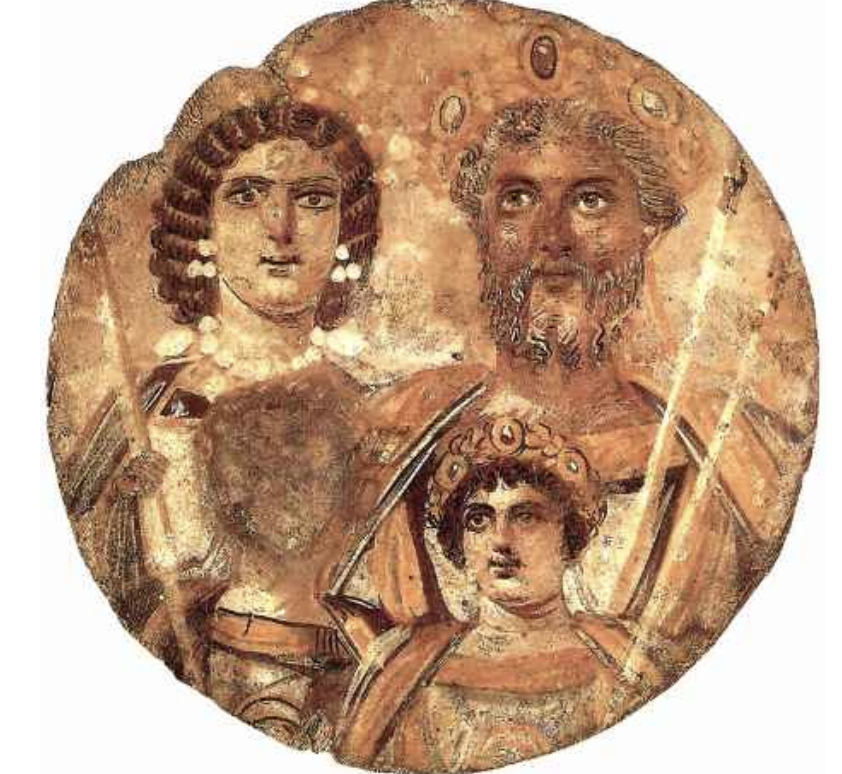
Severan Tondo
A historical artifact illustrating a diverse imperial family, featuring a Syrian mother and an Italian/North African father.
Council of Clermont (1095)
The historical moment marked by 15th-century illuminations that initiated the Crusades and wars for the Holy Land (modern-day Israel and Palestine).

Peter the Venerable
Church figure who commissioned the Latin translation of the Quran and wrote against Islamic sects.

Early Western Depictions of Muhammad
Contained some of the earliest and most violent, negative Western artistic imagery of Muhammad. Unlike Jewish people who lived within European society, medieval Europeans wrote about Muslims as distant strangers they had never met.

Riccoldo da Montecroce
Dominican writer who produced texts attacking the Quran and Judaism while maintaining a direct cultural interest in the East.

Dante’s Divine Comedy (Islamic Figures)
Features graphic, violent imagery of Ali and Muhammad as sowers of discord.

Saracens
Generalized Western terms and representations for Muslims, often depicted as recognizable enemies or conflated with biblical groups (such as the Philistines in the Bible Moralisée). In Christian-centric chronicles, Saracens were frequently associated with demons or depicted as frightening the horses of Christian knights.

"Moors"
In Spain, Muslims were commonly referred to generally as Moors. Individuals with darker skin were frequently associated with being Muslim--and while not every Muslim had dark skin, nearly every dark-skinned person encountered by Europeans was perceived as Muslim.


Medieval Intellectual Exchange
A paradoxical period where Christians and Muslims engaged in violent conflicts while simultaneously holding deep admiration for Islamic mathematics and philosophy.
Averroes
An Islamic philosopher from Spain who wrote vital commentaries on Aristotle. Because Western Europeans had lost knowledge of Greek, they relied heavily on Latin translations of Averroes' commentaries.
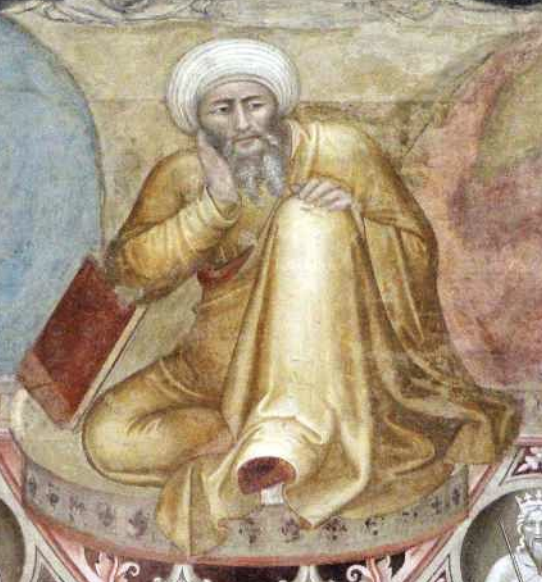
The Thomist/Dominican Stance vs. Averroes
Thomas Aquinas and the Dominican position disagreed fundamentally with Averroes’ rationalist philosophy--specifically his view that because God is rational, human beings can arrive at ultimate truths purely through rationality.

Saladin
Widely romanticized in European culture as the "ideal ruler". Literature (such as tales by the Master of Charles III of Durazzo) created fictionalized narratives of his chivalric relationships with wealthy figures like Ser Torello.

Al-Malik al-Kamil
Saladin’s nephew, sultan of Egypt and Syria. Noted historically for pragmatic high-level diplomacy--meeting with St. Francis of Assisi (featuring a trial-by-fire demonstration) and negotiating peace agreements with Emperor Frederick II to prevent unnecessary bloodshed and jointly handle Jerusalem.

Medieval Anti-Judaism
Distinct from Islam, anti-Judaism focused intensely on religion and the rejection of Christian theology, resulting in a total absence of positive imagery regarding Jewish culture among medieval Christians.

Monstrous Caricatures & "Real Images"
Christian art frequently attributed monstrous visual traits to Jewish people, claiming to reveal their "true image," which sharply contrasted with how they actually looked in real life.

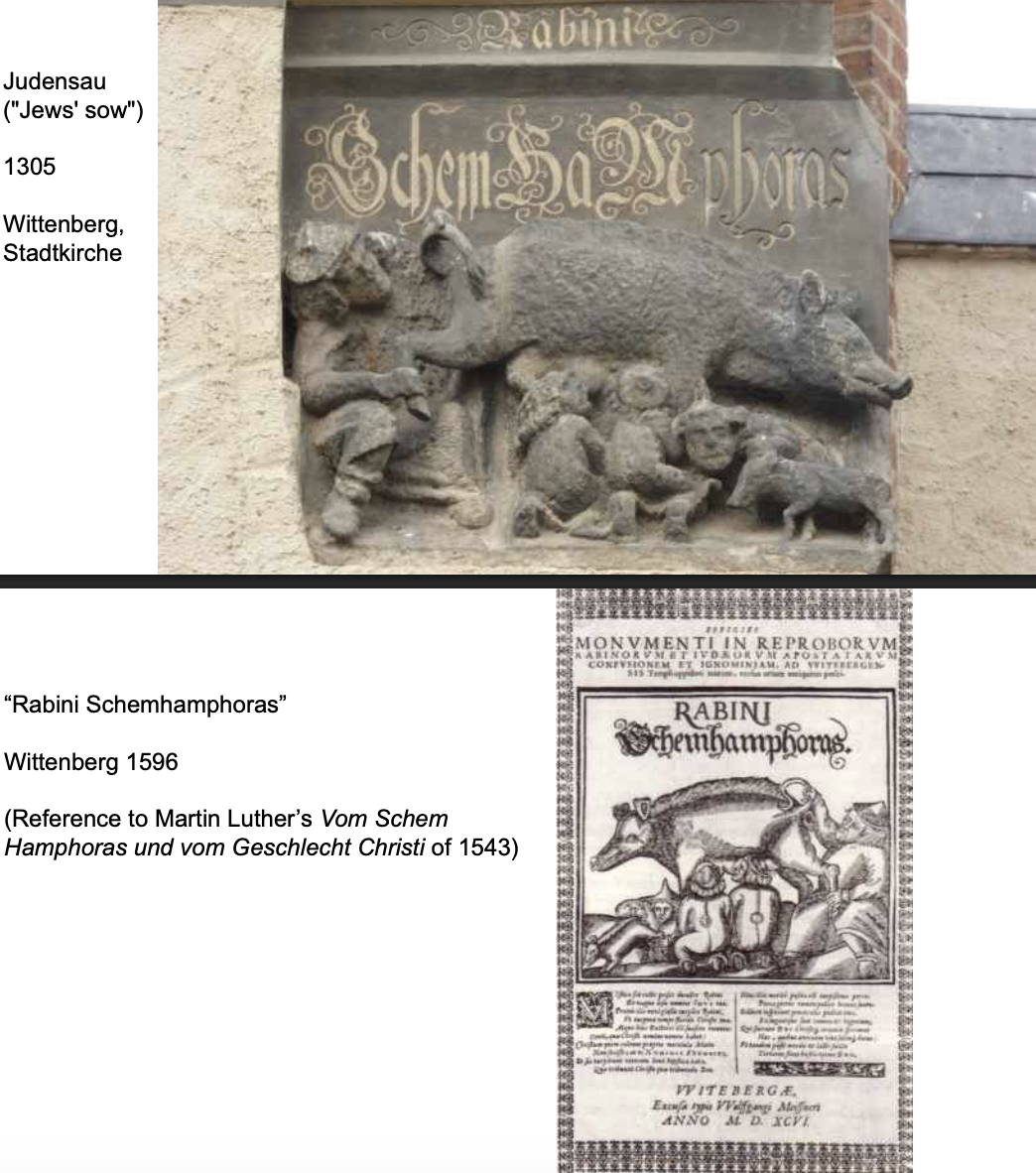
Persecution and Expulsion
Included English expulsions from the land, the enforcement of discriminatory badges, blood libels, and Martin Luther’s promotion of antisemitic symbols like the Judensau (Jews' sow).
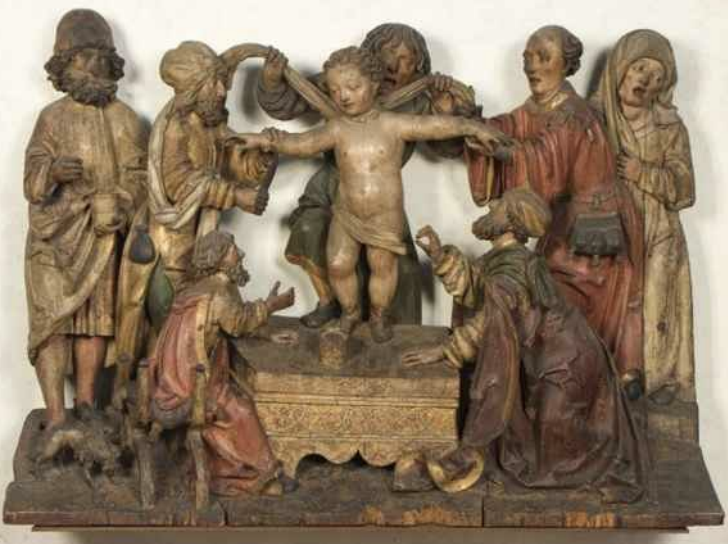
Trent Blood Libel (1475)
The false accusation that the Jewish community of Trent murdered a Christian child, leading to violent persecution and the trope of the "destroying of the host on the predella".
Mehmed II
The Ottoman Sultan who conquered Constantinople, bringing an end to Byzantine Christianity in the eastern Mediterranean. He attempted invasions of Italy, leading to massacres of Christians by Turkish forces.

Renaissance Humanist Perceptions of Mehmed II
A complex, contradictory figure who read classical literature, knew Greek, and inspired art bridging Italian and Ottoman styles. Lorenzo the Magnificent even commissioned works for him. Because he was viewed by some Westerners as a potential universal ruler, the Papacy briefly entertained the idea of accepting him—provided he converted and was baptized—making him appear "really good and really bad at the same time" to contemporary Europeans.

Representations of Black Africans
Featured through figures like St. Maurice, artistic choices by Giotto, and historical diplomats like Antonio (representing the Emperor of Ethiopia). These depictions highlighted both the conceptual universality of Christianity and the presence of real African individuals in medieval/Renaissance Europe.


The Historiography of Alessandro de' Medici ("Mistaken Identity")
Modern historical readings emphasize that skin color did not operate as a modern racial category in early Renaissance Italy; society perceived rigid hierarchies of power and political status, rather than biological race.