France: Notable Artists and their Art
 Call Kai
 Learn
 Practice Test
 Spaced Repetition
 Match
 Flashcards
 Knowt Play
1/30

There's no tags or description
Looks like no tags are added yet.
31 Terms
1000s - Anonymous: The Mouth of Hell, The Last Judgement (All Facts)
Located at the Abbey Church of St. Foy
1000s - Bayeux Tapestry (All Facts)
Tapestry which depicts the Battle of Hastings and Norman Conquest of England in multiple scenes, by William the Conqueror (Duke of Normandy)
It is 70 meters long
It is located in the namesake cathedral in Normandy in France which it was sewn for, however, it was probably sewn in England during the reign of William the Conqueror
1115 - 1135 - Gislebertus (All Facts)
French Sculptor
1115 - 1135 - Gislebertus: The Last Judgement / Apocalypse (All Facts)
1288 - 1318 - Master Honore (All Facts)
French Secular Artist based in Paris whose work flowed from and represented the Paris School of Manuscript Illumination
He produced Gothic-era illuminated manuscripts for the French monarchy, particularly King Philip IV of France
1415 - Paul, Johan, and Herman Limbourg: Très Riches Heures (All Facts)
Commissioned by John, the Duke of Berry
It featured many miniature paintings and joined other fine “books of hours” in the namesake duke’s well-stocked library
1415 - Paul, Johan, and Herman Limbourg: Tres Belles Heures (All Facts)
Commissioned by John, the Duke of Berry
It featured many miniature paintings and joined other fine “books of hours” in the namesake duke’s well-stocked library
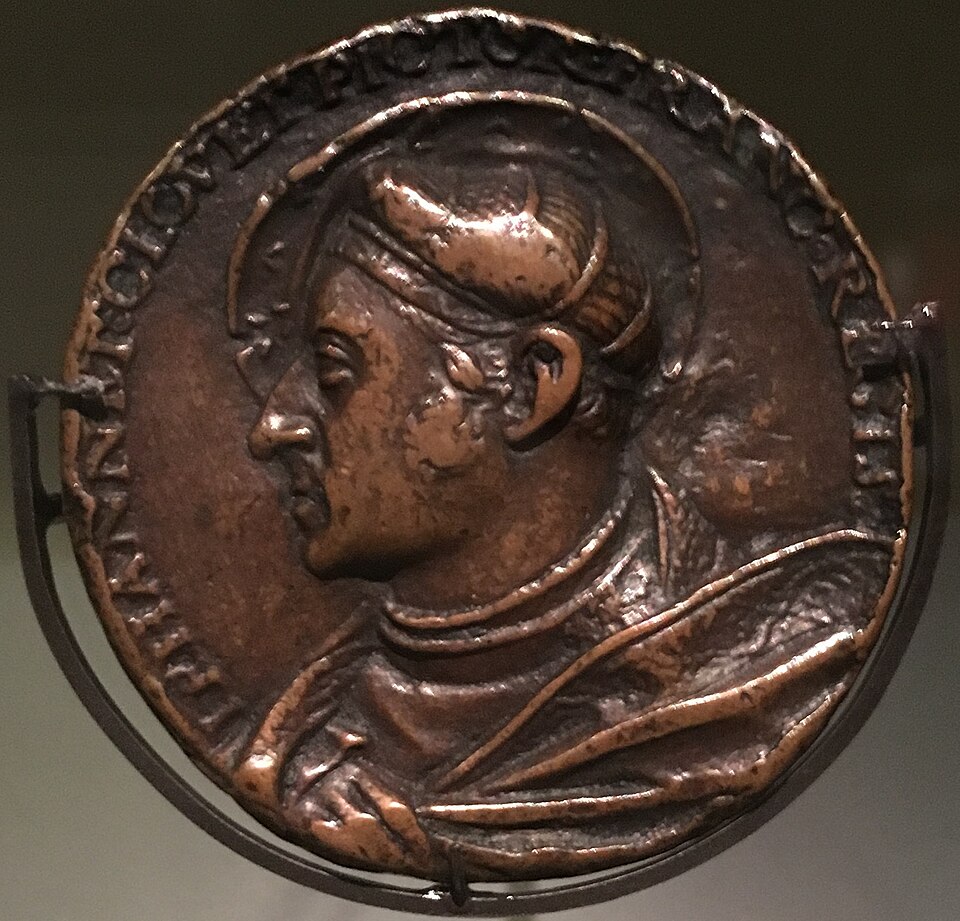
1485 - 1541 - Jean Clouet (All Facts)
French Painter
He served as court painter of France
He trained his son, who succeeded him as court painter
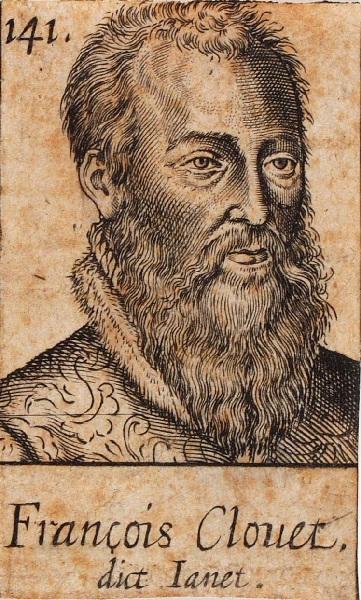
1510 - 1572 - Francois Clouet (All Facts)
French Painter
He was trained by his father
He served as court painter for and thus painted portraits of
King Francis
King Henry II
King Francis II
King Charles IX
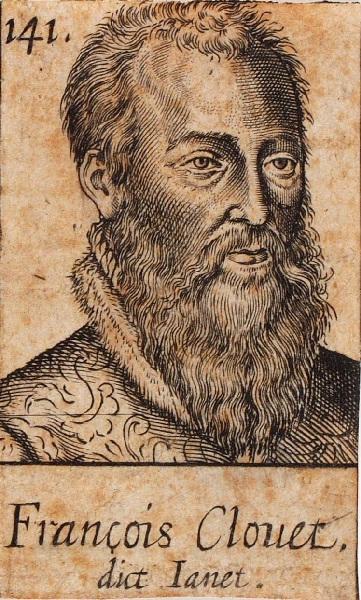
1571 - Francois Clouet: A Lady in Her Bath (All Facts)
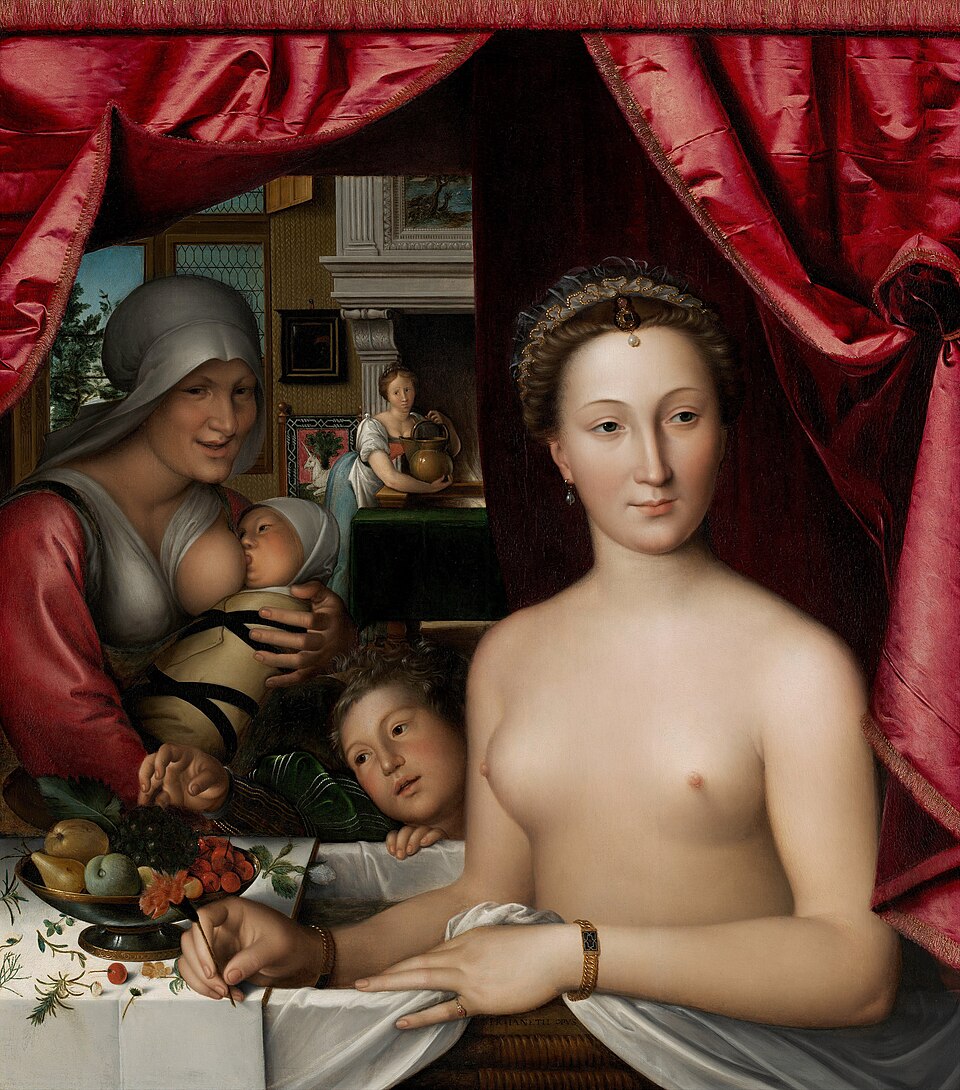
1533 - 1588 - Jacques Le Moyne (All Facts)
French Painter
He lived with the Huguenots at Fort Caroline until it was destroyed by the Spanish
His paintings served as the basis for Theodore de Bry’s illustrates in his “Voyages” series

1592 - 1635 - Jacques Callot (All Facts)
French Baroque Printmaker and Engraver

1633 - Jacques Callot: The Miseries of War / Les Misères de la Guerre (All Facts)
Series of eighteen etchings consisting of graphic scenes of suffering in the Thirty Years’ War
They are considered the first “anti-war statement” in the history of European art

1633 - Jacques Callot: The Hanging / La Pendaison (All Facts)


1590 - 1649 - Simon Vouet (All Facts)
French Painter
He was court painter to King Louis XIII
His almost-classicist style was enormously influential
His studio trained many young artists of the time
His great rival was his former pupil, Nicholas Poussin

1594 - 1665 - Nicholas Poussin (All Facts)
French Painter
His work made him a major figure in French Classicism
He died in Rome, where he spent most of his life

1638 - Nicholas Poussin: The Shepherds of Arcadia / Et in Arcadia Ego (All Facts)


1660 - Nicholas Poussin: The Four Seasons (All Facts)
Cycle of paintings made for the Duke of Richelieu at the time


1602 - 1674 - Philippe de Champaigne (All Facts)
French Painter
He was the court painter for Cardinal Richelieu and King Louis XIII
He was the church painter for the Sorbonne Chapel (University of Paris)
He was linked with the Jansenist movement
His later serious and austere compositions led him to be considered the most eminent representative of French Classicism
Pictured is one of his 11 portraits of Richelieu

1604 - 1676 - Abraham Bosse (All Facts)
French Engraver and Art Theorist
He was expelled from the Royal Academy of Art after a dispute with Charles Lebrun on the subject of perspective
1600 - 1677 - The Le Nain Brothers: Antoine, Louis, and Mathieu Le Nain (All Facts)
French Painters who were brothers
They were received into the French Royal Academy of the Arts
The subjects of their paintings were quite different from the mythological and allegorical topics in vogue amongst their contemporaries, having painted scenes of humbler life instead
1643 - The Le Nain Brothers: Boys Playing Cards (All Facts)

1641 - The Le Nain Brothers: Venus at the Forge (All Facts)

The Le Nain Brothers: The Peasants’ Meal (All Facts)


1600 - 1682 - Claude Lorrain (All Facts)
French Painter
His real name was Gellee, but he was always known after his home province
He was friends with and compatriot to Nicholas Poussin
He lived, worked, and died in Rome
He liked to sketch direct from nature in the Campagna countryside outside Rome, littered with the remains of Roman architecture
However, his ideal mythological landscapes were always imaginary
He was known for his landscapes and was (is) considered one of the greatest of the French landscape painters
He was famed for his mastery of light effects, even being able to depict the rising or setting sun illuminating his landscapes convincingly

1675 - Claude Lorrain: The Arrival of Aeneas at Pallanteum (All Facts)


1619 - 1690 - Charles Lebrun (All Facts)
French Painter and Art Theorist and Teacher
He designed the tapestries and furnishings of the chateau that was the Palace of Versailles
These were made at the Gobelins factory

1670 - Charles Lebrun: Hall of Mirrors, Ceiling (All Facts)

1689 - 1712 - Jean Tijou (All Facts)
French Ironworker
He was Huguenot
He worked on St. Paul’s Cathedral’s sanctuary’s wrought-iron gates

1684 - 1721 - Jean-Antoine Watteau (All Facts)
French (Early) Rococo Painter
He was best remembered for his palace-garden landscapes that form the typical background to many of his pictures
He died of tuberculosis, which he had suffered all his life