Ketosis in Dairy Cows
 Call Kai
 Learn
Learn Practice Test
 Spaced Repetition
 Match
Match Flashcards
 Knowt Play
1/9

Earn XP
Description and Tags
Vocabulary flashcards covering the types, diagnosis, treatment, and clinical features of ketosis in dairy cows.
Name | Mastery | Learn | Test | Matching | Spaced | Call with Kai | Chat |
|---|
No analytics yet
Send a link to your students to track their progress
10 Terms
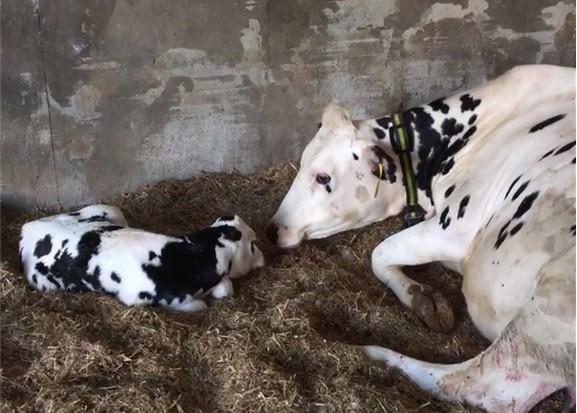
Ketosis
A metabolic condition in dairy cows occurring typically 1 to 4 weeks post-partum, characterized by mild anorexia, low milk production, malodorous breath, and potential signs of pica, paresthesia, or aggressive behavior.

Type I Ketosis
A form of ketosis occurring in thin cows up to 45 days post-partum, characterized by an excellent prognosis and simple short-term treatment with oral propylene glycol and IV dextrose.

Type II Ketosis
A form of ketosis occurring in obese peri-partum cows, associated with a poor prognosis and requiring longer-term treatment such as transfaunation, liquid nutrition via ororuminal tube, and IV dextrose.
Silage Type Ketosis
A type of ketosis caused by feeding silage with high concentrations of butyric acid to pre- and post-fresh cows at any stage of lactation.
Subclinical Ketosis
A condition in dairy herds marked by high blood ketone levels without obvious clinical signs, which can decrease milk production and fertility while increasing risks for metritis and displaced abomasum.

Betahydroxybutyric acid
The primary substance measured in blood, milk, or urine to diagnose ketosis; levels greater than 14.4 mg/dL in whole blood indicate clinical ketosis.
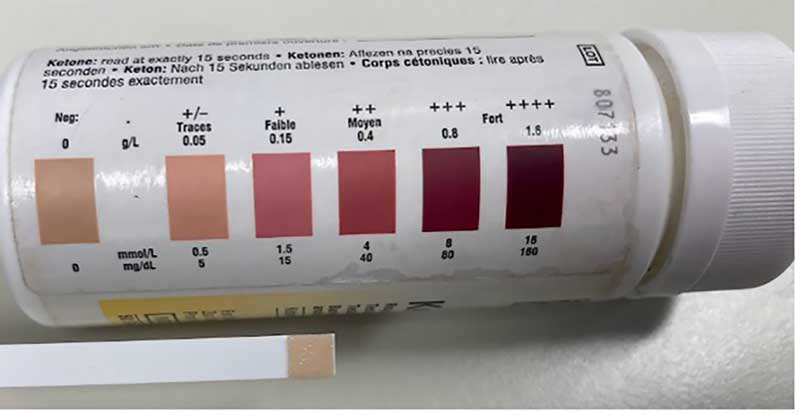
Acetoacetic acid
A ketone body tested in urine using a dipstick during diagnostic evaluation for ketosis.
Propylene glycol
An oral agent used as a simple, short-term treatment for Type I ketosis.

Transfaunation
A treatment process for Type II ketosis involving the administration of fluid nutrition and microflora via an ororuminal tube.
Corticosteroids in Ketosis
A controversial therapy for ketosis that drives glucose into cells but quells the immune response, presenting risks in post-partum animals.