Chapter 9- Cellular Respiration and Fermentation
 Call Kai
 Learn
 Practice Test
 Spaced Repetition
 Match
 Flashcards
 Knowt Play
1/8

Earn XP
Description and Tags
Bio 110
9 Terms
Oxidation (LEO)
The process of losing electrons or hydrogen atoms during a chemical reaction, often releasing energy and allowing for the transfer of electrons to another molecule. (happens simultaneously)
Reduction (GER)
The process of gaining electrons or hydrogen atoms during a chemical reaction, which often requires energy and results in the transfer of electrons from one molecule to another. (happens simutaneously with oxidation)
Electron Carriers (NADH & FADH2)
Molecules that shuttle electrons to different locations ex. (electron taxi)
Cellular Respiration is
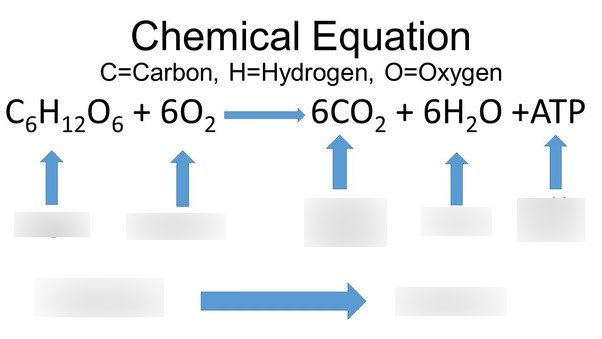
The aerobic process of breaking-down glucose to make ATP

4 stages of Aerobic Cellular Respiration (metabolic pathways)
Glycolysis 2. Pyruvate Oxidation 3. Krebs Cycle or Citric Acid Cycle 3. Electron Transport Chain & Chemiosmosis *Remeber Giant Panda Killed Eienstien
Phosphorlation
is the process of adding a phosphate group to ADP to form ATP, which provides energy for cellular activities.
Substrate-Level Phosphorylation
It is utilized to create ATP in the Glyclosis and Krebs Cycle. It uses an Enzyme and a Substrate to directly transpher a phosphate group to ADP, creating ATP which makes the smallest amount of ATP
Oxidative Phsosphorylation
Uses energy from Redox reactions in the Electronic Transport Chain (ETC) tp phosphate ADP, builds H+ concentration gradient, which makes large amount of ATP & Chemiosmosisc (diffusion of ions across a membrane down their concentration gradient (low to high)
Chemiosmosis
diffusion of ions across a membrane down their concentration gradient (low to high)