Chapter 4 Consumer behavior (Psychological factors) - BUAD301
 Call Kai
 Learn
 Practice Test
 Spaced Repetition
 Match
 Flashcards
 Knowt Play
1/19

Earn XP
Description and Tags
20 Terms
Motivation
Energizing force that stimulates behavior to satisfy a need
Consumer needs are the focus of a marketing concept
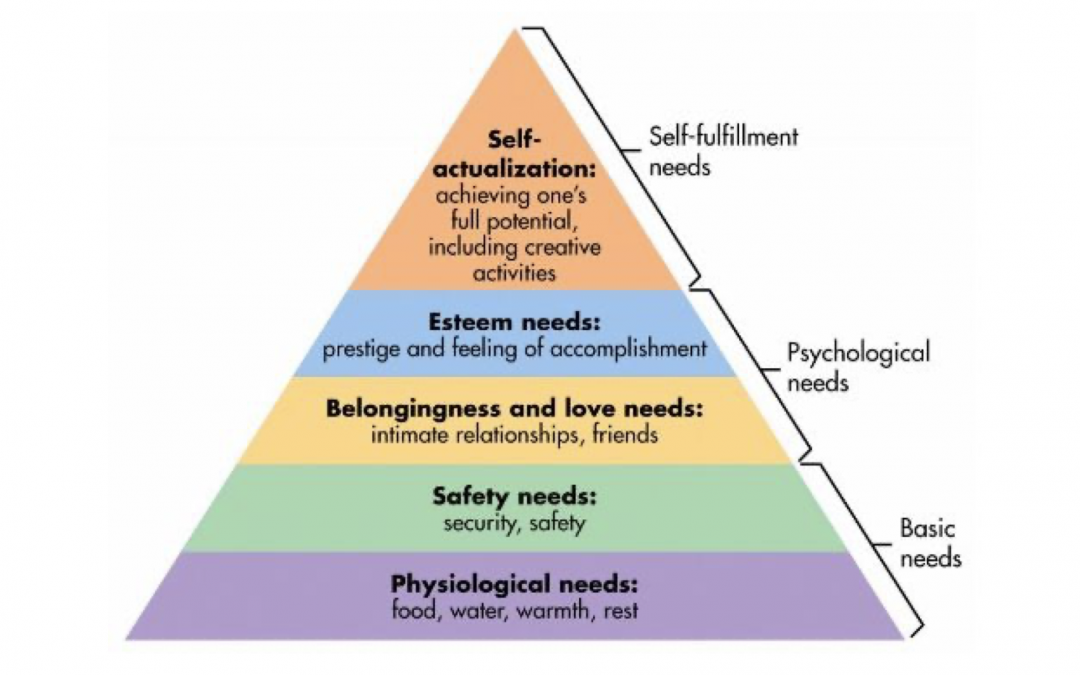
Physiological needs
Physical needs of the body, hunger, thirst, buying food or water
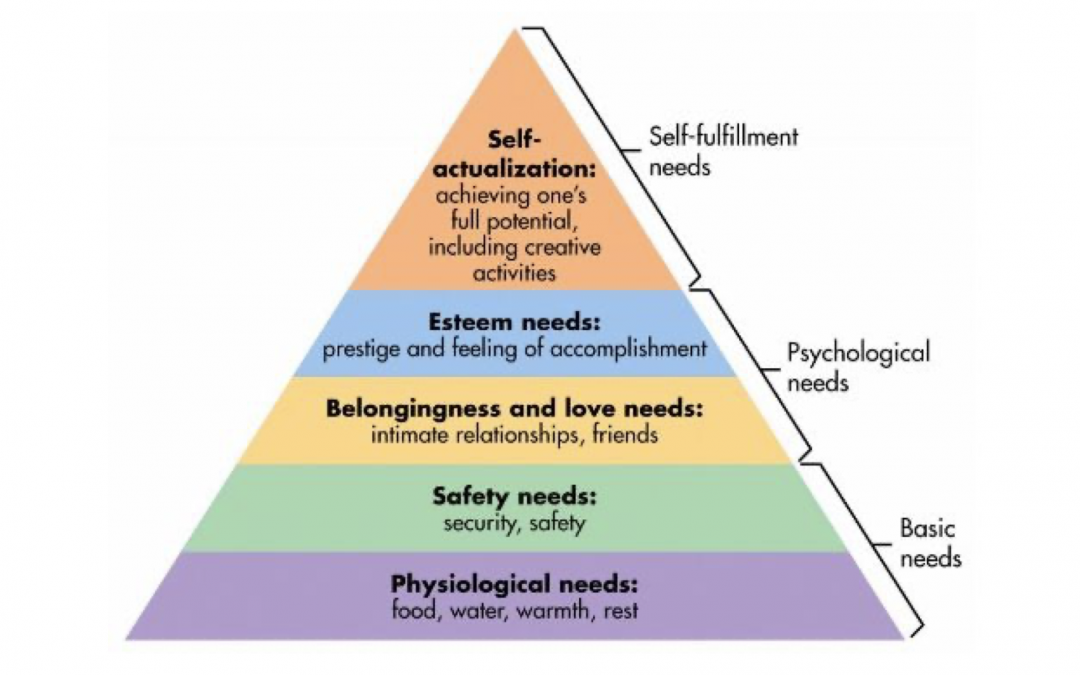
Safety needs
Need for security or protection, having a place to live, buying cameras for that place to live
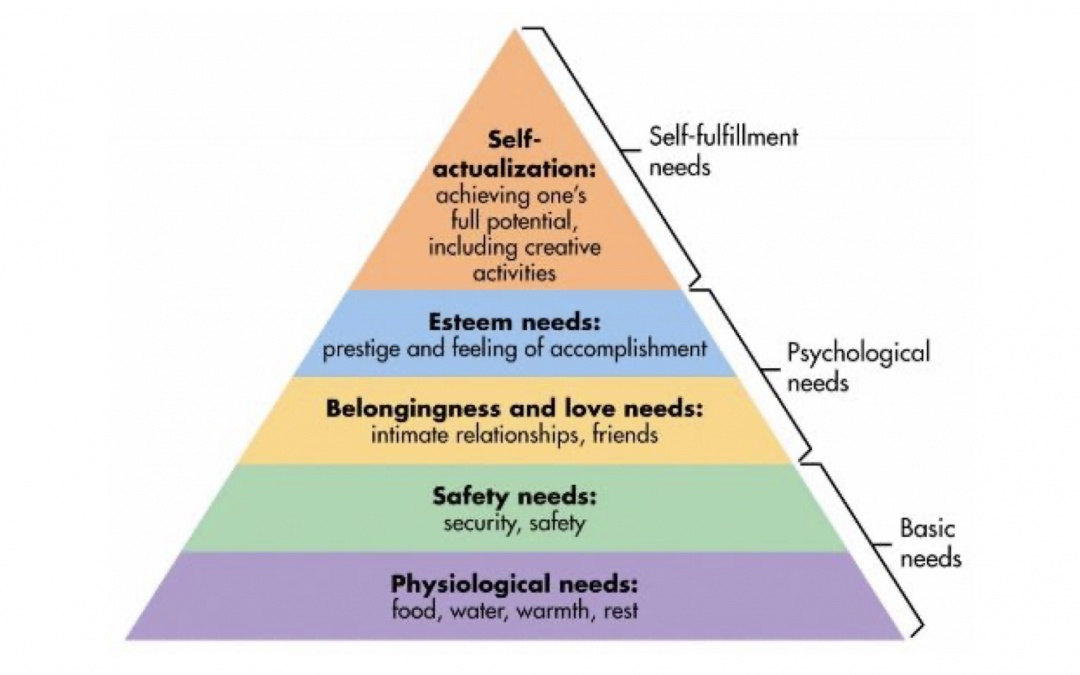
Social needs
Sense of belonging, love, using a dating website
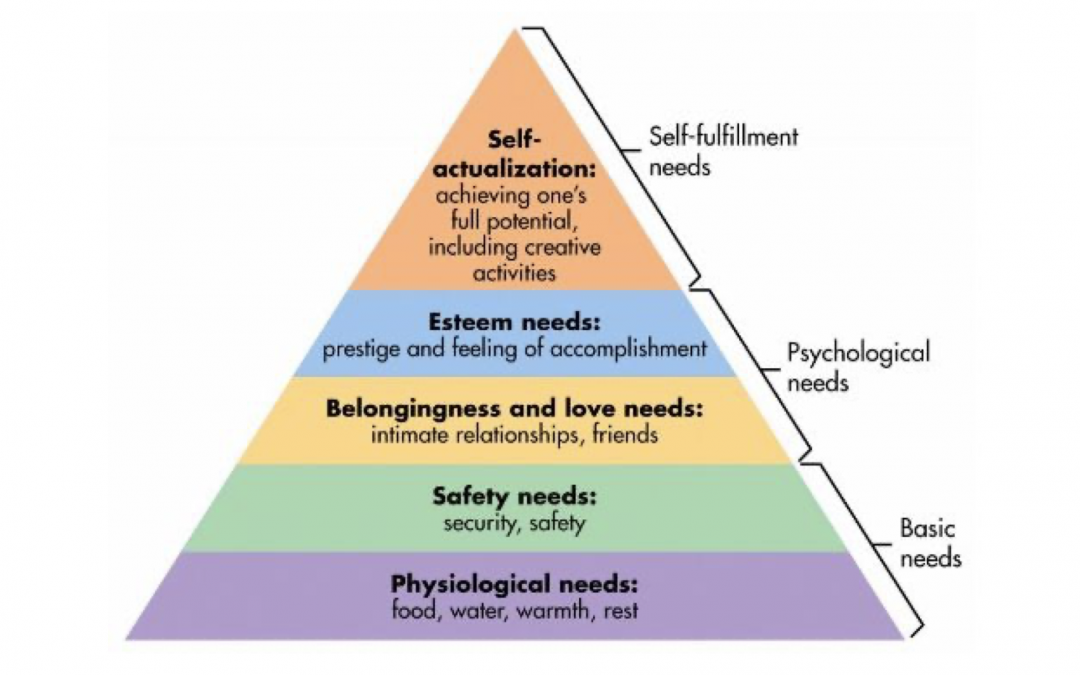
Esteem needs
Self-esteem, recognition, status, buying a luxury bag or car
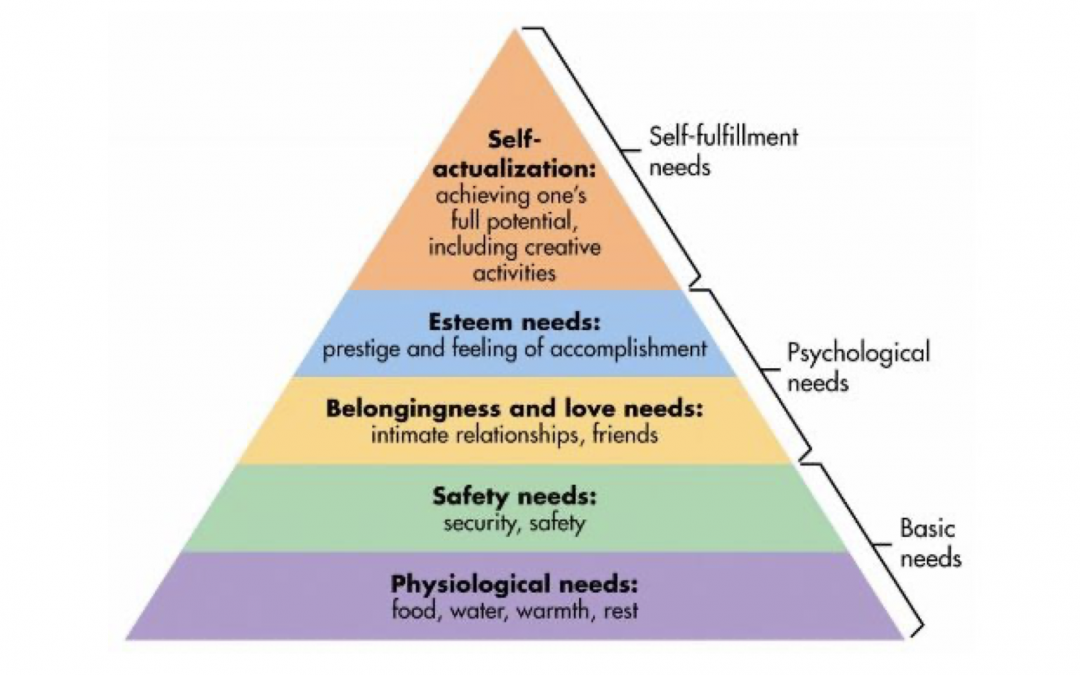
Self-actualization needs
Self-development and realization, going to college, having a career
How do brands build personalities?
Creating a set of human characteristics that can be associated with the brand
Self-concept
The way consumers view themselves
Celebrity endorsers (Brand personalities)
Characteristics of a celebrity can be translated to a brand
User imagery (Brand personalities)
Showing a typical user along with images of the types of activities they engage in while using the brand
Perception
The process by which and individual selects, organizes and interprets information to create a meaningful picture of the world.
Selective exposure
People pay attention to messages that are consistent with their attitudes and beliefs and ignore messages that are inconsistent with them.
Interpretation
Making inferences about something.
Deciding if a product is good or bad quality based upon various cues (price, advertising intensity etc)
Perceived risk
The anxiety felt because the consumer cannot anticipate the outcomes of a purchase but believes there may be negative consequences.
Cognitive learning
Learning through thinking, reasoning, and mental problem-solving without direct experience
ex. TV advertisement, companies websites, brochures
Behavioral learning
Developing automatic responses to a situation, built up through repeated exposure to it (direct experience)
Positive reinforcement through direct experience with a brand increases brand locality
ex. In-store samples, mail samples, free trials (test-driving, software free trials)
Attitude
A learned predisposition to respond to an object or class of objects in a consistently favorable or unfavorable way.
Beliefs (attitude formation)
A consumer’s subjective perception of how a product or brand performs on different attributes based on personal experience, advertising, and discussions with other people
How a product or brand performs on different attributes.
Values (attitude formation)
Importance assigned to a specific product attribute
Three ways to change consumer’s attitude
Changing beliefs about the extent to which a brand has certain attributes - To allay concerns about ingredients within their mayo, Hellmann’s successfully communicated the product’s high omega 3 content, which is essential to human health.
Changing the perceived importance of attributes - Pepsi started to stamp a freshness stamp on its products, before, these consumers did not care about the freshness of a product but because it is presented to them now they care.
Adding new attributes to the product - A car adding a night vision feature to help drivers