Art History Vocab Unit 2ab
 Call Kai
 Learn
Learn Practice Test
 Spaced Repetition
 Match
Match Flashcards
 Knowt Play
1/26

There's no tags or description
Looks like no tags are added yet.
Name | Mastery | Learn | Test | Matching | Spaced | Call with Kai | Chat |
|---|
No analytics yet
Send a link to your students to track their progress
27 Terms
Amarna Style
Akhenaten broke with artistic traditions/canon; androgynous depiction; god represented by a disc of light instead of as a human, animal, or composite; figures were in motion, in profile, crowded and overlapping, slender with exaggerated extremities.

Ankh
Egyptian symbol for life and immortality

Apotropaic
Something intended to ward off or turn away evil, misfortune, or the ¨evil eye¨

Axial Plan
Architecture is designed along a central axis for symmetry (ex: Temple of Amun-Ra and Hypostyle Hall)

Ben-Ben/Fetish Stone
Granite pyramidal-shaped stone created to honor Ra (sun-god); believed to have inspired future pyramids.

Bent Axis
An architectural layout in which entry to a building or sanctuary is indirect. Instead of a straight, linear path to an altar or door, visitors must make angular turns (usually 90-degree angles) to reach the entrance or face the deity´s inner shrine. (ex: White Temple and Ziggurat)

Bitumen
A thick, highly viscous, and sticky black tar-like substance used to waterproof roofs. (ex: White Temple and Ziggurat)

Canon/Canon of Proportion
Stylistic "grammar" rules for art: use a grid to maintain similar bodily proportions; bodies are idealized, not necessarily naturalistic.

Capitals
Tops of columns - their style can help you determine culture and era. (ex: Amun-Red, Apadana Audience Hall, Parthenon, Temple of Minvera, Temple of Athena, Nike, Colleseum, Pantheon)

Hierarchy of Scale
A visual technique where an artist alters the physical size of figures or objects to show their relative importance. In this system, the most powerful, divine, or socially significant figures are depicted unnaturally large, while less important characters are drawn much smaller. (ex: Palette of Narmer)
Hieroglyphics
A writing system that uses pictures and symbols to represent objects, concepts, or sounds. The term most famously refers to ancient Egyptian picture script, which was carved into temple walls and tombs to record history, magical spells, and religious texts.
Hypostyle Hall
Rows of tight columns held together by lintels (ex: Temple of Amun-Ra)

Iconoclasm
The deliberate destruction or rejection or religious icons, symbols, or monuments, usually driven by religious or political motives. (ex: sphynx´s nose?)
Iconography
The use or study of visual images and symbols to represent ideas, concepts, or themes.
In situ
¨In place¨; art made in material´s original location or art made at a particular location (ex: Mortuary Temple of Hatshepsut)
Ka
Egyptian ¨spiritual double person¨ that lives on in afterlife; life force.
Living Rock
When relief is carved into a solid, attached stone (like a cliff) and not separated into an individual stone. (ex: Mortuary Temple of Hatsheput)
Mortuary Temple (or funerary temple)
Faces the east = Sun God
An ancient Egyptian religious complex built to honor and worship a deceased pharaoh. Designed as a dedicated place for priests to care for the king´s spirit in the afterlife, these monuments served as centers for continuous ritual offerings, food sacrifices, and eternal commemoration.
Often attached to pyramids.
(ex: Mortuary Temple of Hatshepsut, The Great Pyramids of Giza)
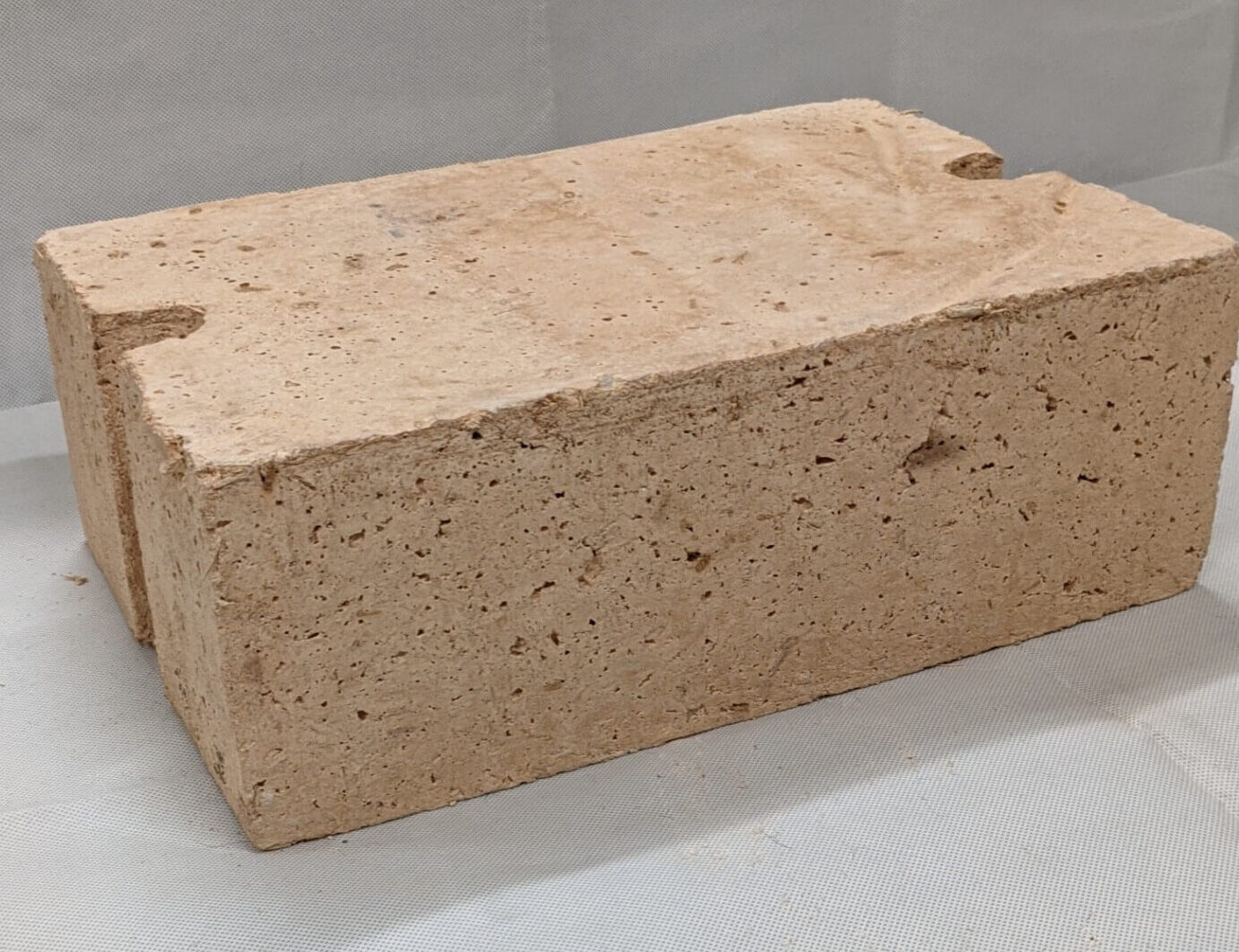
Mud Brick
An ancient, air-dried building block made from a mixture of earth (clay, sand, and silt), water, and a binding fiber like straw or rice husks. Also commonly known as adobe, the mixture is packed into molds and sun-baked rather than fired in a kiln. (ex: Ziggurat)
Negative (or sunken) relief
Relief carved INTO stone (vs stone subtracted around image)
(ex: Akhenaten, Nefertiti, and three daughters)

Obelisk
Tall, four-sided, narrow tapering monument that ends in a pyramid-like shape at the top originated in Egypt. (ex: Mortuary Temple of Hatshepsut)

Polytheism
Poly = Many
Theist = believer in a god
Polytheist = believer in many gods
Pylon
Massive monumental gateway with sloped walls (ex: Temple of Amun-Re)

Register
A horizontal band used to divide a composition into separate, distinct scenes, distinct scenes or narrative zones. Commonly Stacked vertically, they allow artists to organize complex sequential stories, establish spatial hierarchy, and denote social status or divine importance. (ex: Standard of Ur)

Relief (high and low/bas)
A type of sculpture where three-dimensional forms project from a two-dimensional background. It´s characterised by the sculptured elements remaining attached to a solid background of the same material. Relief art can be categorized into high relief, low relief(also known as bas-relief), and sunken relief, each distinguished by the degree to which the sculpted elements protrude from the background.
Valley Temple
An ancient Egyptian sanctuary located on the edge of the Nile floodplain. It served as the ceremonial gateway to a pharaoh´s pyramid complex, acting as the starting point for funeral rituals, mummification, and the ¨Opening of the Mouth¨ ceremony before the king´s body was transported to the tomb.
Ziggurat
An ancient Mesopotamian temple tower consisting of a stepped, pyramid structure with successive receding levels, outside staircases, and a shrine at the top. Built primarily by the Sumerians, Babylonians, and Assyrians, these towering structures were designed to reach toward the heavens and bring worshippers closer to their gods. They served as religious and administrative centers. The top shrine was viewed as the literal dwelling place of the city ´ s patron deity, where priests performed rituals and made offerings.